
The Vicenzaoro 2025 trade fair, held in Italy, has firmly established storytelling as a cornerstone of the luxury jewellery industry’s evolution. This premier global event brought together top brands, designers, and strategists to explore how heritage, innovation, and responsibility are reshaping the sector. Discussions and panels emphasized a significant shift in focus, with cultural narratives, ethical sourcing, and technological advancements now standing alongside traditional craftsmanship and design as key drivers of the industry. Sessions like ‘The Quantum Age’ delved into jewellery’s expanding role at the intersection of identity, culture, and technology, highlighting the need for storytelling to adapt to diverse markets, including India and China. Zhanna Kirkland, a seasoned industry strategist, noted that storytelling has transitioned from a marketing tactic to a strategic necessity in today’s values-driven luxury landscape. She emphasized that consumers increasingly seek transparency and emotional connections, making authentic narratives essential for building trust and loyalty. The VO Vintage segment underscored the importance of provenance, linking jewellery to its historical and cultural legacy. Organizers also previewed upcoming sustainability initiatives and technology integrations that will shape future editions of the fair. Kirkland encapsulated the prevailing sentiment: ‘The future of jewellery lies not just in its design but in the authenticity of the stories it tells and the connections it fosters.’
分类: business
-
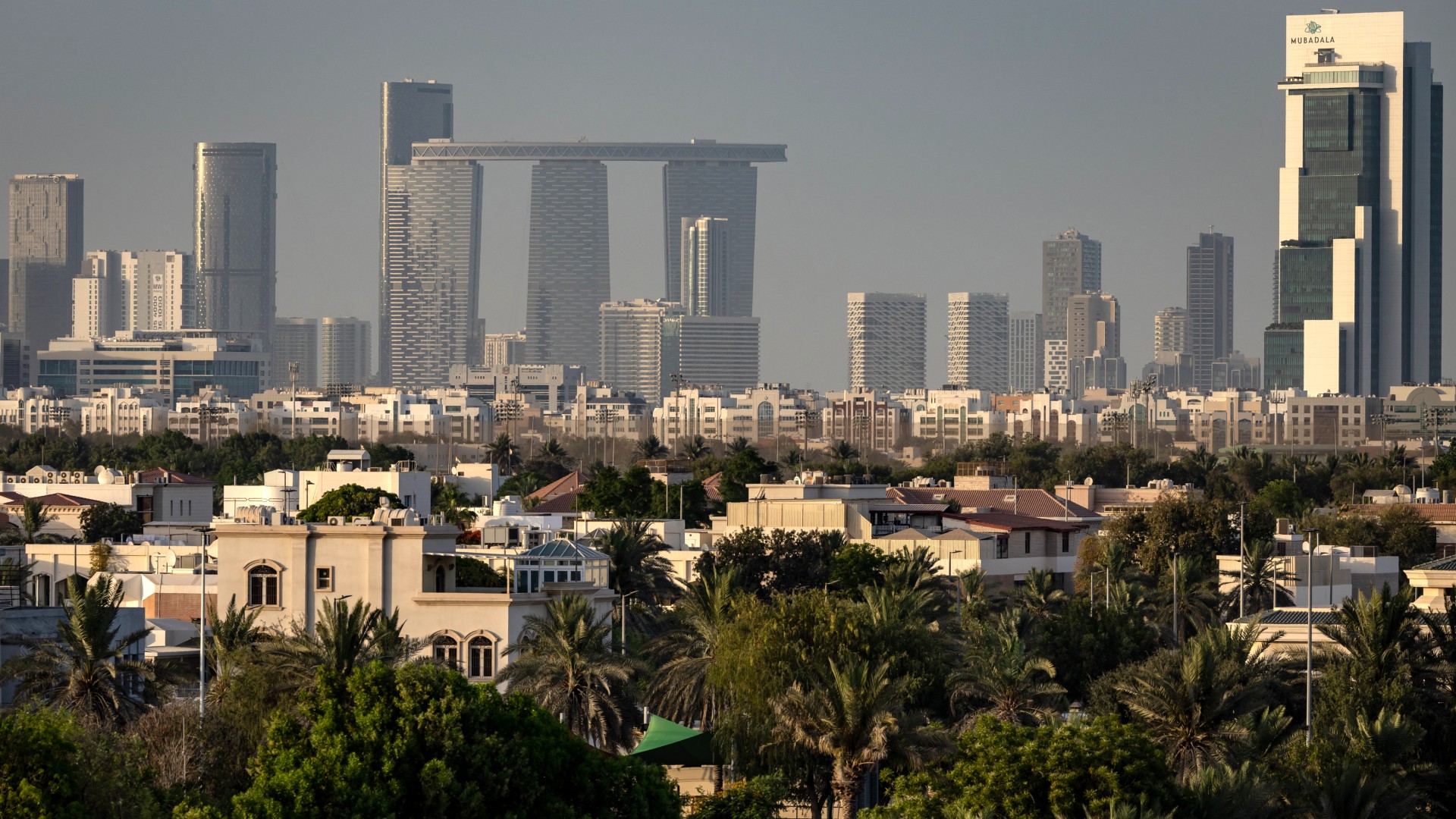
Israeli state-owned defence firm opens regional arm in UAE
In a landmark development following the normalization of relations between Israel and the United Arab Emirates (UAE) in 2020, an Israeli state-owned defense company has established a subsidiary in the UAE. Controp Precision Technologies, a leading developer of electro-optical systems, will register its new entity in the Abu Dhabi Global Market (ADGM), a prominent economic zone in the Emirati capital. The Israeli Ministry of Defense officially approved the move on Sunday, as reported by The Times of Israel. The Abu Dhabi-based subsidiary will serve as Controp’s regional hub in the Gulf, managing marketing, sales, and maintenance of its advanced surveillance and reconnaissance systems used across air, land, and sea operations. In the future, Controp aims to compete directly for defense tenders in the UAE and neighboring countries. This strategic expansion underscores the deepening economic and political ties between the two nations, which have seen bilateral trade reach $3.2 billion in 2024. However, relations have faced challenges following the Gaza war, with the UAE occasionally criticizing Israeli actions. Despite these tensions, the establishment of Controp’s subsidiary signals continued collaboration in the defense sector. The investment is estimated at $30 million, with the subsidiary managed by an Israeli citizen while retaining full control under the parent company.
-
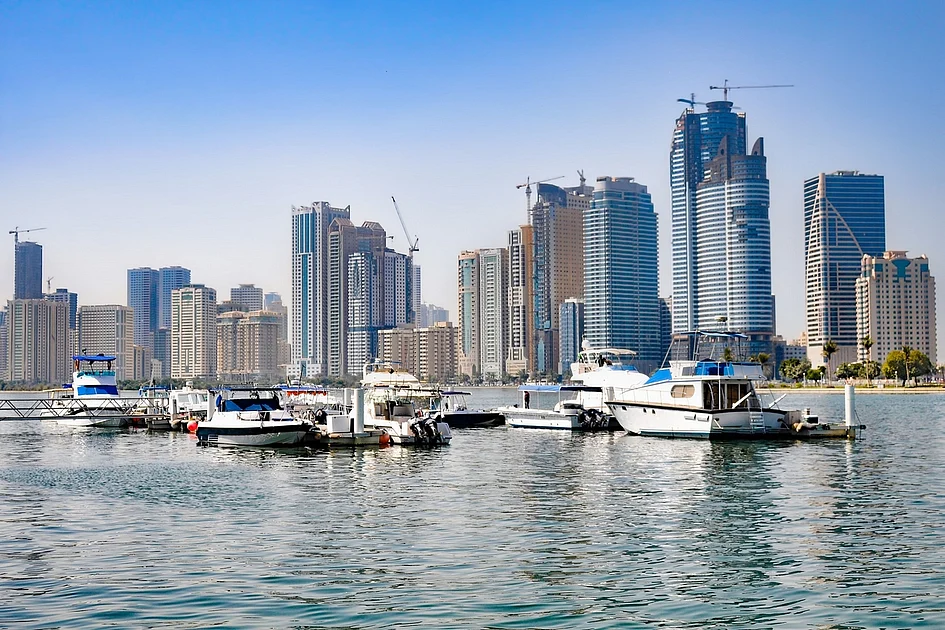
Sharjah tenants to get full fine exemption, 50% fee relief for expired leases
In a significant move to support tenants, the Sharjah Executive Council has approved a comprehensive settlement for unauthorized lease contracts. Effective from November 1, 2025, to December 31, 2025, tenants who regularize expired leases signed before September 19, 2024, will benefit from a 50% reduction in authentication fees and a complete waiver of administrative fines. This initiative applies to all lease types, including residential, commercial, industrial, and investment agreements. The decision aligns with the implementation of Law No. (5) of 2024 on real estate leasing and its executive regulations. Additionally, the Council greenlit the Hasad Center project, aimed at bolstering food security, advancing the agricultural sector, and aiding local farmers. The center will serve as a hub for collecting and distributing fruits and vegetables, streamlining support for producers. The meeting, chaired by Sheikh Sultan bin Mohammed bin Sultan Al Qasimi, Crown Prince and Deputy Ruler of Sharjah, also reviewed plans for the 54th UAE National Day celebrations, emphasizing national unity and cultural heritage. These measures underscore Sharjah’s dedication to fostering economic growth, supporting residents, and celebrating national achievements, in line with the vision of Sheikh Dr Sultan bin Mohammed Al Qasimi, Ruler of Sharjah.
-

UAE’s first Green Licence explained: What it means for sustainable businesses
The United Arab Emirates has taken a significant step towards fostering sustainable business practices with the introduction of its first-ever Green Licence. This groundbreaking initiative was unveiled during the launch of the Green Innovation District at Expo City Dubai, marking a pivotal moment in the nation’s green transformation journey. The Green Licence aims to attract and empower eco-conscious businesses by offering a range of benefits, including access to an on-site Green Intellectual Property Office designed to support innovation and attract sustainable enterprises globally. Reem Al Hashimy, Minister of State for International Cooperation and CEO of Expo City Dubai Authority, emphasized that the Green Innovation District would serve as a vibrant ecosystem where economic opportunity and ecological responsibility coexist harmoniously. The district will feature light industrial and urban farming spaces, alongside commercial areas, creating a sustainable, interconnected community. Al Hashimy highlighted that Expo City Dubai’s commitment to green standards and innovation provides an ideal environment for businesses to trial, scale, and succeed. The initiative is part of a broader vision to position Expo City Dubai as a global hub for sustainability-driven enterprises, innovation, and research, reinforcing the UAE’s leadership in building a resilient, net-zero future. Al Hashimy expressed gratitude to the Ministry of Economy and Tourism, founding partners, local government departments, and existing members of the Expo City Dubai business community for their commitment to advancing clean energy and decarbonization. Together, they are creating a model for the future—a catalyst for sustainable growth where both business and the environment can thrive.
-

Indian refiners pause new Russian oil orders, await clarity amid higher US sanctions
Indian refiners have temporarily suspended new orders for Russian crude oil as they await further clarity on the implications of heightened US sanctions targeting Russia’s oil sector. Sources revealed on Tuesday that major players, including state-run Indian Oil and private conglomerate Reliance Industries, are refraining from placing fresh orders while assessing the situation. Some refiners are reportedly turning to spot markets to meet their immediate crude oil needs. The US recently imposed sanctions on Russia’s top oil producers, Lukoil and Rosneft, prompting Indian refiners to reconsider their import strategies. Reliance Industries, India’s largest buyer of Russian oil, has committed to complying with the sanctions while maintaining ties with existing suppliers. However, the company plans to halt imports from Rosneft, a sanctioned entity. Industry insiders noted that refiners are cautious about engaging with traders linked to sanctioned entities, as banks may refuse to process payments. India, which imported 1.9 million barrels per day of Russian oil in the first nine months of 2025, accounting for 40% of Russia’s total exports, has seen a decline in imports due to narrower discounts and tighter supplies. Refiners are increasingly sourcing crude from the Middle East and the US to mitigate risks. The pause in Russian oil orders could potentially facilitate a trade deal between India and the US, as compliance with sanctions aligns with broader diplomatic objectives.
-
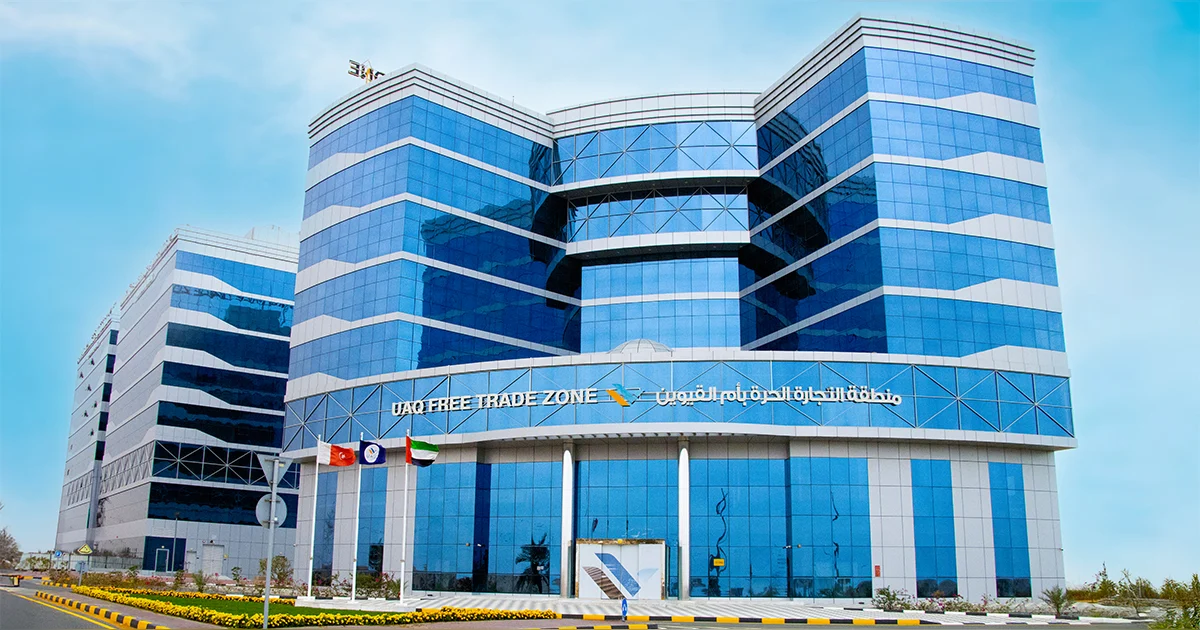
UAQ free trade zone: A smart haven for investors
The Umm Al Quwain Free Trade Zone (UAQ FTZ) is rapidly establishing itself as a cornerstone of sustainable economic growth within the UAE’s expansive network of free zones. Recognized as a Designated Free Zone under the UAE’s corporate tax regime, UAQ FTZ offers investors unparalleled benefits, including zero tax on qualifying income, transparency, and robust logistical connectivity. This strategic hub links seaports, airports, and major highways, creating a compliance-driven ecosystem that fosters stability and growth. The UAE’s corporate tax framework ensures that businesses operating within UAQ FTZ enjoy a 0% tax rate on income derived from manufacturing, distribution, and other qualifying activities. This tax-free environment allows companies to reinvest profits, accelerating expansion and enhancing global competitiveness. Legal and financial experts highlight that this clarity has significantly boosted investor confidence across the region. UAQ FTZ’s strategic location provides direct access to key transportation corridors, enabling duty-free import and re-export of goods. This logistical advantage translates into faster customs clearance, reduced costs, and smoother regional distribution, giving businesses a decisive edge in the competitive Gulf trade landscape. The Free Zone caters to a diverse range of enterprises, from startups and freelancers to industrial manufacturers. Its flexible licensing structure—commercial, industrial, service, and freelance—supports seamless scaling and operational diversification. UAQ FTZ also prioritizes compliance, offering advisory support, accounting guidance, and banking partnerships to ensure businesses meet evolving regulatory standards effortlessly. With ongoing infrastructure investments, including a 400,000sqft warehouse expansion and new industrial plots, UAQ FTZ is building a future-ready ecosystem for logistics, storage, and manufacturing. By aligning with the UAE’s Vision 2031, the Free Zone aims to attract two million active companies and ten unicorn startups within the decade, reinforcing the UAE’s position as a global business leader. In an era defined by compliance, clarity, and cost-efficiency, UAQ FTZ stands out as a model of economic foresight, offering investors a launchpad for sustainable growth and success.
-
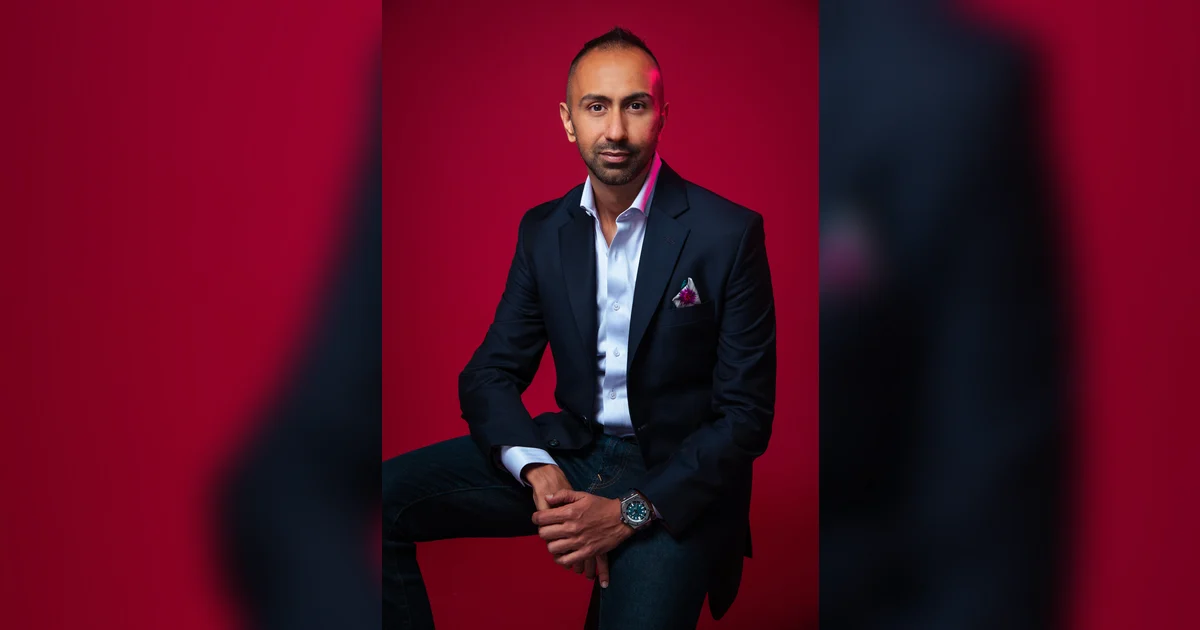
Chasing the unicorn dream: Unlocking the UAE’s entrepreneurial future
The United Arab Emirates (UAE) has long been celebrated for its business-friendly environment, offering foreign investors 100% ownership, zero corporate taxes, and rapid company setup through its free zones. Despite these advantages, the nation has yet to produce a significant number of homegrown unicorns—startups valued at over $1 billion. This raises a critical question: Why does the UAE lag behind in fostering billion-dollar startups, and what can be done to unlock its entrepreneurial potential?
-
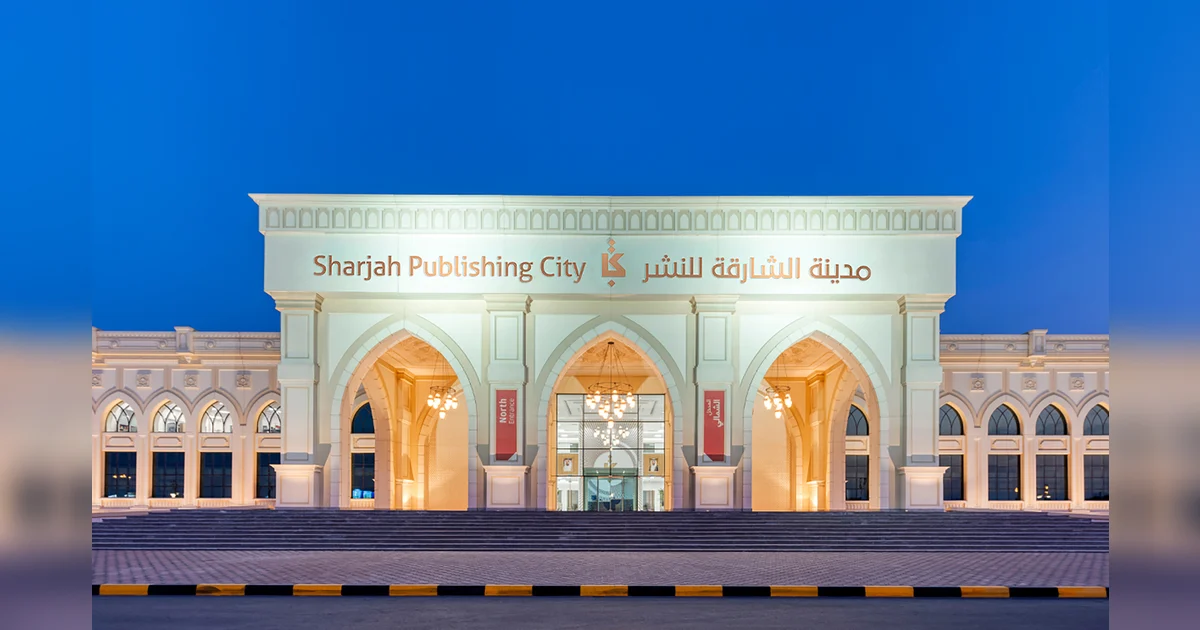
How Sharjah’s SPC free zone helps entrepreneurs take back control of their lives
While the UAE is renowned for its high standard of living and economic opportunities, many professionals find themselves sacrificing personal time and autonomy in pursuit of financial stability. Over 41% of employees report extended work hours and lengthy commutes, leaving little room for personal life or savings. This growing dissatisfaction has spurred a wave of entrepreneurship, as individuals seek greater freedom and control over their lives. However, the journey to business ownership is often fraught with challenges, including high licensing costs, complex setup processes, and stringent local ownership rules. Enter Sharjah Publishing City (SPC) Free Zone, a dynamic hub designed to simplify entrepreneurship and empower aspiring business owners. Established in 2017, SPC Free Zone leverages Sharjah’s strategic location and business-friendly environment to attract entrepreneurs from around the globe. By offering the world’s first AI-powered business license, SPC Free Zone enables entrepreneurs to obtain licenses instantly or on the same day of application. Additionally, business owners can register up to five activities under a single license, providing flexibility to explore diverse industries such as e-commerce and consultancy. With affordable packages starting at just Dh5,750 and flexible payment plans, SPC Free Zone removes financial barriers for first-time entrepreneurs. The free zone also offers SPC Plus, a suite of services designed to streamline visa applications, medical examinations, tax filing, and corporate banking setup. By addressing the pain points of time and cost, SPC Free Zone empowers entrepreneurs to take the first step toward building successful businesses in the UAE.
-
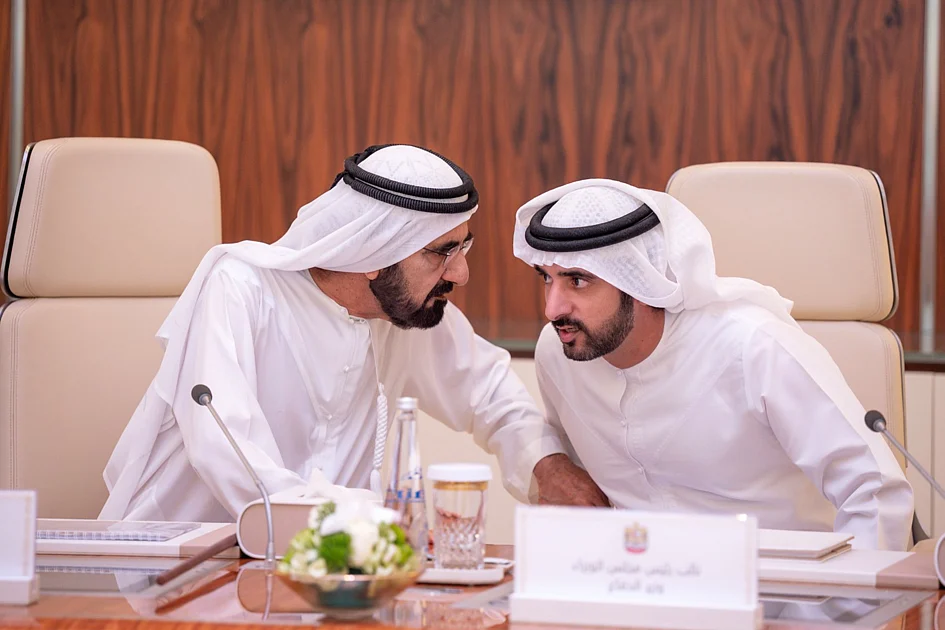
UAE Cabinet approves largest-ever federal budget for 2026
The UAE Cabinet has greenlit its largest-ever federal budget for 2026, with projected revenues and expenditures totaling 92.4 billion dirhams. Announced by Sheikh Mohammed bin Rashid Al Maktoum, Vice-President and Prime Minister of the UAE and Ruler of Dubai, the budget reflects a 29% increase compared to 2025, underscoring the nation’s robust economic trajectory. Sheikh Mohammed emphasized the UAE’s balanced budgets, growing investments, accelerating foreign trade, and expanding economy, positioning the country as a global leader in foreign direct investment (FDI). The budget allocation spans key sectors: 37% (Dh34.6 billion) for social development and pensions, 29% (Dh27.1 billion) for government affairs, 17% (Dh15.4 billion) for financial investments, 14% (Dh12.7 billion) for federal expenses, and 3% (Dh2.6 billion) for infrastructure and economic development. The UAE’s outbound FDI reached Dh1.05 trillion in 2024, a 9% year-on-year increase, with Dh86 billion flowing into global markets. The nation ranks among the top 20 global investors, leading the Arab world, West Asia, and the MENA region in FDI contributions. Over the past five years, non-oil exports surged by 247% to Dh139.3 billion, while total imports grew by 115% to Dh666.5 billion. The Cabinet also approved 35 international agreements, further cementing the UAE’s role as a global economic powerhouse.
-
Hedge and Sachs financial consultations secures key regulatory milestone with SCA License approval
Hedge & Sachs Financial Consultations, a prominent financial advisory firm, has reached a significant milestone by securing the Category 5 license from the UAE Securities and Commodities Authority (SCA). This achievement not only highlights the firm’s evolution but also reinforces its dedication to creating a secure and forward-thinking financial advisory platform in the UAE. The license empowers Hedge & Sachs to provide extensive financial advisory services to individuals, family offices, and institutional clients, showcasing its commitment to investor protection, elevated advisory standards, and alignment with the UAE’s progressive financial vision. Shivansh Rachit, founder and executive chairman of Hedge & Sachs, emphasized that the license is both a recognition of their efforts and a responsibility to uphold integrity and accountability. Since its inception, the firm has grown into a 200-member powerhouse, known for its strategic insight and robust operational framework. With this regulatory milestone, Hedge & Sachs is set to expand its services, introduce innovative investment products, and explore emerging asset classes. The firm’s future growth will focus on leveraging financial technology to enhance client experience and efficiency. As the UAE solidifies its status as a global financial hub, Hedge & Sachs remains committed to being a trusted partner for investors, maintaining the highest professional standards while adapting to the dynamic market demands.