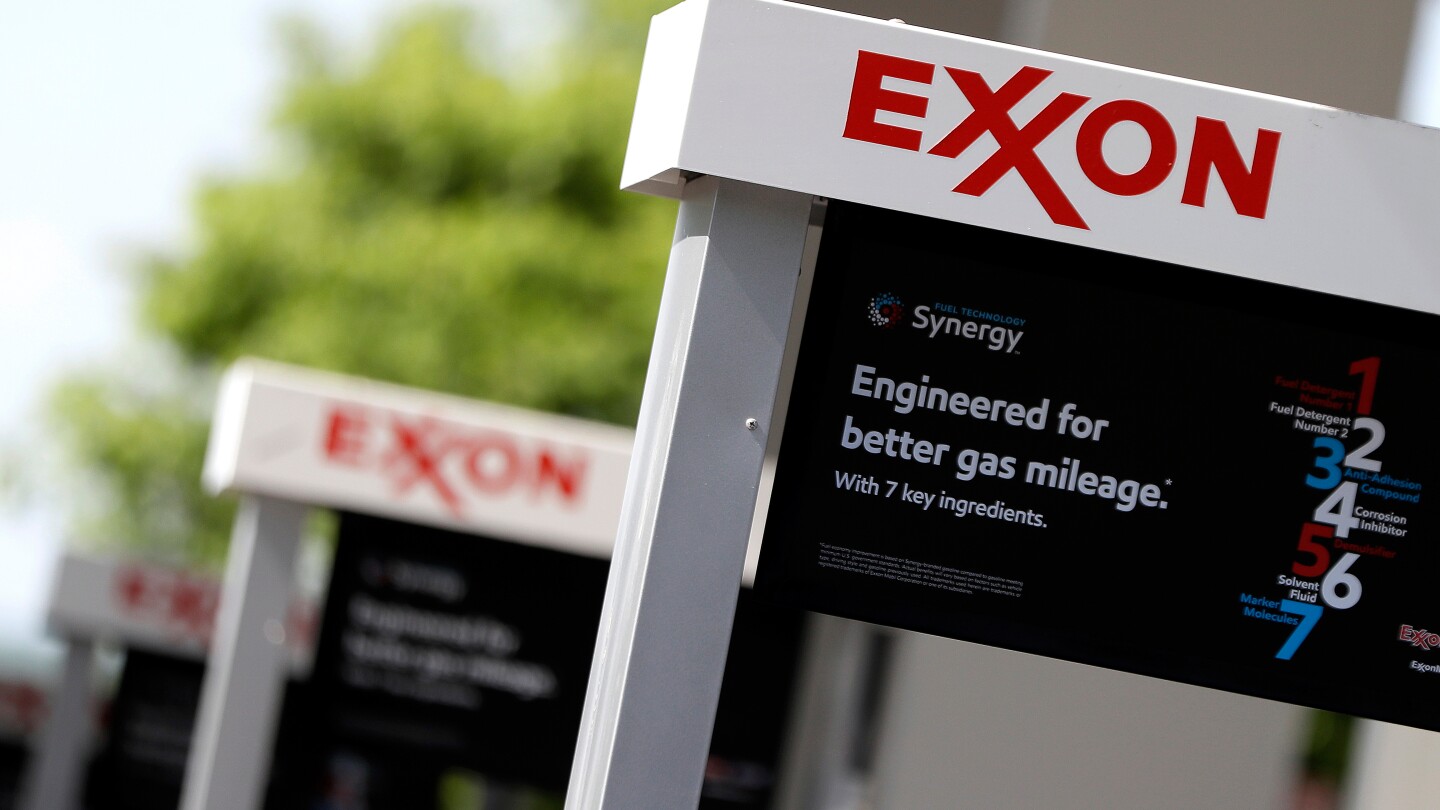
Exxon Mobil and Chevron delivered robust third-quarter performances, driven by record production levels in key regions. Exxon Mobil reported earnings of $7.55 billion, or $1.76 per share, for the quarter ending September 30. While this marked a slight decline from the $8.61 billion, or $1.92 per share, earned in the same period last year, adjusted earnings of $1.88 per share exceeded Wall Street’s expectations of $1.81 per share, according to Zacks Investment Research. Revenue stood at $85.29 billion, slightly below the projected $86.77 billion. Exxon’s net production surged to 4.7 million oil-equivalent barrels per day, a significant increase of 1.1 million barrels compared to the previous quarter. Notably, Guyana’s output exceeded 700,000 barrels per day, while the Permian Basin achieved a record-breaking 1.7 million oil-equivalent barrels per day. Chevron also posted strong results, with third-quarter earnings of $3.54 billion, or $1.82 per share. Adjusted earnings of $1.85 per share surpassed the anticipated $1.66 per share, though revenue of $49.73 billion fell short of the $53.58 billion forecast. The companies’ performances were bolstered by rising oil prices, which spiked following U.S. sanctions on Russia’s oil industry. OPEC+’s recent decision to increase production by 137,000 barrels per day in November has also contributed to market stability. Both Exxon and Chevron maintain a policy of not adjusting reported results for one-time events, such as asset sales.
分类: business
-
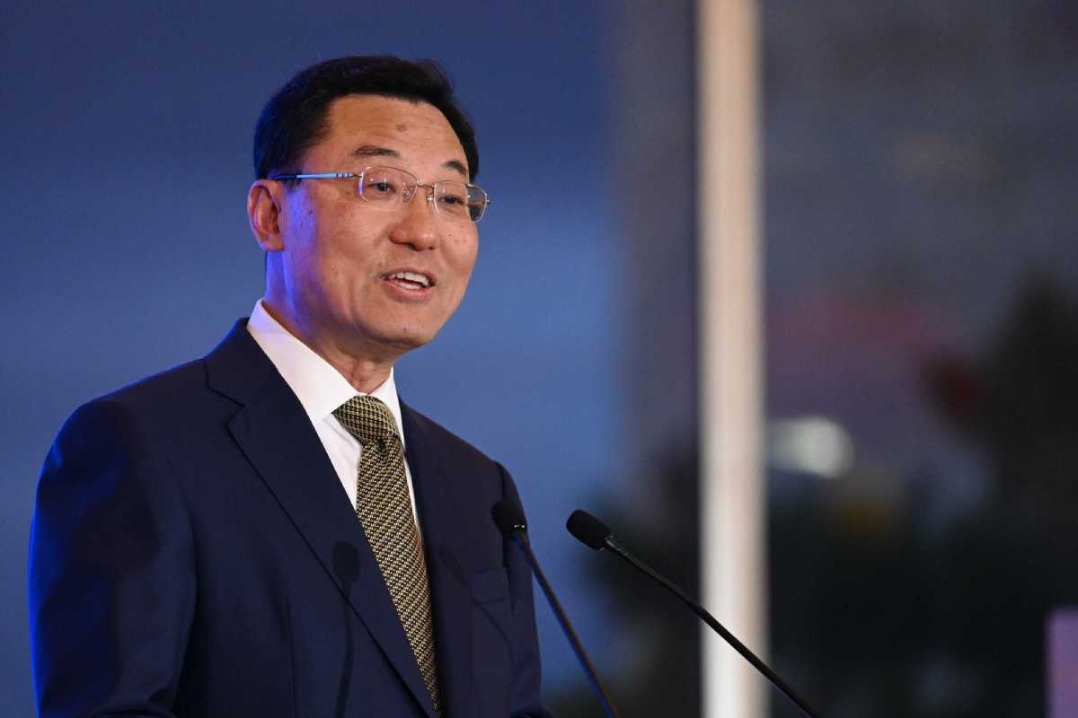
Envoy calls for fair treatment for Chinese financial institutions in US
Chinese Ambassador to the United States, Xie Feng, has called on the US government to ensure an equitable and non-discriminatory environment for Chinese financial institutions operating within its borders. Speaking at the New York Satellite Forum of the 2025 Financial Street Forum, Ambassador Xie highlighted the significant progress in financial cooperation between China and the US since the inception of China’s 14th Five-Year Plan (2021-2025). He noted that many US businesses have not only witnessed but also actively supported and benefited from these developments. Xie cited several milestones, including J.P. Morgan Securities becoming the first wholly foreign-owned securities company in China, American Express receiving approval for bank card clearing services, and BlackRock establishing the first wholly foreign-owned public equity mutual fund company. These achievements, he emphasized, underscore China’s commitment to opening its financial sector to American enterprises. Ambassador Xie urged the US to reciprocate by fostering a similarly open and fair environment for Chinese financial institutions. He stressed the importance of maintaining a stable and sustainable bilateral relationship, advocating for dialogue over confrontation, cooperation over decoupling, and stability over volatility. Xie expressed his hope that the US financial sector would continue to support the China-US relationship, contributing to its development and helping both nations navigate their interactions in the new era.
-
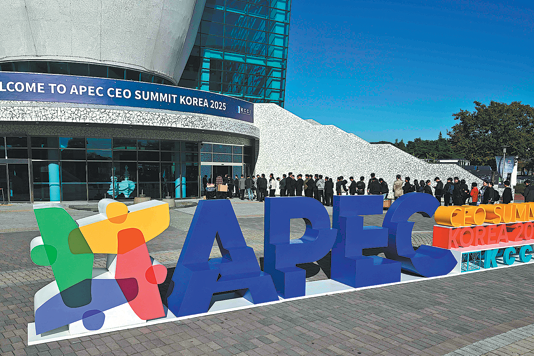
Stronger ties urged to spur trade growth
At the APEC CEO Summit held in Gyeongju, South Korea, leaders and business executives underscored the critical importance of fostering deeper partnerships to enhance trade, investment, and sustainable growth across the Asia-Pacific region. The event, attended by prominent figures from various nations, focused on addressing challenges such as supply chain resilience, digital trust, and regional cooperation. Thailand’s Prime Minister Anutin Charnvirakul emphasized the need for global collaboration to combat online scams and cybercrime, while Vietnam’s President Luong Cuong stressed the significance of maintaining a stable environment to facilitate free trade and investment. Thani bin Ahmed Al Zeyoudi, the UAE’s Minister of Foreign Trade, highlighted the nation’s commitment to openness as a cornerstone of its economic growth, advocating for increased global trade amidst rising protectionism. Eric Ebenstein, TikTok’s Senior Director of Public Policy, discussed the pivotal role of trust in the digital ecosystem, citing the economic impact of content creation, particularly the global influence of South Korean culture. He shared an example of a viral TikTok post about gimbap (seaweed rolls) that led to a nationwide sellout in the U.S. Other speakers, including Chang In-hwa, Chairman and CEO of Posco Group, called for multilateral partnerships to build resilient and green supply chains. Posco’s joint venture with Australia’s Hancock Prospecting, Japan’s Marubeni Corp, and China Steel Corporation was highlighted as a model of regional collaboration. Garry Korte, CEO of Hancock Prospecting, emphasized the high level of trust generated through such partnerships, while Paul Grimes, CEO of the Australian Trade and Investment Commission, described supply chains as the ‘lifeblood of modern economies,’ underscoring the need for sustainability and resilience. Masayuki Omoto, CEO of Marubeni, echoed the call for public-private partnerships to address global challenges effectively.
-
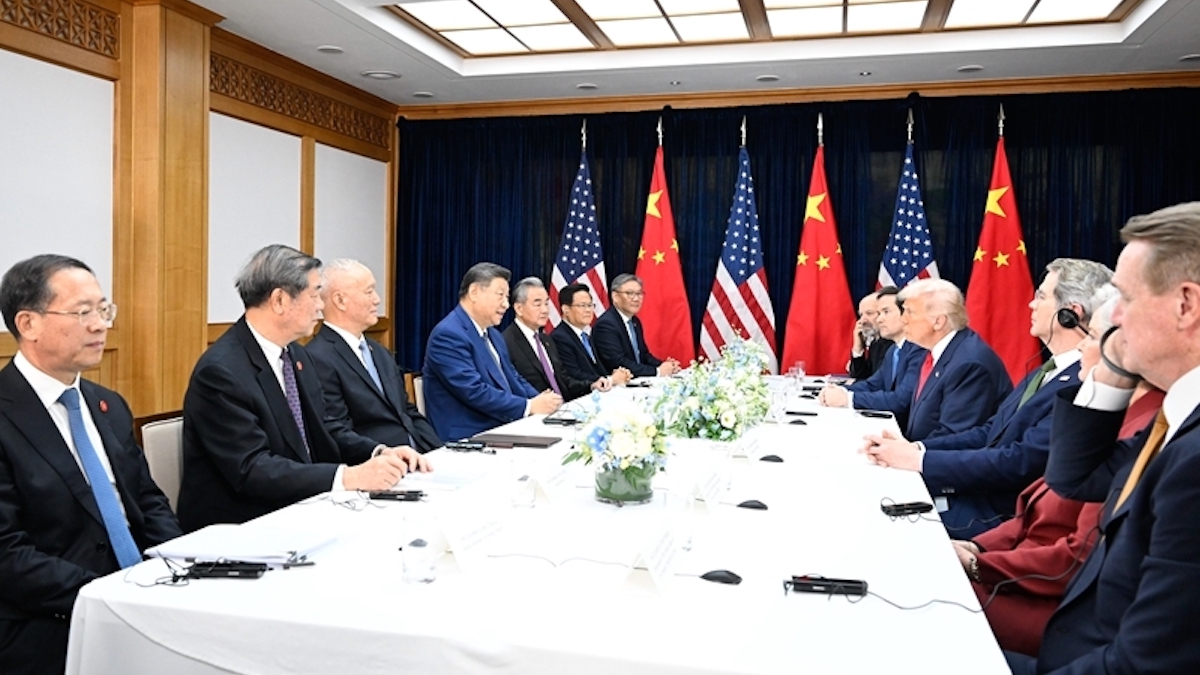
Chinese pundits claim victory after Trump’s trade concessions
The recent summit between Chinese President Xi Jinping and US President Donald Trump has led to significant trade concessions, sparking widespread celebration among Chinese media and commentators. Washington agreed to halve the 20% fentanyl-related tariff and extend the suspension of the 24% reciprocal tariffs by a full year, rather than the initially anticipated 90 days. This decision came after the two leaders met in South Korea on Thursday morning, marking a pivotal moment in the ongoing trade negotiations between the two economic giants. Chinese analysts hailed the compromises as substantial, particularly given the backdrop of the tariff war that began in 2018. Despite a de-escalation agreement in May, Chinese exporters still faced an average tariff rate of 55%, including a 20% fentanyl-related tariff, a 10% reciprocal tariff, and a 25% tariff from the 2018 trade war. The new concessions are expected to save Chinese exporters $43.5 billion annually, providing a much-needed boost to China’s export economy, which saw a 16.9% year-on-year decline in the first nine months of this year. The trade truce also highlighted China’s strategic use of its rare-earth dominance, with the US recognizing the critical role China plays in global rare-earth refining. This leverage has allowed Beijing to secure time for supply chain reforms and industrial upgrades. Meanwhile, the one-year tariff suspension has reignited optimism across China’s manufacturing hubs, with business leaders viewing it as a lifeline for stabilizing production and securing global orders. The US, facing its own industrial challenges, has softened its stance, acknowledging the need for cooperation. However, analysts caution that the US policy of suppressing China’s technological development remains unchanged. The truce also includes agreements to postpone new sanctions rules and reciprocal port fees, further easing trade tensions. As both nations navigate this fragile truce, the focus remains on leveraging the coming year to strengthen economic resilience and deepen bilateral cooperation.
-
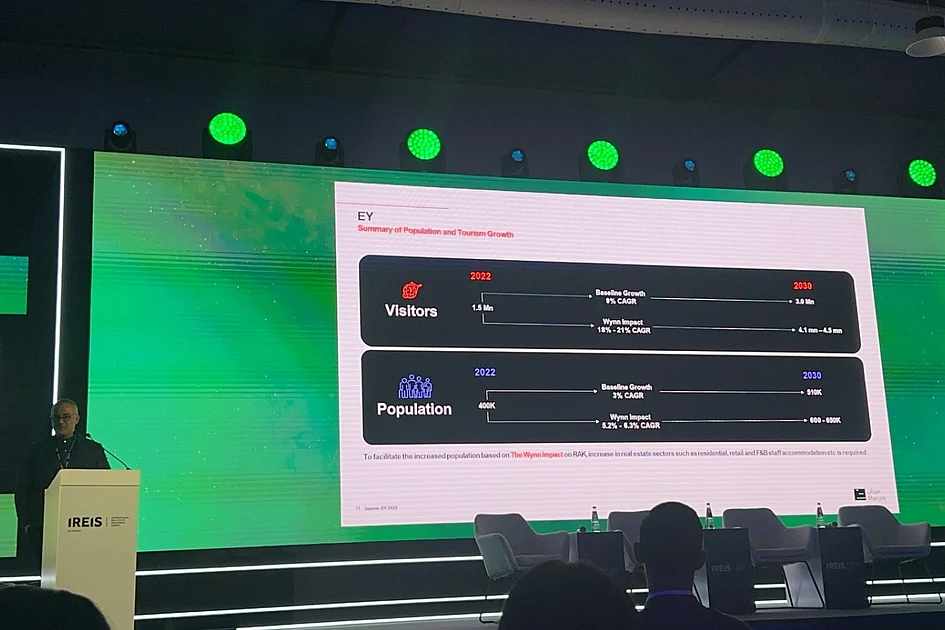
UAE: Marjan Island visitors could double as Wynn Resorts to transform RAK
Ras Al Khaimah is poised for a transformative leap in its tourism and economic landscape with the development of the Wynn integrated resort on Al Marjan Island. Industry experts predict that this project will more than double the emirate’s visitor numbers, positioning it as a key player in the UAE’s hospitality sector. Tariq Bsharat, Chief Strategy and Business Development Officer at Marjan, emphasized that the resort is not merely a luxury addition but a ‘game-changer’ designed to elevate Ras Al Khaimah’s global tourism profile. Speaking at the International Real Estate Investment Summit, Bsharat drew parallels with global destinations like Singapore, Macau, and Las Vegas, where integrated resorts have significantly boosted tourism. The Wynn project, set to open in 2027, will feature 1,530 rooms, 22 dining venues, luxury retail, a spa, and entertainment areas. Extensive studies by EY, Colliers, and JLL forecast a surge in visitors from 1.3 million in 2023 to 3.8 million in 2027, eventually reaching 5.5 million. Colliers estimates that the resort could increase UAE-wide visitor arrivals by up to 9 per cent, highlighting its national significance. Beyond tourism, the project is expected to drive population growth, demand for residential units, and job creation, creating a virtuous cycle of development. Marjan is also advancing flagship projects like RAK Central and Marjan Beach to support this growth. Investor confidence has surged since the Wynn announcement, with increased land transactions and development activity across Al Marjan Island. Abdulla Al Abdouli, CEO of Marjan, highlighted the emirate’s diverse landscape as a magnet for varied investments, from luxury retreats to waterfront developments.
-
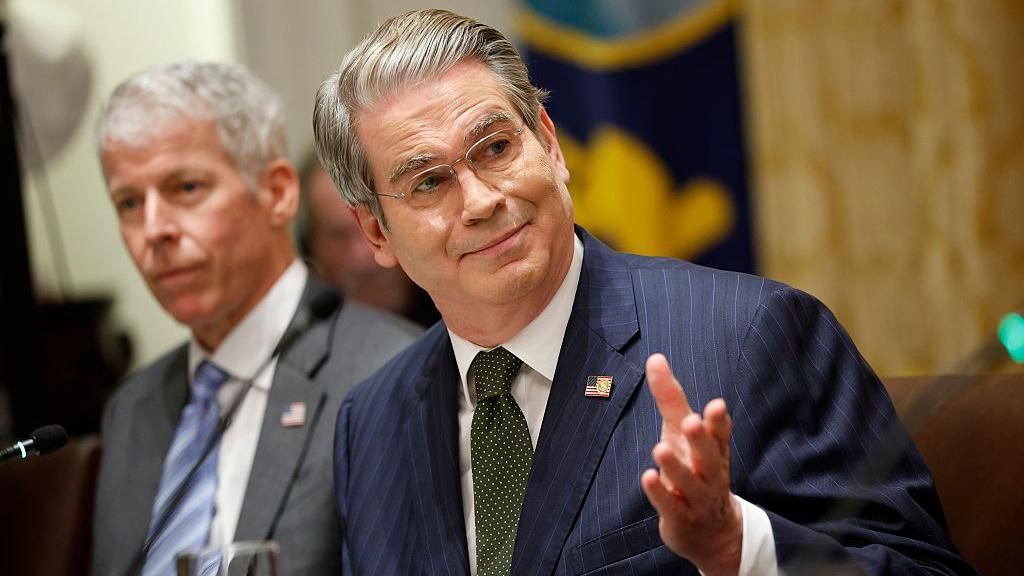
The US bet big with Argentina bailout – is it paying off?
US Treasury Secretary Scott Bessent has emerged as the central figure in the Trump administration’s bold economic maneuvers, including global tariffs, trade negotiations with China, and now, a high-stakes intervention in Argentina. The US stepped in during September to stabilize the plummeting peso, fearing it could undermine President Javier Milei, a key Trump ally, in the midterm elections. The intervention included purchasing pesos and establishing a $20 billion currency swap line, bolstering Milei’s political standing and helping his party secure significant gains in the elections. However, the financial success of this intervention remains uncertain. Despite US efforts, the peso has fallen 30% this year, raising concerns about the sustainability of the strategy. Critics argue that the move contradicts the administration’s ‘America First’ policy, while Bessent defends it as a necessary step to prevent regional destabilization. Analysts warn that Argentina’s history of currency devaluation and debt default adds significant risk, and the peso’s artificial support may not be sustainable. The US Treasury has remained tight-lipped about key details, leaving questions about the long-term implications of this unprecedented gamble.
-
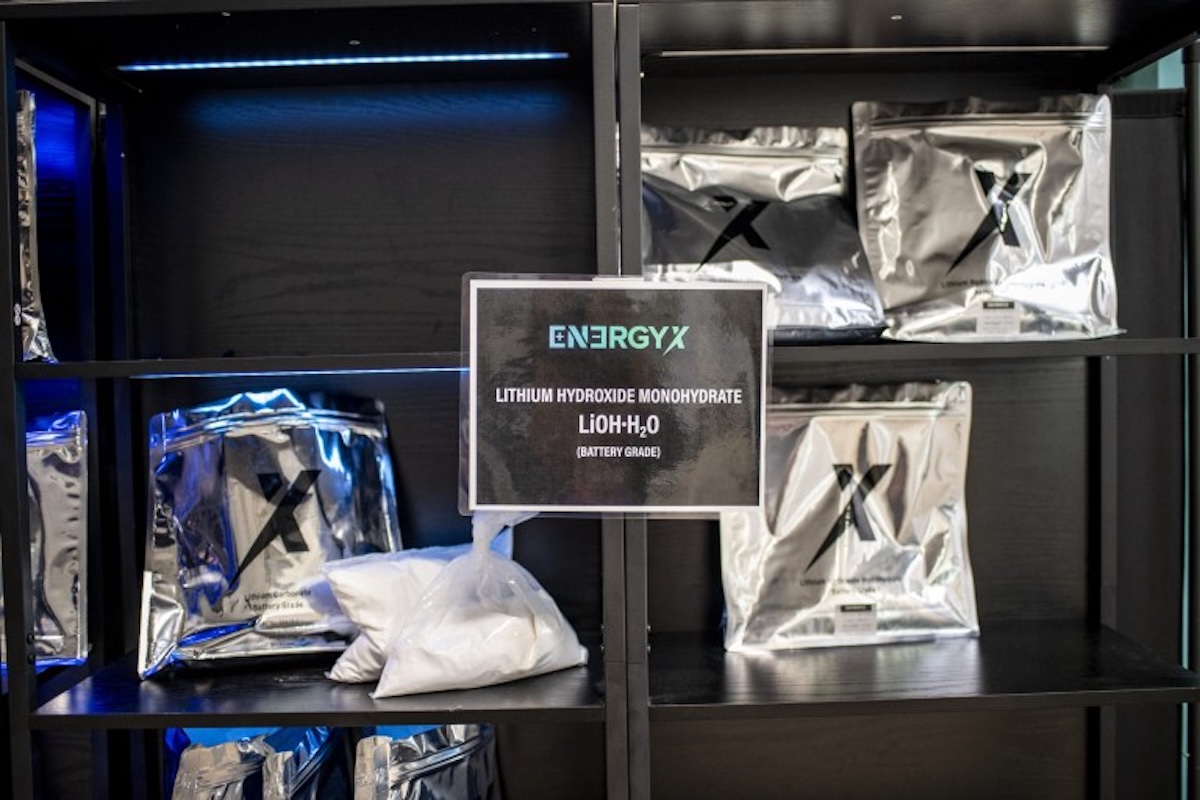
Rare minerals-tied new-generation industries emerge in Texas
In a strategic shift, major oil companies are now drilling in East Texas, not for oil, but for lithium and other rare earth elements essential for advanced manufacturing. Chevron, Halliburton, and Exxon are leading the charge, with significant projects announced in 2025. The Smackover Formation, a massive brine deposit, has been identified as the most lithium-rich site in North America, sparking a rush of investment and development.
-
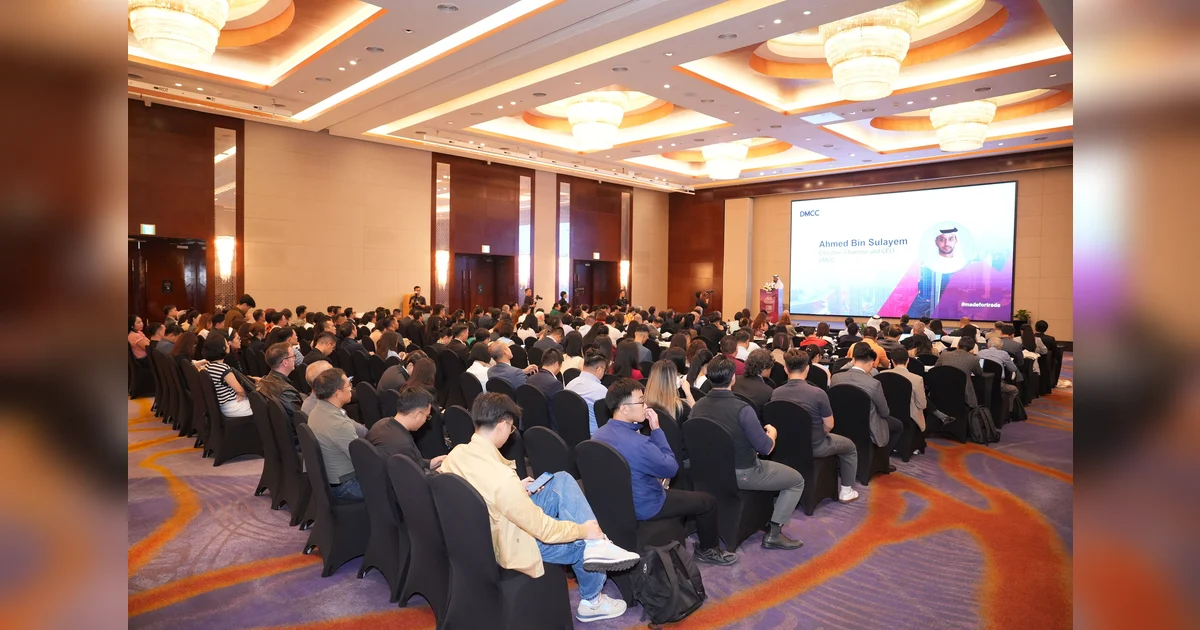
Dubai unveils plan for new financial centre in DMCC
Dubai is set to redefine its role in the global financial landscape with the unveiling of a new financial centre within the Dubai Multi Commodities Centre (DMCC). This strategic move marks a significant evolution for the city, transitioning from a global gateway hub to a seamless convergence point for trade, finance, technology, and capital. The announcement was made during DMCC’s Made For Trade Live roadshow in Vietnam, where over 550 Vietnamese business leaders explored Dubai’s potential as a platform for international expansion. The event also highlighted the strengthening economic ties between the UAE and Vietnam under the Comprehensive Economic Partnership Agreement (CEPA).
The upcoming financial centre will serve as a financial engine for DMCC’s thriving business ecosystem, integrating banks, fintech innovation labs, digital asset platforms, venture capital firms, and specialized financial service providers into one cohesive district. This initiative aims to create a robust financial backbone that supports Dubai’s trade flows, entrepreneurial growth, commodity networks, and digital economy. Companies within DMCC’s 26,000-strong community will gain streamlined access to capital, structured finance, risk solutions, cross-border settlement frameworks, and investment partnerships.
Ahmed bin Sulayem, DMCC’s Executive Chairman and CEO, described the project as transformative, emphasizing its role in connecting member companies directly to the global financial system. The centre will focus on trade finance, fintech innovation, and digital-asset solutions, aligning with the UAE’s ambition to position Dubai among the world’s most influential financial hubs. The new centre is expected to complement the Dubai International Financial Centre (DIFC), with DMCC focusing on trade-related financial services such as commodity finance, supply-chain financing, and blockchain-enabled settlement systems.
The timing of this development coincides with Dubai’s growing appeal as a global wealth hub. Independent research projects that the UAE will attract 9,800 high-net-worth individuals in 2025, the largest net inflow globally. Additionally, trade connectivity between the UAE and Southeast Asia is rapidly expanding, with the UAE-Vietnam CEPA driving bilateral non-oil trade to $7 billion in the first half of 2025. The new financial centre will further enhance Dubai’s position as a command centre where global capital meets global trade, shaping the next generation of financial systems.
-
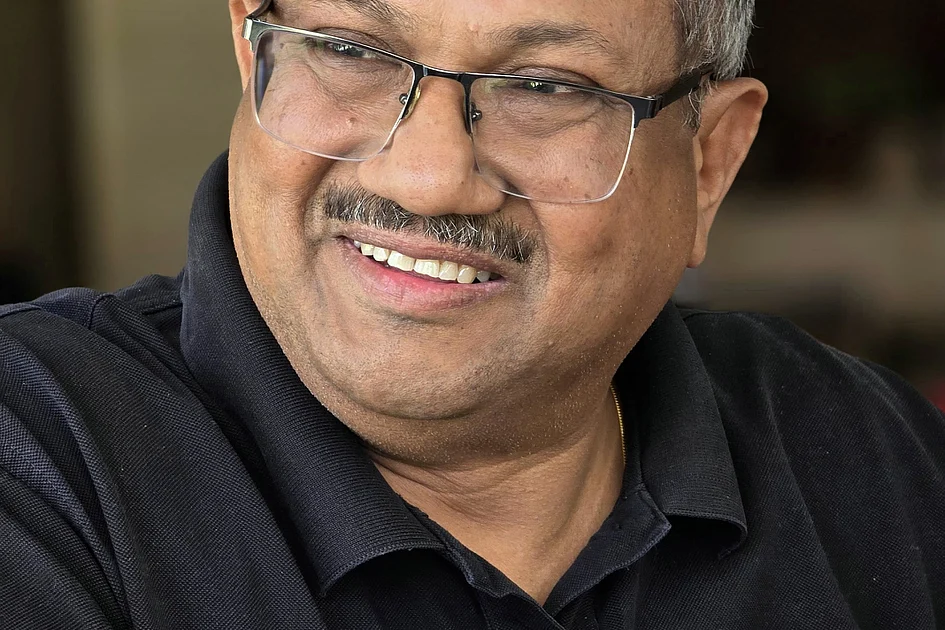
UAE students look east as India’s design industry powers global demand for creative talent
The global design industry is experiencing a seismic shift, propelled by advancements in artificial intelligence, digital experiences, and sustainability. At the forefront of this transformation is India, which is rapidly emerging as a hub for creative education and innovation. The World University of Design (WUD), India’s first university dedicated exclusively to creative disciplines, is attracting a growing number of students from the UAE and beyond, drawn by its forward-thinking programs and global relevance.
Dr. Sanjay Gupta, Vice Chancellor of WUD, highlights the evolving role of design in today’s world. “Design is no longer confined to aesthetics; it is driving industries ranging from technology and urban planning to fashion and digital experiences,” he explains. The global design industry, currently valued at $63 billion, is projected to reach $89 billion by 2033, with India playing a pivotal role in this growth.
India’s design sector is expanding at an impressive annual rate of 25%, fueled by innovations in digital products, gaming, animation, and user experience. Government initiatives like Make in India and Digital India, coupled with the rise of global R&D hubs, have positioned design at the core of the country’s economic engine. Design education, in particular, is shaping India’s trajectory toward becoming a $5 trillion economy, with design thinking bridging the gap between technology and human needs in sectors such as healthcare, fintech, and smart cities.
Dr. Gupta emphasizes the multidisciplinary nature of future careers in design. “Employers increasingly value professionals who can think across boundaries—engineers who understand aesthetics, entrepreneurs who think like designers, and coders who empathize with users,” he says. WUD’s curriculum integrates design, business, and technology, fostering creativity, collaboration, and real-world problem-solving.
For UAE students, India offers a unique blend of world-class education, cultural familiarity, and affordability. WUD’s multicultural campus and globally benchmarked programs prepare students for careers in Dubai, London, Mumbai, and beyond. With tuition and living costs significantly lower than in the West, India provides exceptional value for families seeking quality education.
As the UAE continues to invest in its creative industries, collaborations with India’s design education ecosystem are strengthening. Institutions like WUD are at the forefront of this partnership, shaping the future of design, innovation, and the creative economy in the Global South. Admissions for WUD’s 2026 intake are now open, with the WUD Design Aptitude Test (WUDAT 2026) scheduled for January 4, 2026.
-
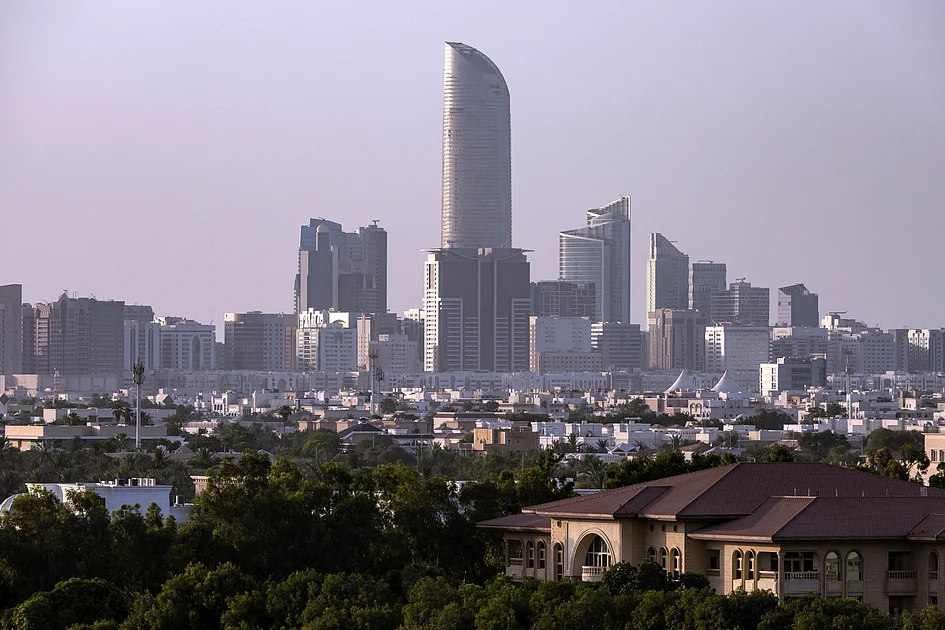
Abu Dhabi aims to double GDP, add 18,000 new hotel rooms and 216,000 jobs by 2030
Abu Dhabi has unveiled an ambitious strategy to significantly boost its tourism sector, aiming to double its GDP contribution, add 18,000 new hotel rooms, and create 216,000 jobs by 2030. This initiative is part of a value-driven approach that integrates culture, sustainability, and innovation, as announced by Saeed Al Fazari, Executive Director at the Department of Culture and Tourism – Abu Dhabi (DCT).
Al Fazari emphasized that the strategy prioritizes quality, cultural preservation, and sustainable practices. Abu Dhabi already boasts the world’s highest concentration of five-star hotels, with 21 new properties currently under development. The plan targets a 7% annual growth in visitors, increasing the tourism GDP contribution from Dh45 billion (US $24.5 billion) to Dh90 billion.
The job creation target of 216,000 surpasses the previously stated goal of 178,000, reflecting an upward revision. Al Fazari highlighted the importance of equipping the youth with skills in digital marketing and creative industries to meet this demand. The emirate is investing Dh25.7 billion (US $7 billion) annually into tourism, culture, and creative industries, supported by expanded air connectivity with 30 airlines flying to 120 global destinations and advanced digital infrastructure, including biometric airport access and e-services.
Abu Dhabi’s commitment to sustainability is evident in its protection of 75% of the UAE’s mangrove population and its UNESCO-listed Al Ain sites. Cultural assets, such as the Saadiyat Cultural District, which houses the Louvre Abu Dhabi and the soon-to-open Natural History Museum and Zayed National Museum, remain central to the strategy. Al Fazari confirmed the opening dates for these museums: the Natural History Museum Abu Dhabi on November 22 and the Zayed National Museum on December 3.
“Abu Dhabi is not just keeping pace with global travel trends,” Al Fazari concluded, “we are helping to define them.” This comprehensive plan positions Abu Dhabi as a global leader in tourism, blending economic growth with cultural and environmental stewardship.