分类: business

  • Australian stocks shrug off rate hike concerns to end three-day slide

    Australian stocks shrug off rate hike concerns to end three-day slide

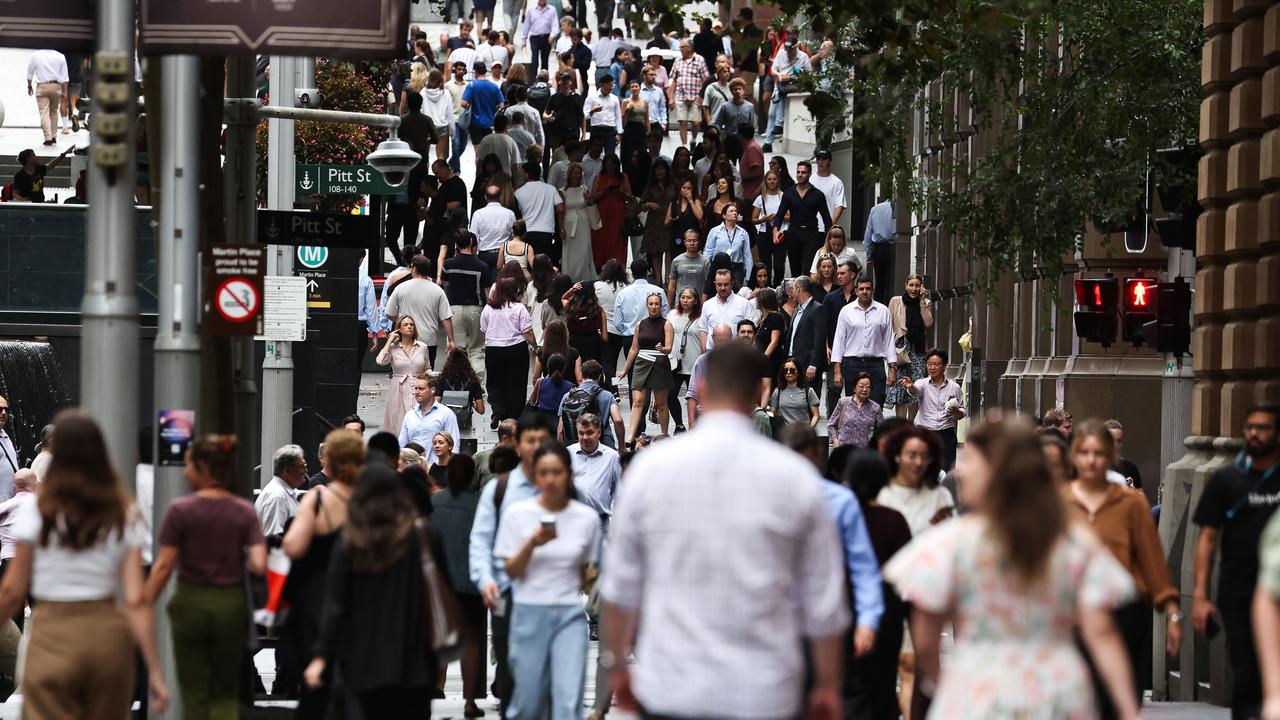
    Australian equities staged a powerful rebound on Thursday, decisively halting a three-day decline as multiple sectors surged despite mounting expectations of imminent interest rate hikes. The benchmark S&P/ASX 200 index advanced 65.80 points (0.75%) to close at 8,848.70, while the broader All Ordinaries index gained 63.90 points (0.70%) to finish at 9,172.50.

    The rally unfolded against a backdrop of surprisingly strong employment data from the Australian Bureau of Statistics, which reported the national unemployment rate falling to 4.1% as 65,000 additional workers entered the workforce. This development typically signals potential inflationary pressures, prompting financial markets to fully price in at least one interest rate increase by May 2026.

    Market performance demonstrated remarkable resilience with nine of eleven sectors finishing higher. Energy stocks led the charge, buoyed by Brent crude futures climbing back above US$65 per barrel. Consumer discretionary shares and major financial institutions also posted substantial gains, each rallying more than 1.80%.

    The big four banks contributed significantly to the market’s upward trajectory. Commonwealth Bank rose 2.30% to $150.61, Westpac gained 2.10% to $38.91, NAB outperformed with a 3.04% surge to $42.43, and ANZ added 0.64% to $36.40.

    Energy producers capitalized on geopolitical tensions and supply concerns. Woodside Energy jumped 2.89% to $24.20, Santos surged 5.28% to $6.38, and Ampol advanced 2.17% to $30.61.

    Individual standouts included Premier Investments, which soared 9.87% to $14.02 following a broker upgrade from Macquarie to ‘outperform.’ DroneShield shares climbed 9.49% to $4.73 after Bell Potter raised its price target to $5 per share. A2 Milk recovered 5.44% to $8.53 after recent weakness tied to declining birth rates in China.

    The materials sector provided the primary drag on markets, with BHP falling 0.83% to $48.08 and Fortescue slumping 5.12% to $21.48. Gold miners faced substantial pressure as geopolitical tensions eased, with Northern Star Resources plummeting 8.43% to $26.18.

    The Australian dollar strengthened considerably, jumping 0.81% to trade at US68.07 cents. IG market analyst Tony Sycamore noted the currency’s appreciation potential, citing divergent monetary policy expectations between Australia and the United States.

  • Oil faces price ceiling as supply surge outpaces demand

    Oil faces price ceiling as supply surge outpaces demand

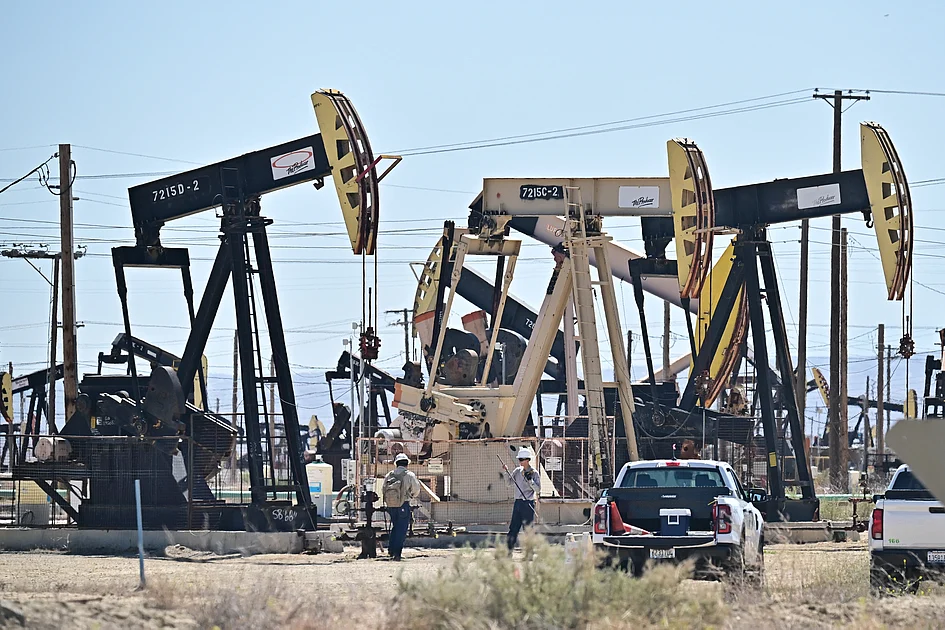
    A substantial supply surplus is poised to dominate global oil markets throughout 2026, effectively imposing a ceiling on prices despite ongoing geopolitical instability, according to a definitive assessment by the International Energy Agency (IEA). The agency projects that worldwide oil supply will expand by approximately 2.5 million barrels per day (bpd) this year, reaching a staggering 108.7 million bpd. This follows an even larger increase of around 3 million bpd recorded in 2025.

    This robust production growth, originating predominantly from non-OPEC+ nations including the United States, Canada, Brazil, Guyana, and Argentina, is dramatically outpacing the modest rise in global consumption. The IEA forecasts demand growth of merely 930,000 bpd for 2026, driven almost entirely by emerging economies outside the OECD. This supply-demand imbalance, nearly a threefold difference, has created a significant market buffer that is expected to confine benchmark crude prices within a volatile $60 to $70 per barrel range, suppressing any sustained price rallies.

    The physical evidence of this glut is unmistakable. Global observed inventories swelled by approximately 470 million barrels throughout 2025, equating to a build of nearly 1.3 million bpd. A sharp acceleration occurred in November alone, with stocks jumping over 75 million barrels, primarily in onshore crude storage. Preliminary data indicates this trend continued into December. Consequently, OECD industry stockpiles have climbed to 2.84 billion barrels, aligning with the five-year average but standing markedly higher than levels seen a year prior.

    Refining activity surged late in the previous year, with global crude throughputs rising by about 2 million bpd in December to 85.7 million bpd ahead of planned seasonal maintenance. For 2026, refinery runs are forecast to average 84.6 million bpd. However, refining margins weakened considerably toward the end of 2025, especially in Europe, where middle distillate cracks halved from their November peaks—a symptom of softening industrial demand and burgeoning product inventories.

    Despite repeated geopolitical shocks, prices have consistently failed to maintain upward momentum. North Sea Dated crude averaged just $62.64 a barrel in December, marking a sixth consecutive monthly decline and reaching lows unseen since early 2021. Benchmark prices remain roughly $16 a barrel below the previous year’s levels. A brief January price spike of $6, triggered by renewed tensions involving Iran and Venezuela, quickly subsided as market attention returned to overwhelming fundamentals.

    Leading financial institutions echo this cautious outlook. Goldman Sachs analysts noted that geopolitical risk premiums are being overwhelmingly “absorbed by the weight of surplus supply,” projecting Brent to trade within the $60-$70 band. JPMorgan issued a more bearish warning, suggesting prices could test the low-$60s or even high-$50s if demand weakens further or if OPEC+ accelerates its production increases, citing a market that is “structurally long barrels.” Morgan Stanley tempered extreme downside fears, noting that OPEC+ retains sufficient spare capacity and policy flexibility to intervene should prices fall too sharply.

    Notably, actual supply disruptions have failed to materially tighten market balances. While Iranian exports fell by 350,000 bpd from October highs and Venezuelan shipments dropped under tightened U.S. sanctions, these losses were offset by a strong rebound in Russian output, which rose by 550,000 bpd month-on-month in December to a multi-year high. Temporary disruptions in Kazakhstan also had a muted impact amid the pervasive supply abundance.

    While OPEC maintains a more optimistic demand outlook citing steady economic growth, it acknowledges headwinds from trade tensions and slowing industrial activity. The U.S. Energy Information Administration has similarly highlighted relentless growth in U.S. shale output and rising exports from the Americas as key factors ensuring well-supplied markets. Analysts conclude that with storage tanks brimming and supply growth set to vastly exceed demand, abundance—not scarcity—is the defining characteristic shaping the direction of global crude markets for the foreseeable future.

  • Sobha Realty sales jump 30% to Dh30 billion in FY2025

    Sobha Realty sales jump 30% to Dh30 billion in FY2025

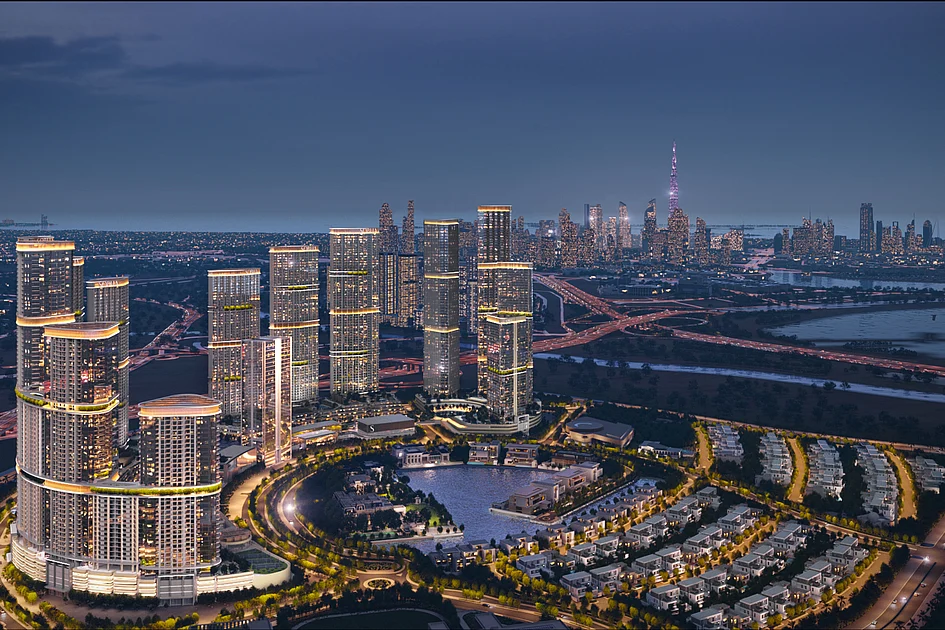
    Dubai-based luxury property developer Sobha Realty has reported extraordinary financial performance for fiscal year 2025, achieving sales of Dh30 billion—representing a substantial 30 percent year-on-year growth that solidifies its position as a premier real estate developer in the Gulf region.

    The remarkable performance was fueled by multiple strategic factors including vigorous off-plan sales activity, the successful launch of new masterplanned communities, and surging interest from international investors. Notably, the emerging northern emirate of Umm Al Quwain contributed significantly to this growth, generating Dh8 billion in sales from developments such as Downtown UAQ | Sobha Realty and Sobha Siniya Island.

    Dubai’s luxury residential sector served as a powerful catalyst, with prime residential prices escalating over 15 percent throughout 2025 according to industry data from Knight Frank and ValuStrat. This appreciation was driven by substantial inflows of global capital, unprecedented population expansion, golden visa initiatives, and sustained demand from high-net-worth individuals relocating to the emirate. The premium segment exceeding Dh10 million per transaction reached unprecedented volumes, particularly for waterfront villas, branded residences, and comprehensive masterplanned communities—all areas where Sobha maintains significant development expertise.

    Chairman Ravi Menon characterized FY2025 as a landmark period for the group’s domestic expansion, highlighted by the introduction of four new masterplans: Sobha Solis, Downtown UAQ | Sobha Realty, Sobha Central, and Sobha SkyParks. These additions bring Sobha’s UAE portfolio to 14 developments, with 12 located in Dubai and two in Umm Al Quwain, demonstrating the company’s growing influence in shaping future urban landscapes.

    The company simultaneously accelerated its global expansion strategy with strategic entries into the United States and Australian markets. Sobha established regional offices and secured prime land parcels in Texas, Queensland, and Sydney, marking a significant evolution into an international real estate platform.

    Capital markets responded enthusiastically to Sobha’s financial strength, with the company’s sukuk issuances attracting massive institutional demand. Its debut offering was oversubscribed by approximately 300 percent, while its green sukuk achieved roughly 280 percent oversubscription—representing the largest green sukuk issuance by any real estate developer worldwide. Listed on both the London Stock Exchange and Nasdaq Dubai, these transactions enhanced funding flexibility and bolstered international investor confidence.

    Concurrently, Sobha reinforced its sustainability leadership through groundbreaking achievements. Sobha One became the first building outside Singapore to obtain the Green Mark Platinum Super Low Energy certification, while the company earned an exceptional score of 97 in the 2025 GRESB Real Estate Assessment, securing a four-star rating.

    Supported by robust sales momentum, expanding global operations, and sustained premium housing demand across the UAE, FY2025 emerged as one of the most transformative years in Sobha Realty’s five-decade history, establishing a solid foundation for continued growth in both regional and international markets.

  • Geopolitical and tariff risk back with a bang for markets

    Geopolitical and tariff risk back with a bang for markets

    Financial markets experienced significant turbulence as geopolitical tensions surrounding Greenland and potential tariff impositions by the Trump administration rattled investor confidence globally. The volatility emerged following President Donald Trump’s threats to reignite trade conflicts with Europe, specifically tied to U.S. ambitions regarding Greenland’s strategic acquisition.

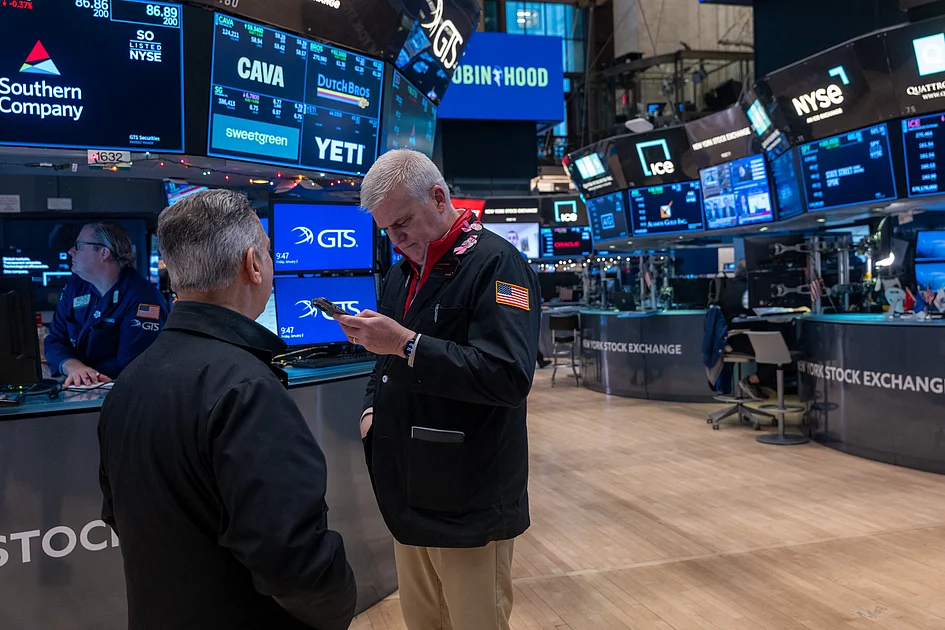
    The market reaction on Tuesday was pronounced across multiple asset classes: equity markets declined substantially, with the S&P 500 recording its most severe single-day drop in over three months at 2.1%. Simultaneously, long-dated U.S. Treasuries and the dollar faced selling pressure, while volatility measures spiked across trading platforms.

    Investment strategists noted the concerning absence of traditional dip-buyers despite the market decline. Jack Ablin of Cresset Capital observed that unlike previous selloffs triggered by tariff announcements, investors appeared more cautious about immediate re-entry positions. The situation evoked memories of last year’s ‘Liberation Day’ tariff announcement that previously triggered the ‘Sell America’ trade pattern, where international investors reduced exposure to U.S. assets.

    Market professionals expressed particular concern about the simultaneous decline across typically inversely correlated assets. Lauren Goodwin of New York Life Investments highlighted how the coordinated movement challenged conventional portfolio assumptions and risk management strategies.

    Despite the volatility, underlying fundamentals remain robust. Corporate earnings projections indicate continued strength, with S&P 500 companies expected to deliver 13.3% growth for 2025 and an additional 15.5% in 2026 according to LSEG IBES data. However, analysts caution that foreign capital flows could diminish if geopolitical tensions persist, potentially dampening market performance regardless of fundamental strength.

    Investors are monitoring for potential de-escalation, with many recalling Trump’s historical pattern of aggressive positioning followed by negotiation—a phenomenon Wall Street traders have acronymed ‘TACO’ (Trump Always Chickens Out). This expectation of eventual compromise has prevented more severe capital flight, though market participants remain prepared for defensive positioning should tensions escalate further.

  • CRDB Bank opens Dubai office to channel Gulf capital into Africa’s $3.4 trillion economy

    CRDB Bank opens Dubai office to channel Gulf capital into Africa’s $3.4 trillion economy

    In a landmark move for Africa-UAE economic relations, Tanzania’s CRDB Bank has inaugurated its Dubai Representative Office at the Dubai International Financial Centre (DIFC), marking the first Tanzanian financial institution to establish a presence within this globally influential financial hub. This strategic expansion positions Tanzania and the broader East and Central Africa region directly within the global capital ecosystem, utilizing an African-born financial institution as the crucial conduit between regional opportunities and international finance.

    The official launch ceremony gathered senior leaders from international financial institutions, global investors, multinational corporations, and development finance partners, signaling increasing global interest in Africa as the world’s next major growth frontier. Ambassador Mahmoud Thabit Kombo, Minister for Foreign Affairs and East African Cooperation, delivered a keynote address on behalf of Tanzanian President Samia Suluhu Hassan, commending CRDB Bank for advancing Tanzania’s national economic vision through a domestically-grown institution operating at global standards.

    Minister Kombo emphasized the strategic selection of Dubai, citing its status as a premier global capital hub and the robust regulatory framework of DIFC. “The presence of a Tanzanian bank in Dubai will significantly deepen economic, trade, and investment relations between Tanzania and the United Arab Emirates,” he stated, referencing existing bilateral trade that has already reached approximately $2.5 billion annually.

    Tanzania’s economic stability provides a strong foundation for this expansion. With over 60 million people, the country has maintained average GDP growth of 6-7% for more than two decades, preserved single-digit inflation, and demonstrated macroeconomic resilience even during global disruptions. This stability has transformed Tanzania into a natural gateway economy, connecting the Indian Ocean to landlocked markets across East and Central Africa.

    CRDB Bank, founded three decades ago, has evolved alongside Tanzania’s economy and regional integration agenda. The Group now serves over six million customers across the region with a balance sheet exceeding $9 billion, maintaining footprints in Tanzania, Burundi, and the Democratic Republic of Congo that mirror the region’s most vital trade, logistics, and investment corridors.

    Abdulmajid Nsekela, Group CEO of CRDB Bank, characterized the Dubai expansion as the logical progression in a regional strategy rooted in Tanzania’s economic geography and Africa’s integration agenda. “CRDB Bank was built to finance Tanzania’s growth. As Tanzania became a gateway, the Bank became regional,” he explained. “Dubai now enables us to complete the triangle—connecting global capital, Tanzania, and East and Central Africa through one trusted African institution.

    The targeted region represents a nearly 400 million-person market characterized by rising intra-African trade, expanding infrastructure networks, vast mineral and energy resources, and one of the world’s youngest labor forces. Africa collectively hosts 1.4 billion people, generates over $3.4 trillion in GDP, and is projected to account for a quarter of the global population by 2050.

    Despite this enormous potential, access to long-term, structured capital remains a persistent challenge. The CRDB Bank Dubai Representative Office specifically addresses this gap by originating deals, structuring financing, and mobilizing global capital for African projects requiring both local understanding and international standards. “Africa does not lack opportunity,” Mr. Nsekela noted. “What it often lacks is a bridge between capital and execution. This office is that bridge.”

    Through its DIFC presence, CRDB Bank is expected to enhance trade finance, cross-border investment structuring, and syndicated financing between the Gulf and Africa, utilizing Tanzania as the anchor and East and Central Africa as the growth hinterland. The office additionally strengthens Africa’s engagement with Islamic finance, a global market exceeding $4 trillion in assets.

    Neema Mori, Chairperson of the CRDB Bank Board of Directors, stated that this milestone reflects growing confidence in African institutions operating at the highest global level. “This is a statement about governance, capability, and trust,” she affirmed. “CRDB Bank’s presence in Dubai demonstrates that African banks can anchor global partnerships while remaining firmly aligned with Africa’s development priorities.”

    Leadership from the Dubai Financial Services Authority welcomed CRDB Bank into the DIFC ecosystem, recognizing that an African bank with profound regional roots strengthens the Africa-Middle East financial corridor and enhances the flow of long-term capital into emerging markets.
  • The sweet taste of wellness: How Maria Galabova is redefining luxury health

    The sweet taste of wellness: How Maria Galabova is redefining luxury health

    In a remarkable career transition from international diplomacy to artisanal patisserie, Maria Galabova has established Keto Kartel as a pioneering force in the luxury health food sector. The brand represents a fundamental shift in how consumers approach wellness, positioning health not as a restrictive practice but as an elevated lifestyle choice that combines gourmet indulgence with nutritional benefits.

    Galabova’s inspiration emerged from witnessing her husband’s transformative 25-kilogram weight loss through keto dietary practices, which sparked her curiosity about food’s emotional and physiological impact. This personal experience revealed a significant market gap: the absence of premium sugar-free, gluten-free products that delivered both exceptional taste and health benefits without compromise.

    Keto Kartel distinguishes itself through its meticulous ingredient selection and European craftsmanship standards adapted to Dubai’s dynamic market. The company utilizes scientifically-backed components including monk fruit as a natural sweetener that doesn’t affect blood sugar levels, xanthan gum for metabolic benefits, and psyllium husk for digestive and cardiovascular support. Each product undergoes approximately two years of development to achieve the perfect balance between health benefits and gourmet quality.

    Galabova’s background in law, sociology, and politics profoundly influences the brand’s operational philosophy. Her diplomatic experience informs the company’s emphasis on transparency, consistency, and long-term relationship building rather than short-term gains. This approach has enabled Keto Kartel to develop a trusted brand identity in a market saturated with quick-fix solutions.

    The company’s expansion strategy across GCC and European markets maintains several non-negotiable principles: unwavering commitment to premium ingredients, complete transparency about product composition, and preservation of artisanal craftsmanship standards regardless of scale. Each creation is treated as a culinary work of art, reflecting the brand’s core belief that health-conscious consumers deserve both optimal nutrition and sensory satisfaction.

    With plans to introduce a new lactose-free product range in 2026, Keto Kartel continues to redefine luxury consumption by demonstrating that wellness and indulgence can coexist harmoniously in modern dietary practices.

  • Japan records 5th straight yearly trade deficit

    Japan records 5th straight yearly trade deficit

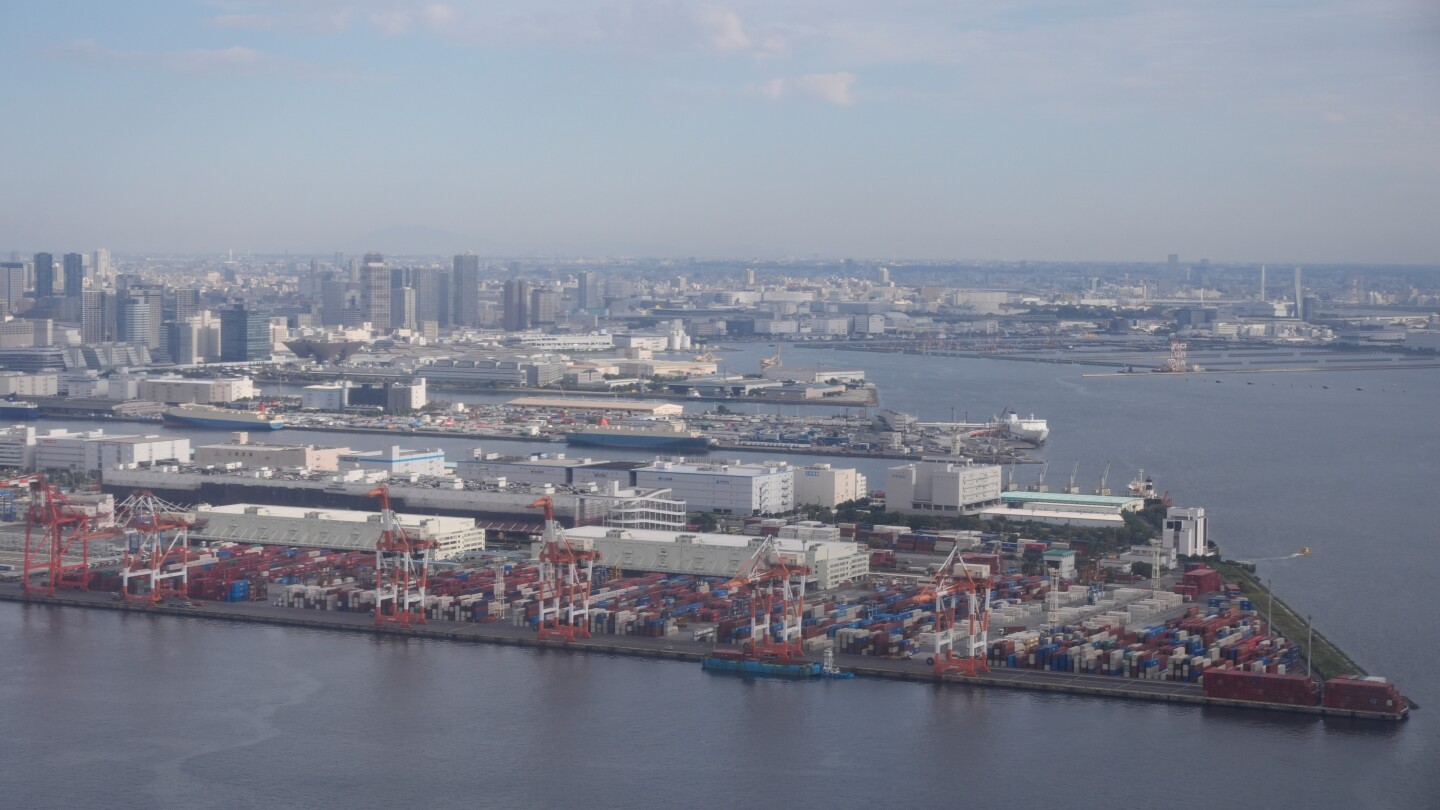
    Japan has marked its fifth successive year of trade deficit in 2025, according to preliminary data released by the Finance Ministry on Thursday. The nation reported an annual shortfall of 2.65 trillion yen ($17 billion), representing a significant 53% reduction from the previous year’s deficit. While exports demonstrated modest growth of 3.1% throughout the year, imports remained nearly stagnant with less than 1% growth.

    The December figures provided a temporary respite with a trade surplus of 105.7 billion yen ($669 million), though this represented a 12% decrease compared to the same month last year. Monthly data revealed exports growing at 5.1% while imports increased by 5.3% year-on-year.

    Geographic analysis reveals shifting trade patterns, with December exports to the United States declining by 11% amid ongoing trade tensions. Conversely, Japan experienced export growth to Britain, African markets, and Asian hubs including Hong Kong and India. Import dynamics showed strength in European sourcing while declining from Brazil and Middle Eastern suppliers.

    The trade landscape remains complicated by multiple geopolitical factors. The United States maintains a 15% tariff on most Japanese imports, representing a compromise from initially proposed 25% rates but still elevated from historical levels. Additionally, manufacturing sectors face potential disruption from China’s restrictions on rare earth exports, implemented following Prime Minister Sanae Takaichi’s comments regarding potential Japanese military response to Chinese actions toward Taiwan.

    Despite these challenges, Japan’s economy demonstrates resilience with the benchmark Nikkei index reaching record highs, even as public concerns persist regarding inflationary pressures and wage stagnation.

  • Trump credit card plan would be a ‘disaster’, JP Morgan boss warns

    Trump credit card plan would be a ‘disaster’, JP Morgan boss warns

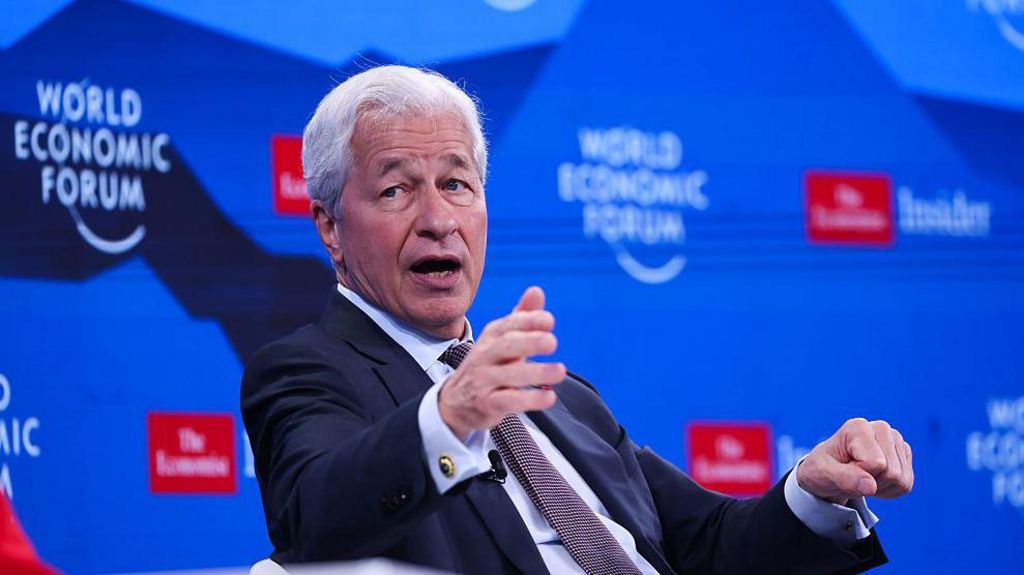
    JPMorgan Chase CEO Jamie Dimon has issued a stark warning against former President Donald Trump’s proposal to cap credit card interest rates at 10%, characterizing the measure as potentially catastrophic for the U.S. economy. Speaking at the World Economic Forum in Davos, Dimon asserted that such a cap would drastically reduce credit access for approximately 80% of Americans and negatively impact multiple sectors including restaurants, retailers, travel companies, and educational institutions.

    The controversial proposal, which Trump initially floated during his 2024 presidential campaign and recently reaffirmed via Truth Social on January 13, calls for a one-year interest rate limitation effective from January 20, 2026. The former president framed the measure as protection for consumers against what he described as predatory practices by credit card companies. However, the mechanism for implementation and its legal enforceability remain unspecified.

    Dimon challenged the proposal’s feasibility, suggesting that if proponents like Senators Bernie Sanders and Elizabeth Warren support the concept, it should first be tested in their home states of Vermont and Massachusetts. The banking executive emphasized that the most severe consequences would not be borne by financial institutions but rather by small businesses and municipalities as consumers struggle to meet payment obligations.

    The financial industry has united in opposition to the concept, with banking associations warning that rate caps would ultimately restrict credit access and prove devastating to families and small businesses. Market reactions were immediately observable following Trump’s social media announcement, with shares of major credit card companies including American Express, Visa, Mastercard, and Barclays experiencing declines.

    Currently, the average credit card interest rate in the United States stands at approximately 20%, significantly higher than the proposed cap. While positioned as consumer protection, economists and financial experts caution that artificial rate limitations could constrict credit availability particularly for higher-risk borrowers, potentially exacerbating rather than alleviating financial pressures on American consumers.

  • As Trump talks tariffs, his Argentine ally welcomes a shipload of Chinese EVs for the first time

    As Trump talks tariffs, his Argentine ally welcomes a shipload of Chinese EVs for the first time

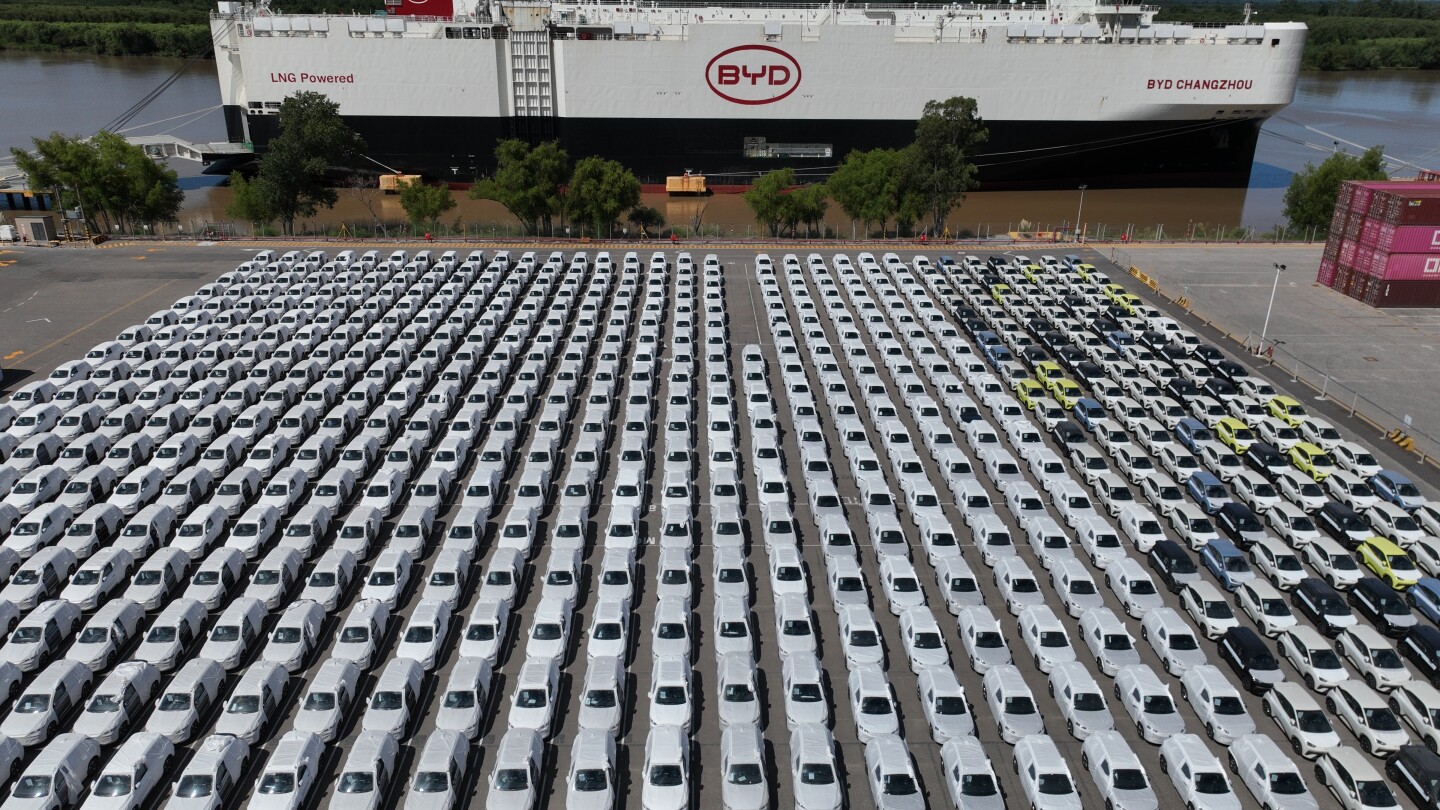
    ZÁRATE, Argentina — A monumental shift is underway in Argentina’s automotive landscape as thousands of Chinese electric and hybrid vehicles disembark at the port of Zárate, signaling a dramatic transformation in one of South America’s traditionally most protected economies. The arrival of BYD’s massive shipment represents both a symbolic and commercial breakthrough for Chinese automakers expanding their global footprint.

    This development comes amid President Javier Milei’s radical economic liberalization agenda that has dismantled decades of Peronist protectionism. Where previous governments imposed stiff tariffs and import restrictions to shield local industry, Milei has flung open Argentina’s doors to foreign goods, resulting in a record 30% surge in imports last year.

    Chinese manufacturers, particularly BYD, are positioned to capitalize on Milei’s new zero-tariff quota allowing 50,000 electric and hybrid vehicles into the country this year. The policy specifically benefits vehicles under $16,000—a price point where Chinese automakers hold significant competitive advantage over Western and Japanese rivals.

    The economic relationship between Argentina and China has deepened substantially, with Chinese imports surging 57% last year compared to a 9.6% increase from the United States. Chinese investment has simultaneously flowed into Argentina’s energy and mining sectors, creating comprehensive economic ties.

    While Western automakers express concern about unfair competition and opposition lawmakers warn of market disruption, industry analysts note that Chinese manufacturers possess both the technological capability and pricing structure to dominate this new market opening. The aging state of Argentina’s electrical infrastructure and lack of specialized repair networks for EVs present current limitations, but Chinese companies appear well-positioned for long-term dominance.

    The arrival of Chinese EVs also carries geopolitical significance, occurring simultaneously with the European Union’s hesitation to ratify a landmark free trade agreement with Mercosur nations. As European manufacturers struggle to compete with Chinese pricing, Argentina’s market becomes another front in the global EV competition.

  • Sharjah: Rising property prices make more investors eligible for Golden Visa

    Sharjah: Rising property prices make more investors eligible for Golden Visa

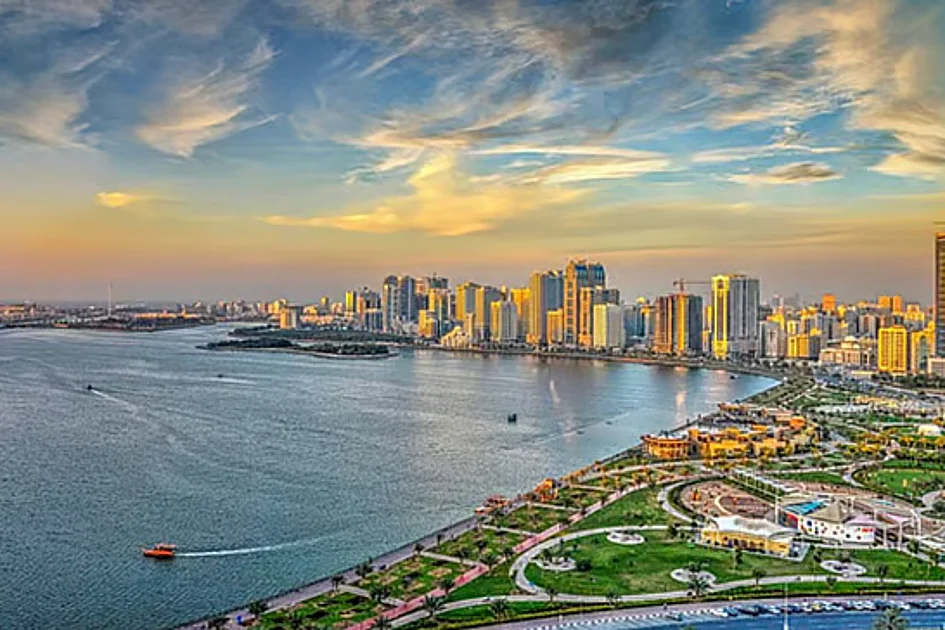
    Sharjah’s real estate sector is experiencing unprecedented growth, with surging property values creating new pathways to long-term residency for foreign investors. Market analysis reveals a remarkable transformation driven by policy shifts and economic dynamics.

    Following the emirate’s landmark 2023 decision to open its property market to all foreign nationals, Sharjah has witnessed double-digit price appreciation, particularly in premium developments. Industry executives report valuations for larger units in prime locations have surpassed the critical AED 2 million threshold, automatically qualifying purchasers for the UAE’s coveted Golden Visa program.

    The market’s robust performance is quantified by official 2026 figures showing record-breaking transaction values of AED 65.6 billion—representing a staggering 64.3% increase from the previous year’s AED 40 billion. Transaction volume similarly surged, with 132,659 recorded deals in 2025 marking a 26.3% year-over-year growth.

    Lamia Al Jewaied, Head of Studies and Research Bureau at Sharjah Real Estate Registration Department, confirms the Golden Visa initiative has become a significant market driver. “We observe substantial demand from investors specifically targeting real estate assets that qualify for long-term residency visas,” she noted during the Acres 2026 exhibition.

    Market analysts identify multiple factors fueling Sharjah’s property boom. Noreen Nasralla, Senior Vice President for Alef Group, highlights “spillover effects from neighboring emirates where escalating prices have pushed budget-conscious investors toward Sharjah’s more affordable options.” The emirate’s strategic proximity to key infrastructure including Sharjah International Airport and the Academic City further enhances its appeal.

    Notably, regulatory provisions allow investors to combine multiple properties to reach the AED 2 million eligibility requirement, expanding accessibility to the residency program. Developers are responding to increased demand for Golden Visa-qualifying units by designing larger apartments ranging from 3,500 to 4,000 square feet, with Raymond Khouzami of Al Thuriah Group reporting “unexpectedly strong demand for spacious residential units.”