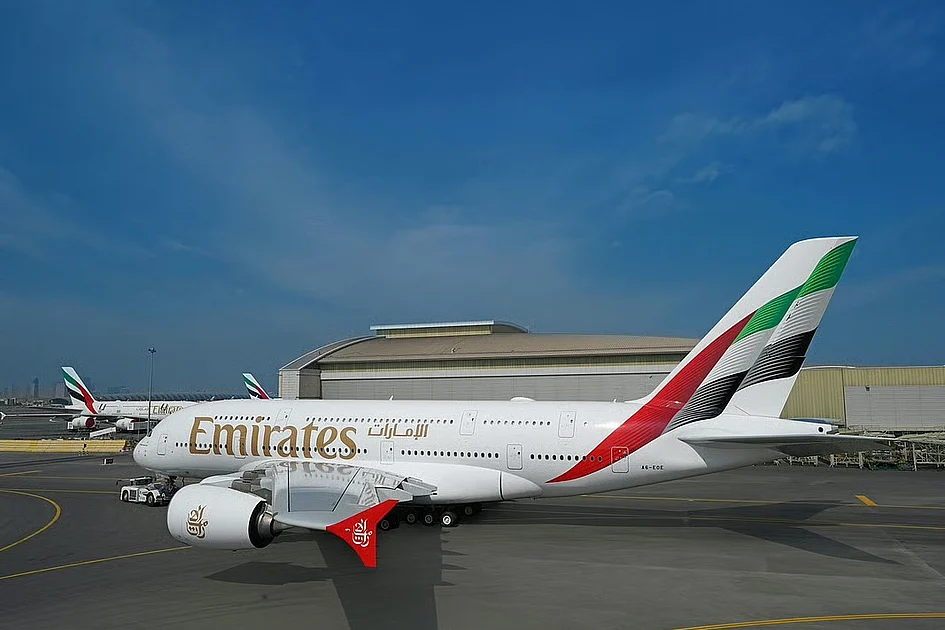
Emirates, the Dubai-based airline, has announced the suspension of its flights to Damascus, Syria, effective November 15, 2025. The decision, confirmed by an Emirates spokesperson, stems from a routine operational review aimed at optimizing fleet utilization in alignment with the airline’s business objectives. Passengers with bookings on Emirates flights after November 14 will be rebooked on flydubai, ensuring continued air connectivity between Dubai and Damascus. The airline expressed regret for any inconvenience caused and emphasized its commitment to resuming operations at the earliest opportunity. This suspension marks a temporary halt in Emirates’ services to Damascus, which were reintroduced in July 2025 after a 13-year pause due to the Syrian civil war. Initially operating three weekly flights, Emirates expanded its services to daily flights in October 2025, utilizing a Boeing 777-200LR aircraft. The reintroduction of flights earlier this year followed a thorough evaluation in collaboration with the UAE General Civil Aviation Authority. Other UAE carriers, including Etihad and flydubai, continue to operate flights to Damascus. Emirates’ decision underscores the dynamic nature of airline operations and the challenges of maintaining routes in regions with complex geopolitical landscapes.
分类: business
-

Amber Homes Real Estate awarded Top Platinum Sales Agency by Meraas, Nakheel and Dubai Holding for the fourth year in a row
Amber Homes Real Estate has once again solidified its position as a leader in Dubai’s luxury real estate market by securing the prestigious ‘Top Platinum Agency’ title for the fourth year in a row. The accolade was awarded at the Black Onyx Awards 2025, hosted by Dubai Holding, Meraas, and Nakheel, in a grand ceremony held at the iconic Burj Al Arab. This recognition highlights Amber Homes’ exceptional performance across Dubai’s most exclusive destinations, including Palm Jumeirah, Bluewaters Island, La Mer, City Walk, Jumeirah Bay Island, and the newly relaunched Palm Jebel Ali. Saad Waqas, Managing Partner at Amber Homes, expressed his pride in the achievement, stating, ‘This award is a testament to our clients’ trust and the unwavering dedication of our team. It reaffirms our leadership in Dubai’s luxury property market.’ Ambreen Qureshi, Managing Director, emphasized the company’s commitment to excellence, integrity, and performance, which has consistently driven record-breaking results. Amber Homes’ portfolio boasts landmark transactions in Jumeirah Residences – Emirates Towers, Nad Al Sheba Gardens, and Palm Jebel Ali, attracting a diverse clientele from the UAE, UK, Saudi Arabia, and Pakistan. The firm’s continued success reinforces Dubai’s status as a global hub for high-end real estate investment.
-
Takaful Emarat reports record growth in Q3 2025, marking a new era of transformation
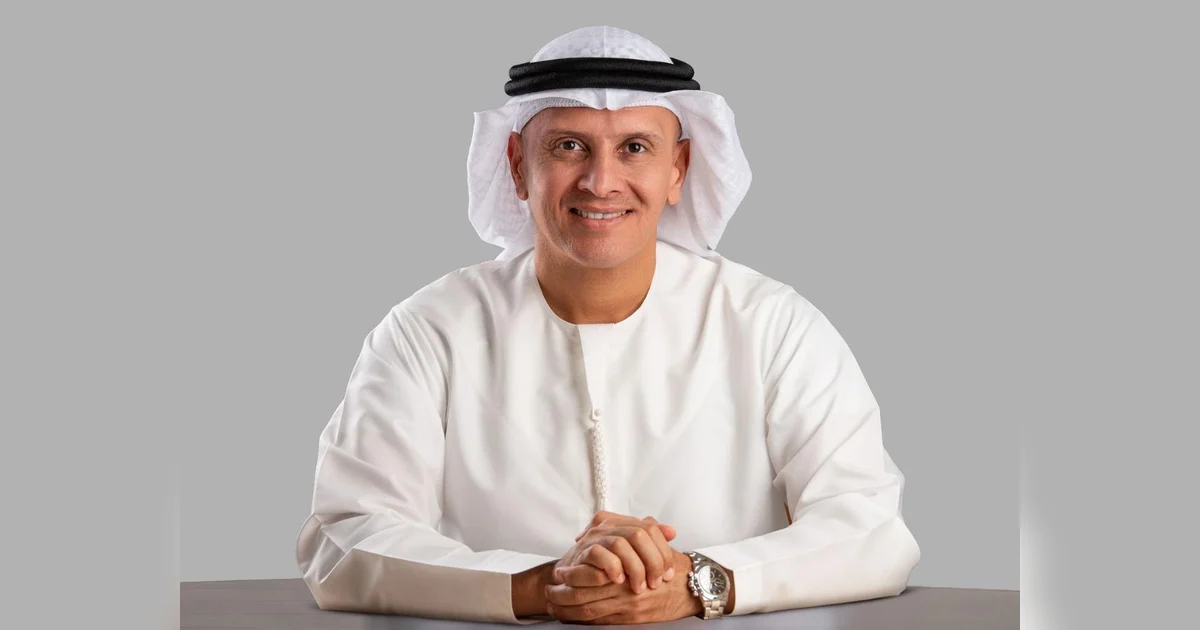
Takaful Emarat – Insurance (P.S.C.), a prominent Shariah-compliant life and health insurance provider in the UAE, has unveiled its financial results for the third quarter of 2025, showcasing a remarkable transformation and a fortified market presence. The company reported a 22% year-on-year increase in Gross Written Contributions (GWC), amounting to Dh563 million, compared to the same period in the previous year. Takaful revenues soared by 51% to Dh444 million, while net profit for the quarter hit Dh13 million, the highest quarterly profit in recent years. The total profit for the year rose to Dh23 million by Q3 2025, highlighting the company’s robust financial health and sustainable growth trajectory. The financial success also led to significant balance sheet enhancements, with shareholders’ equity increasing by 22% to Dh200 million and total assets growing by 8% to Dh1.036 billion. Dr. Noor Aldeen Atatreh, Chairman of the Board, attributed this success to the company’s strategic focus on financial stability, customer experience, and operational efficiency. He emphasized investments in digital innovation, customer-centric products, and automation to deliver seamless, Shariah-compliant insurance solutions. Adnan Sab’a El Aish, CEO of Takaful Emarat, highlighted the exceptional performance as a testament to the team’s dedication, customer trust, and board guidance, marking the start of a new chapter of sustainable growth and industry leadership. Moving forward, Takaful Emarat remains committed to delivering value to stakeholders while adhering to Shariah compliance, integrity, and innovation.
-
Smaller, grander: Rocco Forte plans Middle East debut with 60-room hotel in Red Sea
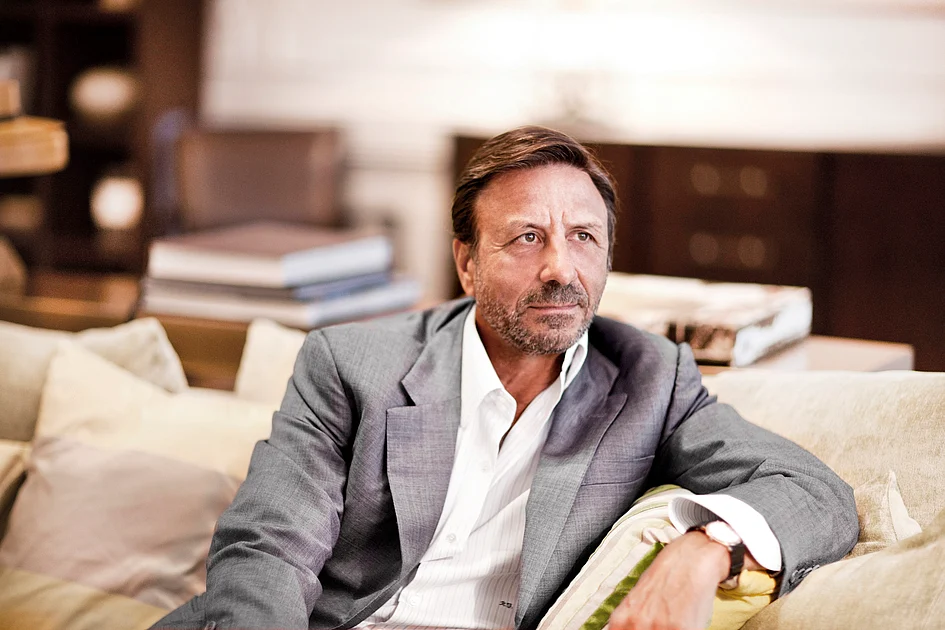
Rocco Forte Hotels, the renowned luxury hospitality brand, is poised to make its Middle Eastern debut with a meticulously curated 60-room hotel in Saudi Arabia’s Red Sea region. Sir Rocco Forte, the brand’s CEO and chairman, revealed that the project is in advanced discussions and is expected to materialize within the next two to three years. This move marks a significant step in the company’s expansion strategy, particularly in the Middle East and North Africa (MENA) region. The hotel will feature serviced villas and apartments, embodying the brand’s philosophy of delivering personalized luxury on a smaller scale. The Gulf Cooperation Council (GCC) region, which accounts for 8-10% of Rocco Forte’s clientele, is a key market for the brand, trailing only the United States and the United Kingdom. The company’s recent partnership with Saudi Arabia’s Public Investment Fund (PIF) has bolstered its financial strength and accelerated its growth trajectory. Forte emphasized the importance of establishing a regional hub in the Middle East, with potential expansions into Egypt, North Africa, and the Maldives. While discussions for properties in the UAE are ongoing, the brand’s model relies heavily on developer partnerships, particularly in high-cost locations like Dubai. Rocco Forte Hotels, currently operating 14 properties across Europe, aims to double its portfolio over the next five years while maintaining its family-led, personalized approach. The brand’s commitment to curated luxury, attention to detail, and intimate guest experiences sets it apart in the competitive luxury hospitality landscape. As the Middle East continues to experience robust economic growth, Rocco Forte’s entry into the region promises to elevate the standard of luxury hospitality, offering a unique blend of elegance and exclusivity.
-
German government to subsidize industry’s energy prices in bid to revitalize economy
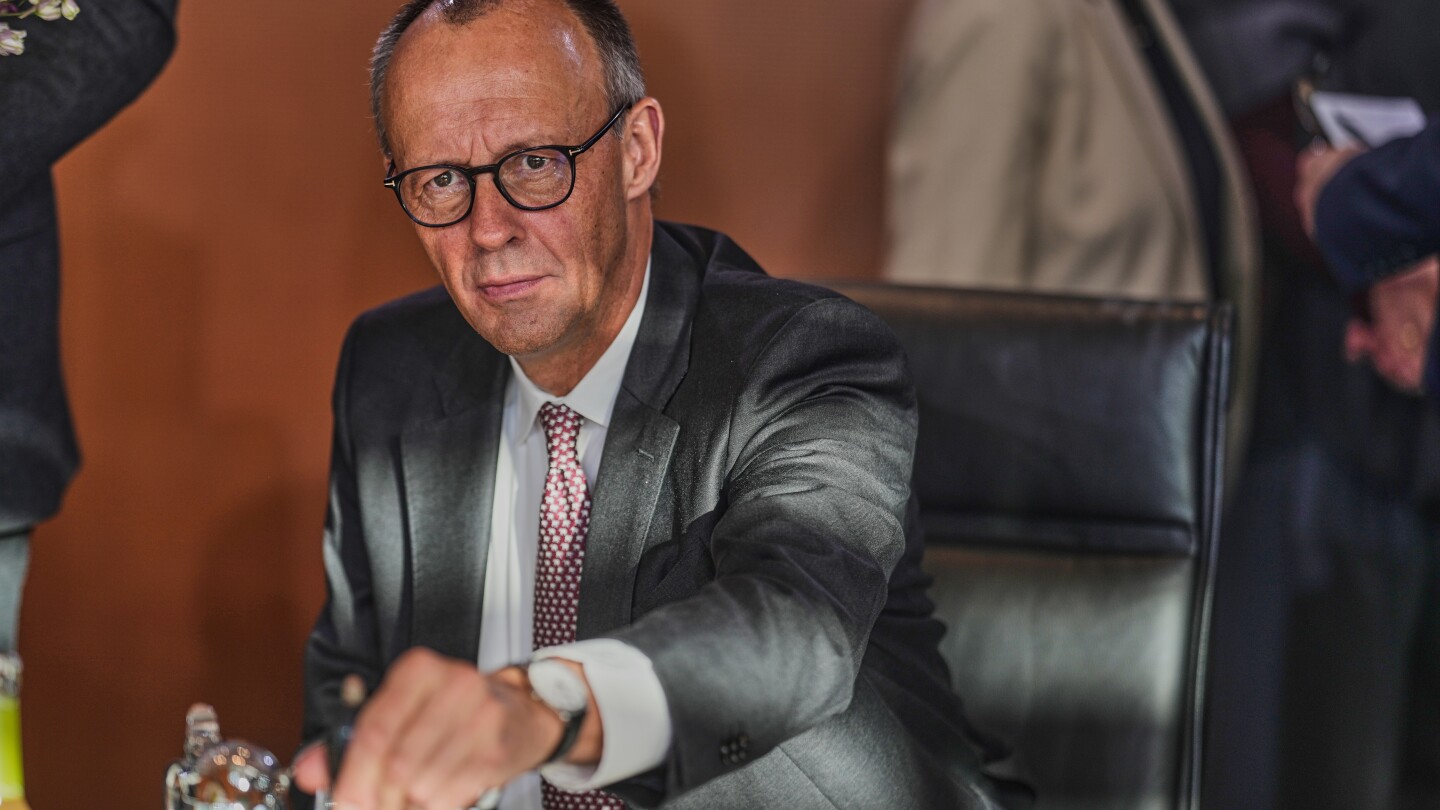
In a decisive move to rejuvenate its sluggish economy, Germany’s governing coalition has agreed to subsidize energy prices for heavy industry over the next three years. Chancellor Friedrich Merz announced on Thursday evening that starting January 1, 2024, companies facing intense international competition will benefit from a reduced electricity price of approximately 5 euro cents (6 U.S. cents) per kilowatt hour, extending through 2028. This initiative aims to alleviate the financial burden on energy-intensive industries and enhance their global competitiveness. Talks with the European Union’s executive commission are nearing completion, with Merz expressing confidence in securing approval for the plan. Germany’s economy, the largest in Europe, has struggled with stagnation for the past two years, with minimal growth recorded. The coalition government, comprising the conservative Merz and the center-left Social Democrats, has prioritized economic revitalization since assuming office in May. Despite these efforts, recent data shows the gross domestic product (GDP) remained stagnant in the third quarter of 2023. Independent economic advisers predict a modest growth of 0.9% in 2024, following a slight 0.2% increase this year. High energy costs, competition from Chinese manufacturers, a shortage of skilled labor, and bureaucratic inefficiencies have further hindered economic progress. To address these challenges, the government has launched a comprehensive investment program, allocating 500 billion euros ($581.4 billion) over the next 12 years to modernize infrastructure, reduce red tape, and accelerate digitization. Economists like Carsten Brzeski of ING have praised the subsidy plan, noting its potential to provide both immediate relief and long-term stability for industries. Holger Lösch, deputy managing director of the Federation of German Industries, emphasized the importance of the subsidized price in maintaining the international competitiveness of energy-intensive companies. Finance Minister Lars Klingbeil estimated the cost of the measure at between 3 and 5 billion euros ($3.4 billion and $5.8 billion). Additionally, the coalition has agreed to reduce a tax on airline tickets starting in July, a long-standing demand of the air transport industry. Both measures will require parliamentary approval.
-
Canada’s new budget aims to curb reliance on single market
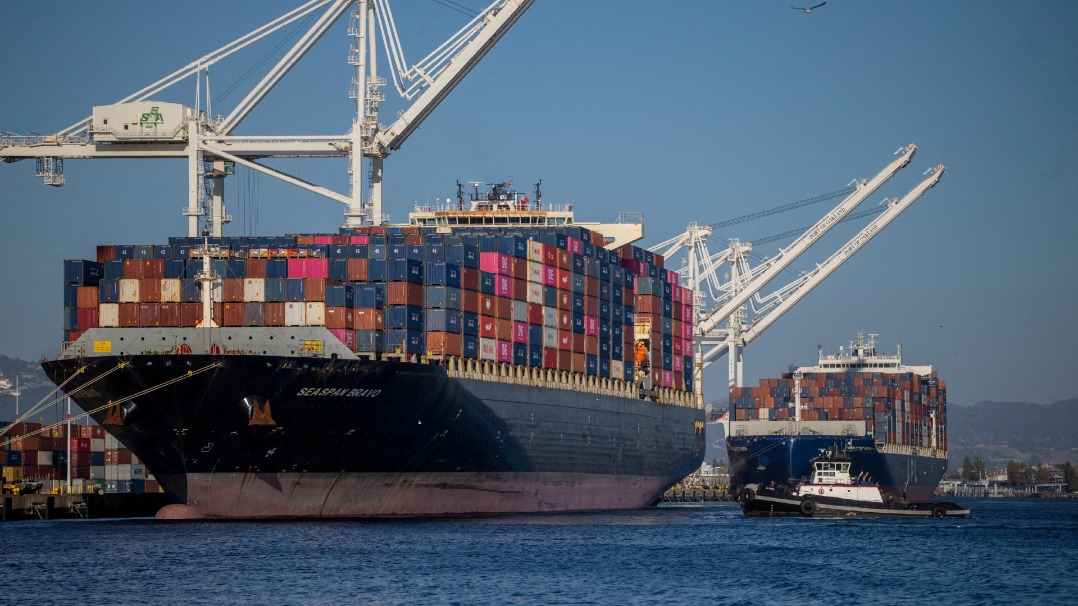
In a bold move to reshape its economic strategy, Canada has unveiled a comprehensive federal budget aimed at reducing its reliance on the US market. Announced on November 4, 2025, by Prime Minister Mark Carney, the budget allocates over C$25 billion ($17.8 billion) to support industries impacted by US tariffs and trade disruptions, with an additional C$25 billion pledged by 2030 to enhance trade facilitation. The budget underscores Canada’s commitment to forging new economic and security partnerships beyond its southern neighbor. Carney emphasized that the era of deepening economic ties with the US has ended, stating, ‘Many of our former strengths — based on close ties to America — have become our vulnerabilities.’ The budget is seen as a confidence motion, and its failure to pass could trigger an early election, potentially unsettling markets. Economists like Mesbah Fathy Sharaf of the University of Alberta view the budget as a pragmatic response to a more protectionist global trade environment. Sharaf noted, ‘Canada is clearly looking East and West, such as Europe and the Asia-Pacific, for new opportunities.’ The budget also seeks to accelerate domestic economic activity through financial incentives and expedited project approvals. However, critics like Ron Stagg of Toronto Metropolitan University argue that the measures are largely defensive and short-term. Stagg remarked, ‘The government is hoping to increase economic activity within Canada by providing financial incentives and by fast-tracking approval for projects seen as of national importance.’ Despite the uncertainties, the budget signals Canada’s determination to diversify its economic relationships and assert greater independence on the global stage.
-

Scholar warns of ‘weaponizing uncertainty’
A year after his election victory, US President Donald Trump’s economic policies are fulfilling campaign promises but are simultaneously weaponizing uncertainty, exacerbating global economic divisions and risks, according to Adam Posen, president of the Peterson Institute for International Economics. Posen described Trump’s approach as consistent yet incoherent, leading to patchwork outcomes that are not economically beneficial. He highlighted Trump’s core agenda, which includes a 15% across-the-board tariff, targeted duties on key industries like semiconductors and autos, and trade barriers that are ‘anti-China, but less anti-China than the hawks in either the Joe Biden administration or the Republicans wanted.’ Posen emphasized that Trump’s policies are characterized by hostility to foreigners, extreme skepticism toward trade and migration, fiscal excess, and the exercise of executive power. He noted that the negative impacts of tariffs and deportations take about a year to fully emerge, as shown by models created by senior fellows at the Peterson Institute. Businesses have faced prolonged uncertainty since the April 1 tariff announcement, with companies like Toyota and Caterpillar considering separate production in China. Despite the administration’s goal of deporting one million people yearly, the economy has not cratered due to ‘underground’ adaptation, with sectors like food processing and construction showing flat output and employment. Posen warned of a ‘stagflationary combination’ ahead, including shortages, inflation, and contraction, unless deportations stop. He also highlighted the role of artificial intelligence investments as an ‘exogenous salvation,’ with tech giants self-financing rapid AI spending from retained earnings, achieving early productivity gains. However, AI alone cannot mask structural issues, as tariff-hit industries will see rising domestic prices and falling output, employment, and growth. Posen’s article in Foreign Affairs noted that firms and governments are abandoning reliance on US ‘insurance’ and are self-insuring through non-dollar assets and localized investment. He also pointed out that US allies like the UK, Japan, South Korea, and Canada are suffering the most, while China has been able to stand up against the US and face Trump down.
-
Shanghai a hot hub for addressing intl commercial disputes
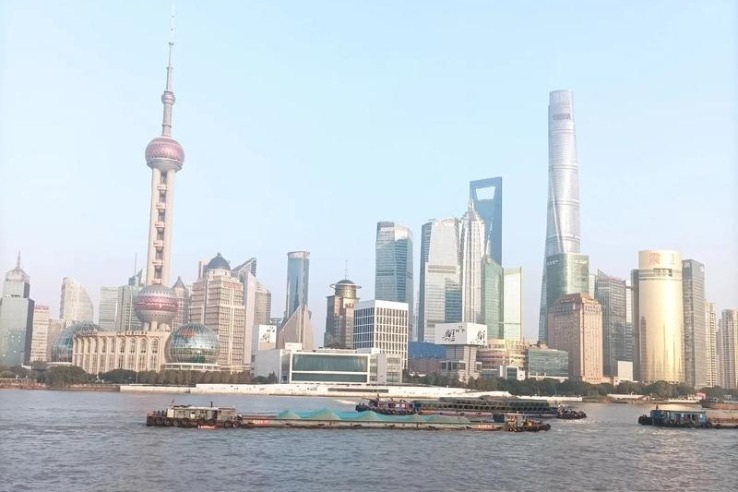
Shanghai has solidified its position as a leading global hub for resolving international commercial disputes, according to senior officials from the city’s courts. This development comes as Chinese courts, with Shanghai at the forefront, have been recognized for their fairness and efficiency in handling such cases. The World Bank’s recent business ranking placed Chinese courts second in public recognition and third in perceived fairness among 103 global economies, highlighting Shanghai’s pivotal role in this achievement. Lu Weimin, deputy secretary of the Party leadership group and vice-president of the Shanghai High People’s Court, emphasized the city’s commitment to enhancing the quality and efficiency of foreign-related commercial trials, ensuring equal protection for both domestic and foreign investors. The establishment of the Shanghai International Commercial Court in December 2024 has been a cornerstone of this progress. In the first three quarters of 2025, the court handled 1,600 cases involving foreign commercial disputes and arbitration judicial reviews, with a total disputed amount exceeding 21.5 billion yuan ($3.02 billion). Parties involved in these cases hailed from 39 countries and regions. One notable case involved the efficient resolution of a Mongolian arbitration award application within 39 days, which was recognized as a typical example involving the Belt and Road Initiative by China’s Supreme People’s Court. To bolster its professional adjudication capabilities, the court established an international commercial expert committee, initially appointing 20 high-level experts, including eight from overseas. The Shanghai Maritime Court also reported an increase in cases, with 544 first-instance maritime cases accepted in the first three quarters of 2025, marking a nearly 20 percent increase. In terms of rulemaking, seven cases from Shanghai courts have been included in the official case database of the United Nations Commission on International Trade Law, providing a Chinese model for the accurate application of international conventions. The Shanghai International Commercial Court concluded the country’s first case referencing a document of the UN Convention on Contracts for the International Sale of Goods in February, contributing a Chinese example for the global uniform application of the convention. Additionally, Shanghai courts have excelled in the digitalization of cross-border litigation services, achieving a 100 percent electronic service rate for newly filed cases, with online hearings used in nearly 80 percent of them. The Shanghai Maritime Court explored a mechanism of comprehensive authorization for overseas litigation entities, which has been applied in 400 cases and reduced average processing time by about 30 days and litigation costs by nearly 10,000 yuan per case. Werner Schuppisser, a Swiss national and cofounder of a company bringing Swiss ice cream to Shanghai, shared his positive experience with the Shanghai Jing’an district court, which helped resolve a dispute and saved his company. Schuppisser praised the professionalism, efficiency, and impartiality of the Shanghai judges, which he believes provides a business environment that allows his firm to continue to grow.
-
Hindujas to shift EV-bus plant to Ras Al Khaimah from UK
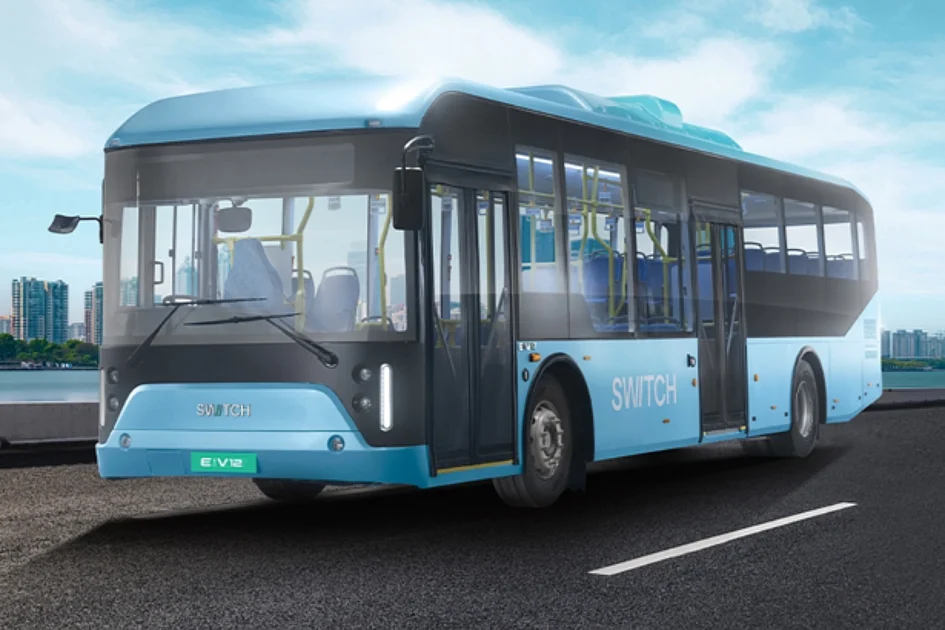
In a strategic move that underscores the UAE’s growing prominence in the global electric vehicle (EV) industry, the Hinduja Group’s Switch Mobility, the EV-bus division of India’s Ashok Leyland, is shifting its production base from the UK to Ras Al Khaimah (RAK). This relocation marks the first large-scale, dedicated manufacturing shift by a global EV bus company into the UAE, positioning the country as a hub for production and export. The decision reflects the emirate’s cost-efficient manufacturing ecosystem, regional market access, and ambition to serve Europe, the UK, and the GCC. The UK facility in Sherburn, deemed economically unviable, will be replaced by an upgraded RAK plant, with an investment of under $3 million. Ashok Leyland’s existing RAK facility, operational since 2008, has produced over 25,500 buses and sources over 55% of its parts locally. The upgrade for EV bus production transforms the plant into a regional manufacturing hub for high-voltage electric buses. For the Hinduja Group and Ashok Leyland, this move is a significant step in their global EV strategy, enabling cost reduction, streamlined logistics, and access to the UAE’s business-friendly environment. The UAE’s industrial policy and investment incentives align with manufacturers seeking logistics advantages into Europe, Africa, and Asia. While the UAE already manufactures EV parts and related technologies, this relocation is a rare instance of a global bus-maker shifting full production into the emirate. Trial runs of the buses are expected in the UAE and Saudi Arabia by summer 2025, with a commercial rollout in the GCC by Q4 2025. The shift also strengthens supply-chain linkages, with components flowing from India and beyond, turning the RAK facility into an integrated production node. This transition signals the UAE’s industrial pivot into sustainable mobility and advanced manufacturing, while the Hinduja Group moves from import-centric operations to locally grounded manufacturing with global reach. For Ashok Leyland, it consolidates its role as a global EV-bus player with production capabilities in India, the UK, and soon the UAE. The move also positions Switch Mobility to win large fleet contracts across the Gulf as regional governments accelerate the adoption of electric public transport vehicles.
-
UAE’s creator economy emerges as entrepreneurial powerhouse
The United Arab Emirates (UAE) is witnessing a transformative shift in its creator economy, with content creators increasingly adopting entrepreneurial roles. A recent report by Visa, unveiled at Web Summit 2025, highlights this evolution, revealing that about one-third of UAE creators have launched new ventures following their content success. This underscores a robust entrepreneurial mindset within the region. The report, titled ‘Monetized: 2025 Creator Report,’ conducted in collaboration with Morning Consult, surveyed over 1,000 TikTok creators across five regions, including the UAE. It emphasizes a global trend where creators are transitioning from influencers to small business owners, driving commerce and community engagement. In the UAE, this trend is particularly pronounced, with most creators expressing confidence in the sector’s long-term viability and having clear plans for future expansion. Despite their ambitions, many UAE creators face financial challenges, relying on personal funds and credit cards to finance their work. Over 35% use secondary personal accounts to separate expenses, indicating a lack of dedicated business banking tools tailored for creators. Payment delays also remain a significant issue, with 42% receiving payments within a week, but late settlements often disrupting cash flow. Interestingly, UAE creators exhibit one of the highest levels of financial confidence globally, with 61% expressing optimism about managing their finances. However, their strong interest in financial education suggests a gap in specialized training that could help creators scale effectively. To address these challenges, Visa announced a pilot program in partnership with Karat Financial, a fintech firm specializing in creator-focused banking solutions. Initially launching in the US, the program aims to provide creators with credit cards and business banking services designed around their unique revenue models. Features under consideration include automated payment tracking, invoice reminders, and fraud-prevention tools. While the pilot will start in the US, Visa plans to gauge regional interest and expand to other markets, potentially including the UAE, by FY27. This move builds on Visa’s 2024 commitment to recognize creators as small businesses and provide them with the same financial tools available to traditional enterprises. The UAE’s creator economy is poised for significant growth, driven by high digital adoption, strong entrepreneurial spirit, and increasing brand collaborations. However, unlocking its full potential will require tailored financial solutions, faster payment systems, and educational resources that empower creators to manage their businesses with confidence. Visa’s latest initiatives—and its research-driven approach—signal a broader industry shift: the creator economy is no longer a niche; it’s a cornerstone of modern commerce. For UAE creators, the next chapter could be defined by how quickly financial ecosystems adapt to their needs.