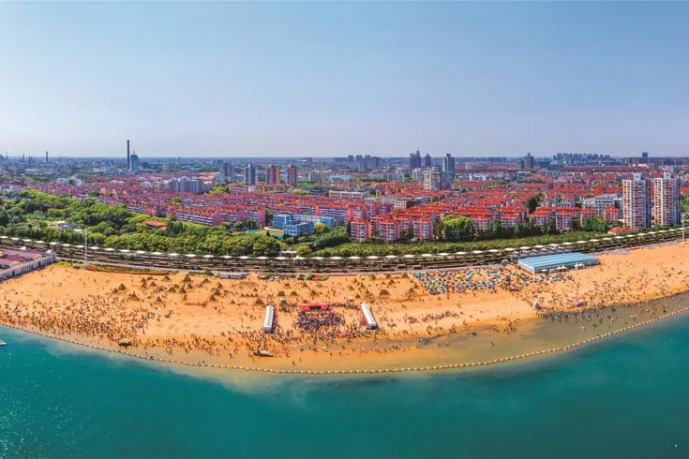
Shanghai’s Jinshan district has demonstrated significant economic progress and rural revitalization during the 14th Five-Year Plan period (2021-25). According to local officials, the district’s GDP surpassed 120 billion yuan ($16.9 billion) in 2024, with per capita GDP reaching $21,500. Liu Jian, Party secretary of Jinshan district, highlighted the district’s focus on industrial transformation, spatial reorganization, and governance reforms during a recent press conference. The total industrial output of enterprises above a designated size exceeded 300 billion yuan, with emerging sectors like fiber materials, drones, and optoelectronic transmission materials gaining national recognition as characteristic industrial clusters for SMEs. The service sector also showed robust growth, with businesses above a designated size achieving an average annual growth rate of 62%. Jinshan attracted 20 major investment projects, each exceeding 1 billion yuan, including four megaprojects valued at over 10 billion yuan each. Innovation metrics surged, with invention patents per 10,000 residents doubling and international PCT patent applications increasing nearly 11-fold. High-tech enterprises grew by 39.5%, while specialized and sophisticated technology enterprises expanded by 375.3%. In agriculture, Jinshan implemented key initiatives, boosting agricultural labor productivity by 21%, surpassing the city’s average. Rural residents’ per capita disposable income rose by an average of 7.4% annually. The tourism sector flourished with the opening of the Legoland Shanghai Resort, which attracted over 800,000 visitors since July 2025, driving accommodation and catering business revenue up by 15.2% year-on-year. Looking ahead to the 15th Five-Year Plan (2026-30), Jinshan aims to become an innovative, green, and livable bay area, focusing on emerging industries, technological innovation, and urban-rural integration.
分类: business
-
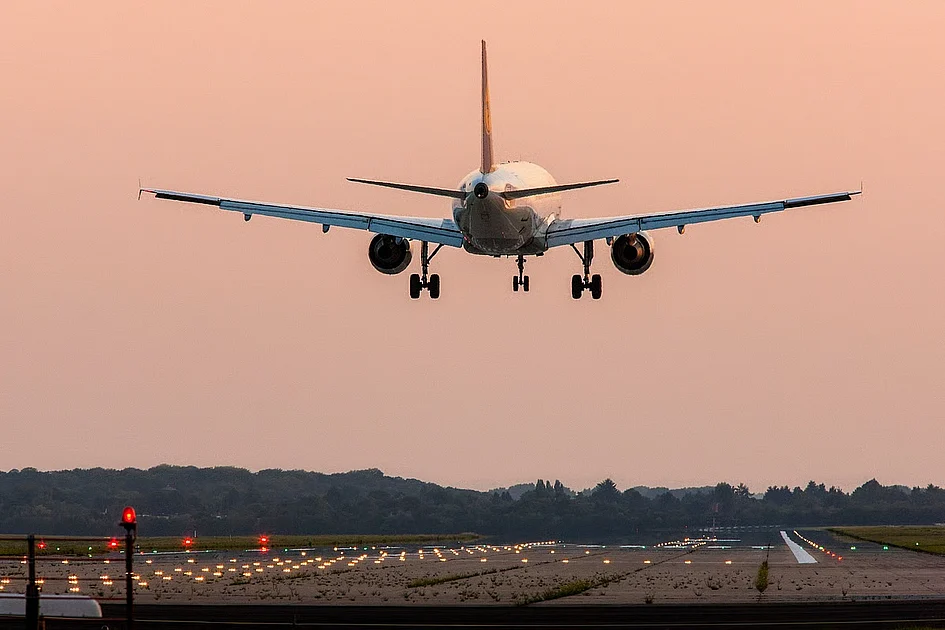
Oman Air grounds some aircraft, reschedules flights due to supply chain disruptions
Oman Air has announced temporary adjustments to its flight schedules due to global supply chain disruptions that have rendered several of its aircraft inoperable. The airline disclosed this development on Thursday, emphasizing its commitment to minimizing the impact on passengers. Oman Air is actively collaborating with aircraft manufacturers to expedite the return of grounded planes to service. In the interim, affected passengers are being rebooked on alternative flights, a standard procedure the airline follows to ensure minimal disruption. The airline reiterated its dedication to maintaining operational efficiency and passenger satisfaction despite the challenges posed by the supply chain issues. This situation underscores the broader impact of global supply chain disruptions on the aviation industry, which continues to grapple with logistical and operational hurdles.
-

Watch: Moment the last US penny is minted
In a historic move marking the end of a 230-year tradition, the United States has officially ceased the production of its one-cent coin, commonly known as the penny. The decision comes as the cost of minting each penny has surged to nearly four cents, rendering its production economically unsustainable. The penny, first introduced in 1793, has long been a symbol of American currency but has faced increasing scrutiny in recent years due to its declining purchasing power and rising production costs. Economists and policymakers have debated its relevance in modern commerce, with many arguing that its discontinuation could streamline transactions and reduce unnecessary expenses. While the penny will remain legal tender, its production halt signifies a significant shift in the nation’s monetary landscape. The final minting of the coin was captured in a poignant video, symbolizing the end of an era in US financial history.
-

The illusion of access: 94% of stocks are missing from your app
The promise of global investing often falls short in reality, as most investment apps provide access to less than 10% of the world’s stock market. Despite the appearance of openness, investors are confined to a narrow selection of stocks. With over 50,000 listed companies across 78 stock exchanges, the average platform offers fewer than 5,000, leaving the majority of the global market inaccessible. Apps create an illusion of completeness by showcasing popular tickers and trending brands, even when many are ‘ghost listings’—visible but untradeable. This psychological trick fosters a sense of connection to the global economy, while actual ownership remains limited. The root of the issue lies in regulatory complexities. Platforms are typically licensed in a few jurisdictions, making cross-border investing slow, expensive, and legally challenging. Compliance with varying rules on KYC, taxation, and settlement further restricts access. As a result, trading is often limited to major markets like the U.S., the U.K., and select Asian exchanges, while regions like Africa, Latin America, and Southeast Asia remain out of reach for retail investors. Geographic restrictions also play a role, with users often unaware of why certain stocks or exchanges are unavailable. The UK Financial Conduct Authority has warned that this lack of transparency risks misleading investors. For users, this lack of clarity erodes trust, as they assume stocks in search results are purchasable. Simple disclosures about live and restricted exchanges could restore honesty without requiring new features. As Tajinder Virk, co-founder of Finvasia, notes, true global investing is about discovering undervalued companies shaping the future, not just owning what’s already popular. Until platforms align their promises with actual access, global investing will remain an illusion—appearing limitless but feeling confined. The next generation of platforms must not only display the world but truly open it.
-

Starbucks union workers go on strike over pay and staffing
Starbucks employees at 65 unionized stores across the United States have initiated a strike, intensifying their campaign for improved wages and staffing levels. The action, organized by Starbucks Workers United, comes after prolonged negotiations with the coffee giant reached an impasse. The union is also demanding the resolution of hundreds of unfair labor practice charges. Talks for a contract agreement collapsed earlier this year, leaving both parties at odds over critical economic issues. Starbucks has downplayed the impact of the strike, stating that fewer than 1% of its stores will be affected, with the majority continuing normal operations. The union, established four years ago, has successfully organized elections at over 600 stores, representing approximately 5% of Starbucks’ company-owned U.S. locations. More than 1,000 baristas in over 40 cities are participating in the strike, strategically timed to coincide with Starbucks’ Red Cup Day, a major sales event. The union has warned that the strike could expand if negotiations remain unresolved. Baristas like Dachi Spoltore from Pittsburgh emphasized the personal stakes involved, stating, ‘Jobs, our livelihoods, our economic security—this might be a game to Starbucks, but this isn’t a game for us.’ The strike, though limited in scope, could draw unwanted attention to Starbucks during a challenging period marked by consumer boycotts, rising competition, and leadership turmoil. New CEO Brian Niccol, who joined last year, has implemented a ‘Back to Starbucks’ strategy, including stricter policies and a $500 million investment in staffing and training. However, baristas argue that these changes have increased their workload without addressing staffing shortages. Union leaders acknowledge some progress in relations but highlight persistent disagreements over pay and unresolved labor charges. Starbucks has criticized the union for stalling talks, claiming that its demands would disrupt store operations. Despite the company’s assertions of offering competitive wages and benefits, baristas remain steadfast in their fight for fair treatment and livable wages.
-
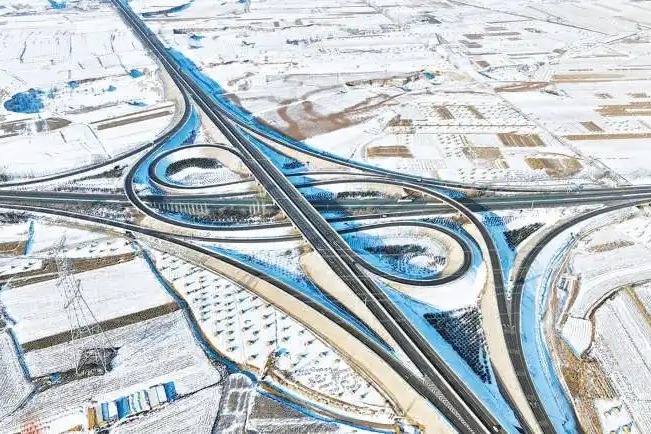
Hebei to expand transportation projects during 15th Five-Year Plan period (2026-30)
Hebei province has announced a comprehensive plan to enhance its transportation infrastructure during the 15th Five-Year Plan period (2026-30), aiming to bolster connectivity within the Beijing-Tianjin-Hebei region. Key projects include the construction of the Tanglang (Tangshan-Langfang) Expressway, set to begin in 2026, which will divert traffic from Beijing’s ring expressways, thereby reducing congestion in the capital. Additionally, the Langzhuo (Langfang-Zhuozhou) Expressway is being expanded from four to eight lanes, with completion expected by 2027, which will significantly improve the capacity and efficiency of the region’s transportation network. Another major initiative is the Jingwu (Beijing-Wuhan) Expressway, which will create a 314-kilometer high-speed corridor through Hebei, with construction slated to start in 2027. The G335 highway upgrade, currently underway, will enhance links between Zhangjiakou and Beijing upon its completion in 2027. These projects build on the progress made during the 14th Five-Year Plan period (2021-25), which saw the addition of 18 expressway segments connecting Hebei with Beijing and Tianjin, bringing the total number of inter-provincial or city trunk roads to 54 segments with 80 interfaces. These developments are expected to further regional coordination and provide more efficient travel options for residents across the Beijing-Tianjin-Hebei region.
-
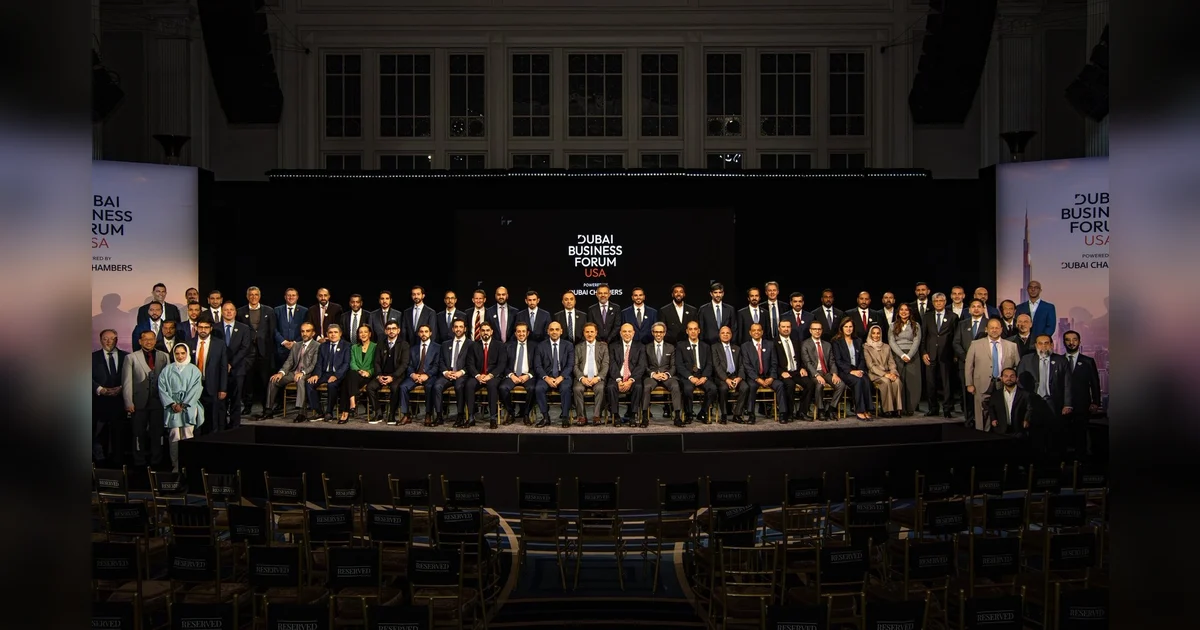
Dubai becomes key US investment hub, supporting 184,000 American jobs
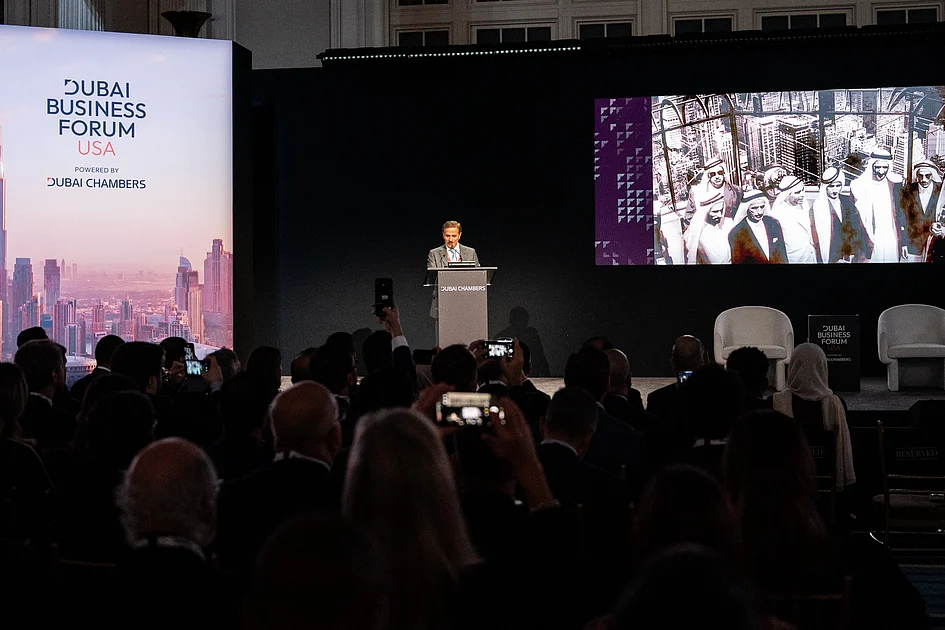
Dubai has solidified its position as a pivotal hub for American investments, supporting approximately 184,000 jobs in the United States, according to UAE government estimates. This significant figure underscores Dubai’s growing role as a gateway for US businesses expanding into the Middle East, Africa, Central Asia, and beyond. The findings were highlighted during the Dubai Business Forum – USA in New York, which attracted around 700 attendees and showcased the deepening economic ties between Dubai and the US. A report by Dubai Chambers further revealed that trade between the two regions has surged, with Dubai’s exports to the US increasing by 76% from $5.2 billion in 2018 to $9.3 billion in 2024, while imports grew by 34% to $22.3 billion. Over the past decade, the US has become Dubai’s top source of foreign direct investment (FDI), with $21.7 billion channeled into 1,474 projects across sectors such as tourism, IT, business services, and communications. Dubai’s strategic advantages, including its world-class logistics, connectivity, and business-friendly policies, have made it an attractive destination for American companies. Additionally, Dubai’s leadership in digital transformation and blockchain regulation has drawn significant interest from US tech firms and entrepreneurs, further cementing its status as a global innovation hub.
-
Salik’s net profit jumps 39% due to higher toll usage, fines
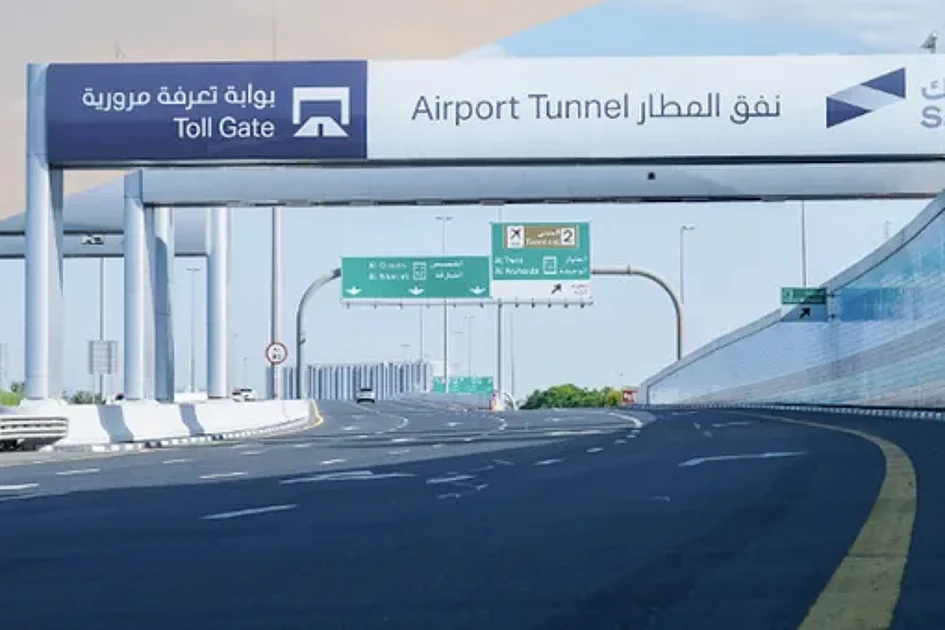
Salik Company, Dubai’s exclusive toll gate operator, has announced a significant 39.1% increase in net profit for the first nine months of 2025, reaching Dh1.14 billion. This growth is attributed to higher toll usage fees, increased fines, and new tag activations. Total revenue for the same period rose by 38.6% year-on-year to Dh2.275 billion, with a 36.9% increase in Q3 2025 alone. EBITDA also saw a substantial 42% growth, amounting to Dh1,583.7 billion, resulting in a margin of 69.6%. The company’s core tolling business recorded 470.5 million chargeable trips, with 152.2 million completed in Q3 2025. Toll usage fees surged by 41.5% year-on-year to Dh2.01 billion, driven by the new variable pricing structure introduced in January 2025 and the addition of two new toll gates. Revenue from fines increased by 18.2% year-on-year to Dh206.7 million, with Q3 2025 fines growing by 23.3% to Dh72.4 million. Mattar Al Tayer, Chairman of the Board of Directors, attributed the strong performance to Dubai’s economic growth and the company’s resilient business model. Ibrahim Sultan Al Haddad, CEO, highlighted the success of strategic initiatives and digital partnerships in driving ancillary revenues.
-
Dubai Chambers opens New York office to strengthen UAE-US business ties
Dubai Chambers has unveiled its inaugural office in New York City, marking a significant milestone in strengthening economic and investment ties between the United Arab Emirates (UAE) and the United States (US). The announcement, made during the Dubai Business Forum-USA, highlights Dubai’s growing global influence and its strategic ambition to serve as a bridge between Eastern and Western markets. This move aligns with Dubai’s broader vision to channel $1.4 trillion in planned investments across emerging sectors, positioning the New York office as a pivotal hub for fostering international business opportunities. Eng Sultan bin Saeed Al Mansoori, Chairman of Dubai Chambers, emphasized that the office will deepen engagement with US businesses and investors, leveraging New York’s status as a global financial capital. The city’s proximity to major markets like Canada and Mexico, coupled with its concentration of multinational corporations, makes it an ideal location for Dubai’s expansion. The office will facilitate easier access for US companies to explore Dubai’s business potential while serving as a gateway for Emirati investors in the US. Notably, 787 new US companies joined the Dubai Chamber of Commerce in the first nine months of 2025, bringing the total number of active American members to 3,690. This surge underscores Dubai’s increasing appeal to the American business community. Dubai’s foreign direct investment (FDI) reached $14.2 billion in 2024, cementing its position as a top global destination for new projects. The city’s business-friendly environment, characterized by zero personal income tax, over 200 global flight connections, and thriving sectors like fintech, clean energy, and digital innovation, further enhances its attractiveness. Al Mansoori highlighted the potential for strategic partnerships in high-growth sectors, including the digital economy, infrastructure, oil, and gas. He also reiterated Dubai’s ambition to become a global leader in artificial intelligence (AI), citing initiatives like the AI-driven expansion of Dubai’s airport and DP World’s BoxBay automation system as examples of innovation in action. With a focus on fostering bilateral trade and investment, the UAE-US partnership is poised for continued growth, driven by emerging technologies and shared economic goals.
-
UK growth slows down to a crawl in Q3 ahead of crucial budget
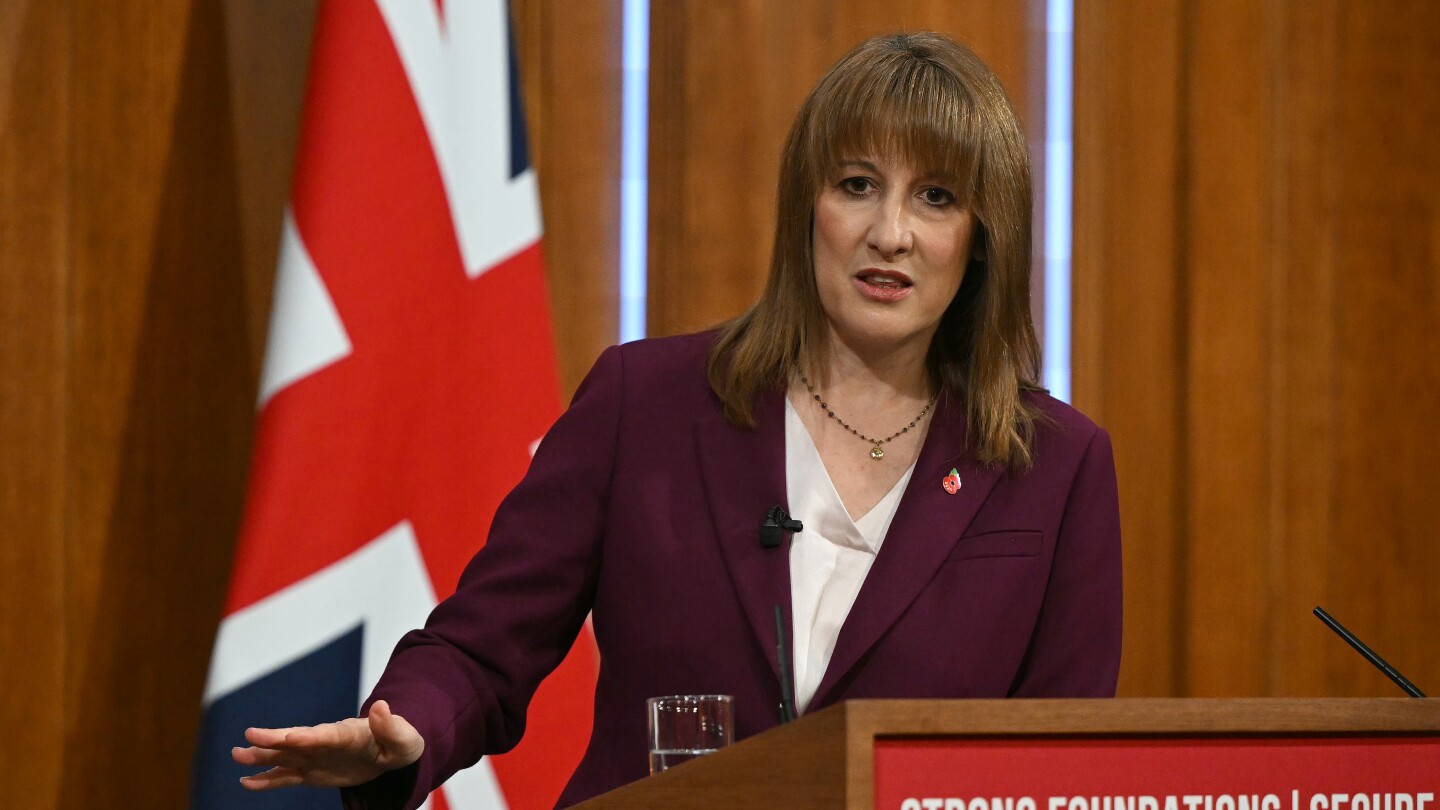
The UK economy experienced a significant slowdown in the third quarter of the year, with growth nearly grinding to a halt, according to official data released on Thursday. The Office for National Statistics (ONS) reported a mere 0.1% increase in GDP between July and September, a sharp decline from the 0.3% growth recorded in the previous quarter and below market expectations of 0.2%. This sluggish performance comes as a blow to the British government, which is preparing to unveil a critical budget in less than two weeks, widely anticipated to include tax hikes. A major factor behind the disappointing figures was a cyber attack on Jaguar Land Rover (JLR), the UK’s largest automaker. The attack, which occurred on August 31, forced the company to halt production and send workers home, disrupting operations until October. The shutdown had a ripple effect across the UK automotive sector, with industrial output falling by 2% in September and car manufacturing plummeting by 28.6%, the steepest decline since April 2020 during the height of the COVID-19 pandemic. The economic challenges were further compounded by rising unemployment, which reached 5%, the highest level in four years. Treasury Chief Rachel Reeves acknowledged the difficult economic backdrop, attributing it to international factors such as US tariffs and global uncertainty. She hinted at potential tax increases in the upcoming budget to address public finance shortfalls, including a possible rise in the basic rate of income tax—a move not seen in the UK for 50 years. The government, led by Prime Minister Keir Starmer, faces mounting pressure as it grapples with declining public support and negative favorability ratings just 18 months into its term.