分类: business

  • Airbus A320 recall: Gulf Air fixes glitch; Air India, IndiGo expected to complete soon

    Airbus A320 recall: Gulf Air fixes glitch; Air India, IndiGo expected to complete soon

    A major software recall affecting over 6,000 Airbus A320 family aircraft—representing more than half of the global fleet—prompted swift action from airlines worldwide on Saturday, November 29, 2025. The European planemaker’s directive mandated immediate software and hardware realignment, potentially disrupting travel across multiple regions.

    Indian carriers demonstrated significant progress in addressing the technical glitch. The Directorate General of Civil Aviation (DGCA) reported that 270 of India’s 338 affected aircraft had already received the necessary software fix. Air India confirmed completion on over 40% of its impacted fleet with minimal schedule disruptions, while low-cost carrier IndiGo successfully updated 160 of its 200 affected aircraft.

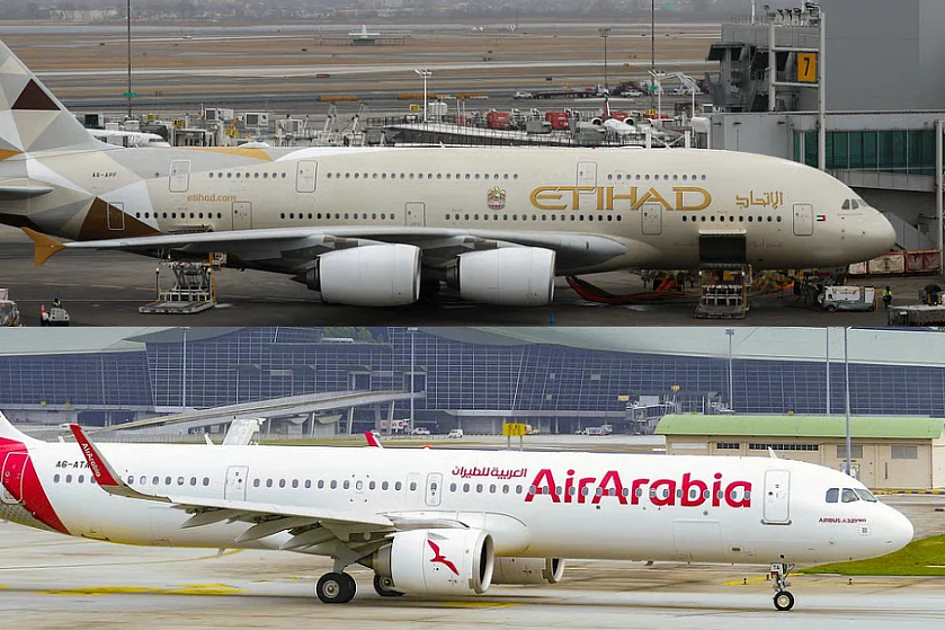
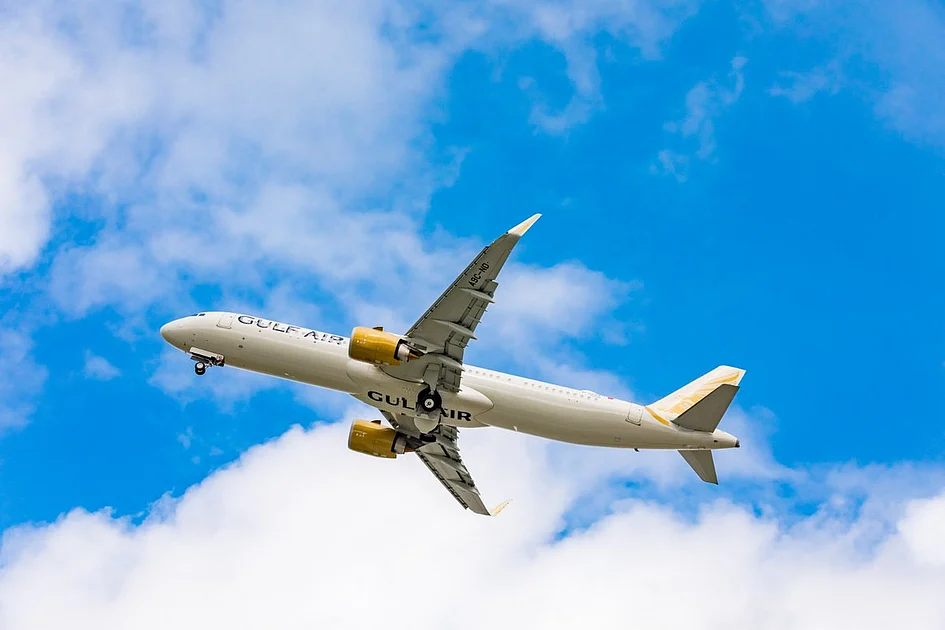
    Middle Eastern airlines similarly responded with efficiency. Gulf Air issued a statement confirming normal operations following immediate implementation of the mandatory update. Saudi Arabia’s Flynas completed upgrades without operational impact, and UAE authorities confirmed ongoing safety inspections for national carriers Air Arabia and Etihad Airways, which collectively operate 106 A320 aircraft.

    Airbus CEO Guillaume Faury apologized to airlines and passengers for the unexpected recall that particularly affects Asian short-haul aviation markets. The A320 family recently surpassed Boeing’s 737 as the industry’s most-delivered model, making this recall particularly significant for global aviation.

    Despite the massive scale of the recall, most airlines maintained normal operations with minimal cancellations. AirAsia targeted 48-hour completion for its fixes, while American Airlines reported 209 of its 480 jets required attention—below initial estimates—with most expected to be addressed by Saturday.
  • Airbus software upgrades for Philippine carriers to be completed by November 30

    Airbus software upgrades for Philippine carriers to be completed by November 30

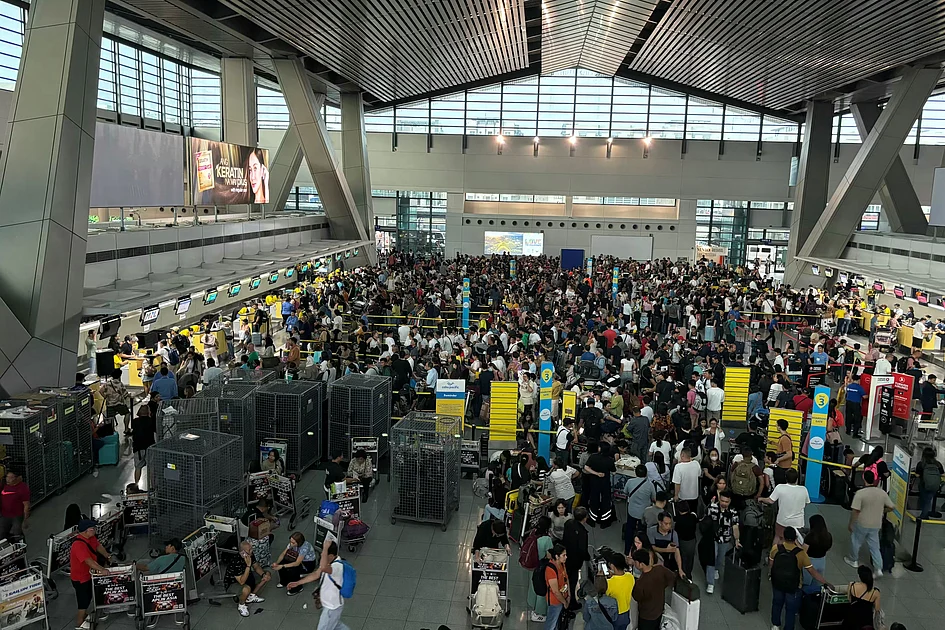
    MANILA – Philippine aviation authorities have confirmed that mandatory software upgrades for Airbus A320 and A321 aircraft will be fully completed by noon on Sunday, November 30, following global safety recommendations that caused significant flight disruptions across the archipelago.

    The Air Carriers Association of the Philippines (ACAP) announced that carriers have been working around the clock to implement the critical updates after receiving an urgent advisory from the European Aviation Safety Agency (EASA). The precautionary measure, while essential for passenger safety, resulted in widespread flight cancellations and delays throughout Saturday.

    Transportation Secretary Giovanni Lopez explained that the Department of Transportation prioritized safety above operational convenience. “We deemed it imperative to implement these precautionary measures to ensure the absolute safety of passengers and crew,” Lopez stated. “We sincerely apologize for the travel inconveniences caused by the necessary flight cancellations.”

    The emergency directive reached Philippine authorities at 1:00 AM local time on Saturday (9:00 PM Friday UAE time), affecting 75 aircraft operated by Philippine Airlines, Cebu Pacific, and AirAsia. Each aircraft required approximately two hours to complete the software installation process.

    ACAP Executive Director Josen Perez de Tagle assured the public that airline operators have implemented comprehensive passenger notification systems to minimize disruption impacts. “Airlines are exerting maximum effort to notify all affected passengers and mitigate the consequences of this mandatory system upgrade,” de Tagle commented.

    In response to the travel disruptions, carriers have offered affected passengers multiple compensation options including full refunds, flexible rebooking arrangements, and electronic travel vouchers. Stranded passengers at various airports received complimentary meals, beverages, and essential medications during the operational pause.

    The software update initiative represents a localized response to a global aviation directive affecting approximately 6,000 Airbus A320 and A321 aircraft worldwide, highlighting the interconnected nature of modern aviation safety protocols.

  • Etihad Airways says A320 operations returned to normal

    Etihad Airways says A320 operations returned to normal

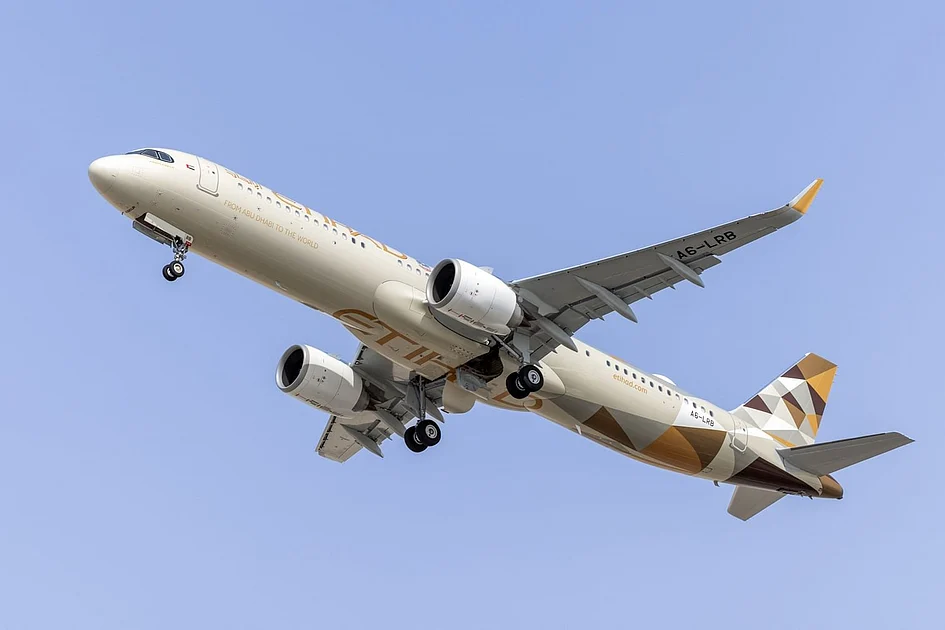
    Abu Dhabi’s national carrier Etihad Airways has successfully restored its Airbus A320 fleet to full operational capacity following the completion of a mandatory software upgrade. The airline confirmed on Saturday that all scheduled operations have returned to normal after implementing the required Airbus technical update across its entire A320 aircraft family.

    The technical deployment was executed during one of the busiest travel periods at Zayed International Airport, coinciding with the extended Eid Al Etihad holiday weekend. Despite the challenging timing, the airline’s engineering and operational teams completed the software installation with remarkable efficiency, minimizing disruptions to passenger travel schedules.

    In an official statement released November 29, 2025, Etihad management praised the exceptional performance of their technical personnel and ground operations staff. “Thanks to the extraordinary dedication of our operational and technical teams, the update was completed rapidly with minimal service impact,” the statement read.

    The airline extended gratitude to passengers for their patience and understanding during the brief implementation period. Company officials emphasized that safety protocols remain the carrier’s utmost priority, noting that the swift resolution demonstrates Etihad’s commitment to maintaining the highest aviation standards while ensuring passenger convenience.

    This successful technical deployment reinforces Etihad Airways’ reputation for operational excellence and technical proficiency in aircraft maintenance and software management. The seamless implementation during peak travel season highlights the airline’s robust contingency planning and crisis management capabilities within the competitive aviation industry.

  • UAE: Du announces free 54 GB data ahead of Eid Al Etihad

    UAE: Du announces free 54 GB data ahead of Eid Al Etihad

    In celebration of the UAE’s 54th National Day, telecommunications provider Du has unveiled an extensive package of promotional offerings for its customer base. The initiative, timed to coincide with the Eid Al Etihad festivities, represents one of the company’s most substantial customer appreciation efforts to date.

    The comprehensive promotion package includes multiple tiered benefits for both postpaid and prepaid subscribers. Beginning December 1, 2025, all postpaid customers will automatically receive 54GB of complimentary national 5G data without requiring any activation procedures. Prepaid users opting for the Flexi Yearly plan will similarly benefit from 54GB of free national data, coupled with a 50% discount on the plan’s standard subscription fee when enrolling under this limited-time National Day promotion.

    For Emirati families, Du introduces a specialized Emirati Family Plan featuring a 54% discount applicable across three billing cycles during the promotional window, typically spanning December 1-3, 2025. International travelers will benefit from specially configured roaming bundles containing 54GB of roaming data, while customers purchasing select devices through Du during the promotion period may receive complimentary accessories.

    The company’s strategic decision to align the data amount (54GB) with the nation’s 54th anniversary demonstrates a symbolic connection to the national celebration. This telecommunications initiative coincides with other Eid Al Etihad announcements across the UAE, including free parking in Sharjah and various celebratory activities throughout Dubai.

  • BRIDGE Summit 2025 to host Jeff Zucker, Emily Maitlis, Jane Ferguson, Chuck Todd and other media leaders on trust and the future of storytelling

    BRIDGE Summit 2025 to host Jeff Zucker, Emily Maitlis, Jane Ferguson, Chuck Todd and other media leaders on trust and the future of storytelling

    Abu Dhabi prepares to host the inaugural BRIDGE Summit 2025 from December 8-10 at ADNEC Abu Dhabi, assembling over 430 prominent media figures to confront the industry’s most pressing challenges. The landmark event will feature industry titans including Jeff Zucker (RedBird IMI), broadcasters Emily Maitlis and Jane Ferguson, and political commentator Chuck Todd addressing critical themes of trust reconstruction, narrative influence, and information governance amid rapid technological disruption.

    The summit’s comprehensive program will examine multiple dimensions of media transformation. Zucker will lead ‘The Comfort Crisis in Media’, analyzing how consolidation and emerging business models are reshaping editorial leadership. Maitlis will explore narrative framing in ‘Stories with an Agenda’, addressing misinformation concerns and trust restoration mechanisms.

    Ferguson and Todd will jointly present ‘Building a New Backbone for Journalism’, discussing political reporting’s evolution amid algorithmic influence and audience fragmentation. Concurrent sessions will investigate viral storytelling’s impact on economic behavior and political outcomes, with political economist Dr. Vuk Vuković demonstrating how narratives function as forces of change.

    The program will also highlight regional perspectives, with Faisal Al Agel and Munera Al Shiraifi detailing how authentic, value-driven content is reshaping Arab media consumption. Digital communication evolution will be examined through ‘Memes as a Media Business’, exploring how internet culture influences identity formation and brand behavior.

    Global entertainment adaptation strategies will be addressed by Warner Bros. Discovery’s Grigory Lavrov, while Moira Forbes and Stephanie Mehta will analyze longform journalism’s renaissance across digital platforms. The summit will further confront governance challenges with ‘Blueprints for Governing Digital Speech’, examining the balance between safety protocols and free expression.

    Conflict reporting transformation will be highlighted by journalist Plestia Alaqad, discussing how encrypted messaging and citizen journalism are revolutionizing high-risk environment coverage. Future workforce preparation will be addressed through LinkedIn’s Najat Abdelhadi’s session on automation’s impact on media roles by 2035.

    Organized under the BRIDGE Alliance mandate, this non-profit initiative reflects the UAE’s commitment to global media cooperation and innovation ecosystem development. The event expects to draw over 60,000 participants alongside 300 exhibitors, establishing itself as the world’s largest debut media convergence forum.

  • Airbus A320 recall in UAE: Regulator says safety inspections underway on aircraft

    Airbus A320 recall in UAE: Regulator says safety inspections underway on aircraft

    The United Arab Emirates General Civil Aviation Authority (GCAA) has confirmed the immediate implementation of comprehensive safety inspections across its national Airbus A320 fleet. This decisive action follows an Emergency Airworthiness Directive (EAD) issued by the European Union Aviation Safety Agency (EASA) that affects approximately 6,000 aircraft worldwide, representing over half of the global A320 fleet.

    According to official statements released on Saturday, the GCAA is maintaining close coordination with both EASA and UAE carriers to ensure full compliance with all safety mandates. The regulatory body emphasized that these precautionary measures are designed to uphold the highest operational safety standards while minimizing disruption to flight operations throughout the Emirates.

    Data from aviation analytics firm Cirium indicates that UAE operators Air Arabia and Etihad Airways collectively maintain 106 A320 aircraft subject to the directive. Both airlines have demonstrated proactive responses to the manufacturer’s recall notice.

    Air Arabia confirmed it is implementing required software and technical updates across affected aircraft, with a spokesperson stating: ‘We are working to ensure minimal impact on our customers. Should any schedule adjustments become necessary, affected passengers will receive direct notification.’

    Etihad Airways reported even more rapid progress, announcing the successful completion of mandatory software updates across its entire A320 fleet. The Abu Dhabi-based carrier credited its operational and technical teams for accomplishing the updates during one of the busiest travel periods at Zayed International Airport, with flights having returned to normal scheduled operations.

    The GCAA reaffirmed the UAE’s commitment to rigorous regulatory oversight, noting that all operators remain prepared to implement technical updates issued by manufacturers or relevant international authorities promptly and effectively.

  • Cheapest gold rate in UAE: 14K gold price revealed for first time in Dubai

    Cheapest gold rate in UAE: 14K gold price revealed for first time in Dubai

    In a significant market development, the Dubai Jewellery Group has for the first time published official pricing for 14-carat gold, setting the rate at Dh301.75 per gram. This establishes 14K as the most economically accessible gold variant available in the emirate’s jewelry market.

    The pricing initiative emerges against the backdrop of unprecedented gold valuations, with the precious metal reaching historic peaks in October 2025. During that period, gold surpassed Dh500 per gram in Dubai markets and achieved the remarkable threshold of $4,300 per ounce in global trading platforms.

    Market analysts observe a pronounced shift in consumer behavior, with Dubai and UAE shoppers increasingly favoring more affordable 18K and 21K gold jewelry amidst sustained price elevations. The newly introduced 14K gold price reflects this evolving market dynamic and addresses growing demand for budget-conscious options.

    The official pricing structure reveals substantial differentials between gold variants: 24K gold traded at Dh508.5 per gram during the weekend, positioning 14K gold more than Dh200 below the premium variant. Meanwhile, 14K maintains an Dh85 premium over its closest alternative, 18K gold, which was priced at Dh387 per gram.

    Globally, spot gold concluded the trading week at $4,219.23 per ounce, registering a 1.51 percent increase. Dubai’s gold pricing mechanism remains synchronized with international market fluctuations, ensuring local rates reflect global trends.

    Despite the formal pricing announcement, market availability of 14K jewelry remains limited. Industry representatives indicate that major jewelry retailers are actively evaluating the introduction of 14K collections specifically designed for lightweight daily wear, responding to evolving consumer preferences toward practical affordability without compromising aesthetic standards.

    Vinay Jethwani of Meena Jewellers confirmed the industry’s adaptation to changing consumption patterns, noting efforts to cater to broader consumer segments through diversified product offerings. Similarly, Malabar Gold and Diamonds’ Shamlal Ahamed observed that the trend toward lightweight jewelry is increasingly driven by evolving design preferences alongside economic considerations.

  • Kunming Dry Port train further enhances regional connectivity

    Kunming Dry Port train further enhances regional connectivity

    A significant advancement in regional connectivity was achieved on Friday with the official launch of the Kunming Dry Port train service, a crucial component of the China-Laos-Thailand-Malaysia Railway network. The inauguration ceremony took place in Anning, Yunnan province, marking a new chapter in transnational logistics.

  • UAE airlines Etihad, Air Arabia issue statements amid Airbus A320 recall

    UAE airlines Etihad, Air Arabia issue statements amid Airbus A320 recall

    In response to an unprecedented global recall initiated by Airbus, UAE carriers Etihad Airways and Air Arabia have swiftly implemented mandatory software updates across their A320 family aircraft fleets. The European manufacturer’s directive, affecting approximately 6,000 aircraft worldwide, follows a reported flight control anomaly linked to intense solar radiation exposure.

    Air Arabia confirmed immediate compliance with the technical advisory, with a spokesperson stating: “We have begun implementing the required measures across the impacted aircraft in our fleet and expect to complete all updates by the end of today. Our teams have worked diligently to ensure minimal impact on our customers.” The Sharjah-based low-cost carrier operates 67 A320 family aircraft according to Cirium data.

    Etihad Airways similarly reported successful completion of the software installation across its 39 A320 family aircraft. The Abu Dhabi-based carrier emphasized that normal operations had resumed despite the challenge occurring during one of the busiest travel periods at Zayed International Airport ahead of the long weekend.

    Saj Ahmad, chief analyst at London-based StrategicAero Research, characterized the situation as “rather unprecedented,” noting that the recall stems from a JetBlue A320 incident involving rapid descent and passenger injuries. Ahmad warned that while software updates require few hours, potential hardware modifications could ground aircraft for several days awaiting replacement parts, potentially disrupting flight schedules across the Middle East’s 376 operational A320 family aircraft.

    The proactive response from UAE carriers demonstrates the aviation industry’s commitment to safety-first protocols while minimizing traveler inconvenience during critical holiday periods.

  • Airbus A320 recall disrupts Asian travel as carriers scramble to patch software

    Airbus A320 recall disrupts Asian travel as carriers scramble to patch software

    A sweeping software recall affecting approximately 6,000 Airbus A320 family aircraft has triggered significant travel disruption across Asia and beyond, forcing airlines to scramble for solutions during one of the year’s busiest travel periods. The unprecedented recall, issued to 350 operators worldwide, represents one of the largest in Airbus’s 55-year history and impacts more than half of the global A320 fleet.

    The technical directive mandates carriers to address a software glitch affecting elevator and aileron control systems on A319, A320, and A321 models before returning aircraft to service. While the fix primarily involves reverting to earlier software versions and is considered relatively straightforward, the sheer scale of affected aircraft has created operational chaos for airlines.

    Asian carriers have been particularly hard hit given the A320’s dominance as the backbone of regional short-haul aviation. India’s aviation regulator confirmed 338 Airbus aircraft required attention, with IndiGo completing resets on 143 of its 200 affected jets and Air India addressing 42 of its 113 impacted aircraft. Both carriers warned passengers of potential delays and rescheduled flights.

    Japanese aviation faced substantial disruption with ANA Holdings canceling 65 flights on Saturday and anticipating further Sunday disruptions. Nationwide, 95 flights were canceled according to NHK broadcasts. Taiwan’s Civil Aviation Administration estimated two-thirds of the island’s 67 A320 and A321 aircraft required inspections.

    The recall’s ripple effects extended globally with American Airlines reporting 340 of its 480 A320 aircraft needed remediation. Colombian carrier Avianca took the drastic step of suspending ticket sales through December 8 as the recall affected over 70% of its fleet. Australian, European, and South Korean carriers also reported varying levels of impact.

    Industry sources indicate the recall was triggered by an October 30 incident involving a JetBlue flight from Cancun to Newark that experienced a sharp altitude loss, resulting in passenger injuries. Aviation regulators worldwide have followed the European Union Aviation Safety Agency’s directive mandating corrections before resumed operations.