分类: business

  • Airbus faces new quality problem on dozens of A320 jets, sources say

    Airbus faces new quality problem on dozens of A320 jets, sources say

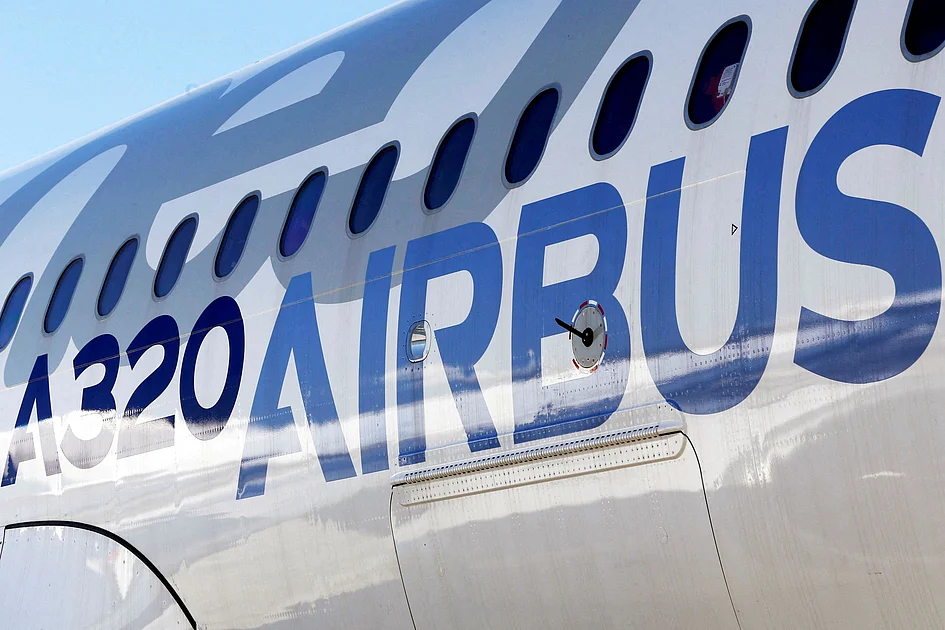
    European aerospace titan Airbus SE is navigating a newly identified industrial quality complication impacting multiple dozens of its best-selling A320neo-family aircraft, according to industry sources familiar with the matter. The issue, centered on potential flaws within specific fuselage panels, has initiated delays in handing over completed jets to airline customers. Investigations into the root cause are currently underway.

    While the discovery poses a significant challenge to the manufacturer’s ambitious year-end delivery objectives, sources indicate there is no immediate evidence suggesting the flaw has propagated to aircraft already in active commercial service. The company has maintained a position of no immediate public commentary on the developing situation.

    This production setback emerges at a critical juncture for Airbus, which is simultaneously managing the operational fallout from a separate weekend recall of jets to address an unrelated software anomaly. The confluence of these events is stretching the company’s industrial resources as it pushes to meet its stated annual target.

    Preliminary data suggests the disruption may already be materializing. November delivery figures, reported at 72 aircraft, fell short of many analyst projections. This brings the yearly total to approximately 657 jets. To achieve its publicly stated goal of ‘around 820′ deliveries for 2025, Airbus must now execute an unprecedented December, requiring the handover of over 160 aircraft—a figure that would surpass the current monthly record of 138 set in 2019.

    The financial implications are substantial, as a significant portion of an aircraft’s revenue is recognized upon delivery. Analyst sentiment on the feasibility of this year-end push is mixed. Some, like Jefferies’ Chloe Lemarie, acknowledge the November shortfall but suggest underlying production rates could still support the target. Others, including independent analyst Rob Morris, project a final tally closer to 800 deliveries, noting a tangible risk of the outcome falling marginally short of the official forecast.

  • UAE investors caught off-guard as forex office in Dubai shuts down

    UAE investors caught off-guard as forex office in Dubai shuts down

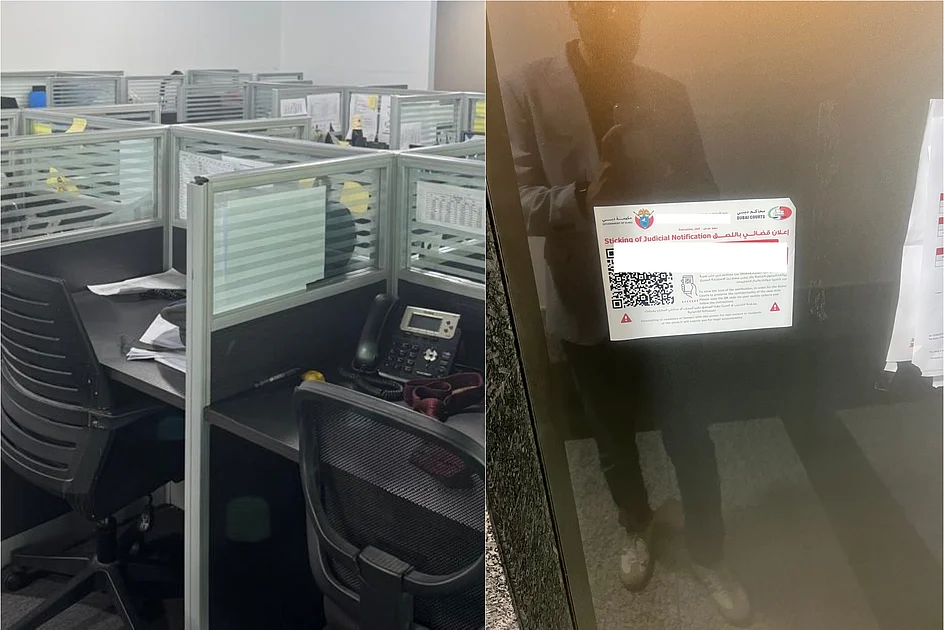
    A prominent foreign exchange trading office in Dubai’s Business Bay district has undergone sudden closure, leaving numerous investors financially stranded and triggering official legal proceedings. The ninth-floor premises, which previously housed nearly 100 employees actively soliciting UAE residents with promises of guaranteed returns, now stands deserted with Dubai Courts notices affixed to its glass entrance.

    Evidence suggests the operation was abandoned hurriedly, with personal belongings and work materials scattered throughout the office space. The closure has confirmed investors’ worst fears after weeks of unreturned calls and messages from their relationship managers. Multiple victims report significant financial losses ranging from Dh73,450 to over Dh624,325, with many having filed formal complaints with Dubai authorities.

    An investigation reveals that client funds were systematically diverted to accounts belonging to entities with deliberately similar names, including an events management company operating adjacent to the trading office. Rather than being deposited into regulated trading accounts as promised, investor capital was funneled into unrelated businesses through sophisticated financial deception.

    This case appears connected to a broader pattern of fraudulent operations targeting UAE residents. Previous investigations have identified multiple call centers across Dubai employing hundreds of agents using aggressive cold-calling tactics. Many of these operations have subsequently relocated to India following increased regulatory scrutiny, continuing their activities through VOIP technology that mimics legitimate UAE telephone prefixes.

    Financial experts caution that offshore-registered entities with limited operational history present substantial investment risks. The UAE authorities have repeatedly issued warnings regarding unlicensed trading platforms that utilize unsolicited contact methods and overseas registrations.

  • UAE flights: Air Arabia starts daily flights between Sharjah and Krabi in Thailand

    UAE flights: Air Arabia starts daily flights between Sharjah and Krabi in Thailand

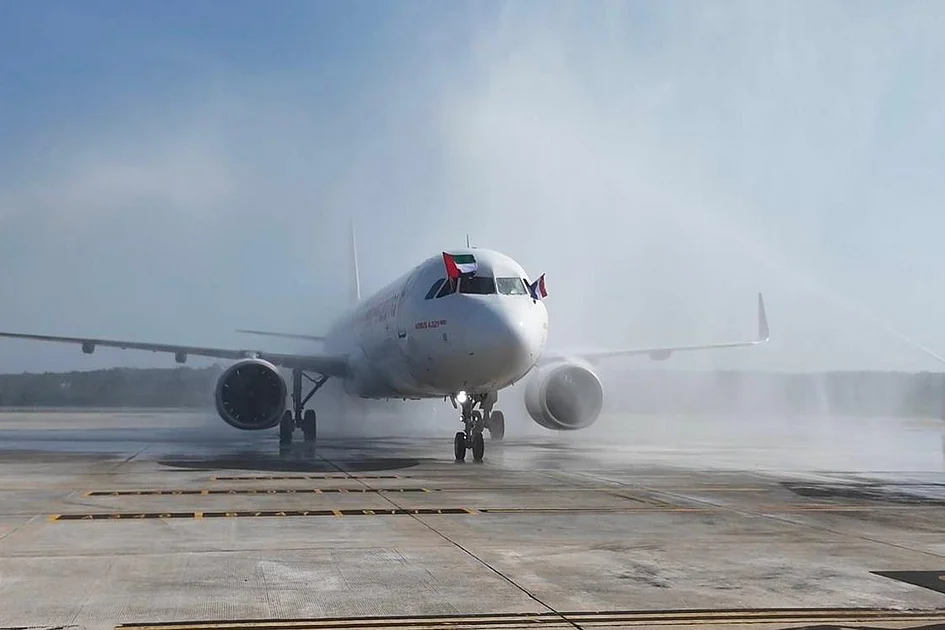
    Sharjah-based budget carrier Air Arabia has officially launched daily nonstop flights between Sharjah International Airport and Krabi, Thailand, marking a significant expansion of its Southeast Asian network. The inaugural flight departed on November 28, 2025, receiving an official welcome in Krabi attended by Thailand’s Deputy Prime Minister and Minister of Transport Phipat Ratchakitprakarn alongside senior airline and airport officials.

    This new route establishes the third Thai destination in Air Arabia’s network from Sharjah, complementing existing services to Bangkok and Phuket. The addition provides enhanced connectivity between the United Arab Emirates and Thailand’s renowned southern coastal province, known for its exceptional natural attractions including pristine beaches, coral reefs, and dramatic limestone formations.

    Adel Al Ali, Group Chief Executive Officer of Air Arabia, characterized the launch as a milestone in the airline’s regional expansion strategy. “This new daily service offers our customers greater convenience and strengthens the growing travel and trade links between the UAE and Thailand,” Al Ali stated. The executive emphasized that the route provides travelers with increased accessibility to one of Thailand’s most popular tourist destinations.

    Passengers aboard Air Arabia’s modern Airbus A320 and A321 aircraft will experience the carrier’s value-added amenities including ‘SkyTime’ complimentary in-flight streaming service and ‘SkyCafe’ onboard menu offerings. The airline’s regional loyalty program, ‘Air Rewards’, extends additional benefits to frequent flyers.

    Travelers can now access complete flight schedules and booking options through Air Arabia’s official website, contact center, or authorized travel agents. The new service responds to growing demand for travel between the Gulf region and Southeast Asia, particularly to Thailand’s southern resort destinations beyond the established hubs of Bangkok and Phuket.

  • Science or survival? Tobacco giants’ billions bet on ‘reduced-risk’ products

    Science or survival? Tobacco giants’ billions bet on ‘reduced-risk’ products

    Global tobacco corporations are executing a multi-billion dollar strategic transformation, channeling unprecedented resources into developing ‘reduced-risk’ nicotine products amid declining traditional cigarette sales and intensified regulatory pressures worldwide. This fundamental shift represents both a survival strategy and a controversial rebranding effort that public health experts view with deep skepticism.

    Japan Tobacco International exemplifies this industry-wide pivot, committing approximately $4.3 billion to its reduced-risk product portfolio between 2025-2027—more than doubling its previous three-year investment. The centerpiece of JTI’s strategy is the Ploom heated tobacco system, which company representatives describe as embodying ‘science-driven, consumer-centric innovation’ with ‘precision-heating technology’ developed through extensive research.

    The financial stakes are enormous industry-wide. Philip Morris International now derives over 40% of its revenue from smoke-free products like IQOS, while British American Tobacco’s ‘New Categories’ segment contributes nearly 18% of group revenue. The US tobacco market alone is projected to expand from $112.82 billion in 2024 to $180.48 billion by 2030, primarily driven by alternative nicotine products.

    Tobacco companies cite scientific evidence to legitimize their transformation, including BAT research suggesting oral nicotine pouches offer over 99% reduction in exposure to harmful toxicants compared to cigarettes. They reference Sweden’s experience with snus, which correlates with the EU’s lowest smoking prevalence (5.4%) and minimal tobacco-related cancer mortality. Regulatory acknowledgments include the FDA’s Modified Risk Tobacco Product designations and the UK NHS’s inclusion of vaping devices in smoking cessation recommendations.

    However, public health authorities maintain cautious skepticism. The World Health Organization emphasizes that complete cessation remains the optimal harm reduction approach and insists regulatory decisions must remain independent of tobacco industry influence. Independent analysis reveals significant evidence gaps, with a 2022 systematic review finding that 29 of 40 assessed clinical trials on heated tobacco products were industry-affiliated, raising questions about research objectivity.

    This strategic shift occurs against a backdrop of declining global cigarette volumes, projected to fall approximately 2% in 2025, creating powerful incentives for diversification. The central question remains whether this transformation genuinely serves public health interests or simply creates new markets for nicotine delivery under the guise of harm reduction. The ultimate impact on public health, industry profitability, and future nicotine consumers will require ongoing independent scientific scrutiny to properly assess.

  • Starbucks to pay NYC workers $35m after alleged labour law violations

    Starbucks to pay NYC workers $35m after alleged labour law violations

    Starbucks has reached a historic $35 million settlement with New York City authorities following allegations of systematic violations of the city’s Fair Workweek Law. The agreement, announced Monday, resolves claims that the coffee giant denied predictable schedules and arbitrarily reduced hours for thousands of employees across its NYC locations.

    More than 15,000 hourly workers will receive compensation of $50 for each week worked between July 2021 and July 2024, according to city officials. The settlement represents the largest worker protection agreement in New York City’s history, with investigators documenting over half a million violations of scheduling regulations.

    New York City Department of Consumer and Worker Protection Commissioner Vilda Vera Mayuga stated the investigation revealed ‘a pattern of systemic violations’ across all Starbucks locations in the city. ‘All workers deserve to be treated with dignity,’ Mayuga emphasized, ‘and we are proud to stand up for our neighbors when a multibillion-dollar company chooses to systematically violate their employees’ rights.’

    As part of the settlement, Starbucks must now comply with NYC’s worker protection laws requiring fast-food employers to provide regular schedules and opportunities for additional shifts. The company acknowledged the complexity of the city’s regulations while maintaining its commitment to compliance.

    In a statement, Starbucks noted the compensation represents ‘legal compliance, not unpaid wages’ and reiterated its commitment to ‘creating the best job in retail.’ The company recently announced plans to invest $500 million in coffeehouse staffing and training improvements nationwide.

    The settlement occurs amid ongoing labor tensions between Starbucks and unionized workers. Starbucks Workers United continues to organize strikes across more than 120 stores in 85 cities, demanding better pay, improved staffing levels, and formal union contracts. The union has won representation elections at approximately 5% of company-owned U.S. locations since its formation four years ago.

    New York City Mayor Eric Adams characterized the agreement as a ‘landmark settlement’ that will ‘put tens of millions of dollars back into the pockets of hard-working New Yorkers and reinforce every New Yorker’s right to a reliable schedule, full hours, and basic dignity.’

    The resolution comes as Starbucks navigates multiple challenges including consumer boycotts, increased competition, pricing criticism, and leadership transitions. While the company reported its first quarterly sales growth in nearly two years this October, U.S. sales remained flat, indicating ongoing operational challenges.

  • PIA expands network with new weekly flights between Riyadh and Karachi

    PIA expands network with new weekly flights between Riyadh and Karachi

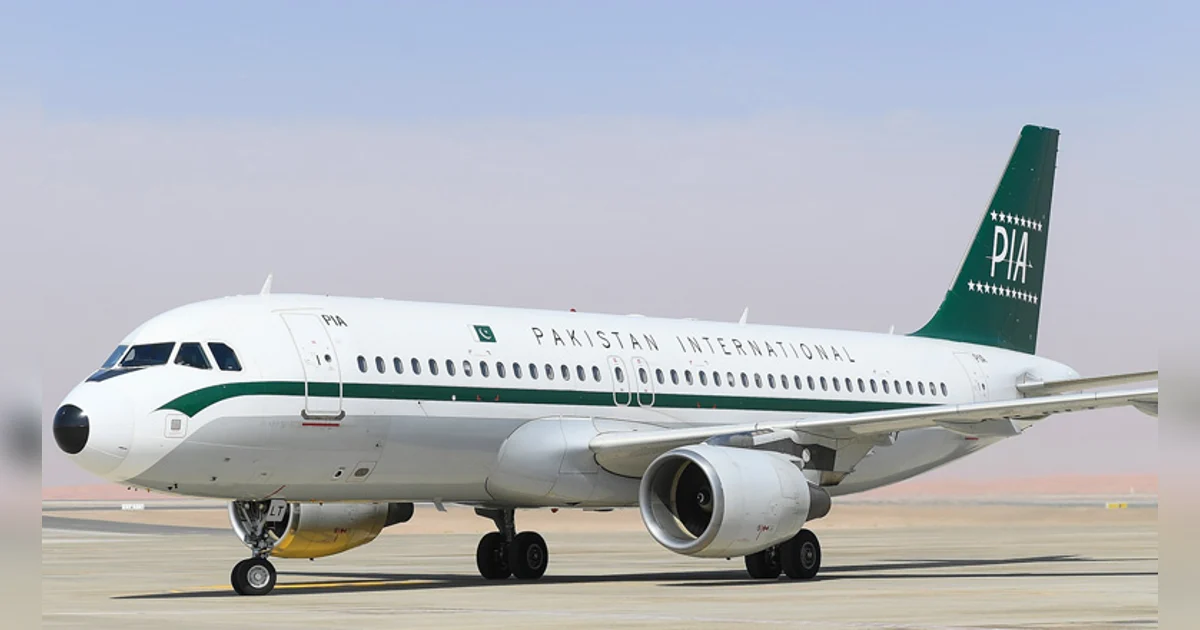
    Pakistan International Airlines (PIA) has announced the launch of a new weekly flight service connecting Karachi and Riyadh, marking a significant expansion of its Saudi Arabian network operations. The inaugural flight is scheduled for January 2, 2026, utilizing Airbus A320 aircraft for the route.

    The newly established service will operate according to the following schedule: Flight PK729 will depart Karachi every Friday at 8:45 PM, arriving in Riyadh at 10:45 PM after a four-hour journey. The return flight, PK730, will depart Riyadh on Saturdays at 12:05 AM and arrive in Karachi at 5:10 AM, with a flight duration of approximately three hours and five minutes.

    This expansion builds upon PIA’s existing connections to Riyadh from Islamabad and Lahore, strengthening aviation ties between Pakistan and Saudi Arabia. The route development comes alongside PIA’s recent reinstatement of direct flights to Britain following the lifting of a five-year suspension imposed by UK authorities over aviation safety concerns.

    The airline, which has faced substantial operational challenges including significant debt accumulation and management issues, continues to navigate a complex recovery path. The European Union, United States, and Britain had imposed flight bans on PIA in June 2020 following a tragic aviation incident that claimed nearly 100 lives when an Airbus A320 crashed in a Karachi neighborhood.

    Established in 1955 as a symbol of national pride and development, PIA has experienced considerable reputational challenges in recent decades due to financial difficulties and safety concerns. The Pakistani government has committed to privatizing the carrier, though previous attempts have stalled due to valuation discrepancies between potential buyers and government expectations.

  • Dubai court freezes $456 million linked to alleged cryptocurrency reserve theft

    Dubai court freezes $456 million linked to alleged cryptocurrency reserve theft

    In a groundbreaking legal development, Dubai’s Digital Economy Court within the DIFC has implemented an unprecedented worldwide freezing order targeting approximately $456 million in assets. This landmark ruling represents the court’s first global freeze concerning cryptocurrency matters, establishing stringent penalties including substantial fines and potential imprisonment for any violations.

    The case centers on allegations that funds designated to back the TrueUSD (TUSD) stablecoin were systematically diverted through sophisticated financial manipulation. Court documents reveal that between 2021 and 2022, nearly half a billion dollars was allegedly removed from TUSD’s dollar reserves and redirected into private commodity investments and mining ventures using falsified documentation and forged authorization instructions.

    Techteryx Ltd, the entity controlling TrueUSD under Chinese cryptocurrency magnate Justin Sun’s leadership, discovered the substantial reserve shortfall during comprehensive audit procedures earlier this year. The company responded by injecting hundreds of millions in fresh capital to ensure all TUSD tokens remained fully redeemable at their intended one-dollar valuation, maintaining that no public holders experienced financial losses.

    Justice Michael Black’s October 17 ruling prohibits the movement or concealment of the contested funds and any derivative assets worldwide. The indefinite freeze remains effective until judicial proceedings determine final disposition, with the order applying extraterritorially to all financial institutions and entities holding relevant assets.

    Justin Sun characterized the decision as a decisive step toward recovering the missing reserves, advocating for enhanced international audit standards across the stablecoin sector. Legal experts note the ruling demonstrates Dubai’s evolving jurisdictional capability in addressing complex digital asset disputes through its specialized Digital Economy Court framework.

    The full judgment remains accessible through the DIFC Courts’ official portal, signaling the emirate’s commitment to establishing robust legal safeguards for the rapidly expanding cryptocurrency industry.

  • Xinjiang sees 26-fold surge in tourist tax refunds in first 10 months

    Xinjiang sees 26-fold surge in tourist tax refunds in first 10 months

    Northwest China’s Xinjiang Uygur Autonomous Region has witnessed an extraordinary surge in tourism-related financial activity, with tax refunds for international visitors skyrocketing by 2,600% during the first ten months of 2025. According to customs data from Urumqi, the region’s primary international gateway, refunds processed at the aviation port exceeded 8 million yuan (approximately $1.13 million), signaling a dramatic revitalization of cross-border tourism.

    The remarkable growth follows China’s strategic policy enhancements implemented in April 2025, which significantly optimized the nation’s departure tax refund system. These measures included reducing minimum purchase thresholds, simplifying refund procedures, and expanding service channels to create a more visitor-friendly experience.

    Xinjiang’s diverse natural landscapes and rich cultural heritage have long attracted global travelers, with the region welcoming 2.12 million inbound visitors during the reporting period—a 6.06% increase year-on-year. The expanded tax-refund program now covers twelve distinct product categories, including luxury goods, cultural artifacts, textiles, and local specialty foods.

    At Urumqi Tianshan International Airport, multilingual signage and information screens in six languages guide international travelers through the streamlined refund process. Azamat Yernar, a tourist from Kazakhstan, reported completing his refund within two minutes after purchasing Atlas silk garments and Xinjiang handicrafts. ‘These products are incredibly unique, and the prices become even more attractive after the tax refund,’ Yernar noted. ‘The entire process was remarkably convenient.’

    Customs officials have committed to further enhancing the visitor experience. ‘We will continue to enrich tax-refund product varieties with distinctive Xinjiang characteristics and improve service convenience for travelers,’ stated Zhang Weijie, deputy director of the airport’s customs office, highlighting ongoing efforts to position Xinjiang as a premier global tourism destination.

  • Saying ‘yes’ to destiny: The emergence of a new-era enterprise luminary

    Saying ‘yes’ to destiny: The emergence of a new-era enterprise luminary

    A remarkable entrepreneurial journey exemplifies how vision and determination can transform modest beginnings into multi-sector industrial leadership. Shafeeq Abdurahiman, who grew up in a humble Kozhikode household guided by strong moral principles, has emerged as a defining business figure shaping growth across property, hospitality, and precision engineering sectors in the UAE.

    His trajectory began with a fateful encounter with UAE businessman Ibrahim Abdullah Al Harmoudi, who recognized Shafeeq’s potential and encouraged him to pursue opportunities in the Emirates. Arriving in Sharjah in 2005 while still in his late teens, Shafeeq immersed himself in real estate operations, gaining invaluable exposure to negotiation strategies and client management.

    The turning point came in 2011 when Ibrahim offered him first rights to acquire the company. Shafeeq honored this trust through a purchase that marked his entrepreneurial ascent, rebranding the operation as Al Maniya—inspired by his admiration for Argentine football—before evolving it into AMR Group. The enterprise now delivers comprehensive property services including management, freehold advisory, development consultancy, and strategic marketing across multiple emirates.

    A landmark development occurred with A1 Holding’s acquisition of Cleveland Bridges & Engineering Middle East LLC, a legacy pillar of Dubai’s steel sector established in 1977. The acquisition, announced in the presence of Sheikh Suhail bin Ali Al Maktoum and Dr. Hamad Saeed Al Shamsi (Partner and Chairman of A1 Group), represents a decisive industrial leap. The facility is being transformed into an advanced steel-engineering hub featuring upgraded systems and AI-driven precision, positioning A1 Holding at the forefront of regional infrastructure development.

    Today, A1 Holding unifies multiple high-impact verticals including real estate development, hospitality, security services, facilities management, and large-scale workforce accommodation. The group stewards approximately 120 accommodation assets for major organizations across Dubai, while expanding its hospitality footprint with the upcoming ‘Acacia’ 4-star hotel in Ras Al Khaimah and two additional Dubai properties scheduled for 2026.

    Shafeeq’s resilience was particularly demonstrated during the COVID-19 pandemic when he offered his accommodation facilities to the Dubai Government and provided free housing to quarantined expatriates—transforming a global crisis into an act of national service.

    The entrepreneur consistently credits the UAE’s clarity, stability, and visionary leadership as the foundation of his success. For twelve consecutive years, he has commemorated UAE National Day by unveiling luxury cars exquisitely decorated in national themes as a moving tribute to the nation and its rulers.

    Guided by family values and the enduring principles of his late father Abdurahiman, Shafeeq maintains that success carries inherent responsibility. His vision now focuses on scaling A1 Holding as a major Middle Eastern force while empowering teams, honoring partner trust, and contributing meaningfully to the UAE’s long-term economic vision.

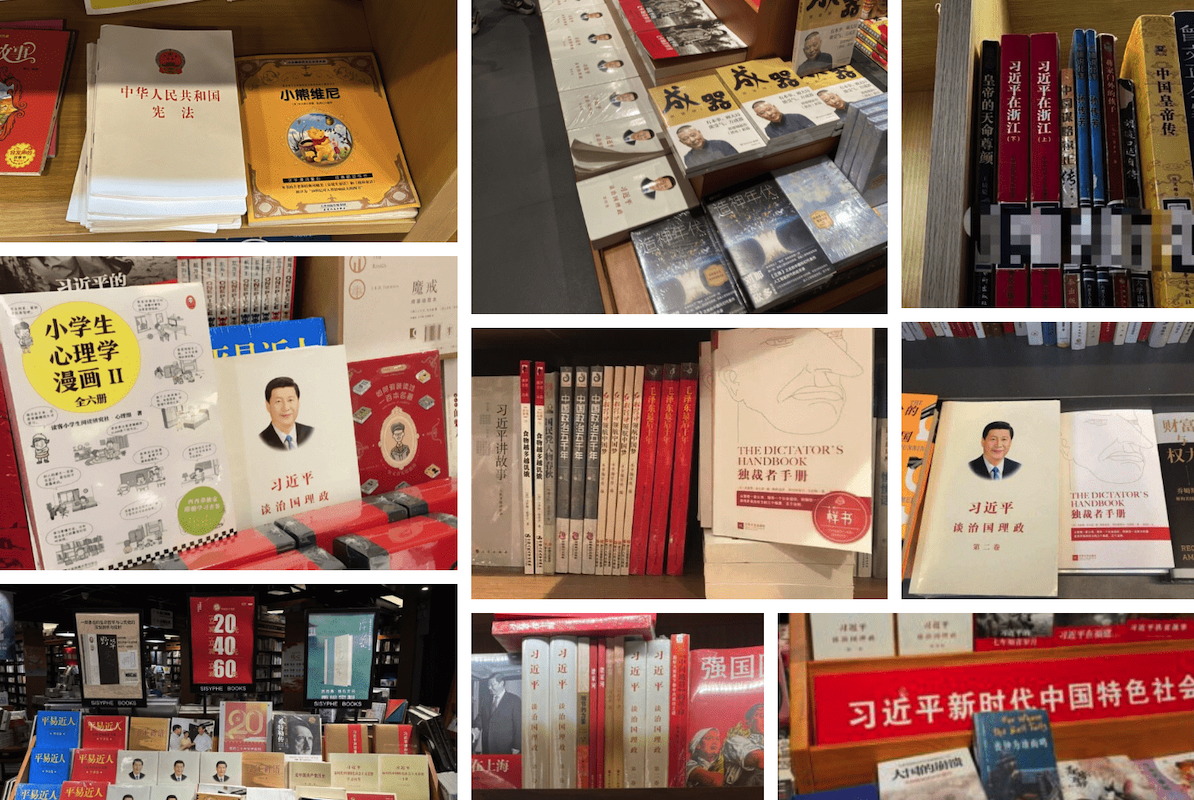
  • China’s grand plan to dominate global publishing

    China’s grand plan to dominate global publishing

    China is rapidly emerging as the future dominant force in global publishing, with projections indicating it will become the world’s most influential publishing market within the coming decade. This remarkable ascent is fueled by multiple strategic advantages including substantial domestic market growth, targeted expansion policies, significant advancements in scholarly publishing, and pioneering adoption of digital technologies that are reshaping how content is created, distributed, and consumed worldwide.

    The Chinese publishing market already ranks among the world’s largest, supported by hundreds of millions of active readers with increasing disposable income driving demand across both print and digital formats. Major platforms including Dangdang and JD Books continue expanding their catalogues while audiobook and mobile reading applications gain substantial traction. Notably, physical bookstores continue to thrive alongside digital platforms, demonstrating the market’s remarkable diversity and breadth.

    This robust consumer activity provides Chinese publishers with unprecedented financial flexibility to experiment with innovative formats, marketing approaches, and distribution channels. This experimentation allows them to develop and refine business models that other markets struggle to implement effectively. Despite challenges including intense price competition and demographic shifts affecting children’s book segments, China’s publishing industry maintains strong innovative capacity.

    Chinese publishers are demonstrating exceptional agility in adapting to the digital landscape, with short-video e-commerce platforms like Douyin becoming significant sales channels. This rapid adoption of new retail models gives Chinese publishers distinct advantages over Western counterparts in reaching digitally-native audiences. Additionally, growing cultural pride is driving demand for high-quality original content that blends traditional Chinese narratives with contemporary themes, resulting in increased success for home-grown intellectual property and international copyright exports.

    The internationalization of Chinese trade publishing forms a crucial component of government-backed soft power strategy, aligned with China’s national goal of becoming a ‘cultural powerhouse’ by 2035. Major state-owned conglomerates including China Publishing Group Corporation and China International Publishing Group are executing this strategic vision through substantial resource allocation. Organizations such as Foreign Languages Press and New World Press publish works in multiple languages covering contemporary Chinese society, literature, and cultural classics, distributed across over 180 countries through exports, co-publishing arrangements, and partnership initiatives.

    Concurrently, China’s academic publishing sector is undergoing transformative growth. Massive investment in research and development has established China as a scientific and technological leader, evidenced by surpassing the United States in highly-cited academic papers. Policy shifts encouraging open access, data sharing, and transparent research practices complement substantial STEM investments. By 2030, Chinese academic publishers are projected to hold significantly increased global influence, particularly in engineering, medicine, and environmental science.

    The Chinese government actively promotes creation of world-class domestic academic journals to reduce foreign dependency, accelerated by massive digital publishing investments. Initiatives like the Belt and Road Initiative include cultural components such as translation projects, reading festivals, and academic exchanges that build relationships with emerging markets. These partnerships frequently result in co-published titles and distribution agreements that position Chinese content in new markets while encouraging international collaboration.

    China’s publishing sector has reached a critical juncture where ambition and capability converge, combining vast market scale, technological investment, and long-term cultural strategy to create momentum unmatched by global competitors. Within the next decade, this powerful combination will fundamentally reshape how stories are produced, research is shared, and cultural influence transcends borders. The question for global publishers is no longer whether this transformation will occur, but how rapidly they can adapt to the new publishing landscape China is creating.