
The holiday job market in the United States is facing unprecedented challenges, with seasonal hiring expected to drop to its lowest level since the aftermath of the 2008 recession. According to the National Retail Federation, retailers are projected to hire between 265,000 and 365,000 seasonal workers this year, a significant decline from 442,000 in the previous year. This pullback reflects a cautious approach among businesses grappling with tariffs, inflation, and consumer uncertainty. Nicholas Strahl, a 41-year-old part-time retail sales associate in Indiana, exemplifies the struggles of job seekers. Despite applying to multiple retailers since October, he has yet to secure a seasonal position. ‘I’ve never seen the job market like this—it’s pretty crazy,’ he remarked. The labor market is described as ‘frozen with frostbite’ by Allison Shrivastava, an economist at the Indeed Hiring Lab, as a larger pool of job seekers competes for fewer opportunities. Retail job openings in October were down 22% compared to last year, according to Revelio Labs. Major retailers like Target and Walmart have remained tight-lipped about their seasonal hiring plans, a departure from previous years. Meanwhile, smaller businesses, such as Hobby Works in Maryland, are scaling back hiring due to economic pressures and the recent government shutdown. For many Americans, the lack of seasonal work means cutting back on holiday spending and delaying essential expenses, further highlighting the economic strain faced by households across the country.
分类: business
-
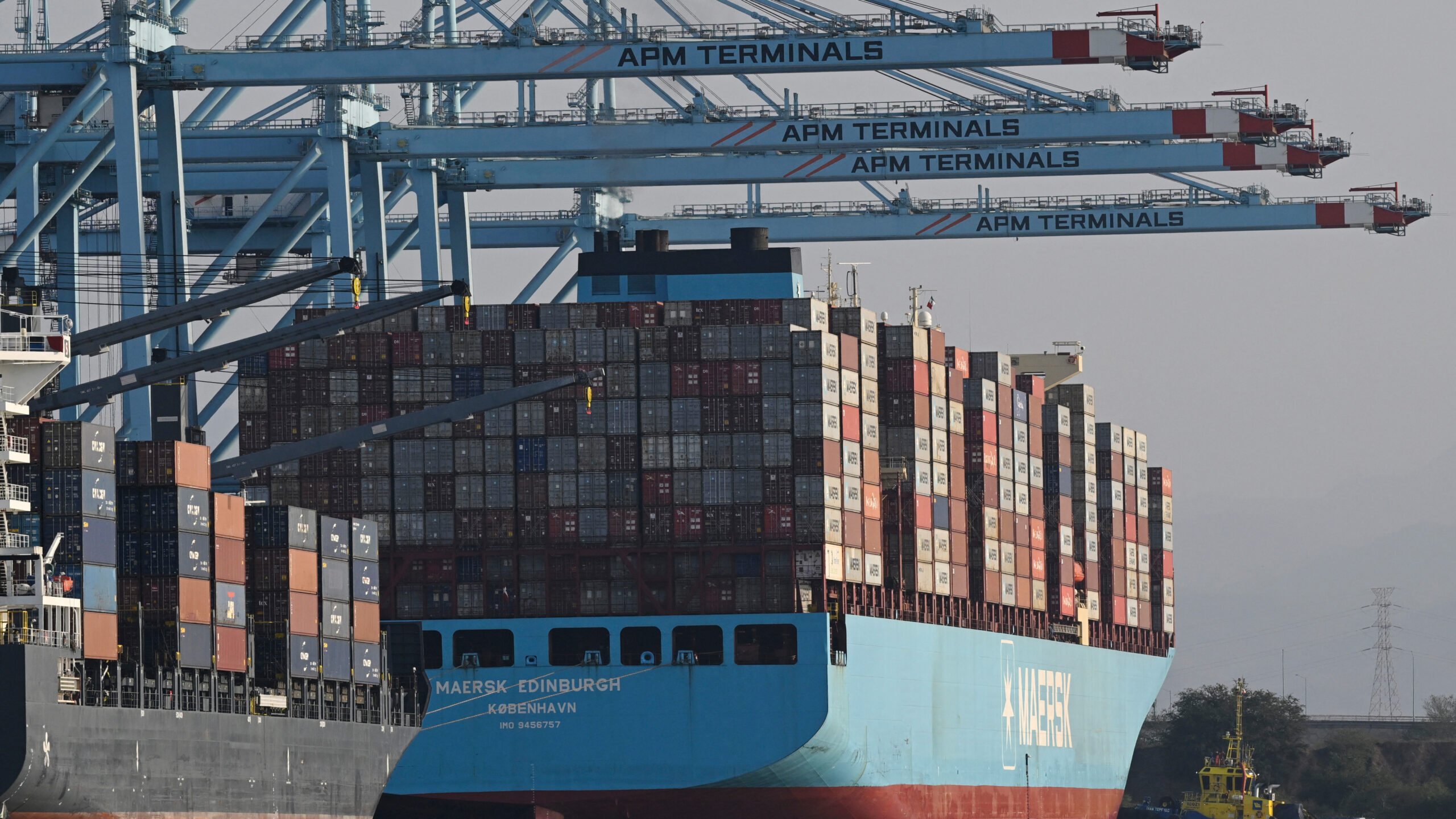
Maersk to resume shipping routes through Red Sea and Suez Canal
Global shipping leader Maersk has announced its intention to resume operations through the Red Sea and Suez Canal as soon as conditions permit, prioritizing crew safety above all else. CEO Vincent Clerc made the announcement during a press conference in Egypt alongside the Suez Canal Authority chief, expressing optimism following the recent ceasefire between Israel and Hamas. This truce, Clerc noted, has created a more stable environment for navigating the Bab al-Mandab Strait, a critical waterway connecting the Red Sea to the Gulf of Aden. However, Maersk has not yet set a definitive timeline for resuming the route, contradicting earlier claims by the Suez Canal Authority of a partial December reopening. The Red Sea has seen increased maritime traffic since the Gaza ceasefire on October 10, according to the canal authority. Maersk had previously diverted ships away from the region after repeated attacks by Yemen’s Houthi rebels, who targeted vessels in solidarity with Palestinians in Gaza. These attacks, totaling over 100 incidents from 2023 to 2024, prompted many shipping companies to reroute via the southern tip of Africa, costing Egypt an estimated $7 billion in lost Suez Canal revenue. Maersk has also faced criticism for its ties to Israeli settlements in the occupied West Bank, leading to its divestment from companies linked to these settlements in June. The company has been accused of transporting military equipment to Israel, including components for F-35 fighter jets used in Gaza. Despite denying these allegations, Maersk has faced protests and scrutiny from human rights groups globally.
-
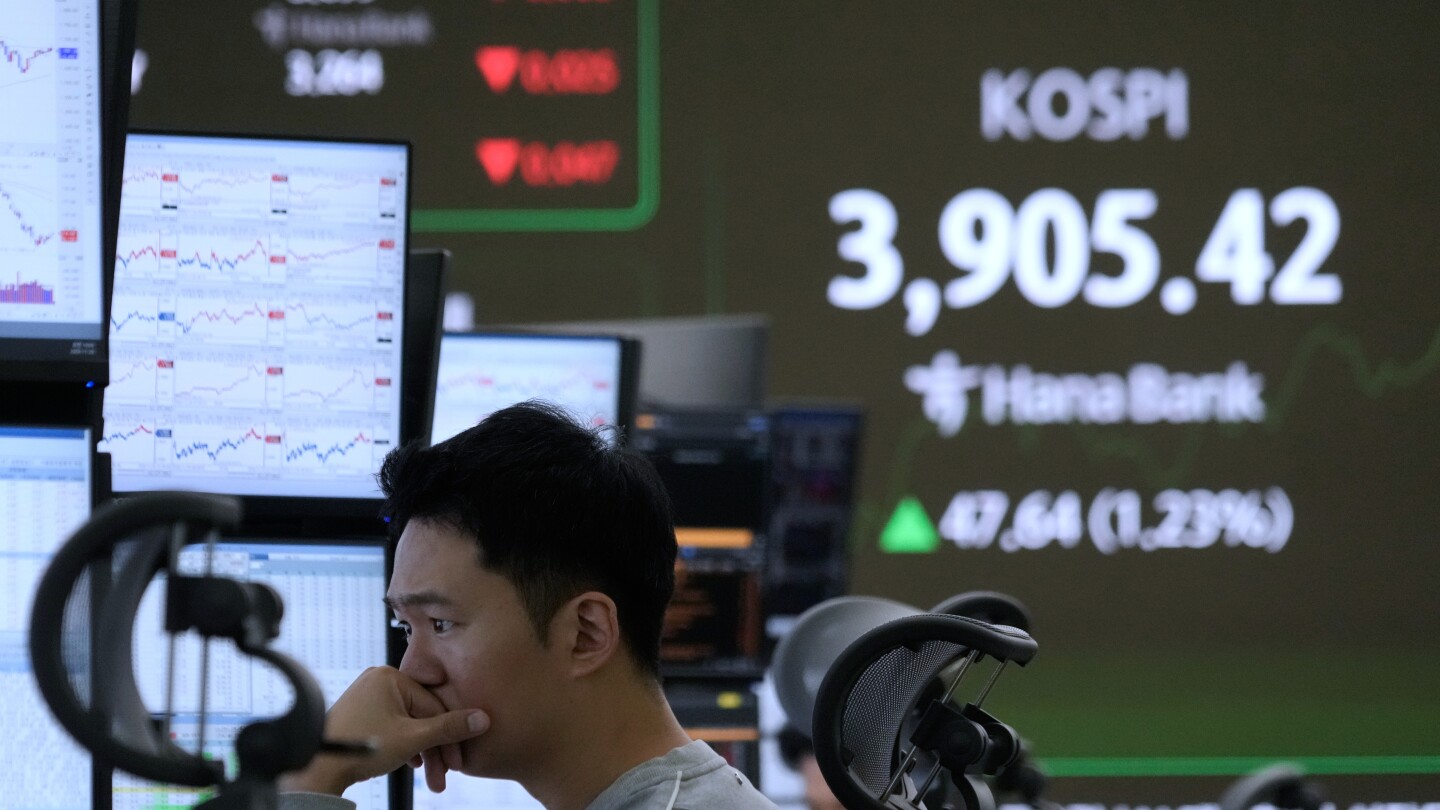
World stocks climb after Wall Street rallies on hopes for lower interest rates
Stock markets across Europe and Asia experienced notable gains on Wednesday, driven by optimism that the Federal Reserve may soon reduce interest rates. This sentiment followed a strong performance on Wall Street, where benchmarks surged in anticipation of potential rate cuts. In early European trading, Germany’s DAX climbed 0.2% to 23,500.98, while France’s CAC 40 also rose 0.2% to 9,623.22. The UK’s FTSE 100 saw a modest increase of 0.1%. In Asia, Tokyo’s Nikkei 225 soared 1.9% to 49,559.07, supported by gains in major exporters and technology shares. However, Kioxia’s shares plummeted 14.9% amid reports that Bain Capital plans to sell $2.3 billion of its shares. South Korea’s Kospi surged 2.7% to 3,960.87, buoyed by a 3.5% rise in Samsung Electronics, the market’s largest player. SK Hynix, a leading computer chip maker, also saw a 1% increase. Taiwan’s Taiex jumped 1.9%, while Chinese markets showed mixed results. Hong Kong’s Hang Seng edged up 0.1% to 25,928.08, but the Shanghai Composite slipped 0.2% to 3,864.18. Alibaba, the Chinese e-commerce and technology giant, fell 1.9% after its U.S.-traded shares dropped 2.3% on Tuesday due to weaker-than-expected profits, despite stronger revenue. Australia’s S&P/ASX 200 rose 0.8% to 8,606.50, and New Zealand’s S&P/NZX 50 added 0.6% after the central bank cut its official cash rate to 2.25%. U.S. markets are set for a shortened trading week due to the Thanksgiving holiday, with closures on Thursday and reduced hours on Friday. On Tuesday, the S&P 500 gained 0.9%, the Dow Jones Industrial Average rallied 1.4%, and the Nasdaq composite rose 0.7%. The Russell 2000 index, which tracks smaller U.S. companies, led the market with a 2.1% jump. Mixed economic data has left traders betting on an 83% probability of a Fed rate cut in December. Retail sales in September fell short of expectations, and consumer confidence worsened more than anticipated in November, signaling the economy could benefit from lower interest rates. While easier rates can stimulate borrowing and investment, they may also exacerbate inflation, a key concern for the Fed. U.S. benchmark crude oil rose 5 cents to $58.00 per barrel, while Brent crude increased 8 cents to $61.88. The U.S. dollar strengthened to 156.46 Japanese yen, and the euro rose to $1.1575.
-
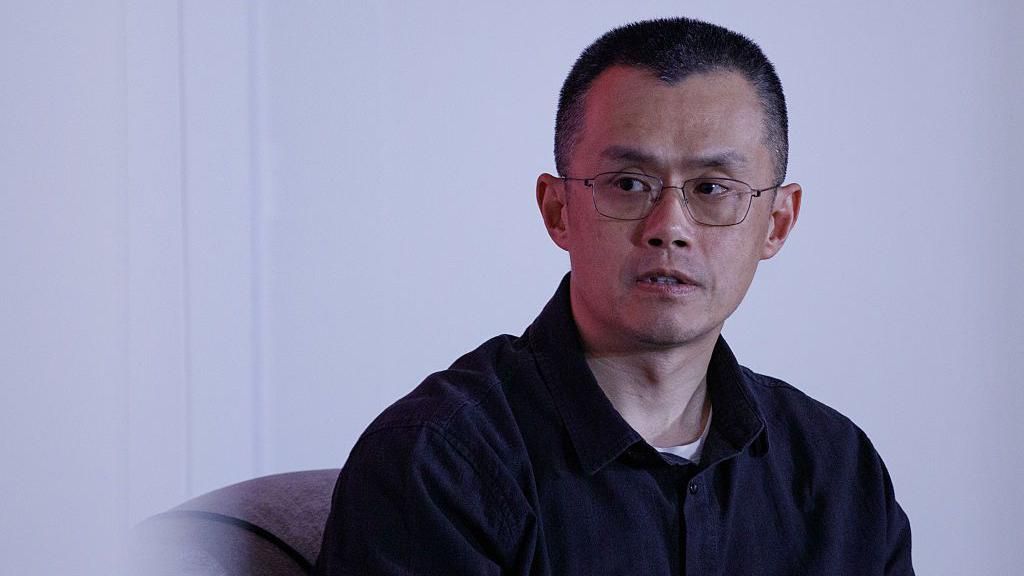
Binance accused of aiding terrorists in new lawsuit
Binance, the world’s largest cryptocurrency exchange, and its billionaire founder Changpeng Zhao (CZ) are embroiled in a high-profile lawsuit in the United States. The legal action, filed by victims of the October 7, 2023, attacks in Israel and their families, accuses Binance of facilitating the transfer of over $1 billion to US-designated terrorist organizations, including Hamas and Hezbollah. The lawsuit alleges that Binance knowingly allowed these transactions, including $50 million sent after the attacks, and maintained lax monitoring of inbound funds, enabling illicit activities on its platform. The complaint further claims that Binance intentionally structured itself as a haven for criminal activity, with no significant changes to its core business model despite previous legal settlements. This lawsuit reignites scrutiny of Binance’s practices, coming just weeks after former President Donald Trump pardoned Zhao, who had pleaded guilty to money laundering charges in 2023. Binance has denied the allegations, stating it complies with international sanctions laws and has improved its compliance systems. The plaintiffs are seeking financial damages through a jury trial. The case has sparked controversy over Trump’s pardon, with critics arguing it sends a dangerous message to cryptocurrency executives and white-collar criminals.
-
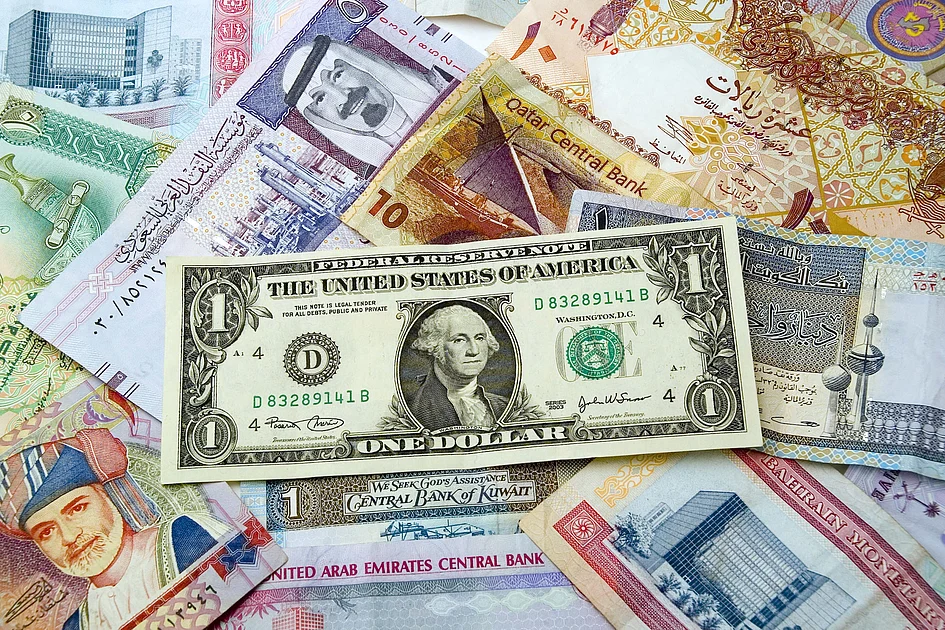
UAE banks set for stable 2026 amid geopolitical, oil-price risks
Gulf Cooperation Council (GCC) banks are entering 2026 with stable credit fundamentals, robust capital buffers, and resilient profitability, according to a recent assessment by S&P Global Ratings. The agency highlights that 90% of bank ratings in the region carry a stable outlook, reflecting the Gulf’s solid economic foundation and conservative banking frameworks. However, geopolitical tensions and oil-price volatility remain significant risks. S&P analysts Mohamed Damak and Tatjana Lescova emphasize that the sector’s stability hinges on its ability to navigate these external challenges effectively. The agency’s base case assumes no major geopolitical disruptions or prolonged oil-price declines, but warns of potential downside scenarios, including regional conflicts or a sharp drop in oil prices due to global economic slowdowns. External funding needs are rising across the Gulf, with Bahrain and Qatar holding the highest levels of external debt. Saudi banks are expected to continue accessing international debt markets to support Vision 2030 projects. Despite these pressures, the region benefits from strong capital inflows, driven by high oil revenues and diversification efforts. S&P’s average long-term rating for GCC banks is A-, slightly higher than last year, reflecting improved operating conditions and government support. UAE banks, in particular, are expected to thrive due to rapid non-oil economic expansion, population growth, and robust credit demand. The UAE’s digital transformation has also enhanced retail lending efficiency. Economic activity across the Gulf is projected to strengthen, with Brent crude prices stabilizing at around $60 per barrel in 2026 and average real GDP growth estimated at 3.1%. The UAE is expected to outperform this average, supported by growth in tourism, real estate, trade, and technology. Asset quality has improved significantly, with non-performing loan ratios falling to 2.7% and loan-loss provision coverage rising to 155.6%. However, S&P cautions about latent risks, including untested credit exposures and potential defaults in Türkiye. Capitalization remains a key strength, with GCC banks reporting an average Tier-1 capital ratio of 17%. While hybrid instruments have increased, particularly in Saudi Arabia, the overall quality of capital remains solid. S&P concludes that UAE banks are well-capitalized and profitable but must remain vigilant to navigate potential turbulence.
-

Dubai: New initiative aims to boost financing options for first time property buyers
Dubai’s real estate market, renowned for its dynamic growth, has long faced a significant hurdle: the absence of mortgage options for off-plan properties. Traditionally, financing in the UAE has been restricted to ready-to-move-in homes, creating financial challenges for first-time buyers. To address this, the Dubai Land Department has introduced measures such as reduced down payments, partial waivers on registration fees, and priority booking under the First-Time Home Buyer Programme. These initiatives aim to ease market entry for aspiring homeowners. In a groundbreaking move, Majid Al Futtaim, a leading developer in the region, has partnered with Emirates NBD to launch off-plan mortgage financing across its residential portfolio. This collaboration marks a pivotal shift in Dubai’s property market, offering buyers the opportunity to secure home loans during the off-plan phase. Under the agreement, buyers who have completed 50% of their property payments can apply for mortgages with competitive interest rates and repayment terms of up to 25 years. This initiative is open to both UAE nationals and residents meeting standard credit criteria, providing a streamlined and transparent path to homeownership. The partnership not only addresses a critical financing gap but also aligns with Dubai’s broader efforts to make property investment more accessible. Ahmed El Shamy, CEO of Majid Al Futtaim Development, emphasized the importance of financial clarity in homebuying decisions, stating that the collaboration offers customers a flexible and familiar option. Rohit Garg of Emirates NBD highlighted the growing demand for structured payment plans, underscoring the partnership’s role in supporting sustainable homeownership. This initiative is expected to enhance market confidence and make high-quality residential communities more attainable for a diverse range of buyers.
-

UAE: Petrofac employees receive 19-day salary, end of benefits still uncertain
Former employees of Petrofac, who were part of the November 19 layoffs, have received their salaries for the 19 days worked in November. While this partial payment has provided short-term relief, many are still awaiting clarity on their full-and-final settlement, including notice-period salaries and end-of-service benefits. Employees expressed concerns over how they will manage upcoming expenses such as rent, school fees, and household bills without the expected three-month notice-period payout. According to UAE labor rules, terminated staff are entitled to a three-month notice-period salary, but Petrofac has only paid for the 19 days worked in November. Employees were informed that the full settlement process would take up to 14 days from the date of termination, with a detailed statement of account expected by December 3. This statement will cover all dues, including airfares, leave balances, and any remaining payments. Until then, employees remain in a state of uncertainty, unable to plan their next steps. Petrofac has been facing operational and financial challenges in recent months, leading to multiple rounds of restructuring. The company has not issued an official statement regarding the concerns raised by former employees. Khaleej Times attempted to reach Petrofac for comment, but multiple calls went unanswered. The lack of clarity on gratuity payouts, leave encashments, and notice-period salaries has added to the financial stress for families with long-term commitments in the UAE.
-
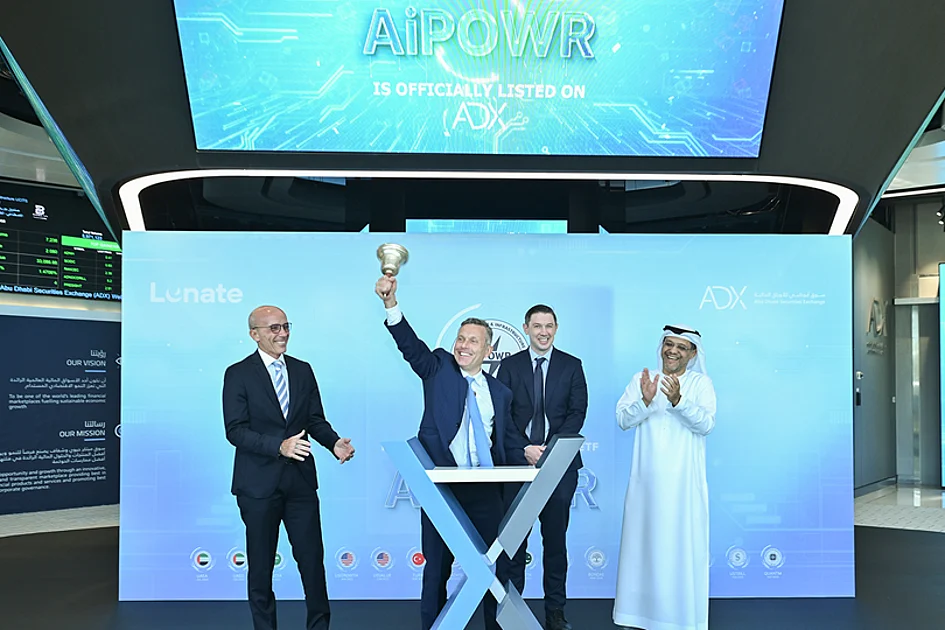
ADX launches new ETF aimed at access to global heavyweights powering the growth of AI
The Abu Dhabi Securities Exchange (ADX) has unveiled a groundbreaking exchange-traded fund (ETF) designed to provide investors with access to the global companies driving the rapid expansion of artificial intelligence (AI). Launched in collaboration with Abu Dhabi-based investment management firm Lunate, the Boreas S&P AI Data, Power & Infrastructure UCITS ETF targets key sectors essential to AI development, including technology, industrials, utilities, and real estate. The ETF invests in companies that are building and managing critical infrastructure, power systems, and energy grids necessary for the AI-driven economy. Among its portfolio are global giants such as Alphabet (Google’s parent company), Amazon, Oracle, ABB, and Broadcom. The ETF tracks an AI-related data center and power supply infrastructure index, which has historically delivered an annual return of 15.7%, based on back-tested data. As AI continues to grow, the demand for data, computational power, and energy infrastructure is surging, creating significant investment opportunities. Abdulla Salem Alnuaimi, Group CEO of ADX, emphasized the exchange’s commitment to offering innovative investment products that align with global trends, noting that thematic ETFs worldwide have surpassed $300 billion in assets. Sherif Salem, Partner & Head of Public Markets at Lunate, highlighted the ETF’s role in strengthening Abu Dhabi’s position as a global financial hub. ADX, already the region’s leader in ETF listings and trading, continues to expand its offerings to meet the evolving needs of investors.
-
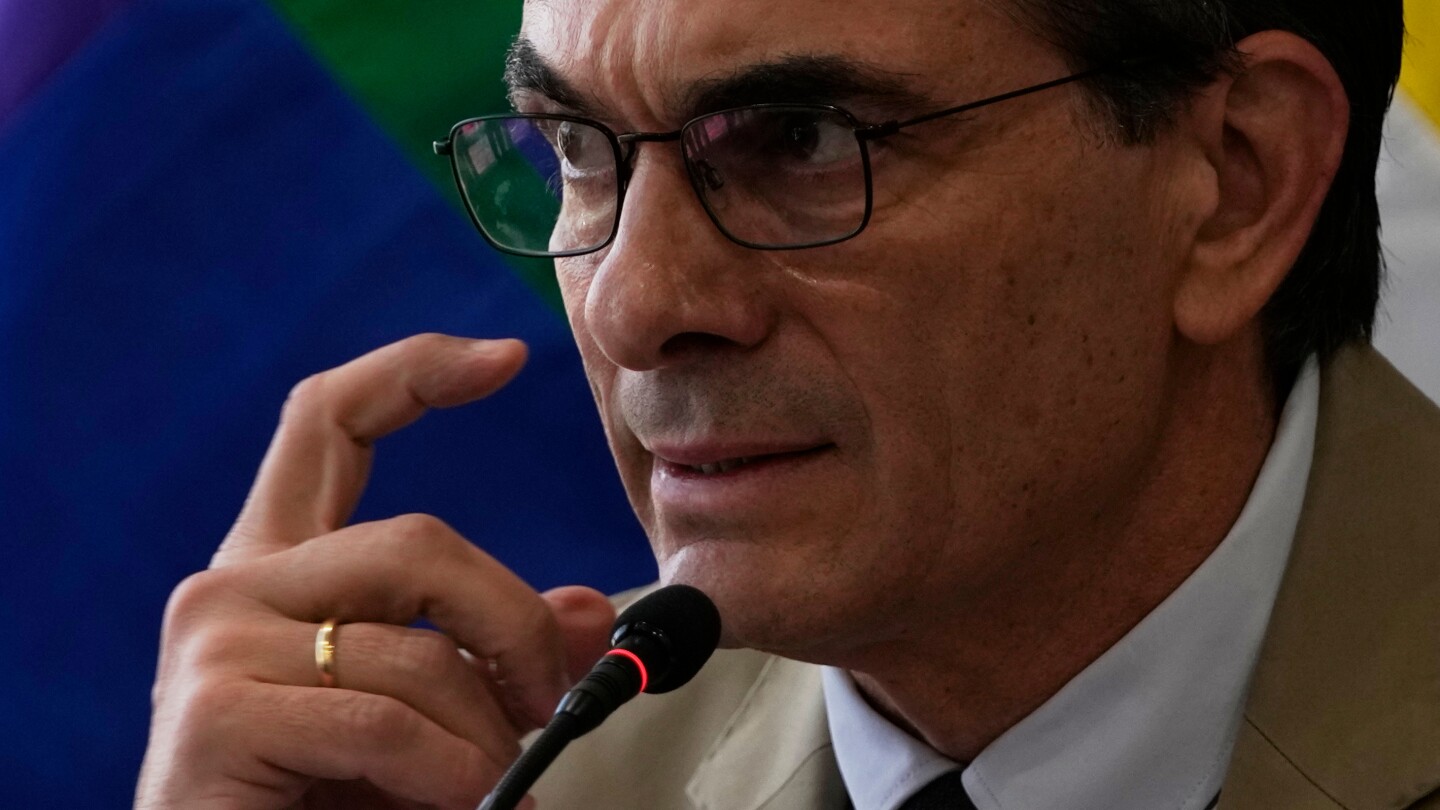
Bolivia’s new president plans to scrap taxes and borrow money to confront economic crisis
In a decisive move to address Bolivia’s deepening economic crisis, President Rodrigo Paz announced sweeping reforms just two weeks into his tenure. The nation’s first conservative leader in nearly two decades, Paz revealed plans to eliminate a series of taxes and slash federal spending by 30% in the 2026 budget. These measures aim to reverse years of populist economic policies enacted under the Movement Toward Socialism (MAS) party, which had long dominated Bolivian politics. Among the taxes targeted for repeal are the national wealth tax and a 0.3% levy on financial transactions, both of which Paz argued have stifled growth and discouraged investment. Business leaders have welcomed the changes, with Klaus Freking of the agricultural chamber hailing the end of ‘persecution of the private sector.’ However, Paz has opted to retain key elements of the MAS economic model, including fuel subsidies and a fixed exchange rate, despite their distortions. Economic analyst Gonzalo Chávez noted that while Paz’s initial steps are promising, they fail to address core structural issues. The government has also secured a $3.1 billion loan from the Andean Development Corporation, with plans to borrow up to $9 billion over the next three years. Additionally, Paz has worked to mend relations with the United States, culminating in agreements on nuclear cooperation and security assistance. The administration has also approved Elon Musk’s Starlink to operate in Bolivia, a move previously blocked by the former government. Early signs of progress include a reduction in fuel shortages and a modest recovery in Bolivia’s sovereign bonds and currency value.
-
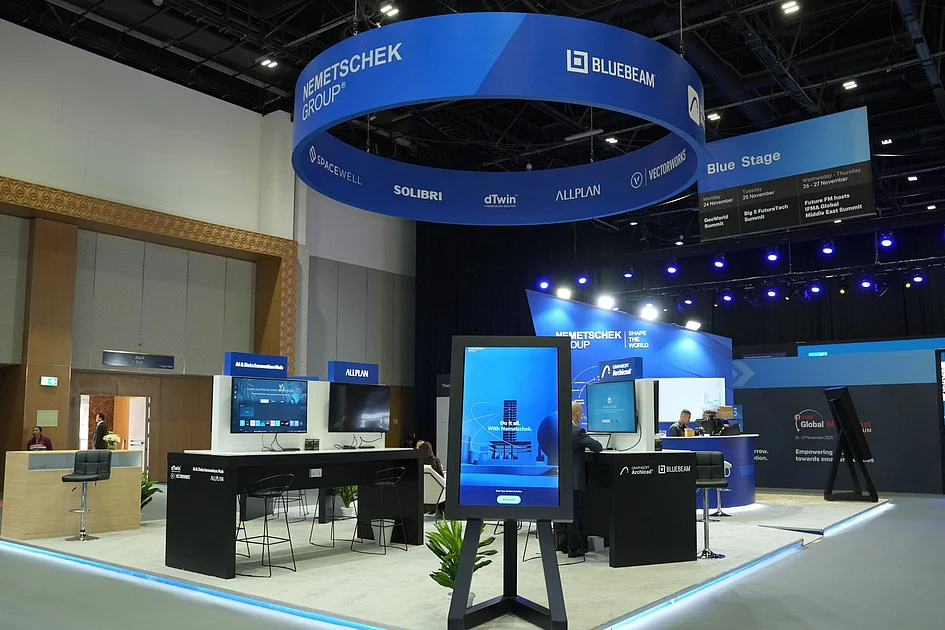
Middle East construction embraces digitalisation to drive sustainability goals
The Middle East’s construction industry is undergoing a profound transformation, driven by the dual imperatives of sustainability and digitalization. Companies across the region are increasingly adopting low-carbon design principles, energy-efficient building practices, and advanced technologies to optimize resource use and minimize environmental impact. Key innovations such as Building Information Modeling (BIM), digital twins, AI-based simulations, and lifecycle analysis are enabling construction teams to model environmental outcomes, reduce waste, and align with global and regional sustainability standards. This shift is further bolstered by robust regulatory frameworks and ambitious national agendas, including the UAE Net Zero 2050 and Saudi Vision 2030, which emphasize decarbonization and data-driven decision-making. At the recent Big 5 Global 2025 event, Nemetschek Arabia showcased its cutting-edge solutions, including AI-driven design optimization, BIM collaboration, and smart building operations, highlighting the potential of open and intelligent digital workflows to enhance productivity and sustainability. The GCC construction market, valued at $147.1 billion in 2024, is projected to grow to $226.2 billion by 2033, driven by mega-projects such as Saudi Arabia’s giga developments and UAE landmarks like the Saadiyat Cultural District. Nemetschek Arabia aims to deepen its role as a digital transformation partner, focusing on localized solutions, ecosystem collaboration, and AI-driven innovation to support the region’s net-zero goals and the creation of resilient, sustainable cities.