
The Directorate General of Civil Aviation (DGCA) has issued a critical safety advisory to airlines following the eruption of Ethiopia’s Hayli Gubbi volcano, which has sent a massive ash plume across the Middle East. The volcanic ash has drifted into the Muscat Flight Information Region, potentially disrupting flights between the UAE and India. The DGCA has urged airlines to review their volcanic ash procedures, brief flight crews, and adjust flight planning based on the latest advisories. Operators have also been instructed to monitor NOTAM and meteorological updates, report any ash encounters, and conduct post-flight inspections for aircraft traversing affected zones. Airports have been advised to suspend operations if ash contamination is detected and to clear runways, taxiways, and aprons immediately. Flight disruptions have already begun, with KLM Royal Dutch Airlines canceling its Amsterdam-Delhi service and Indian carriers issuing cautionary updates for passengers traveling through the Middle East. SpiceJet and Akasa Air are closely monitoring the situation, prioritizing passenger safety and coordinating with aviation authorities. Air India has assured passengers that its flights remain largely unaffected but is prepared to implement precautionary measures. The Hayli Gubbi volcano, which erupted for the first time in nearly 10,000 years, has created an ash cloud now drifting toward northern India, prompting continuous monitoring by global aviation authorities.
分类: business
-
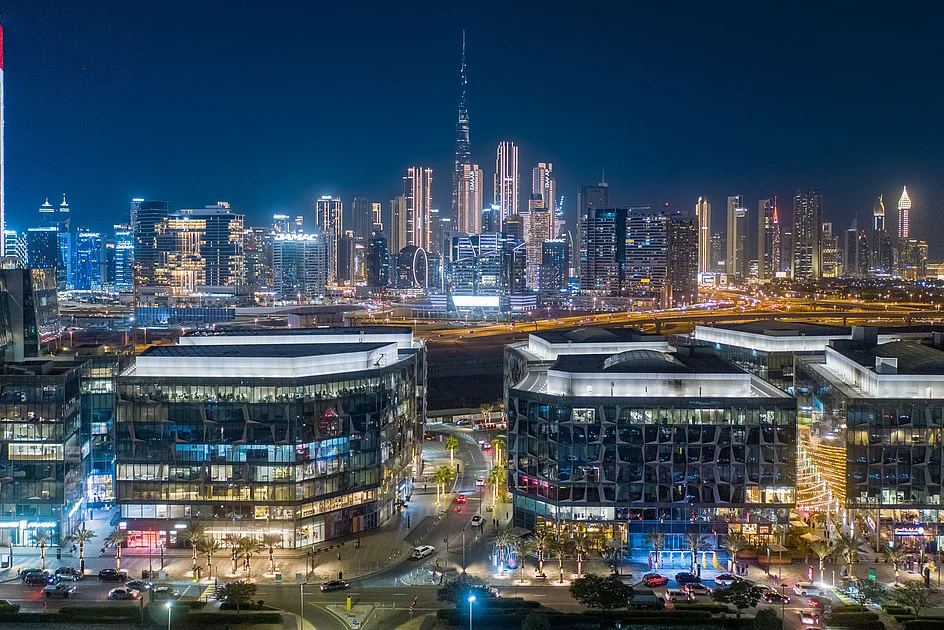
UAE poised to power GCC’s 2026 boom with 5.6% growth
The Gulf Cooperation Council (GCC) is set for a significant economic upswing in 2026, with the UAE and Saudi Arabia leading the charge. According to the ICAEW’s Q4 2025 Economic Insight report, the GCC’s GDP is projected to grow by 4.4%, driven by surging non-oil activities in the UAE and Saudi Arabia. The UAE, in particular, is expected to achieve a 5.6% GDP growth, cementing its status as one of the Gulf’s fastest-growing economies. Key sectors such as tourism, trade, logistics, real estate, and financial services are anticipated to fuel this expansion, supported by strong population growth, a vibrant labor market, and sustained domestic demand. The UAE’s strategic initiatives, including the “We the UAE 2031” plan, are further bolstering long-term economic momentum. Dubai has already showcased the resilience of the UAE’s non-oil economy, with a 4.4% growth in the first half of 2025, driven by trade, transport, hospitality, and financial services. Abu Dhabi’s non-oil foreign trade surged by 34.7% to AED 195.4 billion in the same period, highlighting the emirate’s growing role as a global trade and logistics hub. The Central Bank of the UAE (CBUAE) forecasts real GDP growth of 4.9% in 2025 and 5.3% in 2026, with non-hydrocarbon GDP expected to grow by 4.5% and 4.8%, respectively. Hydrocarbon output is projected to rise by 5.8% and 6.5%, while inflation remains contained at 1.5–1.9%. Across the GCC, non-energy activity is expected to expand by 4.1% in 2026, supported by strong labor markets, improved credit conditions, and increased investment in technology and AI infrastructure. Saudi Arabia is also poised for robust growth, with a projected GDP increase of 4.3% in 2026, driven by non-oil sectors and policy reforms. Despite fiscal challenges, Riyadh remains committed to Vision 2030, prioritizing long-term diversification. Analysts emphasize that the UAE’s strategic location, economic reforms, and innovation-led investments are not only accelerating its own growth but also uplifting the entire GCC region, marking a pivotal shift towards sustainable and diversified economic expansion.
-
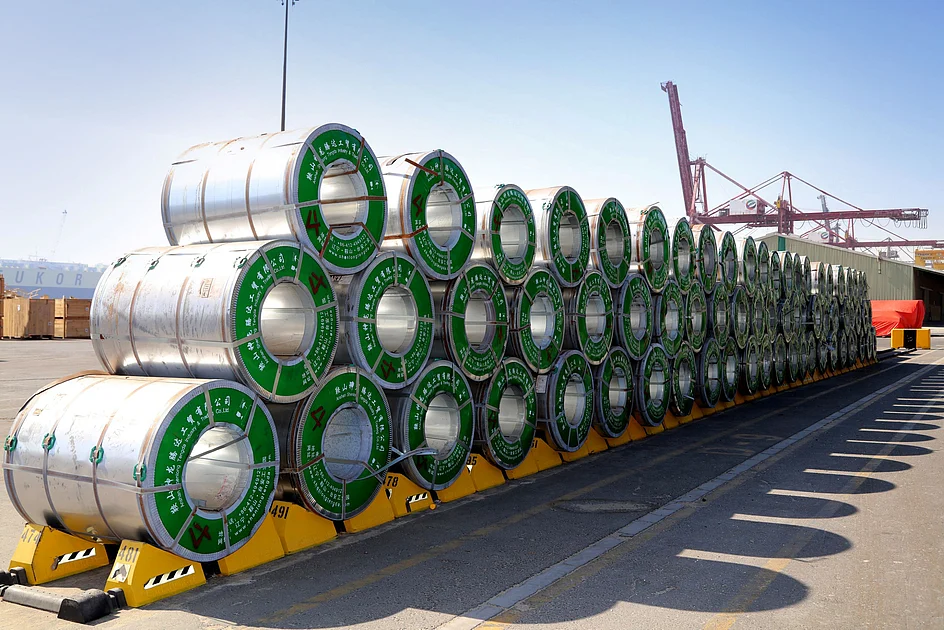
Jebel Ali port sets breakbulk record, handling 630,000 tonnes in October
DP World’s Jebel Ali Port has set a new benchmark in its operational history by handling an unprecedented 630,000 tonnes of breakbulk cargo in October 2025. This milestone marks the highest monthly volume recorded in nearly two decades, driven by surging industrial and construction demands across the UAE and the broader Gulf region. Key contributors to this achievement include increased imports of iron and steel for major projects such as the Dubai Metro Blue Line and the expansion of Dubai World Central (DWC) Airport, alongside rising sugar exports. The port’s performance builds on a robust 2024, which saw breakbulk volumes grow by 23% year-on-year to 5.36 million metric tonnes, underscoring the UAE’s expanding industrial base and its pivotal role in global trade. Shahab Al Jassmi, Chief Commercial Officer of Ports and Terminals at DP World GCC, emphasized that this record reflects the trust businesses place in Jebel Ali as the region’s most reliable cargo gateway. He highlighted the port’s commitment to enhancing capacity, technology, and sustainability initiatives to support long-term growth. Breakbulk cargo, which includes heavy and oversized materials essential for large-scale construction and industrial projects, remains a cornerstone of Jebel Ali’s operations. Supported by Jafza’s integrated ecosystem and DP World’s global logistics capabilities, the port ensures seamless movement of complex cargo across regional and international supply chains. This achievement aligns with Jebel Ali’s transformation into one of the world’s most advanced multipurpose ports, consistently achieving record performance across container, RoRo, and bulk cargo categories. The port’s agility in adapting to evolving global supply chains and its central role in the UAE’s economic transformation highlight its significance in supporting Dubai’s Economic Agenda D33 and the national Operation 300Bn strategy.
-
HSBC’s tokenised deposit move set to transform banking for UAE clients by 2026
HSBC Holdings is set to introduce tokenized deposits to its corporate clients in the UAE and the US by the first half of 2026, marking a transformative step in the bank’s adoption of blockchain-based financial technologies. This initiative follows the successful rollout of similar services in Hong Kong, Singapore, the UK, and Luxembourg, underscoring HSBC’s commitment to positioning the UAE as a hub for next-generation financial infrastructure. Tokenized deposits convert traditional fiat balances into secure digital tokens using HSBC’s proprietary Distributed Ledger Technology (DLT). Unlike volatile cryptocurrencies, these tokens represent direct claims on funds held in regulated bank accounts and can accrue interest like standard deposits. Financial experts highlight the system’s ability to enable real-time, 24/7 transactions, eliminating delays tied to cut-off times, batch cycles, or multi-day international processes. For UAE-based companies, this translates to faster cross-border payments and improved liquidity management. Manish Kohli, HSBC’s global head of payment solutions, emphasized that tokenized deposits are becoming a cornerstone of corporate liquidity management. By automating key processes and removing time-based constraints, the system allows treasurers to keep funds active around the clock—a critical capability for firms operating across regions or handling high-volume transactions. The UAE’s fast-growing sectors, including logistics, energy, aviation, and digital commerce, stand to benefit significantly from smoother operations and reduced financing costs. Additionally, the technology offers enhanced risk management, providing companies with real-time visibility into their cash positions and enabling automated, error-free payments. HSBC is also integrating artificial intelligence to assist with liquidity forecasting, automate complex payment chains, and balance accounts without manual intervention. These features are expected to appeal to UAE corporations with regional or global footprints. Unlike stablecoins, which are issued by private entities and often circulate on public blockchains, HSBC’s tokenized deposits operate entirely within a regulated framework, ensuring compliance, transparency, and risk management. While the bank is in discussions with stablecoin issuers to provide settlement and reserve-management services, it has clarified that any decision to launch its own stablecoin would depend on clearer regulatory guidance. HSBC’s move aligns with the UAE’s growing prominence as a global wealth hub and financial innovation center. The bank recently opened its first Middle East wealth center in Dubai, catering to affluent and high-net-worth clients. With projections indicating nearly 10,000 new millionaires relocating to the UAE in 2025, the country’s supportive regulatory environment for digital finance makes it an ideal launchpad for HSBC’s blockchain-enabled banking services. As tokenized deposits go live in 2026, UAE businesses are poised to be among the earliest beneficiaries of a shift toward faster, more efficient, and highly automated financial infrastructure.
-
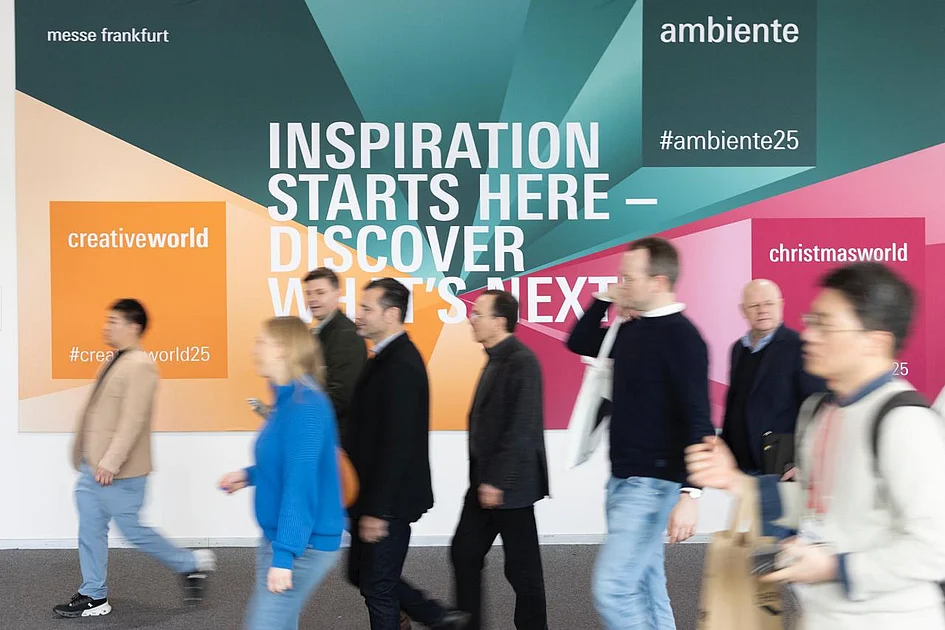
UAE seeks to build momentum at Ambiente exhibition in Germany
The United Arab Emirates (UAE) is poised to make a significant impact at the Ambiente 2026 exhibition in Frankfurt, Germany, as it seeks to bolster its position in the global consumer goods market. The event, scheduled from February 6 to 10, 2026, will feature the UAE alongside other prominent country pavilions, including China, India, Turkey, and Italy. This participation underscores the UAE’s strategic ambition to expand its international reach and foster partnerships across Europe and beyond. Ambiente, renowned as the world’s leading consumer goods trade fair, will host over 3,750 exhibitors and attract more than 105,000 visitors. When combined with Christmasworld and Creativeworld, the trio of events forms a dynamic ecosystem that drew 147,684 visitors from over 170 countries in 2025. For UAE businesses, the appeal of these fairs lies in their global profile and strategic location at the heart of international trade. With 87% of exhibitors hailing from outside Germany, the event offers an ideal platform for Emirates-based companies to showcase their products and establish a foothold in European markets. Mustansir Golwala, Managing Director of Crystal Arc, emphasized the significance of Ambiente as a hub for creativity, craftsmanship, and global connection. The 2026 edition introduces several innovations, including an Interior Design & Architecture Hub curated by Katty Schiebeck and a new Kitchen Show featuring live cooking demonstrations. Additionally, the expansion of the Contract Business & Hospitality Interiors segment and the introduction of Christmasworld’s Coffee & Connect networking lounge provide fresh opportunities for UAE exhibitors. Julia Uherek, Vice President Consumer Goods Fairs at Messe Frankfurt Exhibition GmbH, highlighted the importance of the Middle East region in their international network, noting that UAE companies bring valuable retail and design expertise to the global stage. Philipp Ferger, Vice President Consumer Goods Fairs at Messe Frankfurt Exhibition GmbH, emphasized the strategic value of Frankfurt as a platform for UAE businesses to accelerate international growth and navigate market transformation.
-
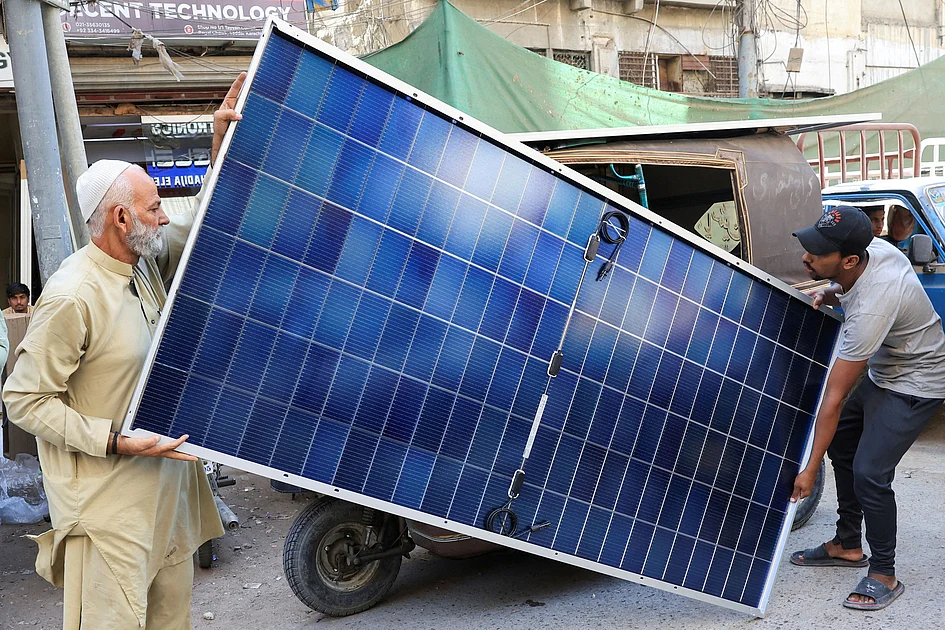
Pakistan: Rooftop solar output to exceed grid demand in some hubs next year
Pakistan is poised to witness a groundbreaking shift in its energy landscape as rooftop solar generation is expected to surpass grid-linked power demand during daytime hours in several major industrial regions by next year. This development, highlighted by Aisha Moriani, Secretary of Pakistan’s Climate Change Ministry, underscores the nation’s rapid adoption of solar energy, driven by power cuts, tariff hikes, and a growing emphasis on sustainability. The surge in solar panel installations has not only reduced emissions and power bills but also disrupted the financial stability of debt-laden electric utilities due to declining grid demand. Regions such as Lahore, Faisalabad, and Sialkot, known for high solar penetration, are likely to experience ‘negative demand’ during peak solar output periods, particularly on bright summer afternoons and industrial holidays. Pakistan, now the world’s third-largest solar panel importer, is also renegotiating LNG contracts with Qatar and Italy’s Eni to align its energy strategy with fiscal constraints and seasonal demand patterns. The government is introducing new tariffs and fee structures to ensure large solar users contribute equitably to grid maintenance. While grid-linked power demand is projected to grow modestly this year, the increasing reliance on solar energy could significantly impact future consumption trends. Pakistan’s challenge lies in evolving its grid infrastructure, regulations, and market design to keep pace with the rapid growth of renewable energy.
-

New shared bank account lets UAE families track spending, save together
Wio Bank has unveiled Wio Family, the UAE’s first fully shared banking platform, designed to help households manage finances collectively. Launched ahead of the UAE’s Year of the Family, the service allows two primary account holders, termed ‘Family Leads,’ to open a shared account and invite family members, including children, teenagers, and relatives, to join. The platform offers tools for shared spending, saving, and budgeting, providing families with greater financial clarity and control. Virtual cards and permission settings enable Family Leads to set spending limits, track transactions, and manage access for each member through a single dashboard. For children aged 8 to 17, dedicated ‘Pockets’ with spending caps and saving features are available to teach money management. Families maintaining a minimum balance of Dh35,000 can access all benefits free of charge; otherwise, a monthly fee of Dh49 applies. Jayesh Patel, CEO of Wio Bank, emphasized the platform’s focus on treating money as a shared resource, offering families ‘clarity, flexibility, and control.’ CMO Amina Taher highlighted the platform’s role in helping families save for joint goals such as homes, education, or weddings, bringing everyone together for shared financial success.
-
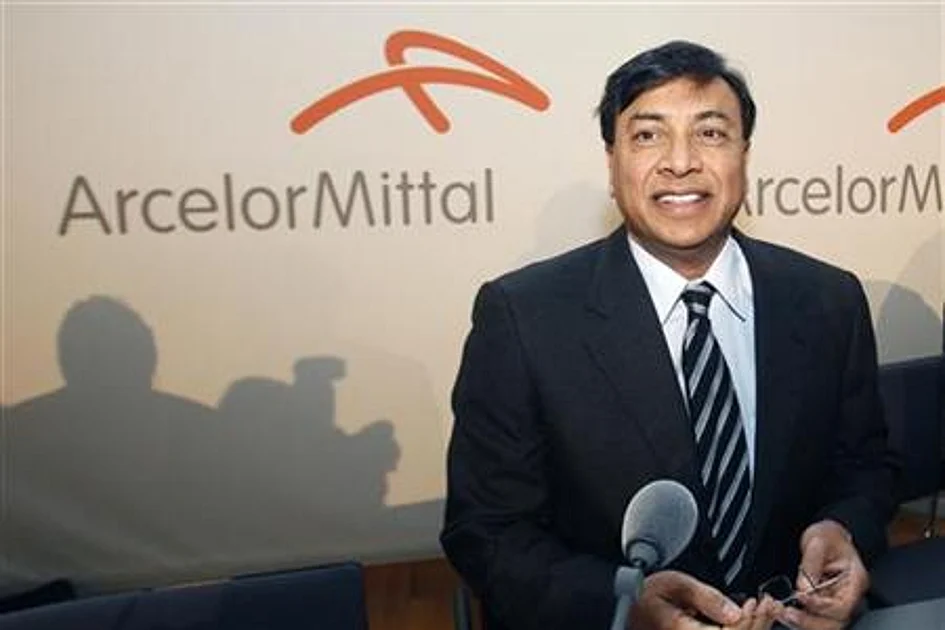
Billionaire Lakshmi Mittal relocating to Dubai amid UK tax reforms, says report
Indian steel magnate Lakshmi Mittal, one of the world’s wealthiest individuals, is reportedly relocating from the UK to Dubai. This move comes as the UK’s Labour government introduces significant tax reforms targeting high-net-worth individuals. Mittal, who has been a long-term resident of London and ranks eighth on the UK rich list, is the latest in a growing trend of ultra-wealthy individuals seeking more favorable tax environments. According to The Sunday Times, Mittal’s decision is driven by concerns over inheritance tax and other fiscal changes. The billionaire, with a net worth of $20 billion as of October 2025, already owns a lavish mansion in Dubai and has recently acquired substantial properties on Naia Island, a new ultra-luxury development near Jumeirah. The UK’s recent tax adjustments, including increased capital gains tax and reduced relief for entrepreneurs, have raised alarms among the global elite. Meanwhile, Dubai’s zero income tax, capital gains tax, and inheritance tax policies, coupled with its political stability and cosmopolitan lifestyle, have solidified its status as a premier destination for the ultra-rich. The UAE’s Golden Visa program, offering long-term residency through real estate investment, further enhances its appeal. As Dubai’s luxury real estate market thrives, the city is emerging as a hub for intergenerational wealth creation and preservation.
-
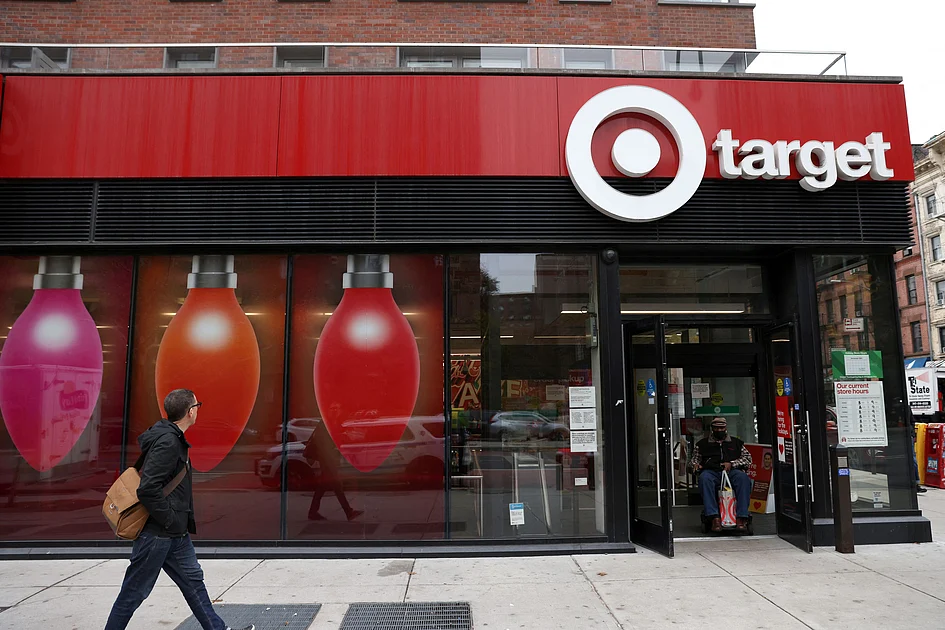
Companies tone down price hike talk as tariff fog clears
In a notable shift, global companies have significantly reduced their announcements of price hikes in the third quarter of 2025, as clarity on long-term tariff strategies begins to emerge. According to a Reuters analysis of corporate earnings calls and statements, only 28 companies explicitly mentioned raising prices, a sharp decline from 51 in the second quarter and nearly 90 in the first quarter. This trend reflects a cautious approach by businesses navigating the complexities of U.S. trade policies and consumer spending slowdowns. The reduction in tariff-related price hikes coincides with new trade deals that have alleviated some of the financial pressures caused by the Trump-era trade war, which had driven U.S. import tariffs to their highest levels since the 1930s. Market intelligence platform AlphaSense reported a 68% drop in mentions of tariff-related price increases between the first and third quarters. Companies like Walmart have shifted focus to price cuts and discounts to attract cash-strapped consumers, particularly as the holiday shopping season approaches. Retailers and fast-food chains, including Target, McDonald’s, and Yum Brands, have introduced cheaper meal bundles and limited-time offers to counter declining demand among lower-income households. Meanwhile, industrial and consumer sectors have led pricing actions, with many firms absorbing tariff costs or sharing the burden with suppliers. Companies such as Rockwell Automation and Fictiv emphasize the importance of understanding the long-term tariff strategy before making significant pricing adjustments. This cautious approach highlights the ongoing uncertainty in global trade and the delicate balance businesses must strike between maintaining competitiveness and managing costs.
-
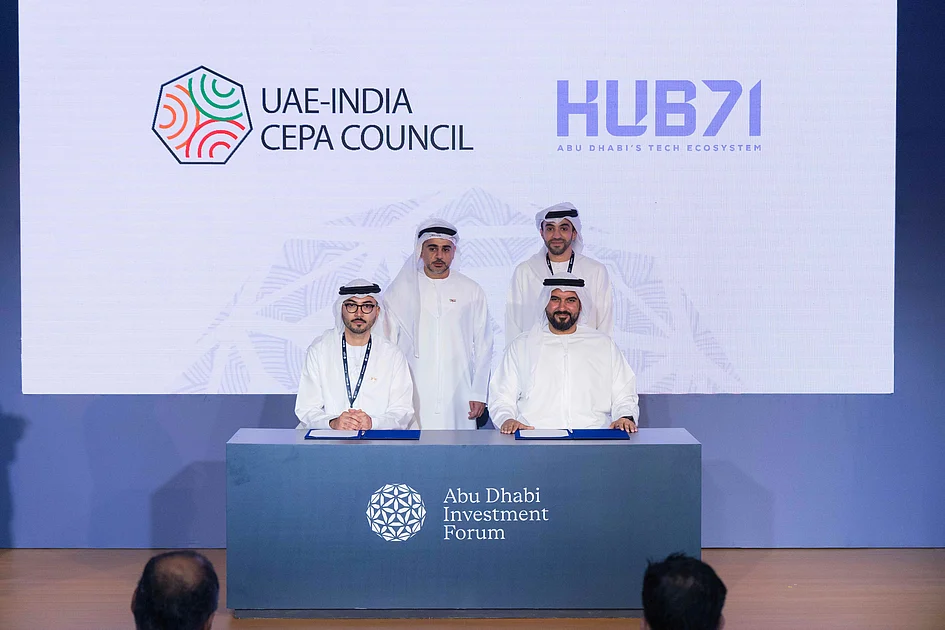
Hub71 and UAE–India Cepa Council forge strategic partnership
In a landmark move to bolster innovation and economic collaboration, Hub71, Abu Dhabi’s premier global tech ecosystem, has entered into a strategic partnership with the UAE–India Cepa Council. This alliance, forged under the UAE–India Comprehensive Economic Partnership Agreement (Cepa), aims to accelerate trade, investment, and innovation between the two nations. The agreement was formalized during the Abu Dhabi Investment Forum (ADIF) in Mumbai, marking a significant step in operationalizing the innovation agenda of the Cepa.
The partnership will facilitate a seamless pathway for high-potential Indian start-ups to enter, validate, and scale their operations in Abu Dhabi. As part of this initiative, Hub71 will support the UAE–India Cepa Council’s flagship Start-Up Series by offering structured market-entry assistance. Five winning start-ups from the Series, which culminates in New Delhi on November 25, 2025, will join Hub71’s Immersion Programme in 2026. This newly launched programme is designed to expedite market entry through a combination of virtual onboarding and in-person sessions in Abu Dhabi, complemented by curated knowledge sessions, mentorship, and access to Abu Dhabi’s tech ecosystem.
Among the five start-ups, one will be selected to join Hub71’s Access programme, which provides tailored soft-landing support, enabling founders to explore market opportunities, engage with key stakeholders, and identify sustainable growth pathways across the region. The partnership underscores the shared ambition of the UAE and India to build a dynamic, interconnected start-up corridor that drives investment, technology exchange, and economic growth.
Abdulnasser Alshaali, UAE Ambassador to India, emphasized the transformative potential of the Cepa, stating, ‘Innovation lies at the heart of this partnership, and the Start-Up Series showcases the depth of talent emerging from India. This collaboration with Hub71 strengthens our commitment to providing world-class platforms for founders to scale globally.’
Ahmad Ali Alwan, CEO of Hub71, highlighted the initiative’s role in bridging innovation hubs and high-growth markets, while Ahmed Aljneibi, Director of the UAE-India Cepa Council, emphasized the tangible benefits for Indian founders and the broader economic impact of this collaboration.
Since its inception in June 2025, the UAE-India Start-Up Series has attracted over 10,000 applications, reflecting strong demand for UAE expansion. The alignment of applicants with Hub71’s priority sectors—FinTech, HealthTech, AgriTech, mobility, and advanced technologies—demonstrates the strategic synergy between India’s innovation strengths and Abu Dhabi’s sector-focused agenda. This partnership not only streamlines market entry but also unlocks new investment flows, fostering a robust innovation corridor between the two economies.
The agreement also establishes a framework for cross-referring high-impact start-ups, enabling soft landings in both Abu Dhabi and India. Referred founders will receive comprehensive support, including company setup, regulatory facilitation, mentorship, and access to investors and partners. Eligible start-ups may also benefit from grants, incentive programmes, and scaling opportunities, further enhancing the UAE-India innovation ecosystem.
This collaboration is part of Hub71’s broader mission to position Abu Dhabi as a global launchpad for start-ups, fostering cross-border initiatives that translate bilateral cooperation into measurable technological and economic outcomes.