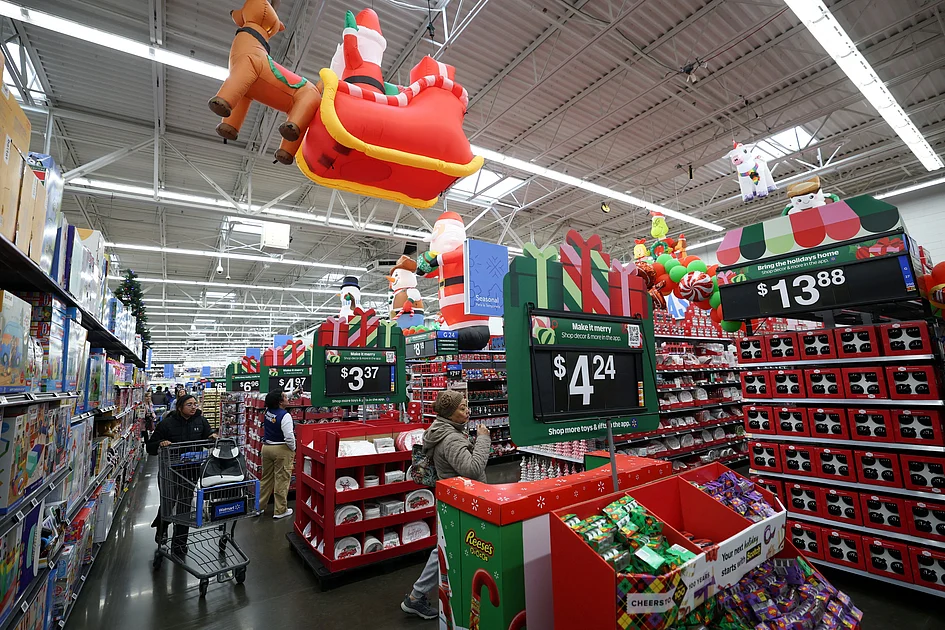
In a bold move to reshape global trade dynamics, former US President Donald Trump has implemented a series of tariffs on imported goods from various countries. Trump asserts that these measures will invigorate American manufacturing, create jobs, and reduce the US trade deficit. However, critics argue that the tariffs could lead to higher consumer prices and disrupt the global economy. Tariffs, essentially taxes on imports, are calculated as a percentage of a product’s value. For instance, a 10% tariff on a $10 item adds $1 to its cost, raising the total to $11. These taxes are paid by importers, who may pass the additional costs onto consumers or reduce their import volumes. Trump’s strategy aims to encourage the purchase of American-made goods and increase government revenue. He has also used tariffs as leverage in negotiations, demanding that countries like China, Mexico, and Canada take stronger actions to curb illegal drug trafficking and migration. Despite facing legal challenges and amendments, Trump’s tariffs have significantly impacted global trade. For example, China and the US have threatened each other with tariffs exceeding 100%, though a temporary truce was extended until November. Canada faces a 35% tariff on most goods, while Mexico deals with a 30% tariff, both under the USMCA agreement. Other countries, including India, Brazil, and South Africa, have also been subjected to varying tariff rates. The UK has negotiated the lowest tariff rate of 10%, primarily affecting its automotive and pharmaceutical exports. Trump’s tariffs have also targeted specific products, such as branded drugs, steel, and furniture, with rates ranging from 25% to 100%. The elimination of the $800 exemption for low-cost imports has further complicated the trade landscape, affecting millions of packages shipped daily. Despite initial economic volatility, the US economy has shown resilience, with consumer spending increasing by 2.5% in the year to June 2025. However, the International Monetary Fund (IMF) warns that US tariffs continue to have a negative impact on global economic stability. As negotiations persist, the long-term effects of Trump’s tariff strategy remain uncertain.
分类: business
-

Apparel Group enters real estate with KORA Properties; first project in Dubai Maritime City
AppCorp Holding, the parent company of the renowned Apparel Group, has announced its strategic entry into Dubai’s thriving real estate market with the launch of KORA Properties. This premium real estate development firm is set to debut its first project in Dubai Maritime City on November 12, 2025. The move aligns with Dubai’s ambitious Real Estate Sector Strategy 2033, which aims to elevate the sector’s market value to Dh1 trillion. KORA Properties will focus on creating high-end residential and commercial spaces, as well as niche developments in healthcare and hospitality. Nilesh Ved, Chairman of AppCorp Holding, emphasized that KORA Properties is committed to crafting living spaces that transcend mere construction, offering ‘Timeless Living’ that nurtures dreams and fosters growth. This venture marks a significant step in AppCorp’s diversification strategy, expanding its portfolio beyond retail and lifestyle into high-value sectors. Established in 1996, Apparel Group has grown into one of the region’s largest retail conglomerates, representing over 85 global brands across 2,500 stores in 14 countries. With KORA Properties, AppCorp is poised to become a multi-sector holding company, blending its expertise in fashion with innovative real estate development.
-

‘Dh2,700 profit in silver’: UAE investors cash in on metal cheaper than gold
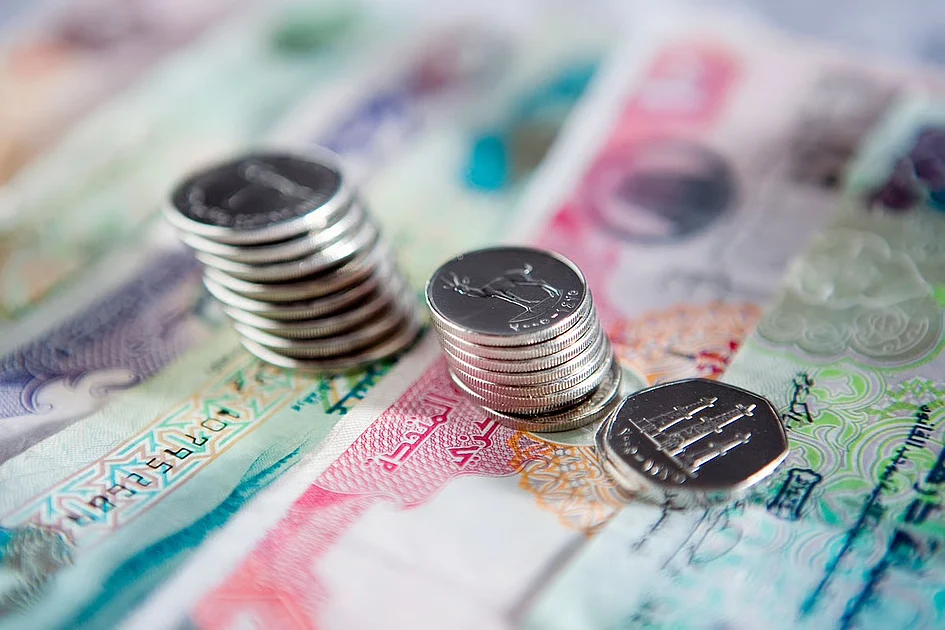
In the United Arab Emirates, silver is emerging as a lucrative investment option, offering substantial returns to both small and large investors. With its lower cost compared to gold and expanding industrial applications, silver has captured the attention of the investment community. Ashraf Malik, a Dubai-based businessman, exemplifies this trend. On September 1, 2025, Malik invested Dh9,614 in two kilograms of silver, purchasing it at Dh4,807 per kilogram. By October 20, silver prices had surged to Dh6,192 per kilogram, allowing Malik to sell his holdings for Dh12,384 and secure a profit of Dh2,770—a remarkable 30% return in less than two months. Malik remarked, ‘I didn’t expect such a quick rise. The returns were good enough to show silver can really be rewarding.’ The surge in silver prices is not an isolated phenomenon. According to Khaleej Times, silver has outperformed gold in 2025, with prices jumping from $28.78 per ounce in 2024 to nearly $50, a 73% increase. In contrast, gold prices rose by 52% during the same period. This trend has been fueled by silver’s growing industrial use in sectors such as technology, solar panels, and electronics, as well as its appeal as a more affordable alternative to gold. Retailers in the UAE have reported a significant uptick in silver demand. Chintan Patni, senior manager at Jewel Trading, noted, ‘There has been a massive increase in silver buyers as prices have continued to rise.’ During Diwali, the demand was so high that temporary shortages occurred. Vivek J, retail head at Malabar Gold and Diamonds, added that silver is becoming a preferred choice for investors seeking to diversify their portfolios or start with smaller investments. Analysts predict that silver’s upward trajectory will continue in the near to medium term, making it an attractive option for investors looking to capitalize on its potential.
-

Expert: China’s market is reshaping East Asia’s economic integration
The burgeoning influence of China’s market is fundamentally transforming the economic integration of East Asia, according to Choi Pil-soo, a distinguished professor of Chinese trade and commerce at South Korea’s Sejong University. In a recent statement, Choi highlighted that the future of regional cooperation depends on the synergistic development of ideas, technology, and talent. He underscored the critical role of cross-border collaboration among industry, government, and academic sectors in driving sustainable growth. This evolving dynamic signals a shift in the economic paradigm of East Asia, with China’s market playing a pivotal role in shaping the region’s economic future.
-

India to impose 30% import duty on yellow peas from November 1
In a significant move to safeguard domestic agricultural interests, the Indian government has announced a 30% import duty on yellow peas, effective November 1, 2025. According to a government notification issued late on Wednesday, shipments with a bill of lading dated on or before October 31, 2025, will be exempt from this duty. This decision comes after domestic farmers raised concerns over the influx of cheap imports, which have been exerting downward pressure on local prices. Previously, India had allowed duty-free imports of yellow peas until March 31, 2026. As the world’s largest importer of yellow peas, India primarily sources this commodity from Canada and Russia. The new tariff is expected to provide relief to local farmers by reducing competition from imported goods and stabilizing market prices.
-

Europe’s economy shows modest growth of 0.2%, held back by laggard Germany
Europe’s economy expanded by a modest 0.2% in the third quarter of 2023, according to official data released on Thursday. The growth in the eurozone, comprising 20 countries, was constrained by higher U.S. tariffs and lackluster performances from key economies like Germany and Italy, both of which narrowly avoided technical recessions. Germany’s economy stagnated with zero growth in the July-September period, following a 0.2% contraction in the second quarter. Italy similarly recorded zero growth after a 0.1% decline in the previous quarter. Germany’s manufacturing and export-driven economy faces multiple challenges, including elevated energy prices, competition from Chinese producers, a shortage of skilled labor, and bureaucratic inefficiencies. Additionally, Europe is grappling with the impact of a 15% tariff imposed by the U.S. on European goods and ongoing uncertainty surrounding potential tariff hikes. Despite the weak growth, the European Central Bank (ECB) has maintained its key interest rates at 2%, signaling no immediate plans for further cuts. This stance contrasts sharply with the U.S. Federal Reserve, which recently reduced its benchmark rate by a quarter percentage point and is considering additional cuts. ECB President Christine Lagarde has emphasized that monetary policy is ‘in a good place,’ with annual inflation at 2.2% in September, close to the bank’s 2% target. Analysts predict that the ECB’s next rate adjustments may involve moderate increases in late 2024, driven by anticipated growth from German infrastructure and defense spending.
-

Watch: US and China’s different reports of their trade meeting
The recent trade negotiations between the United States and China have sparked significant attention, particularly due to the starkly different ways the two nations have portrayed the event. The BBC’s Laura Bicker delves into the contrasting narratives presented by both sides. While the US emphasized progress and the enforcement of trade agreements, China highlighted mutual understanding and cooperation. These divergent accounts underscore the ongoing complexities in US-China trade relations, reflecting broader geopolitical tensions. The reports also reveal how each country strategically frames its diplomatic engagements to align with domestic and international objectives. This analysis sheds light on the intricate dynamics of global trade diplomacy and the challenges of achieving consensus between economic superpowers.
-

Calls for commitment to fair trade echo at APEC meeting
The APEC CEO Summit, held in Gyeongju, South Korea, underscored the critical need for fair trade, investment liberalization, and multilateral cooperation to address global economic challenges. South Korean President Lee Jae-myung, speaking at the opening ceremony, emphasized APEC’s historical role in fostering free trade and driving regional economic growth. He called for collective efforts to achieve sustainable development and equitable prosperity, particularly in the face of rising protectionism and inward-looking policies. The summit, themed ‘Building a Sustainable Tomorrow,’ also introduced an ‘AI for All’ initiative, aiming to integrate artificial intelligence as a cornerstone of APEC’s future agenda. U.S. President Donald Trump highlighted the robust growth prospects of the U.S. economy and engaged in bilateral discussions with Lee. The event, organized by the Korea Chamber of Commerce and Industry, brought together over 1,700 business leaders from 21 member economies to discuss pressing issues such as digital transformation, carbon neutrality, and global economic uncertainties. Chey Tae-won, chairman of the Korea Chamber of Commerce and Industry, stressed the importance of deepening trade and investment ties among APEC members to ensure regional prosperity. OECD Secretary-General Mathias Cormann warned of the adverse effects of trade tensions and policy uncertainty, urging APEC economies to resolve disputes through dialogue. Experts, including Choi Pil-soo of Sejong University, cautioned against unilateral trade measures that could undermine the global trade system, advocating for adherence to the WTO’s most-favored-nation principle.
-

Maker of Jeep and Fiat sees early results of turnaround with higher 3Q revenue
Stellantis, the world’s fourth-largest carmaker, announced a significant 13% increase in third-quarter net revenues, reaching 37.2 billion euros. This marks the end of a seven-quarter decline, driven by robust performance in North America. The Italian-Franco-U.S. automaker, known for brands like Jeep, Fiat, and Peugeot, reported a 13% rise in vehicle shipments to 1.3 million units, with nearly 70% of the 152,000 new vehicles shipped in North America. The resurgence was fueled by the relaunch of the popular RAM 1500, powered by the HEMI V-8 engine, which had been discontinued by previous management. CEO Antonio Filosa, who assumed leadership in June, described the results as “encouraging,” highlighting strategic changes aimed at enhancing customer choice and driving growth. Stellantis also launched six new models in the first nine months of 2025 and plans to introduce four more by year-end. Globally, vehicle sales rose 4%, with notable increases in Europe, the Middle East, and Africa. However, European net revenues grew by only 4%, with market share dipping to 15.4% due to declines in France and Italy. Filosa has been actively revitalizing the company after a challenging 2024, which led to the departure of former CEO Carlos Tavares. Stellantis recently announced a $13 billion investment in U.S. operations over four years, aiming to expand manufacturing and create 5,000 jobs, potentially mitigating the impact of U.S. tariffs. The company revised its tariff impact estimate for this year to 1 billion euros, down from 1.5 billion euros.
-

Borouge surges in Q3 with record production and 52% profit growth
Borouge Plc has reported an exceptional third quarter in 2025, achieving a remarkable 52% quarter-on-quarter increase in net profit, reaching $295 million. This stellar performance was driven by record production levels, robust sales, and stringent cost management, surpassing market expectations and solidifying the company’s leadership in the global polyolefins industry. The Abu Dhabi Securities Exchange-listed petrochemicals giant also posted an adjusted EBITDA of $565 million, reflecting a best-in-class margin of 39%, up from 34% in Q2. Despite a decline in benchmark prices, Borouge maintained premium pricing for its differentiated polyethylene (PE) and polypropylene (PP) products, averaging $233 and $142 per tonne, respectively, over the first nine months of 2025. CEO Hazeem Sultan Al Suwaidi credited the company’s resilient business model and operational excellence for the outstanding results. Following the successful and ahead-of-schedule turnaround of its Borouge 3 plant in Q2, the company increased utilization rates to 110% for PE and 112% for PP, resulting in a 19% rise in quarterly sales volumes to 1.4 million tonnes. The Asia Pacific region emerged as a key growth driver, accounting for 61% of total sales, up from 57% in the previous quarter. For the nine-month period ending September 2025, Borouge reported revenues of $4.17 billion, slightly lower than the $4.41 billion recorded in the same period last year due to reduced average selling prices. However, net profit rose to $769 million, supported by operational efficiency and cost control. The company reaffirmed its full-year dividend intention of 16.2 fils per share, with the second-half payout expected in April 2026. Additionally, Borouge continued its share buyback program, repurchasing over 157.5 million shares by the end of Q3, reflecting strong confidence in its long-term growth prospects. Looking ahead, Borouge is nearing completion of its Borouge 4 expansion project, which is over 90% complete. The first plant is expected to commence operations by year-end, adding 1.4 million tonnes of annual capacity and significantly boosting earnings potential. The project will become a core asset of the proposed Borouge Group International (BGI), set for launch in Q1 2026. Innovation remains central to Borouge’s strategy, with the reintroduction of its enhanced BorSafe PE100-RC pipe grade, which won ‘New Product of the Year’ at the Asian Oil and Gas awards. In advanced packaging, Borouge unveiled a new Borstar PP grade supporting up to 50% post-consumer recycled content, reinforcing its commitment to circular and sustainable solutions. The company’s AI, Digitalisation and Technology (AIDT) program has already delivered $477 million in value this year, with a target of $575 million for 2025. Borouge is also pioneering AI-powered autonomous control room operations at its Ruwais facility in collaboration with Yokogawa and Honeywell. With strong fundamentals, expanding capacity, and a focus on innovation, Borouge is well-positioned to capitalize on improving market dynamics and deliver sustained value to shareholders.