分类: business

  • Chinese-German metals company opens innovation center in Shandong province

    Chinese-German metals company opens innovation center in Shandong province

    Heraeus (Zhaoyuan) Precious Metal Materials, a pioneering Sino-German joint venture in China’s gold application sector, has inaugurated its state-of-the-art innovation center in Zhaoyuan, Shandong province. The facility, now fully operational, is equipped with cutting-edge R&D infrastructure and staffed by a highly skilled technical team. The center is poised to spearhead advancements in semiconductor materials, enhance market competitiveness, and bolster industries such as artificial intelligence and big data. This development coincides with the company’s 30th anniversary in China, marking a significant milestone in its journey of investment and innovation. Ai Zhouping, President of Heraeus Greater China, emphasized the company’s commitment to fostering collaboration between its Chinese and German stakeholders while driving high-quality growth in key sectors. Over the past three decades, Heraeus has expanded its product portfolio from a single gold wire to over 20 varieties, including silver, copper, and aluminum wires, underscoring its evolution and adaptability in the global market.

  • UAE: New superyacht marina to be launched in Ras Al Khaimah

    UAE: New superyacht marina to be launched in Ras Al Khaimah

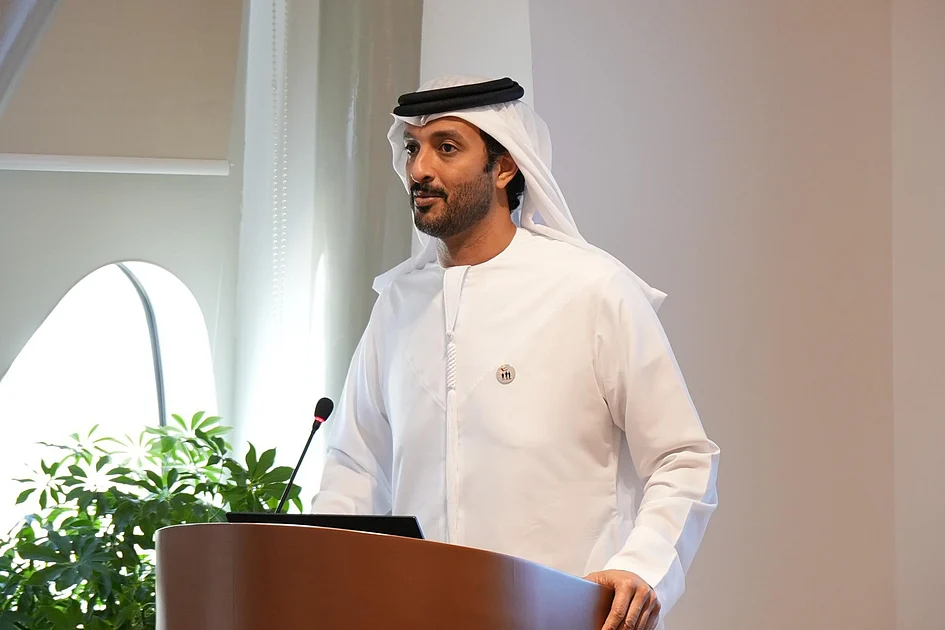
    Ras Al Khaimah is poised to elevate its coastal appeal with the launch of a cutting-edge superyacht marina on Raha Island, a project announced during the International Real Estate Investment Summit. Developed in collaboration with the Monaco Yacht Club, the marina will cater to a variety of vessels, including large superyachts, and is expected to become a focal point for both residents and tourists seeking a premium waterfront lifestyle. The initiative is part of the broader Mina Al Arab development, which spans nearly four million square meters and integrates residential, leisure, and hospitality elements across two interconnected islands. Sameh Muhtadi, CEO of RAK Properties, revealed that the company is nearing completion of projects on neighboring Hayat Island, with Raha Island set to become the next priority. The marina will feature dedicated spaces for smaller boats and larger superyachts, further enhancing the emirate’s maritime infrastructure. This development aligns with a surge of luxury investments in Ras Al Khaimah, including projects by global brands such as Armani, Four Seasons, Anantara, and Nikki Beach. Muhtadi emphasized that the involvement of these international operators underscores confidence in the emirate’s investment climate and regulatory framework. RAK Properties has reported significant growth, with a 32% increase in revenue and an 80% rise in profitability as of September, driven largely by international investors. Environmental sustainability remains a cornerstone of the development, with projects designed to protect mangrove habitats and balance progress with ecological preservation.

  • Tristar’s Safety at Sea event to highpoint UAE as global maritime hub

    Tristar’s Safety at Sea event to highpoint UAE as global maritime hub

    The UAE continues to solidify its position as a global maritime hub with the upcoming 7th Tristar Safety at Sea Conference, set to take place on November 10 at the One&Only Royal Mirage in Dubai. Under the theme ‘Get Safety Right, Get Everything Right,’ the event will bring together key stakeholders to address critical issues in maritime safety and foster collaborative solutions. This gathering follows the UAE’s successful hosting of the World Maritime Day Parallel Event 2025, organized by the Ministry of Energy and Infrastructure (MOEI) in September, which focused on the theme ‘Our Ocean – Our Obligation – Our Opportunity.’ The MOEI will once again play a prominent role at the Safety at Sea Conference, with Eng. Hessa Al Malek, adviser to the Minister for Maritime Transport Affairs, attending as an Honour Guest for the third consecutive year. Eugene Mayne, CEO of Tristar Group, emphasized the UAE’s leadership in maritime safety and the event’s evolution since its inception in 2019. Originally aimed at addressing the emotional and mental well-being of seafarers, the conference has grown into a vital platform for dialogue among professionals in the maritime industry. Tristar’s active participation in the World Maritime Day Parallel Event, including showcasing its hybrid electric bunkering barge and engaging in panel discussions, further underscores its commitment to advancing maritime safety and innovation. The Safety at Sea Conference, supported by the International Maritime Organization (IMO), will continue to highlight the UAE’s dedication to fostering global maritime collaboration and progress.

  • China’s rare earth export delay offers US a chance to weaken Beijing’s grip on the market

    China’s rare earth export delay offers US a chance to weaken Beijing’s grip on the market

    In a significant development within the ongoing U.S.-China trade negotiations, China has agreed to postpone its latest restrictions on rare earth exports for one year. This decision, part of a broader trade agreement brokered by President Donald Trump, provides the U.S. and its allies with a critical opportunity to enhance their own production and processing capabilities. However, experts caution that breaking China’s dominant position in the global rare earth market remains a formidable challenge.

  • Petrofac’s downfall, shock administration send ripples across Gulf energy sector

    Petrofac’s downfall, shock administration send ripples across Gulf energy sector

    The recent collapse of Petrofac, a once-renowned British engineering and construction giant, has sent ripples across the global energy sector, particularly in the Middle East. The company, which played a pivotal role in developing key infrastructure in the Gulf, is now under court-appointed administration following the cancellation of a €2 billion offshore wind contract in the Netherlands. This decision has left its parent company in financial turmoil, with its shares delisted from the London Stock Exchange and its future hanging in the balance.

  • American farmers welcome China’s promise to buy their soybean but this deal doesn’t solve everything

    American farmers welcome China’s promise to buy their soybean but this deal doesn’t solve everything

    American farmers have expressed cautious optimism following China’s commitment to purchase at least 25 million metric tons of soybeans annually over the next three years. This pledge aims to restore trade volumes to pre-trade war levels, but it falls short of addressing the broader challenges faced by farmers, including skyrocketing costs for fertilizer, machinery, and seeds. While the agreement marks a significant step toward stabilizing the agricultural sector, farmers remain wary of its immediate impact. Iowa farmer Robb Ewoldt, a director with the United Soybean Board, welcomed the news but emphasized that it doesn’t resolve all short-term issues. Agriculture Secretary Brooke Rollins highlighted additional benefits, including the removal of retaliatory tariffs on U.S. agricultural products and the resumption of sorghum purchases. These developments could ease access to loans for farmers, yet concerns linger about the long-term sustainability of the agreement. The trade war, initiated by former President Donald Trump, severely disrupted U.S. soybean exports, with China shifting its purchases to Brazil and other South American nations. Last year, Brazilian soybeans accounted for over 70% of China’s imports, while the U.S. share dropped to 21%. Farmer Caleb Ragland, president of the American Soybean Association, described the agreement as a foundation for rebuilding a stable trading relationship. However, Indiana farmer Brent Bible stressed the importance of China following through on its promises, citing past disruptions caused by the COVID-19 pandemic. Despite the positive developments, farmers remain vigilant, hoping for tangible results that will secure their livelihoods and future generations.

  • Construction begins on Guangdong expressway expansion

    Construction begins on Guangdong expressway expansion

    Construction has officially commenced on the expansion of a critical section of the Beijing-Hong Kong-Macao Expressway in Guangdong province. The project focuses on the stretch between Shaoguan’s Wujiang district and Qingyuan’s Fogang county, located in the northern mountainous region of Guangdong. This expansion is a pivotal component of Guangdong’s vertical highway network, designed to bolster northbound travel efficiency and regional connectivity. The initiative underscores the province’s commitment to improving infrastructure to support economic growth and facilitate smoother transportation. The project is expected to enhance travel times, reduce congestion, and provide a more reliable route for both commuters and freight transport. As one of the busiest expressways in the region, the expansion is anticipated to have a significant impact on local and regional economies, fostering development in the northern areas of Guangdong.

  • Trump’s ‘amazing’ bargain with Xi turns out a dud

    Trump’s ‘amazing’ bargain with Xi turns out a dud

    US President Donald Trump recently celebrated a trade agreement with Chinese President Xi Jinping, hailing it as a significant breakthrough. Trump announced a reduction in tariffs on Chinese goods to 47%, describing the meeting as “amazing.” However, the long-term impact of this agreement remains uncertain, with experts questioning its effectiveness in addressing the deep-rooted trade imbalances between the two nations.

    The deal, characterized by vague terms and a lack of specific enforcement mechanisms, does little to alter the fundamental dynamics of the $659 billion trade relationship between the US and China. While the agreement includes measures such as increased soybean purchases and the flow of rare-earth minerals, it falls short of addressing the structural issues that contribute to America’s trade deficit with China.

    Economists and analysts have expressed skepticism about the durability of the agreement. Ting Lu of Nomura Holdings noted that while the easing of tensions is positive, the rivalry between the two superpowers is likely to escalate in the future. Chang Shu of Bloomberg Economics echoed this sentiment, suggesting that the new reality of US-China relations is one of frequent disruptions and short-term fixes.

    Goldman Sachs economist Jan Hatzius highlighted the unpredictability of the situation, stating that recent policy moves suggest a wider range of potential outcomes than previously anticipated. He suggested that the most likely scenario is a mutual pullback from aggressive policies and an indefinite extension of the tariff escalation pause reached in May.

    Ali Wyne of the International Crisis Group observed that Trump views Xi as the head of a rival business rather than an imperial leader, which could lead to mutual restraint. However, Trump’s ambition to curb China’s rise lacks proportionality and could undermine long-term strategic goals.

    Patricia Kim of the Brookings Institution emphasized that managing US-China relations requires ongoing strategic management rather than grand gestures. She noted that many of the core demands of both nations are irreconcilable, making a comprehensive agreement unlikely.

    Meanwhile, China has been preparing for a post-Trump world by diversifying its trade relationships. Increased shipments to Europe, Southeast Asia, and the Global South have allowed China to mitigate the impact of US tariffs. Arthur Kroeber of Gavekal Dragonomics pointed out that Chinese exporters have developed workarounds, such as transshipment and relocating production to lower-tariff countries.

    Despite these efforts, China’s Ministry of Commerce has criticized the US for overstretching national security concerns and imposing unilateral measures that harm China’s interests. The ministry reiterated China’s opposition to these actions, which have undermined the atmosphere of bilateral economic talks.

    Trump’s trade policies, rooted in 1980s economic strategies, are increasingly out of sync with the global economy. As China invests in future technologies and the Global South forges its own path, the US risks losing its influence. Gilles Moec of AXA Investment noted that the world economy is splitting into competing groups, with companies reorganizing supply chains around countries with similar values or security concerns.

    In conclusion, while Trump’s trade deal with China may provide temporary relief, it is unlikely to resolve the underlying tensions between the two nations. The global economic landscape is evolving, and the US must adapt to maintain its position in an increasingly fragmented world.

  • Guangzhou Baiyun Airport opens Terminal 3 and fifth runway

    Guangzhou Baiyun Airport opens Terminal 3 and fifth runway

    Guangzhou Baiyun International Airport has officially launched its state-of-the-art Terminal 3 and a fifth runway, marking a significant milestone in its expansion efforts. The new facilities, which began operations on Thursday, solidify the airport’s status as one of the world’s busiest aviation hubs. With the addition of Terminal 3 and the new runway, the airport now boasts three terminals and five runways, significantly enhancing its operational capacity. The upgrades increase the airport’s annual passenger handling capacity to 140 million and its cargo capacity to 6 million metric tons. Officials emphasized that these developments are crucial to meeting the escalating travel demands within the Guangdong-Hong Kong-Macao Greater Bay Area, which already sees an annual passenger volume exceeding 120 million. The expansion is expected to further strengthen the region’s connectivity and economic growth, positioning the airport as a key player in global aviation.

  • Dubai: Gold prices hold steady, 24K sees slight rise to Dh479

    Dubai: Gold prices hold steady, 24K sees slight rise to Dh479

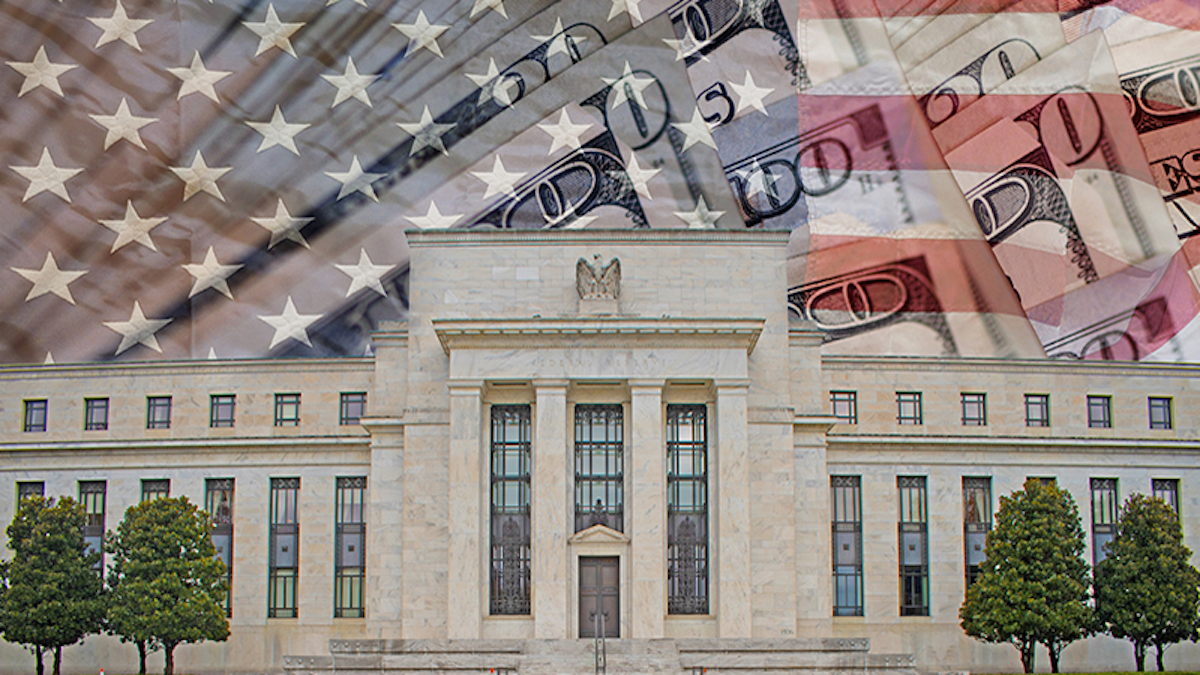
    In the wake of the US Federal Reserve’s second consecutive quarter-point interest rate reduction, gold prices in Dubai remained steady, with 24K gold experiencing a slight increase to Dh479 per gram on Thursday morning, up from Dh476 the previous day. This stability follows a week of market volatility after gold reached record highs on October 20. Globally, spot gold prices were recorded at $3952.79 per ounce, while silver stood at $47.52 at 9:30 AM UAE time. Other gold variants in Dubai, including 22K, 21K, and 18K, were priced at Dh443.50, Dh425.25, and Dh364.25 per gram, respectively. Ole Hansen, Head of Commodity Strategy at Saxo Bank, noted that the recent correction in gold prices is marginal compared to the significant rally the metal has experienced over the past year. Hansen emphasized that while the correction is notable, it remains relatively small given the extent of the rally. He suggested that the market is currently in a consolidation phase and predicted that gold prices could eventually climb higher, potentially reaching $5,000 by 2026. However, Hansen cautioned that it is too early to determine whether the correction has concluded or if further adjustments are on the horizon.