分类: business

  • Al Safadi marks 25 years of shaping Lebanese dining in the UAE and officially launches Al Safadi Hospitality

    Al Safadi marks 25 years of shaping Lebanese dining in the UAE and officially launches Al Safadi Hospitality

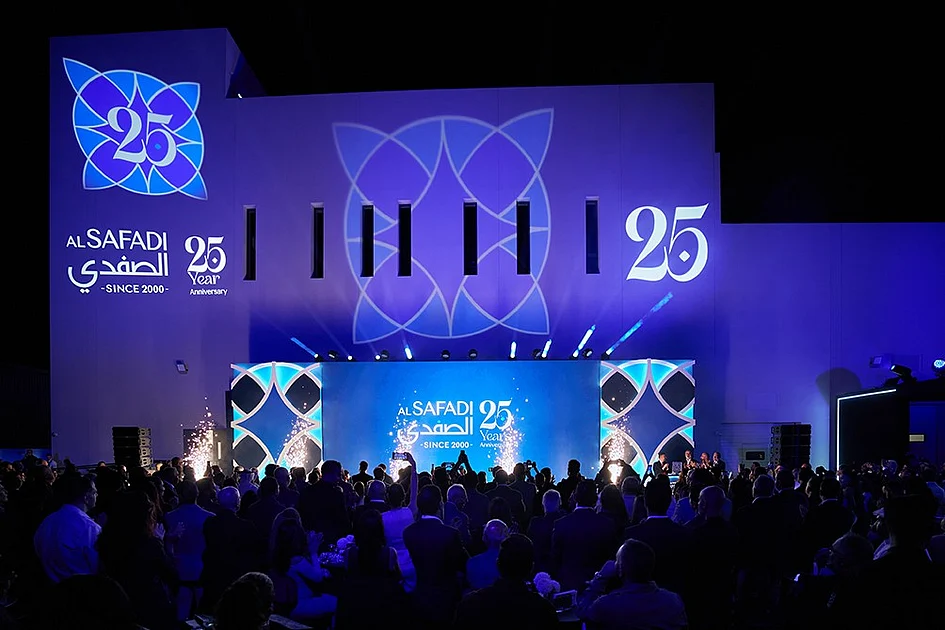
    DUBAI – Celebrating a quarter-century of defining Lebanese culinary excellence in the UAE, Al Safadi has formally established Al Safadi Hospitality as a unified corporate umbrella to oversee its expanding portfolio. This strategic restructuring preserves the original ownership and leadership while creating an integrated framework for future growth, new brand development, and sustained quality across all operations.

    The journey began in 2000 with a single family-operated restaurant that evolved into one of the nation’s most recognized Lebanese dining destinations. Known for its unwavering consistency and traditional recipes—including an unchanging family Muhammara formula and annual service of approximately 57 tonnes of hummus—the brand has become embedded in UAE daily life. Its multicultural team of over 18 nationalities, including staff with nearly three decades of service, remains central to the group’s identity.

    Al Safadi Hospitality now encompasses the flagship restaurant brand, recently launched concepts Oventine and Table 25 catering, Al Safadi Food Production, and all future ventures. The consolidation enables strengthened quality control, operational excellence, and strategic planning while maintaining the brand’s heritage and people-focused culture.

    A cornerstone of this expansion is the new 5,000-square-meter Central Production Unit in Dubai Production City. This state-of-the-art facility features advanced European kitchen technology and hygienic preparation areas, capable of producing 45,000 meals daily to support existing restaurants, catering services, and upcoming retail lines. Currently pursuing HACCP and FSSC certifications, the facility incorporates sustainable technologies including Demand Control Ventilation and Empower District Cooling integration.

    The group’s expansion pipeline includes retail launches of sauces, spices, and ready-to-cook items between 2026-2027, alongside new restaurant openings across Dubai, Sharjah, and Abu Dhabi. Oventine, the oven-led quick service concept inspired by Levantine flavors, will expand across Dubai through 2026, while Table 25 continues evolving as a premium catering brand offering international cuisine and custom menus.

    The anniversary was commemorated with a private gathering at the new production facility, featuring virtual tours, documentary presentations, and a performance by Guy Manoukian. CEO Fadi Al Safadi emphasized that the milestone recognizes the collective achievement of staff and patrons alike, stating: ‘We are building for the next 25 years, expanding with care while staying true to who we are.’
  • India starts sending tax reminders to UAE-based expat property owners to avoid penalties

    India starts sending tax reminders to UAE-based expat property owners to avoid penalties

    The Indian Income Tax Department has initiated a comprehensive compliance campaign targeting expatriates residing in the UAE who maintain property holdings and financial assets abroad. Beginning November 28, 2025, thousands of Indian citizens will receive direct SMS and email notifications urging them to accurately declare all foreign assets in their tax returns by December 31, 2025, or face severe financial penalties.

    This second phase of the Central Board of Direct Taxes’ (CBDT) ‘Nudge’ campaign leverages financial intelligence shared by over 100 jurisdictions through the Common Reporting Standard (CRS) and the US Foreign Account Tax Compliance Act (FATCA). The department has identified approximately 25,000 high-risk taxpayers whose declared foreign assets in Assessment Year 2025-26 don’t align with data obtained through Automatic Exchange of Information mechanisms.

    Notably, this initiative specifically excludes Non-Resident Indians (NRIs) who are not classified as Indian tax residents and consequently don’t file Income Tax Returns in India. These individuals remain exempt from foreign asset declaration requirements and won’t receive compliance alerts.

    The financial consequences for non-compliance are substantial: a fixed penalty of ₹1 million (approximately Dh41,000) for failure to report assets, coupled with 30% taxation on any unreported income and potential penalties reaching 300% of the outstanding tax due.

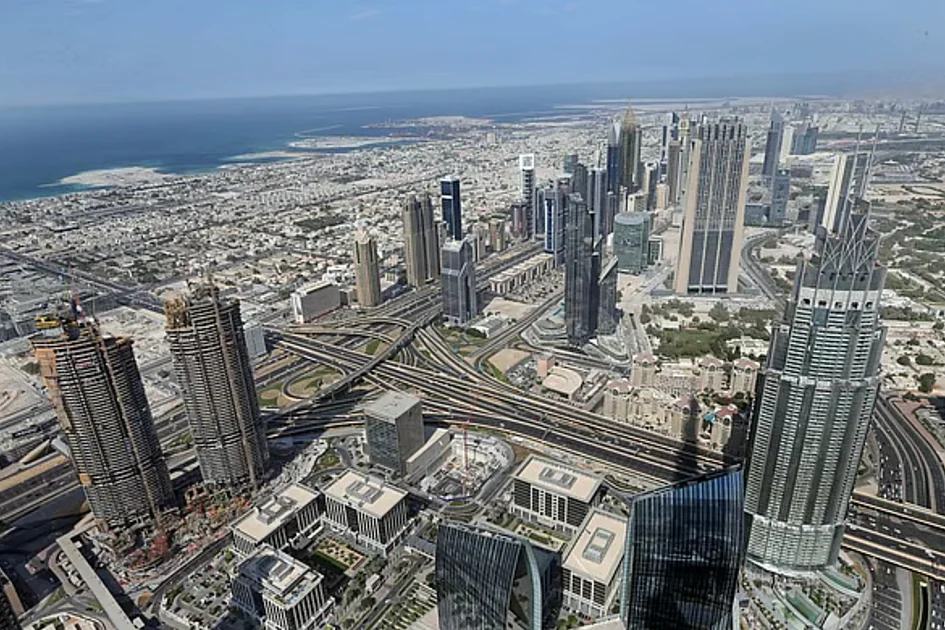
    Indian media reports indicate Dubai has emerged as a particular focus area following recent enforcement actions in Delhi, Mumbai, and Pune that uncovered millions in undisclosed assets linked to UAE holdings. This increased scrutiny coincides with India’s position as the leading source of foreign property investment in Dubai, accounting for 22% of all transactions in 2024 with estimated investments of Dh150 billion.

    Tax professionals emphasize that enhanced information-sharing protocols between India and the UAE have created unprecedented transparency. Financial accounts, investment products, and business holdings in the Emirates now fall within clear visibility of Indian authorities through the CRS network.

    The CBDT has additionally engaged corporate entities and professional organizations, including the Institute of Chartered Accountants of India, to broaden awareness about mandatory disclosure requirements. Many individuals may lack awareness of their obligations regarding offshore asset declarations.

    Recipients of compliance alerts are advised to immediately access the Income Tax portal, meticulously review their returns for Assessment Year 2025-26, carefully examine Schedule FA (Foreign Assets) and Schedule FSI (Foreign Source Income), and submit revised declarations before the December 31 deadline to avoid escalating penalties.

  • China to promote high-quality development in human resources services

    China to promote high-quality development in human resources services

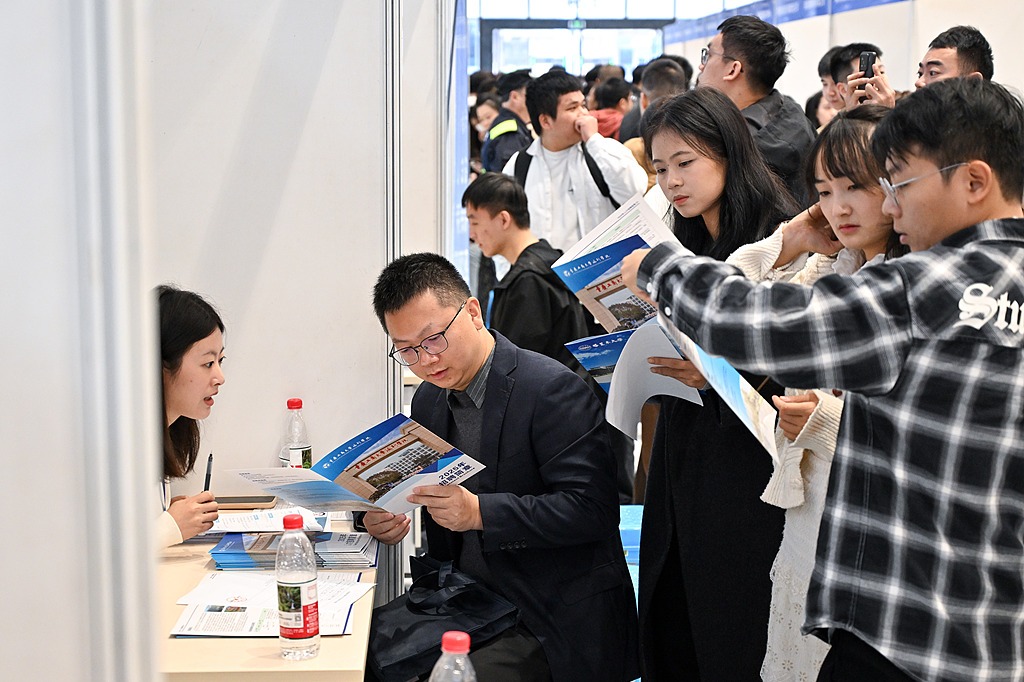
    China is intensifying its commitment to advancing high-quality development within its rapidly expanding human resources services industry, recognizing it as a fundamental pillar for constructing a modern industrial system. The nation’s Ministry of Human Resources and Social Security is spearheading this initiative, currently hosting the third National Human Resources Services Industry Development Conference in Wuhan, Hubei Province from November 28-29, 2025.

    This significant gathering serves as a crucial networking platform, facilitating connections between human resources agencies and corporations while effectively matching employers with specialized talent requirements. Zhang Wenmiao, Director of the Ministry’s Human Resources Flow Management Department, emphasized the sector’s critical importance during a pre-event press briefing, stating that human capital represents the primary and most valuable resource driving China’s socioeconomic progress.

    Official statistics reveal remarkable industry growth, with over 70,000 registered human resources agencies currently operating nationwide, employing more than one million professionals. During the 14th Five-Year Plan period (2021-2025), the sector has demonstrated substantial impact, providing approximately 300 million employment, career consultation, and talent mobility services annually. Additionally, it has delivered around 50 million specialized supports and consultancies to domestic employers each year.

    The conference series, previously held in Chongqing (2021) and Shenzhen (2023), has evolved into a key forum showcasing China’s innovative approaches to employment stabilization and highlighting the human resources industry’s developmental achievements. This sustained governmental support underscores the strategic priority placed on cultivating a sophisticated talent ecosystem that can meet the evolving demands of China’s modern economy.

  • IKEA opens new store in Al Ain, bringing affordable and sustainable home solutions to the community

    IKEA opens new store in Al Ain, bringing affordable and sustainable home solutions to the community

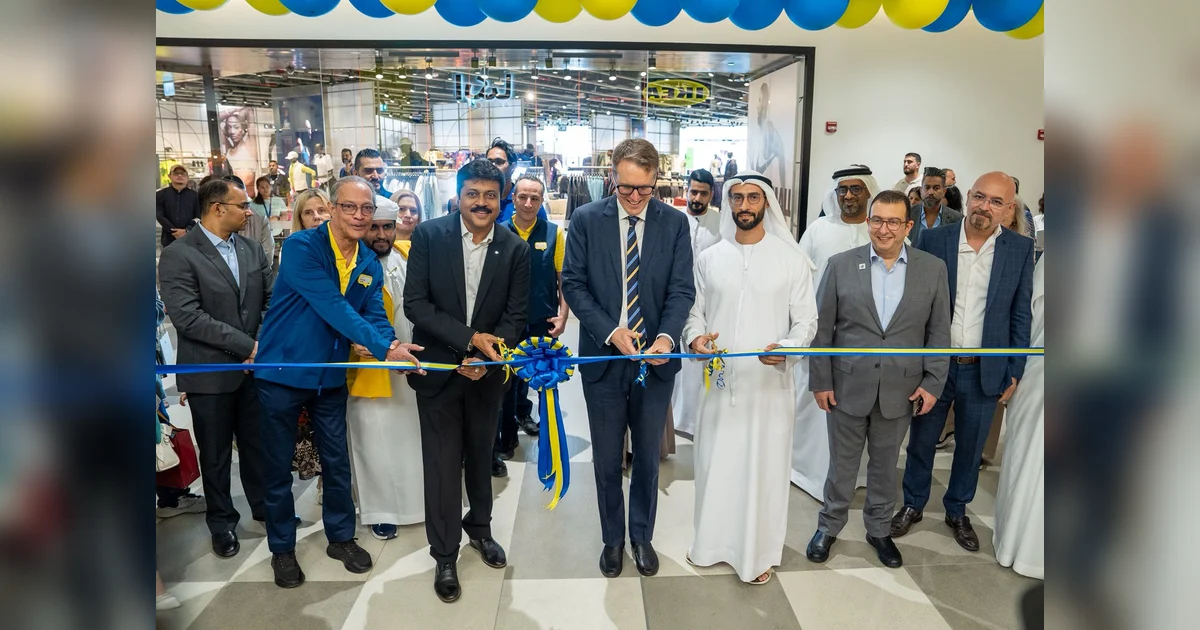
    IKEA, under the operational leadership of Al-Futtaim, has inaugurated a strategically significant new retail location at JIMI Mall in Al Ain, reinforcing its expansion strategy across the United Arab Emirates. This launch represents the brand’s fourth UAE outlet, following a series of successful smaller-format stores in Fujairah, Abu Dhabi’s Al Wahta Mall, and Dalma Mall.

    The new 8,200-square-meter facility is engineered to deliver a compact, customer-centric shopping journey. It features a meticulously curated selection of over 4,300 displayed items and 3,500 products available for immediate purchase. The store’s design incorporates room settings and product displays inspired by Al Ain’s local culture and lifestyle, offering tailored home solutions that resonate with community preferences.

    A cornerstone of this launch is IKEA’s reinforced commitment to sustainability. The store has achieved Gold certification from the U.S. Green Building Council’s LEED rating system, recognizing its advanced sustainable interior design and construction. The facility operates entirely on renewable energy supplied by EWEC and incorporates numerous eco-conscious elements, including over 600 products featuring reduced pricing and more than 200 furniture items available for immediate takeaway.

    Vinod Jayan, Managing Director of IKEA UAE, Qatar, Oman, and Egypt, emphasized the strategic importance of this expansion: “Our presence in JIMI Mall represents a substantial advancement in our mission to democratize access to quality, sustainable home furnishings across the UAE. We’re dedicated to enhancing customer experiences while delivering affordable solutions that improve daily living conditions.”

    Beyond retail offerings, the location features comprehensive dining facilities including an IKEA Restaurant and Bistro with seating for over 100 guests, alongside a Swedish Food Market. These culinary offerings emphasize sustainable choices, featuring plant-based meals, ASC-certified salmon, and UTZ-certified coffee.

    The store exemplifies IKEA’s commitment to workplace diversity, maintaining nearly equal gender representation among employees. Additional services include interior design consultation, product assembly, delivery solutions, kitchen services, and dedicated parking for Click and Collect customers.

    This establishment strengthens IKEA’s position as a provider of functional, affordable, and modern home furnishing solutions while advancing the company’s sustainability objectives within the UAE market.

  • China cracks down on financial corruption with harsh penalties

    China cracks down on financial corruption with harsh penalties

    China’s Supreme People’s Court and Supreme People’s Procuratorate have launched a significant offensive against financial corruption, publicizing six high-profile cases to demonstrate their strengthened resolve to safeguard the nation’s financial systems. The coordinated judicial action, announced on November 28, 2025, signals an escalated approach to combating economic crimes within China’s financial infrastructure.

    In an unprecedented move, the judicial authorities imposed life imprisonment without parole for two major offenders convicted of massive financial crimes. One individual identified as Liu received a death sentence with a two-year reprieve—typically convertible to life imprisonment—but will instead face permanent incarceration without possibility of release. Liu was convicted of accepting bribes exceeding 180 million yuan ($25.44 million) and authorizing unrecoverable loans that caused substantial financial losses.

    Similarly, another convict surnamed Wu received identical permanent imprisonment after being found guilty of accepting bribes totaling over 275 million yuan and embezzling more than 508 million yuan in public funds. The Supreme People’s Court emphasized that these severe sentences reflect the judiciary’s firm stance on punishing duty-related crimes in the financial sector.

    The judicial authorities have directed nationwide legal bodies to intensify efforts against emerging forms of financial corruption while enhancing capabilities to detect concealed corruption networks spanning official and business circles. This comprehensive crackdown represents China’s latest strategic move to ensure financial stability and integrity within its rapidly evolving economic landscape.

  • China expands state-level job services markets to boost labor allocation

    China expands state-level job services markets to boost labor allocation

    China has strategically developed an extensive national infrastructure of talent markets and human resource service centers to enhance labor allocation across key economic sectors. Official data released Thursday reveals the establishment of 36 national talent markets alongside 29 specialized human resource industrial parks, creating a comprehensive framework aimed at addressing employment challenges and workforce distribution.

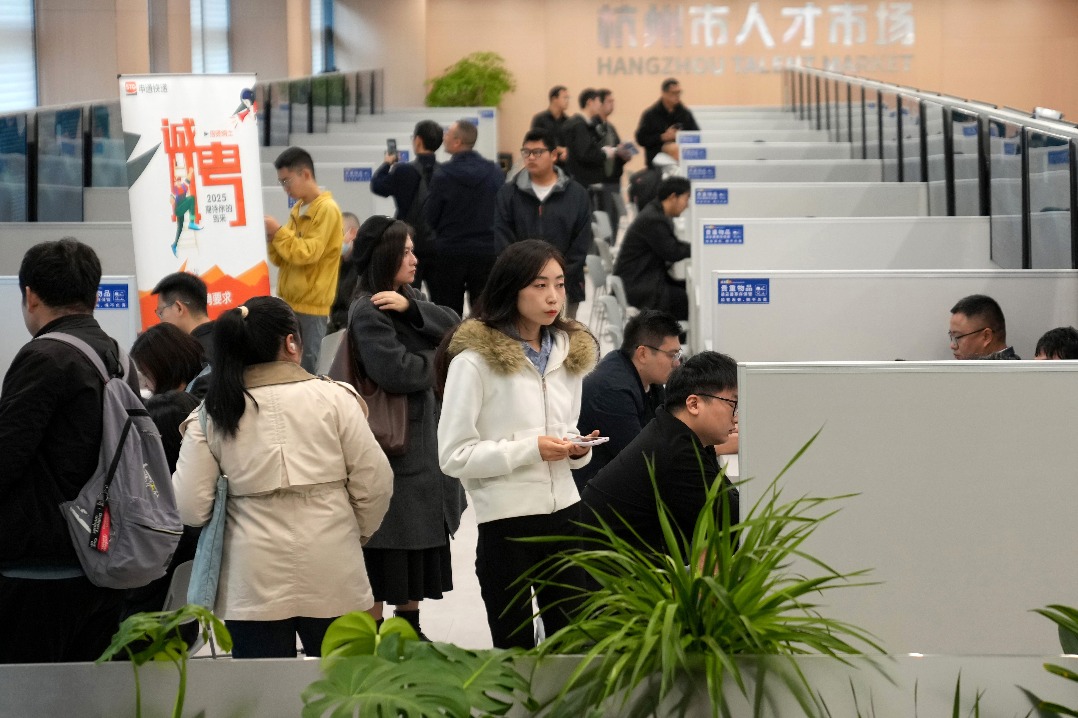
    The announcement came during a press briefing preceding the third National Human Resource Services Industry Development Conference in Wuhan, Hubei Province. This network of national facilities, complemented by regional specialized parks, constitutes an integrated service system specifically designed to optimize employment services and industrial talent allocation nationwide.

    Since the commencement of the 14th Five-Year Plan period (2021-2025), China’s employment services sector has experienced substantial growth, now providing essential services to approximately 300 million workers and over 50 million employers annually. This expansion reflects the government’s concerted effort to modernize labor market mechanisms and improve workforce mobility.

    Authorities are particularly focused on aligning human capital with critical economic drivers, including advanced manufacturing capabilities, digital economy initiatives, and modern service industries. This strategic approach aims to bridge persistent gaps between talent availability and sector-specific requirements, thereby mitigating labor shortages in vital industries.

    The upcoming Wuhan conference (November 28-29) will demonstrate these initiatives through practical application, featuring a large-scale recruitment drive offering more than 40,000 positions targeting university graduates and overseas students. Opportunities will concentrate on emerging fields such as artificial intelligence development and the burgeoning low-altitude economy sector, highlighting China’s commitment to future-oriented workforce development.

  • Chancay Port becomes new trade gateway

    Chancay Port becomes new trade gateway

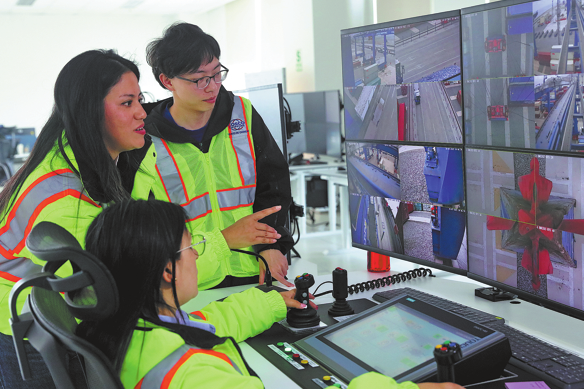
    Peru’s Chancay Port has completed its inaugural year of commercial operations, establishing itself as a pivotal maritime gateway transforming Sino-Latin American trade dynamics. The facility, which marked its first anniversary on November 15, has rapidly gained significance amid growing cargo flows between China and South American nations.

    According to Carlos Aquino, Professor of International Economics at Peru’s National University of San Marcos, the port is already reshaping regional trade patterns. “The volume of cargo departing directly for China continues to increase, encompassing not only Peruvian exports but also goods from Ecuador, Chile, and Colombia,” Aquino noted. This direct routing reduces transit duration by approximately ten days, yielding an estimated 30 percent reduction in freight expenses.

    Customs data reveals substantial trade growth through the port, with Chinese imports via Chancay exceeding $759 million in value during 2025. Vehicles and machinery constitute the primary commodities, while 79 percent of customs declarations designate China as their destination, underscoring the deepening commercial relationship.

    Javier Eduardo Franco Castillo, Peru’s Customs Administration Chief, emphasized the nation’s commitment to enhancing trade security and efficiency, stating: “We continue to facilitate international logistics chains and combat smuggling to support trade with the world’s main economies, including China, our principal trading partner.”

    The port’s emergence has stimulated competitive responses within Peru’s maritime sector. The country’s largest port at Callao is undertaking infrastructure upgrades to remain competitive, now offering direct connections to Chinese and Asian ports. This heightened competition has already reduced freight costs for both Peruvian exporters and importers.

    Beyond port operations, Chancay’s influence extends to broader infrastructure development. Aquino highlighted how increased goods movement is revitalizing proposals for highway projects and the long-discussed bi-oceanic railway connecting Peru and Brazil. Additionally, two export-processing zones planned near the port could enable Peru’s transition from raw material exports to value-added manufacturing.

    The port’s improved efficiency particularly benefits perishable agricultural exports including blueberries, grapes, and avocados, while Chinese imports such as electronics, automobiles, and industrial machinery have become more affordable. Chancay has also emerged as a crucial entry point for Chinese electric vehicles expanding across South American markets.

    Aquino concluded that Peru is evolving into both the entry point for Chinese and Asian goods in South America and the exit port for South American exports to China and Asian markets, positioning Chancay to become a major logistics hub connecting China and Latin America.

  • Asian shares are mixed in holiday-thinned trading with Wall Street closed for Thanksgiving

    Asian shares are mixed in holiday-thinned trading with Wall Street closed for Thanksgiving

    Asian equities presented a fragmented performance on Friday during subdued holiday trading, with technology shares experiencing declines as the recent rally fueled by Federal Reserve rate cut expectations began to lose momentum. While artificial intelligence developments continue influencing global market fluctuations, investor attention remains firmly fixed on U.S. monetary policy directions. Recent commentary from Federal Reserve officials has revitalized hopes for potential central bank action during its upcoming December meeting.

    Stephen Innes of SPI Asset Management captured the prevailing market sentiment, noting, ‘Market participants are unanimously converging toward the same conclusion: the Fed will deliver holiday cheer through policy adjustments.’

    Japan’s Nikkei 225 remained virtually unchanged at 50,172.60, with AI-associated stocks including Kioxia Holdings, Fujikura and Lasertec among the notable decliners. Fresh government data revealed Tokyo’s core inflation held steady at 2.8% year-on-year in November, maintaining October’s level and remaining above the Bank of Japan’s 2% target. This sustained inflationary pressure reinforces expectations for the central bank’s gradual shift toward higher interest rates, though analysts anticipate no immediate hike during December’s meeting.

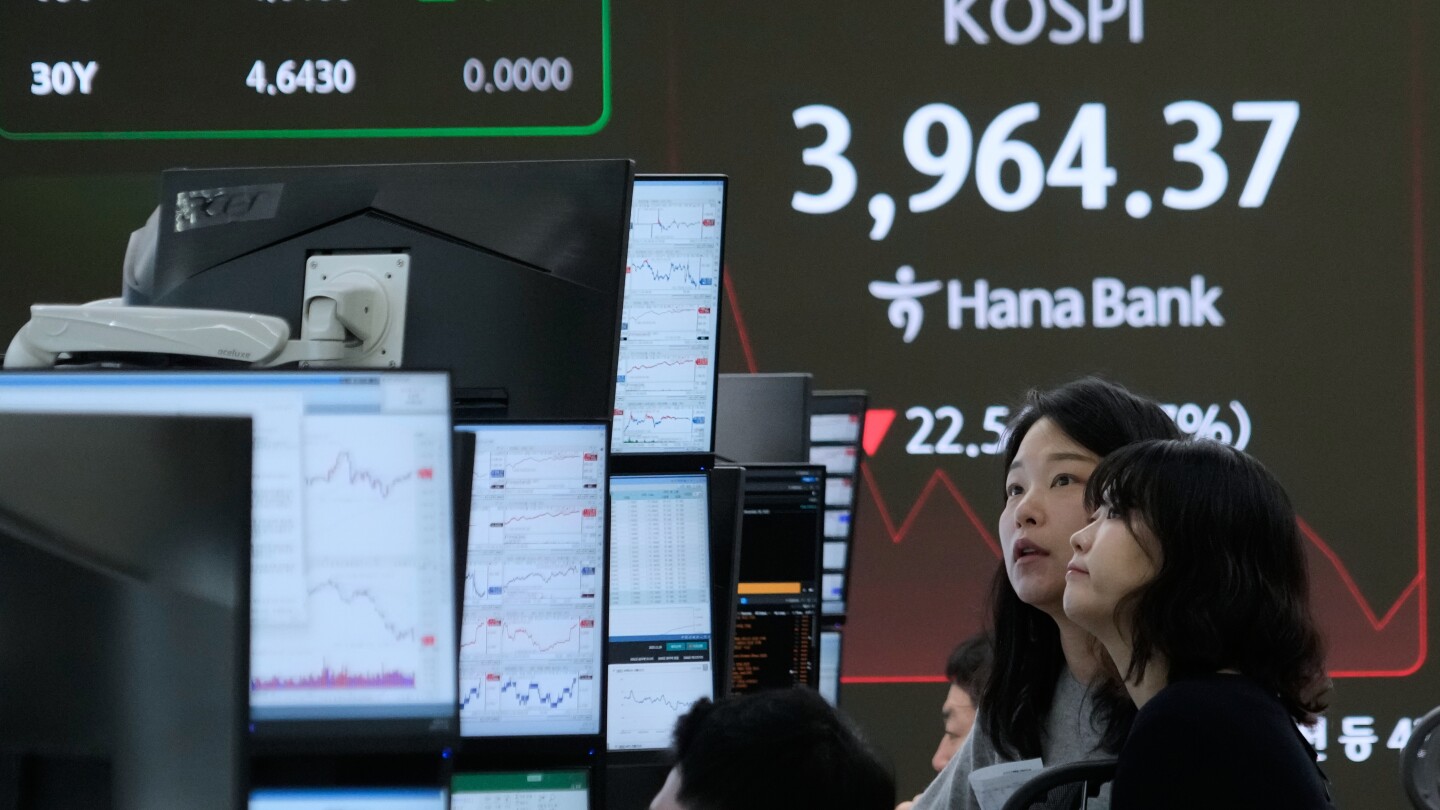
    South Korea’s Kospi experienced a significant 1.4% decline to 3,930.95 following disappointing economic indicators. Industrial production dropped 4% month-on-month in October, substantially worse than September’s 1.1% contraction. Semiconductor production plummeted 26.5% monthly, dragging down technology giants including LG Energy Solutions, SK Hynix and Samsung Electronics.

    Chinese markets showed modest movements with Hong Kong’s Hang Seng index dipping 0.2% to 25,896.33 while the Shanghai Composite index gained 0.2% to 3,883.46. Regional performances varied with Australia’s S&P/ASX 200 index declining 0.1% to 8,608.90, Taiwan’s Taiex advancing 0.9%, and India’s BSE Sensex edging up 0.1%.

    The trading session followed positive momentum in U.S. markets, where stocks closed broadly higher on Wednesday before the Thanksgiving holiday. The S&P 500 and Dow Jones both gained 0.7%, while the Nasdaq Composite added 0.8%.

    In commodity markets, U.S. benchmark crude oil increased 43 cents to $59.08 per barrel, while Brent crude, the international standard, rose 21 cents to $63.08 per barrel in early Friday trading. Currency movements saw the U.S. dollar strengthen slightly to 156.34 Japanese yen from 156.31 yen, while the euro weakened to $1.1584 from $1.1596.

  • Stocks, bitcoin edge up as investors bank on Fed rate cuts

    Stocks, bitcoin edge up as investors bank on Fed rate cuts

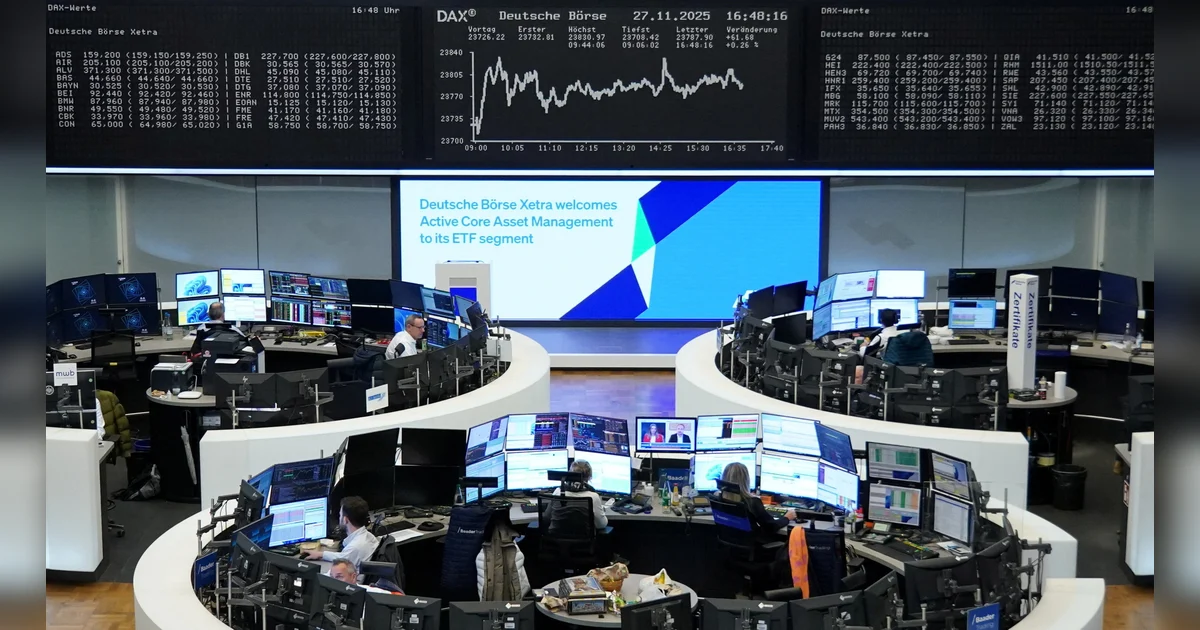
    Financial markets exhibited cautious optimism on Thursday as investor confidence in an impending Federal Reserve rate cut fueled upward momentum across European equities and digital assets. The STOXX 600 index advanced 0.2%, propelled by robust performances in defense and technology sectors that effectively counterbalanced declines in healthcare stocks.

    Market activity remained relatively subdued due to the U.S. Thanksgiving holiday closure, creating an atypical trading environment across major asset classes. The prevailing market sentiment continues to be dominated by expectations of monetary policy easing, with traders now pricing in an 85% probability of a December rate cut according to CME FedWatch data—a significant increase from just 30% the previous week.

    Currency markets displayed remarkable stability, with the dollar maintaining its position against a basket of major currencies. Sterling retreated from recent four-week highs following British Finance Minister Rachel Reeves’ budget announcement, which alleviated concerns about the nation’s long-term fiscal health. The euro held steady at $1.1593 while the pound remained unchanged at $1.324.

    The Japanese yen emerged as a particular focus for currency traders, strengthening to 156.375 per dollar from nearly 158 a week earlier. Market participants are closely monitoring potential intervention from Tokyo authorities after weeks of verbal warnings aimed at curbing the currency’s persistent decline. Prime Minister Sanae Takaichi explicitly dismissed comparisons to Britain’s ‘Truss moment’, asserting confidence in her administration’s spending plans.

    Cryptocurrency markets joined the positive trend, with Bitcoin gaining 0.7% to reach $90,800—positioning the digital asset to break a four-week losing streak with an approximately 3% weekly gain. Gold experienced minimal pressure, easing 0.1% to $4,159 per ounce.

    Market analysts attribute the sustained bullish sentiment to diminishing concerns about AI investment valuations and an overall positive earnings season. Chris Beauchamp, IG chief markets strategist, noted that while AI spending concerns remain the ‘market’s kryptonite’, the primary economic engines continue to perform satisfactorily, pushing valuation worries to the background for the immediate future.

  • Reform or rights rollback? India’s sweeping labour law overhaul sparks debate

    Reform or rights rollback? India’s sweeping labour law overhaul sparks debate

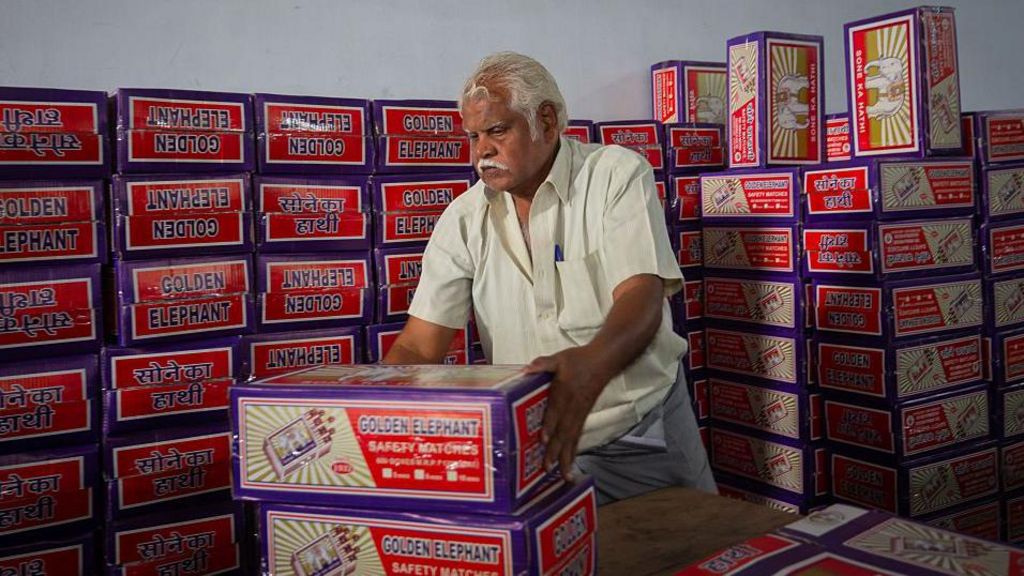
    India has embarked on its most significant economic overhaul in decades by implementing four consolidated labor codes, effectively replacing 29 complex federal laws that previously governed the workforce. This landmark reform dramatically reduces regulatory compliance from approximately 1,400 rules to just 350, while cutting required forms from 180 to 73, substantially easing the administrative burden on businesses nationwide.

    The legislation, which received parliamentary approval in 2020 but faced five years of political delays, represents a fundamental shift in India’s approach to labor regulation. The government maintains these changes aim to modernize outdated statutes, simplify compliance procedures, and extend legal protections to the country’s growing gig economy workforce for the first time.

    Corporate leaders and international financial institutions have welcomed the reforms as a crucial step toward enhancing India’s global competitiveness. Nomura analysts noted these changes signal the government’s commitment to accelerating economic reforms, particularly in response to shifting global trade dynamics including Trump’s tariff policies. The brokerage firm emphasized these measures should facilitate easier business operations, attract foreign direct investment, and better integrate India into global value chains.

    However, trade unions have mounted vigorous opposition, characterizing the reforms as the most aggressive dismantling of worker protections since India’s independence. Left-leaning unions unaffiliated with Prime Minister Modi’s ruling party organized protests across the country, including demonstrations in Delhi where hundreds expressed concerns about diminished worker rights.

    The reforms introduce several worker-friendly provisions including mandatory appointment letters, uniform minimum wages, free annual health check-ups for employees over 40, and gender-neutral pay requirements. Additionally, they expand social security coverage and formally recognize gig workers within the employment framework.

    Despite these protections, two contentious clauses have generated particular controversy: the increased threshold for government approval of layoffs (from 100 to 300 workers) and new requirements for 14-day strike notices. Economists like Columbia University’s Arvind Panagariya argue previous regulations were ‘draconian’ and hampered India’s competitiveness against manufacturing rivals like Bangladesh, Vietnam, and China. Conversely, critics including Professor Arun Kumar contend that inadequate demand rather than labor restrictions explains India’s manufacturing challenges, warning that reduced worker bargaining power could exacerbate existing economic inequalities.

    As India navigates this transition, businesses face implementation challenges including adjustments to wage structures, HR systems, and compliance governance. The long-term impact on manufacturing growth and investment remains uncertain, but these reforms undoubtedly represent a transformative moment in India’s economic development.