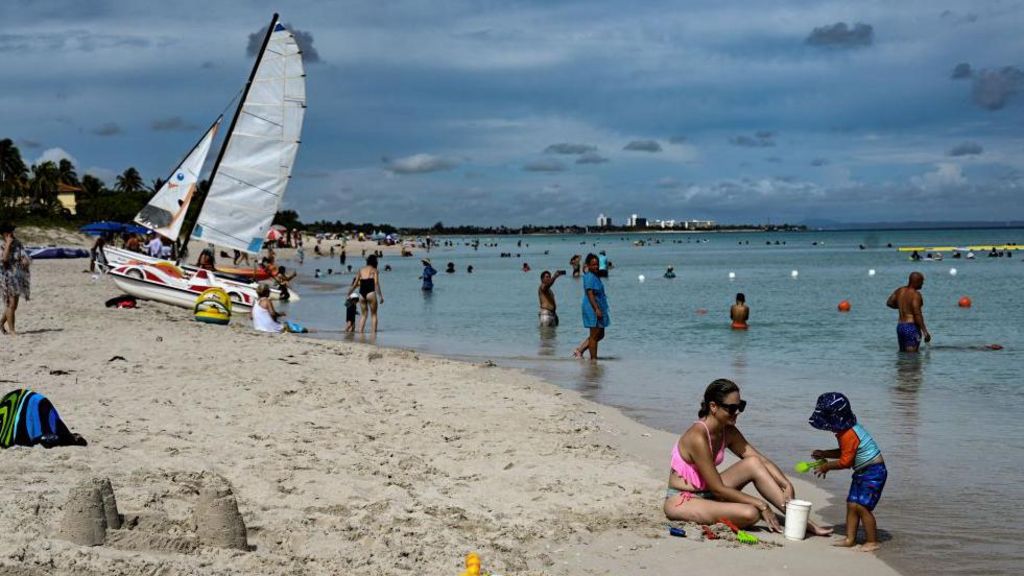
Tourism has long been a cornerstone of Cuba’s economy, but recent years have seen a dramatic decline in visitor numbers. The industry, which reached a peak of nearly five million tourists in 2018, has been severely impacted by the COVID-19 pandemic and stringent travel restrictions imposed by the Trump administration. Last year marked one of the worst for Cuban tourism this century, exacerbating the island’s economic woes. With traditional industries like sugar, tobacco, and nickel in decline, tourism remains Cuba’s primary source of foreign currency after remittances. However, fewer tourists mean less revenue for the state, hindering investments in crumbling energy infrastructure and essential goods like food and medicine. Cuba’s traditional allies, Venezuela and Russia, are grappling with their own economic challenges, while China’s focus on larger geopolitical issues limits its support. Cuban Tourism Minister Juan Carlos García Granda acknowledges the industry’s struggles but remains optimistic, claiming that the government has halted the decline and expects improved statistics in the second quarter of this year. He attributes the ongoing challenges to the ‘economic war’ waged by the United States, which has implemented measures specifically designed to harm Cuba’s tourism sector. These include banning US cruise ships from docking in Cuban ports and reclassifying Cuba as a State Sponsor of Terrorism, which complicates travel for UK and European tourists. Despite these obstacles, García Granda insists that Cuban tourism is ‘alive and kicking,’ with over 70% of the industry supported by foreign investment. However, the government’s ambitious hotel-building program, including the controversial Torre K in Havana, has drawn criticism for its extravagance amid widespread economic hardship. While García Granda defends the projects as necessary for attracting tourists, many Cubans question the prioritization of luxury hotels over urgent public needs. As Cuba navigates its deepest economic crisis since the Cold War, the future of its tourism industry remains uncertain, with García Granda hopeful that better times lie ahead.
分类: business
-
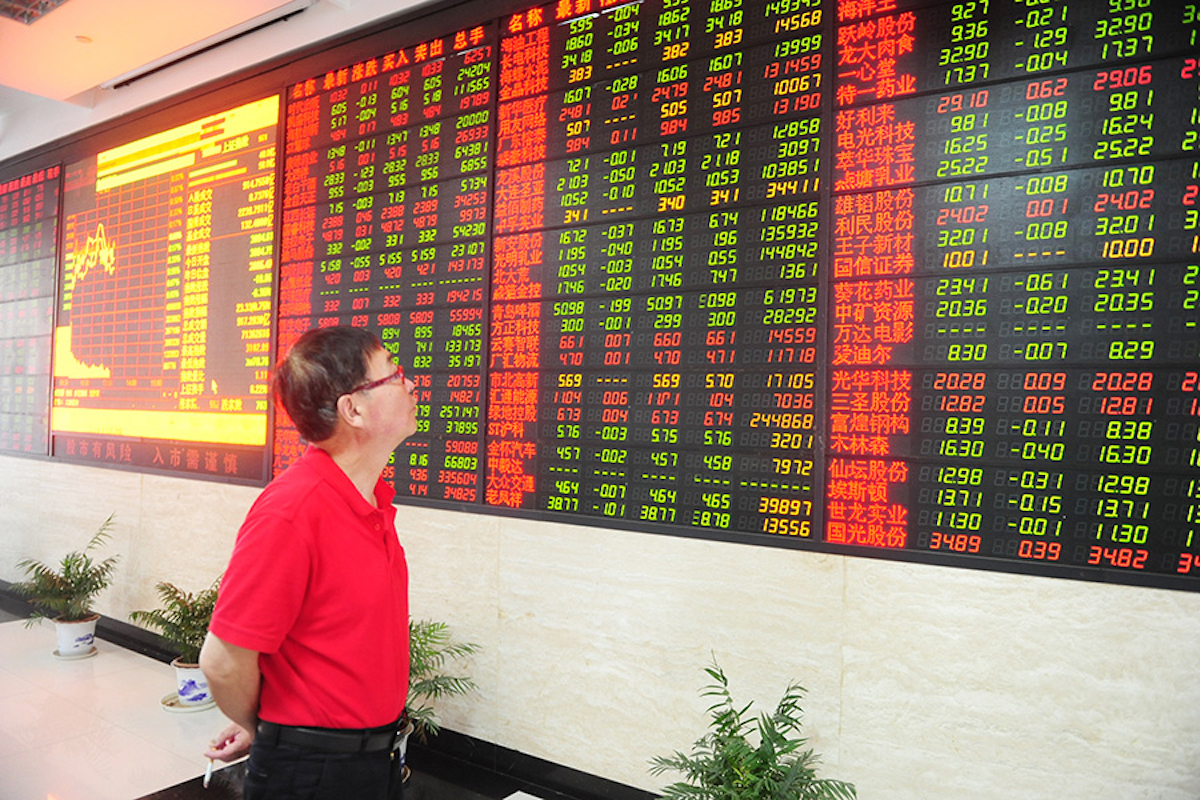
China’s $3 trillion stock rally is outrunning its economy
China’s equity markets have experienced one of their most significant rallies in recent years, with a combined market capitalization increase exceeding US$3 trillion across mainland China and Hong Kong. The CSI 300 index has soared by approximately 16% in 2025, while technology indices have reached their highest levels in a decade. This surge is primarily driven by retail investors, who, bolstered by substantial savings and state-backed liquidity support, are leading the charge. Despite slowing industrial output growth and underwhelming retail sales figures, investors are focusing on China’s long-term economic transformation, shifting away from property dependence toward innovation, advanced manufacturing, and green technology. This rally is distinct from previous speculative cycles, reflecting a deeper confidence in structural reforms and the government’s strategic direction. Individual investors dominate trading volumes, accounting for nearly 90% of daily flows, while Beijing’s efforts to deepen capital markets through policy support and foreign participation are further fueling the momentum. Although certain sectors, such as biotech and AI-linked firms, appear overvalued, the overall rally is seen as a sign of capital aggressively seeking exposure to China’s future economic drivers. The state’s active role in guiding this transition underscores the rally’s sustainability, with measures like widening access to stock options and strengthening market infrastructure laying the groundwork for long-term institutional participation. While caution is advised due to macroeconomic uncertainties and external pressures, the rally signals investors’ belief in China’s ability to reinvent its growth model. If reforms translate into tangible results, this surge could mark the early stages of a transformative economic evolution.
-
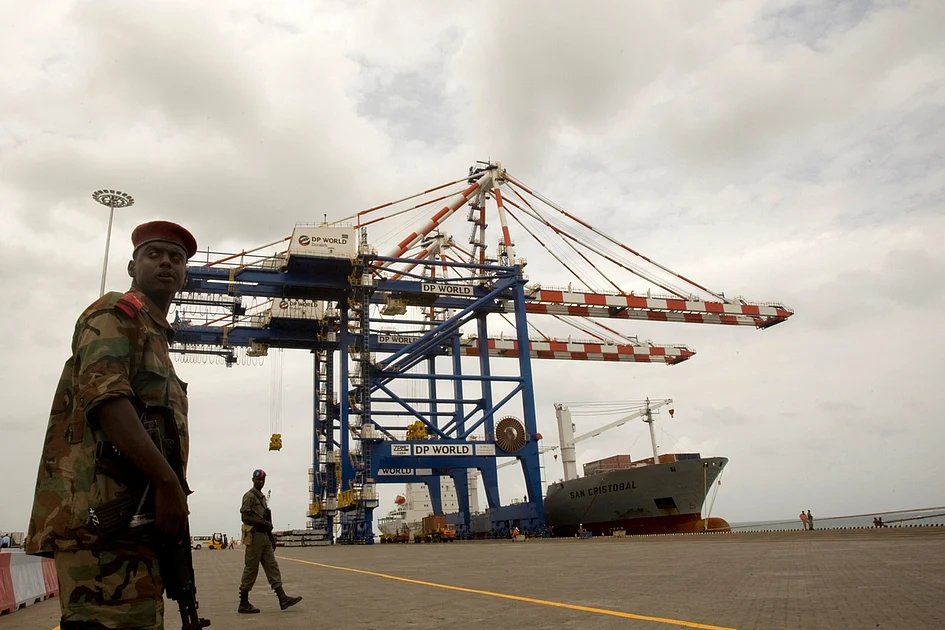
London court rules Djibouti illegally seized DP World port, $1 billion dispute drags on
In a landmark ruling, the London Court of International Arbitration (LCIA) has declared that the government of Djibouti acted unlawfully when it seized the Doraleh Container Terminal (DCT) from Dubai-based logistics giant DP World in 2018. The tribunal confirmed that DP World’s 50-year concession agreement for the port remains valid and binding, while Djibouti owes the company hundreds of millions in damages. This decision marks a significant milestone in a seven-year legal battle that has become one of Africa’s most prominent international investment arbitration cases. The dispute, however, is far from resolved, as DP World’s broader $1 billion claims against the Djibouti government and its Chinese partner, China Merchants Port Holdings, remain active. The LCIA ruled that the 2018 seizure was unlawful, rejecting Djibouti’s claim of having the right to terminate the concession. However, the court declined to award damages against Djibouti’s state-owned Port de Djibouti SA (PDSA), attributing the harm directly to the government. DP World has emphasized that the case underscores the importance of upholding international law and the sanctity of contracts, warning that Djibouti’s defiance of arbitration rulings undermines investor confidence and damages the country’s reputation. The company has vowed to pursue all legal avenues to recover damages and enforce prior awards, highlighting the broader implications of the case for global investors and economic development in Africa.
-

Xbox Game Pass price increase angers players
Microsoft has ignited a wave of discontent among gaming enthusiasts following its announcement of a significant price increase for its Xbox Game Pass subscription service. The most popular tier, Ultimate, will now cost £22.99 per month, marking a 50% rise from its previous £14.99 price point. This decision has led to a surge in subscription cancellations, with some users reporting that the service’s cancellation page crashed due to overwhelming demand. Microsoft has yet to confirm whether the outage was directly linked to the surge in activity. The revamped Game Pass structure now offers three tiers: Essential (£10/month), Premium (£14.99/month), and Ultimate (£22.99/month). While the basic tier is necessary for online multiplayer access, the higher tiers provide a broader selection of games and perks, including day-one access to new releases from Microsoft-owned studios like Call of Duty. Despite the addition of blockbuster titles such as Hogwarts Legacy and Assassin’s Creed entries to the Game Pass library, many users perceive the price hike as anti-consumer. Industry experts, including Ed Nightingale of Eurogamer, have expressed concerns that the increased costs could alienate gamers, especially as the overall cost of gaming continues to rise. Microsoft has defended the move, stating that the new pricing structure offers greater flexibility, choice, and value. However, critics argue that the company risks undermining its reputation as a consumer-friendly brand. This price adjustment follows a series of cost increases across Microsoft’s gaming division, including higher prices for Xbox consoles and accessories, which the company attributes to rising development costs and market conditions. The broader gaming industry has also seen similar trends, with Sony and Nintendo implementing price hikes for their products. Amidst these changes, Microsoft has also faced scrutiny for its recent layoffs and increased investment in artificial intelligence, raising questions about its long-term strategy in the gaming sector.
-
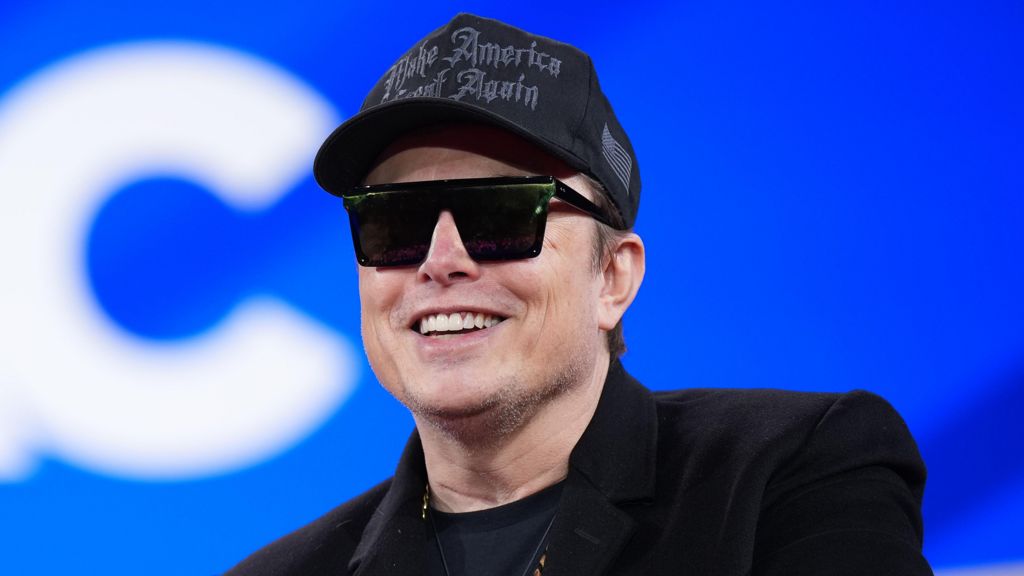
Musk becomes world’s first half-trillion-dollar man
Elon Musk, the visionary entrepreneur behind Tesla, SpaceX, and artificial intelligence startup xAI, has achieved an unprecedented milestone by becoming the first person in history to amass a net worth exceeding $500 billion. This remarkable feat was reported by Forbes’ billionaires index, which noted that Musk’s wealth briefly touched $500.1 billion on Wednesday afternoon, New York time, before settling slightly below the threshold later in the day. Musk’s financial ascent is largely attributed to the soaring valuations of his ventures, particularly Tesla, where he holds a significant 12% stake. Tesla’s shares have surged by over 14% this year, buoyed by investor optimism as Musk shifts his focus back to his companies rather than political engagements. His recent purchase of $1 billion worth of Tesla shares further underscored his confidence in the company’s future. Despite facing stiff competition from rivals like China’s BYD and navigating challenges in the electric vehicle market, Tesla is also pivoting towards artificial intelligence and robotics, signaling a transformative phase for the company. Musk’s wealth eclipses that of Oracle founder Larry Ellison, the world’s second-richest person, whose fortune stands at approximately $350.7 billion. This achievement solidifies Musk’s dominance in the global tech sector and underscores his unparalleled influence in shaping the future of technology and innovation.
-
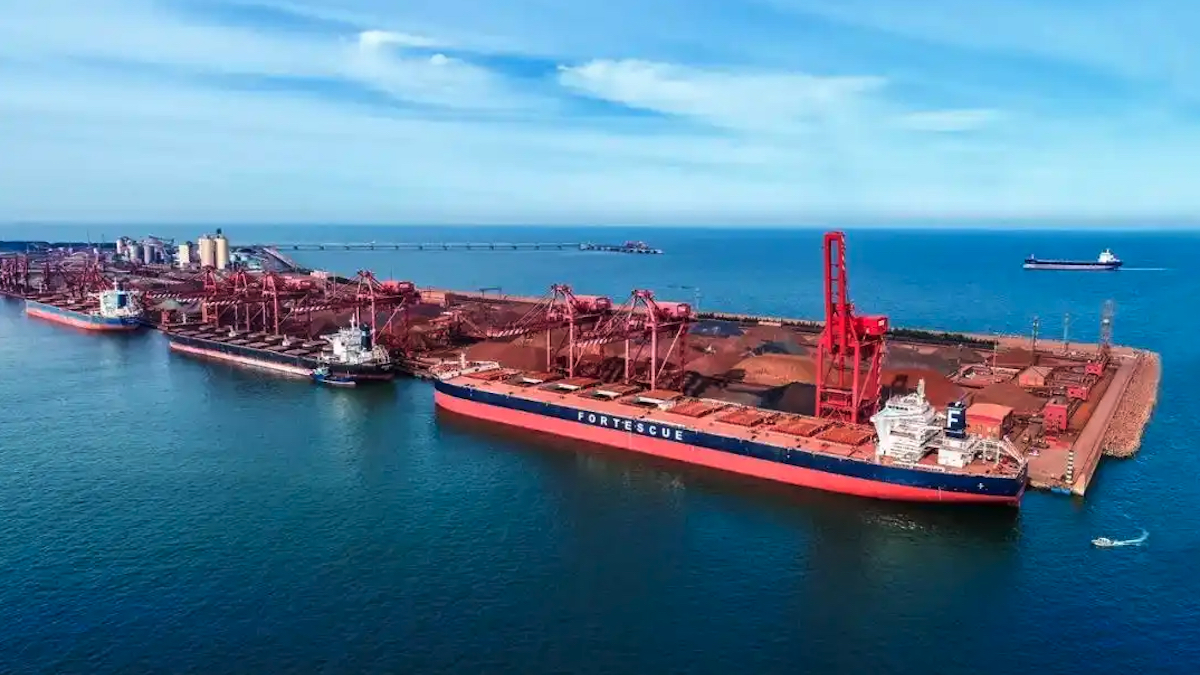
China’s cargo ban gives new meaning to BHP’s ‘Broken Hill’ origin
China has escalated its pricing dispute with BHP Group by instructing domestic steel mills and trading firms to suspend all new purchases of the Australian mining giant’s iron ore cargoes. This move, reported by Bloomberg on Monday, has sent ripples through global commodity markets and intensified pressure on Australia’s mining industry. The directive was issued by China Mineral Resources Group (CMRG), a state-owned entity established in July 2022 to centralize iron ore imports. CMRG has urged major Chinese steelmakers and traders to halt purchases of BHP’s dollar-denominated seaborne iron ore, effectively freezing new contracts and impacting shipments already en route from Australian ports. Only a limited volume of BHP cargoes already in China remains tradable. The decision follows a series of failed negotiations between Chinese and Australian representatives last week, with neither CMRG nor BHP providing public comments. The impasse stems from disagreements over pricing models, with BHP advocating for an annual pricing system tied to the 2024 Platts average ($109.50 per metric ton), while Chinese buyers pushed for quarterly terms linked to lower spot prices. Since September, CMRG has already advised domestic steelmakers to cease purchasing BHP’s high-grade Jimblebar fines due to stalled long-term contract talks. This has led Chinese buyers to explore alternative sources, including Brazil and Guinea’s Simandou region, where Chinese investments are expected to yield significant iron ore production starting this November. Analysts argue that China’s reliance on Australian iron ore, which accounts for 40% of its imports, has left it vulnerable in pricing negotiations. The Simandou project, once fully operational, is projected to supply 120 million tonnes annually, reducing China’s dependence on Australian sources. The dispute underscores broader concerns about pricing power and transparency in global iron ore markets, with Chinese media criticizing the influence of Western capital in shaping Platts benchmarks. The situation also recalls the 2009 case of Stern Hu, a former Rio Tinto executive accused of spying on China’s steel industry, which reportedly weakened China’s bargaining position in past negotiations.
-
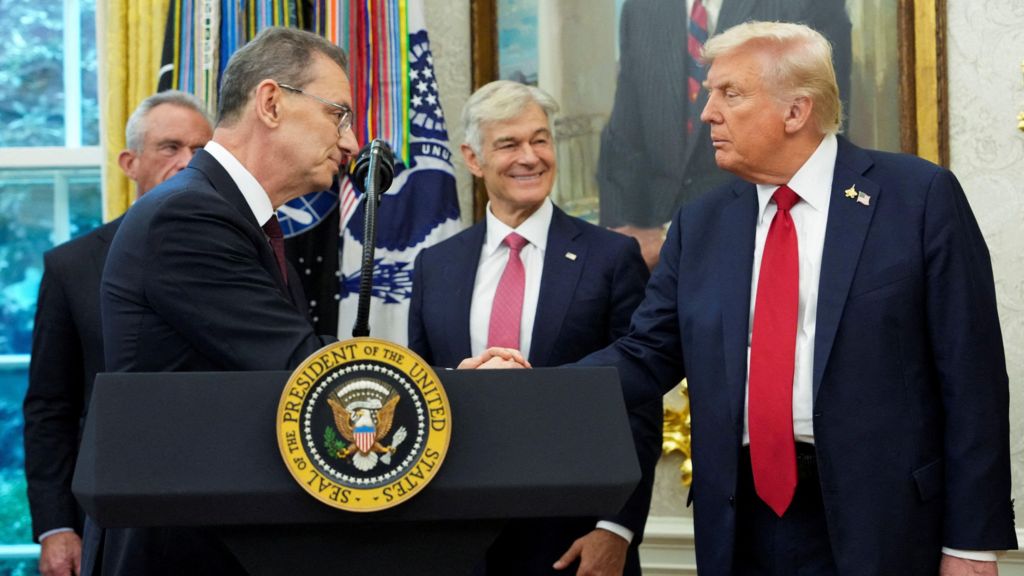
Pfizer to offer cheaper drugs via Trump’s website
In a significant move aimed at reducing healthcare costs, the Trump administration has finalized a groundbreaking agreement with pharmaceutical giant Pfizer. The deal, announced during a White House press conference on Tuesday, will enable patients to purchase prescription drugs at heavily discounted rates through a new federal government-operated website, TrumpRx. Under the terms of the agreement, prices for certain medications will be reduced by up to 85% on the platform. Additionally, Pfizer has committed to lowering drug prices for Medicaid, the government’s health insurance program for low-income Americans, in exchange for exemption from tariffs. This development follows President Trump’s recent announcement of a 100% tariff on imported branded or patented drugs, effective October 1. Pfizer is the first pharmaceutical company to reach such an agreement after Trump issued ultimatums to 17 drug manufacturers earlier this summer, demanding price reductions within 60 days. During the press conference, Trump emphasized his policy of aligning U.S. drug prices with lower international rates, stating that Pfizer’s commitment to offering Medicaid medications at ‘most-favored nations’ prices would significantly reduce program costs. Pfizer confirmed that the majority of its primary care drugs would be available on TrumpRx, though specific medications were not disclosed. The company also pledged an additional $70 billion investment in U.S. manufacturing, research, and development. Pfizer’s CEO, Albert Bourla, highlighted the stability the deal provides regarding tariffs and pricing. Following the announcement, Pfizer’s shares surged nearly 7%. However, Trump acknowledged that his efforts to lower U.S. drug prices might lead to price increases abroad, as seen with Eli Lilly’s decision to raise prices in Europe to offset reductions in the U.S. The effectiveness of TrumpRx, set to launch in early 2026, remains uncertain, as insurance companies and intermediaries continue to influence drug costs.
-

Start-up founder Charlie Javice sentenced for defrauding JPMorgan
Charlie Javice, the founder of student loan start-up Frank, has been sentenced to 85 months in prison for defrauding JPMorgan Chase during the bank’s $175 million acquisition of her company. The sentencing, delivered on Monday in Manhattan federal court, follows her conviction earlier this year on charges of bank, wire, and securities fraud, as well as conspiracy to commit fraud. Javice was found guilty of fabricating customer data to inflate Frank’s user base, misleading JPMorgan into believing the platform had 4 million users when the actual number was closer to 300,000. Federal prosecutors had sought a 12-year sentence, while Javice’s defense team argued for 18 months. In addition to the prison term, U.S. District Judge Alvin Hellerstein ordered Javice to forfeit over $22 million and pay $287 million in restitution to JPMorgan, jointly with her co-defendant Olivier Amar, Frank’s chief growth and acquisition officer. Javice, 33, gained prominence in the financial sector after launching Frank in 2017, which aimed to simplify the college financial aid process. Her success earned her a spot on Forbes’ ’30 Under 30′ list in 2019. However, JPMorgan’s acquisition of Frank in 2021 quickly unraveled as the bank discovered the fraudulent user data. JPMorgan CEO Jamie Dimon has since labeled the deal a ‘huge mistake.’ In a recent letter to Judge Hellerstein, Javice expressed remorse, stating, ‘I accept the jury’s verdict and take full responsibility for my actions. There are no excuses, only regret.’
-
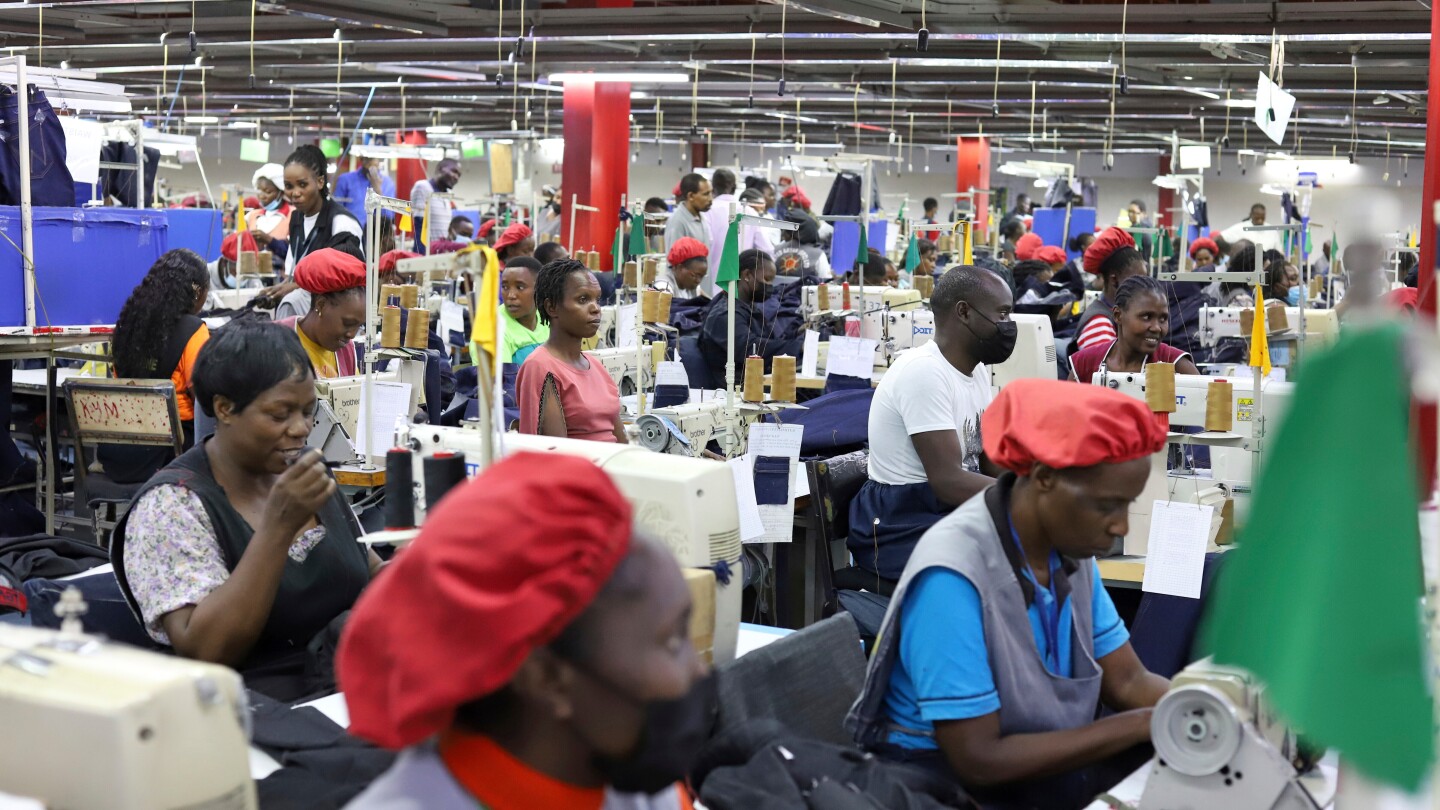
Thousands of jobs at risk in Africa as US trade deal expires
The expiration of the African Growth and Opportunity Act (AGOA), a pivotal U.S. trade agreement that has provided African exporters with duty-free access to American markets since 2000, is set to take effect this Tuesday. This development has left businesses across the continent grappling with heightened competitive pressures and the looming imposition of new tariffs. AGOA has been instrumental in bolstering industries such as Kenya’s textile and apparel sector, enabling it to compete effectively with Asian counterparts like Bangladesh and Vietnam. However, with the agreement’s termination, Kenyan manufacturers, including United Aryan, a Nairobi-based apparel exporter, fear they will lose their competitive edge. ‘Without AGOA, we stand no chance against Asian competitors,’ lamented Pankaj Bedi, owner of United Aryan, which exports Levi’s and Wrangler jeans to the U.S. Kenyan President William Ruto has urged the U.S. to consider renewing and extending AGOA for at least five years, emphasizing its role as a vital link between Africa and the U.S. The end of AGOA coincides with the introduction of new U.S. tariffs, announced in April, which could further exacerbate challenges for African exporters. Kenya, for instance, already faces a 10% tariff on non-AGOA exports, and its manufacturers are hindered by high energy costs, imported raw materials, and limited domestic supply chains. African leaders, including Ruto, are pushing for last-minute renegotiations and bilateral agreements with the U.S., but uncertainty remains. The termination of AGOA threatens to disrupt industries that employ millions, particularly in countries like Kenya, where over 66,000 workers in the textile sector are at risk of job losses. The broader economic implications include reduced foreign investment, weakened supply chains, and rising poverty, according to researchers at the German Institute of Development and Sustainability. For workers like Julia Shigadi, a machinist at United Aryan, the end of AGOA is not just a professional setback but a personal crisis. ‘This job is my lifeline,’ she said. ‘If it’s gone, my life is over.’
-
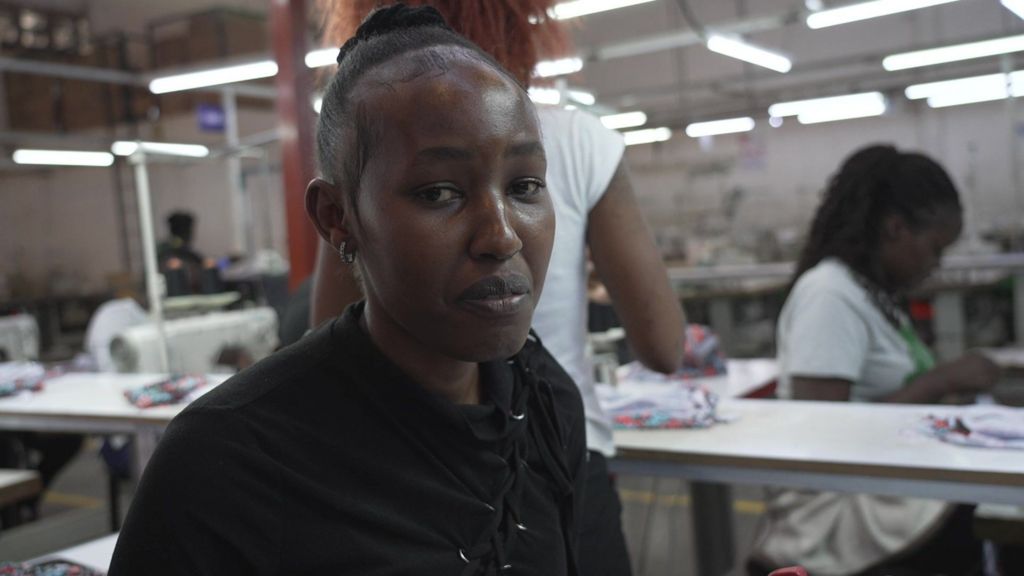
Thousands of workers in limbo as US-Africa trade deal set to expire
At Shona EPZ, a bustling garment factory in Nairobi, Kenya, the hum of sewing machines and the chatter of workers typically create a reassuring rhythm. However, today’s atmosphere is tinged with anxiety as the factory’s future hangs in the balance due to the impending expiration of the African Growth and Opportunity Act (Agoa). This landmark US trade policy, which has granted duty-free access to the US market for African goods for 25 years, is set to expire on Tuesday, leaving thousands of workers like Joan Wambui uncertain about their livelihoods. Joan, a 29-year-old mother, has been employed at Shona EPZ for six months, sewing sportswear exclusively for the American market. Her salary supports her four-year-old daughter, two college-going sisters, and her mother. Losing her job would not only disrupt her family’s stability but also strip her of the dignity and hope that come with a steady income. Shona EPZ, which employs 700 people, has already seen a significant drop in output due to buyer hesitancy amid the uncertainty. Factory director Isaac Maluki warns that without an Agoa extension, layoffs and even shutdowns may be inevitable. The stakes are high not just for Kenya but for over 30 African countries that rely on Agoa to export over 6,000 products to the US. Kenyan Trade Minister Lee Kinyanjui is pushing for at least a short-term extension to allow for transition mechanisms, while President William Ruto seeks a bilateral trade deal with the US. Meanwhile, trade experts like Teniola Tayo urge African nations to diversify their markets and leverage the African Continental Free Trade Area to reduce overreliance on the US. For workers like Joan, the urgency of feeding their families overshadows the slow pace of diplomatic negotiations. Her plea to governments is simple: provide young people with opportunities to showcase their potential.