分类: business

  • Airbus A320 major recall: Which airlines will be affected ahead of holiday season?

    Airbus A320 major recall: Which airlines will be affected ahead of holiday season?

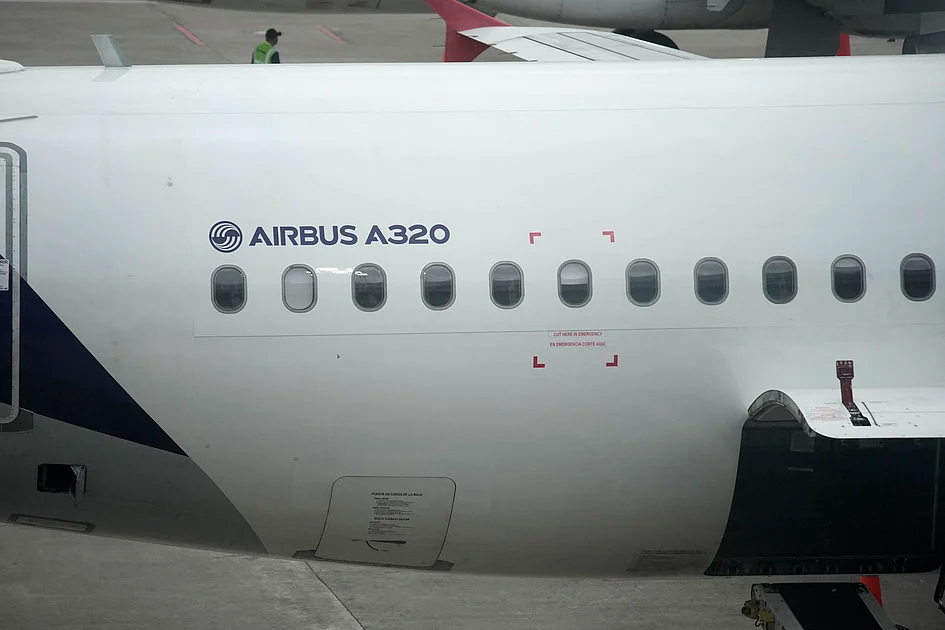
    In an unprecedented move that threatens global air travel during the peak holiday season, European aerospace giant Airbus has issued an immediate recall directive affecting approximately 6,000 of its A320 series aircraft. This sweeping safety mandate impacts more than half of the worldwide A320 fleet, compelling airlines to perform urgent software modifications before these aircraft can resume flight operations.

    The recall, which requires reverting to previous software versions according to an internal bulletin reviewed by Reuters, has triggered widespread operational disruptions across international aviation networks. The timing coincides with the busiest travel weekend of the year in the United States, amplifying potential passenger inconvenience.

    American Airlines, operating the world’s largest A320 fleet, confirmed that 340 of its 480 A320 aircraft require remediation. The carrier anticipates completing most updates by Saturday, with each plane requiring approximately two hours of maintenance.

    Global carriers have reported varying levels of impact. Colombian carrier Avianca faces particularly severe challenges, with over 70% of its fleet affected. The airline has suspended ticket sales for travel through December 8, anticipating significant operational disruptions. Similarly, Air New Zealand expects multiple Saturday cancellations as it updates its A320neo fleet.

    European operators including Lufthansa, Wizz Air, and Air France have reported anticipated delays and cancellations, with Air France having already cancelled 35 flights on Friday. British Airways and Aer Lingus expect minimal disruption, citing limited affected aircraft.

    Indian carriers Air India and IndiGo anticipate operational delays due to extended turnaround times, while Mexican airlines Volaris and Viva expect cancellations within the next 72 hours. Turkish Airlines reported eight aircraft requiring updates but maintained normal operations.

    Several carriers, including United Airlines, Delta Airlines, and Brazil’s Azul SA, indicated minimal or no impact from the recall directive. The disparity in effects stems from variations in aircraft configurations and previous software installations across the global A320 fleet.

    Aviation authorities worldwide are monitoring the situation as airlines race to implement mandatory software changes while minimizing holiday travel disruption.
  • Airlines work to fix software glitch on A320 aircraft and some flights are disrupted

    Airlines work to fix software glitch on A320 aircraft and some flights are disrupted

    Airlines worldwide experienced operational disruptions over the weekend as carriers implemented emergency software updates for Airbus A320 family aircraft, following an investigation that linked solar radiation to potential flight control anomalies. The coordinated global action came after aviation authorities identified that intense solar activity could corrupt critical flight data, prompting both the FAA and European Union Aviation Safety Agency to mandate immediate corrective measures.

    The software vulnerability first came to light following a October 30th JetBlue incident where an aircraft suddenly lost altitude during a flight from Cancun to Newark, resulting in 15 passenger injuries and an emergency diversion to Tampa. Subsequent analysis revealed that cosmic radiation interference could affect the aircraft’s angle of attack sensors, creating potential safety concerns.

    Airbus confirmed Friday that the issue specifically affected its A320 series, the world’s bestselling single-aisle aircraft family and primary competitor to Boeing’s 737. The European manufacturer developed a software patch requiring approximately two hours per aircraft to install, with airlines worldwide scrambling to implement the fix during peak Thanksgiving travel period in the United States.

    American Airlines, operating 209 affected aircraft among its 480 A320-family planes, reported completing most updates by Friday with remaining installations scheduled for Saturday. Delta Air Lines anticipated fewer than 50 affected aircraft, while United Airlines reported six planes requiring updates. Hawaiian Airlines reported no impact, and Air India confirmed completing updates on 40% of its affected fleet without cancellations.

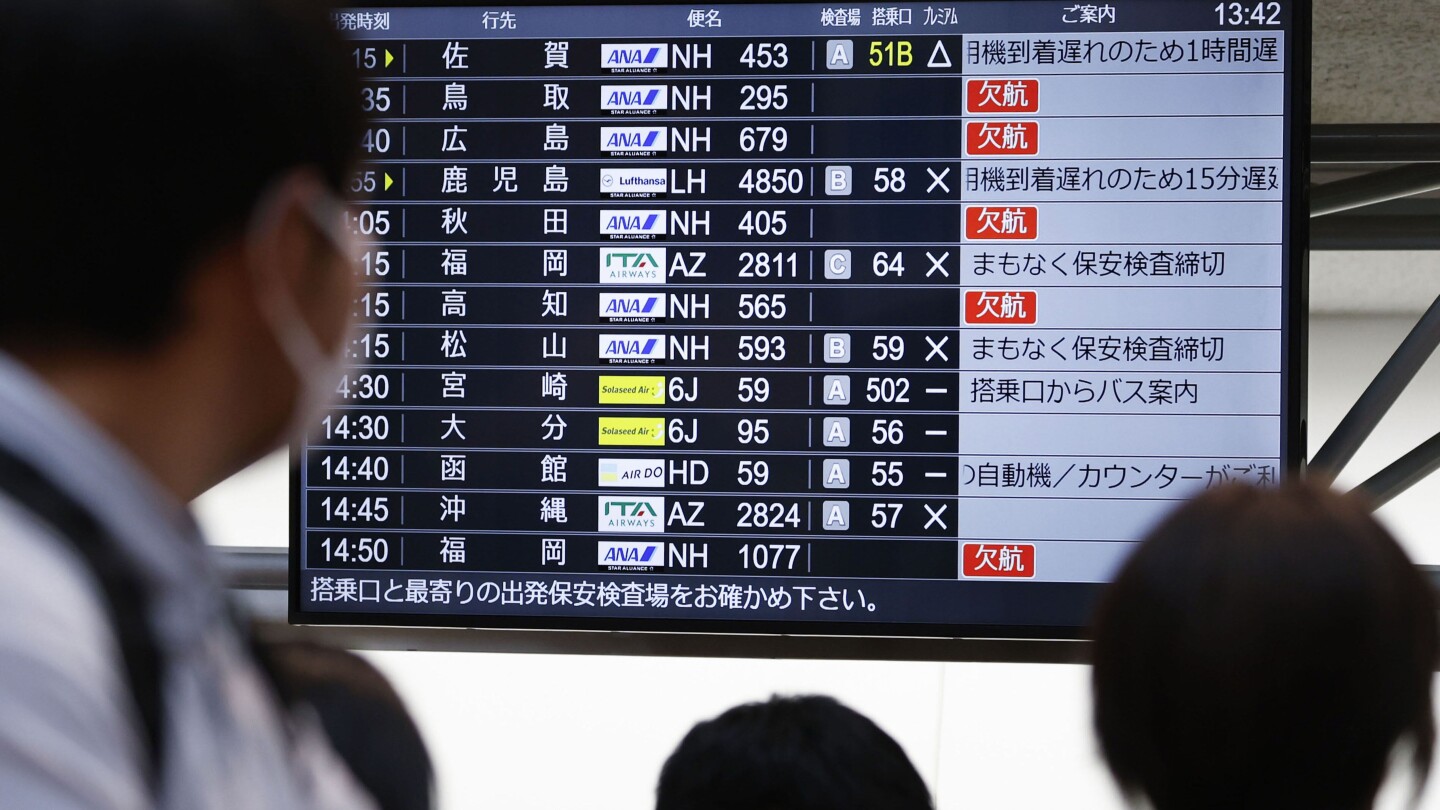
    International carriers including Japan’s All Nippon Airways canceled 65 domestic flights Saturday, with potential additional Sunday cancellations. European operators reported minimal disruptions, with France’s transport ministry noting an “almost complete return to normal” at French airports following overnight software installations. British Airways, Lufthansa, and SAS all reported successful updates with minimal schedule impacts.

    Aviation experts noted the particular challenge of addressing the issue during peak travel season but emphasized the relative simplicity of the software fix. Mike Stengel of AeroDynamic Advisory commented: “While certainly not ideal for this to occur on such a ubiquitous aircraft during a busy holiday weekend, the silver lining is that the update requires only a few hours per plane.”

  • Namibia aims to attract investors: Envoy

    Namibia aims to attract investors: Envoy

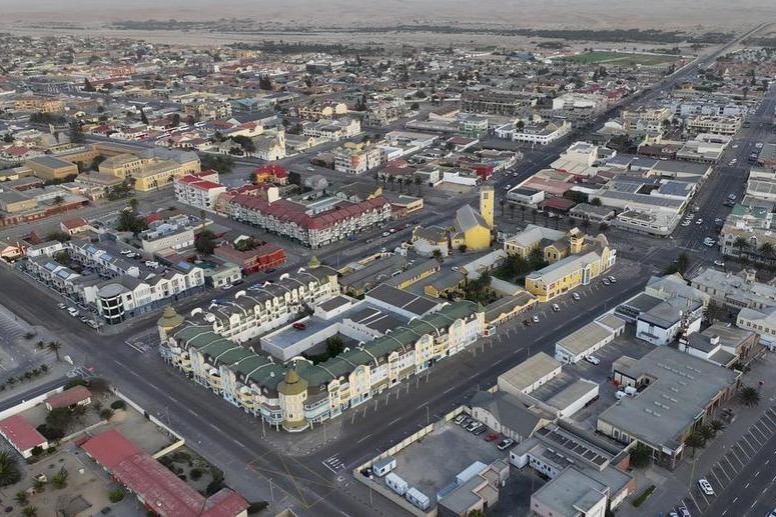
    Namibia is actively courting Chinese investment across multiple strategic sectors, positioning itself as China’s premier cooperation partner in southern Africa. The African nation’s newly appointed ambassador to China, Tonata Itenge-Emvula, has articulated a clear vision for bilateral economic collaboration rooted in mutual benefit and sustainable development.

    With China already established as Namibia’s largest source of foreign direct investment—accounting for approximately 30% of total inflows—and its second-largest trading partner after South Africa, the foundation for expanded cooperation is firmly established. More than 50 Chinese enterprises currently operate within Namibian borders, including major stakeholders in significant mining operations such as the Husab Mine and Rossing Uranium Mine.

    The investment priorities identified by Namibia align strategically with China’s global leadership areas, particularly renewable energy technologies, agricultural modernization, and large-scale industrial processing. Namibia is rapidly emerging as a green energy frontier, with its southern coastline hosting one of Africa’s most advanced large-scale green hydrogen initiatives. The country’s abundant wind and solar resources position it to produce clean fuels, green ammonia, and sustainable industrial products for global markets, including China’s expanding clean energy sector.

    Recent offshore oil discoveries exceeding 3 billion barrels have further elevated Namibia’s status as an emerging petroleum region. Ambassador Itenge-Emvula specifically encouraged Chinese investors to participate in refining and downstream processing operations, moving beyond raw material exports to build industrial capacity that generates employment and develops local expertise.

    Agriculture and food processing represent another priority sector for enhanced cooperation. Through targeted investments in irrigation infrastructure, cold chain technology, and modern agro-processing facilities, Namibia aims to transform into a reliable supplier of premium food products to Asian markets while supporting China’s food security objectives.

    As the world’s third-largest uranium producer with significant deposits of lithium, cobalt, nickel, manganese, and copper, Namibia serves as a crucial supplier of minerals essential to new energy industries. The ambassador emphasized the importance of developing local value chains and mineral processing capabilities rather than continuing the export of unprocessed ore.

    These opportunities are strengthened through Namibia’s active participation in the Forum on China-Africa Cooperation and the Belt and Road Initiative, which provide favorable financing arrangements, trade facilitation measures, and technology exchange mechanisms for enterprises from both nations.

  • Natl capacity to recycle now exceeds supply

    Natl capacity to recycle now exceeds supply

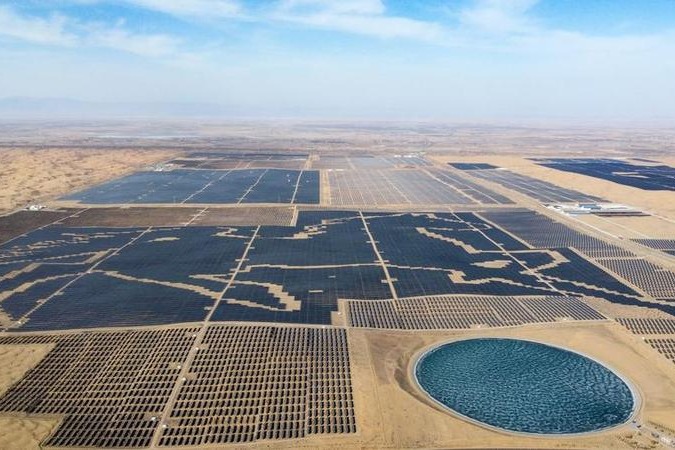
    China has developed substantial recycling capabilities for retired renewable energy equipment that now significantly exceed the nation’s current waste volumes, leaving specialized recycling plants operating below capacity. This revelation came from Guo Yijun, Director-General of the Ministry of Ecology and Environment’s Department of Solid Wastes and Chemicals, during a recent press conference.

    According to official projections, China anticipates processing approximately 1.5 to 2 million metric tons of decommissioned photovoltaic modules, 500,000 tons of wind turbine blades, and 1 million tons of power batteries by 2030. These estimates, however, are based on product lifespans and may not fully reflect actual disposal levels as some equipment will find secondary markets for reuse.

    The nation’s recycling infrastructure has expanded rapidly, with current annual capacity reaching approximately 2 million tons for solar panels and about 1 million tons for wind turbine components. Additionally, 148 Ministry of Industry and Information Technology-certified companies now possess a combined annual capacity of 2.5 million tons for processing discarded power batteries.

    Guo addressed concerns that China’s rapidly expanding renewable energy sector might generate unmanageable waste streams, noting that the current reality demonstrates the opposite situation—recycling capacity outstrips supply. He described the phenomenon using the Chinese expression “cannot eat their fill,” indicating recycling facilities are operating below their potential.

    The official also highlighted China’s robust capacity for recycling conventional discarded products, including home appliances and vehicles. More than 90 qualified enterprises with a combined annual capacity of 180 million units recycled approximately 95 million home appliances in 2024, generating nearly 2 million tons of recycled materials. Similarly, China’s network of over 1,900 certified end-of-life vehicle recycling facilities processed 8.46 million vehicles in 2024, representing a 64 percent year-on-year increase.

    Despite these advancements, Guo cautioned about emerging overcapacity risks in vehicle dismantling, noting that regional commerce authorities have repeatedly warned market participants to make rational investment decisions to prevent resource waste and disorderly competition.

  • This African nation built its development on diamonds. Now it’s crashing down

    This African nation built its development on diamonds. Now it’s crashing down

    GABORONE, Botswana — Botswana’s diamond-dependent economy, once celebrated as Africa’s remarkable success story, now confronts an existential threat from the rapid ascent of laboratory-grown diamonds. This seismic shift in the global gem market has triggered widespread job losses, economic contraction, and urgent calls for diversification in a nation where diamonds fundamentally shaped national development.

    For Keorapetse Koko, a 17-year veteran diamond polisher recently laid off from her position, the crisis manifests as personal financial devastation. “I have debts and I don’t know how I am going to pay them,” lamented the mother of two, who previously earned approximately $300 monthly with medical benefits—a respectable income in a country where the average monthly salary hovers around $500. Her specialized skills, honed over nearly two decades, now render her unemployable in a contracting industry.

    Botswana’s diamond narrative began with a transformative 1967 discovery, just one year post-independence, catapulting the nation from profound poverty to becoming the world’s foremost diamond producer by value. The gems financed critical national infrastructure, healthcare systems, and educational institutions, deftly avoiding the ‘resource curse’ that plagued many mineral-rich African counterparts.

    However, the industry now faces compounded challenges. Lab-grown diamonds, primarily mass-produced in China and India, now command nearly 20% of global market share—a dramatic surge from merely 1% in 2015. These synthetics, marketed as ethical, eco-friendly alternatives priced up to 80% lower than natural stones, have particularly captured younger consumers through sophisticated social media campaigns and celebrity endorsements from figures like Billie Eilish and Pamela Anderson.

    The economic repercussions are severe: Diamond exports, constituting approximately 80% of Botswana’s foreign earnings and one-third of government revenue, have plummeted. Debswana, the dominant local producer jointly owned by the government and De Beers, witnessed revenues halve in the past year. Second-quarter diamond production crashed by 43%—the steepest decline in Botswana’s modern mining history—with the World Bank projecting a 3% economic contraction for 2024.

    Southern African nations are mounting a coordinated response. Botswana, Angola, Namibia, South Africa, and Congo have agreed to allocate 1% of annual diamond revenues toward a global marketing initiative led by the Natural Diamond Council. This effort promotes natural diamonds as “Real. Rare. Responsible” through campaigns featuring actress Lily James, attempting to reestablish their unique value proposition.

    Botswana’s government has initiated a sovereign wealth fund to pursue economic diversification beyond mining, though details remain vague. The nation’s substantial tourism sector—featuring elephant-based attractions—and other mineral resources including gold, silver, and uranium now assume heightened importance.

    Yet for displaced workers like Koko, these strategic shifts arrive too late. “I was the breadwinner in a big family,” she reflected. “Now I don’t even know how to feed my own.” Her poignant reality underscores the human dimension of an industry in transformation: despite dedicating her career to diamonds, she never owned one herself, as even the smallest stone remained an unaffordable luxury.

  • Nexperia control battle rages as China’s Wingtech files appeal

    Nexperia control battle rages as China’s Wingtech files appeal

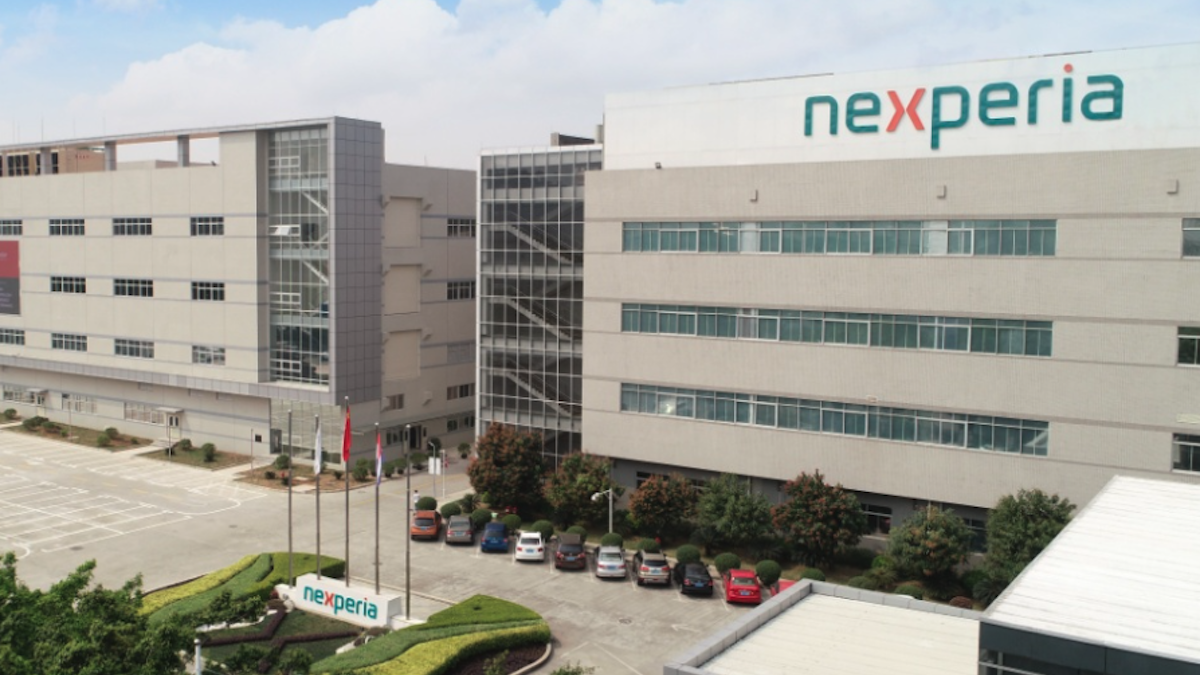
    A critical management stalemate between Dutch semiconductor firm Nexperia and its Chinese parent company Wingtech Technology continues to disrupt global chip supplies, despite diplomatic interventions from both Dutch and Chinese authorities.

    The crisis erupted in late September when the Dutch government invoked the Goods Availability Act to temporarily seize control of Nexperia, citing supply chain security concerns. This triggered immediate retaliation from Beijing, which halted all chip exports from Nexperia’s mainland Chinese factories.

    Tensions temporarily eased in November when Dutch Economic Affairs Minister Vincent Karremans announced the suspension of government intervention as a “constructive step” toward dialogue with China. Beijing responded by granting limited exemptions for qualified civilian chip exports, providing minimal relief to strained supply chains.

    However, the core management dispute remains unresolved. Nexperia’s Dutch leadership, under interim CEO Stefan Tilger, has prevented original chief executive Zhang Xuezheng from resuming control. This deadlock has kept Nexperia’s Chinese factories from restarting full production, extending uncertainty for global customers.

    In a dramatic development, Nexperia issued an open letter on Thursday urging its China-based entities to “immediately resume constructive dialogue” and respond to outstanding communications. The company revealed numerous unanswered emails, rejected meeting requests, and stalled decision-making processes that have hindered stabilization efforts.

    The letter warned that continued communication breakdown is “unsustainable and detrimental to all stakeholders,” putting customers and suppliers at significant risk. Nexperia proposed employing a neutral external mediator to break the deadlock.

    Wingtech Technology responded forcefully on Friday, accusing Nexperia’s letter of containing “misleading allegations and false information.” The Chinese company asserted it has repeatedly expressed willingness to negotiate the restoration of its “lawful control rights” through multiple channels, contrary to Nexperia’s claims of silence.

    The parent company presented three formal demands: cessation of factual distortions, constructive proposals on restoring lawful control rights, and immediate dedicated consultations on the control-rights issue. Wingtech has also appealed to the Netherlands’ Supreme Court regarding decisions that stripped it of control.

    Analysts note the Dutch government’s seemingly contradictory position—suspending ministerial intervention while maintaining court rulings that prevent Chinese shareholders from regaining control. Chinese commentators have accused the Dutch side of “saying one thing and doing another.”

    The dispute has escalated to the highest levels of EU-China relations. Chinese Commerce Minister Wang Wentao discussed the matter with EU Trade Commissioner Maros Sefcovic, maintaining that the disruption “originated with the Dutch side” while urging concrete solutions. Both sides agreed to encourage renewed negotiations between the parties.

    Industry observers present two potential scenarios: continued supply suspension if Wingtech cannot regain control, or management restructuring and legal challenges if Chinese control is restored. The outcome will significantly impact global semiconductor availability and EU-China trade relations.

  • ‘This path is for the bold’: Why I’m holding my crypto conviction despite losses

    ‘This path is for the bold’: Why I’m holding my crypto conviction despite losses

    Amid a severe cryptocurrency market downturn that has decimated altcoin portfolios by 70-90%, a cohort of determined investors continues to uphold their long-term convictions despite staggering losses. The current market environment presents a radically different landscape from previous cycles in 2017 or 2021, characterized by increased institutional participation and heightened susceptibility to macroeconomic forces and geopolitical shifts.

    Market veterans are implementing strategic pivots in response to these changed conditions, with some influential group leaders abandoning previously recommended small-cap projects in favor of more promising mid-cap alternatives. This repositioning has created disorientation among followers who initially felt misled, yet acknowledges the market’s fundamental transformation.

    The psychological toll of sustained portfolio declines evokes comparisons to marathon running with receding finish lines or excessive work hours without compensation. Despite this emotional strain, core believers maintain their positions based on foundational principles rather than short-term gain expectations.

    These investors perceive cryptocurrency as analogous to early internet investment opportunities, with blockchain technology positioned to revolutionize financial systems, real estate, scientific research, and artistic expression. Prominent macroeconomic expert Raoul Pal reinforces this perspective by comparing blockchain investing to acquiring early stakes in internet infrastructure rather than individual companies.

    A growing demographic of financially frustrated women, particularly those concerned about retirement security within traditional systems, is increasingly exploring cryptocurrency alternatives. They seek empowerment through financial self-education and alternative retirement strategies, confronting cautious warnings from those unfamiliar with the crypto ecosystem.

    The prevailing wisdom within dedicated investment circles emphasizes boldness—distinct from recklessness or delusion—as essential for altering financial trajectories. This approach requires maintaining curiosity and self-trust during periods of apparent market collapse, with many investors focusing on the anticipated mainstream adoption horizon of 2030 while developing supplementary income streams and reaffirming their original investment theses.

  • Aerzen acquires GPE Turbo to reinforce its position as a technology pioneer

    Aerzen acquires GPE Turbo to reinforce its position as a technology pioneer

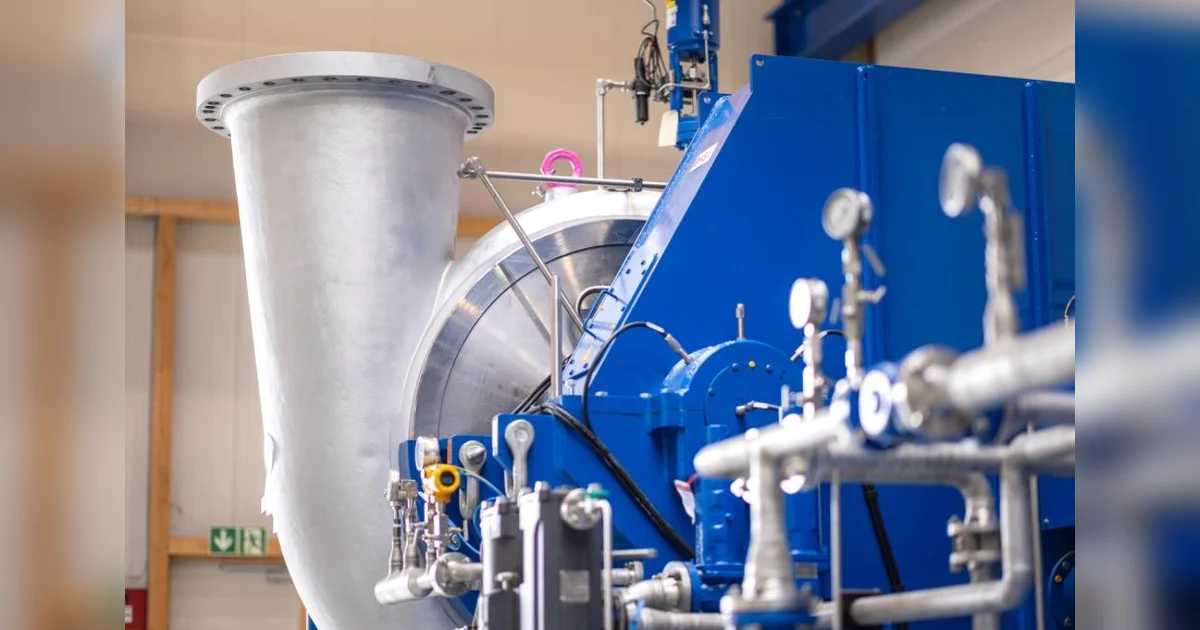
    In a strategic move to consolidate its technological leadership, Aerzen—a globally recognized manufacturer of blowers, compressors, and turbos—has finalized the acquisition of GPE Turbo, a Leipzig-based specialist in high-performance turbo solutions. This acquisition, announced on November 28, 2025, significantly enhances Aerzen’s capabilities in the process gas industry and reinforces its position as an innovation driver in the energy, steel, and industrial sectors.

    The integration of GPE Turbo into the Aerzen Group enables a substantial expansion of its product portfolio, particularly in high-pressure and high-volume applications. The combined expertise now offers turbo compressors capable of handling pressures up to 300 bar and volume flows of up to 300,000 m³/h, serving critical industries such as oil and gas, steel production, power generation, and chemical processing. Additionally, the acquisition extends Aerzen’s offerings in low-pressure turbo solutions, with volume flows now reaching 100,000 m³/h—benefitting sectors like wastewater management, mining, and vapour compression.

    GPE Turbo brings decades of specialized experience in customised turbo solutions, particularly in green technologies including hydrogen applications. Its in-house R&D capabilities and agile manufacturing processes allow for rapid adaptation to market needs. The merger also combines both companies’ global sales and service networks, ensuring broader customer access to advanced, energy-efficient technologies.

    Klaus Peter Glöckner, Managing Director of Aerzen Worldwide, emphasized the alignment in vision between the two firms: ‘Aerzen and GPE Turbo share the same DNA, values, and drive. Together, we will elevate the industry through innovation, quality, and customer-centric solutions.’ Ralf Stephani of GPE Turbo echoed this sentiment, highlighting the potential for worldwide distribution of their tailored turbo systems through Aerzen’s established global network.

    Since its founding in 1864, Aerzen has been at the forefront of gas conveyance and compression technology. This acquisition marks a new chapter in its history, enhancing its ability to set new benchmarks in performance, efficiency, and reliability while supporting global industrial transitions toward sustainable energy solutions.

  • New freight train service launched from Handan international land port

    New freight train service launched from Handan international land port

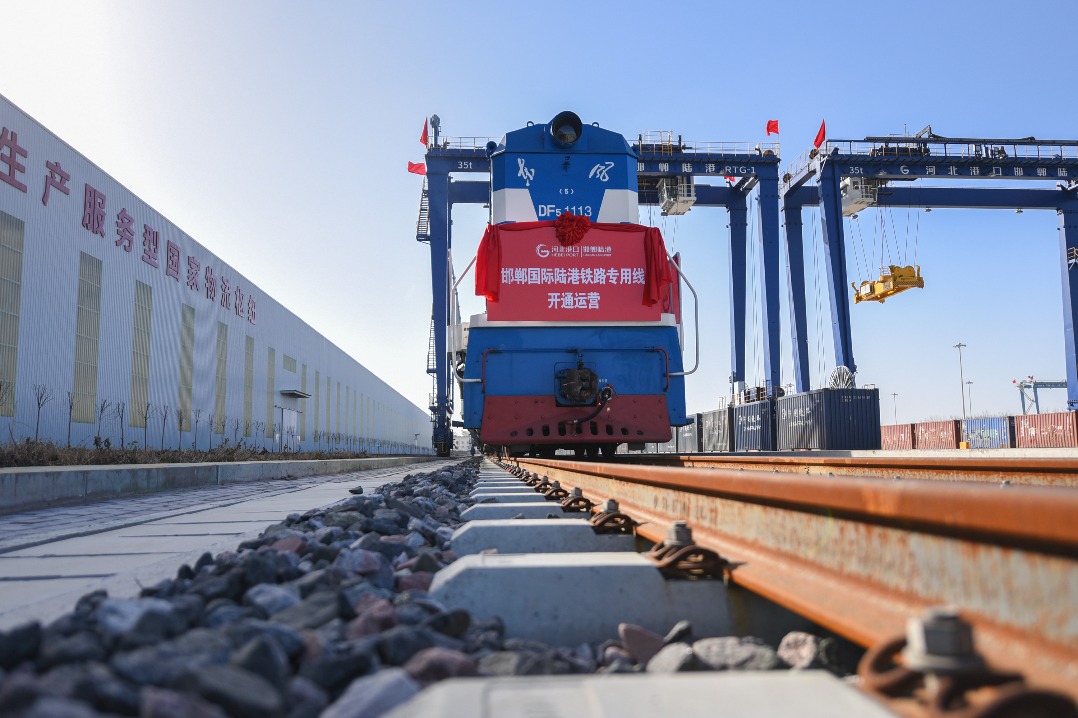
    HEBEI – Handan International Land Port inaugurated a significant new rail freight service on Thursday, marking a substantial advancement in regional logistics infrastructure. The inaugural departure occurred at 10:58 AM, featuring a train transporting 3,200 metric tons of soybeans, which officially commenced operations for the port’s dedicated railway network.

    This strategically developed 8.9-kilometer rail line establishes direct connectivity with four major national railway arteries: the Beijing-Guangzhou line (extending to Guangdong province), the Handan-Huanghuagang route (serving Cangzhou, Hebei province), the Handan-Changzhi line (to Shanxi province), and the Handan-Jinan connection (to Shandong province).

    According to Kang Qiang, Deputy General Manager of Handan International Land Port Co., the new infrastructure boasts an impressive annual handling capacity of five million tons of cargo and 300,000 twenty-foot equivalent units (TEUs). The railway will specialize in transporting bulk commodities, vehicles, and containerized goods, significantly reducing both logistics expenses and environmental impacts associated with traditional road transportation.

    The port authority has announced ambitious plans to introduce China-Europe Railway Express services upon completion of customs facilities. This development will provide comprehensive one-stop clearance services, substantially enhancing operational convenience for local enterprises engaged in international trade and strengthening regional economic competitiveness.

  • Tradeling and Yango Ads sign MoU to advance digital advertising and retail media innovation in the UAE

    Tradeling and Yango Ads sign MoU to advance digital advertising and retail media innovation in the UAE

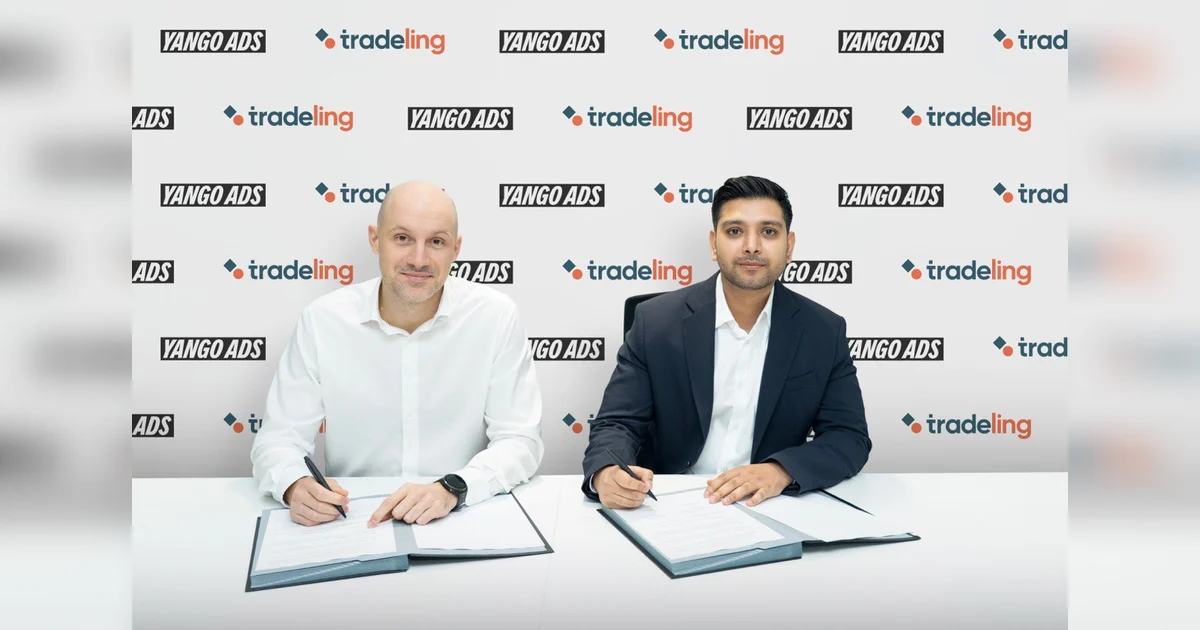
    In a significant development for the Middle Eastern digital commerce sector, Tradeling, the region’s premier digital commerce ecosystem operating under Dubai’s visionary ‘Dubai 10X’ programme, has entered into a strategic partnership with Yango Ads, the advertising technology division of Yango Group. The memorandum of understanding establishes a collaborative framework to pioneer next-generation retail media and advertising technology solutions across the Middle East.

    The collaboration merges Yango Ads’ sophisticated artificial intelligence-driven advertising capabilities with Tradeling’s extensive digital commerce infrastructure, which currently serves over 50,000 buyers with access to more than 8 million stock keeping units. Owned by the Dubai Integrated Economic Zones Authority (DIEZA), Tradeling’s platform facilitates seamless sourcing for small and medium enterprises, corporate procurement teams, hospitality sectors, retailers, and e-commerce merchants throughout the region.

    This alliance enables Yango Ads to provide brands with access to high-intent, first-party retail media audiences within Tradeling’s purchasing environment, thereby enhancing supplier visibility and conversion rates throughout the customer journey. Concurrently, Tradeling will leverage Yango Ads’ AI-powered targeting, optimization, and performance technologies to empower platform suppliers and brands with improved visibility and accelerated growth.

    Evgenii Pavlov, General Manager for Yango Ads in Middle East and Africa, emphasized the transformative potential of this partnership: ‘This collaboration brings together two of the region’s most forward-thinking digital ecosystems. By combining Tradeling’s sophisticated digital commerce infrastructure with our retail media and AdTech capabilities, we aim to deliver smarter, highly targeted advertising solutions for suppliers, brands, and enterprise buyers.’

    Safvan Vali, Marketing Director at Tradeling, reinforced this sentiment: ‘Our mission has always been to simplify and digitally transform B2B trade across the region. This partnership strengthens that mission with advanced advertising, AI, and performance tools that help our sellers grow faster, reach the right audiences, and accelerate their digital transformation.’

    The timing of this collaboration is particularly strategic, given the Middle East and North Africa’s B2B trade market valuation of approximately $1 trillion, with online B2B commerce projected to reach $40-50 billion within the next five years. The partnership will explore multiple areas of mutual interest, including retail media monetization, supplier advertising solutions, AI-driven audience targeting, and the development of digital advertising opportunities across Tradeling’s marketplace and independent retailer network.

    Both organizations will additionally investigate joint go-to-market initiatives and non-binding commercial pilots under the memorandum’s framework. This alliance positions both entities to shape the forthcoming wave of AI-powered retail media and fundamentally transform how businesses discover, purchase, and expand their operations throughout the Middle Eastern market.