分类: business

  • Airbus narrows software crisis as airlines ride out A320 recall

    Airbus narrows software crisis as airlines ride out A320 recall

    Airbus SE is rapidly containing a global software crisis affecting its A320-family aircraft, with airlines reporting faster-than-expected implementation of emergency fixes mandated after a vulnerability to solar flare interference was identified. The issue emerged following a mid-air incident involving a JetBlue Airways aircraft that experienced an altitude drop, prompting what industry sources describe as the most extensive emergency recall in Airbus history.

    Regulators worldwide issued a sweeping directive requiring software updates before further flight operations, initially affecting approximately 6,000 aircraft—roughly half the global A320-family fleet. The emergency measure raised concerns about potential travel disruption during the busy US Thanksgiving weekend, but carriers from Asia to the Americas executed retrofits with surprising speed.

    The technical solution involves reverting to a previous software version that controls the aircraft’s nose angle, requiring engineers to upload the update via physical data loaders directly connected to cockpit systems—a security measure designed to prevent cyber intrusion. While most aircraft required approximately three hours for the software reset, a subset of older jets will need complete computer replacements, though the number affected has been revised downward from initial estimates of 1,000 aircraft.

    Industry executives note the crisis represents Airbus’s first encounter with global safety scrutiny on this scale since rival Boeing’s 737 MAX troubles. In a notable departure from traditional aviation industry communication practices, CEO Guillaume Faury issued a public apology—a response strategy observers attribute to lessons learned from Boeing’s reputational damage following perceived hesitation and lack of transparency during its crisis.

    The episode revealed operational challenges within Airbus’s monitoring capabilities, as the manufacturer lacks real-time awareness of which software versions operate across its global fleet due to reporting delays. Several airlines initially struggled to identify affected aircraft because the blanket alert didn’t include specific serial numbers, though carriers subsequently refined their assessments downward as implementation progressed.


  • Dubai: New toll gates, variable pricing, strong profit boost Salik’s rating

    Dubai: New toll gates, variable pricing, strong profit boost Salik’s rating

    Dubai’s exclusive toll gate operator Salik Company PJSC has achieved a significant credit rating enhancement from Fitch Ratings, moving from A- to A with a stable outlook. This upgrade reflects the company’s robust financial health and strategic operational expansions throughout 2024-2025.

    The rating improvement follows Salik’s implementation of two major initiatives: the introduction of variable toll pricing effective January 31, 2025, and the activation of two additional toll gates in November 2024. These new collection points, positioned at Business Bay Crossing on Al Khail Road and Al Safa South on Sheikh Zayed Road, bring the total number of operational toll gates across Dubai to ten.

    Financial metrics demonstrate exceptional performance, with Salik reporting a net profit of Dh1.14 billion for the first nine months of 2025—a substantial 39.1% increase compared to the same period last year. The company maintained a trailing twelve-month net debt/EBITDA ratio of 2.61x as of September 30, 2025, well below its debt covenant threshold of 5.0x.

    Cash flow generation remained robust, with free cash flow reaching Dh1.47 billion during the nine-month period, representing a 39.5% year-on-year increase and a remarkable free cash flow margin of 64.7%. The company attributes its financial strength to its exclusive position in Dubai’s toll road system, conservative leverage approach, and long-term concession agreement with the Roads and Transport Authority (RTA) that ensures stable cash flow generation.

    Company leadership emphasized that despite the upgraded credit profile, Salik has no immediate plans for public debt issuance. Chairman Mattar Al Tayer stated that the rating improvement reflects international confidence in Salik’s business model and Dubai’s smart transportation infrastructure. CEO Ibrahim Sultan Al Haddad added that maintaining investment-grade status positions the company favorably for future capital market access when required.

  • New logistics network transforms fortunes of remote Metog county

    New logistics network transforms fortunes of remote Metog county

    The remote county of Metog in Tibet Autonomous Region has undergone a remarkable economic transformation, evolving from one of China’s most isolated regions into a vibrant commercial hub through revolutionary logistics improvements and e-commerce integration.

    Historically known as the ‘isolated island’ of the Qinghai-Tibet Plateau due to its formidable terrain, Metog represented China’s last county without road access until 2013. The completion of a national highway ended decades of geographical isolation, creating fundamental infrastructure for economic development.

    The breakthrough accelerated dramatically when major e-commerce platforms eliminated logistics transfer fees for remote regions starting in late 2024. This policy shift proved instrumental in connecting Metog’s unique products with national markets. The county’s renowned stone pots, traditionally used for cooking, have emerged as particularly sought-after items among consumers across China.

    Local entrepreneur Wangmo exemplifies this transformation. Since establishing her online stone pot business in 2017, she has witnessed extraordinary growth following the improved shipping policies. ‘My orders now span the entire country, with the farthest destinations reaching Taiwan and Hong Kong,’ Wangmo reported. Her store on Pinduoduo platform now achieves monthly sales exceeding 100 stone pots.

    The logistics revolution has created a dual benefit system: while enabling local products to reach national markets, it simultaneously allows residents to access goods previously unavailable. Wangmo’s newly built home showcases various appliances purchased online, demonstrating how improved delivery systems have enhanced living standards.

    JD Logistics has been at the forefront of this transformation. According to their Lhasa representative, deliveries that previously required over a week now frequently arrive within 24 hours. This dramatic improvement stems from JD’s expanded self-operated warehousing network, with Metog orders now shipping from their smart warehouse in Lhasa.

    The economic impact appears substantial. During the recent Singles’ Day shopping festival, Tibet led the nation in per capita spending, indicating robust consumer engagement. Official statistics reveal Metog’s GDP reached 1.01 billion yuan ($142 million) with a 6.95% growth rate, while urban and rural disposable incomes grew by 7% and 8.3% respectively.

    This comprehensive logistics network has effectively bridged the gap between agricultural producers and national markets, creating seamless distribution channels for Tibet’s unique products while significantly reducing transportation costs for local farmers.

  • US futures slip and Asian stocks are mixed, while oil prices surge more than $1 a barrel

    US futures slip and Asian stocks are mixed, while oil prices surge more than $1 a barrel

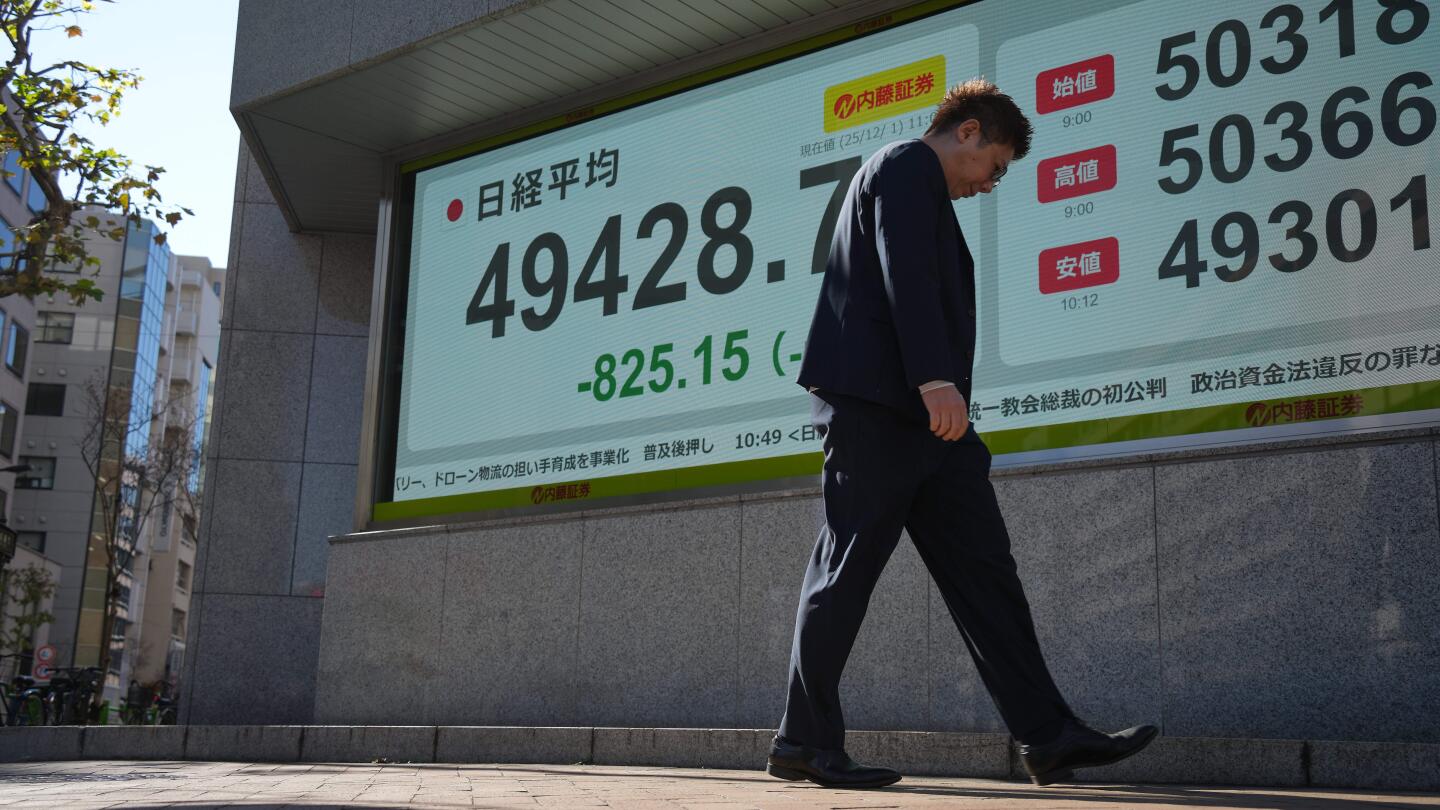
    Asian financial markets exhibited a divergent trajectory at the start of the trading week, characterized by significant declines in Japan’s Nikkei 225 index which plummeted 1.9% to 49,285.66. This downturn followed the release of disappointing corporate investment figures and a persistently contracting manufacturing sector. The S&P Global Japan Manufacturing Purchasing Managers Index (PMI) registered at 48.7 in November, marking its fifth consecutive month in contraction territory below the critical 50-point expansion threshold.

    China’s industrial sector mirrored these challenges, with official data confirming an eighth straight month of factory activity contraction. This ongoing weakness in Asia’s largest economies occurs despite the extended trade truce between Washington and Beijing, highlighting deeper structural economic challenges.

    Regional performance varied considerably across Asian markets. Hong Kong’s Hang Seng index defied the trend with a 0.8% gain to 26,068.05, while mainland China’s Shanghai Composite advanced 0.4% to 3,904.90. South Korea’s Kospi remained virtually unchanged, and Australia’s S&P/ASX 200 slipped 0.3%. Notable corporate movement included Meituan, the Chinese food delivery giant, whose shares declined 1.5% despite revenue growth, as intense competition compressed profit margins.

    Energy markets witnessed substantial movement with benchmark crude oil prices climbing over $1 per barrel. Currency markets saw the U.S. dollar weaken against the Japanese yen to 155.57, while the euro gained modest ground. Cryptocurrency markets experienced volatility as Bitcoin retreated 5.3% to $86,225.

    The manufacturing slowdown across Asia is being closely monitored for indications of how elevated U.S. tariffs might be affecting export-dependent economies. Despite these industrial challenges, regional exports have demonstrated resilience in recent months. Market attention remains divided between manufacturing weaknesses and robust consumer spending during the recent Black Friday and Cyber Monday retail events, which reportedly exceeded expectations.

    U.S. futures pointed to a lower opening, with S&P 500 futures down 0.7% and Dow Jones Industrial Average futures declining 0.4%. This follows a technical disruption on Friday that halted trading for hours at the Chicago Mercantile Exchange due to a data center outage, though markets ultimately finished the abbreviated post-Thanksgiving session with gains.

  • Greek sheep and goat cull raises fears of feta cheese shortage

    Greek sheep and goat cull raises fears of feta cheese shortage

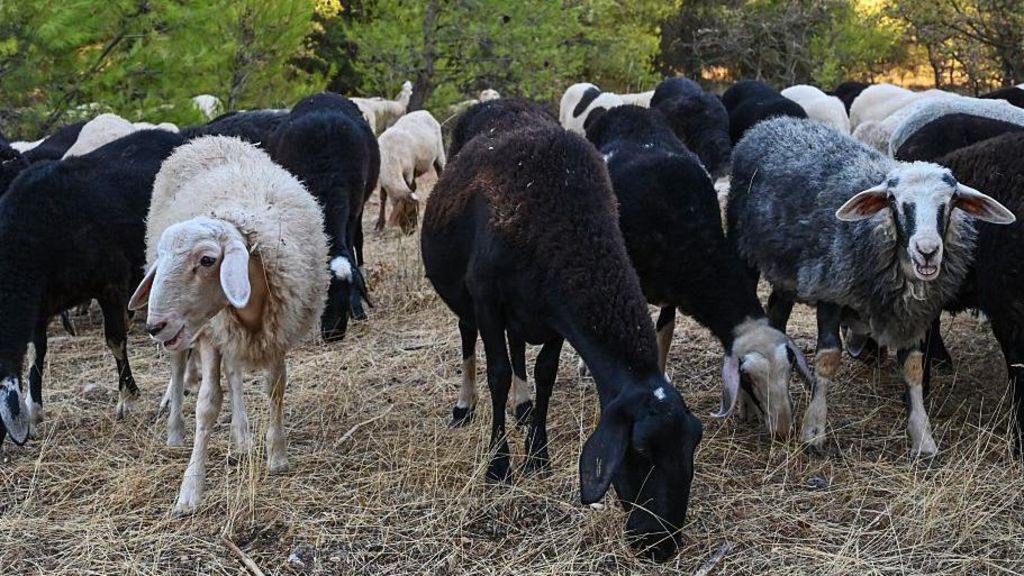
    Greece’s prestigious feta cheese industry is confronting a severe crisis as a devastating sheep and goat pox outbreak forces the mass culling of hundreds of thousands of animals across the country. The viral disease, first detected in northern Greece in August 2024, has rapidly spread through multiple regions, resulting in the preventive slaughter of approximately 417,000 sheep and goats—representing 4-5% of the nation’s total flock.

    The economic impact extends far beyond livestock losses, threatening the core of Greece’s iconic dairy export. With 80% of Greek sheep and goat milk dedicated to feta production—a Protected Designation of Origin product within the EU—the shortage is already affecting small dairies’ ability to source milk. While consumer prices remain stable for now, experts warn that market shortages and increased production costs are imminent if the outbreak persists.

    Farmers like Anastasia Siourtou of Karditsa describe both financial devastation and emotional trauma after veterinary officials culled her entire flock of 650 sheep. ‘I felt that I failed to protect them,’ she recounts, highlighting the personal toll beyond economic ruin. Similarly, Tassos Manakas, who lost 873 animals, describes the profound emptiness of his now-silent farm.

    The government response has faced significant criticism for delayed action and inadequate compensation. A National Scientific Committee for disease management wasn’t established until October 2025—fourteen months after the initial detection—while the state veterinary service remains severely understaffed. Affected farmers receive between €132-220 per animal, amounts they claim fall far short of actual losses.

    The crisis has sparked debate about vaccination strategies, with farmers demanding mass immunization similar to approaches in Bulgaria and Turkey. However, Greek authorities resist this solution, fearing that vaccination could lead to Greece being classified as endemic for the disease, potentially triggering export restrictions on dairy products. Complicating matters, officials suspect up to one million illegal vaccinations may have been administered, distorting the epidemiological picture.

    With feta exports valued at €785 million annually—including €520 million to EU nations and €90 million to the UK—the stakes for Greece’s agricultural economy couldn’t be higher. As the industry grapples with this unprecedented challenge, farmers face the difficult choice between implementing emergency measures or risking permanent damage to Greece’s culinary heritage.

  • Report says world’s biggest arms producers increased revenue by 5.9% last year to record level

    Report says world’s biggest arms producers increased revenue by 5.9% last year to record level

    The global arms industry has reached unprecedented financial heights, with the world’s top 100 weapons manufacturers achieving a record $679 billion in revenue during 2024. According to the Stockholm International Peace Research Institute (SIPRI), this represents a significant 5.9% year-over-year increase, driven primarily by escalating military expenditures and ongoing conflicts in Ukraine and Gaza.

    European and American defense contractors dominated this growth trajectory. Thirty of the thirty-nine U.S. companies listed in SIPRI’s top 100, including industry giants Lockheed Martin, Northrop Grumman, and General Dynamics, reported substantial revenue increases. Combined, American firms generated $334 billion—a 3.8% rise from the previous year. However, SIPRI highlighted persistent challenges within major U.S. defense programs, including the F-35 fighter jet, which continues to experience significant delays and budget overruns.

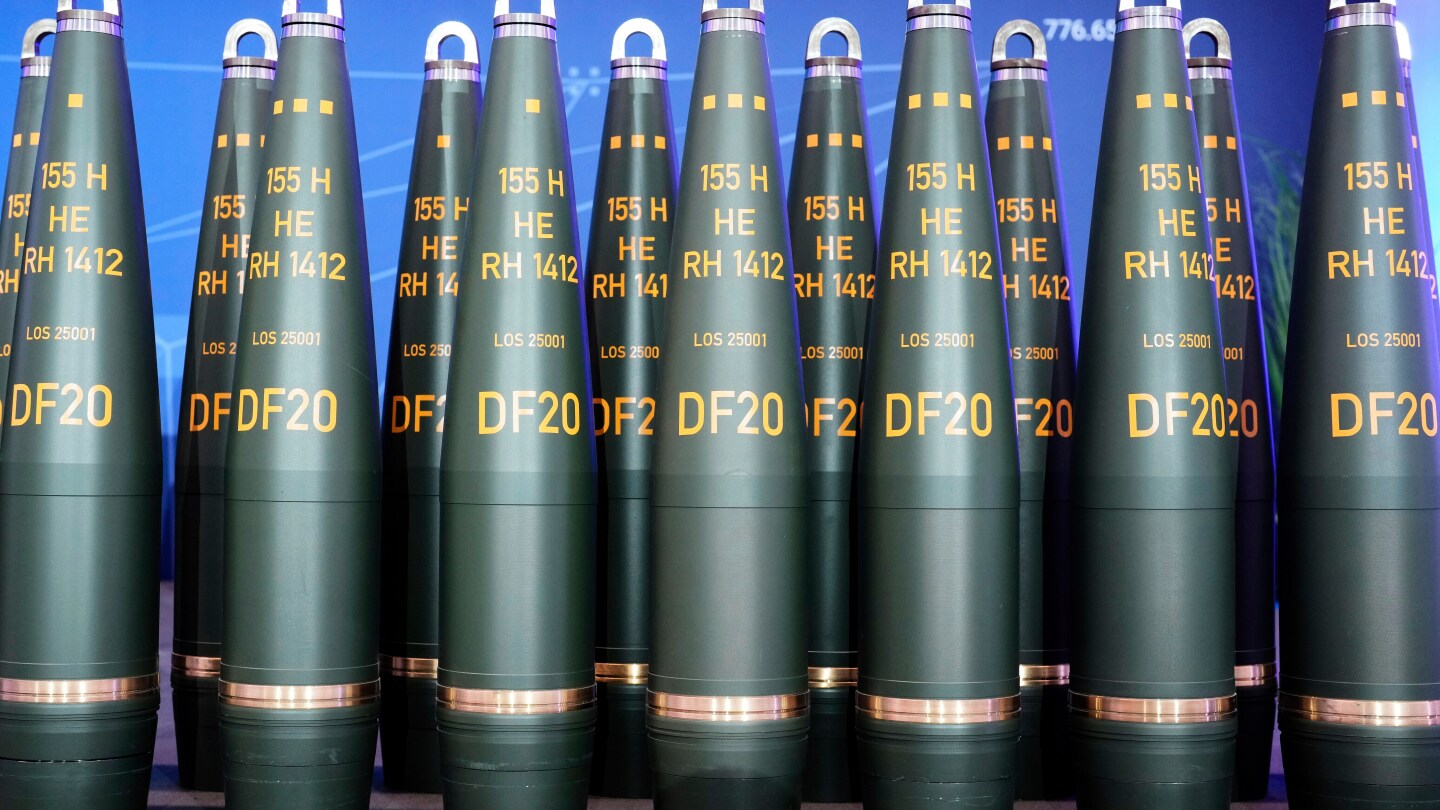
    European arms producers demonstrated even more dramatic growth, with twenty-three of the region’s twenty-six leading firms posting higher revenues. Aggregate income for European companies surged by 13% to $151 billion, fueled by increased defense spending in response to the Ukraine conflict and perceived threats from Russia. Notably, Czechoslovakia’s Czechoslovak Group saw revenue skyrocket by 193%, largely due to government-led artillery shell procurement initiatives for Ukraine. Similarly, Ukraine’s JSC Ukrainian Defense Industry recorded a 41% revenue increase.

    Despite Western sanctions, Russia’s two major arms manufacturers—Rostec and United Shipbuilding Corporation—achieved a combined 23% revenue growth to $31.2 billion. Domestic demand effectively compensated for declining exports, though both companies face challenges related to component shortages and skilled labor deficits.

    The Middle Eastern arms sector also expanded, with three Israeli companies collectively increasing revenue by 16% to $16.2 billion. SIPRI researchers noted that international criticism of Israel’s actions in Gaza had minimal impact on global demand for Israeli weapon systems, with many countries continuing to place new orders.

    Asia and Oceania represented the only declining market, with overall revenue dropping 1.2% to $130 billion. This decrease was largely attributable to a 10% revenue decline among Chinese arms manufacturers, resulting from corruption allegations that disrupted procurement processes and led to canceled or delayed major contracts.

    SIPRI researchers caution that while European firms are investing in expanded production capacity, future growth may be constrained by supply chain complexities, particularly regarding critical minerals affected by Chinese export restrictions.

  • OPEC+ likely to maintain production at current levels

    OPEC+ likely to maintain production at current levels

    OPEC+ ministers are anticipated to maintain existing oil production levels during their virtual meeting on Sunday, according to analyst consensus. This decision comes amidst significant market volatility and geopolitical tensions that continue to influence global oil prices.

    The biannual ministerial conference occurs during a period of exceptional uncertainty regarding future oil price trajectories. Market participants are closely monitoring developments in Ukraine conflict negotiations, which could potentially facilitate Russia’s full return to international crude markets. Since April, eight core OPEC+ nations—spearheaded by Saudi Arabia and Russia—have incrementally increased production to reclaim market share amid intensifying competition from non-OPEC producers including the United States, Canada, and Guyana.

    However, in early November, the V8 consortium announced a strategic pause on output increases scheduled for the first quarter of 2026, citing anticipated seasonal demand reduction. This follows a minor production elevation implemented in December.

    Commerzbank analyst Barbara Lambrecht noted the meeting is ‘unlikely to deliver any major new drivers for the market,’ emphasizing that potential ceasefire agreements could reduce the current risk premium baked into oil prices. Conversely, Arne Lohmann Rasmussen of Global Risk Management suggested that negotiation deadlocks might compel the Trump administration to reinforce sanctions against Russia’s energy sector, potentially driving prices upward.

    The collective uncertainty has solidified analyst expectations that OPEC+ will maintain status quo production levels across the alliance. While discussions regarding maximum sustainable production capacities for member nations were initiated at previous meetings—establishing benchmarks for 2027 quotas—HSBC analyst Kim Fustier indicated these deliberations remain premature for immediate implementation.

  • AI boom and population growth drive UAE’s electricity demand surge

    AI boom and population growth drive UAE’s electricity demand surge

    The United Arab Emirates is confronting an unprecedented energy challenge as explosive growth in artificial intelligence infrastructure and rapid population expansion threaten to overwhelm the nation’s power grid. Industry experts project that regional data center power consumption—currently at approximately one gigawatt—will quadruple within the next five years, creating an urgent need for massive energy infrastructure investment.

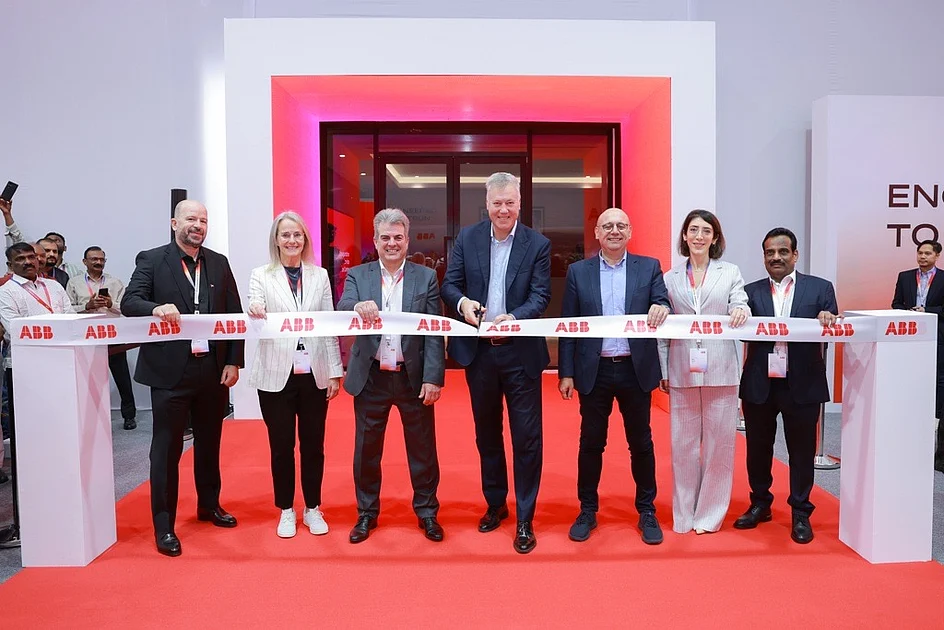
    This looming energy crisis was highlighted during the inauguration of ABB’s new $2 million Customer Experience and Training Centre in Dubai’s Al Quoz Industrial Area. Giampiero Frisio, President of ABB’s Electrification Business Area, warned that meeting this skyrocketing demand would be equivalent to constructing three nuclear reactors, emphasizing that renewable energy expansion alone cannot address the challenge.

    The UAE’s electricity consumption is forecast to grow by up to 4% annually through 2035, driven by multiple factors including urbanization, industrial growth, transportation electrification, and cooling demands. This surge is further accelerated by demographic changes, with nearly 100,000 new residents arriving quarterly, and government initiatives positioning the country as a global AI and digital infrastructure hub.

    ABB’s new 2,500-square-meter facility aims to address the dual challenge of an aging workforce and critical digital skills shortage by training approximately 2,000 engineers and technicians annually from across the Middle East. The center will provide advanced training in AI-enabled asset management, predictive maintenance, and grid automation—essential capabilities as decades-old utility infrastructure must adapt to intermittent renewable sources and sudden power peaks from AI workloads.

    This investment aligns with the UAE’s Net Zero 2050 strategy, which targets 32% renewable energy in the national mix by 2030. While massive solar projects like the nearly 5 GW Al Dhafra facility—the world’s largest—are reshaping energy supply, experts emphasize that advanced energy management, battery storage, and AI-driven optimization will be crucial for balancing sustainability, affordability, and reliability.

    Beyond technical training, ABB is fostering innovation through partnerships with global technology leaders like Nvidia and local startups via innovation contests. These collaborations aim to develop predictive algorithms and energy-as-a-service models that promise both efficiency gains and reduced upfront costs for customers.

    With electricity projected to become the world’s primary energy source—rising from 22% today to nearly 45% by 2050—the UAE’s proactive approach to grid modernization and digitalization could establish a regional benchmark for managing the AI-driven energy revolution.

  • UAE National Day – Celebrating vision, unity and the spirit of possibility

    UAE National Day – Celebrating vision, unity and the spirit of possibility

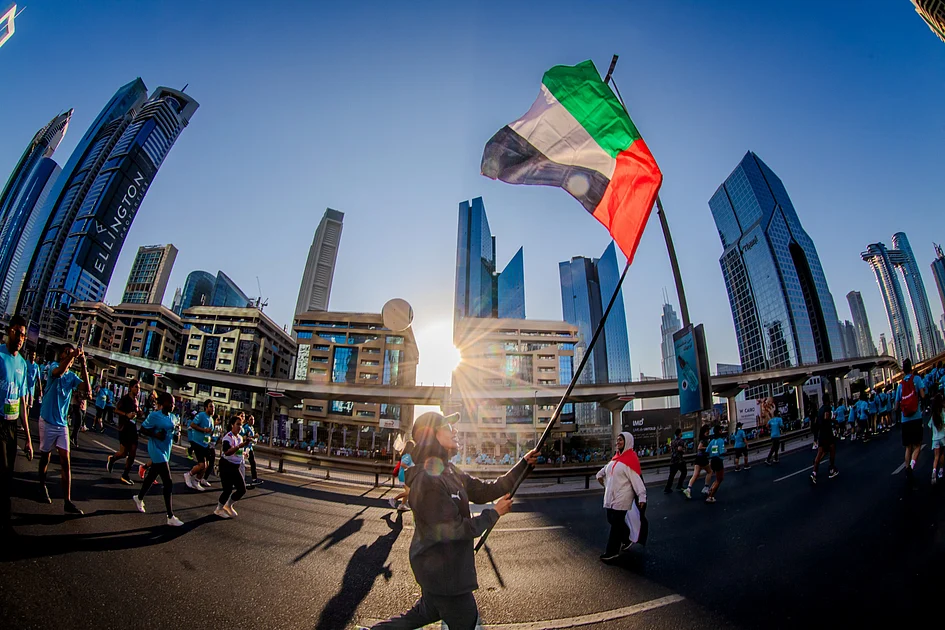
    As the United Arab Emirates commemorates its 54th National Day, the nation’s transformative journey stands as a powerful model of strategic development and economic vision. Business executives across multiple sectors are highlighting how the country’s commitment to long-term growth has fundamentally shaped their organizational success and personal trajectories.

    Isabel Afonso, CEO of Arcera Life Sciences, emphasizes that the UAE’s progress represents “more than five decades of advancement driven by strategic foresight, substantial investments in human capital, and dedicated development of industrial capabilities.” She notes that Arcera itself emerged from the nation’s confident ambition, established by sovereign investor ADQ to position Abu Dhabi as a global leader in innovative and sustainable life sciences. The company’s recent transformation into a unified entity, One Arcera, has strengthened its capacity to drive meaningful health outcomes with greater cohesion and determination.

    For Symbolic Developments, the UAE represents both home and business foundation for over three decades. Managing Director Mustafa Moiz reflects on the profound gratitude his family holds for a country that has consistently inspired innovation and unity. “Our journey in the UAE is integral to our identity,” Moiz states, noting how his company’s mission to build homes that enrich residents’ lives aligns perfectly with the nation’s community-first philosophy.

    The entrepreneurial landscape continues to thrive under the UAE’s supportive ecosystem. Amreen Iqbal, Founder of Piece of You Jewellery, credits the country’s unique balance of honoring heritage while empowering individual legacy-building as critical to her creative enterprise. “The UAE’s spirit of innovation, unity, and limitless possibility has shaped my journey and inspired my business to flourish,” she acknowledges.

    These executive perspectives collectively reveal a fundamental truth: the UAE has evolved beyond mere geography to become a dynamic catalyst for growth, an enduring source of inspiration, and a environment where ambition systematically converges with opportunity. As the nation progresses along its remarkable trajectory, business leaders and residents alike stand prepared to contribute to the next chapter of its extraordinary story.

  • Dubai’s real estate market has extended its record-breaking streak

    Dubai’s real estate market has extended its record-breaking streak

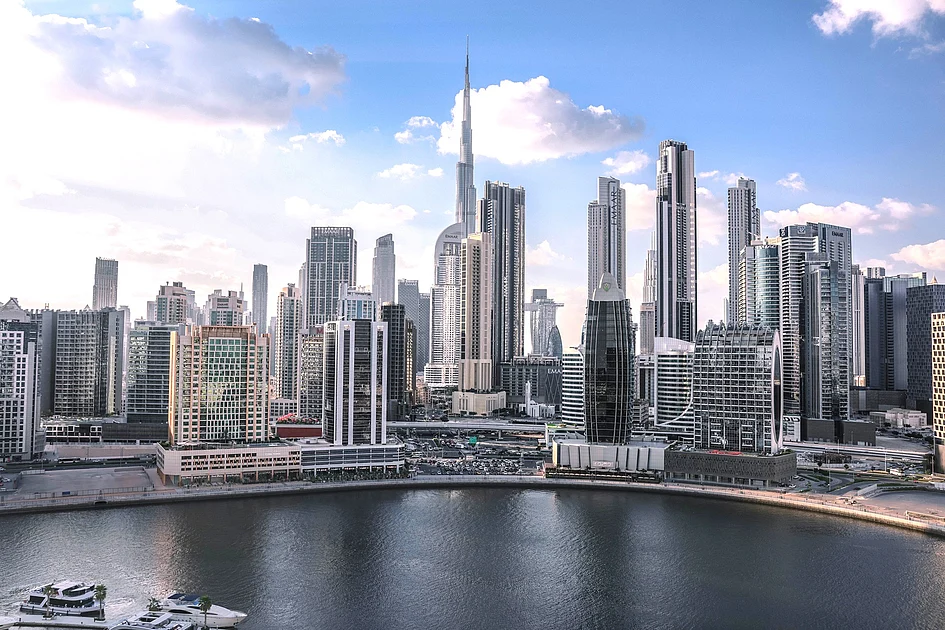
    Dubai’s property market continues its unprecedented growth trajectory in 2025, establishing new benchmarks for global real estate performance. Transaction volumes have soared beyond 158,000 deals year-to-date, representing a staggering Dh498.8 billion ($136 billion) in total value. This constitutes a remarkable 32% increase in monetary value and 20% growth in transaction volume compared to the previous year.

    The third quarter alone witnessed exceptional performance with 59,000 sales totaling Dh170.7 billion, marking the highest quarterly achievement in the market’s history. Property values maintain their upward momentum with a 10% year-on-year increase across residential segments. Villas continue to outperform apartments due to sustained supply limitations and robust end-user demand, particularly in premium communities where values have appreciated between 15-30%.

    Simultaneously, Dubai’s rental market shows signs of stabilization following two years of substantial increases. With average annual rents approaching Dh99,000, affordability concerns are driving more tenants toward property ownership. Recent surveys indicate 55% of current renters plan to purchase properties within three years, a significant increase from 25% last year.

    The market expansion has prompted major development initiatives, including the recent launch of Arthouse Hills Arjan. This represents the second Arthouse-branded residential project in Dubai, bringing New York-inspired design aesthetics to one of the city’s fastest-growing communities. The development positions itself as one of Arjan’s tallest and most amenity-rich towers, emphasizing wellness-oriented and culturally inspired living experiences.

    Industry leaders emphasize the project’s significance in elevating community standards. Omar Gull, Founder & Chairman of Cledor, stated: “Arthouse Hills Arjan establishes new benchmarks for design-led, amenity-rich living in emerging Dubai communities.”

    Concurrently, Abu Dhabi’s real estate sector demonstrates parallel progress. Burtvile Developments’ Bab Al Qasr Canal View Residence 22 project at Al Raha Beach has reached 7% completion, exceeding scheduled progress by 6.21%. The development featuring 242 residential units across three towers continues to attract both residents and investors seeking premium living options in the capital’s desirable communities.