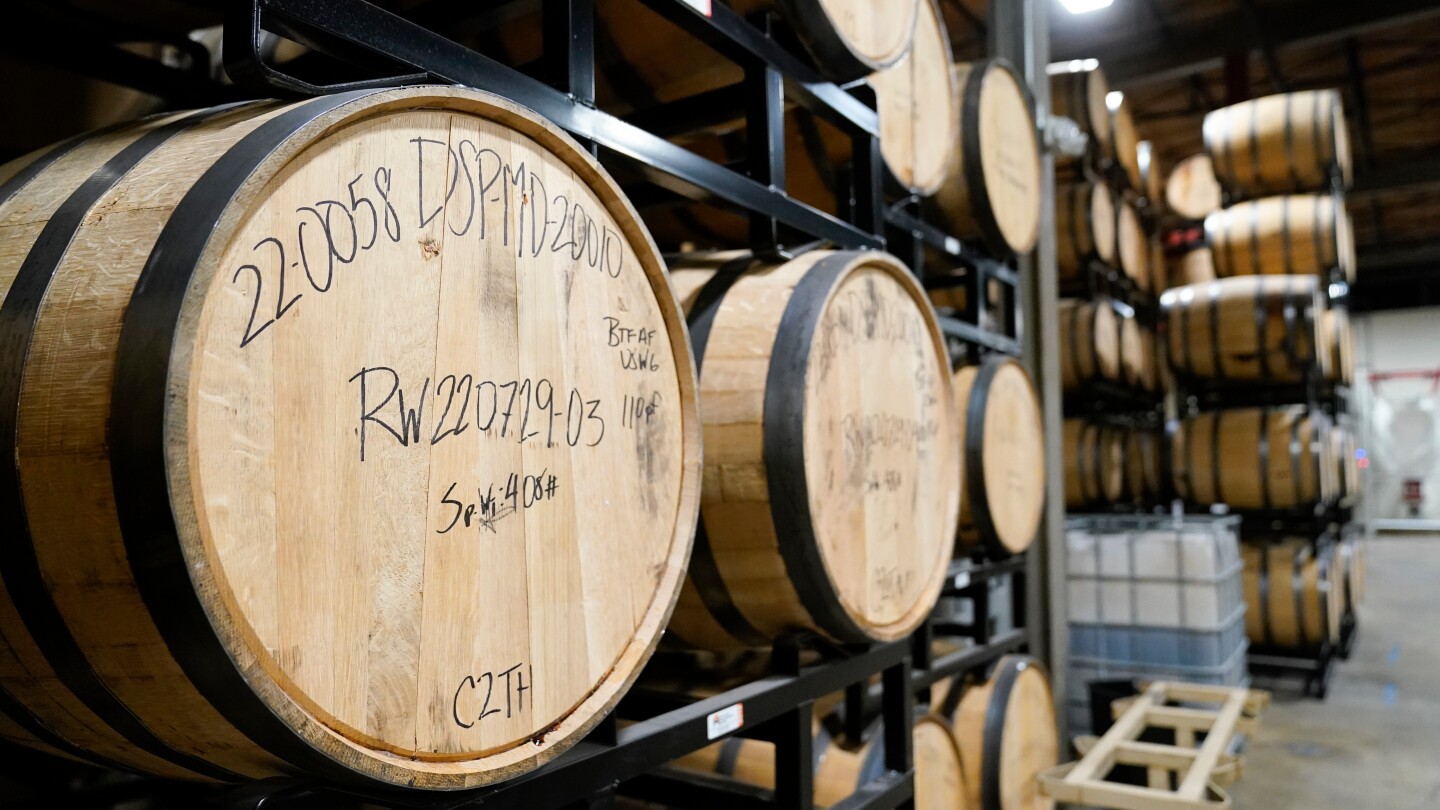
The U.S. spirits industry is grappling with a significant downturn in exports, particularly in key international markets, as global trade tensions continue to take their toll. According to the Distilled Spirits Council of the United States, American spirits exports to Canada plummeted by 85% in the second quarter of 2025, marking the most dramatic decline among major trading partners. This sharp drop comes despite Canada’s recent removal of retaliatory tariffs on U.S. spirits, as provincial bans persist.
分类: business
-
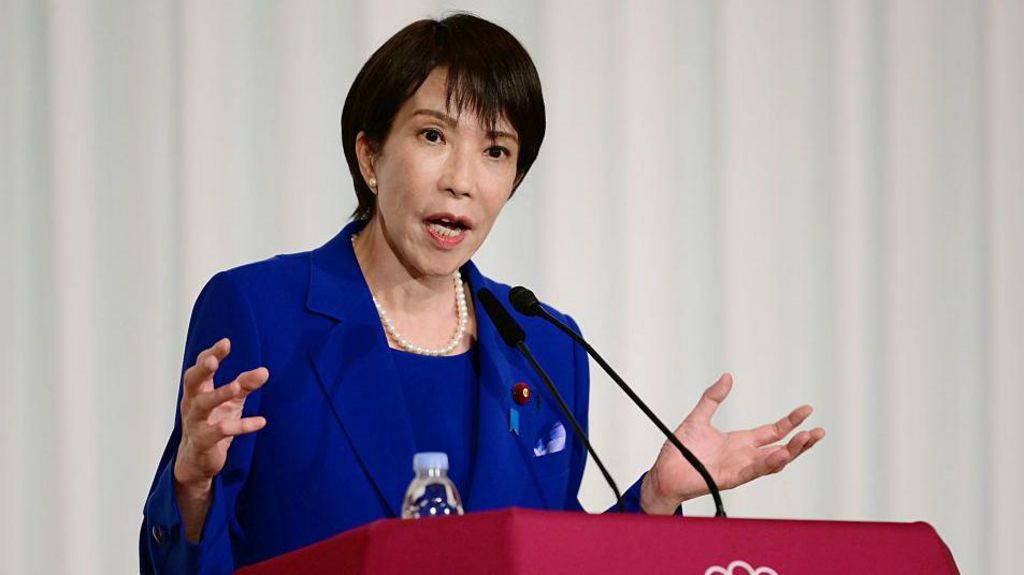
Japan stocks hit record after ruling party names pro-business leader
Japanese financial markets experienced a significant surge as Sanae Takaichi was elected the new leader of the ruling Liberal Democratic Party (LDP), setting the stage for her to become Japan’s next prime minister. The Nikkei 225 index soared by over 4%, surpassing the 47,000 mark for the first time in history. Takaichi, a pro-business politician, is renowned for her advocacy of increased public spending and reduced borrowing costs. Her admiration for former UK Prime Minister Margaret Thatcher and her free-market economic policies have further bolstered investor confidence. Following her victory in the LDP leadership race, shares in real estate, technology, and heavy industry sectors saw notable gains. However, the Japanese yen plummeted to a record low against the euro and dropped by more than 1.5% against the US dollar. If confirmed as the successor to Shigeru Ishiba later this month, Takaichi will make history as Japan’s first female prime minister. She faces the daunting tasks of revitalizing a sluggish economy, addressing rising household costs, and fostering wage growth. Additionally, Takaichi will need to manage the complex US-Japan relationship and finalize a tariff agreement with the Trump administration, a deal initiated by the Ishiba government.
-

US pharmacy chain Rite Aid closes final stores
Rite Aid, once a dominant player in the US pharmacy sector, has officially closed all its remaining stores, marking the end of a 63-year legacy. The company’s website was updated on Saturday with a closure announcement, expressing gratitude to its loyal customers and providing a link for them to access their pharmacy records. Founded in 1962, Rite Aid grew to become one of the nation’s largest pharmacy chains, boasting 5,000 stores at its peak. However, the company has faced significant challenges in recent years, including financial instability and a Justice Department investigation. By the time of its final closure, fewer than 100 stores were still operational. Rite Aid filed for bankruptcy twice, in October 2023 and May 2025, as part of efforts to restructure and address litigation claims. The company also faced legal repercussions for its role in the opioid crisis, settling lawsuits for up to $30 million in 2022 and agreeing to a Justice Department complaint in July 2024 over unlawful prescriptions. The closure of Rite Aid adds to a broader trend of pharmacy chain shutdowns across the US, with CVS and Walgreens also reducing their retail footprints. Experts warn that these closures are contributing to the rise of ‘pharmacy deserts,’ leaving millions of Americans without convenient access to essential medications.
-

The indigenous weavers who aim for empowerment over exploitation
In the vibrant city of Riohacha, Colombia, the traditional Wayuu mochila bags have transcended their indigenous roots to become a global fashion staple. Once exclusive to the Wayuu, Colombia’s largest indigenous group, these handwoven bags are now celebrated worldwide, adorning international boutiques, fashion events, and online platforms like Etsy, Amazon, and Instagram. For Sandra Aguilar, a mochila seller on Riohacha’s palm-lined promenade, each sale is a testament to her heritage. ‘Thanks to online posts, international visitors are becoming very knowledgeable about the mochila,’ she says, highlighting the growing appreciation for its ancestral value. The Wayuu, numbering around 380,000 in Colombia, have woven these bags for centuries, with geometric patterns reflecting clan identity, spirituality, and the natural world. Weaving is not only a cultural practice but also a vital source of income in La Guajira, Colombia’s second-poorest province. While the global demand has brought economic opportunities, it has also introduced challenges, including exploitation and the erosion of traditional craftsmanship. Many artisans face low wages, with intermediaries offering as little as $5.50 per bag, leaving weavers with minimal profit. However, socially-conscious entrepreneurs and organizations are working to promote fair trade and cultural preservation. Laura Chica, founder of Chila Bags, emphasizes the importance of high-quality, traditionally patterned mochilas, ensuring artisans receive fair wages. Her brand has gained international recognition, featured in Vogue China and showcased at fashion weeks worldwide. Yet, the market remains divided. While some brands prioritize sustainability and fair trade, others focus on mass production, often at the expense of quality and fair pay. Organizations like Fundación Talento Colectivo and One Thread Collective are empowering weavers through education and leadership workshops, aiming to foster autonomy and entrepreneurship. Yamile Vangrieken, a weaver from Riohacha, exemplifies this shift. Leading a group of relatives, she collaborates with One Thread Collective to export their bags, providing stable income and microloans. Despite the challenges, the mochila’s rise in global fashion has brought increased recognition to the Wayuu and their artistry. ‘We are also artists, even if we don’t have a title that says so,’ Aguilar asserts. ‘Our essence is in our designs, in our products, and we mustn’t let that go.’
-
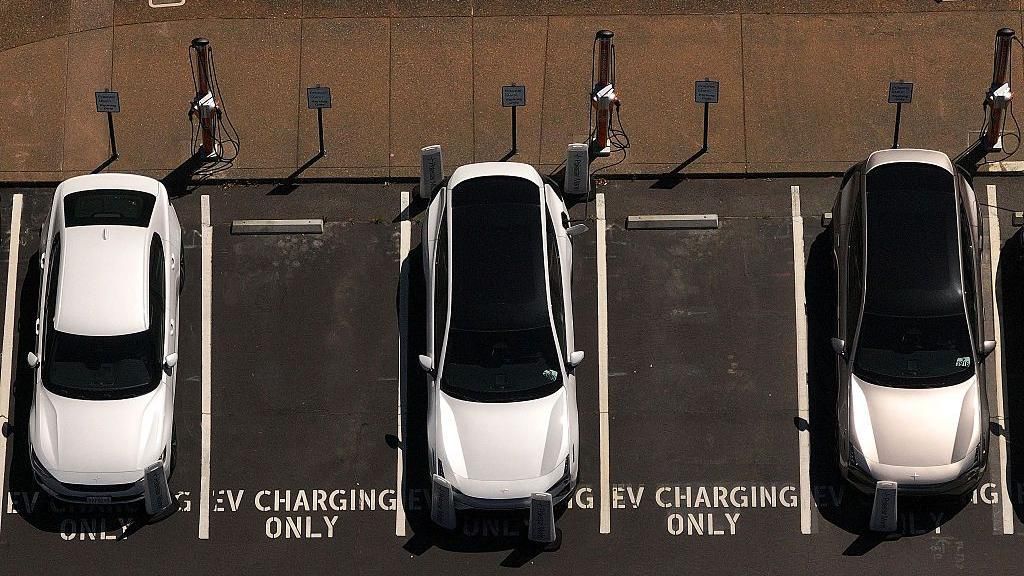
How the US got left behind in the global electric car race
The US electric vehicle (EV) market has shown significant growth in recent years, with sales of battery-powered cars reaching 1.2 million in 2023—a fivefold increase from just four years prior. Hybrid vehicle sales have also tripled, and EVs accounted for 10% of total car sales in August, a record high according to S&P Global Mobility. Major automakers like General Motors, Ford, and Tesla reported record EV sales in the past quarter, providing a bright spot in an industry grappling with high interest rates and economic uncertainty. However, analysts attribute this surge to a rush to purchase before the expiration of a $7,500 federal tax credit for EVs, which ended in September. Without this incentive, automakers anticipate a sharp decline in demand. Ford CEO Jim Farley warned that the EV industry will shrink significantly, while General Motors CFO Paul Jacobson predicted a steep drop in demand. Despite recent gains, the US lags behind global leaders in EV adoption. For instance, EVs and hybrids accounted for nearly 30% of sales in the UK and 20% in Europe last year, while China saw EVs make up almost half of its car market. Norway and Nepal have even higher adoption rates. In contrast, the US has been hindered by weaker government support compared to other regions. Former President Joe Biden’s administration implemented measures to boost EV adoption, including stricter emissions rules, fleet purchases, and investments in charging infrastructure. However, former President Donald Trump has criticized these policies, calling climate change a ‘con job’ and advocating for market-driven decisions. High tariffs on Chinese-made cars, supported by both administrations, have also limited competition in the US market. Analysts warn that the combination of expiring subsidies and new tariffs will make 2026 a challenging year for the industry, with overall car sales expected to decline by 2%. While some automakers, like Hyundai, are lowering prices to offset the loss of incentives, others, such as Tesla, are increasing costs. Researchers caution that Trump’s policy changes could further reduce investments in EVs, leaving the US with significant ground to make up in the global EV race.
-

Chinese beverage giant to debut in US
Mixue Ice Cream and Tea, the world’s largest fast-food chain by store count, is poised to open its first U.S. location in New York City. This move underscores the Chinese beverage giant’s ambitious global expansion strategy. With 46,479 stores worldwide, including 41,584 in China and a significant presence in Southeast Asia, Mixue is now targeting the lucrative U.S. market. The new store, located at 266 Canal Street in Tribeca, spans 195 square meters and is part of a 10-year lease agreement. While the exact opening date remains undisclosed, the store was still vacant as of September 22. The brand, known for its affordable offerings like bubble tea, ice cream, and coffee, has gained popularity among budget-conscious consumers, particularly students. Mixue’s success is attributed to its value-for-money pricing, rapid innovation, and strong digital engagement. The company’s expansion follows the footsteps of other Chinese brands like HeyTea and Luckin Coffee, which have also ventured into the U.S. market. Jacob Cooke, CEO of WPIC Marketing + Technologies, highlighted Mixue’s ability to connect with digital-native consumers through social-first marketing and viral content. Founded in 1997 by Zhang Hongchao, Mixue has grown from a small shaved ice stall in Zhengzhou to a global powerhouse valued at $8.1 billion. The company’s franchising model and innovative drink offerings, such as Mango Oats Jasmine Tea and Coconut Jelly Milk Tea, have fueled its rapid growth. As Mixue enters the U.S., it aims to challenge established brands like McDonald’s and Starbucks, leveraging its affordability and digital-savvy approach.
-
Prolonged shutdown could push US economy over the edge
The ongoing federal government shutdown, which began on October 1, 2025, poses a significant threat to the U.S. economy, with its impact largely dependent on its duration. While a swift resolution would minimize economic damage, a prolonged shutdown could push the already fragile economy into a recession. The U.S. labor market is already under strain, with consumer confidence waning and uncertainty escalating. Economists warn that the indirect effects of the shutdown, such as reduced consumer spending and business confidence, could be more detrimental than the direct economic losses. Consumer spending, which accounts for 70% of economic activity, is particularly vulnerable to a decline in confidence. The shutdown has already delayed federal discretionary spending, with the Congressional Budget Office estimating an $11 billion reduction in real GDP during the 2018-2019 shutdown. Although most of the lost output was recovered post-shutdown, permanent losses amounted to $3 billion. The current shutdown could exacerbate existing economic challenges, including a stagnant labor market, rising long-term unemployment, and reduced labor demand due to AI adoption and cost-cutting measures. Federal Reserve rate cuts, while expected to stimulate spending, are unlikely to address deeper structural issues such as government deficits, household budget constraints, and a shrinking labor force. The shutdown’s psychological impact on consumers and businesses could further destabilize the economy, making a swift resolution critical to avoiding long-term economic damage.
-
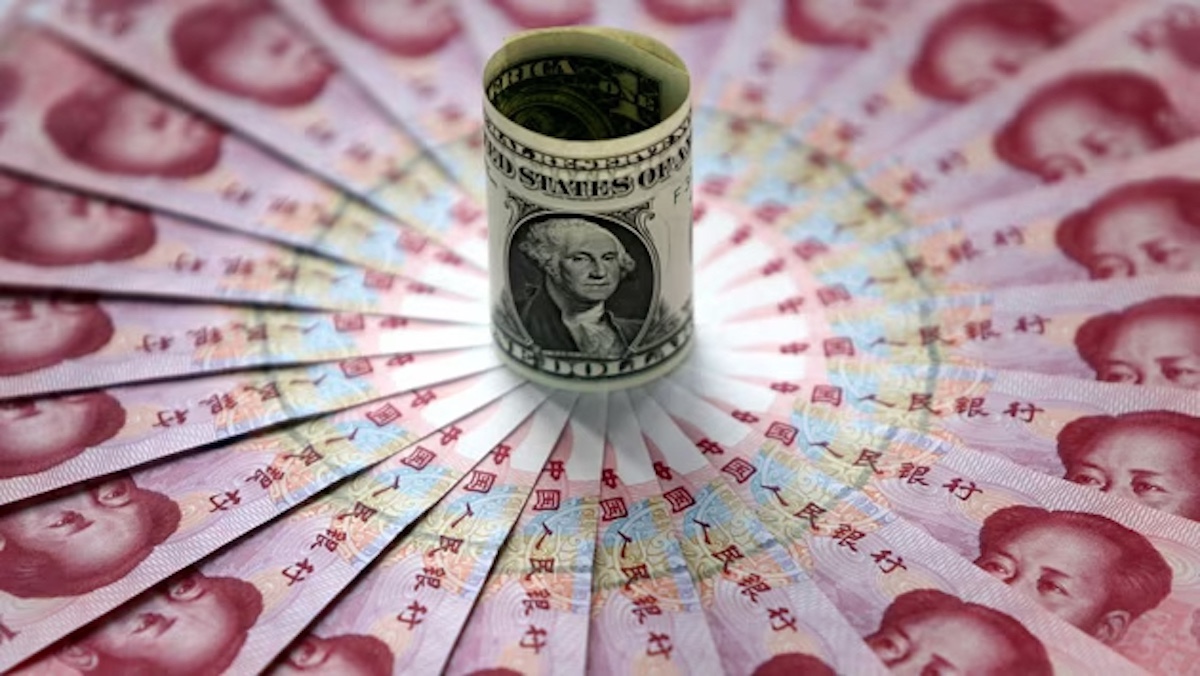
Yuan lies in wait as Trump pushes buck to the brink
TOKYO — The past year has painted a paradoxical picture for the US dollar, leaving analysts divided on its trajectory. On one hand, the dollar remains a dominant force in global currency markets, with the latest data from the Bank for International Settlements (BIS) revealing its involvement in 89% of all foreign exchange transactions. This statistic underscores the dollar’s entrenched position as the world’s primary reserve currency, seemingly immune to challenges. On the other hand, the Chinese yuan’s growing influence, now accounting for 8.5% of global transactions, has sparked concerns about the dollar’s long-term supremacy. This rise in the yuan’s share is seen by some as a potential threat to Washington’s financial dominance. The situation is further complicated by the global foreign exchange market’s apparent indifference to the United States’ deteriorating economic fundamentals. Despite mounting debt, inflationary pressures, and political instability, traders continue to favor the dollar, highlighting its unique role in the global financial system. As the yuan gains traction, the question remains: Is the dollar’s hegemony unassailable, or is it on the brink of a gradual decline?
-
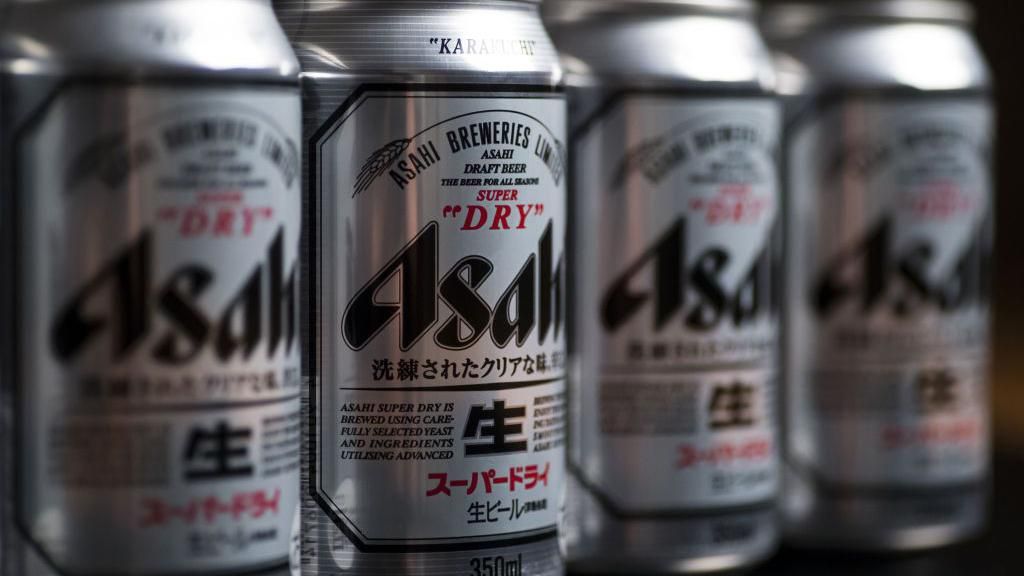
Japan faces Asahi beer shortage after cyber-attack
Japan is currently experiencing a significant shortage of Asahi products, including beer and bottled tea, as the global beverage giant struggles with the aftermath of a severe cyber-attack. The attack has disrupted Asahi’s ordering and delivery systems, forcing most of its factories in Japan to halt operations since Monday. This disruption has led to widespread supply chain issues, affecting both consumers and retailers across the country. Major convenience store chains, including FamilyMart and Lawson, have issued warnings to customers about potential shortages of Asahi products. FamilyMart, one of Japan’s largest convenience store chains, announced on Thursday that it has temporarily suspended orders and shipments of Asahi products, with no clear timeline for resumption. The retailer also expressed regret for the inconvenience caused and assured customers that it is collaborating with Asahi to restore product availability. Lawson, another prominent Japanese retailer, has similarly anticipated shortages and is preparing to stock alternative products to mitigate the impact on consumers. Asahi, Japan’s largest brewer and owner of international brands such as Peroni, Pilsner Urquell, and Grolsch, has confirmed that the cyber-attack has primarily affected its domestic operations. The company has assured that there is no evidence of a data breach involving customer information. However, the timeline for restoring normal operations remains uncertain as investigations into the cause of the attack continue. Japan accounts for approximately half of Asahi’s total sales, making the disruption particularly significant for the company. The incident underscores the growing vulnerability of global businesses to cyber threats and the potential impact on supply chains and consumer markets.
-
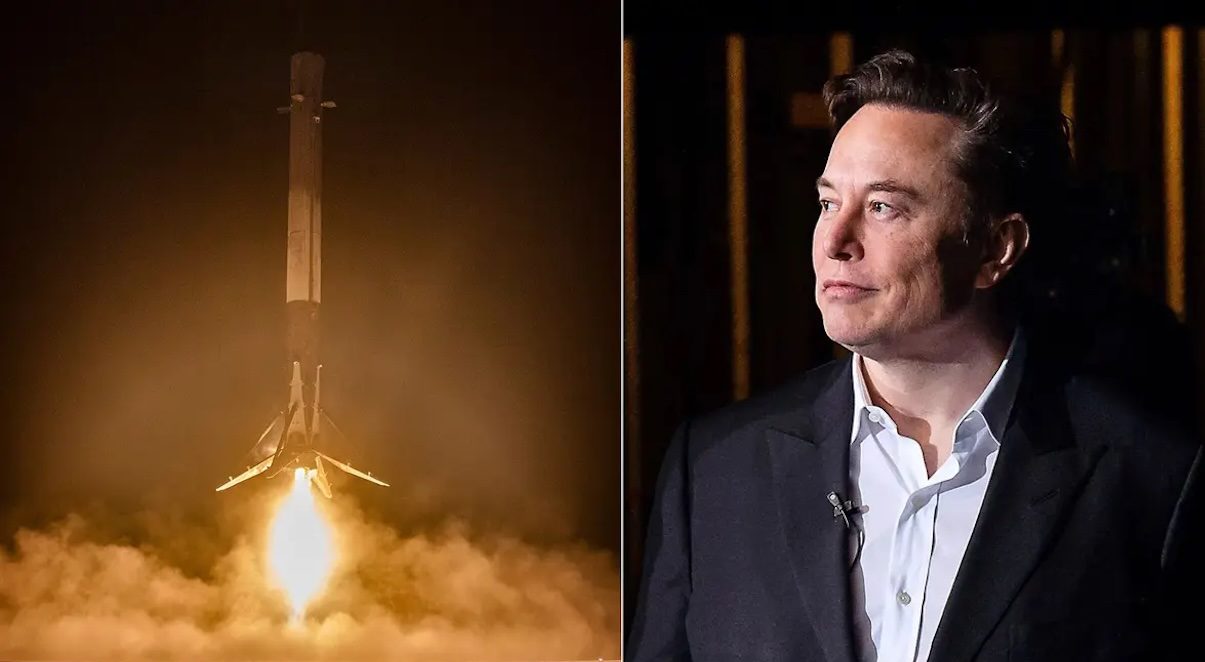
Chinese invested directly in Musk’s SpaceX, insider testifies
Elon Musk’s SpaceX, a cornerstone of U.S. aerospace and defense, has reportedly accepted direct investments from Chinese investors, according to recently unsealed court testimony. This revelation, disclosed during a legal case involving a major SpaceX investor, Iqbaljit Kahlon, has ignited fresh debates over foreign ownership in one of America’s most critical military contractors. While Chinese investment in U.S. defense contractors is not prohibited, it is tightly regulated due to national security implications. Kahlon’s testimony, though not detailing the extent or identities of the Chinese investors, confirms their presence on SpaceX’s capitalization table, a list of shareholders. This marks the first acknowledgment of direct Chinese investment in the privately held company, which has long kept its ownership structure under wraps. Previously, Chinese investors were known to hold indirect stakes in SpaceX through intermediary funds. The disclosure has raised alarms among national security experts, who warn that such investments could provide China with access to sensitive information, potentially compromising U.S. security. SpaceX, which has secured significant government contracts, including those with NASA and the Pentagon, has not commented on the matter. The testimony emerged from a Delaware court case involving Kahlon, who has facilitated investments in SpaceX for wealthy individuals worldwide, including those from China. The U.S. government’s growing concerns over Chinese investments in sensitive industries have led to increased scrutiny, with House Democrats urging the Department of Defense to investigate SpaceX’s investment practices. Despite these concerns, SpaceX’s valuation continues to soar, with Musk’s 42% stake estimated at $168 billion, solidifying his position among the world’s wealthiest individuals.