Tesla shareholders have overwhelmingly approved a groundbreaking pay package for CEO Elon Musk, potentially worth nearly $1 trillion. The deal, ratified by 75% of shareholders at the company’s annual general meeting in Austin, Texas, ties Musk’s compensation to ambitious performance milestones over the next decade. To maximize his payout, Musk must elevate Tesla’s market value from $1.4 trillion to $8.5 trillion and deploy one million self-driving ‘Robotaxi’ vehicles commercially. The agreement has sparked controversy, with critics questioning its scale, but Tesla’s board defended it as essential to retaining Musk, whom they consider indispensable. The announcement was met with enthusiastic applause, with Musk taking the stage to celebrate, declaring, ‘What we’re about to embark upon is not merely a new chapter of the future of Tesla, but a whole new book.’ Despite the optimism, some analysts expressed concerns over Musk’s focus on the Optimus robot rather than Tesla’s core electric vehicle business. Musk also addressed Tesla’s Full Self-Driving (FSD) technology, claiming the company is ‘almost comfortable’ allowing drivers to ‘text and drive essentially,’ amid ongoing regulatory scrutiny. Tesla’s stock saw a modest rise in after-hours trading, reflecting investor confidence in Musk’s leadership. However, the pay package faced opposition from major institutional investors, including Norway’s sovereign wealth fund and CalPERS, leaving Musk reliant on Tesla’s retail investors. The deal follows a previous compensation plan rejected by a Delaware court, prompting Tesla to reincorporate in Texas. The Delaware Supreme Court is currently reviewing the case.
分类: business
-

How UAE became a global haven for crypto migration
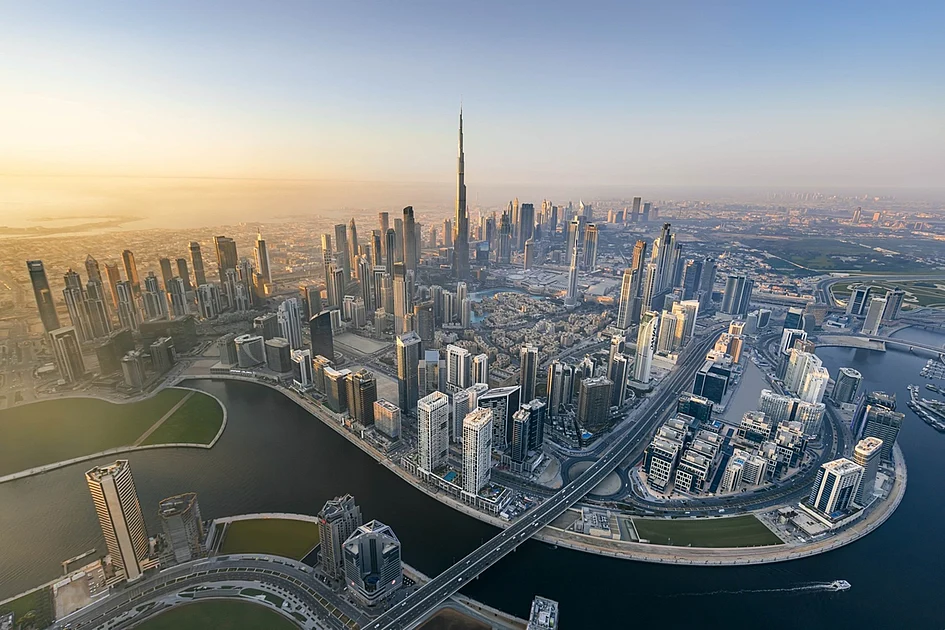
The United Arab Emirates (UAE) has solidified its position as a global leader in the cryptocurrency sector, emerging as one of the top five crypto-friendly jurisdictions worldwide. With a perfect score of 10 for tax-friendliness, the UAE imposes zero taxes on crypto trading, staking, and mining, making it an attractive destination for digital asset investors. This transformation has been driven by a combination of progressive regulatory frameworks and a zero-tax environment, positioning the UAE as a premier hub for crypto wealth migration. According to the 2025 Crypto Wealth Report by Henley & Partners, the global crypto market has surged by 45% in value, reaching $3.3 trillion, with 241,700 crypto millionaires and 36 billionaires now commanding fortunes exceeding $1 billion. The UAE has been at the epicenter of this digital wealth migration, with transaction volumes in the MENA region peaking at over $60 billion in December 2024. Between July 2023 and June 2024 alone, the UAE received an estimated $34 billion in cryptocurrency inflows, marking a 42% year-on-year growth. The country’s regulatory revolution, guided by its vision for economic diversification, has established sophisticated frameworks across its financial centers. The Abu Dhabi Global Market and Dubai’s Virtual Assets Regulatory Authority have provided clarity and security in an industry often characterized by uncertainty. This multi-jurisdictional approach has created an ecosystem where both institutional asset managers and fintech startups can thrive. The UAE’s crypto economy is further bolstered by widespread adoption, with over 500,000 daily active crypto traders and more than 30% of residents—approximately three million people—having invested in cryptocurrencies. Youth-led adoption is particularly significant, with 74% of young adults aged 25–34 expressing active interest in crypto. The UAE’s strategic location, bridging East and West, and its perfect score for tax-friendliness have made it a natural destination for globally mobile digital wealth. Emerging trends such as the tokenization of real-world assets and the rise of mobile-first, gamified platforms are expected to further strengthen the UAE’s crypto dominance. As the global crypto landscape matures, the UAE has positioned itself at the forefront of the digital wealth revolution, creating a sanctuary where digital wealth can flourish.
-

The inaugural edition of Care in Dubai is set to accelerate green innovation and investment across the Mena region
The first-ever Care in Dubai event is poised to catalyze green innovation and foster substantial investment throughout the Middle East and North Africa (Mena) region. This groundbreaking initiative aims to bring together industry leaders, policymakers, and innovators to address pressing environmental challenges and promote sustainable development. By providing a platform for collaboration and knowledge exchange, Care in Dubai seeks to accelerate the adoption of eco-friendly technologies and practices. The event underscores Dubai’s commitment to becoming a global hub for green innovation, aligning with broader regional goals to combat climate change and enhance environmental resilience. With a focus on actionable solutions, Care in Dubai is expected to have a lasting impact on the region’s economic and environmental landscape.
-

DAMAC tops out the world’s first Cavalli-branded tower; an AED-1 billion ultra-luxury landmark
DAMAC Properties has achieved a significant milestone with the topping out of the Cavalli Tower, a Dh1 billion ($272 million) ultra-luxury residential development in Dubai. This landmark project, the world’s first tower featuring interiors designed by the iconic Italian fashion house Roberto Cavalli, is on track for completion by the end of 2026. The 71-storey tower, located in Dubai Marina, is a testament to architectural innovation and branded elegance, offering 436 units ranging from one to five-bedroom apartments, duplexes, and penthouses with stunning views of the sea, Palm Jumeirah, or Dubai Marina. Designed by award-winning architect Shaun Killa, known for Dubai’s Museum of the Future, the tower boasts bespoke interiors by Roberto Cavalli Home Interiors. Residents will enjoy resort-style amenities, including private sky pools, sky gardens, an infinity pool overlooking the Arabian Gulf, and a Malibu Bay-inspired beach pool. The project’s topping-out ceremony, attended by DAMAC and lead contractor China State Construction Engineering Corporation Middle East (CSCEC ME), marked the completion of the superstructure. Ali Sajwani, Managing Director of DAMAC Group, emphasized the tower’s role in blending fashion, architecture, and art into Dubai’s skyline. Tian Sanchuan, Chairman of CSCEC ME, highlighted the collaboration’s commitment to precision and quality. The launch of Cavalli Tower aligns with DAMAC’s strategy to integrate global fashion heritage into real estate, following its 2019 acquisition of Roberto Cavalli S.p.A. The project is part of a broader portfolio, including DAMAC Bay 1 and 2 by Cavalli and Cavalli Estates in DAMAC Hills. This development comes amid a record-breaking year for Dubai’s real estate sector, with property sales surpassing Dh525 billion in the first 10 months of 2025, driven by demand for branded residences and waterfront properties.
-

UAE: International Holding Company confirms it will not be selling Aldar Properties stake
In a significant announcement on November 6, 2025, the International Holding Company (IHC) has firmly stated that it will not be divesting its majority stake in Aldar Properties PJSC. The company, which holds its stake through various subsidiaries, emphasized that Aldar remains a cornerstone of its long-term investment strategy. This decision underscores IHC’s confidence in the sustainable growth of Abu Dhabi’s real estate sector and its commitment to supporting the UAE’s economic diversification efforts. Syed Basar Shuaib, CEO of IHC, reiterated the company’s unwavering support for Aldar, highlighting its pivotal role in shaping the emirate’s real estate landscape and driving sustainable development. The statement also reaffirmed IHC’s disciplined approach to capital allocation, focusing on value creation and sustainable growth within its global investment portfolio. Aldar Properties, a leading real estate developer in Abu Dhabi, continues to deliver exceptional value to shareholders while actively contributing to the UAE’s broader economic agenda.
-

Dubai Airshow’s flying display to feature air taxis for the first time
The Dubai Airshow 2025, scheduled from November 17 to 21 at Dubai World Central, is set to make history with its first-ever live demonstration of electric air taxis. This groundbreaking feature highlights the event’s expanded focus on Advanced Air Mobility (AAM), a sector that integrates electric propulsion, automated flight systems, and innovative air traffic frameworks to revolutionize urban transportation. The air taxis, known as eVTOLs (electric vertical take-off and landing aircraft), will offer attendees a glimpse into the future of city commutes, where such vehicles could become a staple of everyday travel. This year’s Airshow promises to be the most ambitious yet, featuring over 200 aircraft across commercial, private, and military categories — the largest lineup in the event’s history. Notable debuts include China’s COMAC C919 and C929, Embraer’s KC-390 Millennium, Airbus A350-1000, and Boeing 777-219ER. The event will also bring together more than 1,500 exhibitors, 490 delegations, and 350 speakers from nearly 100 countries, solidifying its position as a global hub for aviation innovation. Tim Hawes, Managing Director at Informa Markets, emphasized that the inclusion of eVTOLs transcends mere aircraft display; it represents the convergence of vision, technology, and collaboration to shape the future of air mobility.
-

Sonichive wins Superbrands 2025 award
Sonichive, a trailblazer in modern workplace design, has been awarded the prestigious Superbrands 2025 accolade, cementing its status among the UAE’s most iconic brands. Known for its innovative, eco-friendly soundproof office pods, Sonichive has revolutionized workplace environments across the Middle East. The Superbrands Awards, a globally recognized program celebrating brand excellence, hosted its 2025 UAE edition on November 5, bringing together industry leaders from aviation, retail, technology, real estate, F&B, and lifestyle sectors. This year, Sonichive joined the ranks of esteemed brands like Emirates, ADNOC, and Starbucks, recognized for its exceptional reputation, performance, and consumer trust. Sonichive’s soundproof pods, crafted from aviation-grade aluminum and low-carbon polymers, combine sustainability, durability, and mobility. Designed to foster focus and creativity, these pods cater to private work, meetings, content creation, and collaborative activities, eliminating the need for structural renovations. As the world’s leading soundproof pod supplier, Sonichive provides tailored acoustic solutions to corporates, startups, co-working spaces, malls, and public venues. The award was accepted by Sonichive’s Directors, Aneez Arakkal and Abbas Thirunavaya, alongside Operations Manager Bernadine Kamdin and Abdi Rahman Nooh. This recognition underscores Sonichive’s commitment to enhancing workplace wellness, productivity, and sustainability. With plans for continued innovation and regional expansion, Sonichive is redefining the future of adaptable, eco-conscious workspaces in the UAE and beyond.
-

Dubai: 44,000 new homes to be ready in 2025; highest in 5 years
Dubai’s real estate market is poised for a significant milestone in 2025, with 44,000 new residential units expected to be completed—the highest number in five years. This surge in supply is a result of projects initiated during the post-pandemic period reaching their final stages, according to a recent analysis by Cushman & Wakefield Core. The consultancy highlighted that Dubai’s residential market is currently experiencing a robust supply cycle, with a substantial pipeline of projects nearing completion. In the third quarter of 2025 alone, over 7,800 units were delivered, with an additional 14,900 units anticipated in the fourth quarter. Prathyusha Gurrapu, Head of Research and Consultancy at Cushman & Wakefield Core, noted that the market is transitioning into a more balanced phase, where factors such as location and quality will increasingly influence performance. Prime areas are expected to remain stable, while secondary locations may adjust to the influx of new supply. Looking ahead, completions are projected to rise further in 2026, with over 69,000 units anticipated. This near-term supply reflects the volume of projects launched in recent years, coupled with strong demand driven by record population growth. However, the increased stock is likely to moderate price and rental growth, contributing to a more tempered market. According to property portal Bayut, established areas with strong infrastructure and sustained luxury demand will continue to thrive, while mid-market apartment areas may face saturation. Haider Ali Khan of Bayut emphasized that Dubai’s real estate market is maturing, with overall price growth moderating due to increased supply and measured investor sentiment. Data from Cushman & Wakefield Core revealed that city-wide residential sales prices reached Dh1,871 per sqft in Q3 2025, marking a 13% year-on-year increase. However, growth is slowing, particularly in the apartment segment. Villa communities such as Palm Jumeirah and Dubai Hills continue to outperform, supported by limited supply and resilient demand. As the market evolves, pricing will increasingly be driven by fundamentals such as location, quality, and developer profile.
-

UAE shifts from traditional to smart manufacturing with AI, semiconductors focus
The United Arab Emirates (UAE) is undergoing a transformative industrial shift, transitioning from traditional manufacturing to cutting-edge, technology-driven sectors. This strategic pivot, unveiled at the seventh UAE Government Annual Meetings in Abu Dhabi, underscores the nation’s commitment to renewable energy, semiconductors, artificial intelligence (AI) components, and electric vehicles. Dr. Sultan Al Jaber, UAE Minister of Industry and Advanced Technology, articulated this vision, emphasizing the integration of the UAE’s existing strengths in petrochemicals, aluminum, and steel with emerging high-tech industries. Since the establishment of the Ministry of Industry and Advanced Technology in 2020, the industrial sector has seen a 62% surge in GDP contribution, reaching $120 billion, and a 68% increase in industrial exports, totaling $197 billion. A cornerstone of this success is the National In-Country Value (ICV) program, which redirected Dh210 billion into the national economy in 2024, fostering Emiratisation and supporting key sectors like energy, healthcare, and aviation. The ‘Made in the UAE’ initiative has further galvanized local manufacturing, identifying 4,800 products worth Dh168 billion for domestic production. The UAE’s global competitiveness has also been bolstered, with significant advancements in the Competitive Industrial Performance Index and the Quality Infrastructure Index. Dr. Al Jaber highlighted the shift towards smart manufacturing, leveraging AI and Fourth Industrial Revolution technologies to enhance production efficiency and global competitiveness.
-

Boeing criminal case linked to deadly 737 crashes dropped
Boeing has successfully avoided a criminal charge in the United States related to two fatal 737 Max crashes, following a court decision to dismiss the case. The ruling, issued by Judge Reed O’Connor, came in response to a request from the U.S. government to drop the charge. While Judge O’Connor expressed personal disagreement with the decision, stating that it did not align with the public interest, he acknowledged that his concerns were insufficient to override the government’s proposal. This outcome represents a significant victory for Boeing, which had faced renewed legal scrutiny after the government accused it of violating a prior settlement tied to the crashes. The dismissal, however, was met with opposition from families of the victims, who sought to hold Boeing accountable through a trial. Attorney Paul Cassell, representing some of the families, announced plans to appeal the ruling, emphasizing the need to address perceived injustices. In his decision, Judge O’Connor criticized the government’s rationale for avoiding a trial as ‘unserious’ and expressed doubts about the new agreement’s ability to ensure public safety. Nonetheless, he deferred to the government’s presumed ‘good faith’ in the matter. The Department of Justice (DOJ) defended the agreement, highlighting extensive consultations with victims’ families and asserting that the resolution provides closure and immediate action from Boeing. Boeing, in turn, reaffirmed its commitment to the agreement and ongoing efforts to enhance safety and compliance. The case stems from two catastrophic 737 Max crashes in 2018 and 2019, which claimed 346 lives. Boeing had previously admitted to criminal fraud conspiracy charges in 2021, paying $2.5 billion in fines and compensation while pledging to improve safety standards. The case was reopened in 2023 following another incident involving a 737 Max, leading to accusations of breaching the original settlement. Under a new proposal in 2024, Boeing agreed to plead guilty, pay an additional $243 million fine, and accept court oversight. However, Judge O’Connor rejected this deal in December 2023, citing concerns over the selection of the monitor. The latest settlement, which dropped the criminal charge, requires Boeing to hire an independent compliance consultant and commit $1.1 billion, including penalties and compensation to victims’ families. Prosecutors justified the dismissal by citing Boeing’s ‘meaningful progress’ in anti-fraud and conspiracy programs.