
China’s annual online shopping extravaganza, Singles’ Day, traditionally held on November 11, has seen an early launch this year as retailers strive to stimulate spending in a sluggish market. The event, originally created by Alibaba, has grown into a global shopping phenomenon, comparable to Amazon’s Prime Day or Black Friday. However, this year’s extended sales period, beginning in mid-October, reflects the broader economic challenges facing Chinese consumers. Issues such as rising youth unemployment, a prolonged property crisis, escalating government debt, and ongoing trade tensions with the US have led to a more cautious approach to spending. Despite government efforts to boost consumption through subsidies, wage increases, and discounts, retail sales growth continues to fall short of expectations. E-commerce giants like Taobao, JD.com, and Douyin are aggressively promoting the event, offering deep discounts and vouchers to entice shoppers. Alibaba has also integrated artificial intelligence into its platforms to enhance the shopping experience, making it easier for consumers to find relevant products. The cautious spending trend, which began during the Covid-19 pandemic, has persisted as China grapples with deflation. High-end retailers, including luxury brands like Louis Vuitton and Burberry, have been particularly affected, with sales declining in recent months. However, there are signs of optimism in the market, as shares of luxury brands such as LVMH and Moncler have risen, buoyed by indications of improved demand in the region.
分类: business
-

Gold smuggling surges in India as price spikes before festivals
Gold smuggling in India has seen a significant uptick as the nation approaches the festive seasons of Dhanteras and Diwali, occasions traditionally marked by auspicious gold purchases. Government and industry officials report that the surge is driven by record-high gold prices and a supply crunch. Despite a reduction in import taxes from 15% to 6% last year, which initially curbed smuggling, recent weeks have witnessed a resurgence in illegal activities. Customs and Directorate of Revenue Intelligence (DRI) officials have foiled several smuggling attempts at various Indian airports. A Chennai-based bullion dealer noted that the process of bringing gold into India and liquidating it has become quicker and less risky due to strong festival demand and limited supply. Gold prices in India hit a record 128,395 rupees per 10 grams, a 67% increase this year, making smuggling highly lucrative. Grey market operators can earn margins exceeding 1.15 million rupees per kilogram by evading import duties and local sales taxes. A Mumbai-based bullion dealer highlighted the increasing profitability for smugglers as gold prices continue to rise. The situation is exacerbated by banks’ inability to meet full demand, leading to high premiums on available stock. Indian dealers are quoting premiums of up to $25 per ounce over official domestic prices, the highest in over a decade. In the 2024/25 fiscal year, government agencies registered 3,005 cases of gold smuggling and seized 2.6 metric tons of the metal.
-

The Wealth Circle to make Middle East debut at IgKnightED’25
The Wealth Circle (TWC), a global investment and learning platform, is set to make its Middle East debut at IgKnightED’25, an innovation ecosystem developed in collaboration with Khaleej Times. The event, which integrates media, mentorship, and market access, aims to connect founders, investors, and policymakers through curated events, summits, and digital communities. This partnership will introduce investor education, live deal showcases, and masterclasses to the event experience. TWC’s participation is part of the BIT Summit by Khaleej Times Events, now in its fourth edition, focusing on capital readiness and credible investment pipelines for startups. Following its soft launch at IgKnightED’25, TWC plans to roll out a full platform and native mobile app. The expansion into the Middle East and India aligns with the rapid growth of regional startup ecosystems, supported by initiatives like Dubai’s Future District Fund, Abu Dhabi’s Hub71+ Digital Assets Hub, Saudi Arabia’s National Technology Development Program, and India’s Startup India mission. TWC aims to bridge the gap in access to capital, mentorship, and trusted networks by offering curated deal flow, investor-led masterclasses, and private networking forums. The platform also provides quarterly-updated frameworks and databases to help ventures scale responsibly. Leading TWC is Nick Ayala, a U.S.-based entrepreneur and licensed investment adviser with over 15 years of experience in fintech, private markets, and financial services. Ayala has founded five companies, successfully exiting four, and has raised and advised on over USD 1 billion in private equity, venture, and real estate deals through his firm, Align Equity Group.
-
US, UK ramp up pressure on India, China to cut Russian oil imports
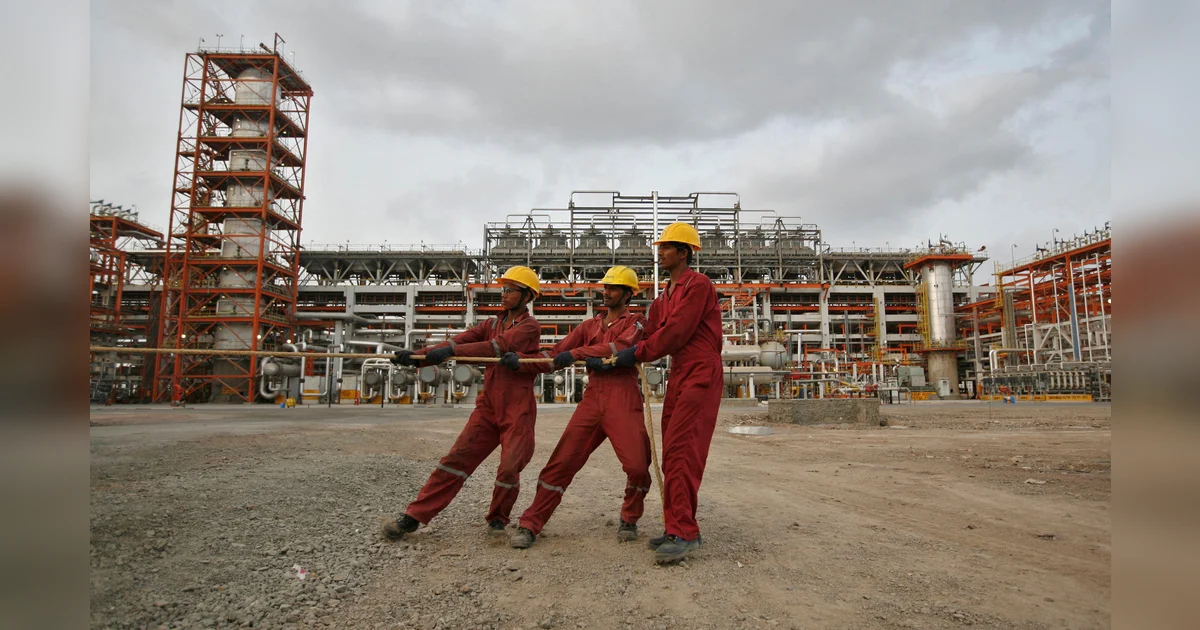
Amid escalating tensions in the Ukraine conflict, the United States and the United Kingdom have intensified their efforts to persuade India and China to reduce their reliance on Russian oil. US President Donald Trump announced that Indian Prime Minister Narendra Modi had pledged to cease Russian oil imports, a claim swiftly refuted by India’s foreign ministry, which stated it was unaware of any such conversation between the leaders. Indian officials, currently engaged in trade negotiations in Washington, face mounting pressure to curb Russian oil purchases as a condition for finalizing a trade deal. Meanwhile, British authorities imposed sanctions on major Russian oil firms, including Lukoil and Rosneft, as well as Chinese refiner Shandong Yulong Petrochemical and several port operators. Despite these measures, Russia remains confident, with Deputy Prime Minister Alexander Novak affirming continued cooperation with India. China has condemned the sanctions, labeling them as unilateral and unjustified. As geopolitical tensions rise, the global energy market braces for potential disruptions, with oil prices remaining stable for now.
-

Cheap oil, high stakes: Can India do without Russia?
In a complex geopolitical and economic landscape, India finds itself at a crossroads, navigating the delicate balance between its energy needs and international relations. The recent imposition of 50% tariffs on Indian goods by the United States, framed as a punitive measure for India’s continued purchase of Russian oil, has escalated tensions. US President Donald Trump’s assertion that Indian Prime Minister Narendra Modi privately agreed to cease these purchases ‘within a short period of time’ has further complicated matters. However, both Russia and India have distanced themselves from these claims, with Russia emphasizing the economic benefits of its oil for India, and India reaffirming its import policy as consumer-centric in a volatile energy market. India, the world’s third-largest oil importer, has significantly increased its reliance on Russian crude, which now constitutes 37% of its oil imports, driven by substantial discounts post-Western sanctions. This shift has come at the expense of imports from other traditional suppliers like Iraq, Saudi Arabia, and the UAE, as well as from the US, Brazil, and others. The economic rationale for India’s pivot to Russian oil is clear: it has saved the country approximately $5 billion annually, or 3–4% of its crude import bill. However, the strategic implications are profound. India’s refineries are optimized for heavier crude grades like Russia’s Urals blend, making a switch to lighter US shale oil costly and inefficient. The ongoing geopolitical tensions and the delayed India-US trade deal underscore the high-stakes nature of India’s energy policy decisions. As Washington tightens its grip, India must weigh the short-term economic benefits of discounted Russian oil against the potential long-term costs of strained bilateral relations with the US. The outcome of this balancing act will not only shape India’s energy strategy but also define the future trajectory of its international partnerships.
-
China has found Trump’s pain point – rare earths
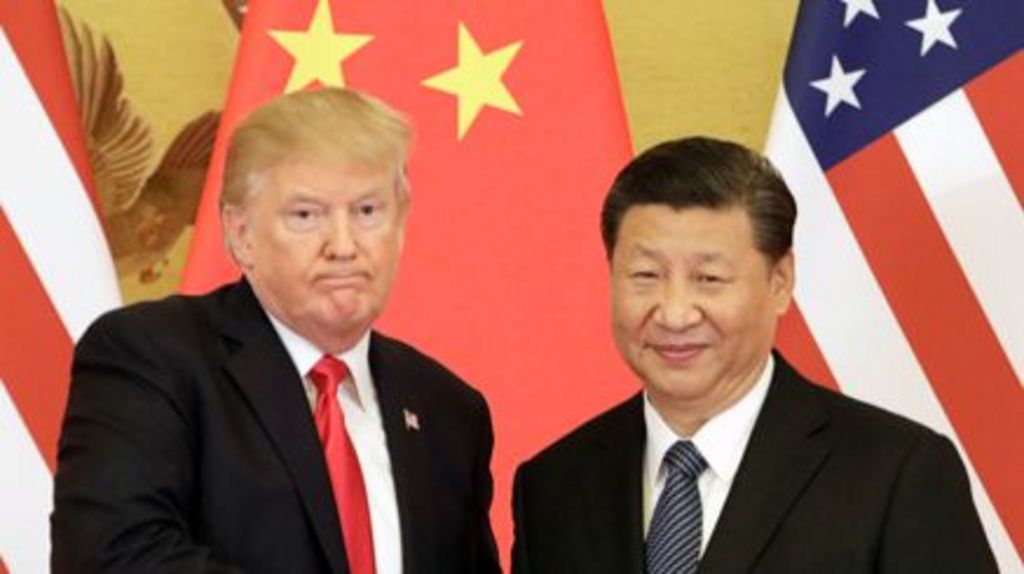
China’s Ministry of Commerce recently issued ‘Announcement No. 62 of 2025,’ a seemingly innocuous document that has significantly disrupted the fragile tariff truce between China and the United States. The announcement introduces stringent new restrictions on rare earth exports, tightening Beijing’s control over these critical minerals essential for technologies ranging from smartphones to fighter jets. Under the new regulations, foreign companies must obtain Chinese government approval to export products containing even minimal amounts of rare earths and declare their intended use. This move underscores China’s near-monopoly in rare earth processing, which accounts for approximately 70% of global supply. In response, US President Donald Trump threatened to impose an additional 100% tariff on Chinese goods and implement export controls on key software. US Treasury Secretary Scott Bessent criticized the measures, stating, ‘This is China versus the world. They have pointed a bazooka at the supply chains and the industrial base of the entire free world.’ A Chinese Commerce Ministry spokesperson countered, accusing the US of introducing 20 measures to suppress China shortly after September’s economic talks in Madrid. The escalation has also seen both nations impose new port fees on each other’s ships, marking the end of months of relative calm since a May truce. Experts predict that China’s rare earth restrictions will give it the upper hand in upcoming negotiations between Trump and Chinese President Xi Jinping. Analysts note that while rare earths constitute a small fraction of China’s $18.7 trillion economy, their strategic value is immense, providing Beijing with significant leverage. Despite the tensions, both sides have left the door open for negotiations, with Bessent expressing optimism about de-escalation. However, China’s recent actions are seen as a strategic move to strengthen its position ahead of trade talks, leveraging its dominance in rare earths to pressure Washington for a favorable deal.
-
US prosecutors charge Smartmatic in alleged $1M Philippines bribery case
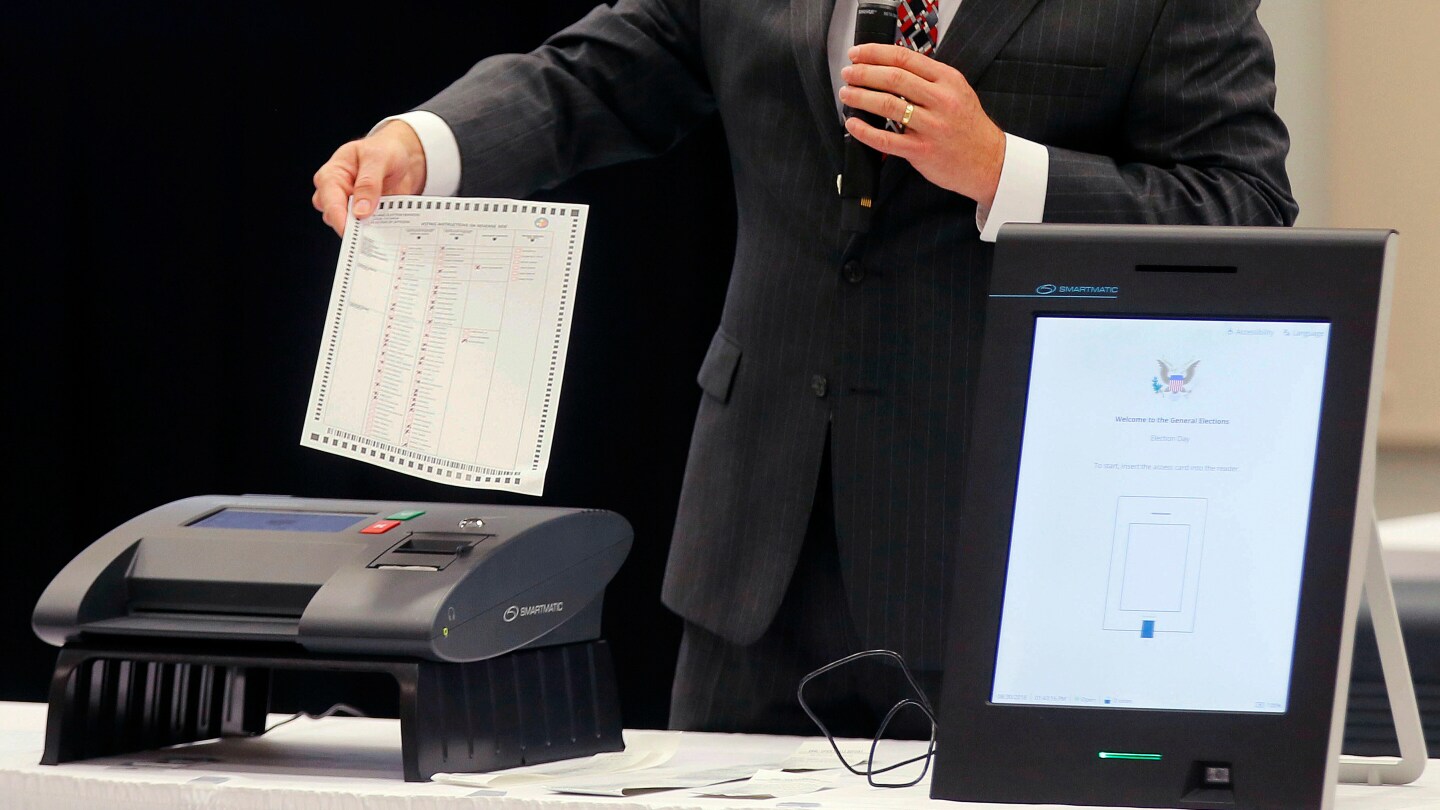
Federal prosecutors in Miami have leveled serious charges against voting technology firm Smartmatic, accusing the company of money laundering and other crimes tied to alleged bribery schemes in the Philippines. According to a superseding indictment filed in a Florida federal court, several Smartmatic executives, including co-founder Roger Pinate, are accused of paying over $1 million in bribes to Philippine election officials between 2015 and 2018. The payments were allegedly made to secure a government contract for managing the 2016 presidential election and ensuring timely payment for services rendered. Pinate, who no longer works for Smartmatic but remains a shareholder, has pleaded not guilty to the charges. This criminal case emerges as Smartmatic is embroiled in a separate $2.7 billion defamation lawsuit against Fox News, alleging the network falsely accused the company of rigging the 2020 U.S. presidential election. Smartmatic has vehemently denied the allegations, claiming the U.S. Attorney’s Office in Miami has been misled and influenced by unnamed powerful interests. The company stated, ‘This is again, targeted, political, and unjust. Smartmatic will continue to stand by its people and principles. We will not be intimidated by those pulling the strings of power.’ Prosecutors have also sought to introduce evidence suggesting that revenue from a $300 million contract with Los Angeles County was diverted into a ‘slush fund’ controlled by Pinate through offshore shell companies and fake invoices. Additionally, Pinate is accused of bribing Venezuela’s former election chief with a luxury home in Caracas, allegedly to mend relations after Smartmatic’s abrupt exit from Venezuela in 2017. A hearing on these allegations is scheduled for next month. Founded over two decades ago in Venezuela, Smartmatic gained prominence under the late President Hugo Chavez and expanded globally, providing election technology in 25 countries. However, the company claims its business suffered significantly following Fox News’ coverage of the 2020 election controversy.
-

Giga Computing and KERNO Enterprises announce regional service partnership at GITEX Dubai 2025
At the prestigious GITEX Dubai 2025 event, Giga Computing Technology Co., Ltd., a leading Taiwanese technology firm, and KERNO Enterprises FZE, a prominent UAE-based company, unveiled a groundbreaking regional service partnership. This collaboration marks a significant step forward in their shared mission to enhance technological and service excellence across the GCC region. Under the newly signed agreement, KERNO has been appointed as the official service center for GIGABYTE server products in the GCC, solidifying its role as a trusted partner for Giga Computing. This partnership reflects both companies’ commitment to delivering world-class professional support and advancing regional technology independence. KERNO’s local Arabic-speaking team of engineers, trained and certified by Giga Computing, will manage all after-sales, RMA, and mission-critical service requests. Customers can now access 24/7 support through a dedicated web platform, ensuring faster turnaround times and flexible service options, including remote troubleshooting and on-site interventions. The collaboration aligns with the UAE’s “Make it in the Emirates” strategy, promoting local manufacturing and service ecosystem growth. Paul Smirnov, deputy COO at KERNO Enterprises, emphasized the significance of the partnership, stating that it underscores KERNO’s capability to provide world-class services with local expertise. Jay Lee, managing director for the Middle East at Giga Computing, highlighted the benefits of faster and more reliable customer support through this alliance.
-

Lightning strikes can exempt airlines from compensation, EU court says
The European Union’s highest court has declared that lightning strikes on aircraft may be classified as ‘extraordinary circumstances,’ potentially exempting airlines from compensating passengers for significant delays or cancellations. This landmark ruling emerged from a case brought by a passenger who experienced a seven-hour delay on a flight from Romania to Austria after the aircraft was struck by lightning and required replacement. The Court of Justice of the European Union (CJEU) emphasized that such incidents necessitate mandatory safety inspections, which can justify the airline’s exemption from compensation obligations. However, the court also stipulated that it is the responsibility of national courts to determine whether the airline implemented all reasonable measures to mitigate the impact of such extraordinary events. This decision aligns with a 2017 ruling where the CJEU categorized bird strikes as extraordinary circumstances, further solidifying the legal framework for airline liability in unforeseen situations.
-

Unlock the Power of Your Money with Fee-Free Banking & 6.25% interest p.a.: Here’s How Mashreq NEO PLUS is Redefining the Way UAE Banks Reward You
In a groundbreaking move, Mashreq NEO PLUS is transforming the banking landscape in the UAE by offering unparalleled financial benefits and convenience. This innovative digital banking solution is designed to help individuals and businesses maximize their savings and investments with ease. With the NEO PLUS Saver Account, customers can earn up to 6.25% interest per annum by transferring a monthly salary of AED 10,000 or more. For those unable to transfer their salary, maintaining a balance of AED 50,000 or more still yields an impressive 5% interest per annum. Notably, this account also offers a Shariah-compliant option, catering to a broader audience. Managed through the highly-rated Mashreq Mobile App, NEO PLUS ensures a seamless and user-friendly banking experience. Additionally, the platform eliminates hidden fees on everyday banking services, including local and international transfers, ATM withdrawals, and chequebooks. New customers are welcomed with a joining bonus of up to AED 5,000, which includes salary transfer incentives, debit card cashback, and referral rewards. Beyond savings, NEO PLUS opens the door to diverse investment opportunities, allowing customers to invest in US equities, UAE stocks, mutual funds, and bonds with as little as $1. The platform also offers 10 free trades every month in US stocks & ETFs, making it easier than ever to grow wealth. For aspiring homeowners, NEO PLUS provides exclusive perks, such as 100% cashback on valuation fees when booking a Mashreq Home Loan. With integrated services ranging from credit cards and loans to insurance and mortgages, Mashreq NEO PLUS offers a comprehensive banking solution. Recognized as the ‘Best Digital Bank in the Middle East’ for five consecutive years and the ‘Best Islamic Digital Bank’ globally for two years running, Mashreq NEO has earned a 4.8 customer rating, the highest in the UAE. Mashreq NEO PLUS is not just banking; it’s a smarter, more rewarding way to manage your finances. For more information, visit mashreq.com/NEOPLUS or download the Mashreq Mobile App to open your account.