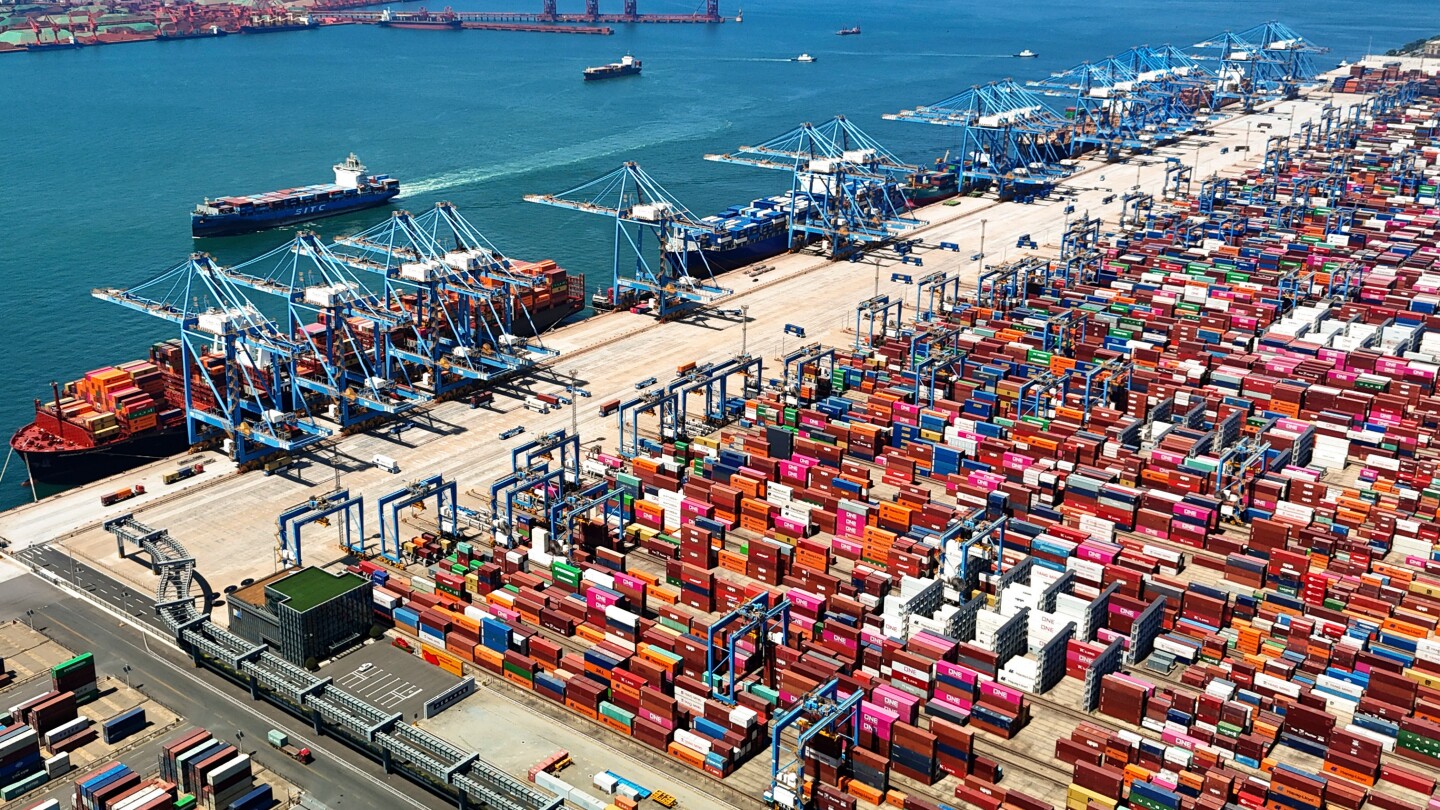
In a significant escalation of trade tensions between China and the United States, China’s Commerce Ministry announced on Tuesday a ban on Chinese companies engaging with five subsidiaries of South Korean shipbuilder Hanwha Ocean. This move is seen as a direct response to U.S. President Donald Trump’s efforts to revitalize the American shipbuilding industry. The sanctioned entities include Hanwha Shipping LLC, Hanwha Philly Shipyard Inc., Hanwha Ocean USA International LLC, Hanwha Shipping Holdings LLC, and HS USA Holdings Corp.
分类: business
-
Renewed jitters over China-US trade tensions pull world shares lower
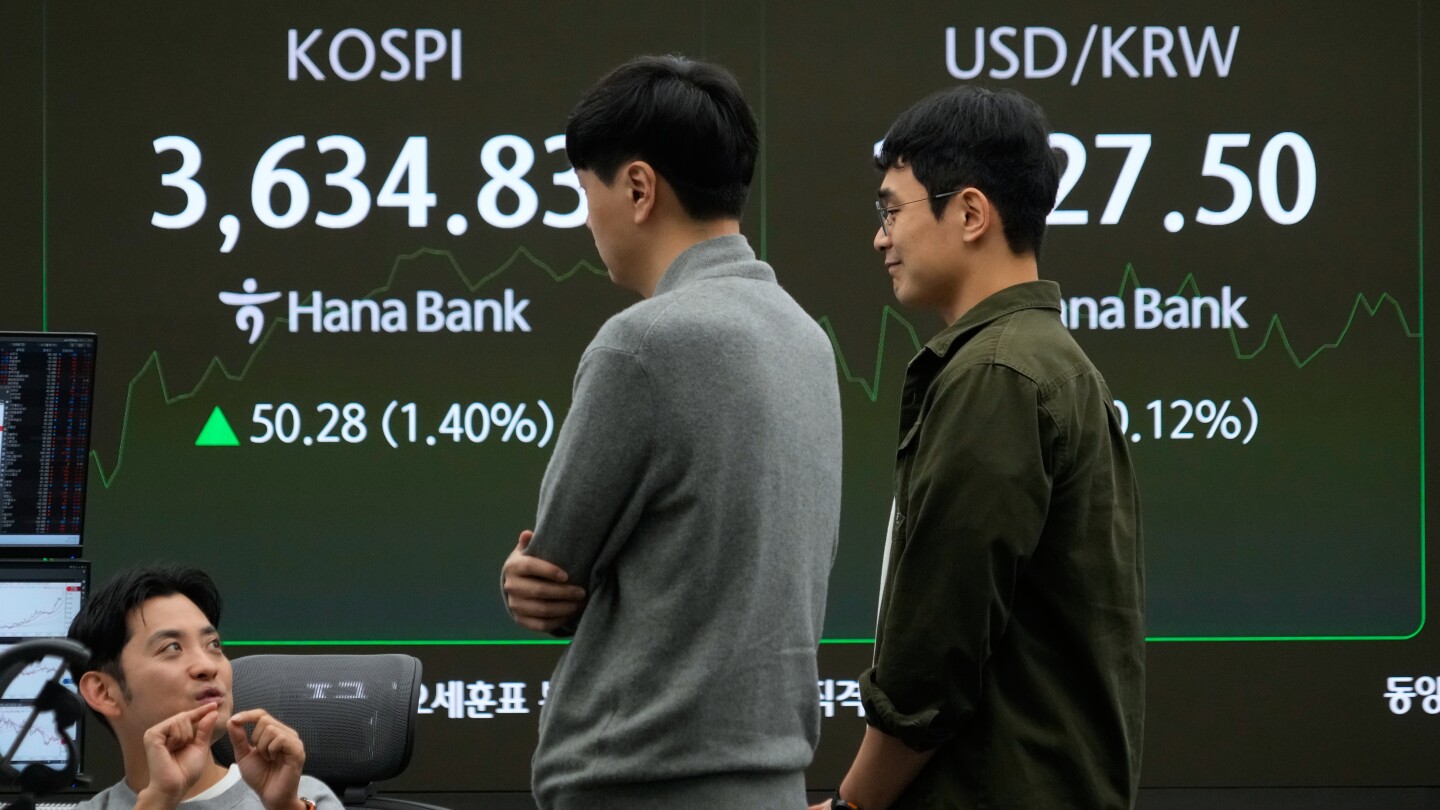
Global markets experienced a downturn on Tuesday as China’s imposition of sanctions against U.S. subsidiaries of South Korean shipbuilder Hanwha Ocean reignited concerns over escalating trade tensions with Washington. European and Asian markets bore the brunt of the fallout, with France’s CAC 40 dropping 0.8% to 7,873.25, Germany’s DAX losing nearly 0.9% to 24,181.83, and Britain’s FTSE 100 shedding 0.2% to 9,426.92. Futures for the S&P 500 and Dow Jones Industrial Average also declined by 0.8% and 0.5%, respectively, reversing gains from Monday’s recovery. In Asia, Japan’s Nikkei 225 plummeted 2.6% to 46,847.32, while Hong Kong’s Hang Seng and Shanghai Composite fell 1.7% and 0.6%, respectively. The sanctions, targeting five Hanwha Ocean subsidiaries, are seen as a direct response to U.S. efforts to bolster its shipbuilding industry, which has been overshadowed by China’s dominance in the sector. Hanwha Ocean’s shares fell 5.8% in Seoul, and the benchmark Kospi dropped 0.6%. Meanwhile, Australia’s S&P/ASX 200 edged up 0.2%, and energy markets saw declines in crude oil prices. Investors are now closely monitoring remarks by U.S. Federal Reserve Chair Jerome Powell for insights into the economic outlook. The sanctions and their ripple effects underscore the fragility of global trade relations and the potential for further market volatility.
-
Watch: Uncertainty looms as World Bank meets in Washington
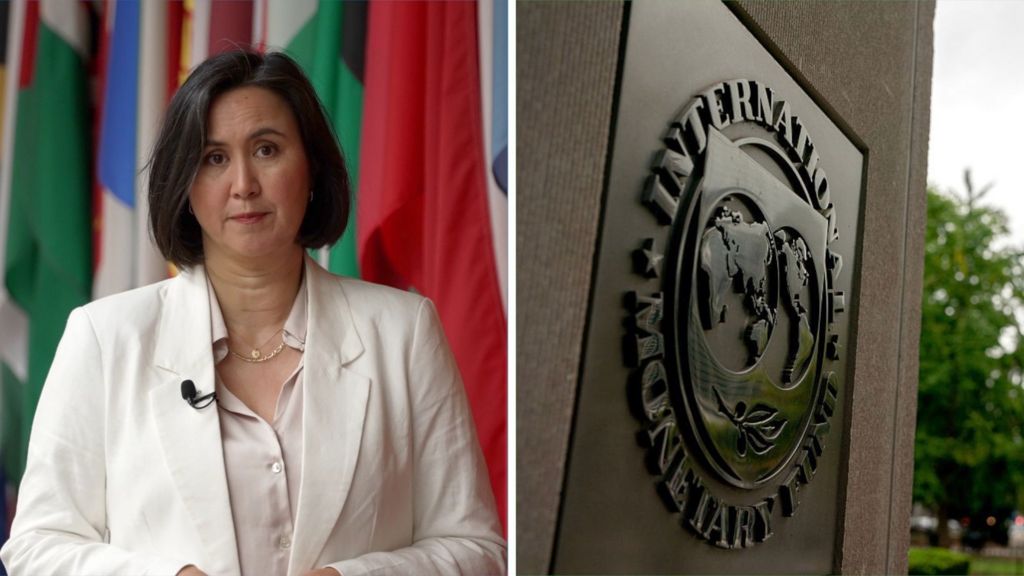
As the World Bank convenes in Washington, a cloud of uncertainty hangs over the global economic landscape. The gathering, which brings together prominent bankers and finance ministers from around the world, is set against a backdrop of mounting challenges, including inflationary pressures, geopolitical tensions, and the lingering effects of the COVID-19 pandemic. The BBC’s Michelle Fleury provides an in-depth analysis of the key issues expected to dominate discussions. Among the critical topics on the agenda are strategies to stabilize volatile markets, address debt crises in developing nations, and foster sustainable economic growth. The meeting also serves as a platform for exploring innovative financial solutions to combat climate change and support vulnerable economies. With the global economy at a crossroads, the outcomes of this high-stakes assembly could have far-reaching implications for international financial stability and development efforts.
-
Trump’s 130% China tariff looks like another TACO moment
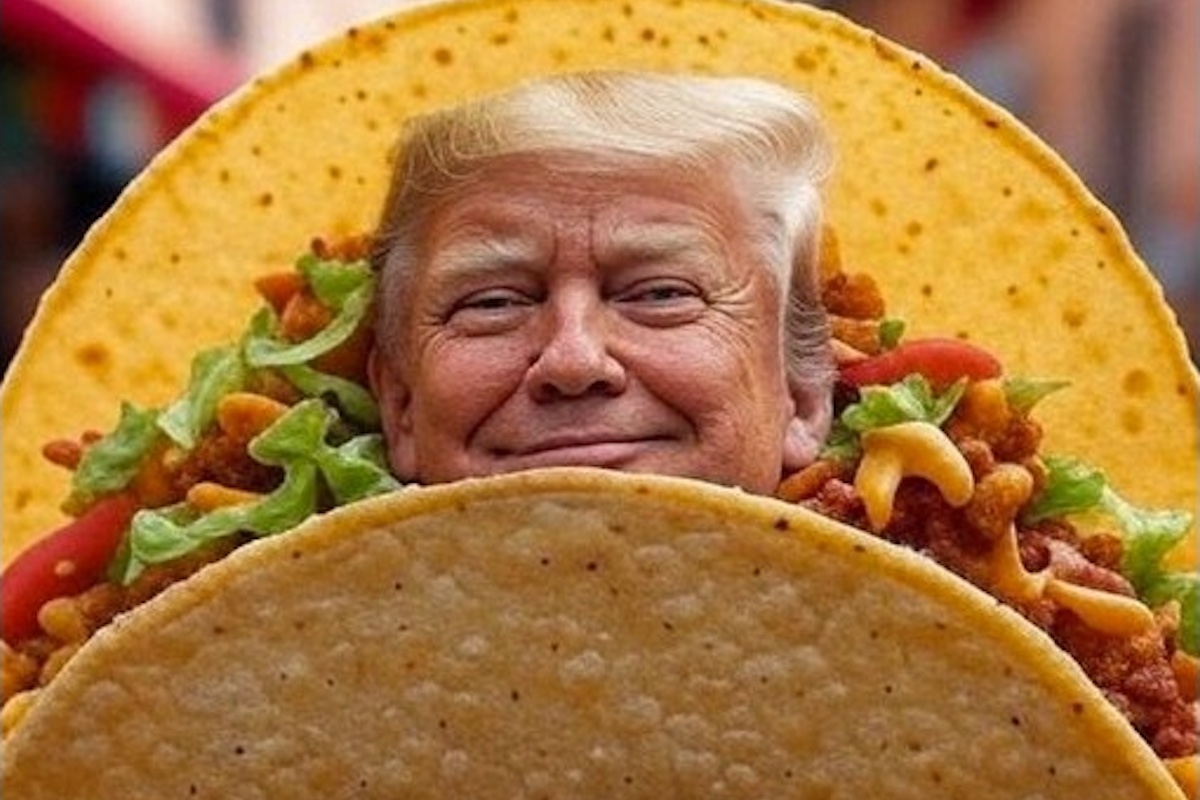
The global economic landscape is bracing for potential upheaval as former US President Donald Trump proposes a staggering 130% tariff on Chinese imports, escalating the US-China trade war to unprecedented levels. While markets react with alarm, analysts remain skeptical about the likelihood of such a drastic measure being implemented on November 1 as threatened. The imposition of such tariffs between the world’s two largest economies could trigger a global recession, with the combined $45 trillion output of the US and China forming the backbone of international trade. The cessation of commerce between these economic giants would be catastrophic for trade-dependent nations, potentially leading to a near-extinction-level event for their economies. The core issue, however, lies not in the tariff threat itself but in the underlying motivations driving Trump’s aggressive stance. The stated rationale—a response to China’s restrictions on critical mineral exports—appears to mask a broader agenda. Trump’s recent setbacks in trade negotiations with South Korea, Japan, and the European Union have left him increasingly desperate to secure a ‘grand bargain’ with China. Despite his bluster, many view this as a negotiating tactic rather than a genuine policy shift. Goldman Sachs analysts suggest that the ultimate outcome will likely be an extension of the current tariff pause. Meanwhile, Chinese President Xi Jinping appears to hold the upper hand, leveraging Trump’s desperation to his advantage. As the global economy teeters on the brink, the stakes have never been higher, with the potential for renewed volatility and risk repricing looming large.
-
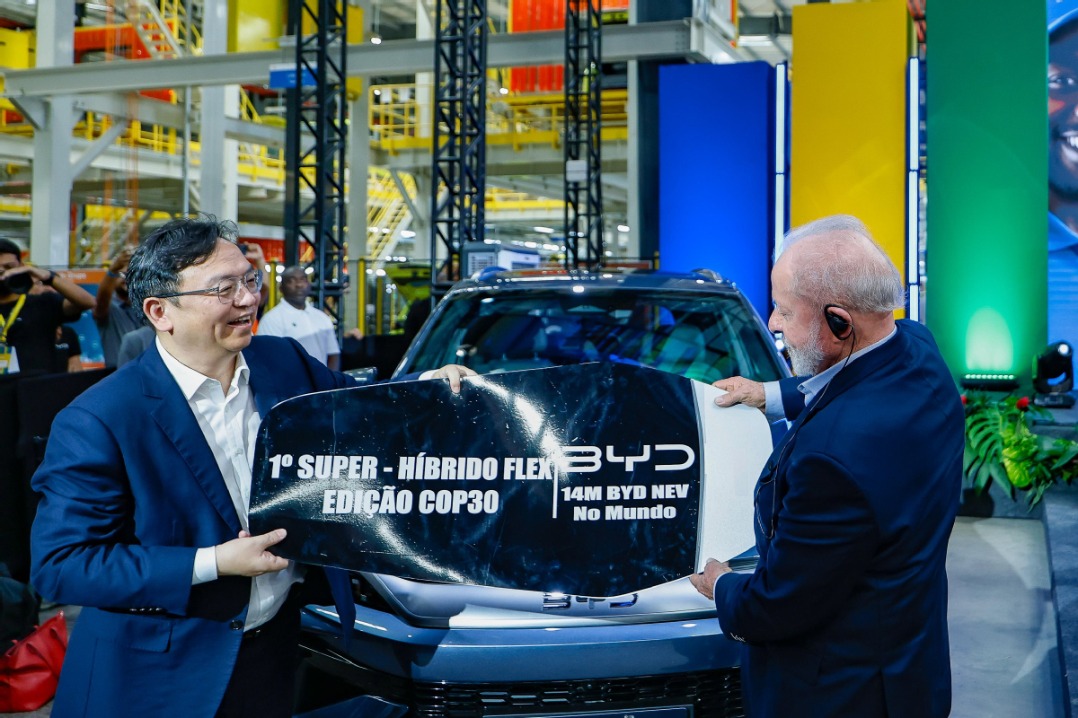
BYD opens mega factory in Brazil
Chinese automotive giant BYD has officially inaugurated its largest overseas manufacturing facility in Camacari, Brazil, marking a significant milestone in the company’s global expansion and Brazil’s green industrial transformation. The event, held on October 9, was attended by Brazilian President Luiz Inacio Lula da Silva and BYD CEO Wang Chuanfu, among other dignitaries. The $980 million mega factory, constructed on the site of a former Ford plant, is set to produce 150,000 vehicles annually in its initial phase, scaling up to 300,000 in the second phase and reaching a full capacity of 600,000 units. The facility will cater to the Brazilian market and extend its reach across Latin America. BYD, already a dominant player in Brazil’s electric and hybrid vehicle sectors, aims to further solidify its market share with localized production. President Lula emphasized the factory’s role in restoring dignity and sovereignty to the region, highlighting its potential to drive technological advancement and economic recovery. BYD’s investment aligns with Brazil’s New Industry Brazil plan, which focuses on innovation and green transition. The company plans to leverage Brazil’s abundant clean energy resources and foster a robust value chain, including research and development initiatives. BYD Brazil President Tyler Li outlined the company’s commitment to reducing fossil fuel dependence through innovations like the hybrid flex engine and advancements in electric bus chassis production. The project is expected to create 10,000 direct jobs and stimulate the local economy. Bahia’s Secretary of Economic Development, Angelo Almeida, noted that BYD’s presence could position the state as a hub for electric mobility and Industry 4.0 technologies, further enhancing its technological potential.
-
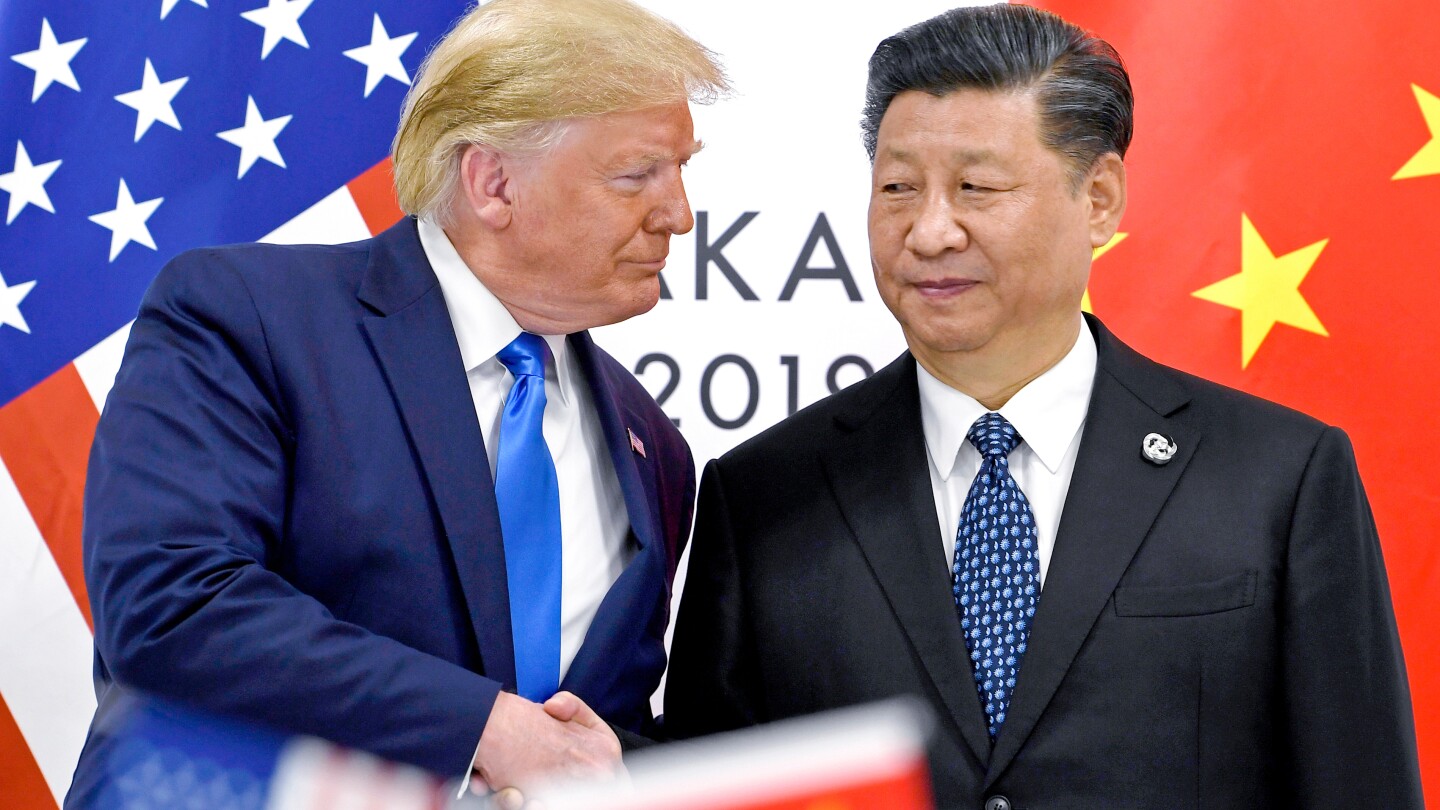
China shows no sign of backing down while issuing call for US to withdraw tariff threat
In a sharp escalation of the ongoing trade tensions between the United States and China, Beijing has called on U.S. President Donald Trump to retract his latest threat to impose a 100% tariff on all Chinese imports. This demand comes in response to Trump’s announcement over the weekend, which followed China’s decision to tighten restrictions on the export of rare earths, a critical resource for electronics manufacturing. The Chinese Ministry of Commerce described the U.S. actions as “severely damaging the atmosphere of trade negotiations.”
China’s move to restrict rare earths appeared to catch the Trump administration off guard, with the President labeling it an “out of the blue” decision. Despite the tariff threat, Trump struck a somewhat conciliatory tone in a Truth Social post on Sunday, stating, “The U.S.A. wants to help China, not hurt it!!!” However, China remained firm in its stance. On Monday, Chinese Ministry of Foreign Affairs spokesman Lin Jian urged the U.S. to “correct its erroneous practices” and warned that Beijing would take “resolute measures” to protect its interests if Washington persisted.
The trade war has seen both nations employing a range of retaliatory measures, including U.S. restrictions on China’s access to advanced computer chips and China’s halt on American soybean purchases. These actions, coupled with the imposition of tit-for-tat port fees, have created significant uncertainty in bilateral trade. Economic data released on Monday revealed that China’s exports to the U.S. have declined for six consecutive months, plummeting 27% in September compared to the previous year. This downturn underscores the growing economic strain caused by the prolonged trade conflict.
-

China’s automakers drive Ecuador’s transition toward electric mobility
Chinese automakers are spearheading Ecuador’s transition to electric mobility, capturing a significant share of the country’s automotive market. With competitive pricing, improved quality, and a growing presence in Latin America, Chinese brands like BYD, Chery, and Great Wall are transforming Ecuador’s streets and showrooms.
-
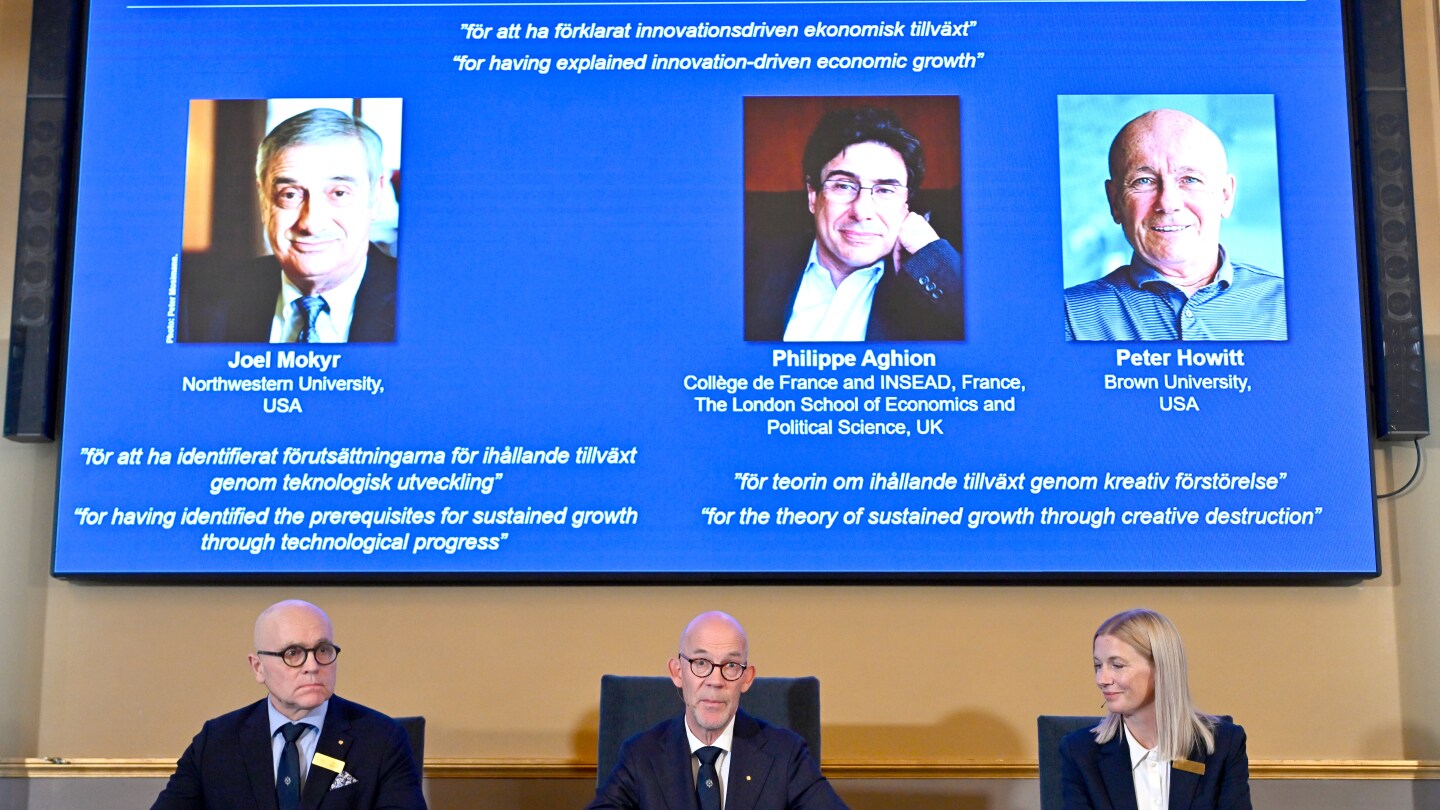
Nobel economics prize goes to 3 researchers for explaining innovation-driven economic growth
STOCKHOLM (AP) — The 2023 Nobel Memorial Prize in Economic Sciences has been awarded to Joel Mokyr, Philippe Aghion, and Peter Howitt for their pioneering contributions to understanding innovation-driven economic growth. The trio’s work has shed light on the mechanisms of ‘creative destruction,’ a concept central to economic progress, where new innovations displace older technologies and businesses. Mokyr, from Northwestern University, Aghion, affiliated with the College de France and the London School of Economics, and Howitt, from Brown University, were recognized for their efforts to quantify and explain this phenomenon. The Nobel Committee highlighted their research as essential for sustaining long-term economic growth and avoiding stagnation. Aghion, expressing his astonishment at the honor, emphasized his commitment to reinvesting the prize money into his research laboratory. He also voiced concerns about protectionist policies, particularly in the U.S., warning that such measures could hinder global growth and innovation. The laureates’ work builds on the foundational ideas of economist Joseph Schumpeter, who first articulated the concept of creative destruction in his 1942 book, ‘Capitalism, Socialism and Democracy.’ Aghion and Howitt’s 1992 mathematical model further advanced the understanding of this process. The prize, valued at 11 million Swedish kronor (approximately $1.2 million), was split equally between Mokyr and the duo of Aghion and Howitt. The award, formally known as the Bank of Sweden Prize in Economic Sciences in Memory of Alfred Nobel, was established in 1968 and has since been awarded to 96 laureates, only three of whom have been women. While technically not one of the original Nobel Prizes, it is presented alongside them on December 10, the anniversary of Alfred Nobel’s death. Last year’s economics prize honored researchers who explored the disparities between rich and poor nations, emphasizing the role of open societies in fostering prosperity. This year’s announcement follows last week’s Nobel honors in medicine, physics, chemistry, literature, and peace.
-
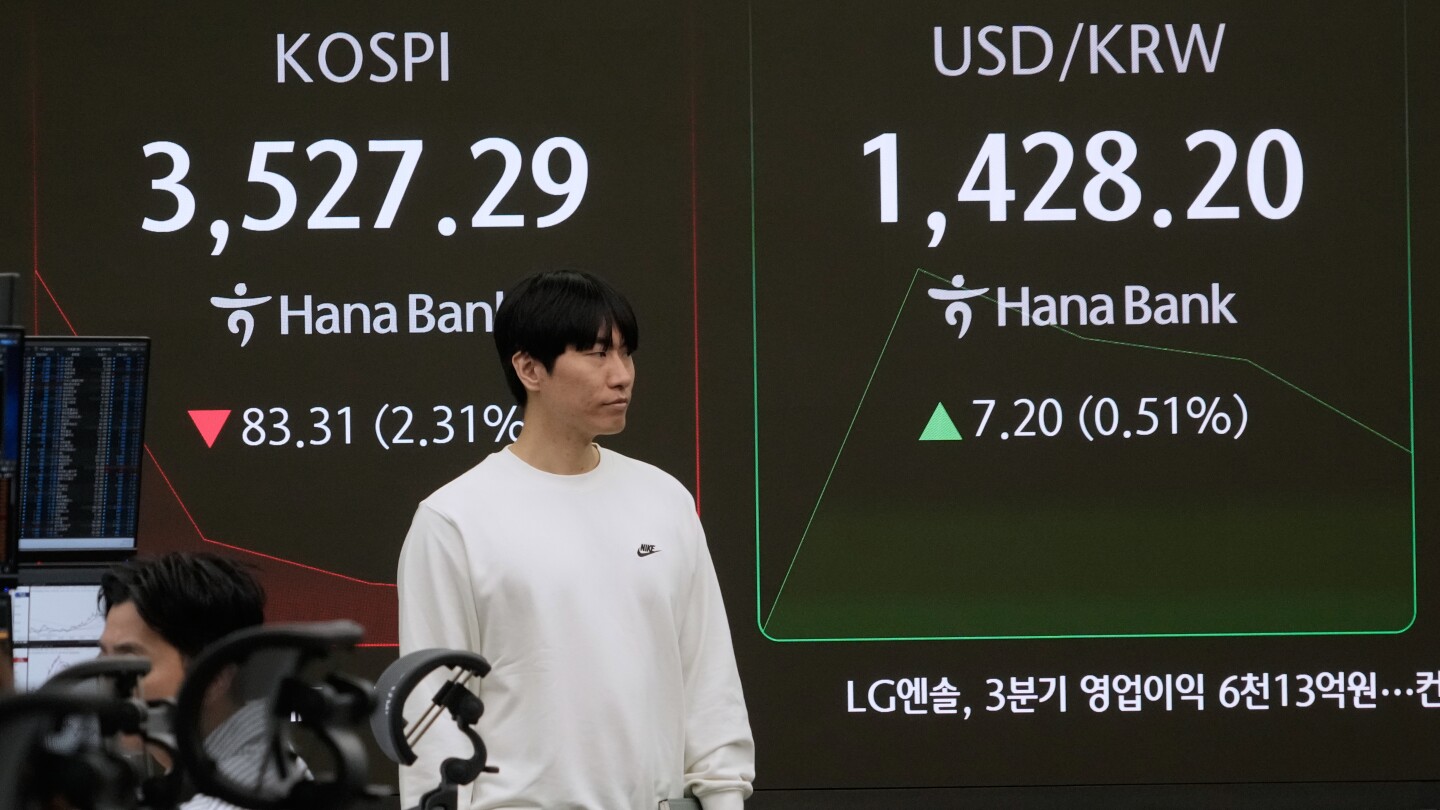
Asian shares skid after Wall Street tumbles to its worst day since April as China trade woes worsen
Asian stock markets experienced a sharp decline on Monday as renewed trade tensions between the United States and China disrupted a period of relative calm on Wall Street. The downturn followed President Donald Trump’s threat to impose higher tariffs on Chinese goods, signaling a potential escalation in the ongoing trade conflict between the world’s two largest economies. This move came in response to Beijing’s restrictions on the export of rare earth materials, which are essential for manufacturing a wide range of products, from consumer electronics to jet engines. Despite the turmoil, U.S. futures showed signs of recovery, with the S&P 500 contract rising 1.2% and the Dow Jones Industrial Average gaining 0.8%. Meanwhile, China reported a 8.3% year-on-year increase in global exports for September, marking the strongest growth in six months. However, exports to the U.S. plummeted by 27%, according to customs data. In Hong Kong, the Hang Seng Index fell 3.5%, while other major regional markets, including the Shanghai Composite and South Korea’s Kospi, also recorded significant losses. The S&P 500 had already suffered its worst day since April, dropping 2.7% on Friday, as investors reacted to the renewed trade hostilities. Trump’s comments on Truth Social further fueled concerns, as he hinted at canceling a planned meeting with Chinese President Xi Jinping during an upcoming trip to South Korea. The market’s decline was widespread, with nearly all sectors, including Big Tech and smaller companies, experiencing losses. Critics have warned that stock prices, particularly in the artificial intelligence sector, may be overvalued, drawing comparisons to the dot-com bubble of 2000. In the oil market, prices initially fell due to a ceasefire between Israel and Hamas but later rebounded. The bond market also saw a drop in yields, reflecting broader economic uncertainty. The dollar weakened slightly against the yen, while the euro gained ground.
-
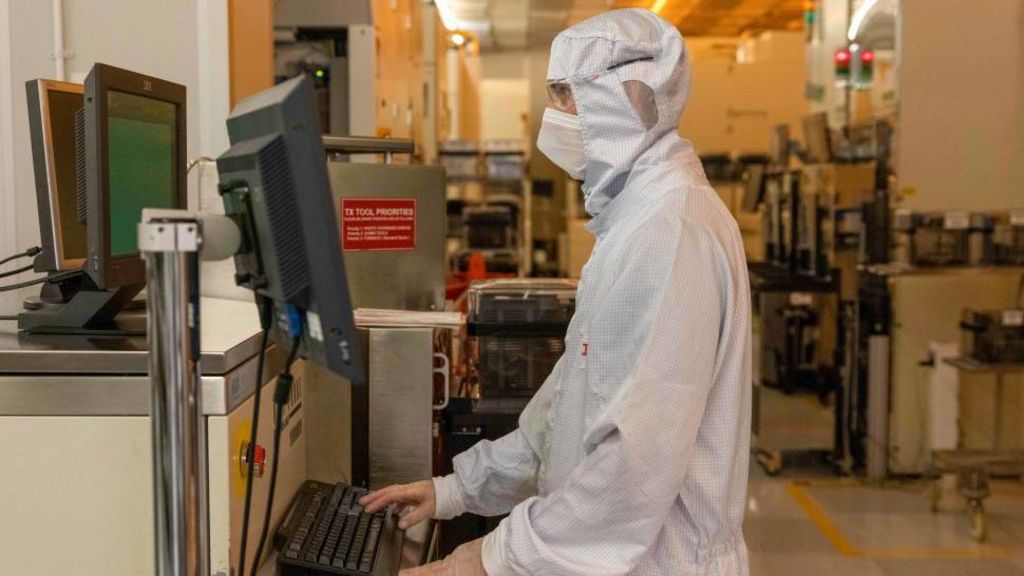
Netherlands cracks down on China-owned chip firm over security risk
The Dutch government has made a rare decision to intervene in the operations of Nexperia, a Chinese-owned semiconductor manufacturer based in the Netherlands, citing potential risks to Dutch and European economic security. The move, announced on Sunday, underscores growing tensions between the European Union and China, particularly in the realm of trade and technology. Nexperia, which produces chips for automobiles and consumer electronics, has faced scrutiny in recent months, including being forced to sell its silicon chip plant in Newport, Wales, due to national security concerns raised by UK officials. The Dutch government invoked its Goods Availability Act, a legal mechanism designed to address serious governance issues and ensure the supply of critical goods. While Nexperia’s production will continue as usual, the intervention aims to safeguard crucial technological knowledge and capabilities in the Netherlands and Europe. The decision has already impacted Nexperia’s parent company, Wingtech, whose Shanghai-listed shares dropped by 10% on Monday. Wingtech, which is on the US ‘entity list,’ faces restrictions on importing American-made goods without special approval. This development highlights the escalating geopolitical tensions surrounding semiconductor supply chains and China’s global tech ambitions.