分类: business

  • UAE real estate surge: Demand up for prime office and retail space

    UAE real estate surge: Demand up for prime office and retail space

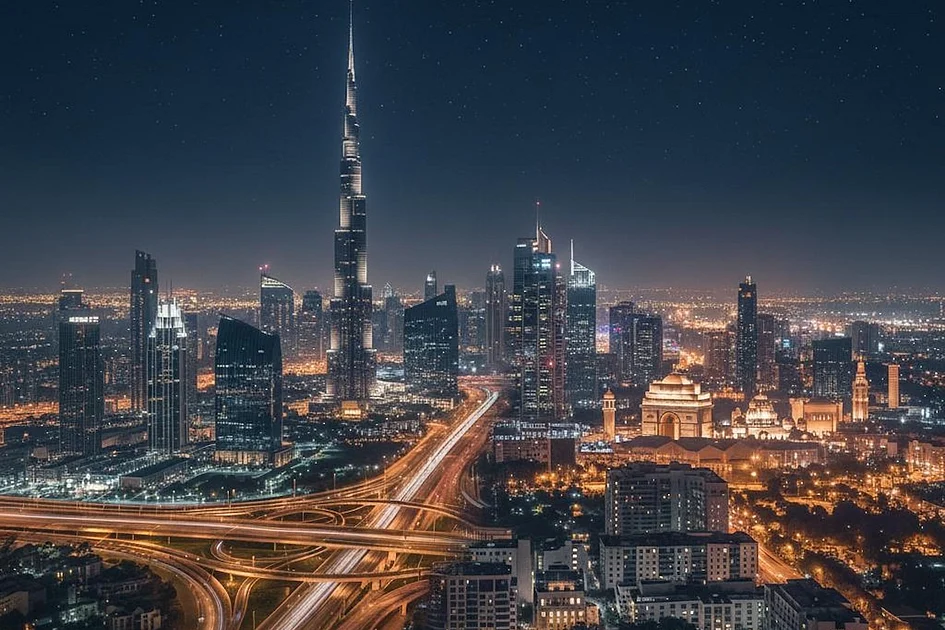
    The United Arab Emirates’ commercial property sector has demonstrated exceptional resilience and growth throughout 2025, driven by converging factors of constrained supply and evolving market dynamics across both office and retail segments. According to industry experts and recent market analyses, business hubs including Dubai and Abu Dhabi have experienced remarkable performance metrics despite global economic uncertainties.

    Market intelligence from JLL’s Office Market Dynamics report reveals a significant transformation in demand composition within the UAE’s 13.4 million square meters of office inventory. Regional corporations are increasingly outpacing international counterparts in leasing inquiries, demonstrating greater flexibility regarding premium rental structures. This trend has created a landlord-favorable environment, particularly for premium-grade properties in central business districts.

    The retail landscape has undergone parallel transformation, with consumer behavior shifts toward value and convenience reshaping the sector’s 8.24 million square meters of inventory. Prime super-regional malls maintained their premium positioning, with Abu Dhabi recording a 3.4% rental increase year-to-Q3 2025, while Dubai witnessed a substantial 13.5% surge during the same period.

    ValuStrat data indicates Abu Dhabi’s office market, with approximately 3.9 million square meters of stock, achieved asking rent increases of 22.7% year-over-year and 3.6% quarter-over-quarter, maintaining occupancy rates exceeding 90% in central business districts. The retail segment reached nearly 2 million square meters of gross leasable area, supported by expansion projects including Al Jimi Mall’s redevelopment.

    Industry executives highlight several structural catalysts underpinning this growth, including government long-term economic strategies, expanded freehold zones, golden visa initiatives, and stable tax regulations. The emergence of master-planned mixed-use developments represents another critical driver, accounting for over 85% of new urban development and delivering superior rental yields compared to single-use zones.

    Looking toward 2026, market sentiment remains optimistic though cautiously attentive to cyclical peaks in rental growth rates. Dana Williamson of JLL emphasized that ‘success hinges on deep understanding of evolving occupier and consumer behaviors, and the ability to implement innovative adaptation strategies in a fast-maturing market.’

    Executive perspectives from Ohana Developments and Relaam reinforce this outlook, noting sustained demand for premium developments, particularly those offering integrated lifestyle components, wellness features, and sustainability considerations. Challenges include maintaining design consistency, preserving authentic community identity, and ensuring commercial offerings evolve alongside increasingly selective buyer expectations.

  • First-time homebuyers in UAE: Navigate the buying process

    First-time homebuyers in UAE: Navigate the buying process

    The United Arab Emirates’ real estate sector is witnessing a significant transformation as homeownership becomes an increasingly attainable objective for residents. This shift is propelled by evolving long-term visa policies, robust salary growth, and a more accommodating mortgage environment tailored for newcomers to the property market. Despite rising interest, numerous prospective buyers seek a clear, structured understanding of the purchasing journey. Contrary to common perceptions, acquiring property in the UAE is a well-defined process, empowering informed financial decision-making for those aiming to transition from renting, establish permanent roots, or diversify investment portfolios.

    A successful purchase begins with a thorough eligibility assessment. Financial institutions evaluate applicants based on minimum salary thresholds (typically Dh10,000–15,000), employment classification, credit history, existing debt obligations, and nationality—which influences loan-to-value (LTV) ratios. Expatriates often qualify for up to 80% LTV, while Emirati nationals may access 85–90% financing. Consulting a mortgage advisor early can streamline this preliminary phase.

    Understanding genuine affordability, distinct from property prices, is crucial. Banks employ a Debt Burden Ratio (DBR), capping total monthly debt repayments at 50% of income. Prospective buyers must evaluate maximum loan amounts, installment schedules (extending to 25 years), and the implications of fixed versus variable interest rates, including potential early settlement fees and recurring service charges.

    Financial planning must also incorporate all ancillary costs. In Dubai, these encompass a 4% DLD transfer fee, administrative charges of Dh4,000, trustee fees (Dh2,000–4,000), mortgage registration (0.25% of loan value), bank processing fees (up to 1%), and valuation costs (Dh2,500–3,500). Off-plan purchases involve additional Oqood registration fees and developer-specific payment plans.

    Securing a pre-approval serves as a powerful strategic tool, validating borrowing capacity for 60–90 days and enhancing negotiation leverage with sellers and brokers. With financing parameters established, buyers can then identify suitable properties—balancing factors like readiness (ready versus off-plan), community amenities, proximity to essential services, infrastructure developments, rental yields, and long-term capital appreciation potential.

    The final transaction phase involves executing a Memorandum of Understanding, depositing 10% payment, completing property valuation, obtaining the final mortgage offer, clearing any seller liabilities, and formalizing the transfer at the trustee office with payment of due fees. Post-acquisition, prudent long-term ownership entails budgeting for maintenance, understanding service charge schedules, securing adequate insurance, and monitoring mortgage rates for future refinancing opportunities.

  • UAE real estate shift: Sustainability and wellness redefine living

    UAE real estate shift: Sustainability and wellness redefine living

    The United Arab Emirates is experiencing a fundamental transformation in its real estate sector, with Sharjah emerging as a pioneering testing ground for sustainable community development. This paradigm shift represents a dramatic departure from traditional housing models, as buyers now demand integrated lifestyle features that combine environmental responsibility, wellness design, and long-term investment value as standard offerings rather than premium additions.

    Sharjah’s real estate market demonstrates remarkable momentum, attracting international investors while fundamentally reimagining urban development principles. The emirate recorded over 6,600 investors from 109 nationalities in the first half of 2025, with transactions exceeding Dh27 billion during this period. This growth is underpinned by a structural evolution in development philosophy that aligns with global sustainability trends while addressing local lifestyle priorities.

    The groundbreaking Sharjah Sustainable City stands as a testament to this transformation. Spanning 7.2 million square feet with approximately 1,250 villas, this community has established new benchmarks for low-emission living. Every residence incorporates solar panels and energy-efficient appliances, while the development treats all wastewater for irrigation purposes. The comprehensive approach reduces utility consumption significantly while simultaneously lowering carbon emissions.

    Beyond technical specifications, the community reshapes daily life through thoughtful urban design. Pedestrian-friendly pathways, abundant green spaces featuring native vegetation, and community facilities encourage sustainable living practices. The development includes a Sustainability Experience Center that educates residents about renewable energy, recycling, and responsible consumption—integrating environmental awareness into the community’s core ethos.

    Concurrently, the Ajwan Khorfakkan development represents a parallel shift toward wellness-oriented coastal living. This beachfront project combines dramatic natural surroundings with sophisticated design, responding to growing demand for waterfront communities that serve as both primary residences and retreat spaces. The development’s master plan incorporates shaded walking paths, recreational facilities, and hospitality offerings that emphasize connection to the natural environment.

    Market data confirms robust demand for sustainable properties, with reports indicating a 40% increase in demand for eco-friendly residential units since early 2025. Industry experts attribute this growth to improved consumer awareness, increased supply, and strengthened long-term confidence in sustainable investments. Developers are responding by accelerating new project launches that incorporate features such as water recycling systems, solar integration, energy-efficient appliances, and low-emission building materials.

    Sharjah’s government has played a crucial institutional role in this transformation through flexible legislation and updated construction standards. The widespread adoption of green concrete in public housing projects has yielded a 30% reduction in energy consumption and an 80% decrease in carbon emissions. This regulatory framework ensures that sustainability innovation extends beyond individual developments to become embedded in the emirate’s broader urban strategy.

    The convergence of developer commitment, consumer demand, and government support has established sustainability and wellness as fundamental determinants of real estate success rather than optional design trends. This comprehensive approach creates communities that demonstrate greater resilience to market fluctuations while attracting diverse investor profiles and supporting longer resident retention—ultimately contributing to Sharjah’s broader economic diversification objectives.

  • Gold tops $4,500 for first time on rate cut bets, geopolitics

    Gold tops $4,500 for first time on rate cut bets, geopolitics

    In a historic market movement, gold prices shattered the $4,500 barrier during Asian trading hours on Wednesday, December 24, 2025, establishing a new peak at $4,519.78 per ounce. This landmark achievement extends a powerful rally that has propelled the precious metal’s value by over 70 percent since the commencement of 2025, marking one of its most robust annual performances.

    The unprecedented surge is primarily driven by a confluence of two major factors. Firstly, growing market optimism surrounds the anticipated continuation of interest rate cuts by the U.S. Federal Reserve in the coming year. Lower interest rates diminish the opportunity cost of holding non-yielding assets like gold, thereby enhancing its appeal to investors seeking value storage. Secondly, escalating geopolitical friction, particularly a notable flare-up in tensions between the United States and Venezuela, has triggered a classic flight to safety. Investors traditionally flock to gold during periods of global uncertainty, reinforcing its status as a premier safe-haven asset.

    This record-breaking performance underscores a significant shift in investor sentiment and strategic portfolio allocation. Analysts are monitoring whether this momentum can be sustained, viewing the $4,500 level as a critical psychological and technical threshold. The event signals deep-seated expectations for a softer U.S. monetary policy and reflects ongoing nervousness within global markets regarding political instability.

  • Fujian town produces over 1 billion slippers annually

    Fujian town produces over 1 billion slippers annually

    The modest town of Neikeng in Jinjiang, Fujian Province, has emerged as an unlikely global footwear powerhouse, manufacturing an astonishing 1 billion pairs of slippers annually. This remarkable output means approximately one in every eight people worldwide could be wearing slippers originating from this Chinese manufacturing hub.

    The town’s extraordinary journey began over four decades ago during China’s reform and opening-up period, starting from humble family-operated workshops. Through strategic development and industrial consolidation, Neikeng has transformed into a world-class manufacturing cluster with a fully integrated ecosystem encompassing research and development, production, supply chain management, and international trade operations.

    Today, Neikeng’s industrial landscape comprises more than 620 specialized slipper manufacturers, including 81 large-scale enterprises and 28 companies each generating annual revenues exceeding 100 million yuan ($14.2 million). The combined annual output value of the town’s slipper industry chain has surpassed 3 billion yuan, demonstrating significant economic impact and industrial concentration.

    Local authorities have actively promoted digital transformation within the traditional industry, facilitating e-commerce platform integration to expand market reach. This strategic approach has enabled Neikeng’s manufacturers to maintain competitive advantage while adapting to evolving global market demands and consumer preferences.

    The town’s success story exemplifies China’s manufacturing capabilities in transforming traditional industries through technological innovation, cluster development, and market-oriented reforms, positioning itself as a critical node in global footwear supply chains.

  • China-Mongolia border port sees rise in cross-border traffic

    China-Mongolia border port sees rise in cross-border traffic

    Erenhot, the primary land port along the China-Mongolia border, has reported substantial increases in both passenger and freight traffic through December 22, 2025, demonstrating growing economic connectivity between the nations. Official statistics reveal inbound and outbound passenger volumes reached 2.753 million, marking an 8.8% year-on-year increase, while vehicle crossings surged to 741,000, representing a 12.1% growth compared to the same period last year.

    Strategically positioned as a crucial node within the China-Mongolia-Russia Economic Corridor, Erenhot serves as a vital conduit for transcontinental trade and transportation. Recent aerial photography captured on December 22, 2025, visually documents the steady movement of China-Europe freight trains traversing through this bustling border crossing in China’s Inner Mongolia Autonomous Region.

    The rising traffic metrics underscore Erenhot’s expanding role in facilitating international commerce and regional integration. This growth trajectory reflects strengthened economic ties between China and Mongolia, with the border port evolving into an increasingly significant hub for cross-border exchange and cooperation. The transportation infrastructure continues to support the flow of goods and people, contributing to the economic development of both nations and enhancing regional connectivity across the broader Eurasian corridor.

  • Transport sector on track to fulfill goals, forge ahead

    Transport sector on track to fulfill goals, forge ahead

    China’s transportation infrastructure has demonstrated remarkable expansion and technological advancement throughout 2025, with officials from the Ministry of Transport announcing unprecedented growth across multiple sectors. With fixed-asset investments projected to exceed 3.6 trillion yuan ($512.2 billion), the nation has strengthened its position as a global leader in transport infrastructure development.

    Vice-Minister of Transport Li Yang confirmed the sector’s exceptional performance during a year-end press briefing in Beijing, highlighting the addition of approximately 2,000 kilometers of high-speed rail and 8,000 kilometers of expressways. These developments occurred despite complex operational challenges, with all major annual targets successfully met.

    The statistical overview reveals substantial increases in transport activity: cross-regional passenger journeys are expected to surpass 66 billion, while commercial freight volume approaches 58 billion metric tons—both reflecting a 3.5 percent year-on-year growth that aligns with national economic expansion. Port operations showed particularly strong performance, with foreign trade container throughput rising by 9.6 percent and international air cargo surging by 20 percent.

    Peak travel periods set new benchmarks, with the 40-day Spring Festival travel rush recording 9 billion passenger trips and the National Day holiday witnessing over 2.4 billion journeys within eight days. Urban transit networks now serve 54 cities with more than 11,000 kilometers of metro lines, facilitating over 90 million daily passenger trips.

    Technological innovation emerged as a central theme, with the implementation of national guidelines for artificial intelligence integration in transport systems and the launch of a large-model initiative. Digital transformation has upgraded approximately 1,700 kilometers of expressways and 2,200 road and waterway facilities, while 60 automated container and bulk cargo terminals became operational nationwide.

    Reflecting on the 14th Five-Year Plan period (2021-2025), officials noted total transport investments reached 18.8 trillion yuan, enabling landmark projects including the Shenzhen-Zhongshan Link and major Yangtze River crossings. The period also saw enhanced international connectivity through the China-Laos Railway, Heihe cross-border bridge, and Chancay Port in Peru.

    Looking forward to the 15th Five-Year Plan period (2026-2030), the ministry plans to accelerate development of an integrated modern transport system with emphasis on digitalization, green transition, and safety. Major projects including the Shiziyang Link, Zhangjinggao Yangtze River Bridge, and Shanghai East Railway Station are scheduled for completion during this period.

  • Holiday trading: Why late-December markets demand a different playbook

    Holiday trading: Why late-December markets demand a different playbook

    As financial markets enter the Christmas-New Year transition period, they undergo a fundamental transformation characterized by diminished trading activity and amplified volatility. This seasonal shift creates a uniquely fragile trading environment where traditional market behaviors become less reliable.

    The convergence of multiple factors drives this annual phenomenon: institutional investors conducting year-end portfolio rebalancing, foreign exchange exposure adjustments, and significantly reduced participation across major markets. The resulting liquidity vacuum leads to wider bid-ask spreads and creates conditions where even routine data releases or isolated transactions can trigger disproportionate price movements.

    Historical patterns have often referenced the so-called “Santa Claus Rally”—a tendency for U.S. equity indices to strengthen during late December. However, this seasonal expectation remains contingent on broader macroeconomic conditions, valuation pressures, and evolving policy expectations. The 2025 market trajectory toward 2026 appears particularly dependent on Federal Reserve policy signals, global growth prospects, and investor interpretation of emerging economic indicators.

    Market analysts emphasize that technical discipline becomes paramount during this period. Traders should prioritize higher-timeframe analysis to filter out liquidity-driven distortions, await confirmed breakouts supported by volume, and maintain strict risk management protocols. Position sizing, stop-loss orders, and disciplined profit targets take on increased importance when market depth diminishes.

    Across major asset classes, distinct dynamics emerge. U.S. equities maintain a broadly bullish bias but face potential consolidation risks around stretched valuations and policy uncertainty. Precious metals continue consolidating below their 2025 peaks, awaiting catalyst events to establish new support levels. The U.S. dollar approaches critical multi-year support zones that will likely determine its longer-term trajectory, while crude oil remains sensitive to geopolitical developments and winter demand patterns.

    The consensus among trading professionals suggests that the most effective strategy involves treating holiday market movements as noise rather than meaningful trend developments. Preserving capital and maintaining strategic clarity outweighs pursuing short-term gains in unpredictable conditions. As central banks approach a potentially pivotal policy year, the cautious approach adopted during these final weeks of 2025 may well position investors more advantageously for the opportunities and challenges of 2026.

  • UAE President receives banking delegation supporting Emirati debt relief initiative

    UAE President receives banking delegation supporting Emirati debt relief initiative

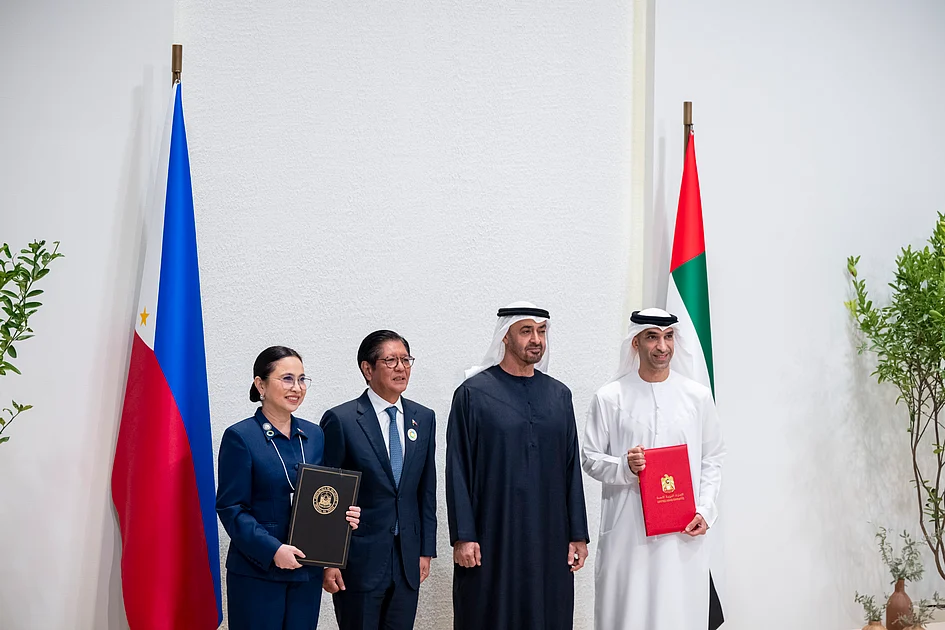
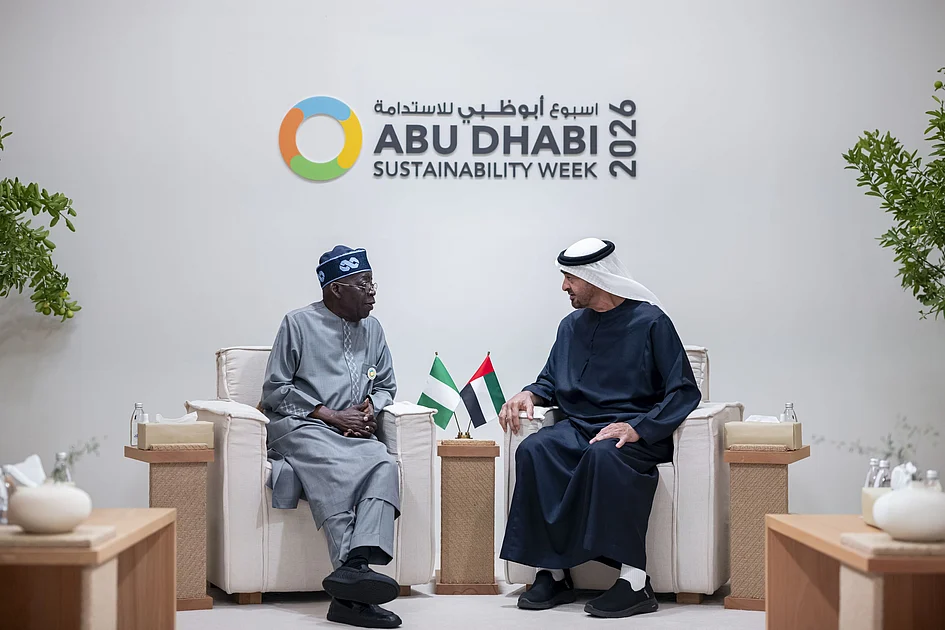
    In a significant demonstration of public-private partnership, UAE President Sheikh Mohamed bin Zayed Al Nahyan hosted senior banking representatives on Tuesday at Qasr Al Bahr in Abu Dhabi to acknowledge their pivotal role in a nationwide debt relief program for financially struggling Emirati citizens.

    The presidential reception honored financial institutions collaborating with the Defaulted Debts Settlement Fund, a comprehensive initiative designed to alleviate financial burdens for UAE nationals facing economic challenges. The meeting underscored the deepening culture of corporate social responsibility within the Emirates’ financial sector.

    President Sheikh Mohamed characterized the debt waiver program as instrumental in restoring hope to numerous families while contributing substantially to national social stability objectives. He emphasized that such collaborative efforts between government entities and private institutions form the cornerstone of successful developmental models observed globally.

    ‘When institutions actively fulfill their societal roles, they significantly advance the UAE’s comprehensive development vision,’ Sheikh Mohamed stated during the engagement. He further noted that strengthened social responsibility mechanisms directly correlate with enhanced national resilience and societal cohesion.

    Banking delegates reaffirmed their commitment to supporting national initiatives that promote familial and social stability. Representatives expressed ongoing dedication to the leadership’s efforts in reducing citizens’ financial pressures while simultaneously improving quality of life indicators for Emirati households.

    The dialogue highlighted the evolving paradigm of cooperative governance in the UAE, where economic development and social welfare objectives are increasingly achieved through synergistic partnerships between governmental bodies and private sector organizations.

  • Rivalries and rumours: How the new order of the Murdoch dynasty is playing out

    Rivalries and rumours: How the new order of the Murdoch dynasty is playing out

    The Murdoch media dynasty, long considered one of the world’s most powerful family empires, has reached a watershed moment in its corporate history. Following a contentious closed-court battle in Nevada, three of Rupert Murdoch’s children—Elisabeth, James, and Prudence Murdoch—have been permanently excluded from the family business, receiving substantial financial settlements in exchange for relinquishing their stakes in Fox Corp and News Corp.

    The settlement, which emerged from a legal challenge to a 1999 trust agreement established during Rupert’s divorce from second wife Anna Murdoch, represents a dramatic restructuring of the media conglomerate’s leadership future. Lachlan Murdoch, Rupert’s eldest son from his second marriage, now stands as the unequivocal successor to the 94-year-old media magnate’s empire.

    This familial schism reflects deeper ideological divisions within the family. James Murdoch, who publicly characterized his father as a ‘misogynist’ during the proceedings, expressed feeling betrayed by Rupert’s decision to force the separation. The move was reportedly motivated by Rupert’s concerns that his more liberal-leaning children might steer the companies in a different political direction after his death.

    Despite Lachlan’s successful tenure as CEO of Fox Corp—during which the company’s share price doubled and streaming service Tubi reached profitability—the resolution came at significant financial cost. The company’s improved performance under Lachlan’s leadership increased the valuation of the siblings’ shares, resulting in a substantially larger payout requirement.

    Media analysts characterize this development as potentially permanent, with biographer Claire Atkinson describing it as ‘a sad ending’ for children who had grown up within the business. The Murdoch saga continues to draw comparisons to the acclaimed television drama ‘Succession,’ though reality has proven more complex and enduring than fiction.

    While Elisabeth and Prudence are said to be focusing on moving forward and potentially reconciling with their aging father, James’s relationship with both Rupert and Lachlan appears irreparably damaged. The settlement includes provisions preventing the excluded siblings from purchasing equity in the family companies in perpetuity.

    As Lachlan Murdoch consolidates control, industry observers note his distinct leadership style—more focused on business fundamentals and digital expansion than political kingmaking. However, the substantial debt incurred through the settlement may pressure the company to maintain profitable but politically divisive programming strategies that have characterized Fox News’s success.