分类: business

  • ADX approves Waha Capital share buyback as investment firm builds momentum into 2026

    ADX approves Waha Capital share buyback as investment firm builds momentum into 2026

    Abu Dhabi Securities Exchange has granted formal approval to Waha Capital’s ambitious share repurchase initiative, authorizing the investment firm to acquire up to 10% of its outstanding shares. This strategic move follows a General Assembly resolution and enables the Abu Dhabi-listed company to execute buybacks through open-market operations in compliance with ADX and Securities and Commodities Authority guidelines.

    The implementation timeline and volume of share repurchases will be determined by prevailing market conditions. Mohamed Hussain Al Nowais, Managing Director of Waha Capital, characterized the approval as a robust endorsement of the company’s growth trajectory, emphasizing that current market valuation fails to adequately reflect the firm’s fundamental worth. “This buyback initiative demonstrates our disciplined capital allocation strategy and reinforces our dedication to generating substantial long-term returns for shareholders as we maintain our operational momentum through 2026,” Al Nowais stated.

    The authorization coincides with Waha Capital’s exceptional financial performance, having achieved a 22% year-over-year increase in net profit reaching Dh343 million for the first three quarters of 2025. This strong performance was propelled by two significant transactions: the strategic Waha Land agreement with Aldar that enhanced the company’s industrial real estate holdings, and the highly successful exit from Optasia following the fintech company’s initial public offering on the Johannesburg Stock Exchange. The Optasia divestment yielded $119 million in proceeds, representing a fourfold return on invested capital with a 25% internal rate of return.

    Established in 1997, Waha Capital maintains diversified operations across three core segments: public markets featuring emerging-market credit and equity funds, private investments spanning multiple sectors and geographies, and industrial real estate development through its Waha Land division at ALMARKAZ, which provides consistent recurring income through industrial and logistics asset management.

    The share repurchase decision aligns with positive developments on the Abu Dhabi exchange, where the ADX General Index recorded a 6.59% year-over-year gain by mid-December 2025. Market liquidity indicators showed substantial improvement, with foreign net investment surging 99.5% to $3.7 billion during the first half of 2025. Total trading value increased by 33.5% annually to Dh179.5 billion, while average daily trading value reached Dh1.45 billion, supported by enhanced market infrastructure including new clearing and central securities depository services.

    With total market capitalization maintaining stability at approximately Dh3.1 trillion by December 2025, the Abu Dhabi market demonstrates sustained investor confidence and continuing structural reforms. Waha Capital’s buyback program, against this favorable backdrop, highlights the company’s strategic positioning and confidence in its valuation as it prepares for continued growth and value creation throughout 2026.

  • ADQ closes $5 billion financing deal with Asian financial institutions

    ADQ closes $5 billion financing deal with Asian financial institutions

    ADQ, an Abu Dhabi-based sovereign investment entity specializing in critical infrastructure and global supply chains, has successfully concluded its inaugural $5 billion syndicated term financing arrangement with financial institutions across Greater China. The five-year facility, announced on December 24, 2025, attracted overwhelming investor interest, generating approximately $12 billion in commitments—triple the initial $4 billion target—prompting ADQ to upsize the final transaction amount.

    This landmark financing represents the largest term loan secured by any Middle Eastern borrower from Asian financial institutions to date, signaling robust confidence in ADQ’s creditworthiness and strategic mandate. The transaction strengthens ADQ’s liquidity profile while diversifying its funding sources, providing enhanced flexibility to pursue commercially viable investment opportunities worldwide.

    Marcos de Quadros, Group Chief Financial Officer at ADQ, emphasized the significance of this milestone: ‘This successful debut financing in Greater China reflects sustained market confidence in our credit strength, prudent financial management, and disciplined funding strategy that characterizes all ADQ transactions.’

    The deal was coordinated by six global financial institutions: Bank of China (Dubai Branch), DBS Bank Ltd., HSBC, Industrial and Commercial Bank of China Limited (Dubai Branch), Standard Chartered Bank (Hong Kong), and J.P. Morgan Securities plc. More than 30 leading financial institutions across Mainland China, Hong Kong, Macau, and Taiwan participated in the syndication, demonstrating extensive regional engagement and investor appetite for high-quality UAE issuers.

  • UAB successfully concludes Dh1 billion, 2-year loan facility

    UAB successfully concludes Dh1 billion, 2-year loan facility

    United Arab Bank (UAB) has successfully finalized a significant Dh1 billion senior unsecured loan facility with a two-year maturity period, marking a substantial achievement in the UAE’s banking sector. The innovative financing structure combines both conventional lending and Shariah-compliant Commodity Murabaha tranches, executed at highly competitive market rates that reflect current financial conditions.

    The strategically structured facility will serve general corporate purposes while substantially strengthening UAB’s financial foundation. This enhanced liquidity position will enable the bank to more effectively support client requirements while advancing its strategic growth initiatives in the competitive UAE banking landscape.

    Abu Dhabi Commercial Bank PJSC, Emirates NBD, Emirates Islamic Bank, and First Abu Dhabi Bank served as Initial Mandated Lead Arrangers and Bookrunners for this transaction, with Emirates NBD additionally acting as Global Facility Agent, demonstrating strong collaborative banking relationships within the region.

    Chief Executive Officer Shirish Bhide emphasized the transaction’s significance, stating: ‘This dual-tranche facility represents a timely expansion of our funding base and underscores the sustained confidence of the UAE banking market in United Arab Bank’s financial resilience and disciplined execution capabilities. The arrangement substantially enhances our liquidity profile and funding flexibility, positioning us to proactively support our clients while pursuing strategic growth opportunities.’

    The successful financing follows UAB’s impressive nine-month performance through September 2025, during which the bank reported a 49 percent year-on-year increase in net profit to Dh316 million. This strong financial performance has been recognized by international rating agencies, with Moody’s upgrading the bank’s deposit ratings to Baa2 and Fitch Ratings elevating UAB’s Viability Rating to ‘bb-‘ while maintaining a stable outlook on its BBB+ Long-Term Rating.

  • Flag carrier PIA to be run by new owners from April, says Pakistan official

    Flag carrier PIA to be run by new owners from April, says Pakistan official

    Pakistan International Airlines (PIA), the nation’s flagship carrier, is poised to transition to new ownership by April 2025 following a successful privatization auction. A consortium led by Arif Habib Corporation emerged victorious with a winning bid of 135 billion rupees ($482.14 million), significantly exceeding the government’s reserve price of 100 billion rupees.

    The transaction structure represents a strategic approach to revitalizing the airline rather than a simple ownership transfer. The government will receive 10 billion rupees in immediate cash payment while retaining a 25% stake valued at approximately 45 billion rupees. Crucially, the arrangement mandates substantial fresh capital injection into the struggling carrier.

    Muhammad Ali, Privatization Adviser to the Prime Minister, emphasized the government’s commitment to sustainable transformation: “We intentionally structured this deal to prevent a scenario where the government collects payment only to see the company collapse afterward.”

    The privatization process now advances toward final approvals from the Privatization Commission board and federal cabinet, expected within days. Contract signing is anticipated within two weeks, with financial closure projected within 90 days to satisfy regulatory requirements.

    The winning consortium includes diverse Pakistani business interests: fertilizer manufacturer Fatima, private education network City Schools, and real estate developer Lake City Holdings Limited. The agreement permits the addition of up to two qualified partners, potentially including international aviation experts or additional financial partners.

    Labor protections form a key component of the transition, requiring the new owners to maintain all current employees with unchanged contracts for at least twelve months following the transaction completion.

    This privatization represents a critical milestone in Pakistan’s economic reform agenda, particularly watched by the International Monetary Fund which has consistently advocated for reducing losses from state-owned enterprises. Successful completion would demonstrate Pakistan’s commitment to structural reforms while alleviating pressure on public finances.

  • Gen Z, longer stays: Here’s what drives Dubai’s short-term rental demand into 2026

    Gen Z, longer stays: Here’s what drives Dubai’s short-term rental demand into 2026

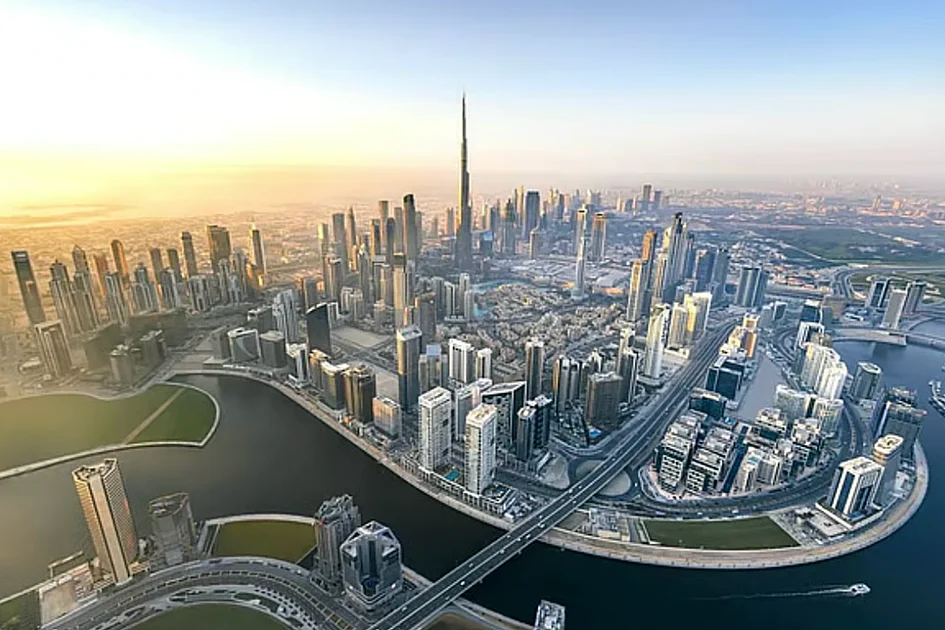
    Dubai’s short-term rental sector is demonstrating remarkable resilience as it advances toward 2026, evolving into a more sophisticated market characterized by shifting traveler demographics and heightened quality expectations. Despite global economic uncertainties, industry data reveals stable occupancy rates and modest price appreciation, signaling market maturation.

    Market analytics from Property Finder indicate a 3% year-on-year supply increase while maintaining robust demand patterns. The sector continues to exhibit strong seasonal fluctuations, with winter demand exceeding summer volumes by approximately 2.5 to 3 times. Current pricing metrics show median daily rates at AED 780 (up from AED 670 year-on-year), with weekly rentals reaching AED 5,000 and monthly rates holding steady at AED 16,000.

    Demographic transformations are reshaping market dynamics. Frank Porter reports a substantial 25% year-on-year surge in Gen Z travelers, a cohort distinguished by their social media engagement and preference for visually distinctive properties with unique amenities. Concurrently, European visitors are extending their average stay duration to nearly 10 days, while demonstrating increased price sensitivity and value-conscious booking behaviors.

    The competitive landscape has intensified with new market entrants, yet this has paradoxically strengthened overall market discipline. Regulatory initiatives by Dubai’s Department of Economy and Tourism have effectively eliminated unlicensed operators, while major platforms have implemented quality-focused curation policies. This regulatory framework has professionalized the market, rewarding quality accommodations with superior occupancy and pricing performance.

    Geographic preferences are evolving beyond traditional hotspots like Dubai Marina and Business Bay. Emerging districts such as Meydan are gaining traction due to competitive pricing, enhanced infrastructure, and improved amenities. Industry experts note that while location remains relevant, property-specific factors—including interior design, views, and exclusive amenities—increasingly determine rental success.

    As global markets implement stricter short-term rental regulations, Dubai’s established licensing framework provides market stability. Industry leaders anticipate continued growth through 2026, driven by quality differentiation, value optimization, and enhanced guest experiences that maintain Dubai’s competitive position in the global hospitality landscape.

  • Sheikh Mohammed bin Sultan bin Khalifa Al Nahyan appointed Chairman of Aram Group

    Sheikh Mohammed bin Sultan bin Khalifa Al Nahyan appointed Chairman of Aram Group

    In a significant corporate development, UAE-based investment conglomerate Aram Group has unveiled a comprehensive restructuring of its executive leadership. The company has appointed Sheikh Mohammed bin Sultan bin Khalifa Al Nahyan as Chairman of its newly formed Board of Directors, marking a pivotal moment in the organization’s strategic evolution.

    The leadership announcement follows an internal conclave at Aram Group’s UAE headquarters, where the newly constituted board convened to chart the company’s future course. The governance overhaul establishes Ali Musmar as Managing Director, while Jakub Bajak assumes the critical role of Board Spokesperson, creating a balanced leadership structure with distinct responsibilities.

    Sheikh Mohammed articulated the board’s forward-looking vision, emphasizing the critical intersection of technological advancement and disciplined governance. “We are navigating an era defined by accelerated technological transformation, particularly in artificial intelligence and digital infrastructure,” he stated. “Our mandate is to pursue these opportunities with rigorous governance frameworks, clear accountability mechanisms, and prudent capital deployment to convert innovation into sustainable shareholder value.”

    Managing Director Ali Musmar characterized the leadership transition as a fundamental milestone in Aram Group’s corporate journey. “This restructuring heralds a new strategic chapter focused on diversified growth across aviation, data processing, media, and healthcare sectors,” Musmar explained. “The board will prioritize investments in AI-driven enterprises while maintaining stringent evaluation processes to ensure sustainable expansion and shareholder protection.”

    Board Spokesperson Jakub Bajak highlighted the company’s commitment to transparency and stakeholder engagement. “We are actively exploring opportunities in medical technologies, aviation services, and data processing infrastructure, alongside potential ventures in sports media distribution,” Bajak revealed. “Our approach integrates advanced technological capabilities with strong commercial fundamentals and meaningful corporate social responsibility initiatives.”

    The leadership realignment positions Aram Group to accelerate its diversification strategy and strengthen its market position as a forward-thinking investment organization with a technology-centric approach to portfolio development.

  • E-invoicing coming to the UAE: What you should know

    E-invoicing coming to the UAE: What you should know

    The United Arab Emirates is embarking on a transformative digital taxation journey with the mandatory implementation of a nationwide e-invoicing system. With compliance deadlines set for July 2026 and March 2027 based on business turnover thresholds, organizations must urgently prepare for this fundamental shift in financial operations.

    Central to this transition are Authorized Service Providers (ASPs), commercial entities approved by the Ministry of Finance to facilitate electronic invoice transmission. These providers function as essential intermediaries, similar to telecommunications networks enabling communication between devices. ASPs ensure seamless data flow between businesses and the Federal Tax Authority’s Peppol-compliant network infrastructure.

    Three distinct categories of ASPs are emerging: accounting software developers with integrated e-invoicing capabilities, specialized technology firms offering advanced features and customization, and accounting/consulting practices providing tailored solutions aligned with specific business requirements. Each option presents unique advantages depending on organizational size, complexity, and existing technological infrastructure.

    The selection process demands careful evaluation of multiple factors including system compatibility, data volume handling, automation capabilities, industry-specific needs, and cost considerations. Businesses must assess integration levels ranging from manual data entry to fully automated systems, with significant implications for operational efficiency and processing time savings.

    With limited implementation windows, organizations must immediately commence strategic planning to ensure seamless compliance. The choice of ASP represents not merely a technical decision but a long-term strategic partnership that will shape financial operations and reporting capabilities for years to come.

  • Hospitality as real estate: Why boutique hotels are becoming the next big asset class

    Hospitality as real estate: Why boutique hotels are becoming the next big asset class

    The United Arab Emirates’ hospitality sector is undergoing a fundamental revaluation as investors increasingly perceive boutique hotels not merely as operational ventures but as strategic real estate holdings. This paradigm shift reflects the market’s maturation beyond traditional performance metrics toward recognizing the inherent physical asset value of design-forward, smaller-scale properties.

    According to industry analysis, boutique establishments deliver dual-faceted value: they generate strong emotional connections through unique guest experiences while simultaneously producing differentiated economic returns for proprietors. Gaurang Jhunjhnuwala, Group CEO of Naumi Hotels, emphasizes that these properties typically achieve higher direct booking rates, cultivate niche loyalty segments, and benefit from organic marketing advantages through their distinctive character.

    The investment thesis gains strength from compelling market fundamentals. Knight Frank’s UAE Hospitality Market Review for Autumn 2025 reveals robust performance indicators across the Emirates, with revenue per available room (RevPAR) and average daily rates (ADR) climbing 11.9% year-on-year through August. Occupancy rates reached 78.5%, with Abu Dhabi leading the surge at 24% RevPAR growth and 20.2% ADR increase, followed by sustained expansion in Dubai and Ras Al Khaimah.

    Strategic advantages include prime urban positioning and mid-sized footprints that offer superior asset liquidity compared to large-scale resorts. These characteristics enable easier repurposing, trading, or rebranding flexibility—increasingly valuable attributes for capital seeking long-term appreciation rather than short-term yields.

    The market’s evolution is further evidenced by supply dynamics. UAE hotel room inventory is projected to grow moderately from approximately 213,928 existing rooms to 217,853 by end-2025, eventually reaching 235,674 rooms across 1,184 properties by 2030, with significant concentration in luxury segments.

    This transformed perspective informs contemporary investment strategies, with many operators prioritizing acquisition and conversion of existing buildings over ground-up development. This approach reduces construction risks, accelerates market entry, and preserves inherent architectural character through thoughtful redesign. Secondary markets including Abu Dhabi and Ras Al Khaimah are emerging as complementary investment hubs specializing in leisure-driven opportunities.

    Critical to long-term valuation is the integration of authentic design DNA with operational excellence. Properties that successfully articulate local narratives and deliver culturally resonant experiences demonstrate pricing power and guest loyalty that transcend market cycles. Operational sophistication—from energy-efficient systems to technology-enhanced revenue management—further bolsters margins without compromising experiential quality.

    As the market matures, the convergence of design clarity, operational discipline, and physical adaptability positions boutique hotels as cornerstone assets in value-driven hospitality investment portfolios, signaling a permanent transformation in how the industry evaluates property worth.

  • Beijing further eases curbs on home buying to stabilise property market

    Beijing further eases curbs on home buying to stabilise property market

    In a significant policy shift aimed at revitalizing its struggling real estate sector, Beijing municipal authorities announced substantial easing of home purchase restrictions on Wednesday. The new measures represent the capital’s most aggressive intervention to date as it battles persistent declines in property values.

    The revised regulations reduce the mandatory income tax payment period for non-local residents seeking homeownership from two years to just one year, dramatically expanding potential buyer eligibility. Additionally, multi-child families now receive authorization to purchase supplementary residences within Beijing’s central districts—a notable departure from previous limitations.

    Financial barriers have been simultaneously reduced through revised lending protocols. Prospective buyers utilizing China’s housing provident fund for secondary properties now face reduced down payment requirements of 25%, down from the previous 30% threshold.

    These interventions arrive amid sustained downward pressure on Beijing’s housing market. Official data reveals consistent month-on-month depreciation throughout the past quarter, creating urgency for municipal intervention. The current measures build upon August’s partial deregulation that lifted purchase restrictions in suburban territories while maintaining constraints within the Fifth Ring Road central district.

    National authorities have concurrently pledged intensified stabilization efforts for 2026, emphasizing city-specific approaches to optimize housing supply and reduce excessive inventory. Market anxieties intensified recently when state-backed developer China Vanke sought bond repayment extensions totaling approximately $285 million, highlighting persistent sector-wide vulnerabilities despite governmental support measures.

  • Global Partners Ltd unveils landmark residential masterplan at Dubai Creek

    Global Partners Ltd unveils landmark residential masterplan at Dubai Creek

    Dubai’s real estate landscape is set for a transformative addition as Global Partners Ltd, in partnership with OCTA Properties, announces a groundbreaking residential development at Dubai Creek. The project, officially launching in 2026, represents the asset manager’s second UAE fund and marks a significant advancement in sustainable urban planning.

    The masterplan, spanning 127,000 square meters, breaks conventional development patterns by dedicating 70% of its area to meticulously landscaped gardens and open spaces. This unusual green-to-built-space ratio creates an unprecedented balance between modern community living and natural serenity within one of Dubai’s most iconic locations.

    Architectural design prioritizes wellness-oriented living through low-rise residences that maximize panoramic views of Downtown Dubai, Dubai Creek, and surrounding parklands. The development will incorporate carefully curated retail establishments integrated within the residential and green spaces, ensuring both convenience and community vibrancy.

    Bader Saeed Hareb, Executive Chairman of Global Partners Property Fund II, stated: “Our vision to elevate urban living standards will materialize with construction commencing in 2026. This masterplan offers families, couples, and investors a tranquil lifestyle within one of Dubai’s most desirable communities.”

    Adding significant prestige to the project, Global Partners has secured collaborations with internationally acclaimed hotel brands to introduce two branded residential complexes within the community. These partnerships will bring world-class hospitality standards and luxury living amenities to residents.

    Fawaz Sous, CEO of OCTA Properties, emphasized: “As exclusive sales and marketing partner, we’re proud to present this visionary development that represents a new chapter in Dubai’s residential offerings. We anticipate strong interest from discerning buyers globally.”

    The development promises residents a secluded, nature-rich environment while maintaining excellent connectivity to Dubai’s main commercial hubs and attractions. Backed by decades of investment expertise, Global Partners aims to redefine urban landscapes through design-led, world-class real estate projects, while OCTA Properties leverages its extensive network to market the project to domestic and international buyers.