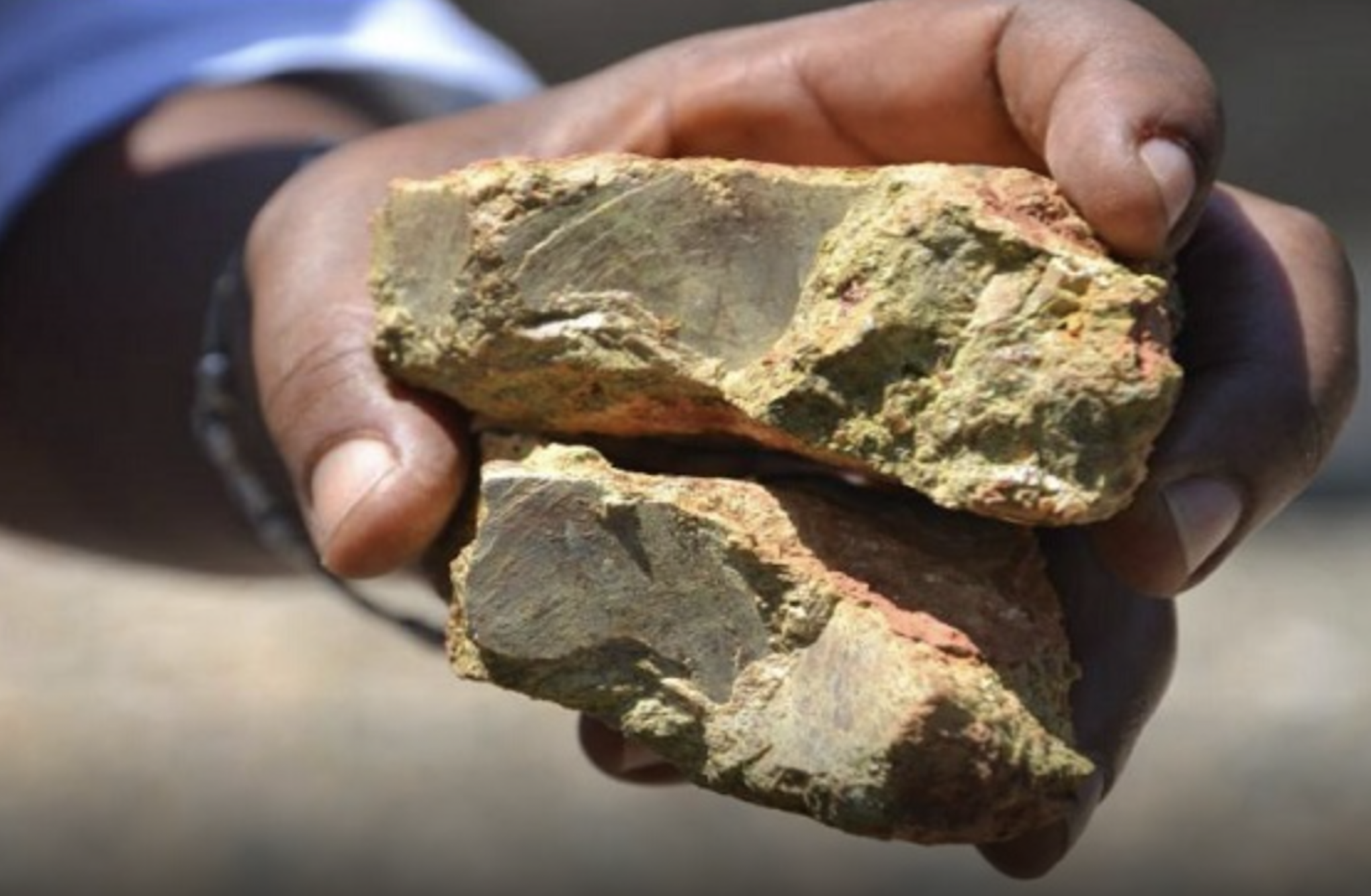
China has emerged as the undisputed leader in the global rare earths race, a position that is reshaping international trade, technology, and investment landscapes. While the United States intensifies efforts to reduce its reliance on Beijing—evidenced by a recent critical minerals agreement with Australia—the reality is that China’s control over these essential materials is only strengthening. Rare earths, vital for smartphones, electric vehicles, wind turbines, and defense systems, are the backbone of the digital and green economies. Without them, modern industries would grind to a halt. China’s dominance spans the entire supply chain, from mining to refining and manufacturing, controlling 70% of global mining output and nearly 90% of processing capacity. Despite Washington’s aggressive measures, including billions in investments and eased environmental regulations, China’s structural lead remains insurmountable. Beijing’s recent export controls on rare earths further tighten its grip, requiring government approval for shipments of magnets or alloys containing even trace amounts of these materials. This strategic control allows China to influence global markets and shape geopolitical strategies. The U.S. faces significant challenges in catching up, as its efforts remain fragmented and politically cyclical. Meanwhile, China’s vertical integration between resource extraction and manufacturing provides unmatched cost and speed advantages. The global reorganization of mineral trade is driving a new industrial cycle, with capital flowing into exploration, refining, and alternative materials research. However, China’s expansion into Africa and Latin America ensures its long-term dominance. As the world enters this new era of resource competition, China’s foresight and strategic investments have positioned it firmly in the lead, leaving other nations scrambling to reduce their dependence.
分类: business
-
Economic shockwaves
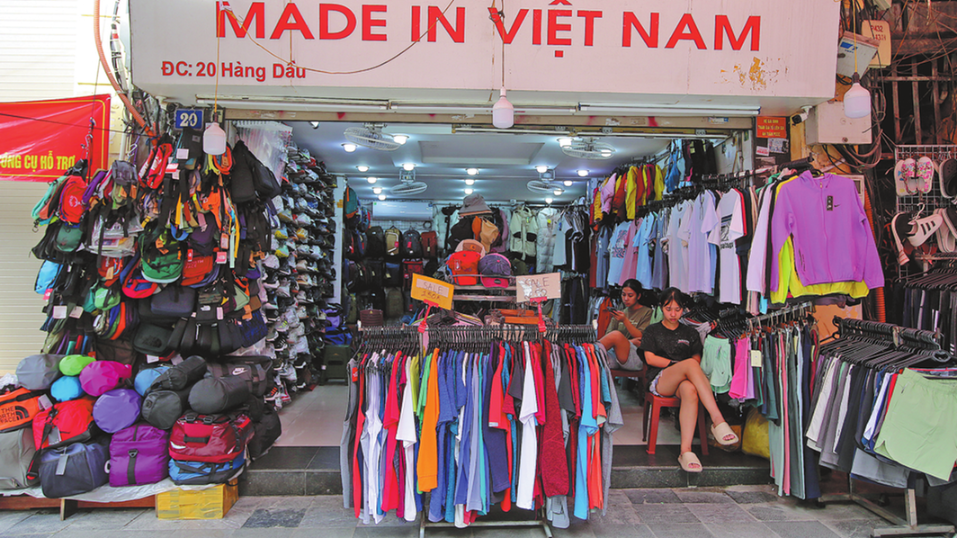
A recent report by the United Nations Development Programme (UNDP) highlights the severe economic repercussions of recent US tariff policies on Southeast Asian nations, particularly Cambodia, Vietnam, and Thailand. These export-driven economies are projected to face significant declines in their US-bound exports, with Cambodia, Vietnam, and Thailand expected to see contractions of 23.9 percent, 19.2 percent, and 12.7 percent, respectively.
-
What to expect for Japan’s economy under Sanae Takaichi, its 1st female prime minister
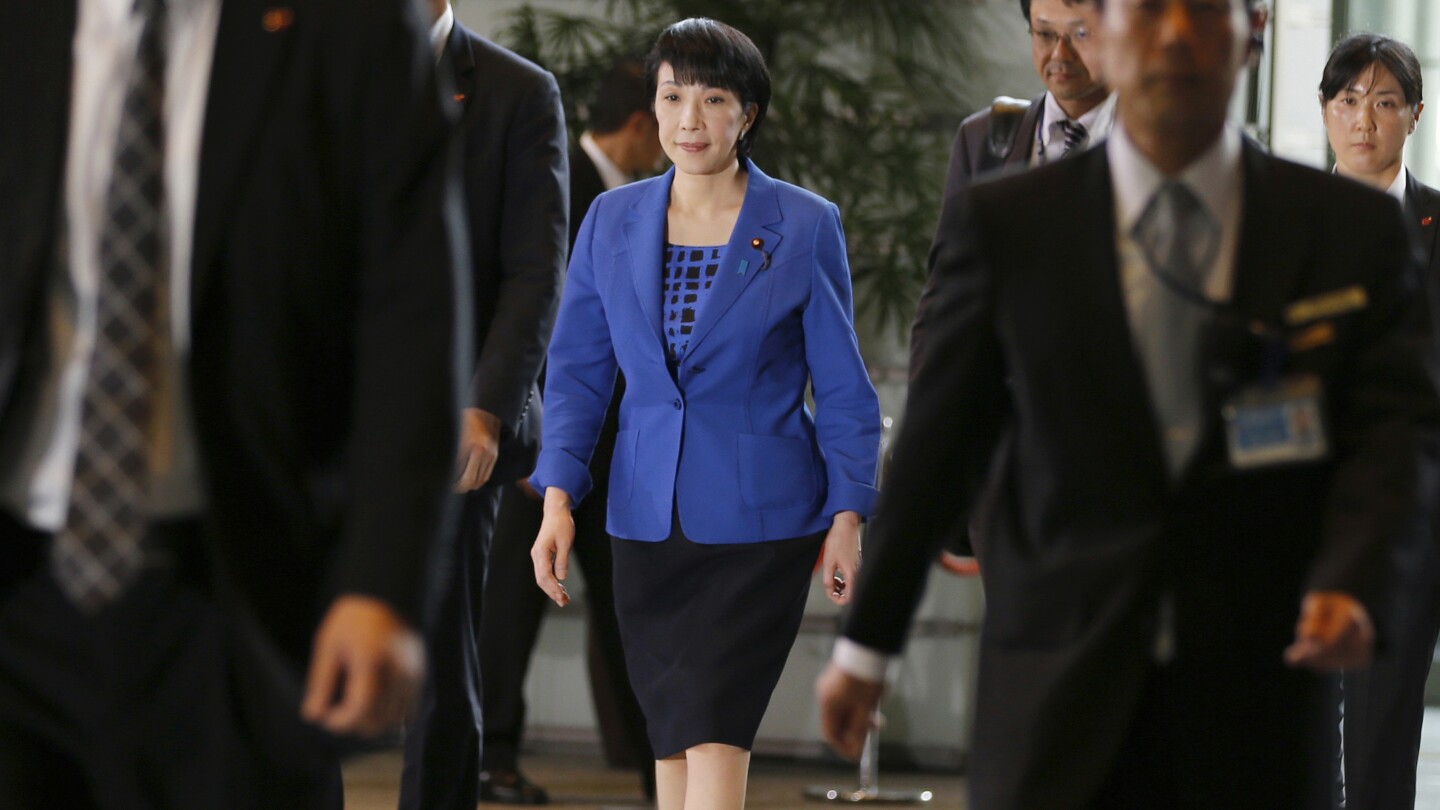
Tokyo’s stock market has surged following the election of Sanae Takaichi as Japan’s first female prime minister, with investors optimistic about her commitment to market-friendly policies. The Nikkei 225 index rose 0.7% to 49,517.57, nearing the symbolic 50,000 mark. Takaichi, a conservative lawmaker and heavy metal enthusiast, secured 237 votes in a parliamentary ballot, surpassing the 233 required for victory. Her policy framework, dubbed ‘Sanaenomics,’ is expected to emphasize increased defense spending and sustained low interest rates, despite concerns over inflation and a weak yen. Takaichi has vowed to address rising consumer prices, which have exceeded the Bank of Japan’s 2% target, reaching 2.5% to 3%. However, her opposition to raising interest rates could complicate efforts to curb inflation and strengthen the yen. Wage stagnation remains a pressing issue, with current levels only recently surpassing 1997 averages. Takaichi also faces the challenge of Japan’s shrinking and aging population, which has led to labor shortages and hindered economic growth. She has proposed tax incentives for companies offering childcare and hinted at family-friendly tax breaks. Takaichi’s policies are expected to mirror those of her late mentor, former Prime Minister Shinzo Abe, including boosting government spending and strengthening Japan’s defense capabilities. Her political rise has already spurred investment in military-related firms. While Takaichi seeks to maintain cordial relations with the U.S., her tenure will likely be fraught with challenges, including resistance to reforms and the need for cross-party support in a fragmented parliament.
-
Asian markets extend gains, with Chinese shares up more than 1%, after Wall Street rally
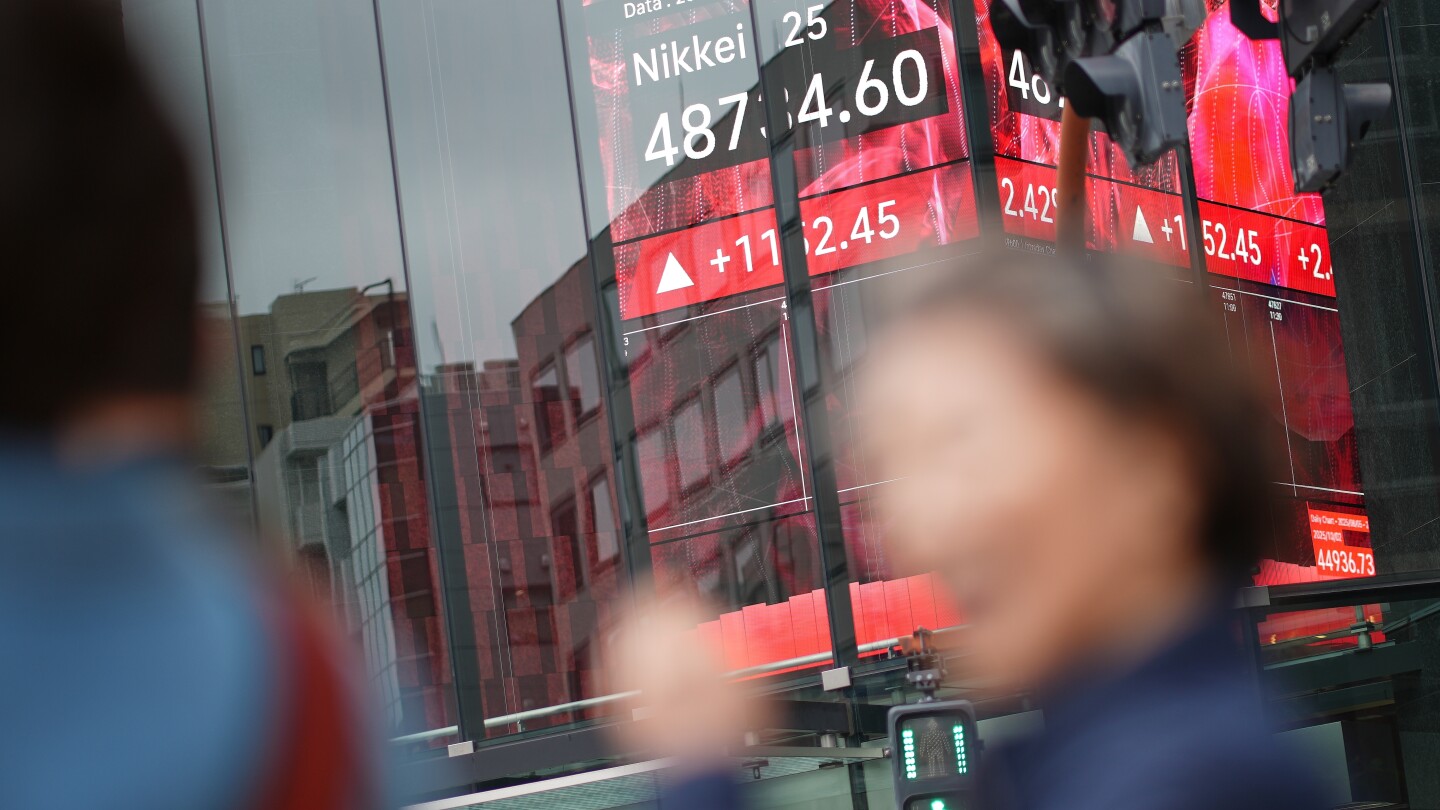
Asian markets experienced a notable uptick on Tuesday, with Japan’s Nikkei 225 index nearing the symbolic 50,000 mark for the first time. This surge coincided with the historic appointment of Sanae Takaichi as Japan’s first female prime minister, following a parliamentary vote. Takaichi, known for her conservative stance, is anticipated to advocate for market-friendly policies, including sustained low interest rates and increased government expenditure. The U.S. dollar strengthened against the Japanese yen, rising to 151.31 yen from 150.75 yen, as Takaichi’s potential influence on the Bank of Japan’s interest rate decisions could maintain the yen’s relative weakness, complicating inflation control efforts. Meanwhile, Hong Kong’s Hang Seng and Shanghai Composite indices rose by 1.2% and 1.3%, respectively, reflecting broader regional optimism. In South Korea, the Kospi edged up 0.2%, while Australia’s S&P/ASX 200 climbed 0.7%. Taiwan’s Taiex also saw a modest 0.2% increase. The positive sentiment was further bolstered by expectations of a meeting between U.S. President Donald Trump and Chinese President Xi Jinping at an upcoming regional summit, which could ease trade tensions between the two economic giants. In the U.S., stocks rallied on Monday, with the S&P 500 nearing its all-time high, driven by strong performances from companies like Apple and Cleveland-Cliffs. Apple’s stock surged 3.9% amid optimism over its latest iPhone design, while Cleveland-Cliffs jumped 21.5% following CEO Lourenco Goncalves’ announcement of potential rare earth discoveries and a major global steel deal. Despite a widespread outage of Amazon’s cloud computing service, its stock rose 1.6%. Corporate earnings reports this week, including those from Coca-Cola, Tesla, and Procter & Gamble, are under scrutiny as investors assess whether profitability can sustain the S&P 500’s 35% rally since April. The Federal Reserve faces challenges in balancing inflation concerns with a slowing job market, with potential rate cuts on the horizon. U.S. benchmark crude oil prices rose slightly, with Brent crude also gaining 4 cents, while the euro dipped slightly against the dollar.
-
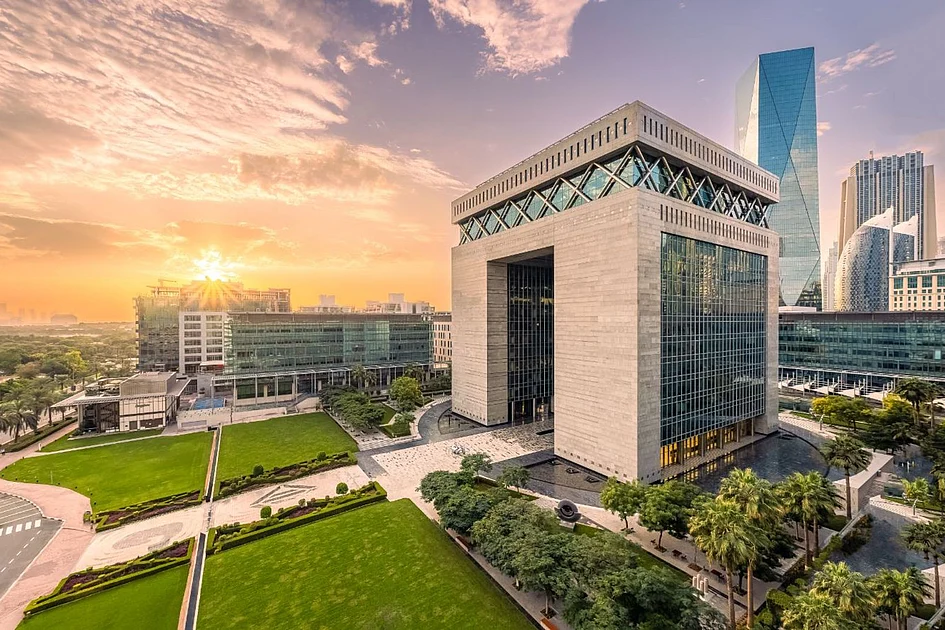
Dubai strengthens global financial standing as DIFC surpasses 8,000 registered companies
Dubai has further cemented its position as the premier financial hub for the Middle East, Africa, and South Asia (MEASA) region, with the Dubai International Financial Centre (DIFC) surpassing 8,000 active registered companies. This milestone includes over 1,000 entities regulated by the Dubai Financial Services Authority (DFSA), showcasing the Centre’s robust growth and influence. The DIFC’s banking assets have also surged to approximately $240 billion, marking a 200% increase since 2015. This achievement aligns with Dubai’s rise to 11th place in the Global Financial Centre Index, reinforcing its reputation as a top global FinTech hub and the region’s most credible financial centre. Essa Kazim, Governor of DIFC, emphasized the Centre’s pivotal role in advancing Dubai’s Economic Agenda (D33), stating, ‘DIFC’s success sets the benchmark for emerging financial centres, offering a business environment rooted in innovation, integrity, and global standards.’ Since its inception in 2004, the DIFC has attracted global financial institutions, innovators, and professional services firms, supported by its unique ecosystem of legal and regulatory certainty. Arif Amiri, CEO of DIFC Authority, highlighted the Centre’s diversity and scale, noting, ‘Exceeding 8,000 registered companies underscores DIFC’s unmatched position in the region, enabling us to shape the global financial services landscape and drive Dubai’s emergence as a technology innovation hub.’ The DFSA’s evolving regulatory framework, grounded in common law and benchmarked against global standards, continues to draw financial institutions seeking growth and connectivity. Mark Steward, Chief Executive of DFSA, remarked, ‘With over 1,000 regulated entities, DIFC is the region’s premier financial centre, connecting firms with global capital and growth opportunities.’ The DIFC Courts also reported significant activity, with over AED 17.5 billion in total claim values filed this year, reflecting growing trust in its legal framework. As Dubai expands its global influence, the DIFC remains central to its vision for the future of finance, combining scale, innovation, and regulatory excellence to support sustainable economic growth across the region and beyond.
-
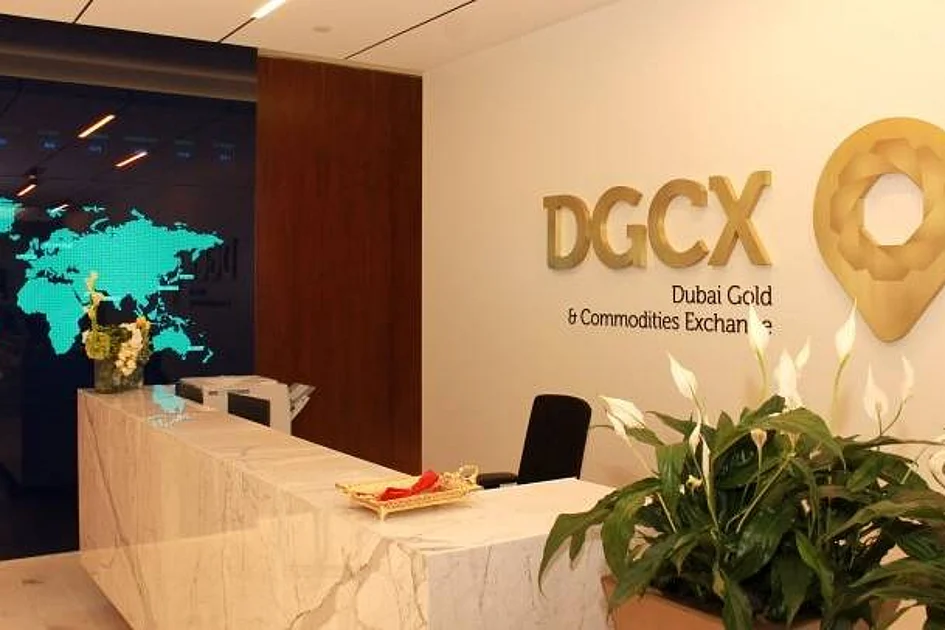
DGCX primed to lead new era of global precious metals trading
The Dubai Gold and Commodities Exchange (DGCX) is set to redefine the global precious metals trading landscape, leveraging a combination of robust market demand, regulatory support, and cutting-edge digital technologies. Established two decades ago as the region’s first derivatives exchange, DGCX has evolved into a cornerstone of the Middle East’s financial ecosystem, offering a diverse range of products, including currencies, commodities, and Sharia-compliant contracts. With gold prices surpassing $4,000 per ounce amid geopolitical uncertainty, the exchange is strategically positioned to capitalize on the precious metal’s resurgence as a safe-haven asset. The UAE Central Bank’s mandate requiring gold bullion to be stored in DMCC-approved vaults has further solidified the foundation of physical trade in the region. DGCX’s integration of AI-driven technologies enhances operational efficiency and scalability, enabling deeper liquidity, broader market access, and unparalleled physical integrity. The exchange is also introducing a dirham-denominated gold contract, designed to mitigate geopolitical risks and promote the UAE’s national currency in global trade settlements. Additionally, DGCX plans to launch a daily benchmark gold price, aligned with international standards, to provide market participants with precise pricing and hedging opportunities. The exchange’s commitment to operational excellence includes same-day or real-time settlement processes, reducing counterparty risk and improving capital efficiency. To ensure global connectivity, DGCX is exploring extended operating hours to align with key international markets, offering continuous trading opportunities across time zones. Furthermore, the exchange is democratizing gold investment through fractionalized tokenized gold and silver, allowing retail investors to participate with smaller denominations backed by physical assets. These initiatives underscore DGCX’s ambition to become a globally recognized hub for commodities and derivatives trading, driven by transparency, innovation, and stakeholder-centric strategies.
-
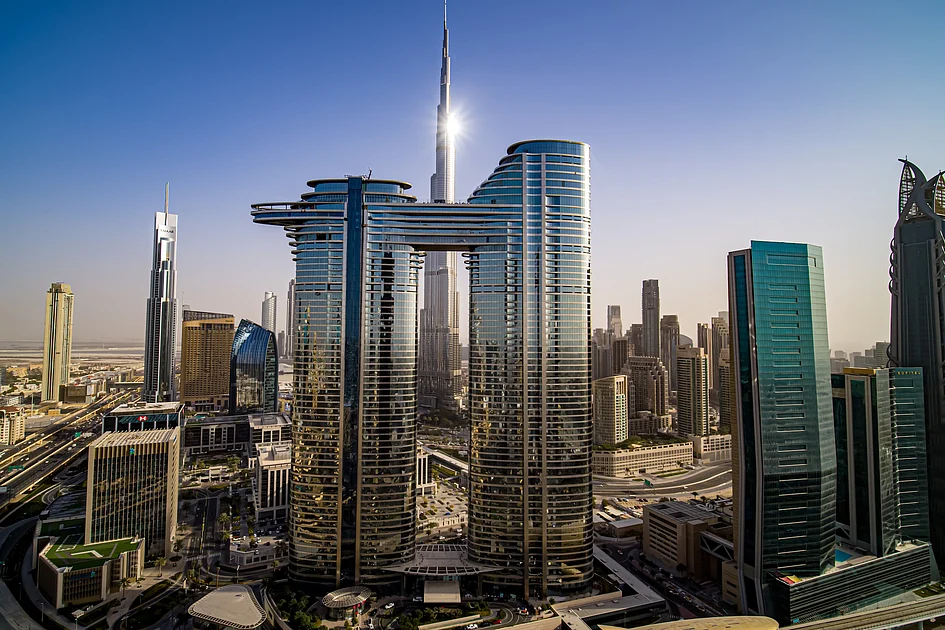
UAE leads in financial inclusion as digital push kicks in
The United Arab Emirates (UAE) has solidified its position as a global frontrunner in financial inclusion, driven by a robust digital transformation and strategic policy initiatives. According to the 2025 Global Financial Inclusion Index (GFII), the UAE achieved the most significant global improvement in the ‘financial-system support’ pillar, climbing five places with a 1.9-point score increase. This progress underscores the nation’s commitment to fostering a digitally inclusive financial ecosystem. The UAE also saw a remarkable leap in fintech development, rising seven spots to 14th globally, with over 320 fintech firms collectively valued at more than $3 billion. These advancements are bolstered by the UAE’s Digital Economy Strategy 2022, which has catalyzed innovation and accessibility in financial services. Access to capital surged by 16.6 points, reflecting strong momentum in SME growth and private-sector confidence. Additionally, the UAE ranks 4th globally in consumer protection, up 6.9 points, and 6th in government-provided financial education. The World Bank reports that 84.56% of UAE adults had formal financial accounts in 2021, well above the global average of 66%. The UAE Ministry of Finance and the Central Bank of the UAE (CBUAE) have jointly launched the National Financial Inclusion Strategy and National Financial Literacy Strategy, following a May 2025 policy forum in Abu Dhabi. Kamal Bhatia, President & CEO of Principal Asset Management, emphasized that the UAE’s progress transcends digital access, empowering individuals and businesses to build stronger financial futures. Pushpin Singh, Managing Economist at Cebr, highlighted the UAE’s real economic benefits, with access-to-capital scores jumping 16.6 points. Despite these strides, challenges remain, including ensuring meaningful economic participation among lower-income households and women. The UAE’s financial inclusion journey has evolved from ‘banking the unbanked’ to leveraging digital fintech platforms, regulatory frameworks, and literacy programmes to build a resilient, diversified, and inclusive economy.
-

Mbank’s millionaire campaign rewards over 7,000 prizes and a Dh1 million grand draw
Al Maryah Community Bank, the UAE’s pioneering fully integrated digital bank, has unveiled the ‘Mbank Millionaire’ campaign, a groundbreaking national savings initiative designed to foster a culture of intelligent and sustainable saving among individuals and families. This campaign, launched in anticipation of the bank’s fifth anniversary in 2026, stands as one of the most extensive savings drives in the UAE. It offers an impressive array of over 7,000 cash prizes, including 615 monthly winners who could receive up to Dh10,000 each, alongside three grand prizes of Dh100,000 each through special draws. The campaign will reach its zenith with a grand prize of Dh1 million, to be announced during the bank’s fifth-anniversary celebrations. All draws are meticulously supervised by the Abu Dhabi Department of Economic Development to ensure transparency and integrity. The initiative also seeks to inspire Al Maryah Community Bank customers to perceive saving as a rewarding and impactful habit. Customers maintaining an average monthly balance of Dh1,000 or more in their savings accounts are automatically entered into the monthly draw, with additional entries granted for every Dh100 of their average monthly balance, thereby increasing their chances of winning. Wissam Farran, Chief Intelligence & Innovation Officer of Al Maryah Community Bank, emphasized the campaign’s significance, stating, ‘As we approach five years of serving our community, this campaign is our way of acknowledging our customers who have supported our vision from the outset. Mbank Millionaire is more than a savings campaign; it’s an invitation for every individual to believe that every dirham saved today is a tangible step toward realizing tomorrow’s dreams.’
-

I finished building my house just before new tariffs hit
Anthony Cabrera recently completed the construction of his three-bedroom house in Hopatcong, New Jersey, just ahead of a new wave of tariffs on essential building materials and home furnishings. Starting in March, Cabrera worked diligently with a contractor to finalize his project before the tariffs took effect earlier this week. Despite his efforts, his initial budget of $300,000 surged to $450,000 due to rising costs for imported items like cabinets from Asia. ‘Tariffs were definitely on my mind throughout the whole process,’ Cabrera remarked, expressing concern over the escalating expenses. His experience mirrors the challenges faced by many homebuyers, builders, and renovators across the US. The White House argues that these tariffs aim to bolster domestic manufacturing and safeguard national security. However, economists warn that they could exacerbate the housing market’s struggles by increasing construction costs and slowing down projects. Peter Harrell, a visiting scholar at Georgetown Law School, noted, ‘The last thing an already not great new construction market needs is higher input costs.’ The new tariffs, which include a 50% levy on steel and copper imports, are part of a broader series of measures that could further inflate prices for consumers. Goldman Sachs estimates that US consumers will bear up to 55% of the cost of these tariffs this year. Furniture companies, including RH and IKEA, have already warned of potential price hikes, while smaller businesses like Jean Lin’s Manhattan-based design gallery, Colony, have seen reduced sales due to tariff-related uncertainties. The National Association of Home Builders has expressed concerns that these tariffs will create additional challenges for an already strained housing market, particularly affecting affordable housing projects. While some economists believe the tariffs alone won’t spell disaster for the industry, they acknowledge that the cumulative impact could be significant. ‘It’s yet another unwelcome thing that they have to deal with now,’ said Jake Krimmel, a senior economist at Realtor.com.
-

CFI Group celebrates the official opening of CFI Bahrain
CFI Financial Group, a prominent online trading provider in the MENA region, has officially inaugurated its newest entity, CFI Financial (Bahrain) B.S.C Closed, marking a pivotal moment in its regional expansion strategy. The launch event, held at CFI Bahrain’s Manama offices, was attended by key figures from Bahrain’s public and private sectors, as well as senior executives from CFI Financial Group. The establishment of CFI Bahrain follows the company’s receipt of a Category 2 Investment Business Firm license from the Central Bank of Bahrain (CBB) in July 2025. Yaseen Alsamerrai has been appointed as the Country CEO of CFI Bahrain, bringing extensive experience in financial services and leadership to the role. In his capacity, Alsamerrai will oversee operations and strategic growth, ensuring adherence to global standards while tailoring services to meet local market demands. Ziad Melhem, CEO of CFI Financial Group, emphasized that the launch represents more than just an expansion; it is a long-term commitment to delivering excellence, transparency, and innovation to traders in Bahrain and the broader GCC region. CFI Bahrain will provide traders with access to global markets, advanced trading platforms, and competitive conditions, backed by CFI’s global expertise. The company’s focus on financial literacy, innovation, and regulatory compliance underscores its dedication to empowering traders and supporting Bahrain’s emergence as a regional financial hub. With over 25 years of experience and a presence in key global locations, CFI continues to lead in AI-driven trading tools and financial education, further solidifying its reputation as a trusted partner for traders worldwide.