分类: business

  • Major central banks deliver biggest easing push in over a decade in 2025

    Major central banks deliver biggest easing push in over a decade in 2025

    In a historic shift from previous tightening policies, the world’s major central banks have executed their most substantial coordinated monetary easing since the global financial crisis. Throughout 2025, nine out of ten G10 central banks—including the Federal Reserve, European Central Bank, and Bank of England—implemented 32 separate rate reductions totaling 850 basis points. This represents the most extensive easing effort since 2009, marking a dramatic reversal from the aggressive rate hikes of 2022-2023 that aimed to combat post-Ukraine invasion inflation.

    Japan emerged as the sole exception among developed economies, implementing two rate increases during the year. The easing momentum extended vigorously across emerging markets, where policymakers delivered 3,085 basis points of cuts through 51 separate moves—significantly exceeding 2024’s total and representing the largest emerging market easing initiative since at least 2021.

    Despite this aggressive easing, analysts detect shifting sentiments heading into 2026. Recent months have witnessed a notable change in rhetoric from several G10 central banks, particularly the Reserve Bank of Australia and Bank of Canada, with some institutions now contemplating potential rate hikes. TD Securities’ Global Macro Strategy Head James Rossiter projects that ‘the ECB will hike next year and the RBA and BOC will get close to it.’

    This potential policy pivot reflects evolving assessments of labor market conditions and inflation dynamics. JPMorgan’s Global Macro Research Head Luis Oganes notes that while 2025 featured exclusively neutral or cutting Fed policies, 2026 will likely introduce ‘a little bit more of a two-sided risk,’ particularly during the latter half of the year.

    The December meetings already demonstrated this shifting landscape, with only the Fed and BOE implementing cuts among developed nations while Japan tightened. Emerging markets maintained their aggressive easing posture, with eight central banks from a sample of 18 developing economies delivering 350 basis points of cuts in December alone.

  • Maverick Business Academy marks a decade of excellence

    Maverick Business Academy marks a decade of excellence

    Dubai served as the prestigious backdrop for Maverick Business Academy London UAE’s landmark 10th Annual Graduation Ceremony, commemorating ten years of academic distinction and global entrepreneurial leadership. The event transformed into a vibrant international gathering, uniting graduates hailing from more than 30 diverse nations including Japan, Myanmar, Switzerland, Ghana, Gulf countries, and Latin American regions.

    The ceremony prominently highlighted the institution’s steadfast dedication to Diversity, Equity, Inclusion, and Belonging (DEI&B) metrics through its globally representative cohort. Attendees included distinguished scholars, accomplished researchers, published authors, senior corporate executives, and innovative entrepreneurs who collectively celebrated the academic achievements across doctoral, master’s, and bachelor’s programs, all carrying international accreditation.

    In a significant honor, Cao Zhenfeng, Chairman, President and CEO of China’s Beifang Group of Companies, received an Honorary Doctorate in Entrepreneurship & Humanities through Maverick’s academic partner, Rushford Business School Switzerland. The award was accepted by his daughter Bella Cao, who attended as Royal Guest of Honour alongside prominent diplomatic and academic figures including Marie Ndjeka Opombo (Ambassador of Democratic Republic of Congo to UAE) and Dr. Murat Akkaya (Vice-Chancellor Global, Girne American University).

    Centered on the powerful theme “Serve to Lead,” the graduation proceedings emphasized leadership philosophy rooted in service, purposeful action, and social responsibility. Graduates were inspired to pursue empathetic leadership grounded in integrity and commitment to community progress, recognizing that genuine impact originates from serving others and driving positive transformation.

    The academy’s strategic mission of bridging academic theory with industry practice was demonstrated through its global partnerships with institutions including Rushford Business School, Girne American University, IAU, and the University of Buckingham. This network extends through 12 international Maverick Access Points delivering industry-relevant education worldwide.

    Under the visionary leadership of Dean, Group CEO and Founder Fazil Sheikh—who reflected on his entrepreneurial journey beginning at age 23—Maverick has established itself as a global benchmark in lifelong learning and Continuous Professional Development (CPD). The institution reaffirmed its commitment to equipping learners with future-ready skills across diverse industries, grounded in innovation, compassion, and service-oriented leadership.

    The celebratory evening concluded with personalized recognitions, inspirational addresses, and shared moments of achievement among graduates and their families. As Maverick Business Academy advances into 2026, it continues expanding its mission to upskill and elevate learners worldwide, solidifying its legacy as “The People’s Learning Partner” on the global stage.

  • FTA announces changes to fees on services from January 1

    FTA announces changes to fees on services from January 1

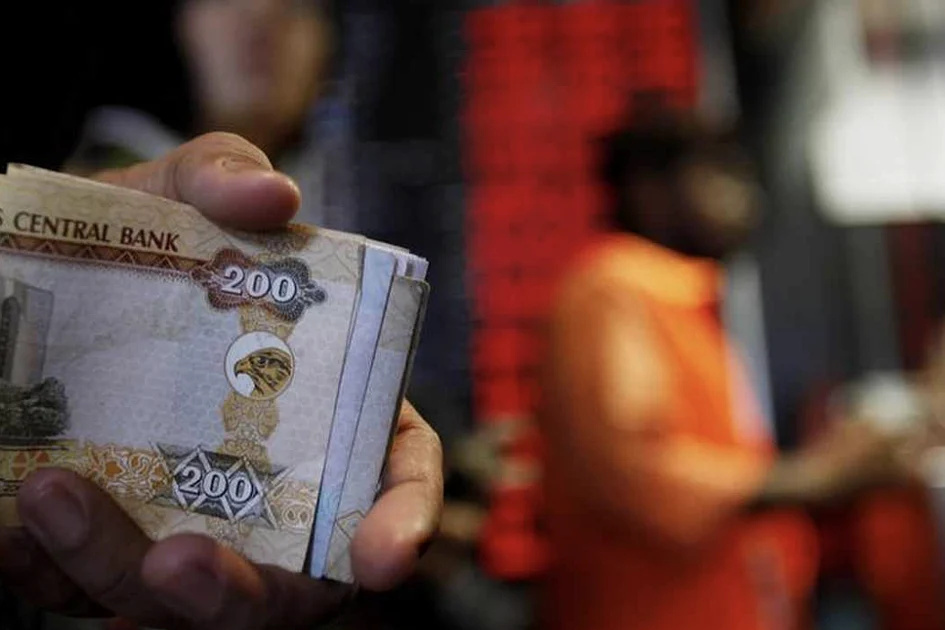
    The United Arab Emirates’ Federal Tax Authority (FTA) has unveiled significant modifications to its service fee framework, set to take effect on January 1, 2026. This regulatory update introduces two new charges while simultaneously eliminating fees for several essential certification services.

    Under the new provisions, businesses will encounter two additional fee categories: an ‘Application for entering into a Unilateral Advance Pricing Agreement for the first time’ and an ‘Application for renewal or amendment of a Unilateral Advance Pricing Agreement.’ These changes reflect the FTA’s evolving approach to complex international tax arrangements.

    Conversely, in a move toward digital transformation and reduced administrative burdens, the authority will now issue both new and replacement certified Tax Registration Certificates and Warehouse Keeper Registration Certificates without charge. These documents will be provided electronically and feature embedded QR code technology, enabling instant verification of registration status through digital channels.

    This shift to paperless certification aligns with the UAE’s broader digital government initiatives, streamlining processes for registered businesses while enhancing security measures through verifiable digital credentials. The elimination of physical certificate requirements represents a significant step toward modernizing tax administration services across the Emirates.

  • Jashanmal unveils a transformative redesign of jashanmal.com

    Jashanmal unveils a transformative redesign of jashanmal.com

    Jashanmal Group has launched a comprehensively rebuilt digital flagship platform, marking the most substantial evolution of its e-commerce experience since its initial launch during the COVID-19 pandemic. The newly unveiled jashanmal.com introduces a sophisticated digital shopping environment that harmonizes operational speed with enhanced usability while incorporating richer brand storytelling and editorial elements.

    Engineered from inception for optimal performance across both desktop and mobile interfaces, this redesign reflects Jashanmal’s strategic positioning as a premium-to-bridge retailer. The platform enhancements enable customers to not only expedite their shopping processes but also browse with increased confidence and discover products with greater intentionality.

    Shuja Jashanmal, CEO of Jashanmal Group, articulated the company’s vision: “Our objective was unequivocal—to eliminate complexity and cultivate a digital experience that embodies calmness, intuitiveness, and genuine helpfulness. Simultaneously, we aimed to enhance our narrative capabilities regarding the brands and products that have earned our customers’ trust. This represents a crucial milestone in our ongoing digital transformation journey.”

    Savitar Jagtiani, Chief Product Officer, emphasized the strategic significance of the launch: “This initiative signifies a paradigm shift in our digital experience philosophy. Every design decision was guided by a fundamental question: does this facilitate customers in finding the right product, understanding it comprehensively, and proceeding with confidence? This foundation enables continuous improvement in how we merchandise, design, and serve our customers.”

    The redesigned platform features a refined interface inspired by global premium retailers, characterized by streamlined navigation, sophisticated typography, enlarged high-resolution imagery, and expanded storytelling spaces. Enhanced editorial banners, brand-centric layouts, and improved content organization empower customers to better comprehend products, compare alternatives, and make informed purchasing decisions.

    Key functional innovations include Shortcuts on Product Listing Pages that expedite product discovery, Buy Now functionality for streamlined checkout processes, and a reimagined Bag experience that simplifies order review and quantity adjustments. The platform also introduces strengthened discovery mechanisms through a dedicated “New” section and enriched brand pages with curated assortments and contextual brand narratives.

    Additional customer-centric features include Wishlist functionality for considered purchasing decisions, refined product titles for improved clarity and consistency, and a redesigned My Account interface that simplifies order management and personal preference customization.

    The new jashanmal.com has been operational since December 20, 2025, serving customers throughout the United Arab Emirates.

  • UAE: Rising gold prices, high rents trigger mergers in jewellery market

    UAE: Rising gold prices, high rents trigger mergers in jewellery market

    The United Arab Emirates’ gold jewelry sector is experiencing a significant transformation driven by unprecedented market pressures. Industry consolidation has become the predominant survival strategy as jewelers grapple with the dual challenges of record-breaking gold prices and escalating operational expenses.

    Market leaders confirm that a wave of mergers and acquisitions is sweeping through the industry. This trend follows the landmark acquisition of Dubai-based Damas by India’s Titan Company for approximately Dh1.038 billion, a deal that has drawn international attention to the Gulf region’s precious metals market.

    According to Chandu Siroya of Siroya Jewellers, the current environment has made collaboration essential. ‘Manufacturers are joining forces to distribute fixed costs more effectively,’ Siroya explained. ‘We anticipate 2026 will mark the beginning of a new era for jewelry retail in the region.’

    The industry faces a perfect storm of financial pressures. Commercial rents in Dubai have surged dramatically post-pandemic, driven by high demand for premium retail locations. Simultaneously, borrowing costs have tripled from historical lows, with gold financing rates jumping from 2% to at least 6% as banks increase their margins.

    A critical paradox emerges from the current market dynamics: while gold prices have soared beyond $4,000 per ounce, profit margins per gram remain unchanged. This compression means retailers earn significantly less per dollar invested than during previous market cycles.

    Chirag Vora, Managing Director of Bafleh Jewellers, views the consolidation as ultimately beneficial. ‘The industry has reached an inflection point where consolidation is necessary for long-term sustainability,’ Vora noted. ‘While the short-term adjustment presents challenges, the future appears promising for a streamlined jewelry sector.’

    Aditya Singh of Titan Company identified commercial real estate as a particular concern, noting that ‘mall inventory remains controlled by very few players, creating a supplier’s market that further pressures retailers.’

    The industry adaptation includes changing consumer behavior, with buyers demonstrating increased understanding of manufacturing costs and showing reduced price negotiation tendencies according to market observers.

  • Fluxx Conference 2025 honours two visionaries driving education and renewable energy in the Middle East

    Fluxx Conference 2025 honours two visionaries driving education and renewable energy in the Middle East

    At the recently concluded Fluxx Conference 2025 in Qatar, two pioneering leaders were honored for their transformative work driving progress in education and renewable energy across the Middle East. The prestigious event spotlighted David Lazaro, recognized as Director of the Year in Education, and Hasan Daouk, awarded Business Development Expert of the Year, for their exceptional contributions to regional development.

    David Lazaro, the visionary behind Edraak—one of the Arab world’s largest digital learning platforms—has revolutionized access to education through his leadership of the initiative that now serves over 10 million active users. The platform provides complimentary courses in information technology, coding, and career preparedness, strategically designed to equip youth with essential skills for emerging economic opportunities. Under Lazaro’s guidance, Edraak has significantly expanded its footprint across Morocco, Jordan, Iraq, and Saudi Arabia, emphasizing that effective education transcends mere content delivery by incorporating mentorship, practical guidance, and real-world engagement aligned with national development objectives.

    Hasan Daouk, serving as Vice-President of Sales at FTC Solar, has been instrumental in advancing renewable energy adoption throughout Europe, the Middle East, and Africa. Specializing in utility-scale solar tracker systems, Daouk combines technical expertise with innovative financing models to deliver sustainable energy solutions to diverse and challenging markets. His approach prioritizes reliability, affordability, and strategic local partnerships, ensuring solar energy effectively serves communities ranging from large-scale Gulf projects to power-stabilizing initiatives in Lebanon.

    The achievements of both honorees demonstrate a shared commitment to leveraging technology for substantial social impact, reflecting a broader regional vision where innovation addresses human needs through practical solutions. A Fluxx Conference spokesperson noted that both leaders exemplify the next generation of change-makers whose visionary thinking creates lasting community impact. Their recognition underscores the critical importance of leadership that combines innovation with empathy, local insight, and measurable outcomes in shaping sustainable, inclusive growth across the Middle East.

  • Time to buy? Dubai gold prices plunge nearly Dh18 per gram in 24 hours

    Time to buy? Dubai gold prices plunge nearly Dh18 per gram in 24 hours

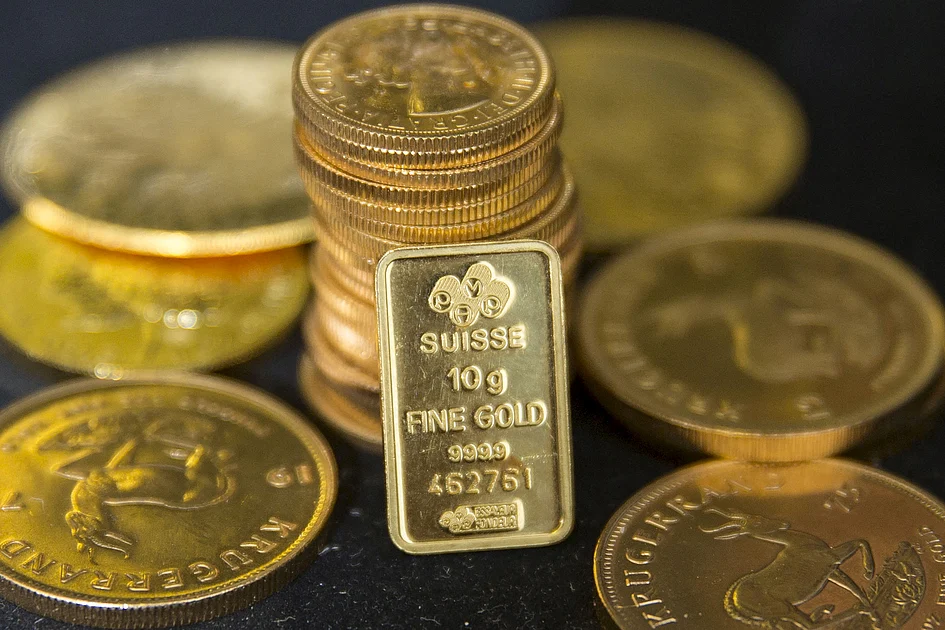
    Dubai’s gold market experienced significant volatility this week, with prices plummeting dramatically before staging a notable recovery in early Tuesday trading. The precious metal witnessed a steep decline of over Dh22 per gram on Monday, pushing global rates to a two-week low, primarily driven by profit-taking activities among investors.

    According to the latest data from the Dubai Jewellery Group, 24K gold opened at Dh525.75 per gram on Tuesday morning, representing a recovery of Dh4.5 per gram from Monday’s closing price of Dh521.25 per gram. This rebound followed a substantial 24-hour loss of nearly Dh18 per gram, highlighting the market’s extreme volatility.

    Other gold variants similarly showed positive movement in early Tuesday trading. The prices for 22K, 21K, 18K and 14K gold rose to Dh486.75, Dh466.75, Dh400.0 and Dh312.0 per gram respectively, indicating broad-based recovery across the precious metals market.

    Internationally, spot gold was trading at $4,375.86 per ounce at 9:30 AM UAE time on Tuesday, registering a 1.1 percent increase. This recovery came after Monday’s session saw gold lose over 4.5 percent, hitting its lowest point in two weeks.

    Market analysts remain optimistic about gold’s underlying strength. Ahmad Assiri, Research Strategist at Pepperstone, noted that despite the recent volatility, metals have demonstrated their bullish structure remains firmly intact. “Gold is retesting the $4,500 level as a consolidation zone, suggesting the market is leaning toward digesting gains,” Assiri commented.

    The fundamental drivers supporting gold and silver demand remain unchanged, rooted in persistent geopolitical tensions and policy-related risks. Expectations for a softer US dollar and potential Federal Reserve easing later in the new year continue to enhance gold’s relative appeal. Additionally, underlying tensions in US-China relations regarding critical minerals continue to provide structural support for metals demand without attracting excessive political attention for now.

  • Protecting what matters: The new rise of home insurance

    Protecting what matters: The new rise of home insurance

    The United Arab Emirates is witnessing a significant transformation in residential risk management as comprehensive home insurance emerges as a critical safeguard for property owners and tenants. This shift reflects growing awareness of diverse threats ranging from structural damage to digital vulnerabilities in an increasingly connected society.

    Modern home insurance policies in the UAE now extend beyond traditional property protection to address contemporary challenges. Standard coverage typically includes structural damage from fires, electrical faults, burst pipes, and natural events like sandstorms—particularly relevant in the region’s climate. The policies also protect valuable contents including electronics, furnishings, and personal items that represent substantial financial investments for most households.

    A notable evolution in coverage includes personal liability protection, which addresses accidents occurring within insured premises. This provision covers medical expenses, legal fees, and compensation costs when visitors sustain injuries or neighboring properties experience damage originating from the insured home.

    For severe incidents that render properties uninhabitable, insurance providers now offer temporary accommodation coverage. This benefit ensures residents can maintain housing continuity during repairs without bearing unexpected hotel or rental expenses—particularly valuable in a market with seasonal price fluctuations.

    The market has responded to specialized needs through innovative add-ons. Domestic helper coverage addresses medical emergencies and repatriation costs for household staff. Cyber protection safeguards against identity theft and online fraud, while worldwide coverage extends protection to valuables during international travel. Tenant-specific options also protect security deposits against accidental damage to rental properties.

    Financial institutions have reinforced this trend by requiring home insurance as part of mortgage agreements, ensuring collateral protection while encouraging responsible ownership. Premium structures remain accessible relative to coverage breadth, making comprehensive protection economically viable for most residents.

    This insurance evolution parallels the UAE’s growing real estate market and increasing asset values within homes. As households accumulate smart technologies, premium appliances, and high-value possessions, insurance provides a logical risk management solution. The convergence of frequent travel, digital dependency, and valuable residential investments has positioned home insurance as an essential component of modern living in the Emirates.

  • Why sustainability is no longer optional in the Gulf

    Why sustainability is no longer optional in the Gulf

    Across the Gulf Cooperation Council (GCC) nations, sustainability has undergone a fundamental transformation from aspirational ideal to operational necessity. What was once primarily viewed through an environmental or ethical lens has emerged as a compelling business case, driven by economic pressures, regulatory mandates, and practical realities.

    The region’s rapid urban development has placed unprecedented strain on infrastructure and resources, particularly evident in energy consumption patterns. Cooling systems alone account for a substantial portion of electricity demand, reaching nearly 70% of peak usage in the UAE. Despite this, many buildings continue to operate with energy-intensive, outdated systems that necessitate frequent maintenance and deliver suboptimal efficiency.

    Governments throughout the GCC have responded with updated building codes, labeling schemes, and high-ambient performance standards that make compliance mandatory rather than voluntary. These regulatory frameworks have established sustainability as the fundamental requirement for market access and professional credibility.

    The persistent misconception that sustainable solutions are inherently more expensive requires correction through a shift in perspective from short-term price to long-term value. While energy-efficient technologies may involve higher initial investments, they deliver superior longevity, reliability, and operational efficiency. When evaluated through the Total Cost of Ownership (TCO) lens, sustainable solutions consistently demonstrate greater financial value over their lifecycle.

    For building owners and developers, failure to adapt carries significant financial consequences. Those who delay sustainability investments will ultimately pay twice—first for outdated systems, and again when retrofitting becomes unavoidable. Sustainability represents a strategic commitment to resilience, enabling structures to withstand economic, environmental, and social changes while delivering comfort, productivity, and profitability over decades.

    The benefits extend across all stakeholders: occupants enjoy healthier indoor environments and reduced utility costs; manufacturers and consultants drive innovation and market leadership; governments advance toward net-zero targets. As the Gulf continues its transition toward a diversified, low-carbon economy, sustainability has become inseparable from long-term competitiveness and regional prosperity.

  • Why 2026 may be the year investors need to revisit the bond side of their portfolio

    Why 2026 may be the year investors need to revisit the bond side of their portfolio

    Financial experts are identifying 2026 as a potential watershed moment for bond investments, particularly within emerging markets, creating what industry specialists describe as a “generational opportunity” for portfolio diversification. While equity markets captured global attention with record-breaking performances throughout 2025, fixed income sectors quietly generated exceptional returns that warrant investor consideration for the coming year.

    According to comprehensive market analysis, emerging market debt instruments significantly outperformed most other credit asset classes during 2025. J.P. Morgan indices reveal that EM hard currency sovereign bonds delivered approximately 13.8% returns through mid-December, while local currency debt instruments achieved an impressive 18% return. The high-yielding EM hard currency sovereign debt segment particularly excelled with 17% returns.

    Cathy Hepworth, head of PGIM’s emerging market debt team, attributes this performance to “the significant resilience exhibited by emerging market countries despite persistent headwinds throughout the year.” The weaker US dollar and less detrimental US policy impacts than initially feared contributed to this strong performance.

    Marc Seidner, Chief Investment Officer of Non-traditional Strategies at Pimco, emphasizes that fixed income currently presents investors with the opportunity to “lock in 6.5% or maybe 7.5%” returns through carefully constructed bond portfolios. He particularly favors bonds with durations in the two-to-five-year range, suggesting they can generate solid, “equity-like” returns without substantial exposure to lower-quality credits.

    Geographic opportunities appear concentrated in specific regions. Investment experts highlight promising prospects in Latin American nations including Dominican Republic, Guatemala, and Costa Rica, alongside opportunities in South Africa, Ivory Coast, Turkey, and Serbia. In the Middle East, quasi-sovereign entities in both UAE and Saudi Arabia present attractive options, with examples including Mubadala, TAQA, DP World, Saudi Aramco, and the Saudi Public Investment Fund.

    Peter Boockvar, CIO at One Point BFG Wealth Partners, notes the particular advantage of emerging markets regarding debt concerns: “If the world is worried about debts and deficits, much of the emerging markets don’t have those problems.” He cites Brazilian two-year bonds yielding approximately 10% in mid-December, with real yields exceeding 10% due to benchmark rates of 15% against 4.5% inflation.

    The market has responded with substantial issuance activity. EM sovereigns, quasi-sovereigns, and corporates issued over $600 billion in debt during 2025, with Saudi Arabia’s $12 billion sovereign offering in January representing the Middle East’s largest single issue. Kuwait followed with an $11.3 billion offering in September.

    Looking toward 2026, Hepworth anticipates continued elevated issuance levels, particularly from quality Middle Eastern bonds driven by infrastructure investment needs. She identifies specific opportunity areas including “transmission grids, renewable power, telecom fibre, and transportation.”

    Investment vehicles for bond exposure vary from closed-end and open-end funds to Exchange Traded Funds and individual securities. The Chimera JP Morgan UAE Bond UCITS ETF, which tracks the J.P. Morgan MECI UAE Investment Grade Custom Index, delivered approximately 8% returns through mid-December 2025.

    Experts caution that bond allocation should align with investor age and risk tolerance. Younger investors might maintain smaller fixed income allocations, while middle-aged and older investors should consider increasing fixed income exposure over time, potentially beginning with traditional 60% stocks/40% bonds allocations.

    While emerging market bonds present compelling opportunities, investors must remain mindful of currency risks, political uncertainties, and the potential impact of elections on fiscal outlooks. As 2026 approaches, the fixed income market, particularly in emerging economies, offers sophisticated investors unique opportunities for diversification and yield generation in an otherwise equity-dominated landscape.