分类: business

  • AI spending, strong corporate profits, Fed rate cuts seen as key to 2026 stock market

    AI spending, strong corporate profits, Fed rate cuts seen as key to 2026 stock market

    As Wall Street concludes a remarkable third consecutive year of double-digit gains, analysts are scrutinizing the catalysts required to sustain this bull market into 2026. The S&P 500’s impressive 17% ascent in 2025 follows 24% and 23% surges in 2023 and 2024 respectively, creating speculation about whether a fourth stellar year is achievable.

    Market strategists identify three critical pillars for continued growth: robust artificial intelligence expenditure, substantial corporate profit expansion, and accommodative Federal Reserve monetary policies. According to LSEG data, S&P 500 companies are projected to deliver over 15% earnings growth in 2026, building upon a solid 13% increase in 2025. This growth is expected to broaden beyond the technology sector’s dominant players, with the famed ‘Magnificent Seven’ anticipated to see their earnings advantage narrow significantly.

    The AI investment phenomenon remains a double-edged sword. While massive infrastructure spending and application demand have driven valuations, recent concerns about capital expenditure returns have created volatility. LPL Financial’s Jeff Buchbinder notes, ‘If companies reduce guided capex and market confidence in AI returns diminishes, we could be looking at a flat or modestly negative year.’

    Federal Reserve policy represents another crucial variable. Investors are pricing in at least two additional quarter-point rate cuts in 2026, following 175 basis points of reductions throughout 2024-2025. PNC Financial’s Yung-Yu Ma emphasizes, ‘The Fed maintaining a dovish stance is probably the biggest driver I’d be looking for.’ The upcoming appointment of a new Fed chair by President Trump adds another layer of policy uncertainty.

    Historical patterns offer mixed signals. LPL Research indicates that in seven bull markets reaching their fourth year since 1950, the average gain was 12.8% with positive performance in six instances. However, CFRA data shows midterm election years typically deliver subpar returns averaging just 3.8% for the S&P 500 compared to 11% in other presidential term years.

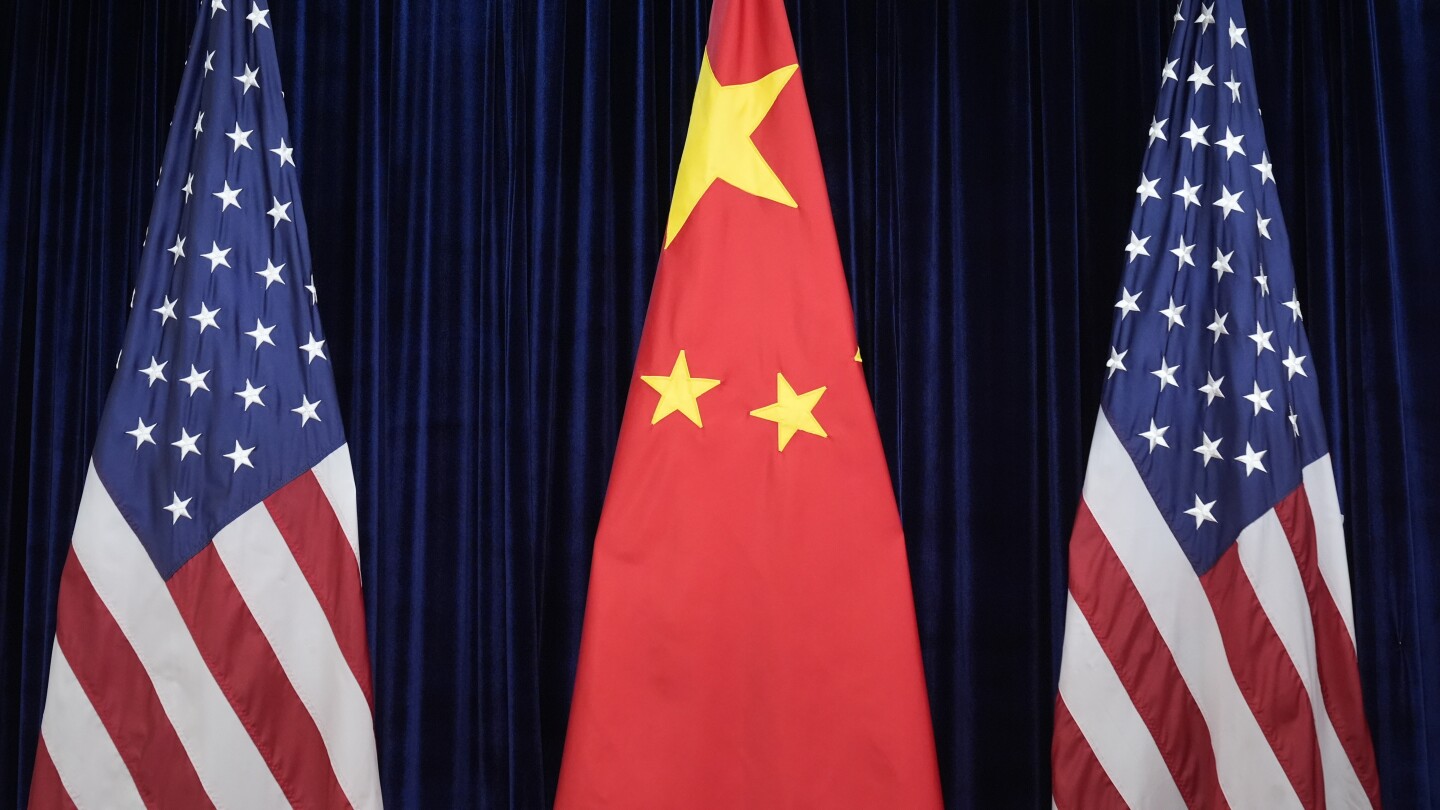
    Geopolitical factors, particularly U.S.-China relations, could serve as potential wildcards. While tariffs caused extreme volatility in early 2025, the relationship between the world’s two largest economies remains a swing factor that could produce unexpected positive catalysts according to market observers.

  • How company bets on bitcoin can backfire as cryptocurrency plunges

    How company bets on bitcoin can backfire as cryptocurrency plunges

    The dramatic year-end cryptocurrency downturn has triggered significant distress among corporations that made substantial investments in bitcoin, causing stock valuations to plummet and renewing concerns about a potential market bubble. This financial turmoil reveals critical vulnerabilities in corporate treasury strategies that prioritized cryptocurrency exposure.

    Corporate Bitcoin Acquisition Rationale
    Bitcoin’s remarkable surge throughout the year, culminating in an October peak exceeding $126,000, prompted diverse companies to incorporate the digital asset into their financial reserves. Organizations pursued this strategy to achieve cash diversification, hedge against inflationary pressures, and attract investors seeking high-yield opportunities. While cryptocurrency-native firms like exchanges and mining operations naturally maintained bitcoin exposure, numerous companies from unrelated sectors joined the accumulation trend, further fueling price appreciation.

    Hidden Risks in Crypto Investment Strategies
    Many corporations employed leveraged positions to acquire bitcoin, anticipating continued price appreciation. Some utilized convertible bond instruments that offered favorable interest rates with the option for lenders to receive repayment in company shares rather than cash. This approach contained inherent vulnerabilities that became apparent when declining bitcoin prices negatively impacted corporate valuations. As investor confidence wanes, lenders may demand cash repayment instead of equity, creating immediate liquidity crises for affected companies.

    Market Consequences of Bitcoin’s Decline
    The cryptocurrency’s downward trajectory that began in summer accelerated through November, with values dropping below $90,000 and undermining confidence in bitcoin-heavy corporations. Eric Benoist, technology and data specialist at Natixis Bank, noted that market participants began questioning corporate viability and bankruptcy potential. University of Sussex finance professor Carol Alexander identified additional concerns including regulatory ambiguity, cybersecurity threats, and fraud risks that compound investor apprehension.

    Corporate Case Studies: Strategy and Sequans
    Software developer Strategy, possessing over 671,000 bitcoin units representing approximately 3% of the cryptocurrency’s total future supply, exemplifies the sector’s challenges. Within six months, the company’s share price declined more than 50%, with market capitalization briefly falling below the value of its bitcoin holdings. Extensive use of convertible bonds created cash repayment obligations that prompted Strategy to issue new shares establishing a $1.44 billion reserve for dividend and interest payments.
    Semiconductor manufacturer Sequans adopted an alternative approach, liquidating 970 bitcoin units to address convertible debt obligations. Both companies declined to comment when contacted by AFP.

    Systemic Risk Assessment and Market Outlook
    Professor Alexander acknowledged considerable contagion risk within cryptocurrency markets but suggested traditional financial systems would likely remain insulated from significant impact. Dylan LeClair, head of bitcoin strategy at Japan’s Metaplanet (a converted hotel company now holding $2.7 billion in bitcoin), characterized volatility as “the cost of long-term upside.”
    Industry analysts including Benoist suggest future sustainability requires companies to generate income from bitcoin holdings through financial products rather than relying exclusively on price appreciation. Emerging initiatives like The Bitcoin Society, founded by French entrepreneur Eric Larcheveque, view price declines as acquisition opportunities, indicating continued institutional confidence in cryptocurrency’s long-term value proposition.

  • Strategy and bitcoin-buying firms face wider exclusion from stock indexes

    Strategy and bitcoin-buying firms face wider exclusion from stock indexes

    Major index provider MSCI is poised to implement sweeping exclusions against companies with substantial cryptocurrency holdings, potentially reshaping the investment landscape for digital asset treasury firms. The New York-based firm will finalize its decision by January 15 regarding whether to remove from its benchmarks companies whose digital assets constitute 50% or more of their total assets.

    The proposed methodology change, initiated after client inquiries in October, argues that such companies resemble investment funds rather than operational businesses. This distinction is crucial as MSCI traditionally excludes pure investment vehicles from its equity indexes. The move has sparked intense debate within the financial sector, with affected companies contending the proposal represents unfair discrimination against cryptocurrency innovation.

    Michael Saylor’s MicroStrategy, which transformed from a software company into a bitcoin acquisition vehicle, stands as the most prominent potential casualty. Since initiating its bitcoin purchasing strategy in 2020, MicroStrategy’s stock skyrocketed approximately 3,000% before experiencing significant volatility amid cryptocurrency market fluctuations. The company’s shares have declined roughly 43% year-to-date as bitcoin prices retreated from historic highs.

    Financial analysts project severe consequences should MSCI proceed with exclusions. Jefferies’ Head of Index Strategy Kaasha Saini noted that the conversation has expanded beyond MSCI to question the fundamental eligibility of digital asset treasury companies across equity indexes generally. Industry experts estimate that exclusion could trigger up to $9 billion in selling pressure on MicroStrategy alone, with passive investors potentially liquidating positions.

    The implications extend beyond a single company. According to law firm DLA Piper, at least 200 companies globally now qualify as digital asset treasuries, with combined capitalization approaching $150 billion as of September—a threefold increase from the previous year. MSCI’s preliminary exclusion list identifies 39 companies representing $46.7 billion in market value, including French bitcoin acquisition firm Capital B.

    Industry leaders have mounted vigorous opposition. MicroStrategy executives Saylor and CEO Phong Le warned in a public letter that exclusion would force approximately $2.8 billion in immediate stock liquidation and ‘chill’ industry development by blocking access to the $15 trillion passive investment universe. They argue this would ‘drastically weaken their competitive position’ in capital markets.

    The decision carries particular significance for companies that have funded cryptocurrency acquisitions through equity offerings. With passive managers estimated to hold up to 30% of large-cap companies’ free float, exclusion could severely constrain future fundraising capabilities. While some executives publicly dismiss concerns, industry insiders acknowledge the potential for increased capital costs across the sector should multiple index providers follow MSCI’s lead.

  • UAE property market: BNW Developments plans Dh20-billion projects in 2026

    UAE property market: BNW Developments plans Dh20-billion projects in 2026

    Dubai-based real estate developer BNW Developments has unveiled ambitious expansion plans totaling Dh20 billion (approximately $5.45 billion) for 2026, with strategic focus on Ras Al Khaimah’s rapidly growing property market. The announcement came during the launch ceremony of the Tonino Lamborghini Residences on Al Marjan Island, highlighting the company’s commitment to ultra-luxury developments.

    Chairman and Founder Ankur Aggarwal revealed that the development portfolio includes twelve major projects across Ras Al Khaimah, comprising eight developments in RAK Central and four waterfront properties on Al Marjan Island. These projects will collectively encompass over 10 million square feet of built-up area, featuring a mix of luxury residences, five-star hotel brands, and exclusive branded developments.

    International investor interest has reached unprecedented levels, particularly from American, European, and Australian markets. Aggarwal noted that while Indian investors prioritize returns and accessible entry points, Western markets demonstrate stronger appetite for premium luxury offerings. The company’s current portfolio exceeds Dh32 billion in gross development value across the UAE.

    Al Marjan Island emerges as a focal point in this expansion, with Aggarwal describing its transformation as ‘unmatchable’ within the UAE real estate landscape. The island’s growing prestige is bolstered by incoming Michelin-starred restaurants and world-class infrastructure developments.

    The Tonino Lamborghini Residences project itself will feature 377 units including studios, one-to-three bedroom apartments, villas, penthouses, and mansions. This partnership represents BNW’s strategy to collaborate with global design icons, combining Italian luxury aesthetics with Middle Eastern architectural vision.

    Dr. Vivek Anand Oberoi, Managing Director and Co-Founder, emphasized the emotional and aesthetic dimensions of their developments, stating that each project transforms space into experiential living. Tonino Lamborghini himself endorsed this philosophy, describing the project as creating environments where contemporary comfort meets international charm, with every detail bearing his distinctive stylistic signature.

  • UAE: Sharjah Airport urges passengers to arrive 3 hours early ahead of New Year weekend

    UAE: Sharjah Airport urges passengers to arrive 3 hours early ahead of New Year weekend

    In anticipation of unprecedented passenger volumes during the extended New Year holiday period, Sharjah Airport has issued formal guidance urging all travelers to arrive at least three hours prior to scheduled departures. The advisory comes as UAE aviation facilities experience substantial congestion driven by winter holiday travel patterns combined with a four-day weekend commencing January 1st, 2026.

    The airport administration has confirmed comprehensive operational preparations to manage the anticipated surge, implementing strategic measures to optimize passenger processing efficiency. Travelers utilizing Air Arabia services are specifically encouraged to leverage urban check-in facilities, enabling advanced baggage processing and direct progression to immigration clearance upon airport arrival.

    Infrastructure enhancements include expanded self-service kiosk availability, streamlined baggage handling systems, and dedicated fast-track security channels. The recently inaugurated Al Diyafah Lounge at the departure terminal entrance offers premium hospitality services, while increased staffing allocations across all operational sectors aim to minimize processing durations.

    This travel advisory aligns with broader regional patterns, as Dubai International Airport concurrently prepares for approximately 10 million passenger transits through year-end. Federal employees will benefit from remote work provisions on January 2nd following the official New Year’s Day holiday, contributing to extended travel windows and sustained passenger volume elevation.

    Aviation authorities emphasize that these proactive measures reflect standardized peak-season protocols designed to maintain service quality while accommodating exceptional passenger throughput during holiday periods.

  • Ethiopian coffee trading center unveiled in Zhuzhou

    Ethiopian coffee trading center unveiled in Zhuzhou

    In a significant development for Sino-African trade relations, Ethiopia has inaugurated a specialized coffee trading center in Zhuzhou, Hunan Province, on December 27, 2025. The facility serves as a comprehensive platform for product exhibition, commercial transactions, and cultural promotion, strategically designed to enhance Ethiopian coffee’s penetration into the Chinese consumer market.

    The unveiling ceremony occurred during the China-Ethiopia Coffee Economic and Trade Cooperation Conference, which gathered approximately 300 participants including government officials, industry experts, organizational delegates, and business executives from both nations. Ethiopia, globally acknowledged as coffee’s geographical origin and a premier producer of premium beans, has identified China as its fourth-largest export market. Official Ethiopian data reveals substantial trade volumes, with 16,300 metric tons valued at $113 million exported to China within the past five months alone.

    Hu Xusheng, Vice-Chairman of the Hunan Provincial People’s Congress Standing Committee, emphasized the province’s role as permanent host of the China-Africa Economic and Trade Expo in fostering robust cooperative platforms. “This conference represents a concrete implementation of Forum on China-Africa Cooperation outcomes and a strengthened commitment to bilateral economic collaboration,” Hu stated during his address.

    Ethiopian Coffee and Tea Authority Director-General Adugna Debela Bote highlighted the center’s strategic advantages, noting how leveraging Zhuzhou’s Cross-Border E-Commerce Pilot Zones would establish direct sales channels, improve market efficiency, and enhance accessibility. Bote particularly stressed the importance of cultural immersion, explaining that authentic Ethiopian coffee experiences in Zhuzhou’s commercial districts would cultivate dedicated consumer loyalty in ways traditional advertising cannot achieve.

    The conference also facilitated the signing of multiple bilateral cooperation agreements between Ethiopian and Chinese enterprises, covering innovative barter trade platforms, coffee industry development, and new energy projects.

  • Autumn grain purchases exceed 200m tons in China

    Autumn grain purchases exceed 200m tons in China

    China has achieved a remarkable milestone in its agricultural sector with autumn grain procurement volumes exceeding 200 million tons, according to Saturday’s official data release. The National Food and Strategic Reserves Administration reported this represents a substantial 32-million-ton increase compared to the previous year, marking the highest procurement level for the comparative period in recent years.

    This year’s autumn grain entered markets earlier than usual with superior quality characteristics, creating ideal conditions for accelerated procurement activities. Farmers demonstrated enthusiastic participation in grain sales while processing enterprises intensified their purchasing efforts, resulting in a significantly faster procurement pace throughout the peak season.

    The Northeast region witnessed notable price increases across key grain varieties. Japonica rice prices rose approximately 2 percent year-on-year, while soybeans and corn experienced more substantial gains of 5 percent and 10 percent respectively. These favorable market conditions have substantially improved planting returns for agricultural producers, providing enhanced economic incentives for grain cultivation.

    With the approaching New Year and Spring Festival holidays, authorities anticipate further acceleration in grain trading activities. The administration has committed to coordinating supply chain operations to ensure adequate stockpiles and maintain price stability for both grain and cooking oil products during the upcoming holiday period. This strategic approach aims to balance market dynamics while safeguarding food security during periods of heightened consumption demand.

  • First and second largest economies in charts and figures

    First and second largest economies in charts and figures

    While China maintains its position as the world’s second-largest economy, its economic trajectory relative to the United States reveals a complex narrative of contrasting development models. Recent data indicates China’s nominal GDP has actually declined from 78% to 65% of US GDP between 2021 and 2024, raising questions among analysts about whether China will ever close the economic gap with the world’s leading economy.

    The two economic superpowers demonstrate fundamentally different structural approaches. China dominates global manufacturing with a purchasing power parity share over four times that of the United States, installing 8.6 times more industrial robots in 2024 alone. The Asian giant produced 12.7 times more steel and delivered over 1,000 times the gross tonnage of commercial ships compared to its American counterpart. China’s export prowess remains unmatched, shipping 73% more merchandise by value and 3.7 times more high-tech goods than the United States.

    Infrastructure development highlights another dimension of China’s economic approach. The country has built a highway system twice the length of America’s and dominates public transportation with 65% of the world’s high-speed rail (48,000 km versus 136 km in the US) and metro systems seven times longer than those in the United States. China’s urban landscape features four times the skyscrapers over 150 meters and five times those over 200 meters, supported by 13 times more 5G base stations.

    Human capital development reveals equally striking contrasts. China now graduates 12.2 million college students annually compared to 3.2 million in the US, including 1.7 million engineering and computer science graduates—6.7 times America’s output. Chinese universities produce twice as many scientific papers and lead in both the Nature Index and critical technology research, dominating 66 of 74 crucial technologies tracked by the Australian Strategic Policy Institute.

    The consumption patterns reflect each economy’s distinctive characteristics. China accounts for half of global e-commerce sales and 46% of luxury goods purchases, while Americans spend significantly more on services including healthcare, education, and housing. Notably, both countries now show identical life expectancies of 79 years, though China maintains a higher healthy life expectancy despite spending $1 trillion on healthcare compared to America’s $5 trillion expenditure.

    This economic dichotomy presents a fundamental question about development philosophy: whether China’s manufacturing and infrastructure-focused model can ultimately surpass America’s service-oriented, high-value economy, or if the world’s two largest economies will continue to evolve along their distinct developmental paths.

  • Pakistan’s first female central bank head Shamshad Akhtar dies at 71

    Pakistan’s first female central bank head Shamshad Akhtar dies at 71

    Pakistan’s financial community is in mourning following the passing of Dr. Shamshad Akhtar, the nation’s first and only female central bank governor, at age 71. The Finance Ministry confirmed her death on Saturday, which local media attributed to cardiac arrest.

    Dr. Akhtar’s remarkable career spanned decades and included groundbreaking leadership roles across Pakistan’s economic landscape. She made history as Governor of the State Bank of Pakistan from 2006 to 2009, breaking gender barriers in the country’s financial sector. At the time of her passing, she was serving as Chairperson of the Pakistan Stock Exchange, demonstrating her enduring influence on the nation’s capital markets.

    Her expertise was sought during critical transitional periods, with Akhtar twice assuming the role of caretaker Finance Minister ahead of the 2018 and 2024 general elections. This unique dual responsibility in both monetary policy and fiscal management established her as one of Pakistan’s most versatile economic minds.

    Current Finance Minister Muhammad Aurangzeb paid tribute to Akhtar as “a principled and dignified voice in Pakistan’s economic history,” highlighting her unwavering integrity, professional excellence, and decades of dedicated public service. “She served the country with honesty and dedication in some of the most senior economic roles,” Aurangzeb stated in an official communique.

    Beyond Pakistan’s borders, Akhtar built an impressive international reputation through senior positions at global financial institutions. Her distinguished career included serving as Vice President at the World Bank, Executive Secretary of the United Nations Economic and Social Commission for Asia and the Pacific (UN ESCAP), and significant roles at the Asian Development Bank.

    Educated across multiple continents, Akhtar held degrees from the University of the Punjab, Quaid-i-Azam University, the University of Sussex, and the UK’s Paisley College of Technology. Her academic background, combined with her extensive practical experience, made her one of Pakistan’s most qualified economic policymakers on the global stage.

    Born in Hyderabad and educated in Karachi and Islamabad, Akhtar’s journey from local academia to international financial leadership served as an inspiration to women across Pakistan and throughout the global economic community.

  • UAE-India travel: Will airfares fall as 2 new airlines gain approval to operate?

    UAE-India travel: Will airfares fall as 2 new airlines gain approval to operate?

    The Indian aviation sector is poised for significant transformation as two new carriers—AlHind Air and FlyExpress—have secured regulatory approval to commence operations. This development has generated considerable anticipation among UAE-based travelers hoping for more competitive airfares on one of the busiest international corridors.

    AlHind Air has obtained preliminary clearance from India’s civil aviation ministry and intends to initiate domestic services before expanding to international routes. Industry sources indicate that the UAE will feature among the airline’s primary international destinations once all regulatory formalities are completed. FlyExpress has similarly received a no-objection certificate as part of governmental efforts to foster increased competition within the aviation industry.

    Travel industry executives express cautious optimism regarding potential fare reductions. Subair Thekepurathvalappil, Senior Manager at Wisefox Tourism, noted that while increased seat capacity typically drives down prices, the actual market impact remains difficult to quantify before operational commencement. The UAE-India route maintains exceptionally high demand, particularly for destinations including Mumbai, Bengaluru, Chennai, Kolkata, and various South Indian cities, with flights frequently operating at full capacity during peak seasons.

    Several critical operational details remain undefined, including specific sectors, flight frequency, and service intensity from the UAE. Mir Wasim Raja of Galadari International Travel emphasized that clarity will only emerge once the airlines become operational. The South India routes—serving Kerala, Tamil Nadu, Karnataka, Andhra Pradesh, and Telangana—represent particularly underserved markets despite continuous demand driven by substantial expatriate communities and consistent business travel.

    Current market conditions feature fewer than ten airlines operating direct services on many India-UAE routes, indicating substantial room for expanded capacity. Industry professionals advise travelers to maintain realistic expectations while recommending early bookings and flexible travel arrangements until the new carriers establish their operational frameworks.