分类: business

  • UAE-India travellers may face flight shortages, higher airfares as demand surges

    UAE-India travellers may face flight shortages, higher airfares as demand surges

    A severe capacity shortage is threatening to destabilize one of the world’s most critical aviation corridors as demand between the UAE and India dramatically outpaces available flight capacity. According to new analysis from Tourism Economics, an Oxford Economics company, approximately 27% of forecast passenger demand could go unserved by 2035 if current capacity limits remain unchanged.

    The projected deficit translates to a staggering 54.5 million passenger journeys being left unaccommodated between 2026 and 2035, with the Abu Dhabi-India corridor particularly vulnerable. Current load factors already exceed 80% on major routes, leaving minimal spare capacity. Tourism Economics projects that under existing schedules, all available seats will be fully absorbed as early as 2026.

    India’s remarkable aviation boom serves as the primary catalyst behind this surge. The country’s ‘travelling class’—households with sufficient income to fly—expanded from 24% of the population in 2010 to 40% in 2024, adding nearly 300 million potential flyers. This demographic shift is fueling annual demand growth of 7.2% through 2035, generating approximately 22 million additional passenger journeys each year.

    For airlines, this unprecedented demand underpins substantial revenue growth. For travelers, it translates to constrained supply and escalating airfares, particularly during peak travel periods. Limited capacity has curtailed competition, granting carriers enhanced pricing power on high-demand routes connecting major Indian cities with Dubai and Abu Dhabi.

    Aviation executives confirm that India routes continue outperforming most international markets. ‘India remains one of the fastest-growing source markets for Gulf carriers, both for point-to-point traffic and onward connections,’ noted Sudheesh TP, General Manager at Deira Travel & Tourist.

    The UAE maintains its position as India’s largest international aviation market by a significant margin, accounting for approximately 1.1 million monthly seats and a 27% market share as of November 2025. Thailand, the second-largest market, accounts for merely 9%. While capacity on the India-UAE route increased 3% year-on-year, growth has failed to match accelerating demand.

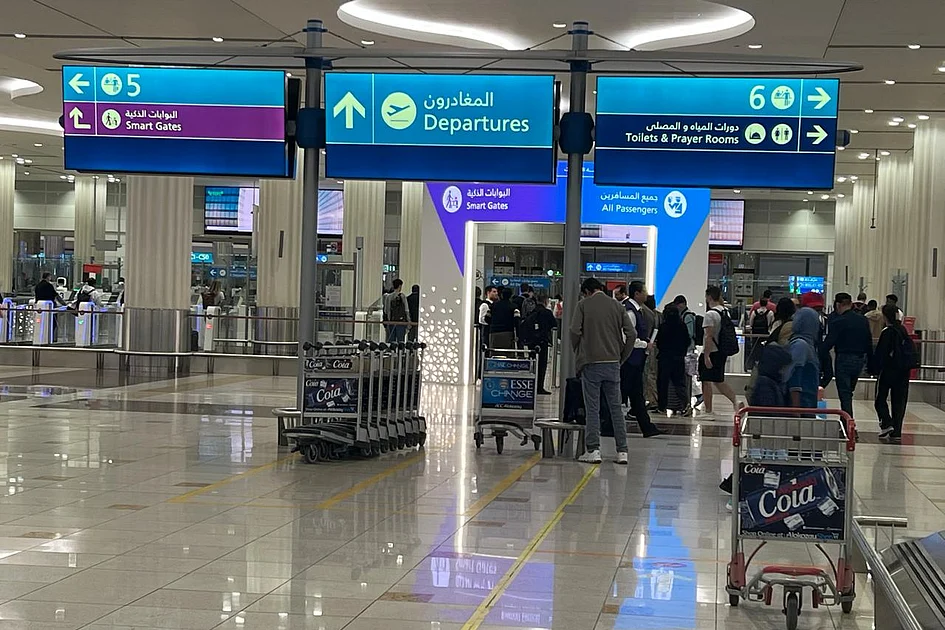
    Dubai International Airport’s 2024 traffic figures highlight the corridor’s strategic importance: 92.3 million passengers transited through the hub, with approximately 12 million traveling between Dubai and India. This means more than one in eight passengers at the world’s busiest international airport is India-related.

    Six major carriers currently operate 538 weekly flights between Dubai and 23 Indian destinations. Emirates serves as the market backbone, operating 167 weekly services connecting Dubai to nine Indian cities since launching its first India flights in 1985. Etihad Airways has expanded to 11 Indian destinations but retains limited expansion capacity with approximately 10,000 unutilized seats from its 50,000 weekly bilateral entitlement.

    Indian carriers have scaled operations significantly, with IndiGo operating roughly 220 weekly services, Air India maintaining 82 weekly frequencies, and Air India Express emerging as the largest Indian operator with over 240 weekly flights across multiple UAE destinations.

    Despite this substantial operational scale, demand continues to exceed supply. Travel industry executives report the imbalance is already reshaping booking patterns, with earlier sell-outs on popular routes and escalating last-minute fares, particularly around school holidays and festival seasons.

    The economic implications extend far beyond airline pricing structures. Tourism Economics estimates that maintaining current capacity caps would limit the air corridor’s GDP contribution growth to approximately 3% annually over the next five years. Easing restrictions could accelerate growth to between 5.5% and 7%, while doubling seat capacity on the Abu Dhabi-India route alone could generate an additional $7.2 billion in GDP over five years and support over 170,000 jobs annually.

    Policy constraints remain the fundamental bottleneck. The 2014 air service agreement caps weekly seat entitlements at approximately 66,000 for Dubai and 55,000 for Abu Dhabi, with these limits effectively fully utilized. Negotiations to increase capacity remain stalled, with India advocating for a 4:1 ratio favoring Indian carriers for new seats, while the UAE seeks broader access to address rising unmet demand.
  • Sri Lanka targets up to 100,000 UAE tourists in the coming years

    Sri Lanka targets up to 100,000 UAE tourists in the coming years

    Sri Lankan diplomatic officials have unveiled an ambitious strategy to significantly increase tourist arrivals from the United Arab Emirates, targeting up to 100,000 visitors annually within the coming years. This initiative, spearheaded by Consul General Alexi Gunasekera in Dubai, represents a substantial escalation from the current baseline of approximately 20,000 UAE visitors recorded in recent periods.

    The comprehensive tourism development framework extends beyond conventional visitor attraction programs, emphasizing what officials term ‘developmental tourism’ – an approach designed to generate inclusive economic growth and sustainable infrastructure advancement. The strategy actively courts UAE investment across multiple sectors including tourism infrastructure, construction, logistics, and agricultural development.

    Sri Lanka’s proposition to potential investors includes enhanced governance structures, tax incentive packages, and streamlined service delivery mechanisms. The nation is concurrently implementing recovery measures following the devastating impact of Cyclone Ditwah, which caused billions in damages to tourism infrastructure and related sectors last year.

    Speaking at the recent ‘Invest Sri Lanka Investor Forum’ in Dubai, Gunasekera emphasized the nation’s reopening for both tourism and economic cooperation. Geographic advantages position Sri Lanka favorably, with approximately four hours flight time from the UAE and a diverse expatriate population representing substantial potential market segments.

    The economic rationale behind this tourism push is substantial. With a national GDP of $85 billion, Sri Lanka anticipates tourism to contribute approximately $5 billion annually, complementing the $7 billion in remittances from overseas workers. The tourism sector functions as an economic catalyst, generating both direct and indirect employment opportunities while supporting livelihoods across the island nation.

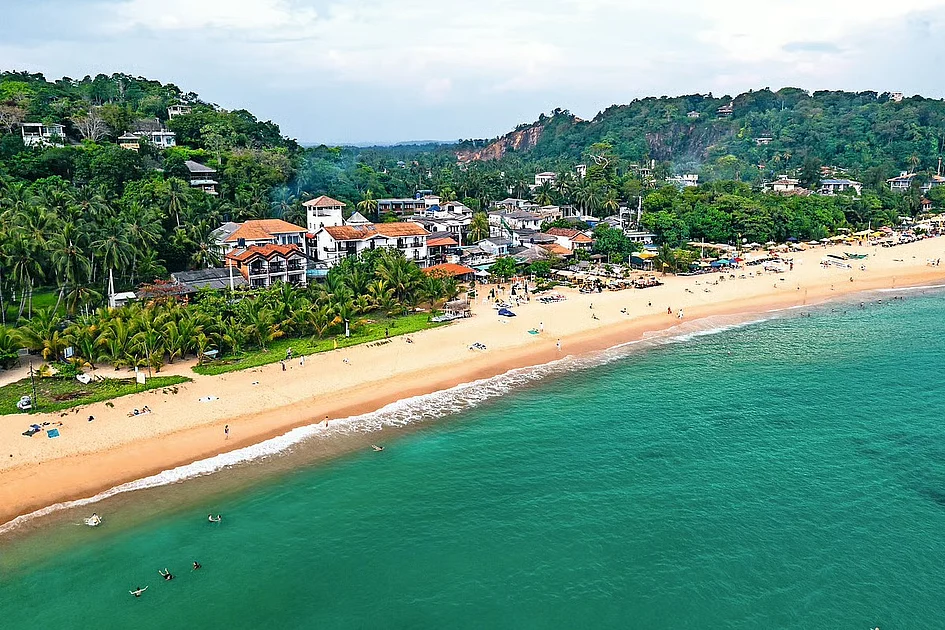
    Industry experts including Naveen Gunawardane of Lynear Wealth Management identify significant investment opportunities in resort development, particularly outside Colombo in coastal regions and cultural hotspots. Sri Lanka’s diverse attractions encompass ancient cultural sites, high-altitude tea plantations, wildlife experiences, and natural beaches, all within a compact island nation boasting over 2,500 years of recorded history.

  • Chinese e-mobility company eyes US market for expansion

    Chinese e-mobility company eyes US market for expansion

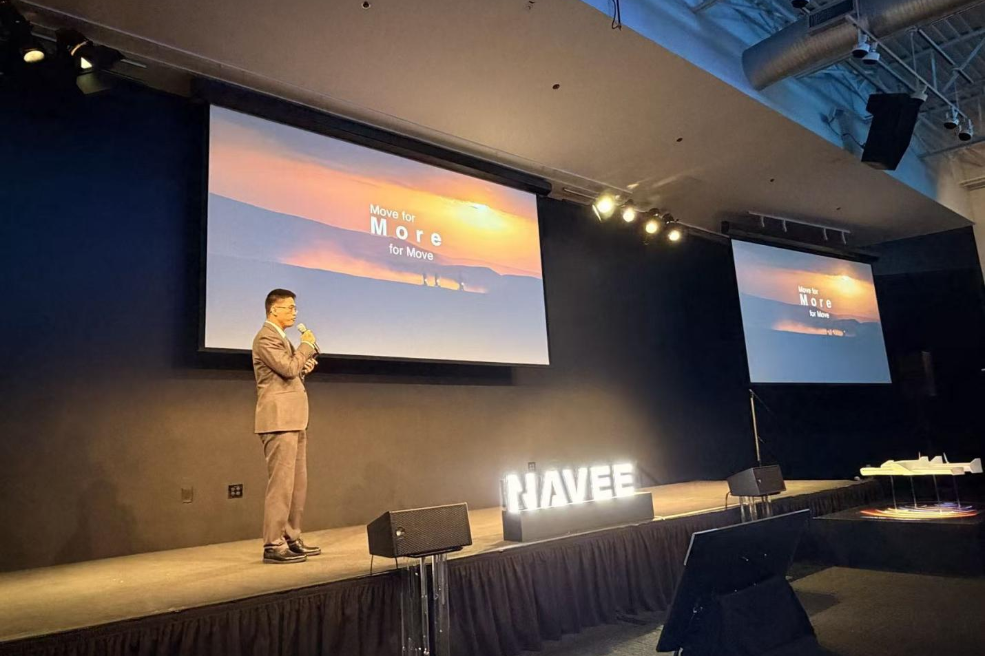
    Chinese electric mobility innovator NAVEE is strategically advancing into the United States market, introducing a suite of artificial intelligence-integrated transportation solutions during its recent product showcase in Mountain View, California. The 2021-established manufacturer, known for its electric scooters and golf carts internationally, unveiled groundbreaking prototypes including autonomous energy storage robots, exoskeleton systems, and futuristic aerial mobility devices.

    During Friday’s demonstration event, NAVEE USA Vice President Polo Huang presented the company’s vision for next-generation transportation infrastructure. The showcase featured multiple AI-driven innovations: a space-expanding trailer system, personal eVTOL (electric vertical take-off and landing) aircraft, and the flagship energy storage robot designed as a ‘mobile energy companion’ rather than conventional battery technology.

    According to NAVEE’s US Sales Manager Mauricio Magallon, the energy storage robot and exoskeleton technology are scheduled for American market deployment in the upcoming quarter, while other demonstrated concepts remain in extended development phases. The robotic energy system addresses three critical mobility challenges: autonomous movement, charging efficiency optimization, and intelligent gear management. Its solar-tracking capability enables dynamic power collection by following sunlight patterns throughout the day.

    The company’s strategic expansion represents China’s growing influence in global smart transportation markets, combining electric propulsion with artificial intelligence to create integrated mobility ecosystems. NAVEE’s approach emphasizes seamless energy management through robotic solutions that automatically follow users while providing on-demand power distribution.

  • Middle East shows resilience as global bond sell-off hits markets

    Middle East shows resilience as global bond sell-off hits markets

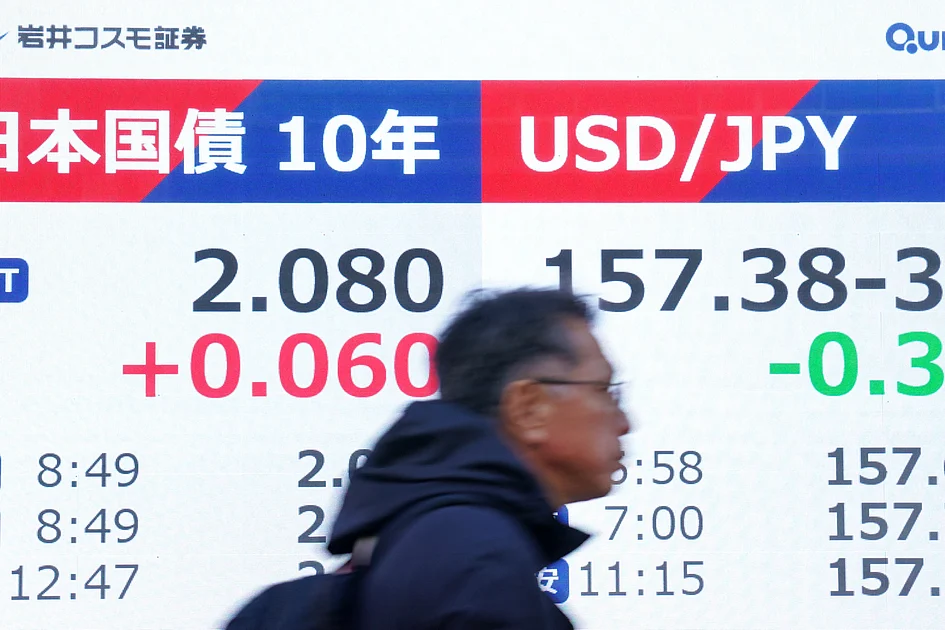
    Amid a turbulent week for global fixed-income markets, the Gulf Cooperation Council (GCC) nations have demonstrated remarkable resilience against a widespread bond sell-off that originated in Japan and rippled through major economies. While regional debt instruments experienced modest yield increases, the fundamental strength of Middle Eastern economies has contained the financial contagion to manageable levels.

    The market volatility commenced when Japanese Government Bond (JGB) yields surged dramatically following Prime Minister Sanae Takaichi’s unexpected announcement of a snap election coupled with ambitious stimulus and tax-reduction proposals. This triggered a chain reaction that subsequently impacted US Treasuries and European sovereign debt, creating one of the most significant fixed-income disruptions in recent months.

    According to Emirates NBD’s Market Economics analysis, the 10-year JGB yield climbed to 2.296%, representing an 11 basis point weekly increase and nearly 25 basis points since January’s commencement. More dramatically, 30-year Japanese yields escalated by 28 basis points in just one week and approximately 40 basis points year-to-date.

    The contagion effect extended to US Treasury markets, where geopolitical tensions exacerbated the sell-off. President Donald Trump’s continued threats of tariffs against European allies contributed to the uncertainty, pushing the 10-year Treasury yield upward by 5 basis points to 4.276% with an 11 basis point increase since January began.

    Middle Eastern markets experienced comparatively moderate impact. Saudi Arabia’s 2036 USD bond witnessed a 6 basis point yield increase to 5.026%, while the UAE’s 2034 dollar-denominated bond rose 5 basis points to 4.385%. Türkiye’s 2036 dollar yield demonstrated the most significant regional movement, jumping 7 basis points to 6.872%. A Bloomberg index tracking regional debt declined approximately 0.5% weekly and 0.7% year-to-date.

    Critical technical factors contributed to this relative outperformance. The GCC region has witnessed substantial bond issuance in January 2026, totaling $28.4 billion as of January 21st—representing 15% of 2025’s total issuance and significantly exceeding the $21 billion raised during the same period last year. This supply dynamic temporarily pressured prices but reflects robust market access rather than structural weakness.

    The fundamental economic architecture of GCC nations provides substantial protection against global financial shocks. Saudi Arabia maintains a debt-to-GDP ratio of merely 33%, while Türkiye stands at approximately 25%—both dramatically lower than advanced economies. Even Bahrain, with a higher debt burden near 150% of GDP, is implementing comprehensive reforms including subsidy reductions, corporate tax implementation, and increased dividends from government-related entities.

    Emirates NBD’s analysis concludes that investor confidence will quickly return to regional markets due to the attractive combination of relatively high yields and strong credit ratings. The institution anticipates that GCC spreads will remain near record lows once global conditions stabilize.

    Edward Bell, Acting Chief Economist and Group Head of Research at Emirates NBD, emphasized that while global volatility persists, regional credit markets possess the necessary fiscal anchors and policy frameworks to withstand turbulence more effectively than their international counterparts.

  • Barclays predicts surge in GCC IPOs as UAE strengthens position as global listing hub

    Barclays predicts surge in GCC IPOs as UAE strengthens position as global listing hub

    Barclays projects significant growth in initial public offerings across the Gulf Cooperation Council region as the United Arab Emirates solidifies its position as a premier global listing destination. According to Nikita Turkin, Head of CEEMEA Equity Capital Markets at Barclays, favorable market conditions including declining global interest rates, subdued volatility, and receding inflation are creating an optimal environment for equity capital market activities.

    The GCC region has demonstrated remarkable resilience since its breakthrough year in 2022, maintaining substantial IPO momentum despite periodic market fluctuations. Turkin revealed that more than 50 companies are currently considering public offerings, characterizing this as “one of the strongest IPO pipelines globally.” This robust activity translated to IPOs constituting 45% of total ECM volumes in the previous year, with issuance reaching approximately $12 billion—comparable to 2023 levels.

    Barclays is reinforcing its regional presence through expanded research coverage, enhanced local sales teams, and securing a provisional operating license in Saudi Arabia. This strategic expansion builds upon the bank’s five-decade presence in the Gulf, reflecting long-term commitment to the region’s financial ecosystem.

    The UAE’s exchanges have emerged as particularly dynamic venues, with Turkin praising Dubai Financial Market and Abu Dhabi Securities Exchange for their “commercial and proactive” regulatory approach. He noted that UAE authorities demonstrate exceptional agility in updating regulations to meet market needs, often outperforming major European exchanges in responsiveness.

    This regulatory sophistication is transforming the UAE into a credible alternative to traditional international exchanges, with Turkin predicting that within ten years, companies from beyond the GCC will routinely choose UAE listings. Despite oil price concerns, investors remain focused on fundamental economic factors rather than crude volatility, with the UAE’s non-oil sectors now contributing 70-74% of GDP.

    The region demonstrates growing market maturity through increased utilization of sophisticated financial instruments including accelerated bookbuilds, fully marketed offerings, and rights issues. Cross-border listing activity continues to evolve, with most companies preferring local listings while maintaining flexibility between Saudi and UAE exchanges. For businesses with substantial US growth exposure, American listings remain relevant, but Gulf markets have now firmly established themselves on the global financial landscape.

  • UAE emerges as a global luxury retail powerhouse driven by tourism, neutrality and next‑gen wealth

    UAE emerges as a global luxury retail powerhouse driven by tourism, neutrality and next‑gen wealth

    The United Arab Emirates is solidifying its position as a premier global luxury retail destination, propelled by strategic geopolitical positioning, robust tourism infrastructure, and evolving consumer demographics. According to Deloitte Middle East experts Joerg Meiser and Devi Nilayangode, this transformation results from deliberate economic planning and adaptive retail strategies surpassing traditional luxury capitals.

    The nation’s diplomatic equilibrium serves as a foundational advantage, maintaining strong ties with both Western and Eastern economic powers. Trade data reveals substantial commercial engagement, with UAE-US trade reaching $47.9 billion in 2024 while UAE-China trade approached $95 billion in 2023. This balanced positioning creates a stable environment for luxury retailers operating within global supply chains.

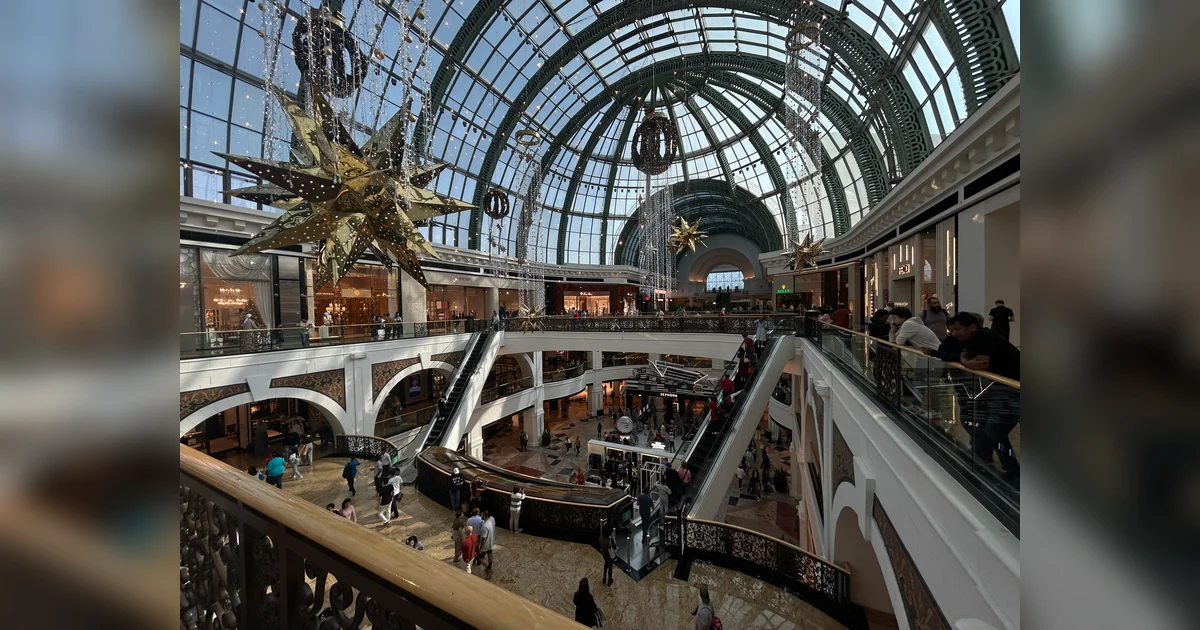
    Beyond geopolitics, the UAE has developed sophisticated retail infrastructure that transcends conventional shopping experiences. Dubai Mall’s Fashion Avenue ranks among the world’s top 15 most expensive retail locations, while tourism-driven retail spending accounts for over 40% of all visitor expenditures. The retail landscape extends beyond flagship destinations to include integrated experiences at Yas Mall, cultural waterfront dining at The Galleria, and emerging hubs in Sharjah and Al Ain.

    Regulatory advancements have further strengthened the sector’s credibility. The UAE’s removal from the FATF grey-list in early 2024 signaled enhanced financial governance, coinciding with the nation’s leading position in attracting high-net-worth individuals worldwide.

    Despite these advantages, the UAE continues developing cultural depth to match established luxury capitals. Unlike Paris and London’s centuries-old fashion institutions, the Emirates are consciously building cultural legitimacy through initiatives supporting immersive activations and high-value experiences.

    Capturing the lucrative Chinese luxury market represents a particular opportunity, requiring retailers to adopt digital-first engagement strategies and Mandarin-language services. Meanwhile, family enterprises that traditionally dominated Gulf retail must modernize governance structures and digital capabilities to remain competitive.

    The future luxury landscape will increasingly prioritize experiential consumption, wellness integration, and personalized omnichannel engagement. As global wealth transfers to younger generations valuing experiences over mere transactions, the UAE’s evolving ecosystem positions it as both a shopping destination and innovation launchpad for the luxury industry’s next chapter.

  • Dr. Sultan Ahmed Al Jaber tops 2026 ICIS top 40 power players

    Dr. Sultan Ahmed Al Jaber tops 2026 ICIS top 40 power players

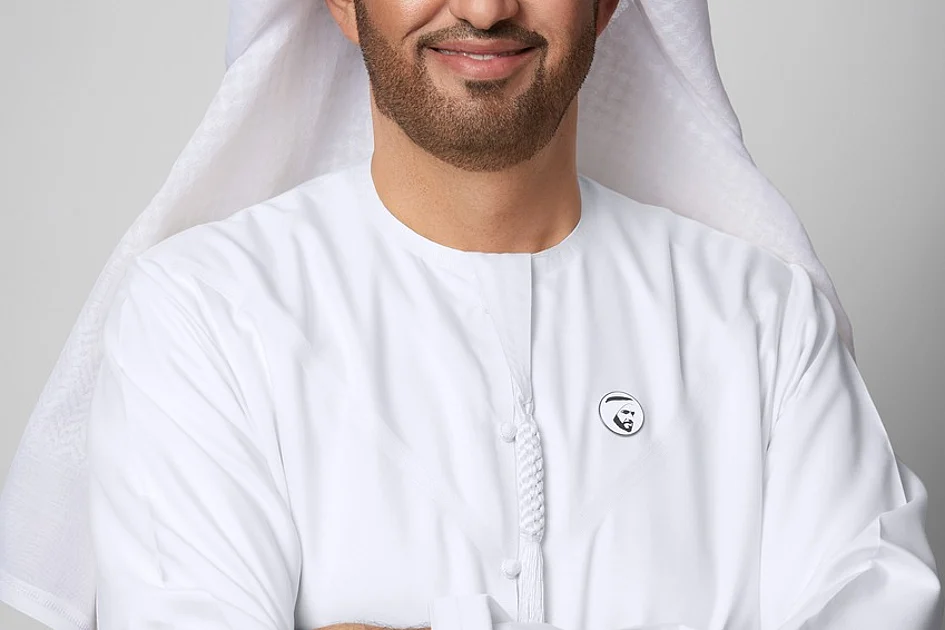
    Dr. Sultan Ahmed Al Jaber, UAE Minister of Industry and Advanced Technology and CEO of ADNOC, has secured the premier position in the 2026 ICIS Top 40 Power Players list, recognizing his exceptional leadership in shaping the global chemical industry. This prestigious ranking by Independent Commodity Intelligence Services (ICIS) Group highlights executives driving substantial positive impact within their organizations and across the international chemicals sector.

    The recognition follows Dr. Al Jaber’s previous accolade as ICIS CEO of the Year in 2025 and acknowledges his strategic vision in two landmark developments: the creation of Borouge Group International (BGI) and the successful acquisition of German polyurethanes producer Covestro through ADNOC’s investment vehicle, XRG.

    Industry analysts note that the forthcoming merger between Abu Dhabi-based Borouge, Austria’s Borealis, and Canada’s NOVA Chemicals will establish BGI as a dominant force in global polyolefins production. Joseph Chang, Global Editor of ICIS Chemical Business, emphasized that these strategic moves are fundamentally transforming the chemical industry landscape.

    With global chemical demand projected to grow by 70% by 2050, these consolidations position Abu Dhabi as a central hub in the chemicals value chain. XRG’s expansion strategy aims to establish the entity among the world’s top three chemical providers, significantly enhancing the UAE’s industrial capabilities.

    The ICIS selection process evaluates leaders across multiple criteria including project execution, profitability, shareholder value creation, mergers and acquisitions, innovation support, and implementation of environmental, social, and governance (ESG) standards. The global editorial team at ICIS assesses each candidate’s distinction and visionary approach to industry challenges and opportunities.

  • Holcim UAE joins IRENA’s alliance for industry decarbonisation

    Holcim UAE joins IRENA’s alliance for industry decarbonisation

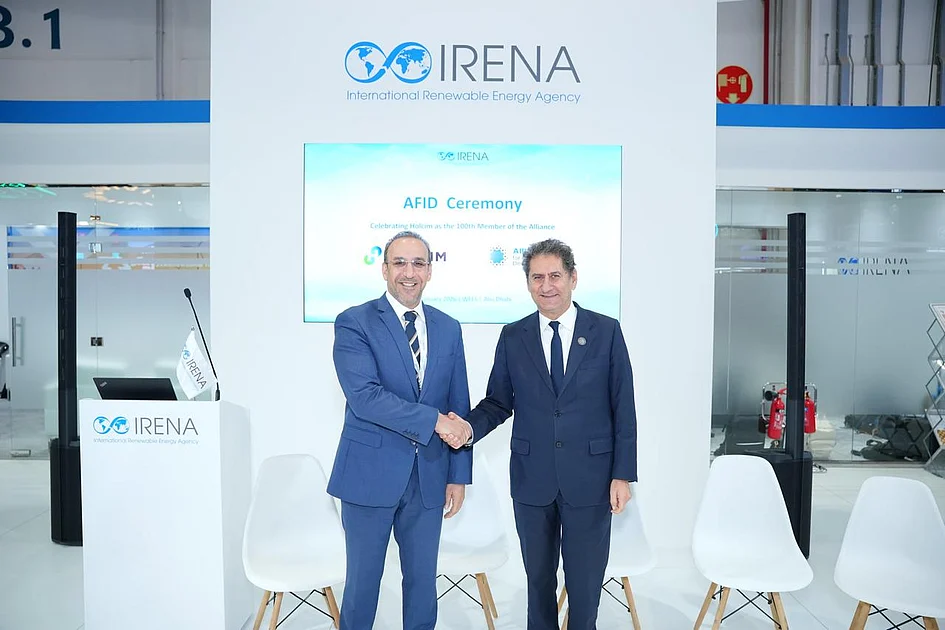
    In a significant move to accelerate industrial decarbonization, Holcim UAE has officially become a member of the Alliance for Industry Decarbonization (AFID), an initiative spearheaded by the International Renewable Energy Agency (IRENA). The membership was formalized during Abu Dhabi Sustainability Week in January 2026, marking a strategic evolution in the company’s sustainability journey from operational improvements to sector-wide leadership.

    The AFID coalition brings together governments, international organizations, and leading industrial players to implement transformative technologies and practices across hard-to-abate sectors. Holcim’s participation enables the company to contribute its substantial expertise in sustainable building materials and solutions to policy dialogues that will shape the future of industrial activity in the UAE and beyond.

    According to Ali Said, CEO of Holcim UAE and Oman, “Industry decarbonization requires practical action at scale, supported by the right policy direction. Joining AFID allows Holcim to engage at that intersection, bringing perspective shaped by practical experience to conversations that matter for the UAE’s low-carbon future.”

    The alliance focuses on multiple priority areas including renewable energy adoption, carbon capture utilization and storage, circular economy principles, green hydrogen development, human capital development, and climate-aligned finance. These initiatives align closely with Holcim’s long-term sustainability strategy, which integrates environmental considerations throughout its operations, investment decisions, and value chain partnerships.

    This collaboration represents a concerted effort to bridge the gap between industrial implementation and policy development, ensuring that regulatory frameworks and investment signals are informed by real-world industrial experience and practical decarbonization challenges.

  • Paolo Maldini adds his name to growing list of global celebrities setting up base in the UAE

    Paolo Maldini adds his name to growing list of global celebrities setting up base in the UAE

    Italian football legend Paolo Maldini has joined the growing roster of international celebrities establishing strategic investments in the United Arab Emirates, specifically aligning with Ras Al Khaimah’s rapidly expanding luxury hospitality sector. The AC Milan icon has partnered with RRS International Development for the launch of NH Collection Ras Al Khaimah Al Marjan Island Hotel & Apartments, a $100 million mixed-use development scheduled for completion in 2027.

    In an exclusive interview, Maldini revealed his attraction to the project stemmed from a personal introduction to RRS’s founders and their straightforward, founder-led methodology. ‘The approach felt genuinely serious—focused on destination development, hospitality concepts, and long-term asset growth without unnecessary pressure or theatricality,’ Maldini stated.

    The former defender emphasized Ras Al Khaimah’s unique appeal compared to other emirates, noting its ‘calmer rhythm, natural surroundings, and accessibility.’ He described the emirate as a place that ‘integrates seamlessly into real life rather than representing a complicated plan.’

    Market data substantiates Maldini’s investment rationale. Ras Al Khaimah’s real estate market demonstrated remarkable performance throughout 2025, achieving double-digit growth fueled by investor demand, luxury developments, and vigorous off-plan activity. Apartment sales prices escalated by 30.4%, while villa prices witnessed an extraordinary 41.9% increase.

    According to CBRE analytics, the emirate registered a 39% year-on-year surge in residential prices during Q1 2025, predominantly driven by branded and waterfront developments, particularly those situated on Al Marjan Island. This artificial archipelago has emerged as the epicenter of buyer demand, with average apartment prices climbing 21.3% to Dh1,328 per square foot in 2025.

    Maldini perceives Al Marjan Island as cultivating a distinctive identity rather than merely constructing a skyline, creating hospitality and leisure experiences designed to encourage repeat visits and sustain long-term value. Enhanced infrastructure, including significant road-capacity improvements between Dubai and Ras Al Khaimah expected to reduce travel time by 45%, further bolsters investor confidence.

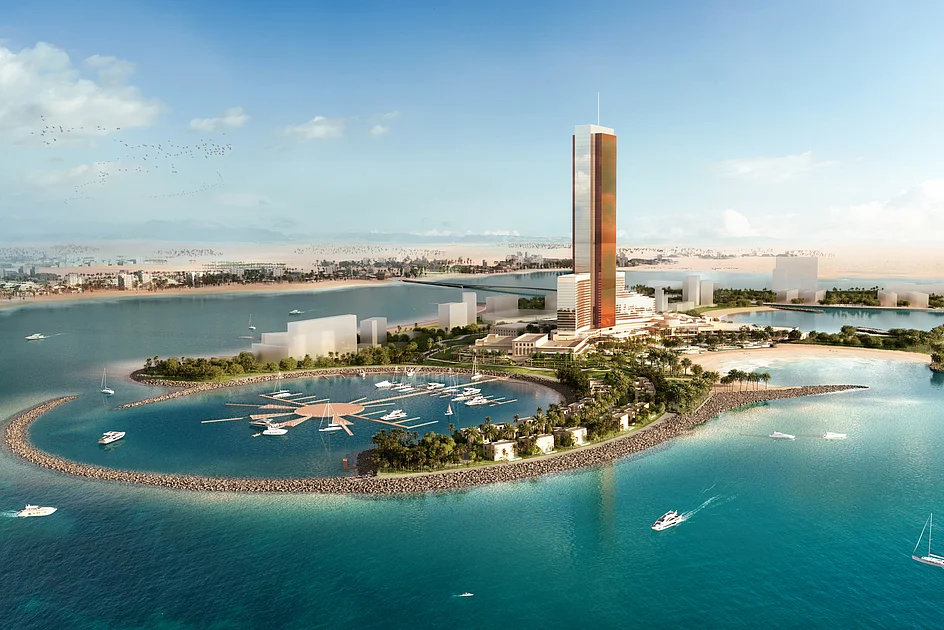
    The broader economic context provides additional momentum, with Ras Al Khaimah’s economy projected to maintain approximately 4% annual growth through 2027, supported by sustained tourism and real estate investment. The upcoming Wynn Al Marjan Island integrated resort development further reinforces these favorable conditions.

    Maldini articulated his investment philosophy, contrasting boutique luxury with mere extravagance: ‘Authentic luxury isn’t about quantity—it’s about quality. This project exemplifies curated design and a serene atmosphere rather than excessive opulence.’

    The developer’s decision to retain approximately 50% of the inventory signaled strong confidence in the asset’s long-term appreciation potential, a factor that significantly influenced Maldini’s participation.

    Beyond individual endorsement, market metrics paint a compelling picture. Ras Al Khaimah’s property transactions doubled to Dh15.08 billion in 2024, reflecting intensifying international investor interest. The market maintains competitive rental yields, with Al Marjan Island apartments delivering approximately 5.75% gross yields alongside annual capital appreciation of 15-20% in premium segments.

    Maldini summarized his cross-industry perspective: ‘In football, discipline creates longevity. In real estate, discipline creates value.’ With disciplined developers, increasing global attention, and an evolving luxury-hospitality ecosystem, Ras Al Khaimah—and particularly Al Marjan Island—appears positioned for its most robust investment cycle to date.

  • Ras Al Khaimah’s off‑plan real estate market is entering one of its most dynamic phases

    Ras Al Khaimah’s off‑plan real estate market is entering one of its most dynamic phases

    Ras Al Khaimah’s property sector is experiencing unprecedented transformation, with Al Marjan Island positioned as the epicenter of the emirate’s real estate renaissance. Market analytics reveal a remarkable 21% year-on-year surge in average price per square foot as of early 2026, signaling a fundamental restructuring of regional investment patterns.

    The catalytic force behind this economic acceleration is the rapidly progressing Wynn Al Marjan Island resort, a $5.1 billion integrated luxury destination scheduled for its 2027 inauguration. Construction milestones, including the recent topping out of the project’s tower, have generated substantial market confidence, creating what industry specialists term a “pre-opening squeeze” that continues to elevate prices while diminishing available inventory.

    This development surge coincides with Ras Al Khaimah’s record-breaking tourism performance, which welcomed 1.35 million overnight visitors in 2025. The growing hospitality investments are simultaneously reinforcing long-term residential demand, particularly within the off-plan segment that attracts both regional and international investors seeking early market positioning.

    Demonstrating this premium market trend, ELEVATE’s ultra-exclusive Sky Mansion at Mondrian Al Marjan Island Beach Residences recently transacted for Dh38 million shortly after the project’s groundbreaking ceremony. This record-setting sale of the development’s signature residence occurred within hours of its market release, establishing new benchmarks for luxury waterfront properties in the Northern Emirates.

    Concurrently, Source of Fate (SOF) has initiated construction on Miraggio, their flagship luxury waterfront development, following the achievement of Dh1 billion in sales with 50% of units secured through pre-construction bookings. This substantial investor commitment reflects growing confidence in Ras Al Khaimah’s premium real estate offerings.

    Further enhancing the island’s prestige, One Broker Group has been appointed exclusive sales partner for AARK Developers’ $1.4 billion Karl Lagerfeld-branded residential project. This fashion-house-integrated development, featuring over 600 sea-facing residences with direct beach access and proximity to the Wynn Resort, represents another strategic enhancement to Al Marjan Island’s luxury portfolio.

    Market analysts conclude that Ras Al Khaimah is undergoing a strategic transition from secondary market status to becoming a significant investment destination, where early participants stand to gain substantial advantages from continued price appreciation and rental yield growth ahead of the Wynn Resort’s operational debut.