分类: business

  • First-of-its-kind pearl auction held utilizing Hainan FTP

    First-of-its-kind pearl auction held utilizing Hainan FTP

    In a groundbreaking event for luxury goods trading, Sanya’s Heren Gold and Jewelry Industry Park hosted the inaugural Tahitian black pearl auction leveraging Hainan Free Trade Port’s zero-tariff policy on January 24, 2026. This historic auction represents the first application of FTP’s preferential policies for high-end pearls, marking a significant milestone in China’s luxury market liberalization.

    The auction, held at the Yazhou Bay Science and Technology City, was strategically designed to demonstrate Hainan’s evolving role as a global jewelry trading hub. By implementing tariff-free policies specifically for premium pearls, the event showcased how the FTP is transforming the island’s economic landscape and consumer market dynamics.

    This initiative aligns with broader national efforts to position Hainan as a premier international tourism and consumption destination. The successful execution of this pearl auction establishes a new operational model for high-value goods transactions within the free trade port, potentially setting a precedent for other luxury commodities.

    Industry observers note that the event’s significance extends beyond immediate commercial transactions, representing a strategic test case for specialized luxury markets within China’s broader free trade ecosystem. The auction mechanism developed for these Tahitian black pearls could serve as a template for future high-end goods trading platforms throughout the region.

    The convergence of jewelry expertise, tariff innovation, and international market access demonstrates Hainan’s growing sophistication in global luxury trade networks. This development occurs against the backdrop of China’s continuing economic reform initiatives and its increasing integration with international luxury markets.

  • The blueprint of a coffee empire: Roasters grows from Jumeirah villa to world record holder

    The blueprint of a coffee empire: Roasters grows from Jumeirah villa to world record holder

    DUBAI – What began as a personal quest for coffee perfection in a Jumeirah villa has transformed into a record-breaking global brand that has redefined Dubai’s premium coffee culture. Roasters, co-founded by CEO Konstantin Harbuz and his wife, has evolved from a curiosity-driven project into a prestigious empire with 11 locations across the city.

    The journey started with a simple vision: create a space serving the world’s finest coffee. Their inaugural villa location featured pioneering elements including Dubai’s first coffee shop rooftop terrace, VIP rooms, and live roasting facilities. By 2021, overwhelming customer response—evidenced by consistent weekend queues—captured the attention of major developers Dubai Holding and Emaar, leading to simultaneous flagship openings at JBR and Dubai Mall.

    Behind the brand’s exceptional standards lies a deeply personal approach. The founders travel extensively to source rare beans from 24 coffee-producing countries, including exclusive Cup of Excellence winners. Operational excellence is maintained by over 300 employees, with quality assurance led by certified Q graders and a head roaster ensuring uncompromising standards across all locations.

    The Roasters differentiation strategy combines champion-level coffee consistency with strategic location planning. The company employs a data-driven approach analyzing demographics, customer mentality, and emerging trends in each district, adapting branches to neighborhood characteristics while maintaining core identity.

    In a landmark achievement, Roasters secured the Guinness World Record for the world’s most exclusive coffee experience through carefully sourcing limited coffee lots and navigating rigorous verification processes. The accomplishment generated extraordinary global exposure, with over 1,000 international media outlets covering the story within two weeks.

    Beyond premium beans, the brand has developed substantial culinary offerings including all-day dining, artisan bakery items, signature desserts, and recently introduced caviar and truffle menus that have gained remarkable popularity.

    The company’s expansion strategy includes four additional UAE locations in 2026 to strengthen GCC presence, followed by international expansion beginning with a Hong Kong flagship opening in April 2026. This marks the start of Roasters’ mission to share Dubai-born coffee excellence globally.

    Reflecting on the brand’s evolution, Harbuz emphasizes the profound fulfillment derived from serving over 750,000 guests in 2025 alone. Most earnings are reinvested into growth and personnel development, representing the founders’ commitment to giving back to Dubai by positioning the city as a true global coffee capital.

  • Future of travel: GCC’s mega airports to handle 500 million passengers annually

    Future of travel: GCC’s mega airports to handle 500 million passengers annually

    The Gulf Cooperation Council (GCC) is poised to revolutionize global aviation infrastructure with unprecedented investments exceeding $100 billion in airport development projects. These strategic initiatives will enable the region’s airports to accommodate over 500 million passengers annually within the next decade, fundamentally reshaping international travel patterns and economic dynamics.

    According to aviation experts and industry analysts, this transformation is driven by massive fleet expansions and cutting-edge technological implementations that will enhance route networks, operational efficiency, and passenger experiences. The development includes mega-hubs in Dubai and Riyadh alongside significant expansions of secondary airports in Abu Dhabi, Sharjah, Jeddah, Doha, and Muscat.

    Recent data reveals remarkable growth trajectories, with the top ten Gulf airports recording an 11% year-on-year increase in passenger traffic, handling 327 million travelers in 2024 compared to 293 million in 2023. The aviation sector has evolved from merely supporting economic growth to becoming a primary engine of economic transformation across GCC nations, deeply integrated into national diversification strategies and labor markets.

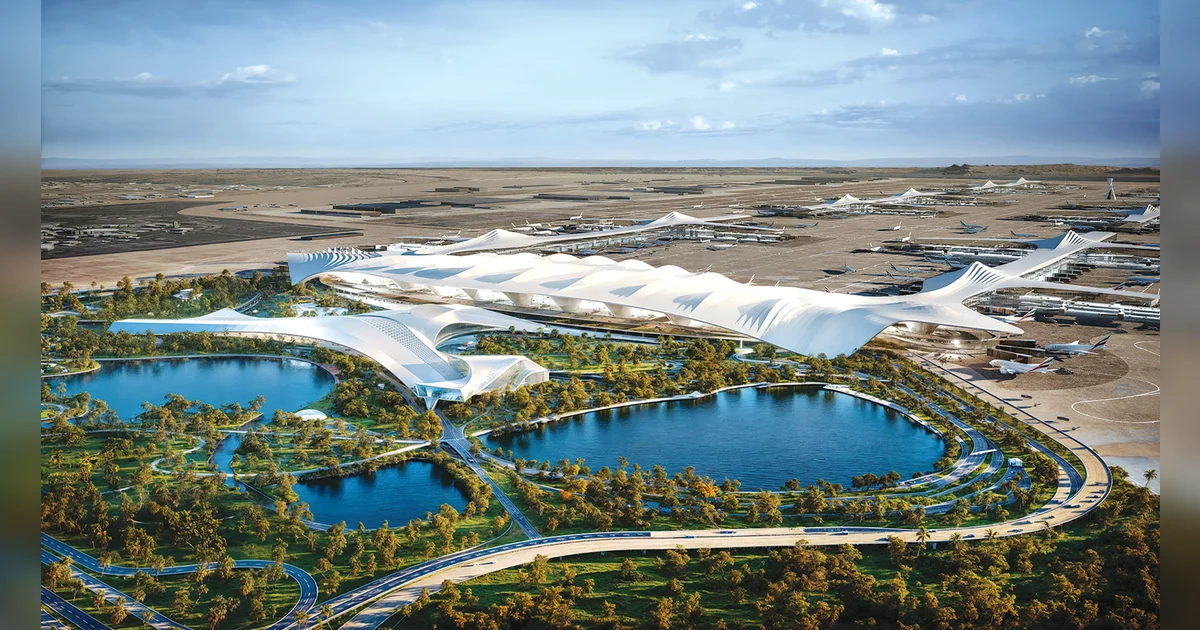
    Saudi Arabia has committed approximately $50 billion to aviation infrastructure, including the ambitious King Salman International Airport in Riyadh. Meanwhile, Dubai is developing the $35 billion Al Maktoum International Airport, which upon completion will be five times larger than Dubai International Airport (DXB) with capacity for 260 million passengers annually. DXB itself is projected to exceed 96 million passengers this year, approaching its maximum capacity.

    Smaller GCC states are pursuing specialized niches in cargo, multimodal logistics, and tourism connectivity. Oman has announced plans for six new airports by 2028-29, Kuwait’s Terminal 2 expansion will increase capacity to 25 million passengers, and Bahrain is planning a greenfield facility on a reclaimed island as current infrastructure reaches its limits.

    Technological innovation represents a cornerstone of this transformation. GCC airports are implementing facial recognition systems, AI-driven solutions, advanced biometric processing, and streamlined security protocols that will eliminate the need for removing liquids and laptops during screening. These developments promise to reduce processing times dramatically, potentially enabling passengers to move from airport entry to departure gates within minutes.

    Despite these advancements, significant challenges remain. The concentration of passenger demand within compressed timeframes intensifies competition for skilled professionals across multiple markets. The logistical complexity of transitioning operations from DXB to Al Maktoum International Airport presents substantial operational hurdles. Additionally, regional geopolitical tensions and infrastructure constraints at expanding airports pose ongoing concerns.

    The competitive landscape extends beyond the GCC, with developments in Turkey’s Istanbul airport and India’s new facilities in Delhi and Mumbai representing additional market pressures. Nevertheless, the GCC’s strategic investments in aviation infrastructure position the region to maintain its leadership in global aviation connectivity and economic diversification for decades to come.

  • ‘Hopes are high’: Dubai event woos Emiratis, expats to invest in Sri Lanka

    ‘Hopes are high’: Dubai event woos Emiratis, expats to invest in Sri Lanka

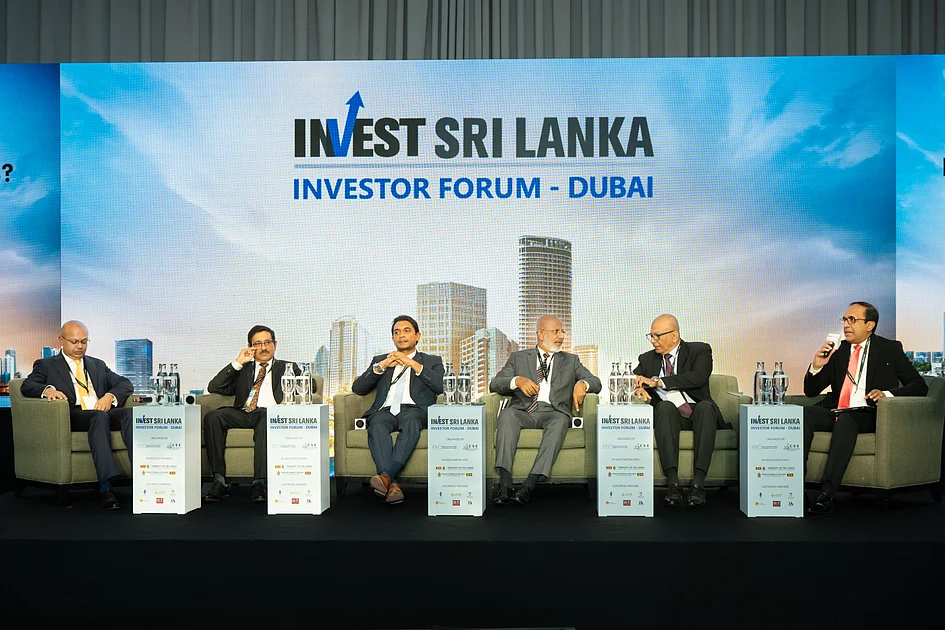
    Dubai has become the focal point for Sri Lanka’s ambitious campaign to attract foreign investment from the United Arab Emirates, with government officials and financial experts presenting the island nation as a prime destination for capital deployment. At the Invest Sri Lanka Investor Forum held in Dubai, representatives highlighted the country’s remarkable economic turnaround and diverse investment prospects.

    Sri Lankan authorities emphasized their nation’s exceeding of fiscal and economic targets over the past two years, coupled with comprehensive modernization initiatives and digital transformation of government services. These developments have created what officials describe as a ‘more stable and predictable’ investment environment, supported by streamlined governance frameworks and attractive incentives including tax holidays.

    Investment opportunities span multiple sectors, with tourism emerging as particularly promising. Naveen Gunawardane, Managing Director and Co-Founder of Lynear Wealth Management, identified significant potential in developing resort areas beyond Colombo, noting a shortage of quality accommodations in coastal regions. ‘There’s a massive opportunity over the next couple of years for companies to set up hotels in resort areas,’ Gunawardane emphasized, pointing to the Southern coast and Eastern belt as key development zones.

    The construction sector likewise shows strong growth prospects, rebounding from previous contractions with renewed infrastructure projects and increased residential development. Additionally, logistics, agriculture, IT services, energy, and renewable energy present compelling opportunities for UAE investors.

    Professor Arusha Cooray, Sri Lankan Ambassador to the UAE, highlighted the existing bilateral agreements that provide solid legal foundations for investor protection. ‘Sri Lanka is a very attractive destination to invest in, not just in terms of lifestyle, but numerous opportunities now available through government reforms,’ she stated, specifically mentioning Colombo Port City as an emerging financial and trade hub.

    The Central Bank of Sri Lanka projects economic growth between 5-7%, supported by what Governor P. Nandalal Weerasinghe characterized as ‘the right balance of monetary policy.’ The investment push extends beyond major portfolios to include ordinary expatriates, who can participate through mutual funds with initial investments as modest as a few hundred dollars.

    With approximately 350,000 Sri Lankans residing in the UAE—whose remittances contribute significantly to Sri Lanka’s GDP—the campaign leverages both institutional investment channels and individual expatriate participation in the nation’s economic revitalization.

  • Taiwan businessman: Taiwan compatriots will see more opportunities in next five-year plan

    Taiwan businessman: Taiwan compatriots will see more opportunities in next five-year plan

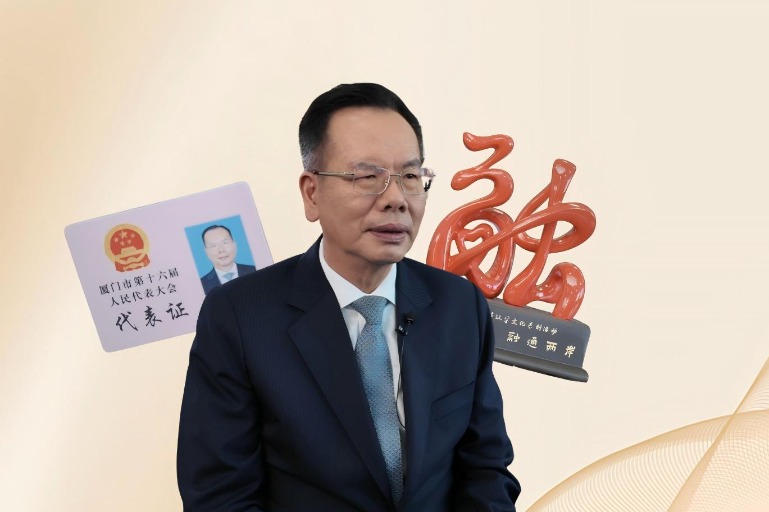
    Taiwanese entrepreneurs operating on the Chinese mainland are anticipating substantial growth opportunities emerging from the nation’s forthcoming 15th Five-Year Plan (2026-2030). Wu Chia-ying, Vice-President of the Association of Taiwan Investment Enterprises on the Mainland and a deputy of the Xiamen People’s Congress, has become a pivotal voice in representing Taiwanese interests.

    In his unique role as a legislative representative, Wu has prioritized direct community engagement, emphasizing the importance of understanding and addressing the specific needs of Taiwanese compatriots residing on the mainland. “We can really go into the community to hear and understand the needs of Taiwan compatriots,” Wu stated, describing his grassroots approach to representation.

    The upcoming five-year development blueprint, set to guide China’s economic strategy through 2030, is expected to create expansive pathways for Taiwanese enterprises and individuals alike. Wu specifically highlighted cutting-edge technological sectors including 5G infrastructure and artificial intelligence as areas with particularly promising potential for Taiwanese participation and growth.

    This institutional framework represents more than economic planning—it signifies deepening cross-strait integration through shared development objectives. Taiwanese businesses are positioned to benefit from mainland market access and policy support during this next phase of national development, creating what industry observers characterize as a win-win scenario for cross-strait economic cooperation.

    The five-year plan mechanism, a cornerstone of China’s governance model, continues to evolve in its sophistication, now explicitly incorporating considerations for Taiwanese participants in the mainland’s economic ecosystem. This approach demonstrates the practical implementation of policies designed to foster mutual prosperity across the Taiwan Strait.

  • The eye-watering cost of eating out on Australia Day revealed

    The eye-watering cost of eating out on Australia Day revealed

    Australian consumers are projected to incur an additional $26.7 million in surcharge fees during the Australia Day public holiday, according to exclusive research from financial comparison platform money.com.au. The analysis, based on Australian Bureau of Statistics retail data, reveals that holiday surcharges averaging 15% will significantly impact dining expenditures across cafes, restaurants, and takeaway food services.

    The financial burden comes as hospitality businesses face mandatory penalty rates under the Fair Work Act and modern awards, requiring wage increases of 225-250% for staff working on public holidays. With the industry operating on thin profit margins typically below 3%, according to IBIS World data, many establishments implement surcharges merely to break even rather than generate additional profit.

    Finance expert Sean Callery emphasizes that consumers should anticipate these additional costs when planning their holiday dining. “What might normally be a $7 coffee could rise to $8, while a family brunch costing $100 could increase to $115,” Callery noted. He advises patrons to inquire about surcharges beforehand to make informed spending decisions.

    Wes Lambert, CEO of the Australian Restaurant and Cafe Association, characterizes public holiday trading as a “labour of love” for many small businesses. “Hospitality is a high-labour, low-margin industry where wage costs typically constitute 30-40% of revenue,” Lambert explained. “When wages increase by 250%, that percentage can effectively reach 100%, leaving no room for absorption of additional costs.”

    The decision to implement surcharges presents a complex calculation for business owners, who must weigh potential increased customer volume against substantially higher operating expenses. Many establishments face uncertainty about whether holiday foot traffic will sufficiently offset the mandatory wage increases, making surcharges an essential survival mechanism rather than a choice.

  • EFG Hermes tops LSEG MENA ECM Bookrunner rankings for second consecutive year

    EFG Hermes tops LSEG MENA ECM Bookrunner rankings for second consecutive year

    EFG Hermes, the premier investment banking institution within EFG Holding, has once again clinched the foremost position in London Stock Exchange Group’s (LSEG) MENA equity capital markets (ECM) bookrunner rankings for 2025. This achievement marks the second consecutive year the financial powerhouse has dominated the regional league tables, reinforcing its commanding presence across Middle Eastern and North African capital markets.

    LSEG’s comprehensive assessment methodology evaluates financial institutions based on two critical parameters: total capital proceeds raised throughout the assessment period and the aggregate number of successfully completed transactions. EFG Hermes demonstrated exceptional performance across both metrics during the 2025 review cycle.

    The investment bank’s transaction volume reached unprecedented levels with 12 completed ECM operations—precisely double the deal count of the second-ranked institution. These transactions spanned multiple regional exchanges including Tadawul, Nomu, Abu Dhabi Securities Exchange, Dubai Financial Market, Nasdaq Dubai, Muscat Stock Exchange, Bourse Kuwait, and the Egyptian Exchange.

    Mostafa Gad, Global Head of Investment Banking at EFG Hermes, emphasized that this industry recognition reflects the firm’s expanding regional footprint and enduring client relationships. “Our continued focus remains on executing sophisticated transactions that simultaneously advance client objectives while contributing to the broader development of MENA capital markets,” Gad stated, highlighting the institution’s unique capacity to navigate diverse regulatory environments.

    EFG Hermes established itself as the sole investment bank to execute ECM transactions across five key markets—Saudi Arabia, the UAE, Oman, Kuwait, and Egypt—during the assessment period. Beyond equity markets, the firm advised on 42 regional transactions encompassing 18 ECM deals, 16 debt capital market operations, and 8 mergers and acquisitions.

    The bank’s expertise extended across various ECM structures including initial public offerings, accelerated bookbuilds, and rights issues. Notable 2025 transactions included serving as sole financial advisor for the Jamjoom IPO in Saudi Arabia and joint global coordinator for the ADNOC Gas secondary offering—the largest placement in ADX history.

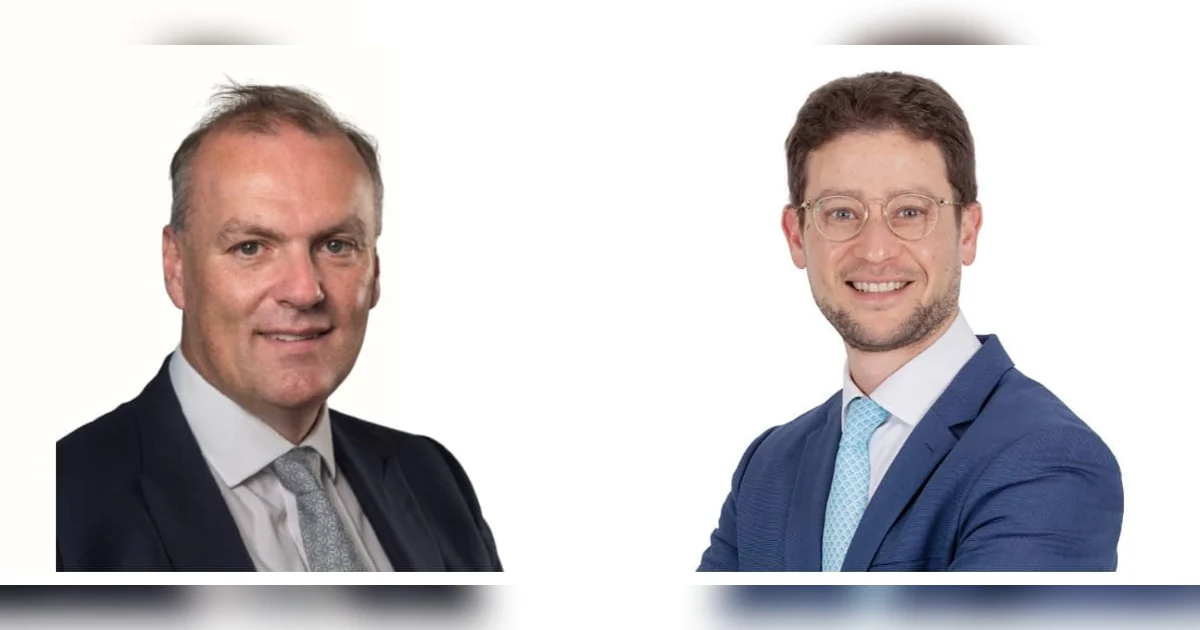
    Christopher Laing, Head of ECM at EFG Hermes Investment Banking, attributed the firm’s outstanding performance to its comprehensive research coverage and unparalleled access to institutional and family office investors throughout the region. The institution has maintained its position as the top trader on the Dubai Financial Market for eight consecutive years.

    This latest industry recognition solidifies EFG Hermes’ status as the preeminent equity capital markets facilitator in the MENA region amid sustained issuance activity across developing capital markets.

  • Award-winning Colibri Views by Major Developments in RAK nearly sold out in record time

    Award-winning Colibri Views by Major Developments in RAK nearly sold out in record time

    Major Developments’ premier residential project, Colibri Views, has achieved near complete sell-out status at unprecedented velocity within Ras Al Khaimah’s rapidly evolving urban core. The twin-tower development reports 100% absorption of studio and one-bedroom configurations, with only a limited inventory of two-bedroom residences and two exclusive penthouses remaining available at RAK Central.

  • Xinjiang reports highest foreign trade growth in China

    Xinjiang reports highest foreign trade growth in China

    China’s Xinjiang Uygur Autonomous Region has emerged as the nation’s top-performing foreign trade hub, achieving unprecedented growth of 19.9% year-on-year in 2025. According to official data released by Urumqi Customs District, the region’s total import-export volume reached a historic 520.4 billion yuan ($74.7 billion), marking the highest growth rate among all Chinese provinces and autonomous regions.

    The export sector demonstrated particularly robust performance, surging 25% to 460.7 billion yuan, while imports experienced a moderate decline of 8.9% to 59.6 billion yuan. Over the comprehensive Five-Year Plan period from 2021 to 2025, Xinjiang’s cumulative foreign trade exceeded 1.71 trillion yuan, representing a remarkable 144.3% increase compared to the previous five-year cycle.

    Customs officials attribute this exceptional performance to strategic policy implementations throughout 2025. Deputy Director Li Qinghua highlighted that targeted measures to enhance port development and advance the China (Xinjiang) Pilot Free Trade Zone significantly optimized foreign trade structures. The region simultaneously accelerated smart port construction initiatives, creating a more efficient trade ecosystem.

    Xinjiang’s international trade network has expanded substantially, maintaining particularly strong economic ties with Belt and Road Initiative partner nations. Trade with these countries reached 458.4 billion yuan, constituting 88.1% of Xinjiang’s total foreign trade volume. Central Asian countries accounted for over half of this trade, while ASEAN markets witnessed explosive 98.3% growth to 67.4 billion yuan—crossing the 10% threshold of Xinjiang’s total trade for the first time.

    The region’s export composition has undergone significant transformation, with high-tech and high-value-added products driving growth. Mechanical and electrical product exports reached 186.5 billion yuan, while automobiles, automotive parts, electrical equipment, and electronic components demonstrated particularly strong performance. Advanced equipment related to new quality productive forces and green technology products including new energy vehicles and lithium batteries grew by approximately 70%.

    Agricultural exports also flourished, increasing 25.4% due to rising international demand for dried and fresh products such as walnuts and grapes.

    Private enterprises played a pivotal role in this success story, contributing 92.8% of Xinjiang’s total foreign trade volume. Their import-export value reached 482.7 billion yuan with 20.1% year-on-year growth. Notably, self-branded goods exports surged 40.3% to 52.11 billion yuan, with proprietary products accounting for significant portions of electrical equipment (33%), lithium batteries (81.1%), and textile machinery (25%) shipments.

    Chief Inspector Huang Qun confirmed that Urumqi Customs District will continue supporting private businesses through enhanced regulatory efficiency, targeted policy guidance, and responsive service improvements to sustain this growth trajectory.

  • Outlook names Dr Ajayya Kumar among 50 visionary leaders of the $5 trillion economy

    Outlook names Dr Ajayya Kumar among 50 visionary leaders of the $5 trillion economy

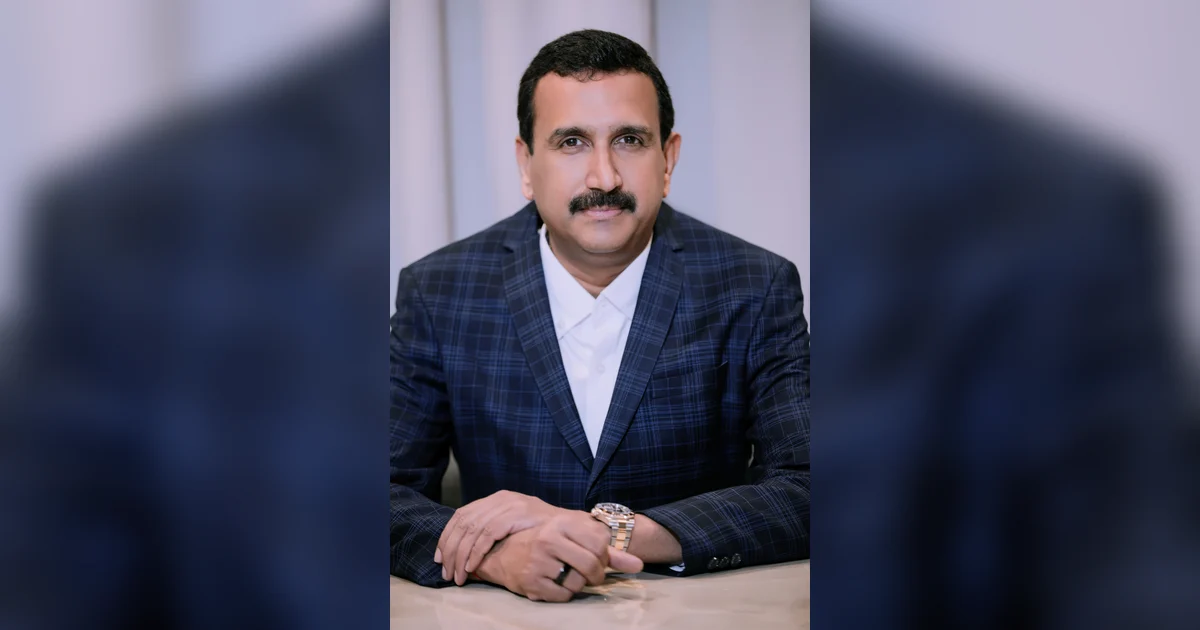
    In a prestigious acknowledgment of transformative leadership, Outlook magazine has distinguished Dr. Ajayya Kumar, Chief Operating Officer of Emircom, as one of fifty visionary figures instrumental in shaping the trajectory of the $5 trillion economy. This recognition celebrates his multidisciplinary impact across corporate governance, personal development, and socio-cultural initiatives.

    Dr. Kumar’s influential work, particularly his recent publication ‘Zero to Success in 369 Days’—previously featured in Forbes India—serves as a cornerstone of this accolade. The book introduces a structured methodology for achieving clarity-led growth, emphasizing personal discipline, purposeful action, and behavioral consistency as fundamental components of sustainable leadership and economic advancement. His innovative 369 framework prioritizes introspection, ethical principles, and enduring habit formation to cultivate leadership from within. Supplementing this approach is a digital platform that leverages artificial intelligence to provide reflective tools, merging technological innovation with human development.

    Beyond corporate spheres, Dr. Kumar’s influence extends to mindful parenting advocacy, cultural stewardship through the Sarvamangala Trust, and creative narrative production via Firefly Films. His recent cinematic venture, ‘Sarvam Maya,’ has achieved both commercial success and critical acclaim upon its global release, resonating with audiences across diverse cultures. This multifaceted engagement underscores his conviction that robust economies are fundamentally built upon the strength of individuals, families, and cultural heritage.

    The inclusion of Dr. Kumar in Outlook’s esteemed list signals an emerging consensus within economic thought leadership: sustainable growth is increasingly driven by values-based leadership characterized by clarity, discipline, and purposeful vision.