分类: business

  • Hotter than expected inflation data fuels fears of February interest rate rise

    Hotter than expected inflation data fuels fears of February interest rate rise

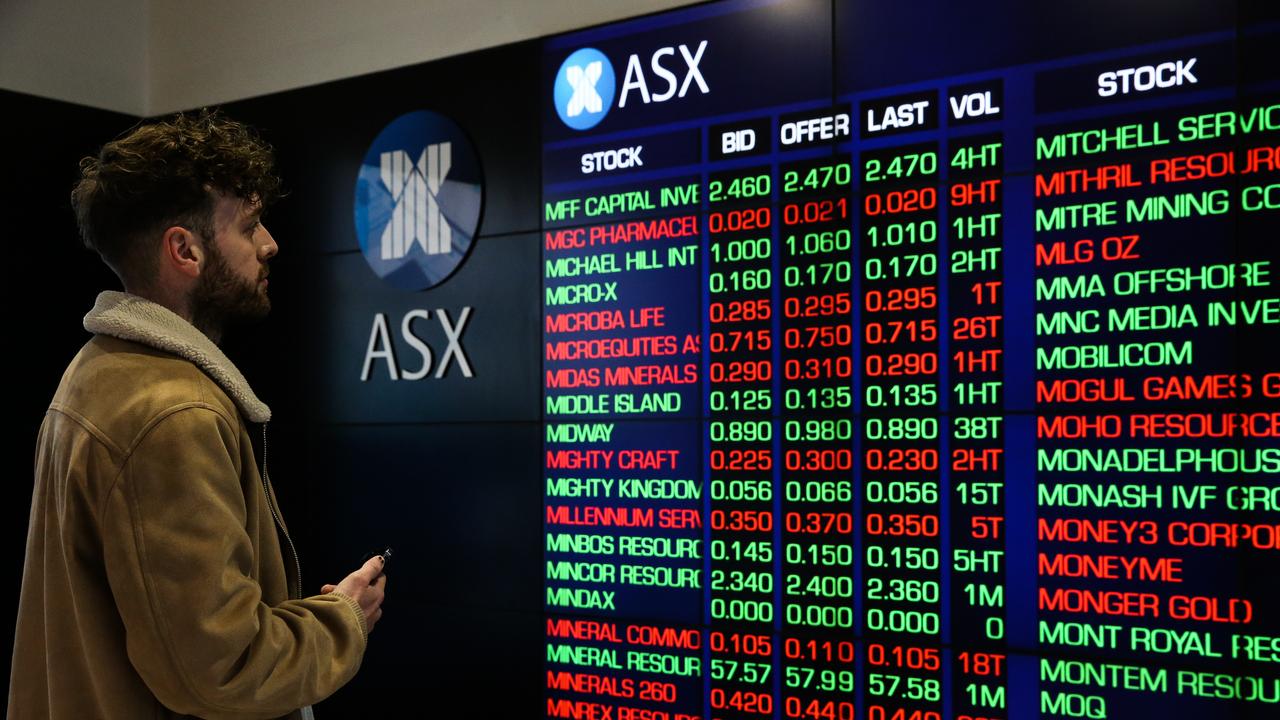
    The Australian equities market experienced a broad downturn on Wednesday, defying robust performances in the energy and mining sectors, as an unexpectedly high inflation reading intensified fears of an imminent interest rate hike.

    The benchmark S&P/ASX 200 retreated by 7.70 points (0.09%) to settle at 8933.90, while the broader All Ordinaries index declined 17.90 points (0.19%) to close at 9250.60. This downward trajectory occurred despite the Australian dollar briefly touching a two-year peak of 70.16 US cents before moderating to 70.03 US cents.

    Market dynamics revealed a stark sectoral divide. Energy stocks emerged as clear outperformers, propelled by West Texas Intermediate crude reaching a four-month high of $62.32 per barrel. Woodside Petroleum advanced 2.71% to $24.98, while Santos climbed 3.02% to $6.82.

    The resources sector similarly demonstrated strength amid rising commodity prices. BHP Group appreciated 1.71% to $50.60, with Rio Tinto surging 2.39% to $154.82. Precious metals producers also joined the rally, with Northern Star Resources gaining 3.25%, Evolution Mining leaping 4%, and Newmont Corporation closing 1.58% higher.

    This commodity-driven optimism was overwhelmingly offset by substantial declines across interest-rate-sensitive sectors. The catalyst was Australia’s trimmed mean inflation rate, which registered at 0.9% for the December quarter (3.3% annually), exceeding economist forecasts.

    Technology stocks bore the brunt of the selloff. WiseTech Global plummeted 3.76%, Xero declined 1.92%, and Dicker Data slipped 0.88%. Consumer discretionary shares also retreated significantly.

    Market analysts interpreted the inflation data as compelling evidence for monetary policy tightening. Betashares Chief Economist David Bassanese stated, ‘All up, it appears to be game, set, match for a rate rise at the February policy meeting.’ He further cautioned that additional rate increases might follow in May, though suggesting two hikes could sufficiently moderate economic growth and inflation pressures.

    Individual stock movements included Boss Energy soaring 10% after revising cost guidance downward, while Life360 and Catapult Group experienced sharp declines amid company-specific developments.


  • Arif Patel announces strategic business partnership with Preston Trading in Dubai

    Arif Patel announces strategic business partnership with Preston Trading in Dubai

    Dubai-based entrepreneur Arif Patel has unveiled a transformative strategic partnership with UK international trading firm Preston Trading, positioning Dubai as the central hub for their expanded Middle Eastern operations. The collaboration represents a significant advancement in strengthening trade connectivity between the United Kingdom and the Gulf region while aligning with the UAE’s Vision 2031 objectives focusing on economic diversification, innovation, and sustainable development.

    The alliance combines Patel’s extensive regional expertise with Preston Trading’s global network to optimize supply chain efficiency, enhance trade routes, and facilitate market expansion throughout the Middle East and beyond. Patel emphasized that selecting Dubai as the operational headquarters reflects profound confidence in the emirate’s economic environment, noting that “Dubai rewards long-term thinking by offering both dynamic growth and essential stability for building lasting enterprises.”

    With diversified experience across trade, real estate, logistics, and infrastructure sectors, Patel has developed a substantial business portfolio that now enters a new phase of international expansion. The partnership extends beyond establishing a regional office, with plans to pioneer new avenues in trading and energy solutions while implementing sustainable business practices.

    The strategic timing coincides with Dubai’s accelerating prominence as a global business hub, where logistics, finance, and technology sectors are driving substantial economic growth amid increasing population and sustained investor interest. Preston Trading will leverage its Dubai base to gradually expand into other emirates and broader Middle Eastern markets while fostering UK-Middle East trade relations.

    Beyond commercial objectives, the partnership commits to ethical business conduct and support for community initiatives in education, health, and social development. Patel characterizes Dubai as both a foundational pillar for his company’s future and a gateway to global innovation, asserting that the emirate presents exceptional opportunities for committed investors prepared to grow alongside its evolving economy.

  • Saudi Arabia asks wealthy families to invest domestically as mega-projects stall: Report

    Saudi Arabia asks wealthy families to invest domestically as mega-projects stall: Report

    Saudi Arabia is undergoing a significant strategic recalibration of its ambitious Vision 2030 economic diversification plan. According to a Bloomberg report, the kingdom’s Public Investment Fund (PIF) has convened with the nation’s wealthiest families, urging them to increase domestic investments. This move coincides with the government’s decision to reassess, downscale, or outright cancel several high-profile ‘giga-projects’ initially central to Crown Prince Mohammed bin Salman’s transformative agenda.

    Recent developments illustrate this strategic shift. Construction of the monumental Mukaab cube-shaped structure in Riyadh has been suspended. Concurrently, the planned Trojena ski resort within the NEOM development is being scaled back and will no longer host the 2029 Asian Winter Games. Furthermore, The Financial Times reports that the linear city component of NEOM, a 170-kilometer futuristic metropolis, is undergoing significant redesign and downsizing.

    Analysts interpret these actions as ‘right-sizing’—a pragmatic move to focus on sectors where Saudi Arabia holds a distinct competitive advantage. The kingdom is aggressively investing in data centers and AI infrastructure, capitalizing on commercial electricity prices that are 30-50% cheaper than the global average due to its abundant fossil fuel reserves. Additional pillars of the revised strategy include bolstering the mining and tourism sectors, evidenced by recent legal changes allowing foreigners to purchase property.

    The non-oil economy now constitutes over 55% of real GDP and is outperforming overall growth. The International Monetary Fund has subsequently raised its 2026 GDP growth forecast for Saudi Arabia to 4.5%. However, the kingdom faces considerable headwinds. A primary challenge has been the lack of substantial foreign investment for grandiose projects like NEOM, leaving the $1 trillion PIF to shoulder most of the financial burden.

    With oil revenue still accounting for approximately 61% of the national budget and prices hovering around $60 per barrel—well below the $100 needed to balance the budget—Saudi Arabia has turned to international debt markets. In 2024, it became the most active issuer of international debt in emerging markets, selling over $20 billion in bonds in January alone.

    This new appeal to private domestic wealth suggests an effort to bridge an emerging liquidity gap. State-owned banks, under pressure to lend to private businesses and homebuyers while facing higher capital requirements, have themselves sought debt financing. The investment offices of ultra-wealthy families, which control billions, are now being viewed as a potential source of capital to fill this void. This outreach evokes memories of the Crown Prince’s 2017 Ritz-Carlton crackdown, where numerous tycoons and royals were detained and pressured to transfer assets to the state in an anti-corruption purge reportedly marred by mistreatment.

  • Amazon accidentally sends email confirming layoffs

    Amazon accidentally sends email confirming layoffs

    In a significant corporate communications mishap, Amazon inadvertently revealed plans for another substantial round of global layoffs through an errant email sent to employees. The message, drafted by Colleen Aubrey, Senior Vice President at Amazon Web Services (AWS), was accidentally distributed via a calendar invitation titled “Send project Dawn email”—apparently the internal code name for the workforce reduction initiative.

    The leaked correspondence, obtained by the BBC, indicated that the layoffs would affect employees across the United States, Canada, and Costa Rica as part of ongoing efforts to “strengthen the company.” Although quickly retracted, the email provided explicit confirmation that the anticipated job cuts were proceeding, despite affected staff not having received official notification.

    This development represents a continuation of Amazon’s restructuring efforts that began over a year ago. According to the message, these measures aim to “reduce layers, increase ownership, and remove bureaucracy” to enhance operational agility. The company acknowledged the difficulty of such decisions while positioning the organization for future success.

    The current reductions follow Amazon’s announcement of 14,000 job cuts in October 2022. Industry sources indicate that company leadership ultimately intends to eliminate approximately 30,000 positions, with this latest round constituting part of that broader strategy. The complete restructuring is expected to continue through May 2024.

    Affected employees have been offered the opportunity to apply for limited open positions within Amazon, with those unable to transition receiving severance packages based on tenure. This situation reflects a broader trend across the technology sector, where major players including Meta, Google, and Microsoft have collectively eliminated hundreds of thousands of positions since 2022. Layoffs.fyi, which tracks industry job cuts, estimates approximately 700,000 tech workers have been dismissed over the past four years.

    Under CEO Andy Jassy’s leadership since founder Jeff Bezos stepped down four years ago, Amazon has implemented multiple workforce reductions while instituting a more stringent corporate culture. The company has mandated five-day in-office work weeks—a rarity among major tech firms—and implemented cost-control measures including monitoring corporate mobile phone usage to limit longstanding $50 monthly reimbursements for AWS employees.

    In a separate Thanksgiving message to staff viewed by the BBC, Jassy characterized the current period as “a time to rethink everything we’ve ever done” amid rapidly changing global conditions. The company simultaneously announced the closure of approximately 70 Amazon-branded grocery stores while expanding its Whole Foods Market business, signaling broader strategic shifts beyond workforce adjustments.

  • Grim inflation reading for cash-strapped mortgage holders

    Grim inflation reading for cash-strapped mortgage holders

    Fresh economic data from the Australian Bureau of Statistics has delivered a significant blow to financially strained homeowners, indicating a potential resurgence in interest rates. The latest quarterly inflation figures, considered crucial for monetary policy direction, have exceeded economist projections and market expectations.

    The core inflation metric closely monitored by the Reserve Bank of Australia – the trimmed mean inflation rate – reached 0.9% for the December quarter, bringing the annual rate to 3.3%. This represents an increase from the previous reading of 3.2%, moving further away from the RBA’s target band of 2-3%. Meanwhile, the headline inflation rate, which includes more volatile items, climbed to 3.8% annually from 3.4% in November.

    Market reactions were immediate and decisive, with traders increasing the probability of a February rate hike from 60% to 70% following the data release. Housing costs emerged as the primary driver of inflation, surging by 5.5% annually, while food and non-alcoholic beverages increased by 3.4%.

    Financial institutions have responded to the stronger-than-expected data with revised forecasts. ANZ joined Commonwealth Bank and National Australia Bank in predicting a rate increase when the RBA meets next Tuesday. ANZ’s head of Australian economics, Adam Boyton, characterized the anticipated hike as a single ‘insurance’ tightening rather than the beginning of a series of increases.

    Investment experts expressed concern over the persistent inflationary pressures. Russell Chesler of VanEck described the figures as ‘uncomfortably high,’ noting that inflation is not moving decisively toward the RBA’s target range. With unemployment remaining low at 4.1% and property prices continuing to rise, market participants are now questioning not if rates will increase, but when and by how much.

    The RBA governing board will convene on February 5-6, with Governor Michele Bullock scheduled to announce the official cash rate decision at 2:30 PM on Tuesday. Economists had previously indicated that a trimmed mean inflation reading of 0.8% or lower would have likely spared mortgage holders from additional financial pressure.

  • UPS to cut 30,000 jobs as it moves away from Amazon

    UPS to cut 30,000 jobs as it moves away from Amazon

    In a major corporate restructuring move, global logistics leader United Parcel Service (UPS) has announced plans to eliminate up to 30,000 positions throughout 2026. This workforce reduction forms part of the company’s continued strategic disengagement from Amazon, which it identifies as significantly detrimental to profit margins.

    The job reductions will be implemented through voluntary buyout packages offered to full-time drivers and through natural attrition by not refilling voluntarily vacated positions. This decision comes despite UPS reporting robust earnings of $24.5 billion for the fourth quarter of 2025 and projecting an unexpected revenue increase to $89.7 billion for the upcoming year.

    This initiative represents the latest phase in a comprehensive turnaround strategy initiated last year, designed to systematically decrease UPS’s reliance on Amazon. Instead, the company is pivoting toward serving more profitable client sectors, particularly healthcare companies. This strategic reorientation previously resulted in 48,000 job cuts and the shuttering of 93 facilities throughout 2025, with an additional 24 facilities scheduled for closure in the first half of 2026.

    Chief Executive Carol Tome characterized this process as the ‘final six months of our Amazon accelerated glide down plan,’ noting the company intends to reduce Amazon parcel volume by an additional one million pieces daily while simultaneously reconfiguring its delivery network.

    In a separate safety-related decision, UPS confirmed the permanent retirement of its entire MD-11 cargo plane fleet following November’s fatal crash in Louisville, Kentucky. These aircraft, representing approximately 9% of the company’s total fleet, had remained grounded since the incident.

    The market responded neutrally to these announcements, with UPS shares closing marginally higher in Tuesday’s New York trading session. This corporate restructuring occurs against the backdrop of Amazon’s dramatic expansion of its proprietary delivery infrastructure, which has substantially eroded the market dominance traditionally held by UPS, FedEx, and the US Postal Service.

    According to industry data, Amazon executed 6.3 billion deliveries within the United States during 2024, surpassing both UPS and FedEx in volume. Projections from Pitney Bowes’ parcel shipping index indicate Amazon is positioned to overtake USPS in total US delivery volumes by 2028.

  • Amazon launches fresh grocery delivery in Sydney with Harris Farm Market

    Amazon launches fresh grocery delivery in Sydney with Harris Farm Market

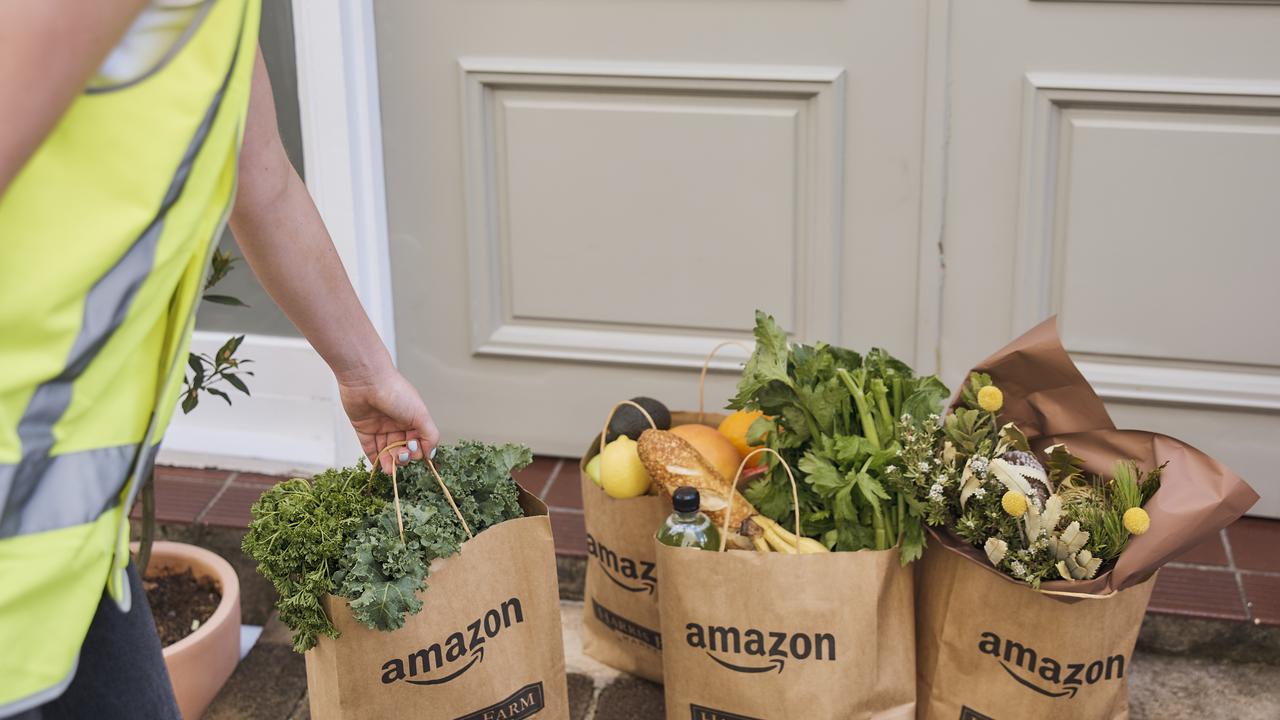
    In a strategic maneuver poised to challenge Australia’s entrenched supermarket duopoly, Amazon has forged a groundbreaking partnership with premium grocer Harris Farm Markets to launch its inaugural fresh food delivery service in the Australian market. This expansion beyond non-perishables represents Amazon’s most significant grocery sector incursion to date, directly competing with Coles and Woolworths’ established online services.

    The service debuts across 80 Sydney suburbs including Double Bay, Lakemba, Rhodes and Rockdale, offering approximately 55,000 grocery items alongside Harris Farm’s premium produce and artisan products. All orders will be fulfilled through Harris Farm’s Leichhardt facility and delivered within precise two-hour windows via Amazon Flex’s network of delivery partners.

    Arno Lenior, Amazon Prime APAC director, emphasized the customer-driven nature of this expansion: ‘Everyday Essentials represents one of our fastest growing categories in Australia. We’re thrilled to integrate Harris Farm’s exceptional range, enabling customers to complete their entire grocery shopping on our platform with same-day delivery availability.’

    The pricing structure eliminates service and bag fees, with Prime members receiving free shipping on orders exceeding $100, while non-Prime members qualify for free delivery on orders over $200. This market entry occurs as both Coles and Woolworths intensify their investments in digital logistics, including artificial intelligence implementations for order management and customer demand forecasting.

    Harris Farm Markets co-CEO Angus Harris characterized the alliance as synergistic: ‘Amazon shares our customer-first philosophy, and their logistical capabilities enable us to reliably deliver our quality products to more households while maintaining competitiveness without compromising our value proposition.’

  • Saudi Arabia suspends work on massive Mukaab megaproject: Sources

    Saudi Arabia suspends work on massive Mukaab megaproject: Sources

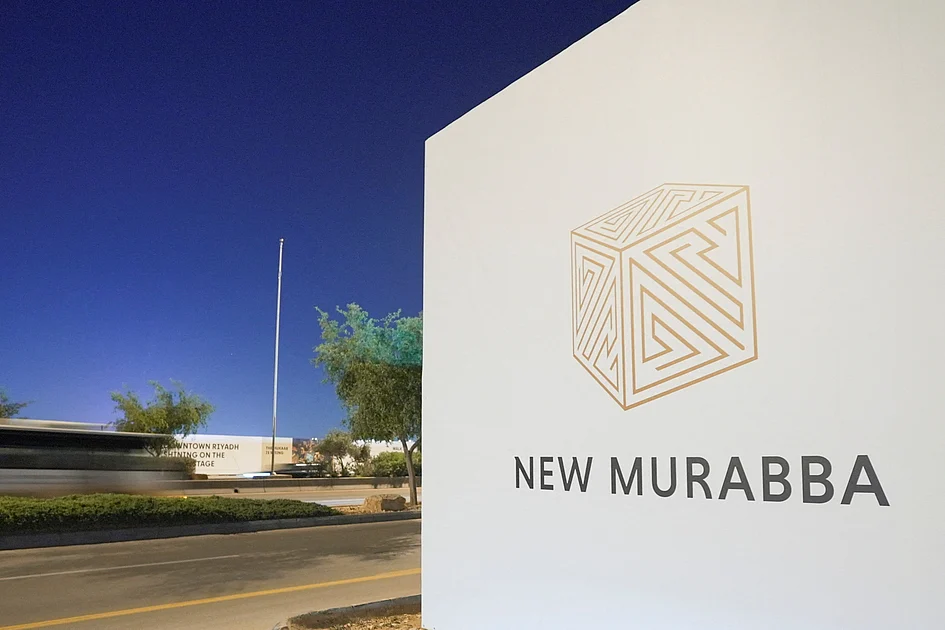
    Saudi Arabia has indefinitely suspended construction of the monumental Mukaab skyscraper, a centerpiece of Riyadh’s New Murabba development district, according to sources familiar with internal deliberations. The decision marks a significant strategic shift as the kingdom’s Public Investment Fund (PIF) reevaluates the financial viability and practical feasibility of its most ambitious Vision 2030 projects.

    The cube-shaped Mukaab, designed to be the world’s largest single-built structure with capacity to contain twenty Empire State Buildings and approximately two million square meters of interior space, represented one of Crown Prince Mohammed bin Salman’s most futuristic architectural visions. The project’s suspension follows an $8 billion writedown on gigaproject investments recorded by PIF in late 2024, reflecting growing fiscal pressures as oil revenues remain below levels required to fund the transformation agenda.

    Development work beyond preliminary soil excavation and foundation pilings has been halted indefinitely, though construction in surrounding residential and commercial zones continues. The Mukaab’s innovative design featured a massive AI-powered interior dome visible from a 300-meter terraced ziggurat structure, which project CEO Michael Dyke acknowledged presented unprecedented engineering challenges during a December conference in Riyadh.

    This recalibration prioritizes near-term profitable ventures including infrastructure for World Expo 2030, the 2034 FIFA World Cup, the $60 billion Diriyah cultural zone, and Qiddiya tourism development. The kingdom has simultaneously postponed the 2029 Asian Winter Games scheduled for NEOM’s Trojena resort, indicating a broader reassessment of megaproject timelines.

    New Murabba’s completion target has been extended from 2030 to 2040, with Knight Frank estimating total district costs at approximately $50 billion—equivalent to Jordan’s entire GDP. The development was originally projected to contribute 180 billion riyals to national GDP and create 334,000 jobs through 104,000 residential units.

  • Saudi Central Bank releases official holiday schedule from 2026 to 2029

    Saudi Central Bank releases official holiday schedule from 2026 to 2029

    The Saudi Central Bank (SAMA) has unveiled a comprehensive four-year official holiday schedule for financial institutions spanning 2026 through 2029, marking a significant step toward enhancing economic planning and operational clarity. This unprecedented long-term calendar precisely outlines the dates for major Islamic celebrations—Eid al-Fitr and Eid al-Adha—alongside the fixed national observances of Saudi National Day and Founding Day.

    The strategic release is designed to empower businesses, international investors, and residents with the foresight needed to schedule critical financial operations, manage liquidity, and align international transactions well in advance. SAMA accompanied the calendar with a detailed operational advisory specifically tailored for the high-volume Hajj season, emphasizing uninterrupted banking services for pilgrims.

    A key provision addresses the observance of national holidays: should Saudi National Day (September 23) or Founding Day (February 22) fall on a Friday—the weekly休息日—the official holiday will be observed on the preceding Thursday. Similarly, if either falls on a Saturday, the holiday will shift to the following Sunday, ensuring a continuous break.

    Furthermore, SAMA has issued specific guidelines for banking hours during Ramadan. Client-facing bank operations will run from 10:00 AM to 4:00 PM, while remittance centers and payment service providers are required to operate for a flexible six-hour window between 9:30 AM and 5:30 PM.

    Crucially, the directive mandates that banks, exchange centers, and payment providers must ensure robust service availability during the Hajj season. This includes maintaining continuous operations at branches in the holy cities of Makkah and Madinah, at air and sea ports of entry, and at border crossings, even throughout Fridays and Saturdays, to cater to the millions of pilgrims and visitors. Institutions are also instructed to publicize the locations and operating hours of these seasonal and extended-service branches through all appropriate channels to guarantee public awareness.

  • Dubai to construct world’s first street made of gold

    Dubai to construct world’s first street made of gold

    Dubai has unveiled plans to construct the world’s first street made entirely of gold as part of its newly launched Gold District, reaffirming its status as a global hub for precious metals trade. The groundbreaking announcement came during the official inauguration of Ithra Dubai’s Gold District, though specific technical details and construction timelines will be revealed progressively in phased announcements.

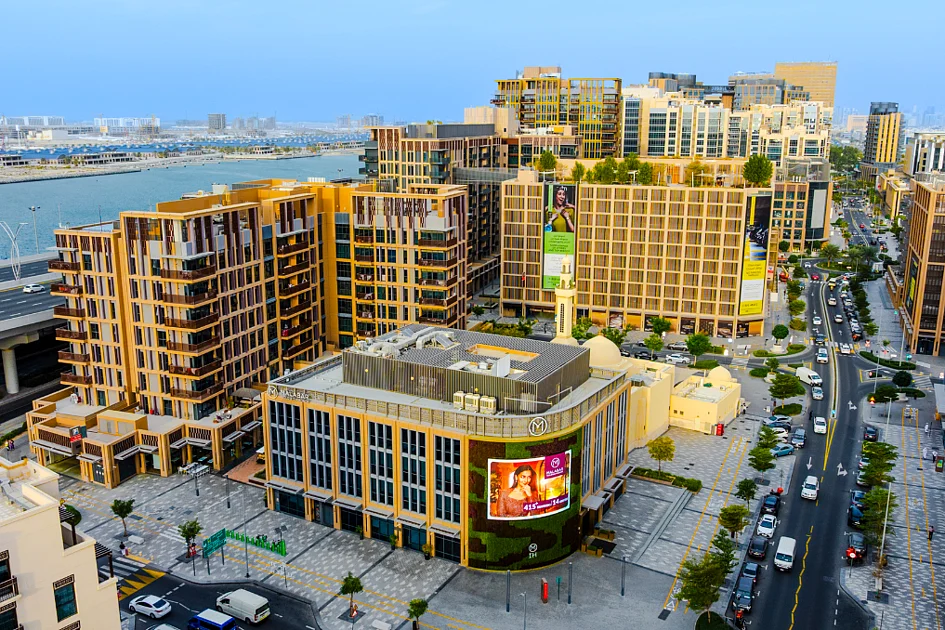
    The Gold District, positioned as the emirate’s comprehensive ‘Home of Gold,’ consolidates all gold and jewelry-related activities into a single destination. This integrated complex encompasses retail operations, bullion trading, wholesale commerce, and investment opportunities. Currently housing over 1,000 retailers across multiple sectors including perfumes, cosmetics, and lifestyle products, the district has already attracted major international jewelry brands.

    Notable flagship establishments include Jawhara Jewellery, Malabar Gold and Diamonds, Al Romaizan, and Tanishq Jewellery. Joyalukkas has announced ambitious plans for a 24,000 square foot flagship store, marking what will become its largest presence in the Middle East region.

    Issam Galadari, CEO of Ithra Dubai, emphasized that the Dubai Gold District strategically “unites heritage, scale and opportunity” in the precious metals market. Ahmed Al Khaja, CEO of Dubai Festivals and Retail Establishment (DFRE), highlighted the cultural significance, stating: “Gold is deeply woven into the cultural and commercial fabric of Dubai, symbolising our heritage, prosperity, and enduring spirit of enterprise. Through this landmark destination, we not only celebrate that legacy but also reimagine it for a new era shaped by creativity and sustainability.”

    The development builds upon the UAE’s substantial gold trading credentials, having exported approximately $53.41 billion worth of gold between 2024-2025. The country maintains its position as the world’s second-largest physical gold trading destination, with major trading partners including Switzerland, the United Kingdom, India, Hong Kong, and Turkey.