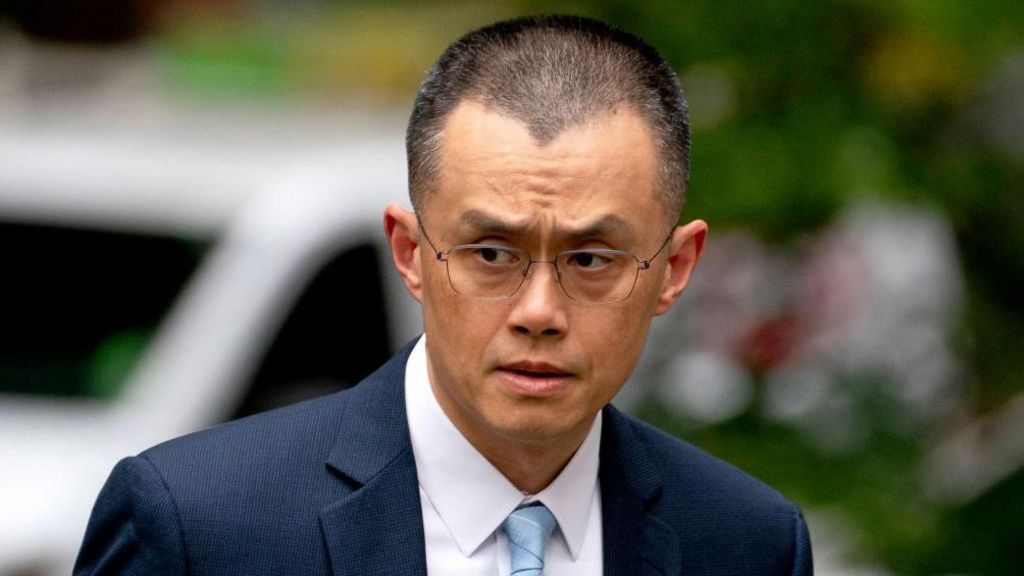
In a surprising revelation during an interview with CBS News’ 60 Minutes, former US President Donald Trump stated that he does not know who Changpeng Zhao, the co-founder of cryptocurrency giant Binance, is. This statement comes despite Trump having pardoned Zhao last month. Zhao, commonly known as ‘CZ’, had pleaded guilty to enabling money laundering in 2023, served four months in prison, and stepped down as Binance’s CEO. His companies have collaborated with firms linked to Trump, including Dominari Holdings, which is based in Trump Tower and has Trump’s sons on its advisory board. When questioned about the pardon, Trump responded, ‘I don’t know who he is,’ and claimed that Zhao was a victim of a ‘witch hunt’ by the Biden administration. Trump also emphasized the importance of the US leading in the cryptocurrency industry to prevent China and other rivals from gaining an advantage. The pardon removes restrictions on Zhao’s financial ventures, but its impact on his regulatory standing and role at Binance remains unclear. White House Press Secretary Karoline Leavitt defended the pardon, calling Zhao’s prosecution an ‘overreach’ by the Biden administration. Binance continues to be the world’s most used crypto exchange. Trump’s administration has a history of halting cases against crypto entrepreneurs, including Justin Sun and the founders of BitMEX and Silk Road.
分类: business
-
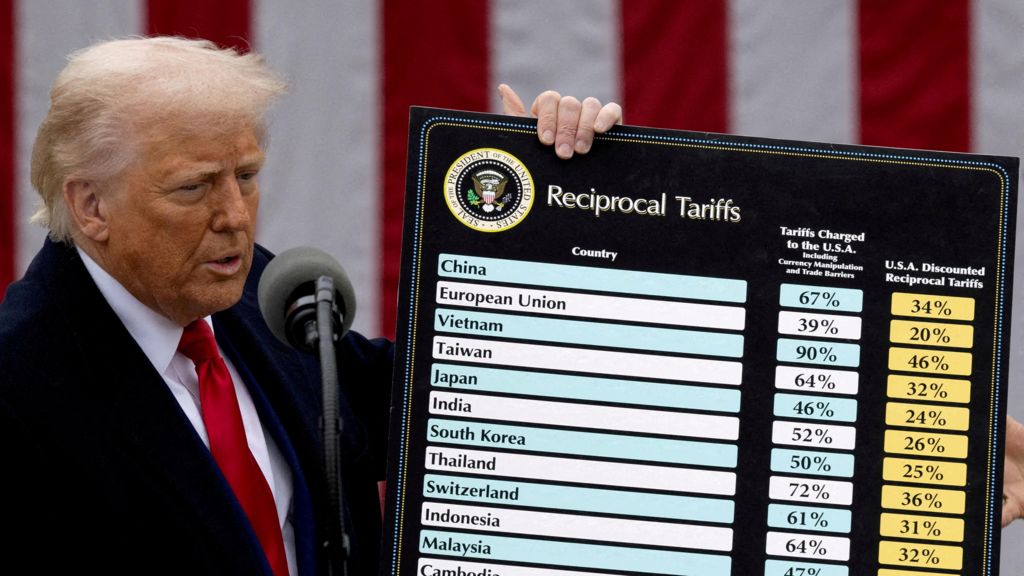
World awaits landmark US Supreme Court decision on Trump’s tariffs
The Trump administration’s contentious trade policies are set to face a critical test as the U.S. Supreme Court prepares to hear arguments on the legality of sweeping tariffs imposed under the 1977 International Emergency Economic Powers Act (IEEPA). The case, which pits the White House against small businesses and a coalition of states, could redefine the limits of presidential power and have far-reaching implications for global trade.
-
Pakistan awards first offshore oil exploration blocks for decades
In a landmark move to bolster its energy sector, Pakistan has awarded 23 offshore oil exploration blocks to four consortiums led by local energy companies, marking its first such bidding round since 2007. The awards, announced by the energy ministry on Friday, cover approximately 53,500 square kilometers of the country’s offshore zone. The successful bidders include state-run entities Oil and Gas Development Co. Ltd (OGDCL), Pakistan Petroleum Ltd (PPL), and Mari Petroleum, alongside privately-owned Prime Energy, backed by Hub Power Company (Hubco).
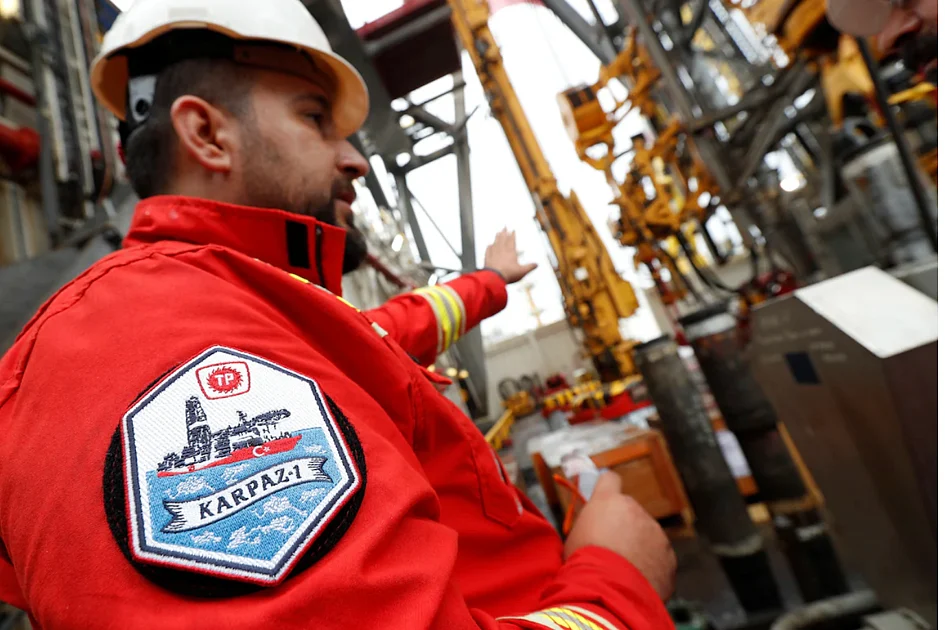
Among the foreign partners, Turkey’s national oil company, TPAO, secured a 25% stake in one of the blocks and operational rights through a joint agreement with PPL. Other international participants include Hong Kong-based United Energy Group, while local players Orient Petroleum and Fatima Petroleum also joined the consortiums. The four groups collectively committed to an initial investment of $80 million over three years, with potential total investments soaring to between $750 million and $1 billion if drilling progresses.
Pakistan’s offshore zone, spanning 300,000 square kilometers and bordering energy-rich nations like Oman, the UAE, and Iran, has seen minimal exploration since the country’s independence in 1947, with only 18 wells drilled to date. This initiative aims to unlock the region’s untapped hydrocarbon potential and reduce Pakistan’s reliance on oil imports, which currently account for half of its consumption. The move follows the exit of U.S. major Exxon Mobil after the unsuccessful Kekra-1 well in 2019, signaling a renewed effort to attract foreign investment in the energy sector.
-
Multiply Group’s strategic merger sets stage for UAE’s next investment supercycle
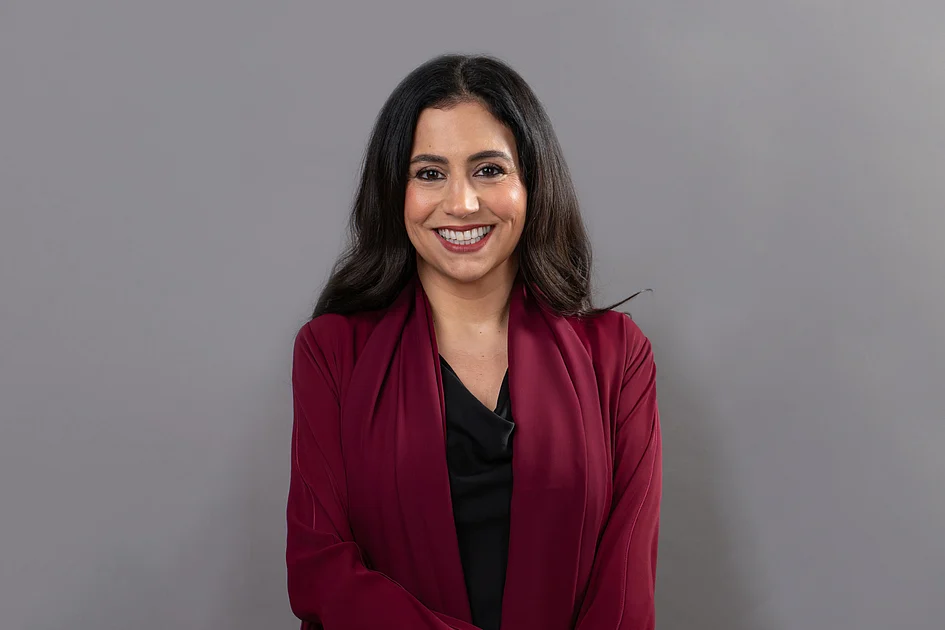
Multiply Group is poised to redefine its position in the global investment landscape following a transformative merger that CEO Samia Bouazza heralds as ‘a whole new beginning.’ Since its listing on the Abu Dhabi Securities Exchange four years ago, the company has tripled its market capitalization, with revenues soaring from Dh300 million to Dh2 billion and Ebitda increasing eightfold. The merger, structured as a share swap, will elevate Multiply’s capital base from Dh2.8 billion to Dh8.64 billion, with total outstanding shares reaching 34.5 billion. A 39% free float is anticipated to enhance trading liquidity and improve index weightings in MSCI, FTSE, and FADX 15. The acquisition of IHC’s stakes in 2PointZero and Ghitha Holding is not merely a financial transaction but a fusion of visions, capital, and AI tools. This strategic move expands Multiply’s reach across six sectors, including consumer-focused industries and energy-driven ventures. The energy portfolio now spans the full value chain, from copper and tin mining in Zambia and Congo to renewable energy exports across 120 countries. Multiply’s consumer portfolio is equally robust, encompassing apparel, beauty, media, mobility, and packaging. Ghitha Holding adds a defensive layer with its focus on food production ‘from farm to fork,’ a sector Bouazza deems essential during economic downturns. The merger positions Multiply for stronger investor inflows and global brand expansion, with operations already spanning 85 countries. Bouazza emphasized disciplined execution in acquisitions, targeting a minimum 15% IRR and Dh1 billion in Ebitda within three years. Organic growth is also accelerating, with subsidiaries scaling across the GCC and Latin America. The merger, pending regulatory approval, is set to create one of the most dynamic energy and consumer platforms in the UAE.
-
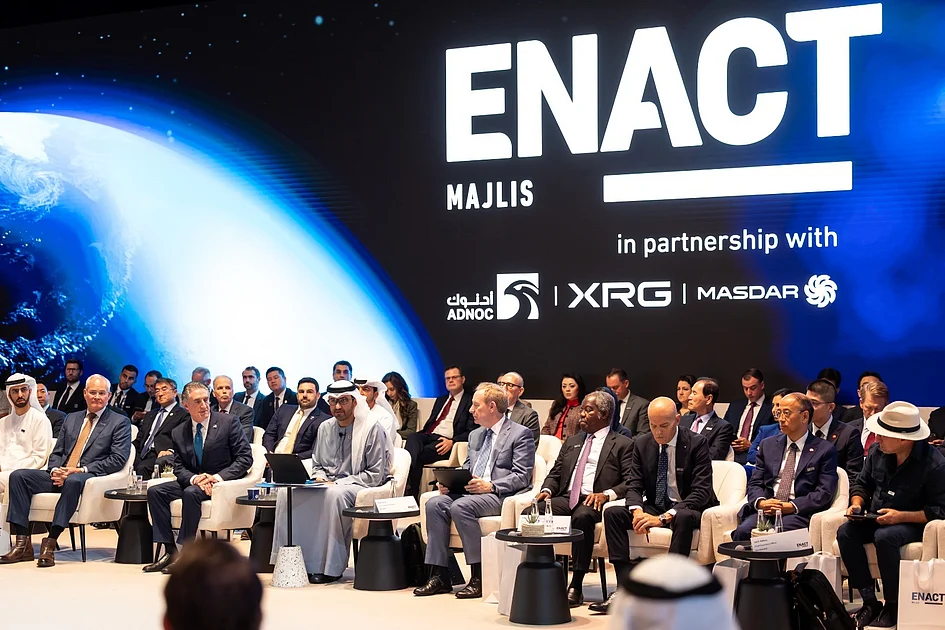
AI’s energy appetite sparks global call for action at ENACT Majlis in Abu Dhabi
The rapid expansion of artificial intelligence (AI) is driving unprecedented energy demands, prompting global leaders to call for urgent action. At the third ENACT Majlis in Abu Dhabi, convened by Adnoc, Masdar, and XRG, over 100 leaders from the energy, technology, investment, and government sectors gathered to address this critical issue. The event highlighted the dual challenges of powering AI-driven growth and meeting escalating energy needs from urbanization, data centers, and transportation. Dr. Sultan Ahmed Al Jaber, UAE Minister of Industry and Advanced Technology and Adnoc Managing Director, emphasized that energy and AI are the ‘twin engines’ of socioeconomic growth but warned that energy-intensive data centers are competing with other major demand drivers. He called for large-scale investments in energy infrastructure, modernized grids, pro-investment policies, and an AI-ready workforce to prepare for future challenges. The ENACT Majlis, held under the Chatham House Rule, builds on previous editions in Abu Dhabi and Washington, D.C., and follows the release of a joint report by Adnoc and Microsoft titled ‘Powering Possible: Unleashing AI for Energy and Energy for AI,’ which explores the interdependence of AI and energy systems.
-
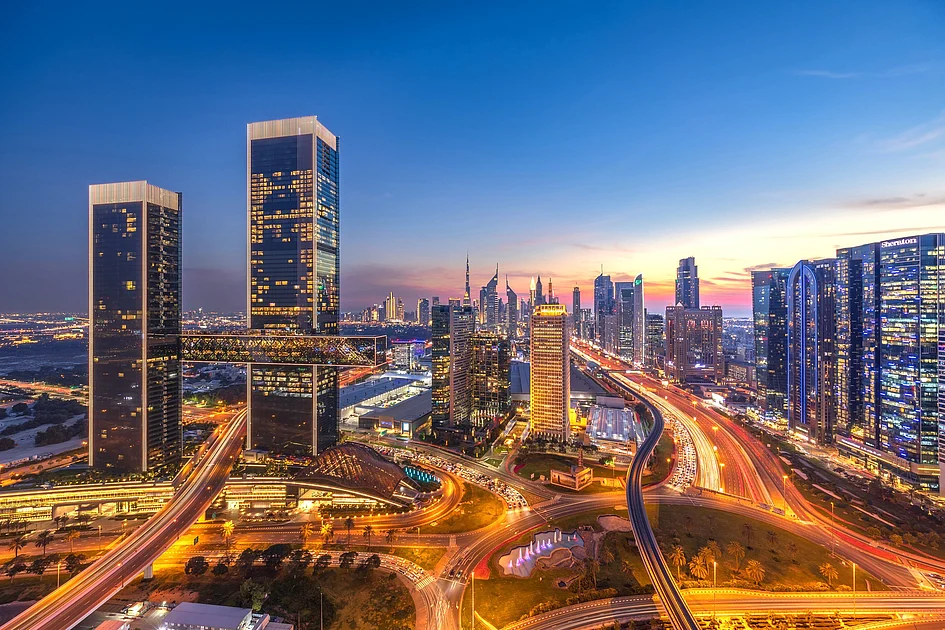
UAE property market enters new phase of growth amid record sales and shifting buyer trends
The UAE property market is experiencing a transformative phase, with Dubai and Ras Al Khaimah (RAK) emerging as key drivers of growth. Dubai’s real estate sector achieved unprecedented milestones in Q3 2025, recording 59,228 property transactions worth Dh170.7 billion (\$46.5 billion), a 17.2% increase in volume and 19.9% rise in value compared to the previous year. Apartments dominated the market, with 49,370 units sold for Dh94.3 billion, reflecting a 25.9% year-on-year surge. Off-plan sales accounted for over 70% of transactions, fueled by flexible payment plans and investor confidence in Dubai’s development pipeline. Despite a 30% decline in villa sales, demand remains robust in lifestyle-focused communities, with average residential prices reaching a historic Dh1,664 per sq ft. A suburban shift is evident as rising rents in central areas push residents toward emerging zones offering affordability and modern amenities. Sustainability is also reshaping buyer preferences, with developers integrating green building practices and smart home systems. Dubai’s population surpassed 4 million in September 2025, and with nearly 9,800 millionaires expected to migrate to the UAE this year, demand for quality housing is projected to remain strong. Meanwhile, RAK’s property market surged 118% year-on-year, reaching Dh15 billion in total transactions. The ValuStrat Price Index rose 13.8%, with villas appreciating 15% and apartments 13.2%. RAK’s off-plan segment dominated, accounting for 85% of freehold sales, with over 3,000 units sold worth Dh6 billion. Mega-projects like the Wynn Al Marjan Island Resort and branded residences from Ritz-Carlton and Aston Martin are reshaping the luxury landscape. Mantra Properties’ Jacob & Co Residences, launched in collaboration with the luxury brand, registered over Dh300 million in sales within 12 hours, underscoring the UAE’s dominance as a hub for branded luxury living. As the UAE advances toward its 2030 vision, both Dubai and RAK are poised to benefit from infrastructure expansion, tourism growth, and investor-friendly reforms, solidifying the country’s position as a global real estate powerhouse.
-
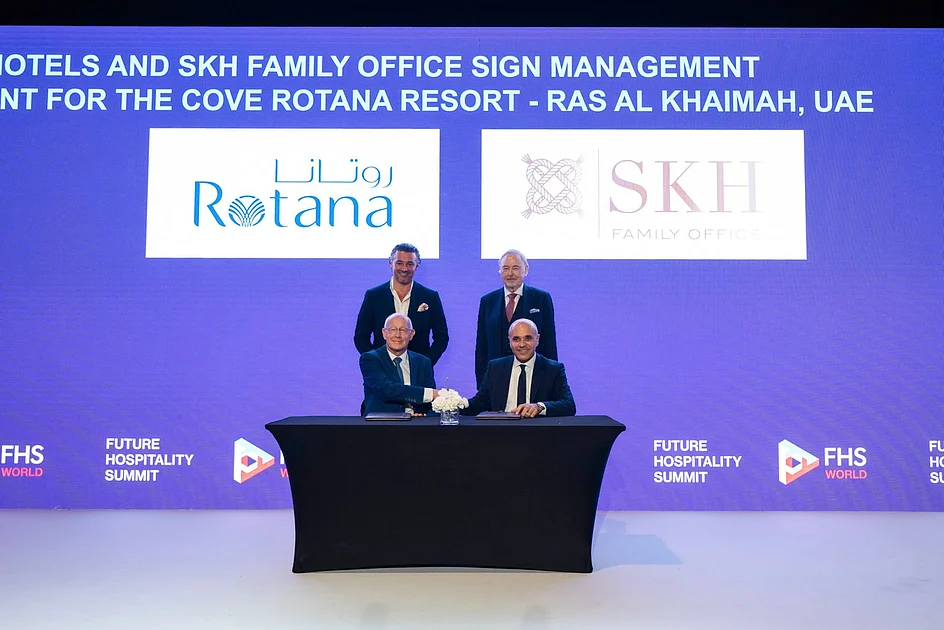
SKH Private Family Office signs hotel management agreement with Rotana for The Cove Resort
In a landmark agreement, SKH Private Family Office and Rotana have unveiled a Dh500 million investment plan to acquire and redevelop The Cove Rotana Resort in Ras Al Khaimah. The partnership, formalized on December 1, 2025, will see SKH Private Family Office spearhead the property’s comprehensive transformation, while Rotana resumes full management and operations for the next 15 years. This collaboration marks a significant milestone for one of the UAE’s most iconic hospitality destinations, reflecting both parties’ confidence in the region’s thriving tourism and investment potential. The signing ceremony, attended by industry leaders, was facilitated by Rasmala Investment Bank, which acted as the financial advisor. Rotana will oversee the resort’s operations, commercial performance, and guest experience, ensuring brand consistency and exceptional value. The investment includes the renovation of guest rooms, villas, restaurants, and leisure facilities, alongside architectural upgrades and the addition of sea-view towers. The project aligns with Ras Al Khaimah’s tourism strategy, which aims to attract 3.5 million visitors by 2030. Philip Barnes, CEO of Rotana, emphasized the resort’s potential to embody the spirit of Ras Al Khaimah and the Rotana brand, while Saqr Kamal Hasan, Founder and Chairman of SKH Private Family Office, highlighted the partnership’s focus on sustainability and regional authenticity. This initiative underscores the UAE’s position as a hub for visionary hospitality developments.
-
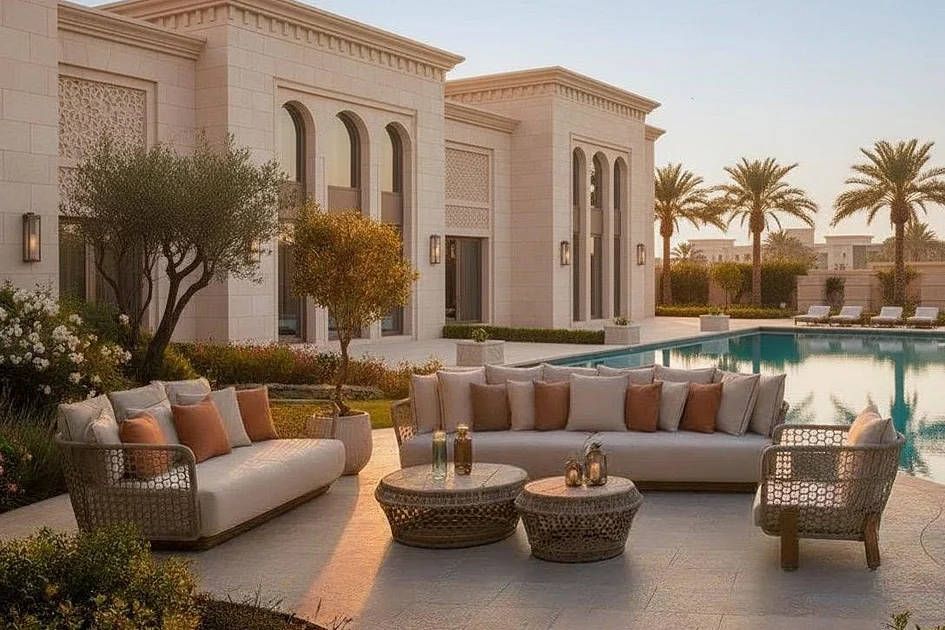
Dubai’s villa boom fuels surge in outdoor living — and furniture demand
Dubai’s real estate market is witnessing a significant shift as villa ownership continues to rise, fueling a growing demand for luxury outdoor living spaces. According to data from the Dubai Land Department, villa transactions in the emirate surged by over 30% year-on-year in 2024, with prime areas such as Al Barsha, Jumeirah, and Arabian Ranches leading the way. This trend has reshaped consumer preferences, with outdoor areas like gardens, terraces, and courtyards now seen as extensions of the home — spaces for relaxation, entertainment, and personal expression. Responding to this demand, Rattan House, a leading luxury outdoor furniture brand, has launched a new nature-inspired collection and expanded its flagship showroom in Dubai. Established in 1982 as a small workshop, the brand has grown into a regional leader in outdoor design, catering to villas, hotels, and restaurants across the Middle East. The latest collection features handcrafted pieces made from sustainable teak and natural fibers, including dining sets, sunbeds, fire pits, swings, and outdoor rugs, all designed to bring indoor elegance to outdoor settings. Located on Sheikh Zayed Road in Al Quoz, the expanded showroom offers an immersive experience for design enthusiasts, showcasing curated displays that evoke serene landscapes and demonstrate how thoughtful design can transform outdoor spaces into timeless sanctuaries. This expansion reflects Rattan House’s growing appeal among both B2B and B2C clients, including architects, designers, and homeowners seeking durability and style. As Dubai’s real estate market continues to favor spacious living and outdoor-centric lifestyles, brands like Rattan House are poised to shape the future of alfresco luxury.
-
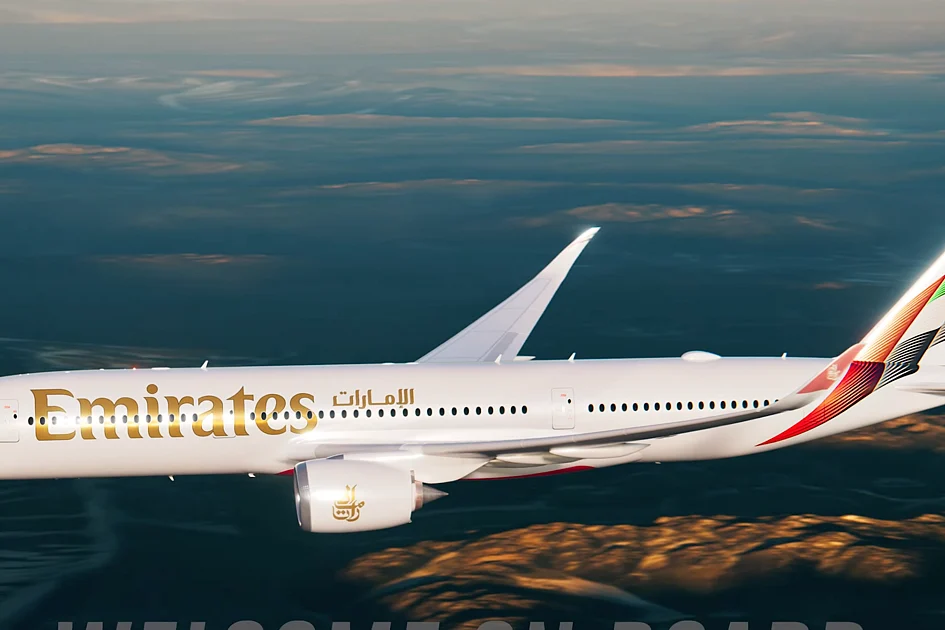
Emirates to get 6 new A350 aircraft with HSBC financing, boosting long-haul growth
Emirates, the Dubai-based global aviation leader, has secured financing for six new Airbus A350-900 aircraft through HSBC, marking a significant milestone in its fleet modernization and long-haul growth strategy. This deal, structured under the Japanese Operating Lease with Call Option (Jolco) framework, signifies Emirates’ return to the Jolco market after a six-year hiatus and underscores the enduring 40-year partnership between the airline and the global banking giant. Five of the aircraft have already been financed, with the sixth in progress, diversifying Emirates’ funding sources while bolstering its position as one of the world’s largest long-haul carriers. The A350-900, renowned for its advanced aerodynamics, fuel efficiency, and reduced emissions, aligns with Emirates’ sustainability goals and the aviation industry’s broader decarbonization efforts. The aircraft’s deployment on medium- to long-haul routes, including key markets in Europe and Asia, enhances Emirates’ operational flexibility and supports its strategy to meet rising global air travel demand. With a fleet exceeding 260 aircraft, dominated by Boeing 777s and Airbus A380s, Emirates continues to expand its order book, including 65 A350s, 205 Boeing 777X aircraft, and 35 Boeing 787 Dreamliners. This expansion reinforces Dubai’s role as a global aviation hub connecting East and West. The financing deal highlights HSBC’s pivotal role in supporting the UAE’s aviation sector, with senior executives from both organizations commemorating the partnership’s continuity since 1985. As Emirates scales its network and fleet, international banks and investors are expected to play an increasingly critical role in structuring diversified funding strategies, further solidifying the airline’s global leadership in the aviation industry.
-
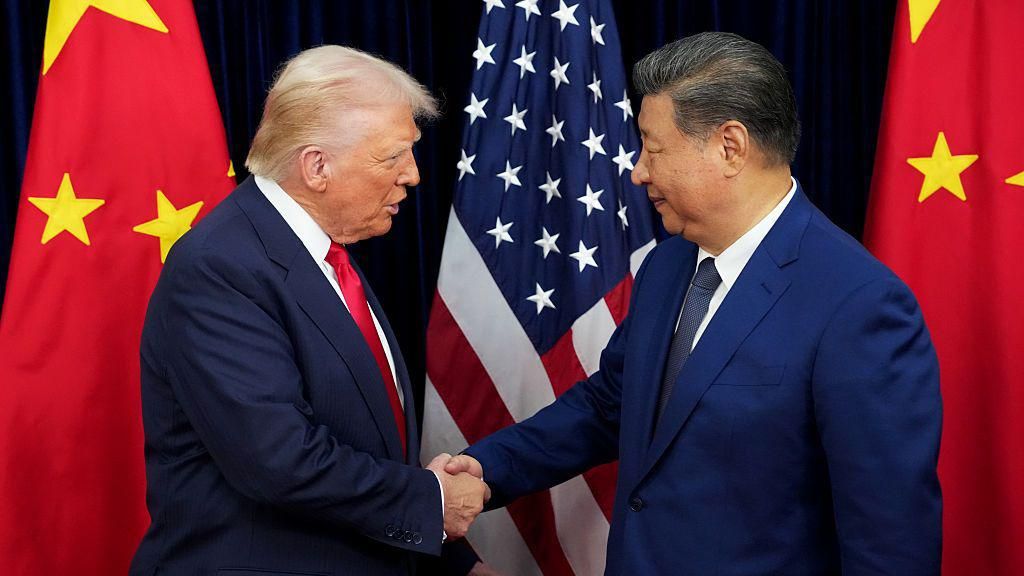
China to ease chip export ban in new trade deal, White House says
In a significant development aimed at de-escalating trade tensions, the United States and China have reached a comprehensive trade agreement that includes the easing of China’s export ban on automotive computer chips, a critical component for global car production. The White House confirmed the details of the deal in a fact sheet released after a high-profile meeting between Chinese President Xi Jinping and former US President Donald Trump in South Korea earlier this week. The agreement also addresses key issues such as US soybean exports, rare earth mineral supplies, and fentanyl production materials. The deal marks a turning point in the trade war between the world’s two largest economies, which began when Trump imposed tariffs on Chinese goods upon taking office, triggering retaliatory measures and global market uncertainty. Chinese Embassy spokesman Liu Pengyu emphasized the mutually beneficial nature of China-US economic relations, echoing President Xi’s call for the business relationship to remain a cornerstone of bilateral ties. Treasury Secretary Scott Bessent, however, expressed cautious optimism, noting China’s past unreliability as a trade partner. The agreement ensures the resumption of automotive chip exports from Nexperia, a Chinese-owned company based in the Netherlands, whose production facilities in China are crucial to global supply chains. Additionally, China has agreed to pause export controls on rare earth minerals for a year and take significant measures to address fentanyl production, a major contributor to opioid overdose deaths in the US. On the agricultural front, China has committed to purchasing substantial quantities of US soybeans, providing relief to American farmers who had lost access to their largest export market earlier this year. The deal underscores the importance of collaboration in resolving trade disputes and stabilizing global markets.