
Starbucks announced on Monday a strategic joint venture with Chinese investment firm Boyu Capital, aimed at strengthening its retail operations in China. Under the agreement, Boyu will acquire a 60% stake in Starbucks’ Chinese retail business, valued at $4 billion, while Starbucks retains a 40% interest and continues to own and license its brand. The deal brings the total value of Starbucks’ China operations to over $13 billion, encompassing the sale proceeds, its retained stake, and future royalties.
分类: business
-

Air India flight from San Francisco to Delhi makes precautionary landing in Mongolia
An Air India flight traveling from San Francisco to Delhi via Kolkata was forced to make a precautionary landing in Ulaanbaatar, Mongolia, on November 2, 2025, following suspicions of a technical issue mid-flight. The airline confirmed that flight AI174 landed safely, and necessary inspections are currently underway. Air India has assured passengers that it is collaborating with partners to expedite their journeys and minimize disruptions. The airline expressed regret for the inconvenience caused, emphasizing that passenger and crew safety remains its utmost priority. This incident follows a similar occurrence on October 25, when another Air India flight on the Vienna-New Delhi route was diverted to Dubai due to a suspected technical issue. In that instance, the aircraft underwent checks in Dubai before resuming its journey, with passengers kept informed and provided refreshments during the delay. Air India continues to address such situations with transparency and efficiency, reinforcing its commitment to safety and passenger care.
-

Introducing CANÉZA as the visionary behind a $1bn legacy launches a new era of modern perfumery
Marking a transformative chapter in the world of perfumery, Canéza, a visionary fragrance house rooted in the legacy of Rasasi, has officially debuted at Beautyworld Middle East 2025. Founded by Anis Abdul Razak Kalsekar, co-owner of Rasasi Group and the creative force behind iconic scents like Hawas and La Yuqawam, Canéza introduces 22 meticulously crafted perfumes that blend artisanal craftsmanship with modern sophistication. The brand aims to make luxury accessible, bridging the gap between heritage and innovation. Canéza’s portfolio includes flagship fragrances such as Uomo and Gold, alongside signature collections like Iconic, Velvet, and Mezmar. Each scent reflects European perfumery excellence fused with contemporary sensibilities, offering long-lasting, ethically sourced, and IFRA-compliant compositions. Beyond its formulations, Canéza embodies a philosophy of ‘Modern Luxury, Made Accessible,’ with every detail, from weighted glass bottles to minimalist packaging, crafted with precision and sustainability in mind. As a digital-first brand, Canéza will launch globally in December 2025, with plans for expansion into Europe, India, Russia, and Southeast Asia in 2026. This debut signals a new era of perfumery, where luxury becomes a medium for personal expression.
-
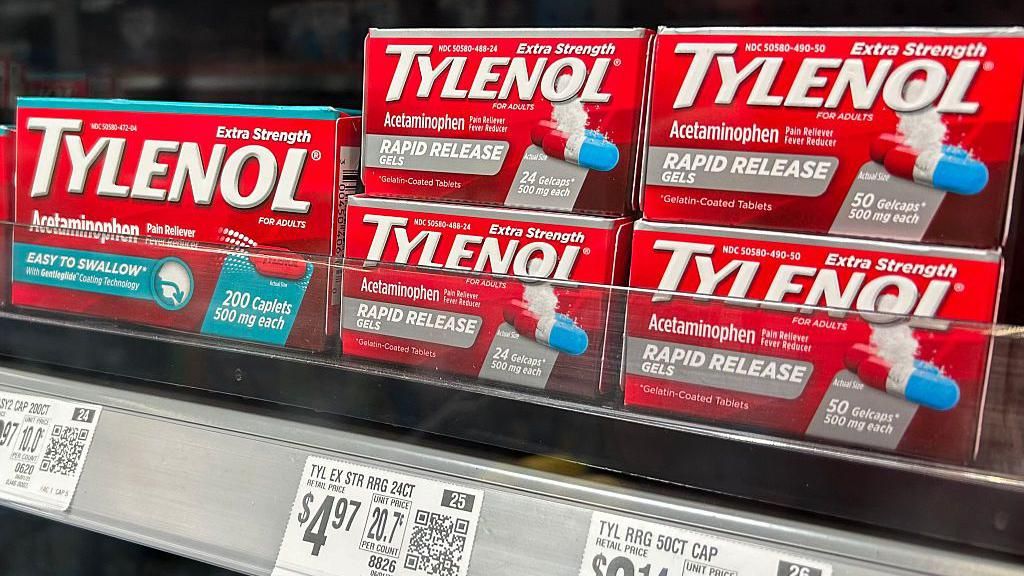
Kimberly-Clark to buy Tylenol-maker for more than $40bn
In a landmark $40 billion cash-and-stock transaction, Kimberly-Clark, the maker of Kleenex and Huggies, is set to acquire Kenvue, the company behind Tylenol and other household brands like Band-Aid and Neutrogena. The deal aims to create a consumer goods powerhouse, combining some of the most widely used health and wellness products globally. However, the acquisition comes amid significant challenges for Kenvue, including declining sales, legal battles, and controversies surrounding its products. The Trump administration recently linked Tylenol use during pregnancy to autism, a claim disputed by scientists, which further impacted Kenvue’s stock performance. Kenvue, spun off from Johnson & Johnson in 2023, has seen its shares drop nearly 30% over the past year, making it a target for activist investors pushing for a sale. The merger, expected to close in the second half of next year, will generate $32 billion in combined sales this year, according to executives. While Kenvue shares surged 17% following the announcement, Kimberly-Clark’s stock fell over 10%, reflecting investor skepticism about the deal’s risks. Kenvue also faces a lawsuit from the Texas attorney general alleging the company concealed potential risks of its products to children’s brain development. Additionally, Johnson & Johnson, Kenvue’s former parent, has been embroiled in lawsuits over its talcum powder products, accused of containing asbestos, which the company denies.
-

Coinvesting Capital launches UAE-focused real estate fund with DIFC–Luxembourg framework
Coinvesting Capital Ltd, a Dubai International Financial Centre (DIFC)-based asset manager regulated by the Dubai Financial Services Authority (DFSA), has unveiled the Coinvesting Bread Real Estate Fund L.P. This innovative fund is structured under a dual framework, combining DIFC and Luxembourg regulations, marking a significant milestone in the UAE’s real estate sector. The fund’s DIFC component operates as an exempt fund under DFSA oversight, while its Luxembourg counterpart, Coinvesting Bread Real Estate Fund SCSp, is in the process of registration with the Commission de Surveillance du Secteur Financier (CSSF). Caibuo Capital S.à r.l., a CSSF-licensed management company, has been appointed to manage the fund. This dual structure aligns with two of the world’s most robust financial frameworks, ensuring institutional governance and global accessibility. The initiative is the first of its kind, offering regulated access to the UAE real estate market through a DIFC-Luxembourg framework. It highlights the UAE’s transition from a regionally dynamic property market to one integrated into the global investment landscape. Michael Ruben, CEO of Bread Capital Ltd, and David Szerer, CMO of Bread Capital Ltd, have been appointed as directors, bringing extensive asset management and capital markets expertise to the fund. Eddy Abramo, CEO of Coinvesting Capital Ltd, emphasized that the fund underscores the UAE’s credibility as a destination for institutional capital, combining DIFC oversight with Luxembourg’s accessibility to align with international standards. This development reinforces the UAE’s growing reputation as a financial hub, attracting cross-border investment amid record real estate activity, government reforms, and sustained foreign inflows.
-
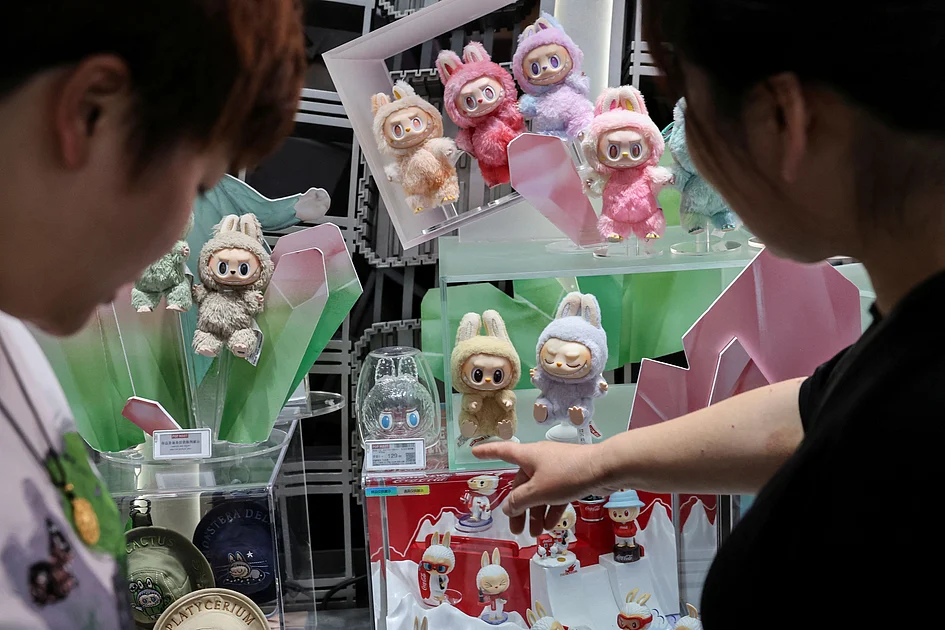
‘Labubu’ dolls recalled in Kuwait are counterfeit, clarifies official distributor
Following reports of Kuwait recalling Labubu dolls due to safety concerns, Pop Mart, the official manufacturer and distributor of the popular toy, has clarified that the recalled products are counterfeit. The Kuwaiti Ministry of Commerce and Industry had issued a recall for the product (TOY3378 Labubu) after discovering a manufacturing defect that caused parts to detach easily, posing a suffocation risk to children. The ministry urged consumers to return the product for a refund. However, Pop Mart has confirmed that TOY3378 is not an authentic Labubu doll and emphasized that it neither manufactured nor authorized the sale of the recalled items. The company stated that the counterfeit products are ‘entirely unrelated’ to its legitimate offerings. Pop Mart has reached out to Kuwaiti authorities to address the issue and reiterated its commitment to intellectual property protection and consumer safety. The company assured that its Labubu dolls undergo rigorous safety testing and comply with international standards. Pop Mart also advised customers worldwide, including in Kuwait, to purchase Labubu dolls exclusively through its official flagship stores, certified online platforms, and authorized retailers to avoid counterfeit products.
-
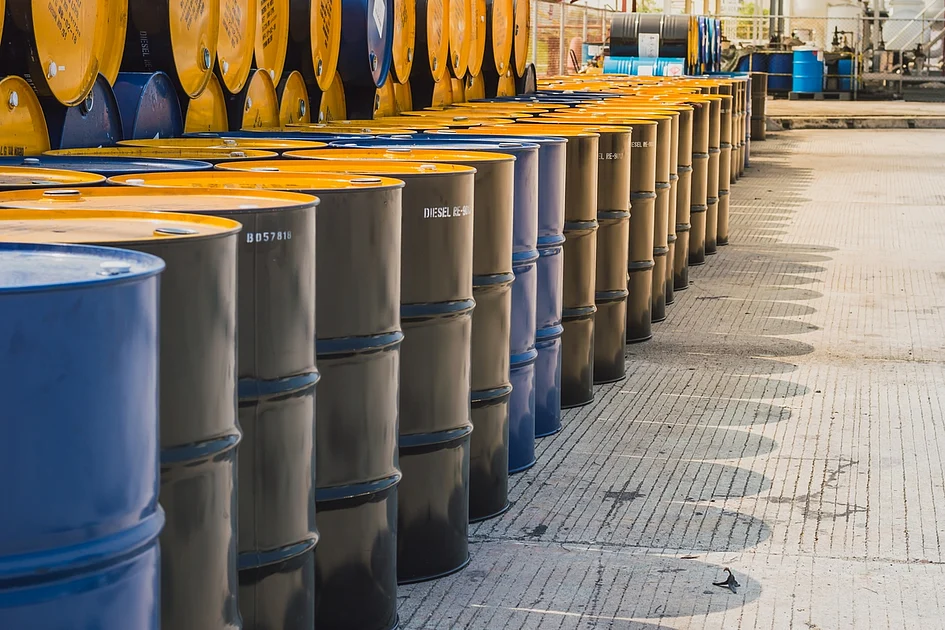
Adipec 2025: Oil demand to stay above 100 million bpd beyond 2040, says UAE minister
Sultan Al Jaber, UAE Minister of Industry and Advanced Technology and CEO of ADNOC, has projected that global oil demand will remain above 100 million barrels per day (bpd) beyond 2040, despite near-term challenges. Speaking at the ADIPEC energy conference, Al Jaber emphasized the persistent influence of geopolitics on trade and market sentiment, stating that volatility has become the new norm in the energy sector. The UAE, a key member of OPEC+, recently agreed to increase December output targets but will pause further increases in the first quarter of 2026 to address concerns of a potential supply glut. This decision comes amid new Western sanctions on Russia, another OPEC+ member, which could hinder Moscow’s ability to boost production. Al Jaber highlighted the importance of balancing cost discipline with capital investment to meet long-term energy demand growth. The UAE has been granted a larger production quota this year, reflecting its significant investments in expanding oil capacity to 4.85 million bpd from 3 million bpd. The country’s energy minister has also hinted at further capacity increases post-2027, potentially positioning the UAE among the world’s top five oil producers.
-
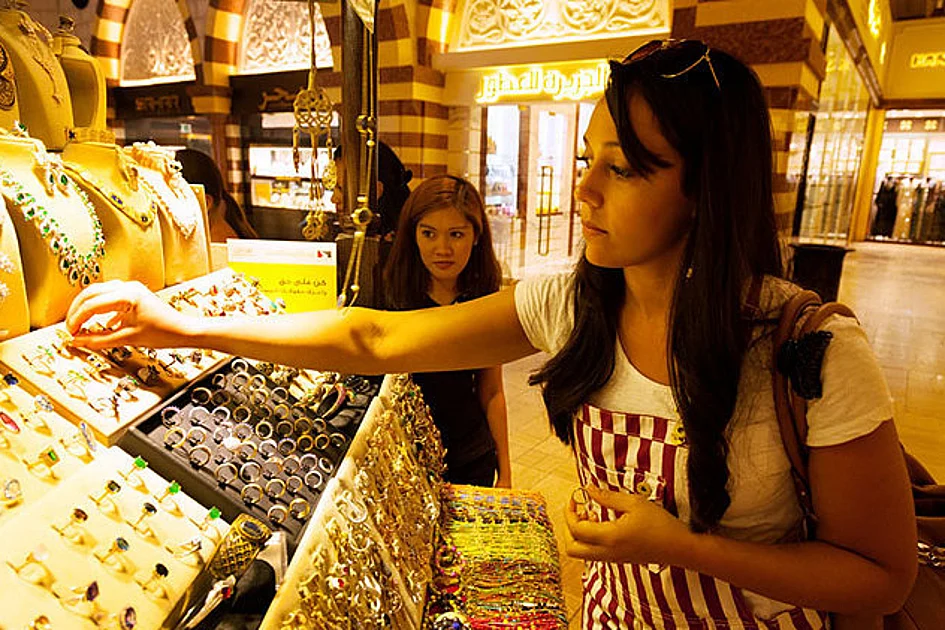
Dubai: Gold prices hold steady; 24K rise slightly to reach Dh482.50
Gold prices in Dubai have shown minimal fluctuations, maintaining a steady trend as the weekend concluded. On Monday morning, the price of 24K gold slightly increased to Dh482.50 per gram, while 22K, 21K, and 18K were recorded at Dh446.75, Dh428.25, and Dh367.25 per gram, respectively. Globally, spot gold prices stood at $4,016.55 per ounce, with silver at $48.96 at 9:50 AM UAE time. Analysts predict this stability to persist through the end of the year, with no significant price swings anticipated. Amina Mohammed Ali, Director of Zaiba Jewellers, emphasized that the gold market is expected to consolidate over the next two months, ruling out major movements. Meanwhile, Ole Hansen, Head of Commodity Strategy at Saxo Bank, suggested that while gold prices could potentially reach $5,000 in 2026, the peak for this year may have already been achieved. The global market remains volatile following uncertainties over the weekend, particularly after the recent US-China trade discussions. Aaron Hill, Chief Analyst at FP Markets, noted that while the meeting between US President Donald Trump and Chinese Premier Xi Jinping resulted in a temporary truce, the absence of a long-term trade agreement leaves global trade dynamics in a state of uncertainty.
-

Tiger Food expands to UAE in strategic partnership with Abreco Trading
Tiger Food Ingredients (P) Ltd, a renowned Indian brand with over 40 years of expertise in the food industry, has officially launched its operations in the United Arab Emirates (UAE). This strategic move is part of the company’s broader expansion across the Middle East. The brand has partnered with Abreco Trading LLC, appointing it as the exclusive distributor in the UAE, a significant step in Tiger Food’s global growth strategy. Known for its premium range of value-added products, including chai drops, natural liquid food colors, and liquid seasonings, Tiger Food aims to cater to the UAE’s diverse culinary preferences by offering authentic flavors and aromas that enhance food and beverage experiences. Y Mohammed Shibin, owner and CEO of Tiger Food Ingredients (P) Ltd, emphasized the brand’s commitment to legacy, authenticity, and excellence, stating that this expansion marks a new chapter in the company’s journey. Mohammed Shaji, CEO of Abreco Trading LLC, expressed enthusiasm for the partnership, highlighting the alignment of Tiger Food’s high-quality offerings with the UAE market’s demand for genuine flavors. The collaboration will initially focus on strengthening Tiger Food’s presence in the Horeca and modern trade sectors, followed by retail distribution across major supermarkets. To celebrate this milestone, Tiger Food will host an official launch event in Dubai later this month, showcasing its signature product range to media, partners, and industry stakeholders. This expansion underscores Tiger Food’s dedication to delivering innovation, authenticity, and world-class quality to Middle Eastern consumers.
-
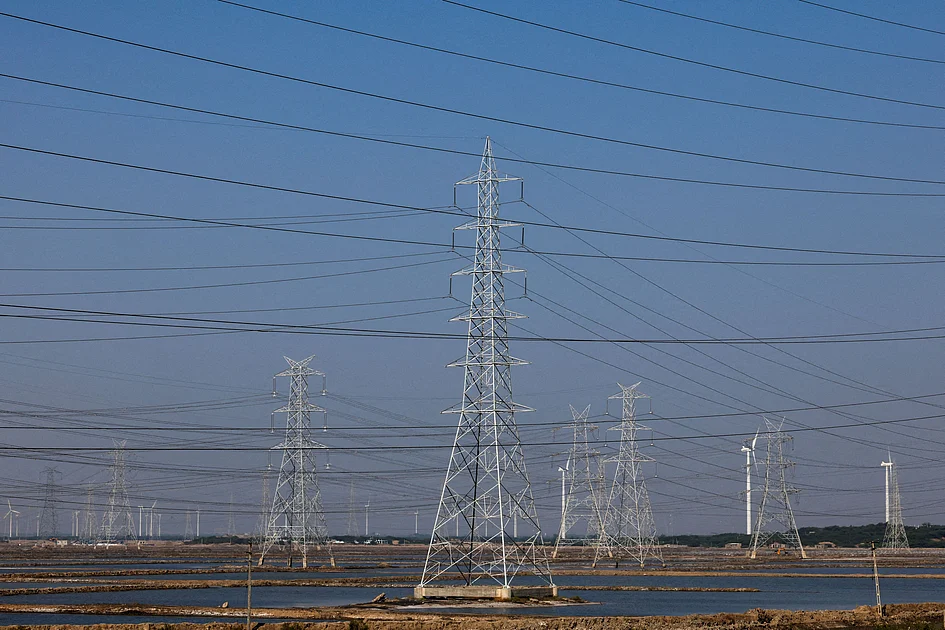
India’s October power output sees sharpest drop since Covid-19 as rains dampen demand
India’s electricity generation experienced its sharpest decline in October since the COVID-19 pandemic, driven by a combination of economic slowdown and unusually heavy rainfall. According to a Reuters analysis of government data, total power output fell by 6% year-on-year to 142.45 billion kilowatt-hours (kWh). The persistent rains across the country significantly reduced the demand for cooling, while subdued industrial activity further contributed to the downturn. Bhanu Patni, associate director at India Ratings and Research, noted that the extended rainfall led to lower electricity consumption compared to the previous year. Debabrat Ghosh, head of India for Aurora Energy, added that the timing of major festivals in October also resulted in reduced industrial power demand. Coal-fired electricity generation, which typically accounts for 75% of India’s power output, saw its steepest decline since June 2020, dropping by 13.2% to 98.38 billion kWh. This decline has impacted Coal India, the nation’s largest coal producer, which reported its worst profit decline in five years for the quarter ending September. However, renewable energy output surged by 30.2% to 19.75 billion kWh, highlighting a shift towards cleaner energy sources.