分类: business

  • Easier flight refunds, free cancellations: India’s DGCA proposes new ticket rules

    Easier flight refunds, free cancellations: India’s DGCA proposes new ticket rules

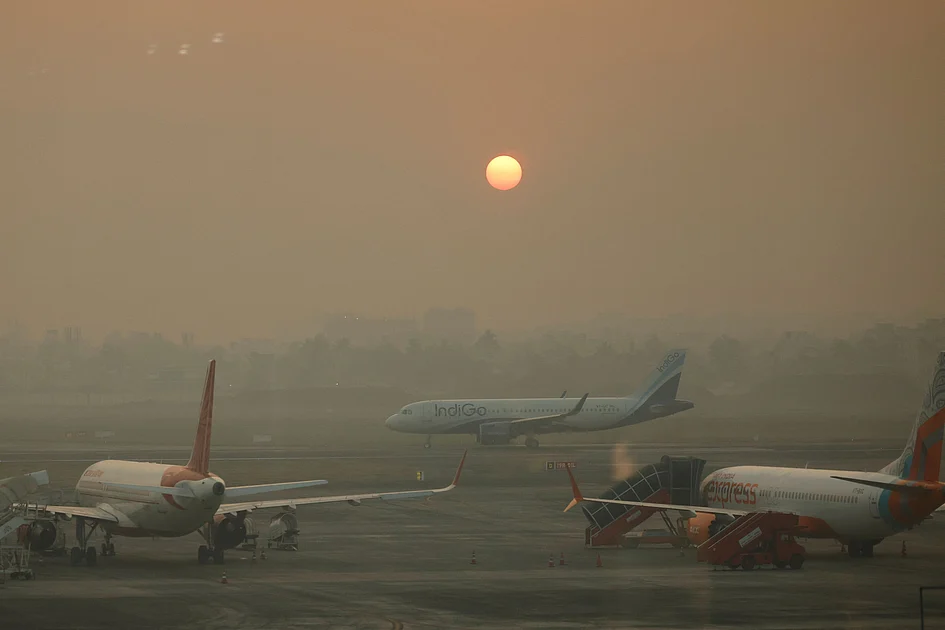
    In a significant move aimed at enhancing passenger rights and streamlining air travel processes, India’s Directorate General of Civil Aviation (DGCA) has proposed a series of transformative changes to air ticket refund and cancellation policies. The draft Civil Aviation Requirement (CAR), released on November 4, 2025, introduces measures designed to address long-standing grievances related to ticket refunds and cancellations.

    One of the most notable proposals is the introduction of a 48-hour ‘look-in period’ post-booking, during which passengers can cancel or amend their tickets without incurring additional charges, except for the standard fare. However, this provision will not apply to flights departing within five days for domestic routes or 15 days for international routes when tickets are booked directly through airline websites.

    The DGCA has also emphasized that the responsibility for processing refunds for tickets purchased via travel agents or portals will rest solely with the airlines, as these agents act as their representatives. Additionally, airlines are mandated to complete the refund process within 21 working days.

    Other key proposals include waiving charges for name corrections made within 24 hours of booking and offering refunds or credit shells for cancellations due to medical emergencies. These changes come in response to widespread concerns over delays and complexities in air ticket refunds.

    The DGCA has invited feedback from stakeholders on the draft CAR until November 30, 2025, marking a step toward more consumer-friendly aviation regulations in India.
  • Netherlands’ firm Louis Dreyfus to introduce new products at CIIE

    Netherlands’ firm Louis Dreyfus to introduce new products at CIIE

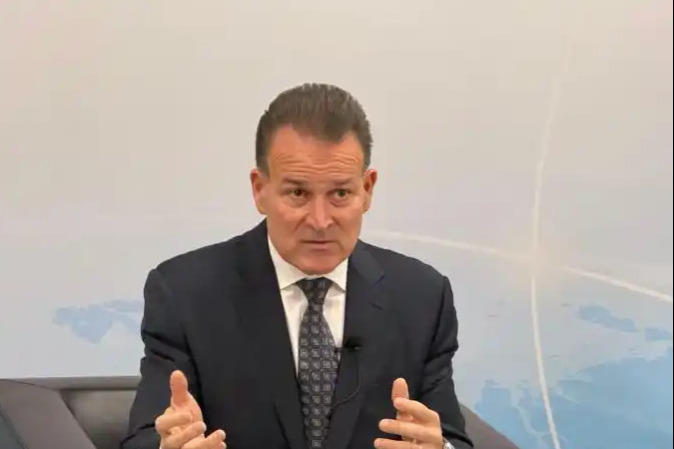
    In a strategic move to deepen its presence in China’s burgeoning consumer market and bolster its global supply chain, Louis Dreyfus Co, a leading multinational agricultural trader and processor, is set to unveil its instant coffee and a range of innovative feed products at the 8th China International Import Expo (CIIE) in Shanghai. The event, scheduled from November 5 to 10, marks the company’s debut at the prestigious trade fair. Michael Gelchie, CEO of the Netherlands-based firm, revealed these plans during an interview on Tuesday, expressing confidence in the exponential growth of China’s consumer market over the next decade. Gelchie emphasized that Louis Dreyfus Co aims to not only serve as a key supplier of commodities to China but also to expand its role in the food and feed sectors. The company’s strategy aligns with China’s ongoing efforts to open its seed industry, diversify agricultural imports, and cater to the growing middle-income demographic. Gelchie highlighted the importance of the consumer goods sector in diversifying the company’s revenue streams, supported by China’s push for high-quality consumer products. Recent developments include the launch of a specialty feed protein production line in Tianjin, the company’s first commercial-scale facility of its kind, and the construction of a food technology park in Qingdao, set to open in 2027. Louis Dreyfus Co has also established its regional headquarters in Shanghai in 2021, followed by a global R&D center in 2023. Leveraging the free trade account mechanism in the Shanghai Pilot Free Trade Zone, the company plans to enhance its financing and risk management capabilities. Gelchie, who has attended the CIIE three times, noted the exhibition’s role in showcasing China’s technological advancements, particularly in electric vehicles, and how these innovations can be applied globally. With over 50 years of operations in China, Gelchie remarked that the company feels deeply rooted in the local market.

  • This trillionaire economy thrived in a global order Trump is ditching

    This trillionaire economy thrived in a global order Trump is ditching

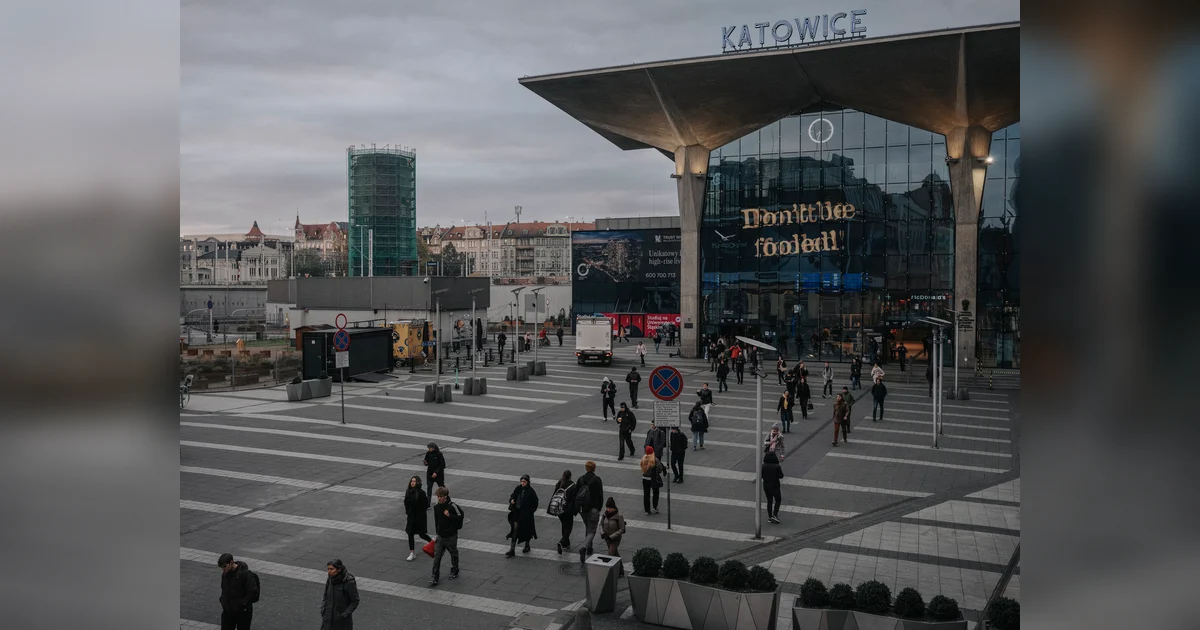
    Poland, once a struggling lower-middle-income nation with 900% inflation in 1989, has emerged as a trillion-dollar economy, joining the elite club of nations with economic outputs exceeding $1 trillion. This remarkable transformation, often referred to as the ‘Polish miracle,’ was fueled by a global economic system that prioritized international collaboration, trade, and investment. However, the foundations of this system are now crumbling under the weight of geopolitical shifts, protectionist policies, and regional conflicts. The question looms: Can Poland—and other European nations that thrived in this era—sustain their momentum in the new global order? Poland’s journey began with brutal shock therapy reforms in the 1990s, masterminded by former finance minister Leszek Balcerowicz, which transitioned the country to a capitalist economy. Its 2004 admission to the European Union (EU) marked a turning point, supercharging growth through access to the single market, foreign investment, and EU funding for infrastructure projects. Over the years, Poland developed a diversified economy, leveraging its central European location, well-educated workforce, and large consumer market. However, the outlook has darkened since Russia’s invasion of Ukraine in 2022. The war disrupted energy supplies, increased costs, and heightened regional instability. Poland, like its European neighbors, has faced rising energy prices, EU regulatory burdens, and competition from the U.S. and China. The unraveling of the international order accelerated under former U.S. President Donald Trump, whose tariffs and weakened security guarantees unsettled global trade. Poland’s automotive sector, closely tied to Germany, faces uncertainty, while a pending EU trade agreement with Latin America threatens its agricultural producers. The war has also prompted Poland to bolster its military, with defense spending set to reach 5% of GDP by next year—the highest in NATO. While this strengthens national security, it diverts funds from social and economic programs, raising national debt. Despite these challenges, Poland has seized opportunities amid the crisis. Over 1 million Ukrainian refugees have settled in the country, providing a boost to the workforce and GDP. Companies like Iteo, a software and AI consulting firm, have integrated Ukrainian talent, enhancing productivity. Additionally, shifts in EU rules have opened doors for defense-related ventures, replacing foreign investors who withdrew due to the war. The global push for secure supply chains has also created opportunities for Poland to focus on domestic production and nearshoring. As the world retreats from hyper-globalization, Poland’s history of adaptability may prove its greatest asset. ‘History makes us flexible,’ said Marta Kepa, CEO of the Software Development Association. The challenge now is navigating a global system that is increasingly unpredictable and threatening, while leveraging its strengths to sustain economic resilience.

  • China’s west-to-east gas transmission project marks commissioning of third pipeline

    China’s west-to-east gas transmission project marks commissioning of third pipeline

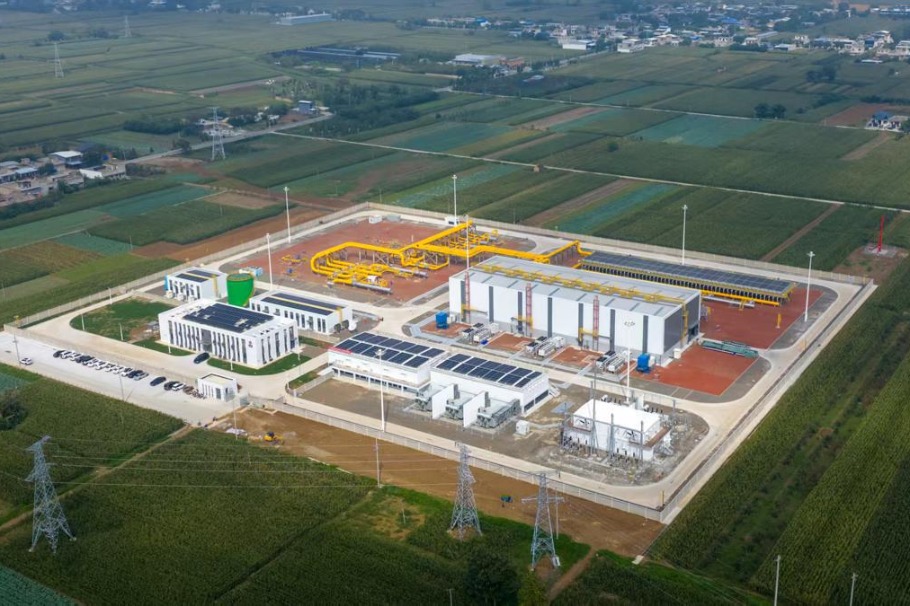
    China has achieved a significant milestone in its energy infrastructure with the full commissioning of the third pipeline in its west-to-east gas transmission project. The pipeline, which spans approximately 7,378 kilometers, connects Horgos in the Xinjiang Uygur Autonomous Region to Fuzhou in Fujian Province, traversing 10 provinces and regions. With a designed annual transmission capacity of 30 billion cubic meters, the pipeline is set to enhance the country’s energy distribution network. Construction of the pipeline began in October 2012 and was executed in three segments: eastern, central, and western. The eastern section became operational in 2016, followed by the western section in 2024. The central section, which began construction in September 2021, was completed and entered operation on September 26, 2025. The commissioning process involved rigorous testing, including staged pressure increases and continuous monitoring of key parameters such as pipeline pressure, gas flow rate, and temperature. After 35 days of observation, the pipeline was confirmed to be fully operational on November 4, 2025. The project was led by PipeChina Northwest Pipeline Company, a subsidiary of the China Oil and Gas Pipeline Network Corporation (PipeChina). The company implemented round-the-clock remote monitoring and established a real-time coordination mechanism to address operational issues efficiently. Wei Lei, deputy general manager of PipeChina Northwest Pipeline Company, highlighted that the third pipeline, alongside the first and second pipelines, forms a critical east-west energy corridor. It will alleviate operational pressure on existing pipelines, expand transmission capacity to accommodate increased production from western oil and gas fields, and meet the growing natural gas demand in central and eastern China. With the completion of the third pipeline, China now boasts a gas transmission network exceeding 20,000 kilometers, including sections of a fourth pipeline from Xinjiang’s Turpan to Zhongwei.

  • China’s exhibitors at e-commerce expo in Jakarta generate promising prospects

    China’s exhibitors at e-commerce expo in Jakarta generate promising prospects

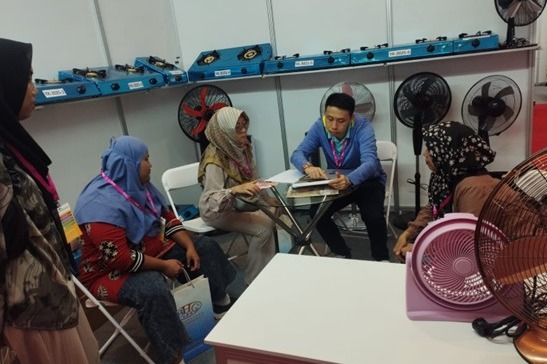
    The China International E-Commerce Industry Expo 2025, held in Jakarta from October 29 to 31, has set the stage for enhanced economic collaboration between China and Indonesia. The event, attended by government officials, business leaders, and entrepreneurs, highlighted the transformative potential of e-commerce technologies in fostering bilateral trade. With Indonesia prioritizing its digital economy to drive growth, local entrepreneurs are poised to leverage insights from the expo to develop products for both domestic and global markets. The expo showcased a diverse range of products, primarily from China, including consumer electronics, agricultural machinery, and new energy solutions, alongside offerings from Indonesia and other Southeast Asian nations. Xiong Canxin of the China Council for the Promotion of International Trade emphasized the expo’s role as a gateway for both countries to access global markets. Over 400 Chinese companies from provinces such as Hunan, Zhejiang, and Guangdong participated, underscoring the event’s significance. Li Feng, CCPIT’s chief representative in Indonesia, noted that digital economy and cross-border e-commerce are emerging as key areas of cooperation, with Indonesia’s e-commerce market projected to reach $9.5 billion by 2025. Ahmad Ridha Sabana, Indonesia’s special envoy for MSMEs and digital economy, highlighted the need for partnerships with China, a global leader in digital innovation, to co-create a robust digital ecosystem.

  • Pakistan cancels Eni LNG cargoes, seeks to renegotiate Qatar supplies

    Pakistan cancels Eni LNG cargoes, seeks to renegotiate Qatar supplies

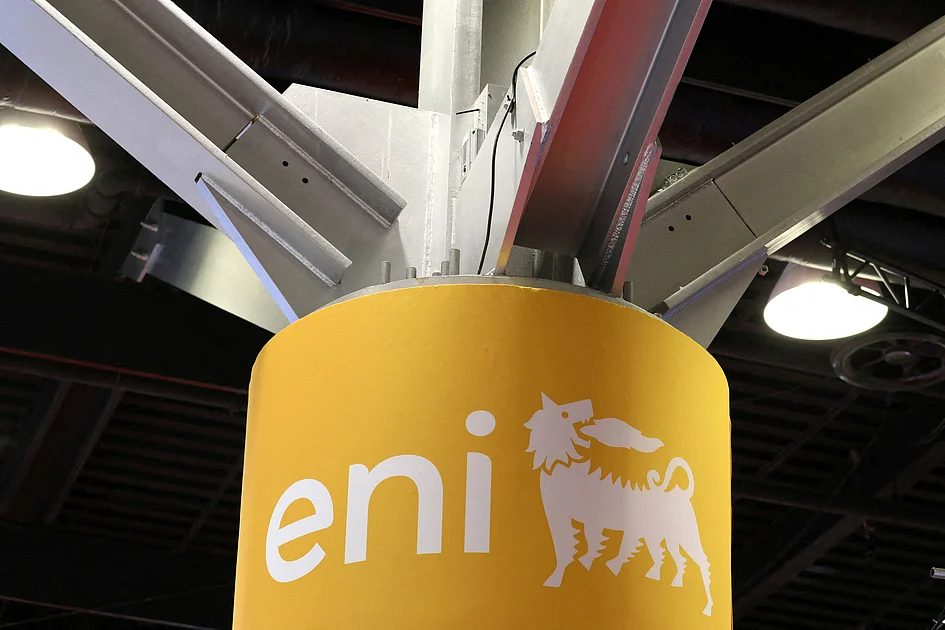
    Pakistan has taken decisive steps to address its oversupply of liquefied natural gas (LNG) by canceling 21 cargoes under its long-term contract with Italy’s Eni. The move, initiated at the request of gas distributor SNGPL, reflects a broader strategy to reduce excess imports that have overwhelmed the country’s gas network. According to an official document from Pakistan LNG Ltd (PLL) dated October 22, 11 cargoes scheduled for 2026 and 10 for 2027 will be canceled, with only peak winter shipments retained. Eni agreed to the cancellations under the contract’s flexibility provisions, allowing it to potentially sell cargoes in the more lucrative spot market. Eni declined to comment, while PLL, SNGPL, and Pakistan’s petroleum ministry remained silent on the matter. Simultaneously, Pakistan is in talks with Qatar to renegotiate gas supplies, exploring options such as deferring cargoes or reselling them under existing agreements. QatarEnergy has yet to respond to inquiries. The surplus stems from declining LNG demand, driven by increased renewable energy generation and reduced industrial consumption. Pakistan’s long-term contracts with Qatar and Eni cover approximately 120 cargoes annually, but imports have plummeted this year due to higher solar and hydropower output. The oversupply has forced Pakistan to sell gas at steep discounts, curb local production, and consider offshore storage or reselling excess cargoes. Eni’s last delivery to Pakistan was on January 3, and no further cargoes are expected in 2025.

  • China-Laos sugarcane import season begins

    China-Laos sugarcane import season begins

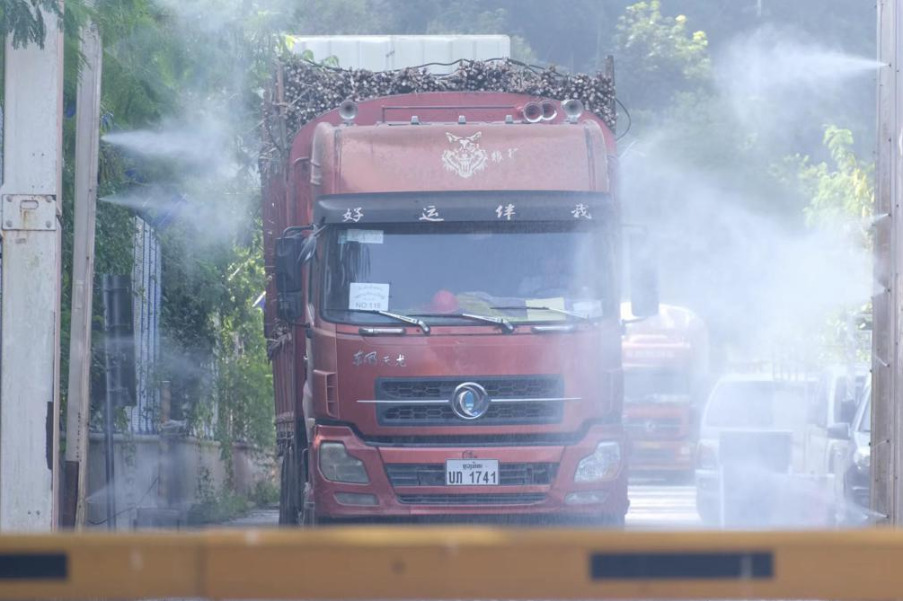
    The 2025-26 sugarcane import season between China and Laos has officially commenced, signaling a significant boost in cross-border agricultural trade. On October 29, the first shipment of sugarcane from Laos arrived at Mengman Port in Xishuangbanna Dai Autonomous Prefecture, Yunnan Province, marking the start of a season expected to last until April 2026. Over 930,000 tons of sugarcane are projected to be imported into China for sugar extraction and production, with an estimated industrial output value of 620 million yuan ($87 million), reflecting a 12% increase from the previous season.

  • Head of UK’s richest family dies aged 85

    Head of UK’s richest family dies aged 85

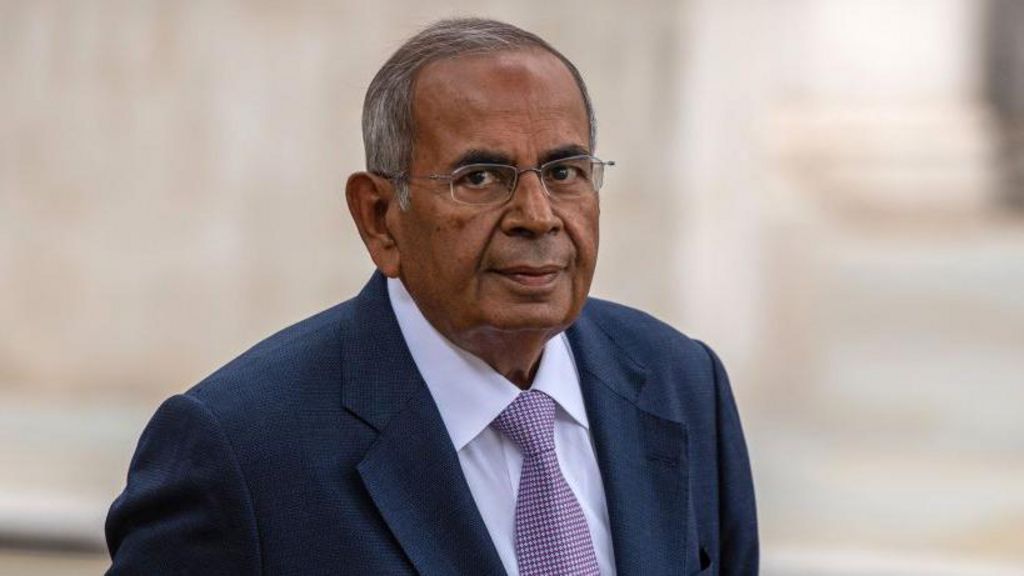
    Gopichand Hinduja, the patriarch of Britain’s richest family, has passed away at the age of 85. Known affectionately as GP, Mr. Hinduja was a pivotal figure in transforming his father’s modest textile and trading enterprises into the Hinduja Group, a global conglomerate operating across 11 sectors, including finance, media, entertainment, and oil. The group employs approximately 200,000 people worldwide. The Hinduja family, in a heartfelt statement, expressed that his passing “will leave a deep hole at the heart of our family,” and highlighted his “formidable work” as his enduring legacy. Mr. Hinduja and his family recently topped the Sunday Times Rich List with a staggering net worth of £35.3 billion and ranked 11th on Forbes’ list of India’s 100 richest businesspeople in 2024. He was the second eldest of four brothers who collectively steered the conglomerate for decades. His eldest brother, Srichand, passed away in 2023 at the age of 87. The leadership succession of the conglomerate remains uncertain, with the youngest brother, Ashok, currently overseeing operations in India, including the renowned truck manufacturer Ashok Leyland. The Hinduja family also boasts significant real estate holdings in London, including properties near St. James’s Park and the recently refurbished Old War Office in Whitehall, now housing a luxury hotel. Despite his low public profile, Mr. Hinduja was embroiled in the controversial “Hinduja affair” in 2001, which led to the resignation of Lord Peter Mandelson as an MP. The controversy arose after Mr. Hinduja wrote to Mr. Mandelson regarding his brother Prakash’s British citizenship application, following a £1 million donation by the family’s charity to the Millennium Dome project, overseen by Mr. Mandelson. Although Mr. Mandelson was later exonerated, the incident remains a notable chapter in Mr. Hinduja’s life. In a separate legal matter, Prakash Hinduja, his wife, and their son were convicted by a Swiss court last year for exploiting domestic staff at their Geneva residence.

  • UAE authority warns against illegal trading apps: 5 red flags explained

    UAE authority warns against illegal trading apps: 5 red flags explained

    The Securities and Commodities Authority (SCA) in the United Arab Emirates has issued a stern warning to investors regarding the use of unauthorized trading applications. These apps, often operated by unlicensed entities, pose significant legal risks, including potential violations of anti-money laundering (AML) laws. The SCA emphasized that investors must exercise caution to avoid legal liabilities associated with such platforms. The authority highlighted five critical red flags to identify illegitimate trading apps: absence from official regulatory websites, promises of high returns with minimal risk, lack of transparent company details, operation without proper UAE licensing, and requests for funds to personal accounts instead of corporate ones. Investors are advised to use only verified platforms, confirm licensing, and report suspicious activities promptly to safeguard their investments and comply with UAE regulations.

  • Inner Mongolia’s outbound UHV power transmission surpasses 800b kWh

    Inner Mongolia’s outbound UHV power transmission surpasses 800b kWh

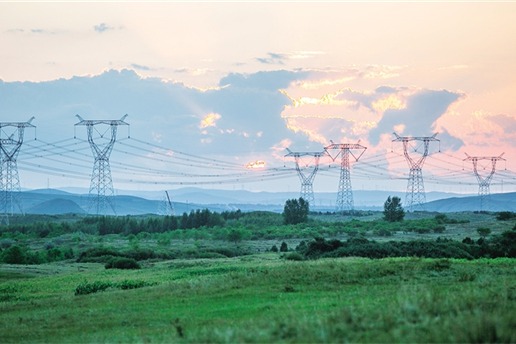
    Inner Mongolia has achieved a significant milestone in its ultra-high-voltage (UHV) power transmission, with outbound electricity surpassing 801.54 billion kilowatt-hours (kWh) as of October 31, according to the State Grid Inner Mongolia Eastern Electric Power Co. This monumental achievement, facilitated through eight UHV transmission channels, could supply annual electricity to approximately 280 million households, while reducing coal consumption by 270 million metric tons and cutting carbon dioxide emissions by 700 million tons. As a pivotal national energy and resource base, Inner Mongolia’s UHV grid development is integral to China’s broader energy strategy. Leveraging its abundant coal, wind, and solar resources, the region has established a robust network connecting major eastern load centers such as Shandong, Tianjin, Shanxi, Jiangsu, and Hebei. Annual power transmission has surged from 7.37 billion kWh in 2017 to 170.6 billion kWh in 2024, marking seven consecutive years of growth and solidifying Inner Mongolia’s role as a critical hub for interregional energy distribution. To ensure the safe and stable operation of UHV systems, the grid operator has implemented a comprehensive strategy encompassing smart control, multi-dimensional inspection, and precise maintenance. Customized maintenance plans tailored to geographic and climatic conditions, coupled with a two-hour emergency repair response network, have been established. Additionally, nine local monitoring teams, comprising herders and collaboration mechanisms with local power and wind energy companies, have enhanced joint risk management. The efficient operation of UHV channels is also accelerating the region’s green energy transition, with over 102 billion kWh of clean energy delivered to areas including Beijing, Tianjin, and Hebei, fostering cleaner and more sustainable energy structures across northern China.