分类: business

  • UAE announces fuel prices: How much will a full tank cost in February 2026?

    UAE announces fuel prices: How much will a full tank cost in February 2026?

    The United Arab Emirates has officially confirmed a nationwide decrease in fuel prices for February 2026, marking a welcome development for motorists across the nation. The Fuel Prices Monitoring Committee announced the revised rates on Saturday, January 31st, which will take effect from February 1st throughout the country.

    This pricing adjustment reflects the government’s monthly review mechanism that correlates domestic fuel costs with global oil market fluctuations, while incorporating operational expenses of distribution companies. The newly approved rates demonstrate a consistent reduction across all gasoline categories compared to January 2026 figures.

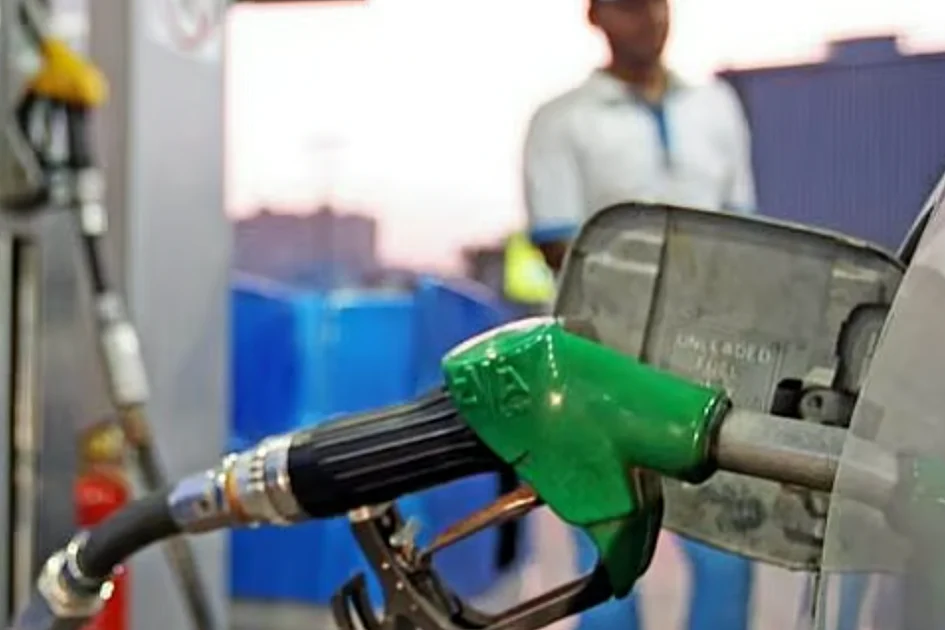
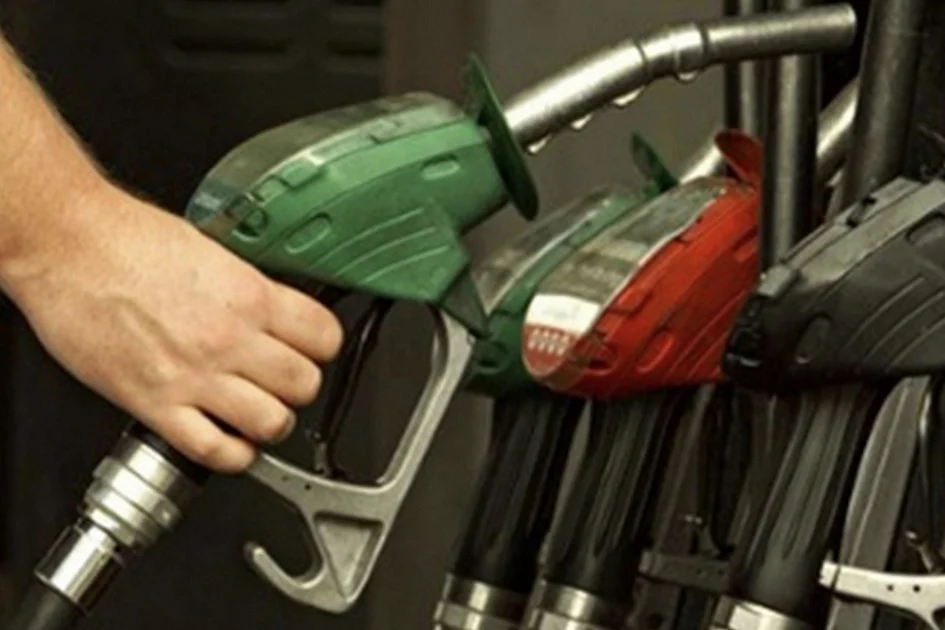
    Premium Super 98 gasoline will now retail at Dh2.45 per liter (previously Dh2.53), while Special 95 grade will be available at Dh2.33 per liter (down from Dh2.42). The more economical E-Plus 91 variant has been priced at Dh2.26 per liter, reduced from January’s Dh2.36 per liter.

    The financial implications for vehicle owners vary according to their automobile’s fuel tank capacity. Compact car owners with 51-liter tanks can anticipate savings between Dh4.08 and Dh5.10 per refill. Sedan drivers with 62-liter tanks will benefit from reduced costs ranging from Dh4.96 to Dh6.20, while SUV owners with 74-liter tanks will experience the most substantial savings of Dh5.92 to Dh7.40 per full tank refueling.

    This price reduction follows January’s increase, demonstrating the dynamic nature of the UAE’s fuel pricing system that responds to international market conditions. The transparent monthly announcement system allows residents to effectively budget their transportation expenses while maintaining alignment with global energy economics.

  • French lawmakers back bill to end ‘marital duty’

    French lawmakers back bill to end ‘marital duty’

    In a significant corporate development reshaping the regional business landscape, two established entities—Helen & Sons and BBK—have officially entered into a strategic joint venture. This collaboration is strategically designed to substantially broaden the scope and depth of comprehensive business support services throughout the United Arab Emirates and the wider Gulf Cooperation Council (GCC) region.

    The newly formed partnership leverages the complementary strengths of both organizations. Helen & Sons brings its extensive, on-the-ground expertise and a robust network of regional client relationships, while BBK contributes its specialized knowledge in financial advisory, corporate structuring, and international market integration. This synergy is expected to create a formidable new player in the regional market, capable of delivering an enhanced, one-stop-shop portfolio of services. These services are anticipated to encompass areas such as strategic management consulting, financial auditing, regulatory compliance, and market entry facilitation for international corporations.

    The strategic move is a direct response to the rapidly evolving and increasingly sophisticated economic environment within the GCC. By combining resources and expertise, the joint venture is uniquely positioned to address the complex challenges and capitalize on the burgeoning opportunities presented by regional economic diversification initiatives, such as Saudi Arabia’s Vision 2030 and the UAE’s continued focus on becoming a global business hub. This expansion signifies a major commitment to fostering greater economic growth and stability across the Gulf states, providing both local and international businesses with more integrated and powerful support structures to navigate the market successfully.

  • ‘Unbelievable tragedy’: UAE’s business community mourns loss of Dr CJ Roy

    ‘Unbelievable tragedy’: UAE’s business community mourns loss of Dr CJ Roy

    The business communities of the United Arab Emirates and India have been plunged into mourning following the sudden and tragic death of renowned entrepreneur and philanthropist Dr. CJ Roy. The prominent figure, who served as founder and chairman of Confident Group, passed away during an income tax raid at his office premises in India on Friday, January 30, 2026.

    According to reports from Indian media and confirmed by family friends, the multimillionaire’s death is being investigated as a possible suicide after a gunshot was heard from his office room. The circumstances surrounding the incident have sent shockwaves through business circles in both nations where Dr. Roy maintained significant operations and personal relationships.

    Close associates remembered the businessman as an extraordinarily generous individual deeply committed to both his family and community. Dubai restaurateur Shaijil Hussain, a long-time friend, expressed profound disbelief upon hearing the news. “I didn’t believe it initially,” Hussain told Khaleej Times. “I immediately went to his house in Emirates Hills. That is when I realized the tragic news was true.”

    Hussain described his final interactions with Dr. Roy, noting that just last week they had discussed a potential restaurant venture in Bangalore. “He sounded very positive about the project and insisted I do it in one of his buildings,” Hussain recalled. “That is how he was—always ready to help anyone.”

    The businessman’s philanthropic legacy was highlighted by Nizar Thalangara, President of the Indian Association Sharjah, who noted Dr. Roy’s role as main sponsor for KMCC UAE’s project providing free heart surgeries to 100 underprivileged people in Kerala. “He was someone who was the source of livelihood for tens of thousands of people and a beacon of hope for an entire generation,” Thalangara stated.

    Personal friends emphasized Dr. Roy’s devotion to his family. Faizal Malabar, who became close with the entrepreneur over the past year, described him as “someone with a very generous heart” who was “always ready to help those close to him.” Paul, a Dubai-based architect who designed Dr. Roy’s Emirates Hills residence, characterized the death as “truly an unbelievable tragedy,” noting the close personal relationship he had developed with the businessman and his family during the project.

    As investigations continue into the precise circumstances surrounding Dr. Roy’s death, the business communities of both UAE and India are grappling with the loss of a figure described by associates as both a successful entrepreneur and compassionate humanitarian.

  • Gold, silver prices plunge in Dubai; investors sell in panic

    Gold, silver prices plunge in Dubai; investors sell in panic

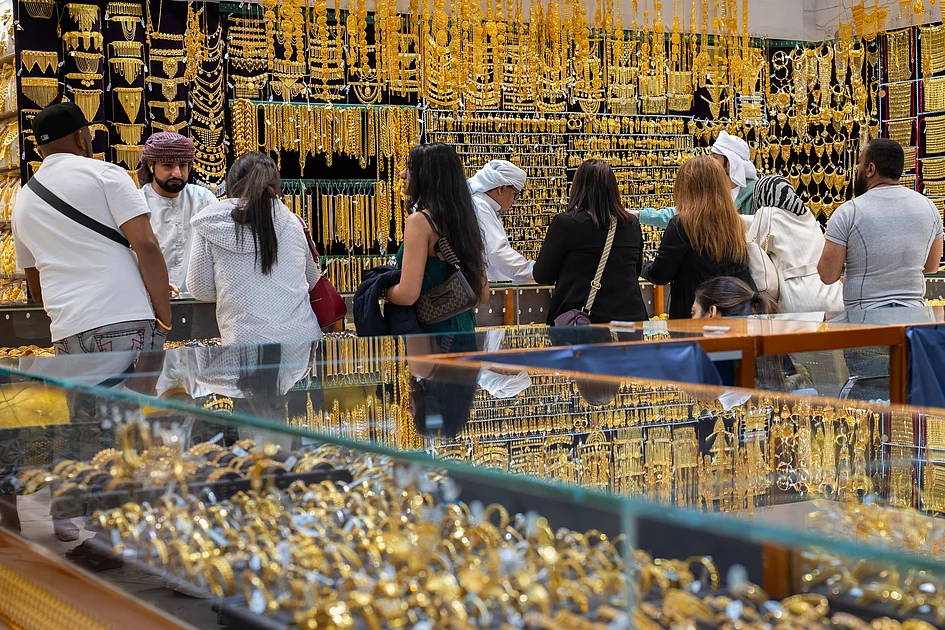
    Dubai’s gold market experienced unprecedented volatility on Saturday, January 31st, 2026, as prices collapsed dramatically from recent record highs, triggering widespread panic selling among investors. The precious metal plummeted to Dh589.5 per gram for 24K gold, representing a staggering decline of Dh76.5 from Thursday’s peak of Dh666 per gram.

    The sharp correction followed global trends where spot gold prices retreated from over $5,500 per ounce to $4,893.2, marking a significant pullback after weeks of sustained gains. Market analysts attributed the sudden downturn to profit-taking activities and a strengthened US dollar following the appointment of a new Federal Reserve Chair.

    All gold variants witnessed substantial declines, with 22K, 21K, 18K and 14K trading at Dh545.75, Dh523.25, Dh448.5 and Dh349.75 per gram respectively. The sell-off extended beyond gold, with silver experiencing an even more dramatic collapse of 34 percent, equivalent to $40 per ounce.

    The Dubai Gold Market saw extraordinary scenes as long queues formed of investors seeking to liquidate their holdings amid the precipitous price drops. This panic selling reflected market nervousness following the abrupt reversal of the sustained bull run in precious metals.

    Market experts offered contrasting perspectives on the developments. Aaron Hill, Chief Market Analyst at FP Markets, suggested this remains a buyer’s market where price dips would likely continue to attract investment, particularly if gold retests the $5,000 psychological barrier.

    Conversely, Alex Kuptsikevich, Chief Market Analyst at FxPro, interpreted the dramatic events as signaling a market peak. He noted that Thursday and Friday’s cumulative 10 percent decline from peak levels, while keeping prices near the week’s opening levels, represented a synchronous sell-off across all metals that typically follows moments of market extreme.

    The volatility underscores the fragile nature of commodity markets and demonstrates how quickly sentiment can shift even amid strong fundamental trends, leaving investors reassessing their positions in precious metals.

  • UAE petrol, diesel prices for February 2026 announced

    UAE petrol, diesel prices for February 2026 announced

    The United Arab Emirates has officially set its fuel pricing structure for February 2026, marking a continuation of its market-based approach to petroleum products. The Fuel Price Committee released the updated rates on Saturday, January 31st, 2026, which will take effect from February 1st.

    According to the announcement, all three gasoline variants and diesel will experience a modest reduction compared to January 2026 prices. Super 98 premium petrol will retail at Dh2.45 per liter, down from Dh2.53 the previous month. Special 95, the mid-grade option, will decrease to Dh2.33 per liter from Dh2.42. The most economical choice, E-Plus 91, will be priced at Dh2.26 per liter, reduced from Dh2.34.

    Diesel prices will also see a downward adjustment, settling at Dh2.52 per liter compared to January’s rate of Dh2.55. This pricing pattern reflects the UAE’s continued adherence to its 2015 fuel market deregulation policy, which eliminated government subsidies and aligned domestic prices with international market fluctuations.

    The monthly price review mechanism ensures that UAE consumers benefit from global oil market trends while promoting energy conservation and economic efficiency. This marks the second consecutive month of price adjustments following January’s increase, demonstrating the dynamic nature of the fuel market under the current regulatory framework.

  • Huizhou takes major step forward as petrochemical hotspot

    Huizhou takes major step forward as petrochemical hotspot

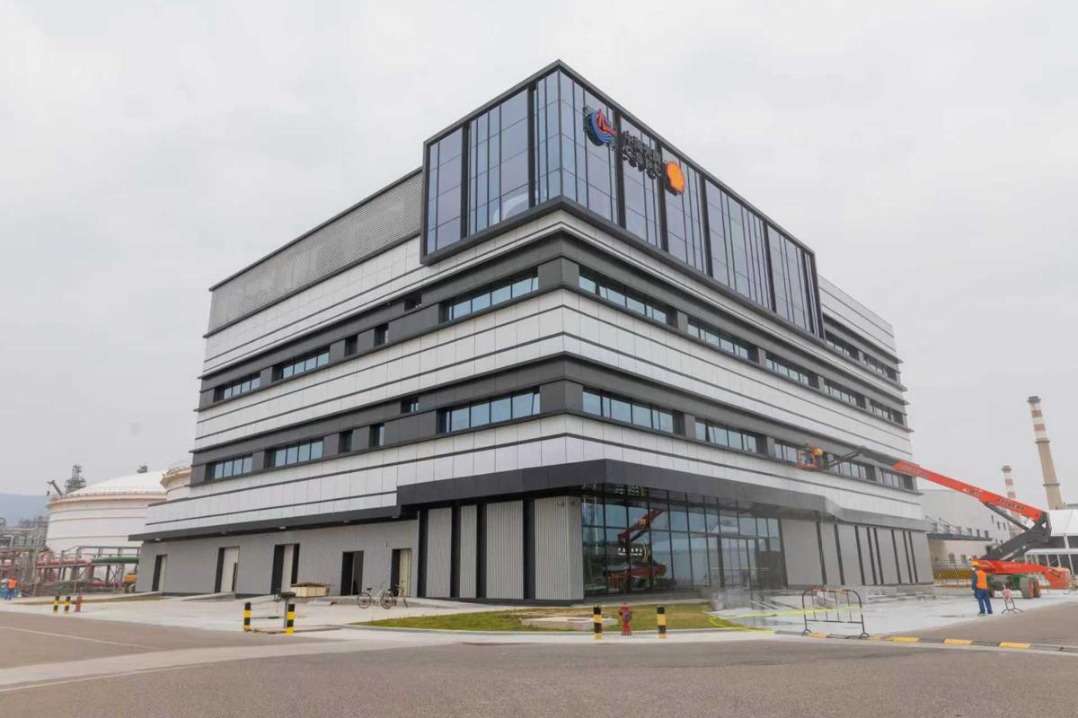
    Huizhou has cemented its position as a global petrochemical powerhouse with the inauguration of a state-of-the-art product innovation center by CNOOC and Shell Petrochemicals Company Limited (CSPC). The strategic facility, unveiled Wednesday in Guangdong province, represents a significant milestone in China’s energy sector development and regional economic transformation.

    The newly established center spans over 7,000 square meters of construction space and features more than 170 sets of internationally advanced equipment. According to officials from Huizhou Daya Bay Economic and Technological Development Zone, this investment creates a comprehensive industrial ecosystem that integrates production, innovation, and market distribution—signaling a major advancement in high-end petrochemical manufacturing capabilities.

    This development culminates 25 years of continuous partnership between the energy giants in Daya Bay, beginning with Phase I groundbreaking in 2002, followed by Phase II commissioning in 2018, and currently ongoing Phase III projects focusing on ethylene and polycarbonate production. The collaboration has generated over 100 billion yuan ($14.1 billion) in cumulative investment, substantially contributing to Huizhou’s emergence as a global petrochemical hub and supporting Guangdong province’s positioning as a high-quality development growth pole.

    CSPC CEO Ryan Wong emphasized the strategic necessity of the innovation center, noting that the company’s 20-year development journey has established substantial scale advantages including 3.8 million metric tons of ethylene production capacity and nearly 500 supporting upstream and downstream enterprises. Wong specifically praised the local government’s supportive business environment, highlighting dedicated task forces for accelerated approvals, industry-university-research cooperation frameworks, and continuous infrastructure improvements that have created ideal conditions for innovation-driven growth.

    The public-private collaboration model—where government provides institutional support while enterprises drive technological advancement—has proven particularly effective in Huizhou’s case. This synergy continues to attract substantial foreign investment while advancing China’s broader objectives in energy security and high-end manufacturing capabilities within the petrochemical sector.

  • An ingredient for this curry is missing – and in eight minutes, it’s at the door

    An ingredient for this curry is missing – and in eight minutes, it’s at the door

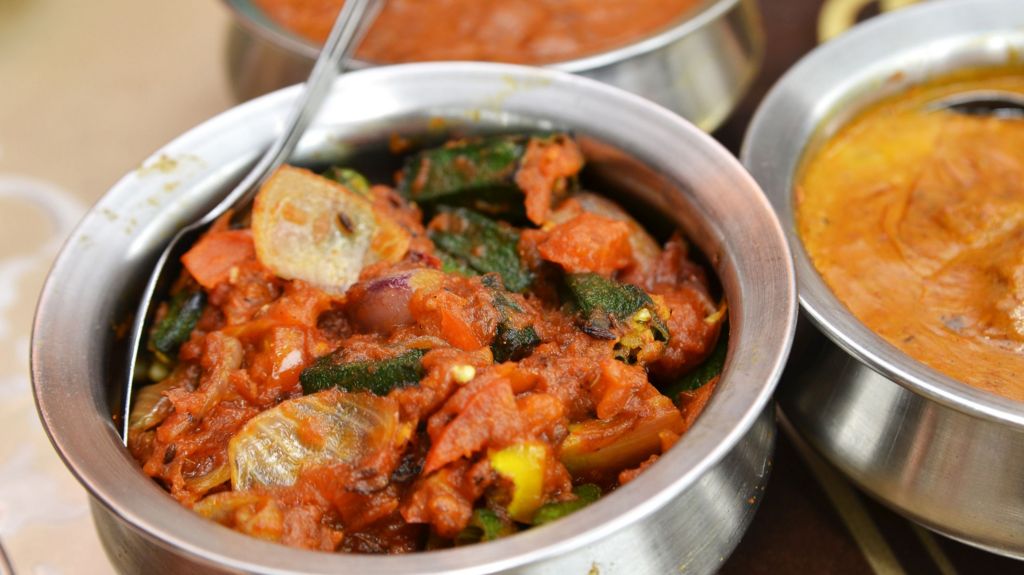
    In the early morning hours of Delhi, Tanisha Singh discovers she’s out of tomatoes while preparing her lunch curry. With local markets still closed, she turns to her smartphone. Within eight minutes, a delivery rider arrives at her doorstep with fresh produce—a phenomenon now commonplace in India’s metropolitan centers.

    This convenience is powered by an intricate network of ‘dark stores’—compact fulfillment centers strategically embedded within residential neighborhoods. Unlike traditional retailers, platforms like Blinkit, Swiggy, Instamart and Zepto operate from these hyper-local facilities stocked with essentials arranged for maximum efficiency rather than customer browsing.

    BBC’s visit to one such facility in northwest Delhi revealed a meticulously organized operation. Workers navigate narrow aisles stacked with vegetables, frozen goods, and packaged items, fulfilling orders with near-robotic precision. Store manager Sagar boasts of completing orders ‘in under a minute’ as delivery riders synchronize with packers in a seamless ballet of efficiency.

    The delivery process, however, conceals significant human challenges. Delivery driver Muhammad Faiyaz Alam, 26, demonstrates the reality behind the promises—navigating complex urban landscapes where digital maps often fail. His recent 2.2km delivery took 16 minutes total, earning him 31 rupees (£0.25). Alam typically attempts 40 daily deliveries, with earnings fluctuating between 900-1,000 rupees after deducting expenses.

    This system operates on an incentive structure that rewards continuous work. Alam logged 406 hours in December, completing over 1,000 orders and earning 16,000 rupees in incentives alone. However, the system proves fragile—when Alam’s phone was stolen mid-shift, he lost consecutive days of work and missed a 5,000-rupee incentive.

    Researchers note that while such incentive models aren’t unique to India, they’re intensified by labor availability and weak worker protections. ‘These workers are classified as independent contractors with no social security, yet algorithms control their work through ratings, penalties and pay,’ explains researcher Vandana Vasudevan.

    The pressure manifests on roads where riders admit to speeding and traffic violations to meet targets. Recent strikes across Indian cities have protested falling incomes, unpredictable incentives, and unsafe conditions, prompting government intervention. The labor ministry has ordered platforms to abandon aggressive ’10-minute delivery’ marketing language.

    India’s quick commerce sector defied global trends by sustaining growth post-pandemic. While Western services like Getir scaled back, Indian platforms flourished by catering to time-poor urban residents willing to pay premiums for convenience. Retail analyst Ankur Bisen notes that despite the buzz, profitability remains elusive with companies still operating at losses amid intense competition.

    Consumer awareness is gradually shifting. A LocalCircles survey found 74% support for dropping the ’10-minute delivery’ promise, with 40% willing to wait longer for orders. Yet for now, India’s urban convenience economy continues to run on the relentless pace of workers like Alam, who have little choice but to keep moving.

  • Abu Dhabi consolidates L’IMAD Holding, ADQ to create sovereign investment powerhouse

    Abu Dhabi consolidates L’IMAD Holding, ADQ to create sovereign investment powerhouse

    In a landmark strategic maneuver, the Supreme Council for Financial and Economic Affairs (SCFEA) has mandated the consolidation of L’IMAD Holding Company and the Abu Dhabi Developmental Holding Group (ADQ) under the unified banner of L’IMAD. This decisive action, announced on January 30, 2026, is engineered to establish a formidable sovereign investment entity with a vastly diversified asset portfolio, directly aligning with the Abu Dhabi government’s mandate for sustainable investment and accelerated economic advancement for both the emirate and the wider UAE.

    The consolidation is a direct implementation of UAE President Sheikh Mohamed bin Zayed Al Nahyan’s vision to amplify the scope and influence of the nation’s sovereign wealth funds on domestic and international stages. This initiative is designed to safeguard the enduring stability and continuity of an investment policy framework that has been meticulously developed over five decades.

    Under the leadership of Sheikh Khaled bin Mohamed bin Zayed Al Nahyan, Crown Prince of Abu Dhabi and Chairman of the Abu Dhabi Executive Council, the newly fortified L’IMAD will cultivate globally competitive investment platforms. Its strategic mandate is to build national champions across a spectrum of high-priority sectors, including energy, real estate development, infrastructure, healthcare and pharmaceuticals, food security, aviation, ports, and the financial and banking sectors, alongside a broad array of industrial and technological fields.

    The entity will leverage a multifaceted investment approach, engaging in both direct and indirect investments through specialized funds and participation in public and private financial markets. L’IMAD’s expansive portfolio will integrate operational, developmental, industrial, and financial capabilities, encompassing an impressive network of 25 investment companies and platforms and more than 250 group subsidiaries. Prominent holdings include the energy giant TAQA, real estate developer Modon Properties, Etihad Airways, healthcare leader PureHealth, Etihad Rail, Wio Bank, Abu Dhabi Ports, McLaren, and Louis Dreyfus.

    Guided by Managing Director and CEO Jassem Mohamed Bu Ataba Al Zaabi, L’IMAD is poised to significantly expand its global investment footprint. This expansion will be pursued through private investment funds, both independently and via strategic partnerships in key sectors. The SCFEA maintains oversight of Abu Dhabi’s principal sovereign investment vehicles, which now comprise the Abu Dhabi Investment Authority (ADIA), Mubadala Investment Company, and the consolidated L’IMAD, in addition to the Abu Dhabi National Oil Company (ADNOC).

  • OMODA&JAECOO UAE launches flagship JAECOO J8 SHS at ‘Super Hybrid Night’ in Dubai

    OMODA&JAECOO UAE launches flagship JAECOO J8 SHS at ‘Super Hybrid Night’ in Dubai

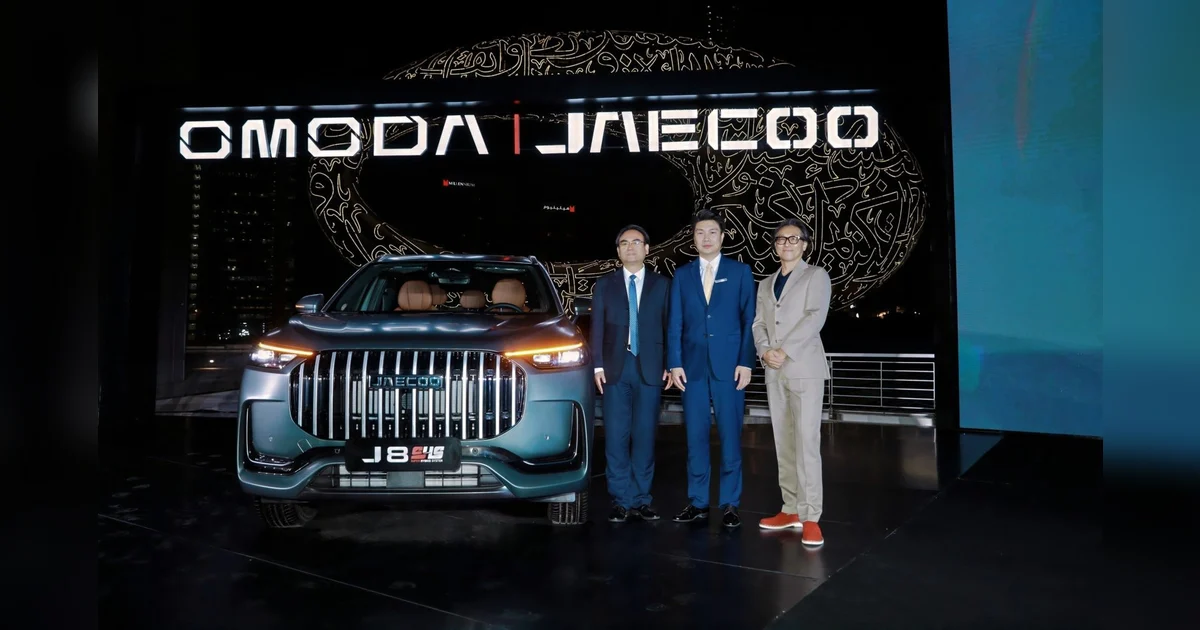
    Dubai’s skyline provided a futuristic backdrop for a significant automotive unveiling as OMODA&JAECOO UAE introduced its premier performance hybrid vehicle, the JAECOO J8 SHS, during an exclusive ‘Super Hybrid Night’ gathering. The January 30th event at a prestigious venue assembled government dignitaries, industry executives, media representatives, and VIP guests to witness the brand’s technological advancement in intelligent mobility solutions.

    The evening’s centerpiece featured the formal debut of the JAECOO J8 SHS (Super Hybrid System), representing the manufacturer’s most sophisticated performance-oriented hybrid SUV to date. The vehicle incorporates class-leading hybrid technology that harmonizes power delivery with operational efficiency, achieving an exceptional driving range of 1,300 kilometers on a single charge. This capability positions the J8 SHS as equally suited for metropolitan commuting and extended regional travel.

    Performance specifications establish new benchmarks for the segment, with the variant generating 600 horsepower combined output and 915 Nm of peak torque. The all-wheel-drive configuration enables acceleration from stationary to 100 km/h in merely 5.8 seconds, demonstrating remarkable engineering achievement.

    Attendees experienced the comprehensive Super Hybrid portfolio, including the JAECOO J7 SHS, OMODA C7 SHS, and OMODA C5 HEV models. A dedicated technology zone displayed the innovative chassis architecture and engineering principles underlying the Super Hybrid System, providing transparent insight into the brand’s technical development.

    The program elaborated OMODA&JAECOO’s global strategic vision and long-term renewable energy roadmap, emphasizing Super Hybrid technology as fundamental to future product development. The celebration incorporated customer testimonials, partner recognition, and commemorated the brand’s first anniversary in the UAE market.

    Shawn Xu, CEO of OMODA&JAECOO Automobile International, stated: ‘This launch represents a pivotal achievement for our presence in the UAE. Our Super Hybrid technology embodies our commitment to delivering powerful yet sustainable mobility solutions specifically designed for regional requirements. The J8 SHS exemplifies performance integration with intelligent design, mirroring both our innovative spirit and the UAE’s progressive mobility objectives.’

    Since establishing operations in the UAE, OMODA&JAECOO has maintained market momentum through technological innovation, distinctive design philosophy, and customer-focused development. The successful J8 SHS introduction further solidifies the brand’s emerging prominence within the region’s expanding new-energy vehicle sector.

    The event concluded with ceremonial photography and networking sessions, enabling direct engagement between attendees, corporate leadership, and technical specialists.

  • All subsided food centres to close on Feb 28, move to 48 new locations: Abu Dhabi DMT

    All subsided food centres to close on Feb 28, move to 48 new locations: Abu Dhabi DMT

    Abu Dhabi’s retail landscape is undergoing a significant transformation as the Department of Municipalities and Transport (DMT) announces the permanent closure of all its subsidized food centers effective February 28, 2026. The municipal authority revealed through official social media channels that these operations will be entirely transferred to ADCOOP (Mair Group) branches across the emirate.

    The strategic transition marks a substantial expansion of ADCOOP’s retail footprint, with the company establishing 48 new locations featuring extended operating hours to enhance customer accessibility. This move follows Mair Group’s comprehensive 2024 rebranding initiative that unified seven prominent retail brands under the ADCOOP umbrella, including Abu Dhabi Coop, Al Ain Coop, Al Dhafra Coop, Delma Coop, COOPS, Earth, and Mega Mart.

    According to the Abu Dhabi Media Office, this consolidation solidifies ADCOOP’s position as a retail market leader, offering an enriched shopping experience tailored to Emiratis, Arab residents, and expatriates of all nationalities. The integration creates a cohesive retail identity while maintaining the diverse product offerings that characterized the individual brands.

    The DMT has encouraged community members to contact their offices directly for detailed information regarding branch locations and transition timelines, ensuring a seamless shift for consumers accustomed to accessing subsidized food products through municipal outlets.