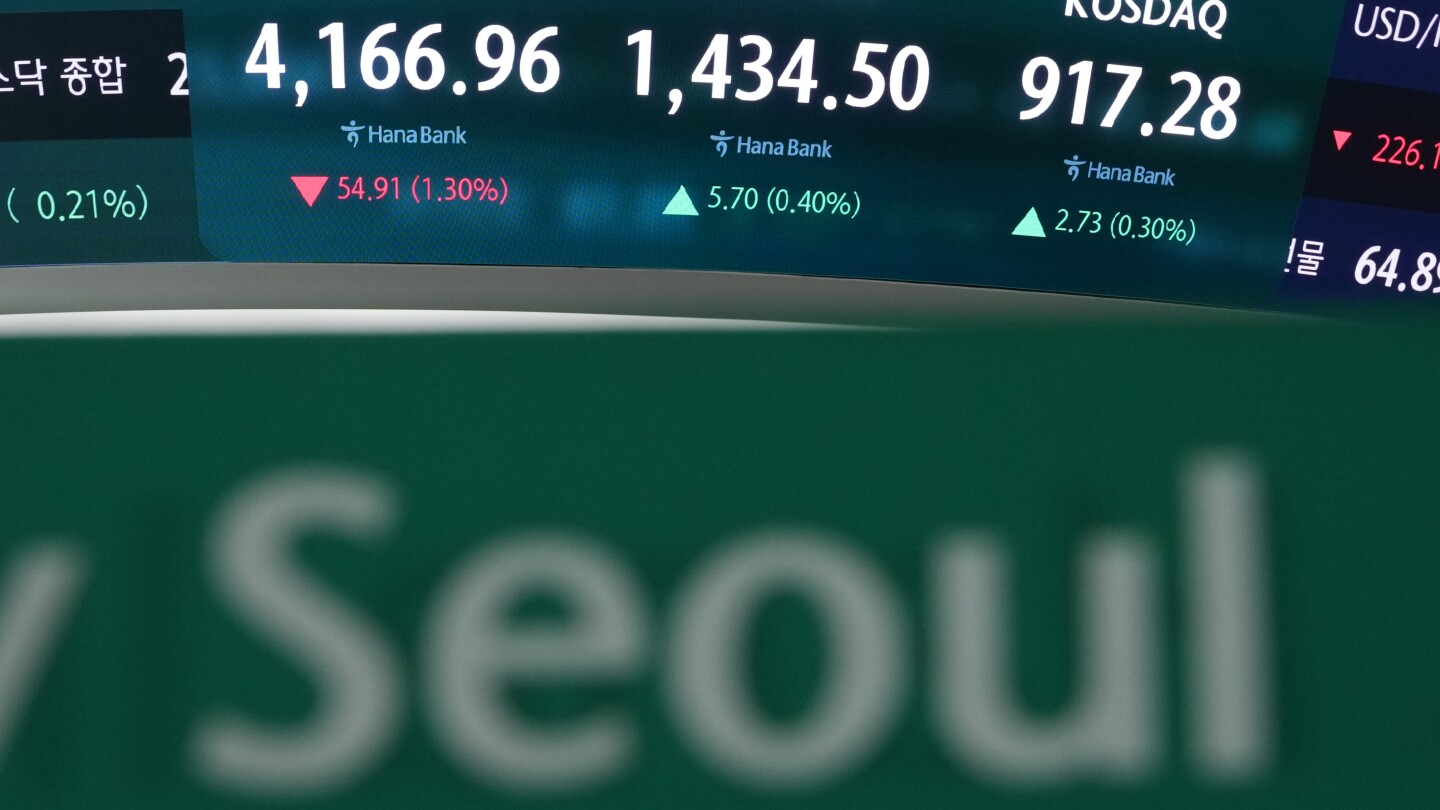
Global financial markets experienced significant turbulence on Wednesday, triggered by a sharp decline in Big Tech shares on Wall Street. The ripple effects were felt across Europe and Asia, with major indices initially plunging before partially recovering. Tokyo’s Nikkei 225 index, which had plummeted nearly 5% during the day, managed to pare losses to close 2.5% lower at 50,212.27. Similarly, European markets saw declines, with Germany’s DAX dropping 0.7% and France’s CAC 40 shedding 0.4%. The UK’s FTSE 100 edged 0.1% lower. In the U.S., futures for the S&P 500 slipped 0.1%, while the Dow Jones Industrial Average futures inched 0.1% higher. The tech-driven sell-off was particularly pronounced in Asia, where SoftBank Group’s shares tumbled 10% amid concerns over its artificial intelligence investments. Other tech giants, including Tokyo Electron and Advantest Corp., also saw significant declines. Toyota Motor Corp. reported a 7% drop in profits for the April-September period but raised its annual earnings forecast despite U.S. tariff pressures. South Korea’s Kospi fell 2.9%, driven by losses in Samsung Electronics and SK Hynix. Chinese markets showed mixed performance, with the Shanghai Composite edging 0.2% higher while Hong Kong’s Hang Seng dipped 0.1%. The tech sector’s volatility has been a key driver of market movements this year, with companies like Nvidia and Microsoft exerting outsized influence. Gold prices, often seen as a safe haven, rose 0.8% to $3,990.90 per ounce amid the uncertainty. Analysts described the sell-off as a ‘reality check’ for markets that had been riding a prolonged rally. Wall Street remains focused on corporate earnings, with most S&P 500 companies surpassing expectations. However, the U.S. government shutdown has added to the uncertainty, leaving investors without crucial economic data. Tesla shares fell 5.1% after Norway’s sovereign wealth fund opposed a controversial compensation package for CEO Elon Musk. In commodities, U.S. benchmark crude oil and Brent crude both declined by 14 cents per barrel.
分类: business
-
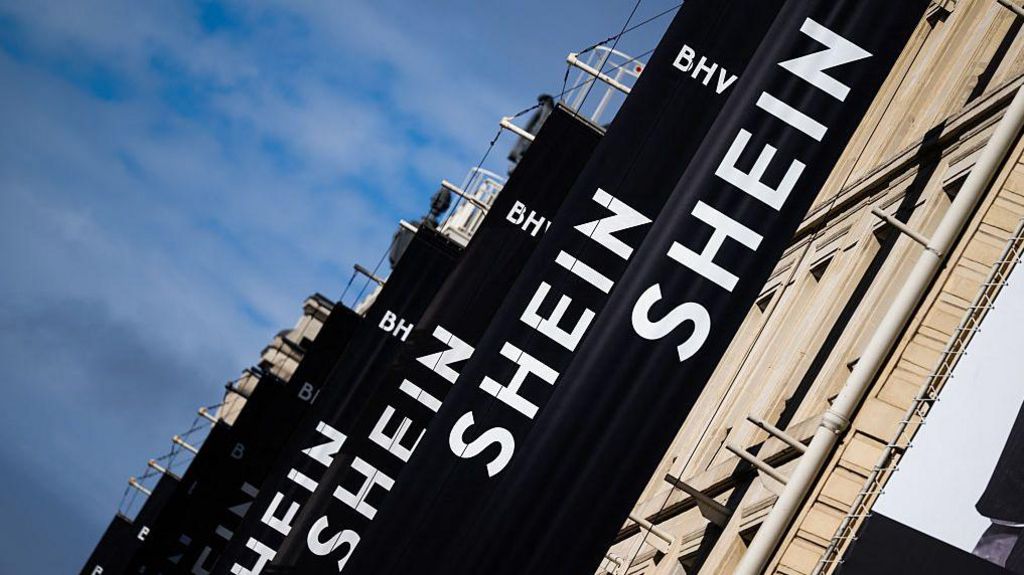
France investigates Shein and Temu after sex doll scandal
Online retail giants Shein, Temu, AliExpress, and Wish are under investigation in France for allegedly enabling minors to access pornographic content on their platforms, the Paris prosecutor announced on Tuesday. The probe follows a report by the country’s consumer watchdog, which raised concerns over the sale of childlike sex dolls on Shein’s platform. The watchdog referred the matter to the prosecution service on Sunday. The Paris prosecutor’s office confirmed that the platforms are being scrutinized for hosting violent, pornographic, or ‘undignified messages’ accessible to minors. AliExpress responded by stating it takes the issue seriously and has removed the offending listings, while Shein announced a global ban on the sale of all sex dolls and stricter platform controls. The French consumer watchdog highlighted that the descriptions and categorizations of the sex dolls left ‘little doubt as to the child pornography nature’ of the products. The investigation coincides with Shein’s launch of its first permanent physical outlet in Paris on Wednesday, amidst protests. The company, founded in China, also plans to expand its presence in other French cities, including Dijon, Reims, and Angers.
-
EO Charging completes £25 million recapitalisation to accelerate next phase of growth
EO Charging, a prominent player in fleet electrification solutions, has successfully completed a £25 million recapitalisation, marking a significant milestone in its growth trajectory. The funding round, led by existing investors Zouk Capital and Vortex Energy, combines an expanded debt facility with HSBC and a fresh equity injection. This strategic move underscores the unwavering confidence of its investors and provides a robust foundation for the company’s next phase of expansion.
The recapitalisation follows a series of strategic decisions, including EO Charging’s planned exit from the US market and the sale of its domestic EV charger hardware and manufacturing business to Cogent Technologies, a subsidiary of the Heathpatch Group. These measures aim to streamline operations, enhance efficiency, and transition towards a scalable platform-led business model.
With a renewed focus on software, services, and infrastructure-as-a-service (IaaS) for commercial fleets and heavy goods vehicles, EO Charging is poised to deliver scalable and dependable fleet-charging solutions across the UK and Europe. The investment will accelerate the deployment of its commercial-grade charging infrastructure and its flagship software offering, Charge Assurance™, which provides fleet operators with comprehensive visibility, management, and energy optimisation tools.
Richard Staveley, CEO of EO Charging, emphasised the significance of the investment, stating, ‘This funding reflects our shareholders’ confidence in our evolved strategy and long-term vision. We are committed to delivering reliable, commercial-grade charging infrastructure and intelligent software that empowers fleets to electrify and perform at scale.’
Massimo Resta, Partner and Head of Infrastructure at Zouk Capital, echoed this sentiment, highlighting EO’s alignment with the growing demand for scalable, software-enabled infrastructure solutions in the fleet electrification market. Bakr Abdel-Wahab, Chief Investment Officer at Vortex Energy, added that the transition to electric mobility is becoming foundational, and EO’s software- and service-first model positions it for sustained growth.
EO Charging continues to serve major global fleet operators, including Amazon, DHL, UPS, Tesco, and FedEx, leveraging over a decade of expertise in EV charging infrastructure and management solutions.
-
Dollar extends gains on rate cut doubts and safety play; pound slips
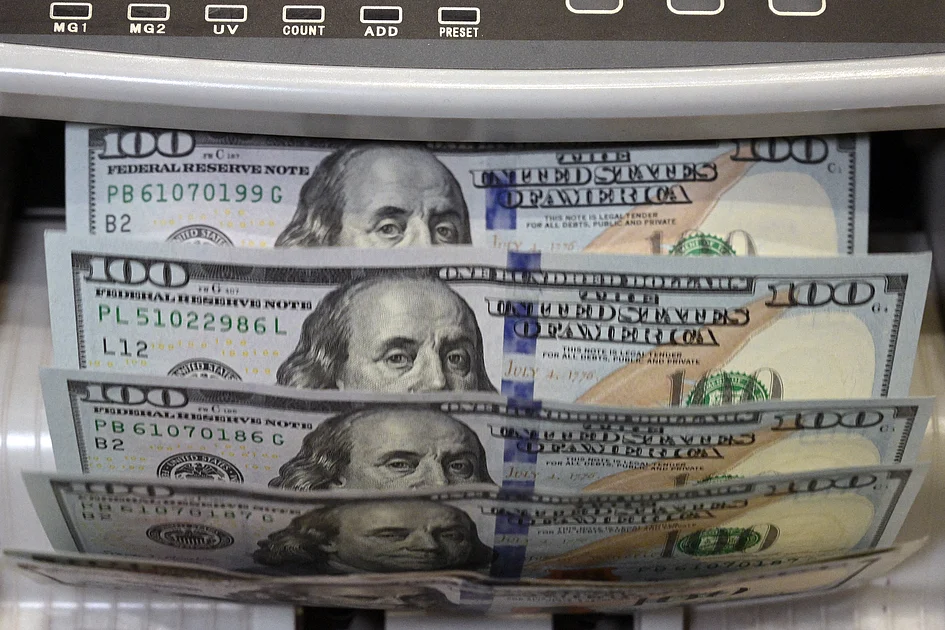
The U.S. dollar surged to a four-month high against the euro on Tuesday, driven by growing doubts about another Federal Reserve rate cut this year and heightened demand for safe-haven assets amid a risk-off market sentiment. The euro declined for the fifth consecutive session, falling 0.3% to $1.148, its lowest level since August 1. Meanwhile, the British pound tumbled after UK Finance Minister Rachel Reeves highlighted the challenging economic conditions ahead of her upcoming budget, emphasizing high debt, low productivity, and persistent inflation. Market sentiment remained subdued, with stocks declining and government bonds attracting investors. Safe-haven currencies like the Japanese yen and Swiss franc held steady. The dollar index, which measures the U.S. currency against a basket of six others, surpassed 100 for the first time since early August, reaching 100.17. Traders now estimate a 65% chance of a December rate cut, down from 94% a week earlier, according to CME FedWatch. The Australian dollar fell 0.7% to $0.6496 after the Reserve Bank of Australia maintained its cash rate at 3.60%, signaling caution about further easing. Cryptocurrency Bitcoin dropped 2% to $107,486, its weakest since June. The yen, nearing levels that prompted Japanese intervention in 2022 and 2024, remained under pressure, with Finance Minister Satsuki Katayama reiterating the government’s vigilance over currency movements. Analysts noted that U.S. President Donald Trump’s recent criticism of countries allowing their currencies to weaken could influence Japan’s approach.
-
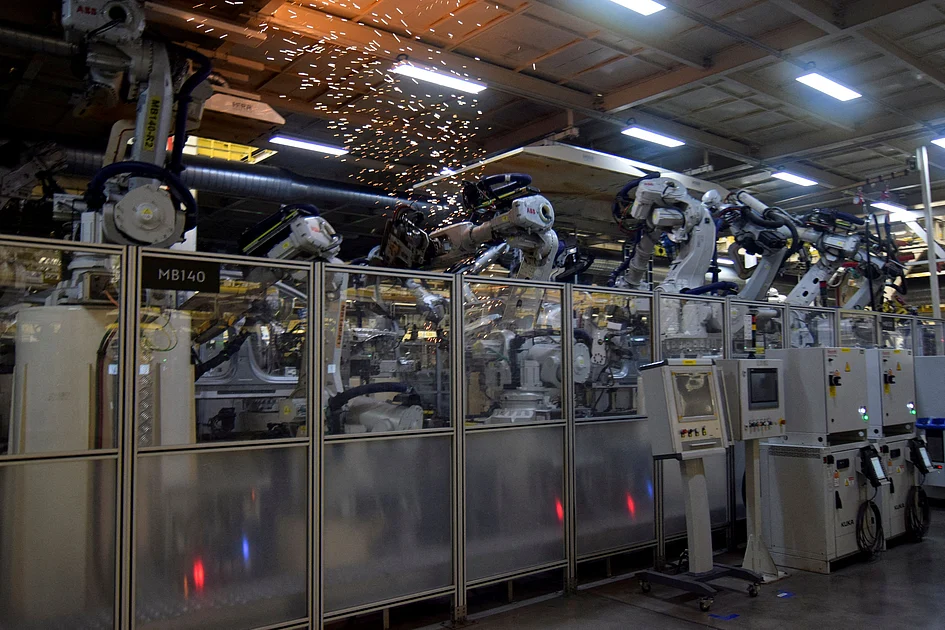
The Chinese advantage: Redefining the global mobility spectrum
Over the past decade, China has transitioned from being labeled ‘the world’s factory’ to becoming a global leader in innovation, particularly in the mobility sector. Chinese automakers are now not only competing with established Western and Japanese brands but are also redefining global expectations across all segments, from mass-market to luxury vehicles. This transformation is driven by a strategic blend of industrial policy, technological investment, and a profound understanding of consumer behavior. What sets China apart is not just its massive production scale but its comprehensive automotive vision, which consistently delivers quality, performance, and innovation. At the mass-market level, Chinese brands have successfully integrated premium features with cutting-edge technology. Touchscreen displays, over-the-air updates, and connected mobility services have become standard, redefining the concept of value in the electric mobility era. Consumers now prioritize efficiency, connectivity, and sustainability, and Chinese OEMs have made electric mobility accessible to a broad audience while maintaining profitability. In the premium segment, Chinese automakers have shifted from imitation to original innovation. Leveraging strengths in artificial intelligence, data analytics, and software integration, they are enhancing the user experience with advanced digital ecosystems, personalized interfaces, and AI-driven features. Premium vehicles are now defined more by intelligence and connectivity than by traditional luxury. Chinese manufacturers are aligning with this trend, offering products that combine digital sophistication with refined design, setting new industry benchmarks. At the luxury level, China’s automotive vision is characterized by sustainability and design excellence. High-end electric vehicles showcase an elevated aesthetic that blends advanced materials, elegant minimalism, and powerful performance. These vehicles aim to embody a forward-thinking philosophy, appealing to discerning consumers who value environmental awareness and innovation. Chinese manufacturers are producing vehicles that combine high performance with zero-emission technology, offering premium interiors with intelligent systems and silent power. One of China’s greatest advantages lies in its integrated industrial ecosystem. Automakers, battery manufacturers, software developers, and smart factories operate within a collaborative framework that accelerates research, reduces costs, and enables rapid deployment of new technologies and products. The domestic market, with millions of connected vehicles, serves as a large-scale testing ground that generates valuable data and insights. This feedback loop allows Chinese automakers to refine products continuously, respond quickly to market trends, and deliver solutions that meet evolving global standards. The Chinese automotive industry is no longer following global trends; it’s setting them. From advanced battery technologies and faster charging systems to intelligent operating platforms and sustainable production, China is defining the next era of mobility. The global automotive landscape is undergoing a shift in influence, with innovation increasingly originating from China. By uniting innovation across all market tiers, the Chinese automotive industry is not just adapting to the future of mobility but actively shaping it. As global consumers and businesses re-evaluate what drives the industry forward, it is evident that the momentum of change and opportunity increasingly originates from China, spanning every level of the mobility spectrum.
-

Dubai’s branded residences boom: Sector matures with 48,000+ units and rising global prestige
Dubai’s branded residences have transformed from a niche market to a globally recognized asset class, solidifying their position as a cornerstone of the city’s luxury real estate sector. As of the first half of 2025, the emirate boasts an impressive 48,474 branded units across 144 developments, with 12 new projects adding over 5,500 units in just six months. This growth has propelled Dubai to the forefront of the branded residential market, surpassing traditional luxury hubs such as Miami, London, and New York. Despite a slight decline in transaction volume, the total value of branded residence sales surged by 37% year-on-year, driven by demand for ultra-prime properties and larger investments. These residences command an average price premium of 40–60% over non-branded units, with flagship developments like Bugatti Residences fetching up to 160% more. Dubai’s appeal to high-net-worth individuals (HNWIs), its tax-free environment, and long-term residency incentives have fueled this growth. Over 9,800 millionaires are expected to migrate to the UAE in 2025 alone, further boosting demand for homes that blend five-star hospitality with residential comfort. The recent launch of Hilton Residences Jumeirah Lakes Towers (JLT) by Emirates Developments and Hilton exemplifies this trend. The 38-floor tower offers 396 units, including studios, apartments, and exclusive sky villas, all infused with Hilton’s renowned service and lifestyle programming. Johnathan Wingo, Global Head of Real Estate & Residential Programs at Hilton, emphasized the project’s significance, stating, ‘We are proud to bring our century-long legacy into Dubai’s thriving residential market, offering residents a lifestyle experience on par with the world’s finest destinations.’ Located in JLT’s Cluster F, the development places residents at the intersection of Dubai’s cultural, financial, and leisure hubs. Its architecture, described as a ‘vertical sculpture of glass and light,’ mirrors the city’s elegance, while interiors draw inspiration from desert hues and evening calm. Abduljbar Elnatour, Commercial Director at Emirates Developments, highlighted the project’s unique appeal, stating, ‘We bring the dream of living in a hotel to the heart of Dubai.’ The branded residence model is also evolving, with standalone projects—those not linked to operating hotels—now accounting for one-third of completed developments in Dubai. This shift offers developers greater flexibility and buyers more privacy while maintaining brand prestige and premium services. Looking ahead, Hilton plans to expand its footprint across the UAE, with Dubai potentially becoming the first city to host all twelve of its branded residence brands. With robust investor appetite, rising premiums, and a pipeline of over 140 projects slated for delivery by 2031, Dubai’s branded residences sector is not just growing—it’s setting the global standard.
-
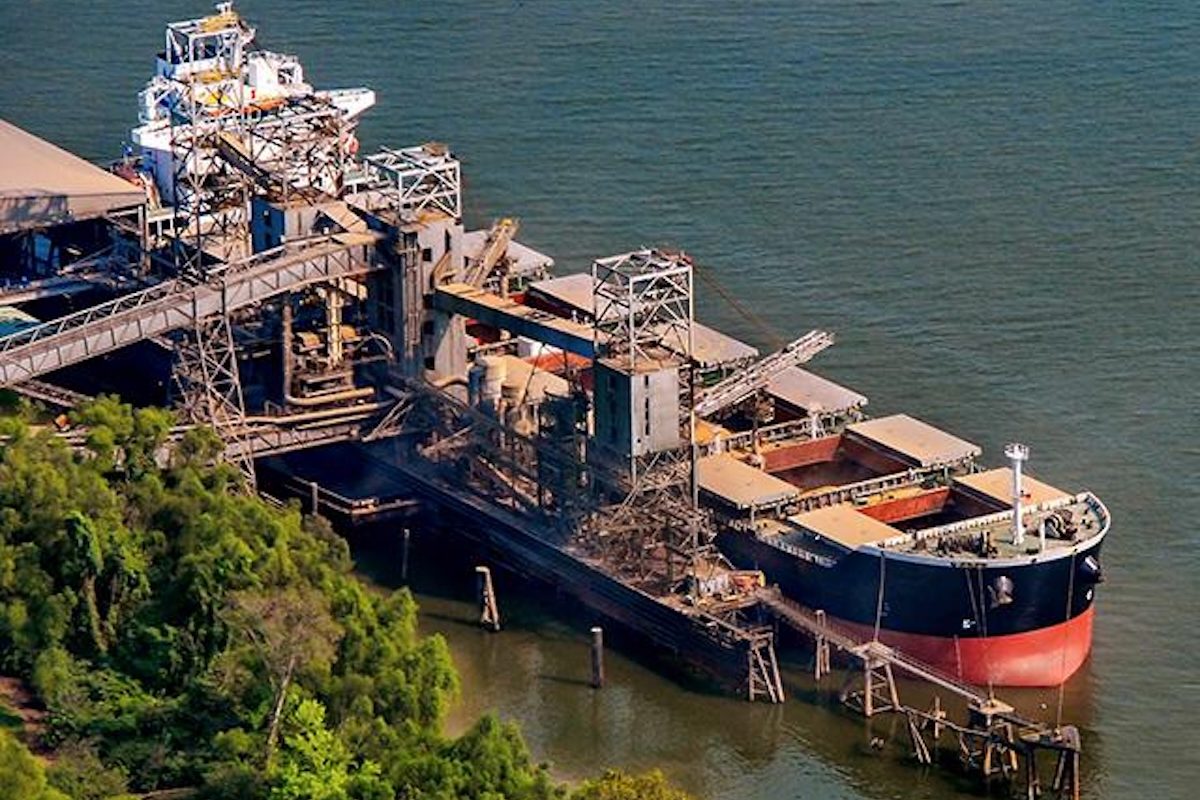
A battlefield report: Neither side is winning US-China trade war
In a significant development for American soybean farmers, China has agreed to purchase 918 million bushels of soybeans annually over the next three years. This decision, announced by Treasury Secretary Scott Bessent, has brought much-needed relief to the agricultural sector. President Donald Trump hailed the agreement, stating, “Our farmers will be very happy!” The deal is part of broader trade concessions from China, including commitments on rare earths and fentanyl, which Trump has framed as a victory in the ongoing US-China trade war. He described his recent meeting with Chinese President Xi Jinping as “a 12 on a scale of one to 10.”
However, some analysts argue that China may have emerged as the real winner. They point to China’s retaliatory measures on soybeans and rare earths, which forced the US to back down on 100% tariffs, port fees, and stricter AI-chip export controls. Critics, including editorial writers from the Wall Street Journal, contend that the agreement largely restores the status quo that existed in May. A New York Times headline even suggested that Xi had outmaneuvered Trump, allowing him to claim a win while strengthening China’s position.
The reality, however, is more nuanced. The trade war remains unresolved, with neither side achieving its primary objectives. While the US has secured temporary concessions, China continues to face high tariffs on its exports. Similarly, China has only suspended its strict export restrictions on rare earths for a year. Both nations have demonstrated their capacity to inflict economic pain on each other, but progress toward a lasting resolution remains elusive.
For American soybean farmers, the agreement offers short-term relief but underscores their overreliance on the Chinese market. The president of the American Soybean Association noted that while the purchases are welcome, they are insufficient to restore profitability. Farmers are now seeking diversification, with potential agreements with Malaysia, Cambodia, Thailand, and Vietnam offering hope for long-term stability. These deals, if finalized, could significantly reduce the US agricultural sector’s dependence on China.
As the truce between the US and China continues, the situation remains volatile. Both nations are actively working to reduce their economic interdependence, and hostilities could resume at any moment. For now, the agreement provides a temporary reprieve, but the underlying tensions of the trade war persist.
-
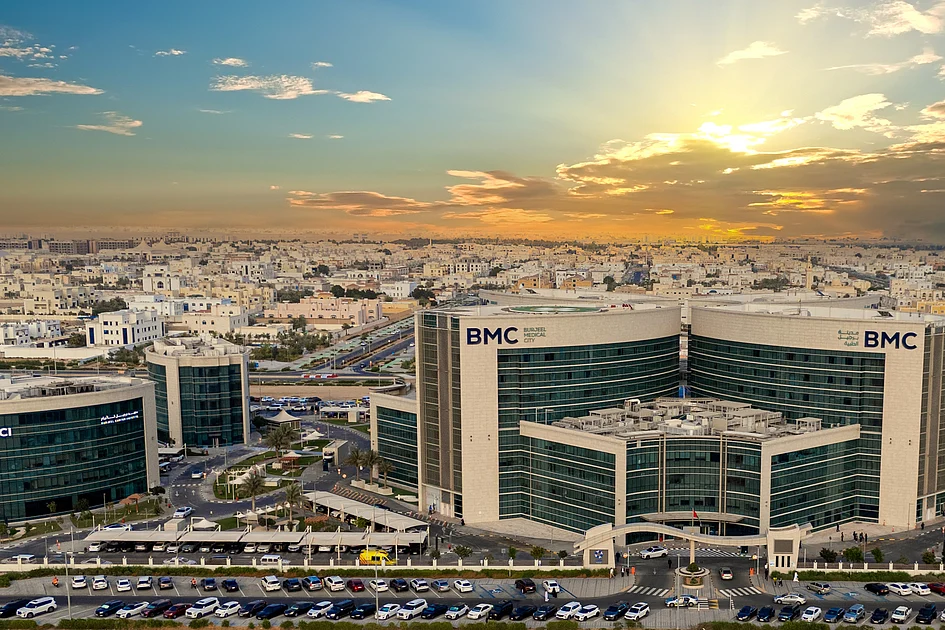
Burjeel Holdings posts record Q3 revenue, net profit jumps 27.5%
Burjeel Holdings, a leading super-specialty healthcare provider in the Middle East, has announced a record-breaking third quarter for 2025, with revenue soaring to Dh1.42 billion and net profit increasing by 27.5% year-on-year to Dh175 million. The Abu Dhabi-listed healthcare group attributed this exceptional performance to a combination of rising patient volumes, a richer case mix, and enhanced operational efficiencies across its expanding network in the UAE and Saudi Arabia. EBITDA for the quarter rose by 17.1% to Dh320 million, with margins improving to 22.5%, reflecting disciplined cost control and heightened demand for complex care services.
CEO John Sunil highlighted the results as a testament to Burjeel’s strategic investments and growing reputation in high-acuity care. ‘Our network’s strength and market positioning have enabled us to deliver clinical excellence and robust financial momentum,’ he stated. ‘We are now firmly established as the region’s foremost destination for advanced specialties, including oncology, organ transplantation, and precision medicine.’
Patient footfall reached 5.1 million in the first nine months of 2025, marking a 7.3% year-on-year increase. Inpatient volumes rose by 8.4% in Q3, driven by strong demand in oncology, cardiology, gastroenterology, and orthopedics. The group performed over 67,000 surgeries during this period, a 10.3% increase, with bed occupancy averaging 67%. Outpatient visits also grew, rising by 4.5% in Q3 and 7.2% year-to-date, supported by new day care and physiotherapy centers.
Burjeel Medical City (BMC), the group’s flagship tertiary care hub, posted standout results with Q3 EBITDA soaring 46.8% and margins hitting an all-time high of 22%. BMC’s revenue rose by 10.9% in the first nine months, fueled by rising oncology volumes and expanded specialty services. The group also achieved several medical milestones during the quarter, including the UAE’s youngest-ever liver transplant and the GCC’s first Hepatic Artery Infusion Pump procedure, further cementing its leadership in complex and precision care.
Despite temporary restrictions on certain insurance plans, Burjeel maintained momentum through increased inflows from premium insurers and self-paying patients. This shift, combined with a rise in complex procedures, helped offset volume moderation in the basic segment. The medical centers segment also showed strong growth, with revenue up 15.8% in Q3, reflecting the ramp-up of over 40 new facilities across the UAE and KSA.
Burjeel’s balance sheet remains robust, with net debt to EBITDA at 1.9x, and recent strategic investments—including the Dh186 million acquisition of a Dubai hospital building—expected to enhance long-term asset value. Looking ahead, the group plans to continue expanding its footprint and capabilities, supported by favorable market dynamics and a robust pipeline of projects. ‘Our exceptional teams remain the driving force behind our success,’ Sunil added, ‘ensuring every patient receives world-class care.’
-
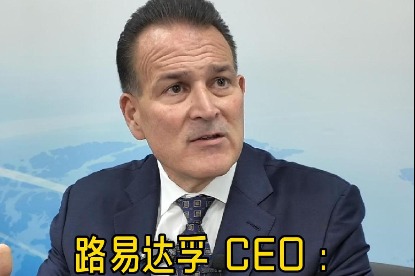
LDC CEO: I see potential and opportunities in China
In an exclusive interview with China Daily, Michael Gelchie, CEO of Louis Dreyfus Company (LDC), expressed his optimism about China’s economic prospects despite ongoing global discussions on ‘decoupling’ and ‘fragmentation.’ Gelchie emphasized that LDC employs a scientific approach to capital allocation when evaluating global investments, with a particular focus on China. He highlighted the country’s immense potential, driven by the rapid expansion of its middle class, and reaffirmed the company’s commitment to investing in the Chinese market. Gelchie’s remarks came ahead of the 8th China International Import Expo (CIIE), where LDC plans to showcase its latest innovations and strengthen its presence in the region. His comments underscore the growing confidence among global business leaders in China’s ability to sustain robust economic growth and create opportunities for international enterprises.
-
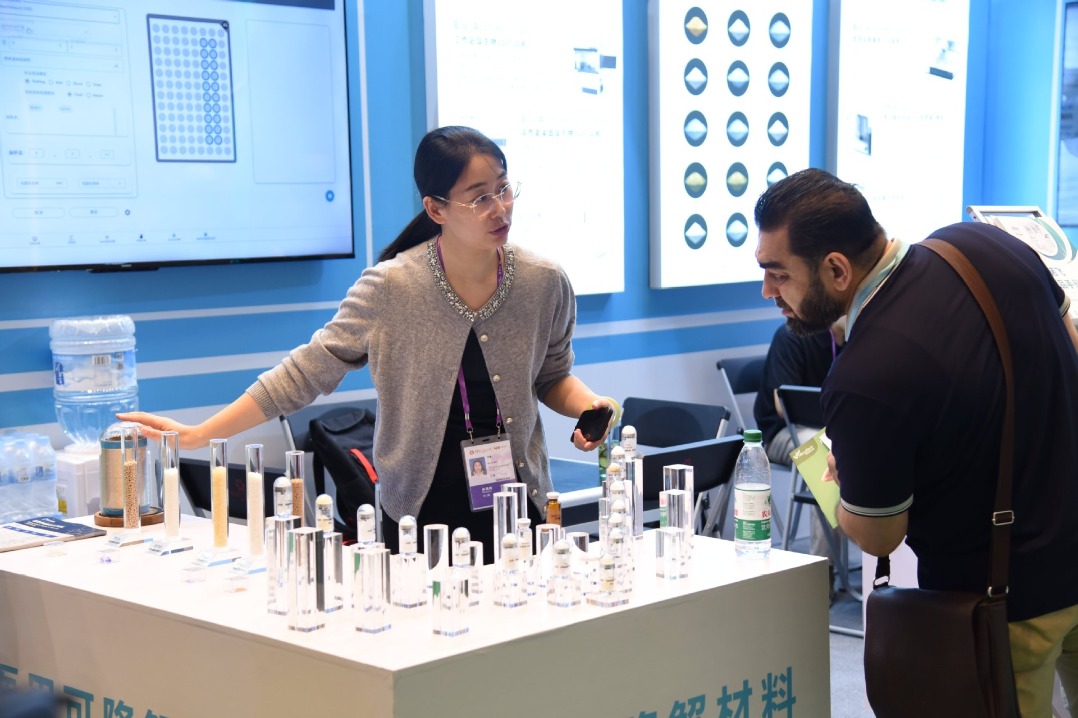
Canton Fair closes with record global attendance, showcasing trade resilience
The 138th China Import and Export Fair, widely recognized as the Canton Fair, wrapped up on November 4, 2025, underscoring China’s robust foreign trade capabilities amidst global economic uncertainties. This year’s event attracted an unprecedented 310,000 international buyers from 223 countries and regions, reflecting a 7.5% surge compared to the previous session. Notably, 69% of attendees hailed from nations engaged in the Belt and Road Initiative, with significant representation from the European Union, the Middle East, the United States, and Brazil. On-site export transactions reached $25.65 billion, showcasing steady growth in traditional markets. Exhibitors displayed 4.6 million products, with over 23% featuring innovative, eco-friendly designs or independent intellectual property rights. Highlights included AI-driven devices, zero-plastic home goods, and bio-based materials. The fair also introduced 632 new products, reinforcing its reputation as a global innovation hub. Digital advancements streamlined the experience, with QR code credentials cutting registration time to 30 seconds and AI-assisted image review achieving over 80% accuracy. Indoor navigation services were utilized 477,000 times. Supportive policies, such as a 50% fee reduction for exhibitors and full waivers for rural revitalization zones, were maintained. The next Canton Fair is set to take place from April 15 to May 5, 2026, in Guangzhou, Guangdong Province.