分类: business

  • New travel rules in India: Duty-free allowance, gold cap, cash limit explained

    New travel rules in India: Duty-free allowance, gold cap, cash limit explained

    In a significant policy shift aimed at modernizing its customs framework, the Indian government has implemented sweeping revisions to its baggage rules, substantially increasing duty-free allowances for international passengers. Effective February 2, 2026, the new regulations raise the customs duty exemption threshold from ₹50,000 to ₹75,000 for the majority of air and sea passengers arriving in India.

    The comprehensive overhaul, developed after extensive consultations with ministry officials, airport operators, and passenger feedback, aligns with contemporary economic conditions and the exponential growth in international travel. Under the revised structure, any amount exceeding the ₹75,000 allowance will be subject to a reduced customs duty rate of 10%, plus a 10% surcharge, a substantial reduction from the previous 20% levy.

    A notable amendment permits passengers to import one laptop or notebook computer completely duty-free, separate from the main allowance—a provision expected to benefit travelers acquiring electronics abroad, particularly from markets like the United States where devices such as iPhones are often priced lower than in India.

    The reforms introduce a streamlined, weight-based system for jewelry concessions, eliminating previous value caps. Female passengers may now carry up to 40 grams of duty-free jewelry, while other eligible travelers are permitted 20 grams, applicable to Indian residents and origin tourists who have resided overseas for over one year.

    For individuals permanently relocating to India, the Transfer of Residence (TR) scheme has been enhanced with simplified, tiered entitlements based on duration abroad: ₹150,000 for stays up to one year, ₹300,000 for 1-2 years, and ₹750,000 for periods exceeding two years.

    Foreign tourists retain a ₹25,000 allowance, while airline crew members have a ₹2,500 exemption. These calibrated measures reflect India’s adaptive approach to balancing revenue considerations with passenger convenience in an increasingly globalized travel landscape.
  • Rent or buy? First-time buyers push UAE property market towards ownership

    Rent or buy? First-time buyers push UAE property market towards ownership

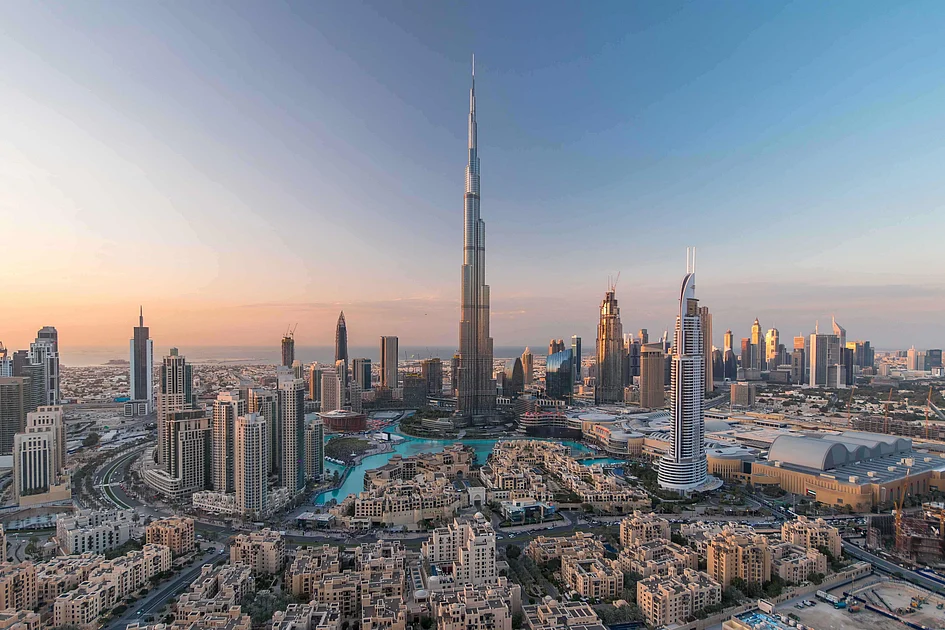
    The United Arab Emirates is experiencing a fundamental transformation in its residential property landscape as growing numbers of renters transition to homeowners, marking a significant shift in housing preferences. According to comprehensive data from Property Finder, the market is witnessing sustained buyer momentum across both Abu Dhabi and Dubai, with platform activity throughout 2025 indicating a decisive move toward property ownership over traditional leasing arrangements.

    The digital real estate portal’s bi-monthly consumer sentiment survey reveals that approximately 70% of Dubai respondents intend to purchase property within the next six months. This substantial buyer interest continues to outpace rental demand, with sales listing impressions accounting for 49% of all platform activity. Abu Dhabi has similarly demonstrated a pronounced year-on-year increase in sales-focused searches, indicating parallel trends in the capital emirate.

    Multiple factors are driving this paradigm shift. Long-term residency policies, ownership-linked visa programs, and targeted initiatives such as the First-Time Home Buyer Programme have collectively enabled thousands of residents to enter the property market within the past year. First-time purchasers have emerged as crucial demand drivers, while existing homeowners are increasingly upgrading to larger, higher-quality properties as confidence in permanent settlement strengthens.

    This growing confidence is quantitatively reflected in buyer financial behavior. Home-seekers are now allocating 31% of their income toward mortgage payments in 2025, a significant increase from 23% recorded in 2024. Market preferences show a clear inclination toward premium, spacious residences despite higher financial commitments.

    While apartments continue to dominate transaction volumes due to broader availability and affordability considerations, villas—constrained by limited inventory—have demonstrated stronger price appreciation. In Abu Dhabi, apartments remain the most sought-after residential format, accounting for most transactions amid healthy supply across various locations and price segments. However, the villa market shows distinct upscaling trends, with larger family homes representing a growing transaction share.

    Established communities including Downtown Dubai, Dubai Marina, Palm Jumeirah, Business Bay, JVC, JBR, and Dubai Hills Estate maintained popularity throughout 2025. Off-plan developments such as Dubai Islands and Maritime City attracted substantial interest, particularly for luxury and waterfront properties.

    Industry experts identify the 25-35 age demographic as the next growth engine for the market. Yogesh Bulchandani, CEO & Founder of Sunrise Capital, noted: “We are witnessing a significant influx of young buyers. Dubai’s upcoming phase of real estate growth will hinge on affordability and accessibility.” Ismail Al Hammadi, Founder & CEO of IAH Group, added that property ownership has become integrated into younger generations’ long-term financial planning strategies.

    This collective data indicates the maturation of the UAE’s residential market, where property ownership is increasingly perceived as a comprehensive lifestyle decision rather than purely financial investment.

  • UAE official calls for investing in water amid $7-trillion financing gap

    UAE official calls for investing in water amid $7-trillion financing gap

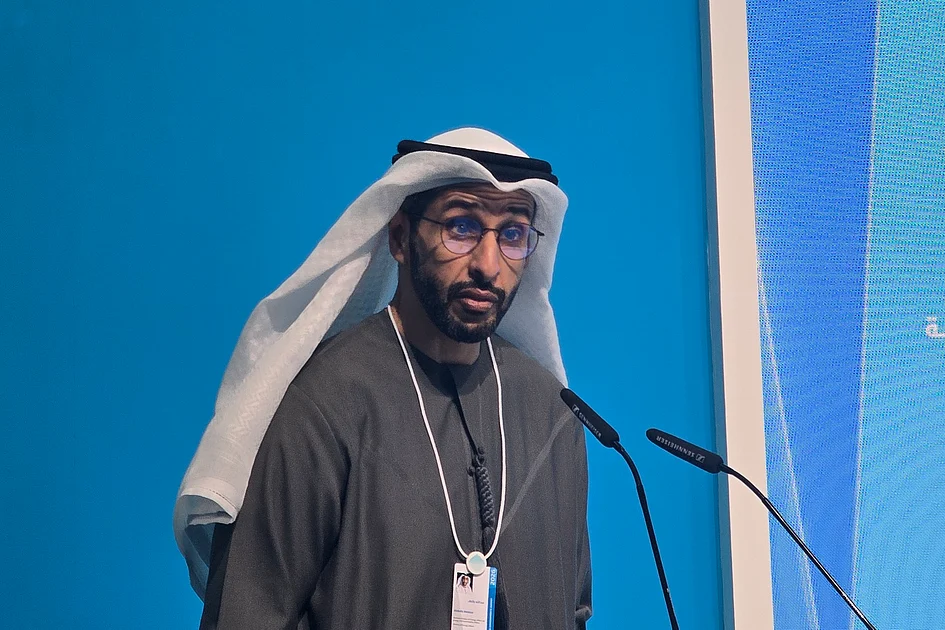
    A senior UAE official has issued a compelling call for increased private investment in global water infrastructure, highlighting a critical $7 trillion financing gap that threatens water security worldwide. Abdulla Balalaa, Assistant Minister for Energy and Sustainability at the UAE Ministry of Foreign Affairs, addressed the pressing issue during the World Governments Summit, emphasizing that international financial institutions have consistently overlooked water as a profitable investment opportunity.

    Balalaa presented a stark reality: while water represents an essential lifeline and reliable investment vehicle, more than 90% of current funding originates from public sources. This creates an unsustainable model for addressing the world’s growing water infrastructure needs. According to a December 2025 World Economic Forum report, this massive financing shortfall could leave billions vulnerable to outdated water systems by 2040.

    The UAE official positioned this challenge as a significant opportunity for sovereign wealth funds and private investors. He highlighted the UAE’s business-friendly policies, transparent regulatory processes, and expanding market as ideal conditions for water sector investments. Balalaa made these remarks during a panel discussion previewing the upcoming UN Water Conference, which the UAE will co-host with Senegal in Abu Dhabi from December 2-4, 2026.

    This third edition of the UN Water Conference will address Sustainable Development Goals related to water security, climate challenges, and infrastructure development. The UAE’s active role in hosting this international gathering underscores its strategic pivot toward positioning water security as both an economic opportunity and global priority, particularly for nations facing water scarcity challenges.

  • Turkey secures $2bn Saudi solar investment at record‑low power prices

    Turkey secures $2bn Saudi solar investment at record‑low power prices

    In a landmark move to strengthen economic cooperation, Turkey and Saudi Arabia have finalized a major solar energy investment agreement during President Recep Tayyip Erdogan’s official visit to Riyadh. The deal, signed by Turkish Energy Minister Alparslan Bayraktar and Saudi Energy Minister Prince Abdulaziz bin Salman Al Saud, establishes a framework for substantial renewable energy collaboration between the two regional powers.

    The agreement initiates the first phase of a comprehensive 5,000-megawatt solar project, with an initial commitment to develop 2,000 megawatts of solar capacity across two strategic locations in Turkey’s Anatolia region. The solar installations will be constructed in the provinces of Sivas and Karaman, representing approximately $2 billion in foreign direct investment. Turkish officials confirmed that funding will be sourced through a combination of Saudi investment and international financial institutions.

    This partnership achieves a historic milestone in energy economics, securing electricity at an unprecedented rate of 1.995 euro cents per kilowatt-hour for the Taseli project in Karaman. Minister Bayraktar emphasized that this represents the most competitive electricity price ever secured in Turkey, with the fixed-rate contract extending for approximately 25 years. The guaranteed pricing structure will directly benefit Turkish consumers through reduced energy costs.

    The initial phase alone will generate sufficient electricity to power approximately 2.1 million households, significantly contributing to Turkey’s renewable energy objectives. Beyond competitive tenders, Turkish officials indicated they will pursue additional renewable investments through intergovernmental agreements, potentially expanding into innovative energy storage solutions and floating solar projects in subsequent phases.

    This collaboration supports Turkey’s ambitious national energy strategy, which targets 120,000 megawatts of installed solar and wind capacity by 2035. Project timelines indicate construction will commence in 2027, with the first phase becoming fully operational by 2029, and the remaining capacity expected to come online by 2028-2029.

  • BlueChip scam: Founder faces fresh remand as police recover crypto trail from phone

    BlueChip scam: Founder faces fresh remand as police recover crypto trail from phone

    Indian authorities are intensifying their investigation into the massive BlueChip financial scam that defrauded hundreds of UAE residents, with investigators now seeking extended custody of founder Ravindra Nath Soni. The breakthrough came after forensic experts extracted approximately 22GB of crucial digital evidence from Soni’s mobile device, revealing detailed property records, bank account information, and suspected cryptocurrency transactions.

    Kanpur Additional Deputy Commissioner of Police Anjali Vishwakarma, leading the Special Investigation Team, confirmed to Khaleej Times that the recovered data includes wallet screenshots, transaction histories, and encrypted communications vital to mapping the complete money trail. “We have recovered important digital material from the phone, including evidence linked to assets, financial accounts and cryptocurrency-related trails,” Vishwakarma stated.

    The investigation has revealed that just before the company’s abrupt collapse in March 2024, Soni transferred approximately $41.35 million to an unidentified cryptocurrency wallet. Current estimates place the total fraud at around Rs 1,500 crore (approximately Dh612 million), though authorities acknowledge this figure may increase as more international victims come forward.

    BlueChip, which operated from Bur Dubai, had promised investors monthly returns of about 3% before ceasing operations overnight. The company’s sudden closure was first reported by Khaleej Times, triggering a cross-border investigation that has since registered 24 formal cases, many initiated by UAE-based investors who traveled to India to provide statements.

    Soni was apprehended on November 30, 2025, after police tracked a food delivery order to his hideout in Dehradun, located in the Himalayan foothills of northern India. Despite the mounting evidence, Soni continues to maintain his innocence according to investigating officials.

    The Special Investigation Team is now pursuing at least an additional week of custodial interrogation to unravel the complex transaction structures and identify overseas connections. Investigators have also discovered several new phone numbers during their analysis, which are currently being verified as part of the expanding international probe.

  • Maradiva: Redefining Mauritian luxury through space, privacy and human connection

    Maradiva: Redefining Mauritian luxury through space, privacy and human connection

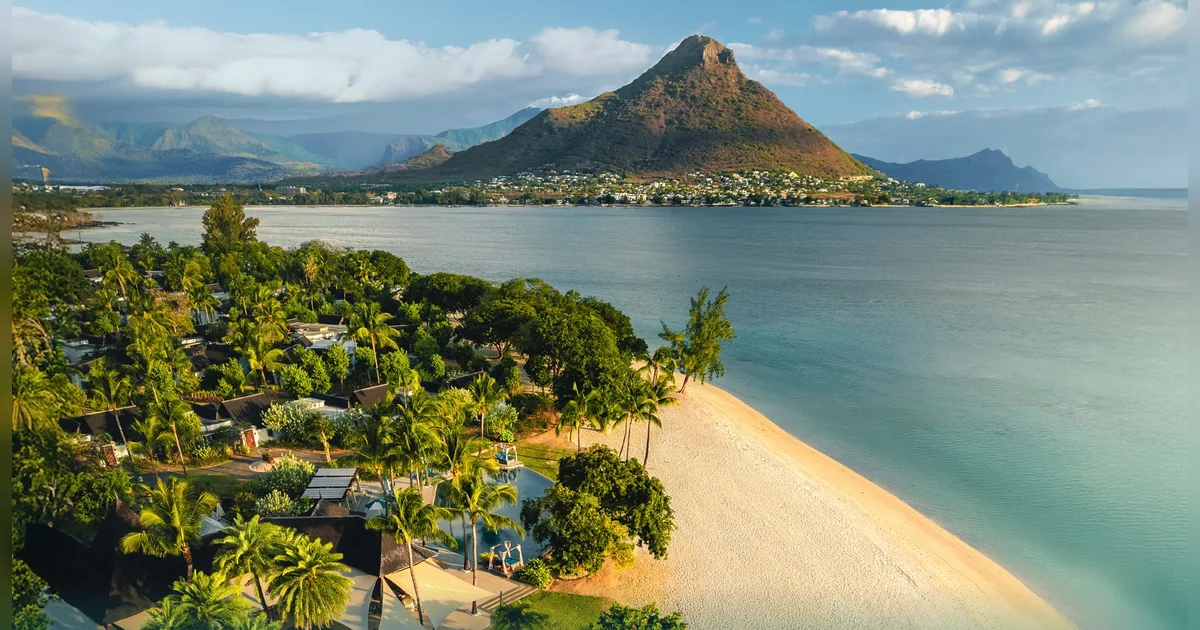
    Nestled along the sun-kissed western coastline of Mauritius, where Tamarin Bay’s azure waters meet dramatic mountain vistas, Maradiva Villas Resort & Spa has emerged as a paradigm of refined luxury hospitality. Together with its sister property, Sands Suites Resort & Spa, this family-owned group has redefined premium tourism through a distinctive philosophy centered on space, privacy, and genuine human connections.

    The hospitality group traces its origins to the unwavering vision of late founder Sir Kailash Ramdanee, who defied conventional industry wisdom by launching directly into the luxury segment. His son and current CEO Sanjiv Kailash Ramdanee recounts how this bold approach materialized with the 2001 debut of Sands Suites, an all-suite establishment that quickly achieved approximately 90% annual occupancy through its exceptional service standards and prime beachfront location.

    Maradiva, established in 2004 and rebranded in 2009, represents an even more exclusive offering with its nomenclature blending Latin and Greek to signify ‘divine sea.’ The property features merely 64 private pool villas along a pristine kilometer-long beach, with entry-level accommodations spanning 165 square meters – the most spacious in their category across Mauritius. Each villa includes a heated private pool and approximately 16 meters of exclusive beach frontage, creating an atmosphere of absolute seclusion particularly appealing to discerning travelers from Gulf regions.

    The group has strategically positioned Mauritius as a premium Indian Ocean destination through high-profile international appearances at events including the Golden Globes, Royal Ascot, Cannes Film Festival, and elite polo tournaments. Domestically, the resorts support cultural initiatives like the Mauritius Classic Car Tour and host an Artist-in-Residence program that invites international creatives to draw inspiration from the island’s natural beauty.

    Personalization forms the cornerstone of the guest experience, facilitated by Clefs d’Or concierges who craft bespoke itineraries reflecting individual preferences. As an independently operated Mauritian enterprise, the group celebrates the island’s multicultural identity through intimate celebrations of Holi, Diwali, Eid, and Chinese New Year festivals.

    Wellness offerings adopt an equally personalized approach, featuring an on-site Ayurvedic doctor who provides tailored guidance without restrictive regimens. The 1,250-square-meter spa complex, combined with the resort’s expansive layout and tranquil atmosphere, creates an environment where wellbeing develops organically. The management emphasizes transformative human connections, citing examples where personalized natural treatments have produced remarkable guest recoveries.

    Service excellence stems from an internal culture that prioritizes continuous international training and firsthand exposure to global hospitality standards. The CEO’s office is strategically situated near staff areas to reinforce familial ethos, while team members receive opportunities to experience world-class service abroad, returning with inspiration that permeates the entire organization.

    Environmental sustainability receives serious commitment, with only one-third of Maradiva’s 27-acre estate developed and lush gardens featuring endemic plants that support local biodiversity. The resort has eliminated single-use plastics, operates its own sewage treatment facility, and implements research-backed ecological solutions appropriate for island ecosystems.

    With Sands Suites scheduled for comprehensive renovation in the coming year and new branded residences in development, the group continues its evolution while maintaining its foundational principles. The essence of luxury, as defined by the management, transcends physical space and privacy to encompass meaningful human experiences that resonate long after departure, establishing Mauritius as a destination of authentic refinement and discreet five-star hospitality.

  • Mauritius: Expanding its horizons with the UAE

    Mauritius: Expanding its horizons with the UAE

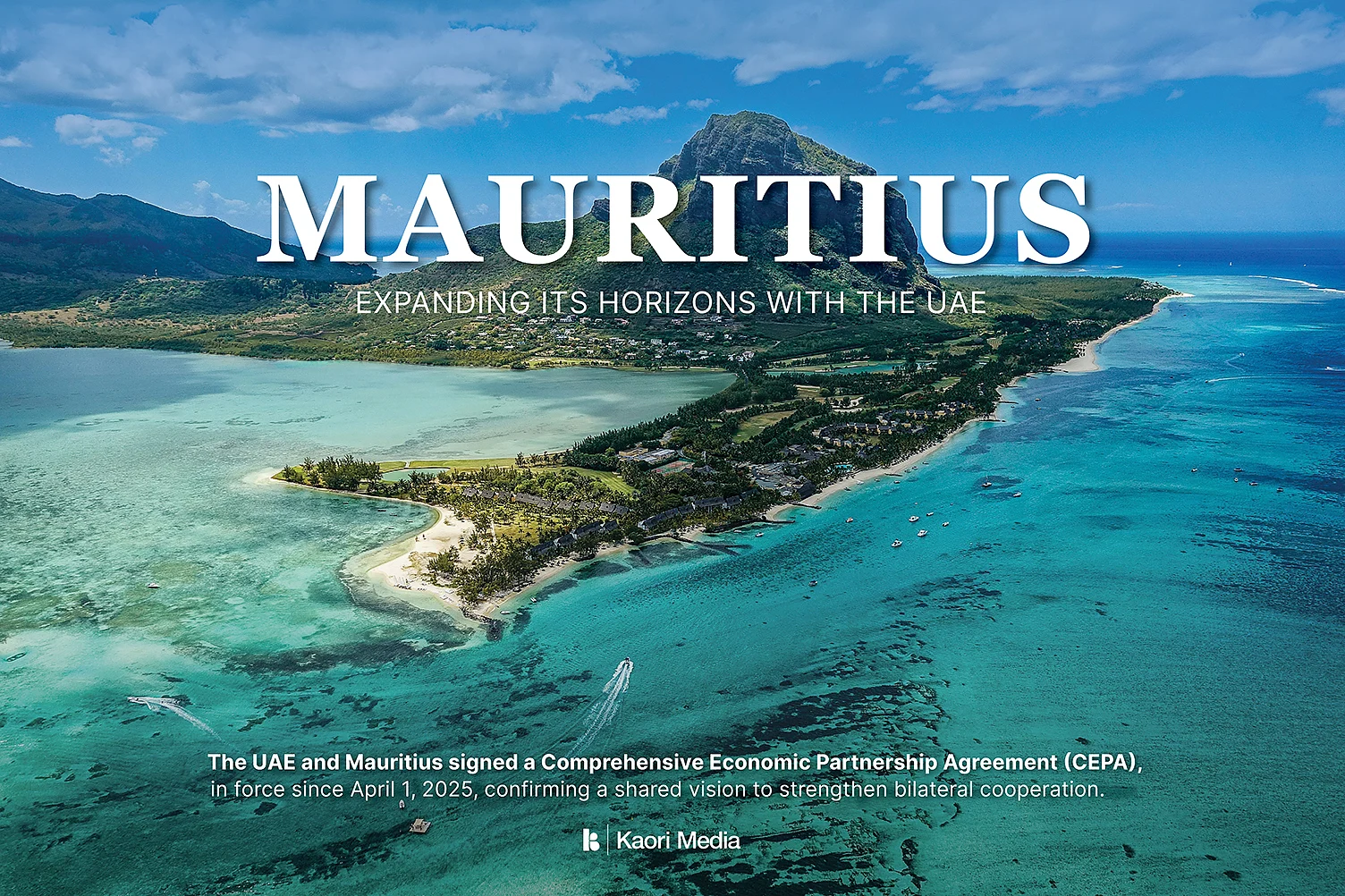
    Mauritius has strategically transformed from a luxury tourism destination into Africa’s premier investment and financial hub, achieving this remarkable evolution through visionary policy-making, strategic alliances, and an advanced financial services ecosystem. The island nation now solidifies its position as a crucial international financial center connecting Africa, the Gulf, and Asian markets.

    The implementation of the UAE-Mauritius Comprehensive Economic Partnership Agreement (CEPA) on April 1, 2025, represents a groundbreaking development in interregional economic relations. As the UAE’s first African CEPA partner, Mauritius establishes a precedent for Gulf-African cooperation, facilitating enhanced economic integration across trade, investment, finance, tourism, and technology sectors.

    Guiding this transformation is Vision 2050, Mauritius’s dynamic national roadmap designed to elevate the country to advanced economy status by mid-century. This living framework adapts to global uncertainties, technological disruptions, and climate challenges while prioritizing future-oriented sectors including artificial intelligence, fintech, digital services, medical sciences, and renewable energy. The strategy emphasizes governance excellence, skills development, social inclusion, and fiscal sustainability to ensure competitive, resilient, and inclusive economic progress.

    The CEPA agreement is projected to more than double non-oil bilateral trade from $210 million to $500 million within five years. Mauritius will eliminate 99% of tariffs on UAE imports, while the UAE will remove 97% overall, dramatically improving market access for goods and services. Beyond tariff reductions, the partnership enhances cooperation in investment facilitation, digital trade, logistics, and technology exchange.

    Financial services remain fundamental to Mauritius’s economy, contributing over 13% of GDP and maintaining the island’s status as an international financial center. The jurisdiction offers a robust regulatory framework, a hybrid legal system combining Common Law and Civil Law traditions, and an extensive network of double taxation avoidance agreements with more than 40 countries. Ongoing reforms and digitalization initiatives strengthen investor confidence while the ecosystem evolves toward higher-value activities including fund management, fintech, sustainable finance, and cross-border investment structuring.

    While tourism remains vital with 1.44 million visitors generating $2.1 billion in revenues during 2025, Mauritius is strategically diversifying into luxury hospitality, wellness tourism, eco-tourism, renewable energy, smart agriculture, aquaculture, life sciences, and advanced manufacturing. This multi-sector approach enhances economic resilience while supporting climate and food security objectives.

    With exceptional air connectivity, cultural openness, bilingual business environments, and a skilled workforce, Mauritius offers Gulf investors an unparalleled combination of stability, sophistication, and regional access. The country’s Indian Ocean location, legal certainty, and international partnerships position it as the natural bridge between the UAE, Africa, and global markets, redefining itself as both a premium destination and compelling investment platform for Gulf-African economic collaboration.

  • Mauritius’ most exclusive hotel-serviced penthouses for global investors

    Mauritius’ most exclusive hotel-serviced penthouses for global investors

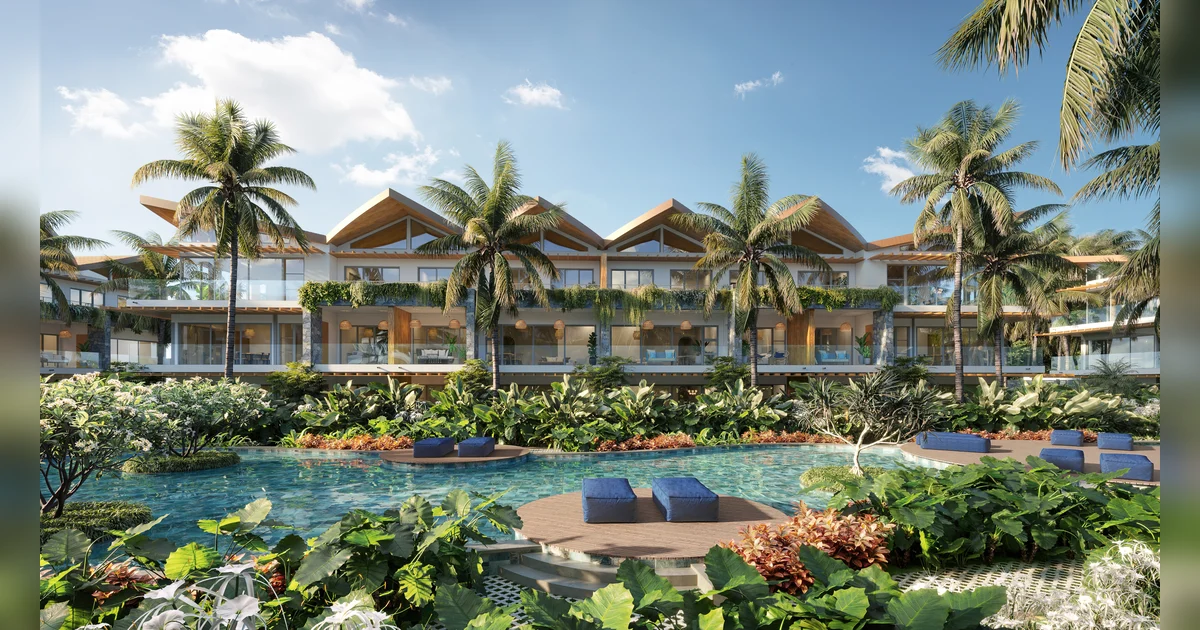
    In an exceptional real estate offering, only two hotel-serviced penthouses remain available at Mauritius’ prestigious La Pirogue Residences, creating a scarcity-driven investment opportunity for global investors. These exclusive beachfront properties combine five-star resort living with professionally managed rental returns in one of the Indian Ocean’s most sought-after destinations.

    Positioned along Mauritius’ pristine natural beaches renowned for spectacular sunsets, these penthouses represent more than mere residential assets—they embody a lifestyle statement of success and luxury. The development’s extreme scarcity has created a closing window for acquisition, making this the definitive moment for discerning investors to secure a high-value paradise asset.

    Owners gain access to the extensive services and amenities of the adjacent La Pirogue and Sugar Beach resorts, transforming property ownership into a perpetual luxury holiday experience. Beyond the stunning architectural design and meticulous finishes, the core benefit remains the assurance of effortless, five-star living managed by hospitality professionals.

    The investment proposition is strengthened through a professionally managed rental pool program that handles all aspects of marketing, booking, and guest services. This structure ensures maximum occupancy and optimized returns without day-to-day management burdens, providing investors with a seamless path to passive income through a transparent and profitable system.

    Development firm 2Futures, recognized as one of Mauritius’ most reputable property developers, backs the project with a proven track record of delivering high-quality, high-return luxury real estate. Their legacy of trust and excellence provides investors with confidence in both the asset quality and long-term value proposition.

    This opportunity represents more than financial investment—it offers a legacy position in one of the world’s most desirable tropical destinations. Interested parties must act immediately to secure one of the final two remaining penthouses through the provided sales contacts.

  • Strategy Symposium in Abu Dhabi explores the GCC’s rise as a global capital hub

    Strategy Symposium in Abu Dhabi explores the GCC’s rise as a global capital hub

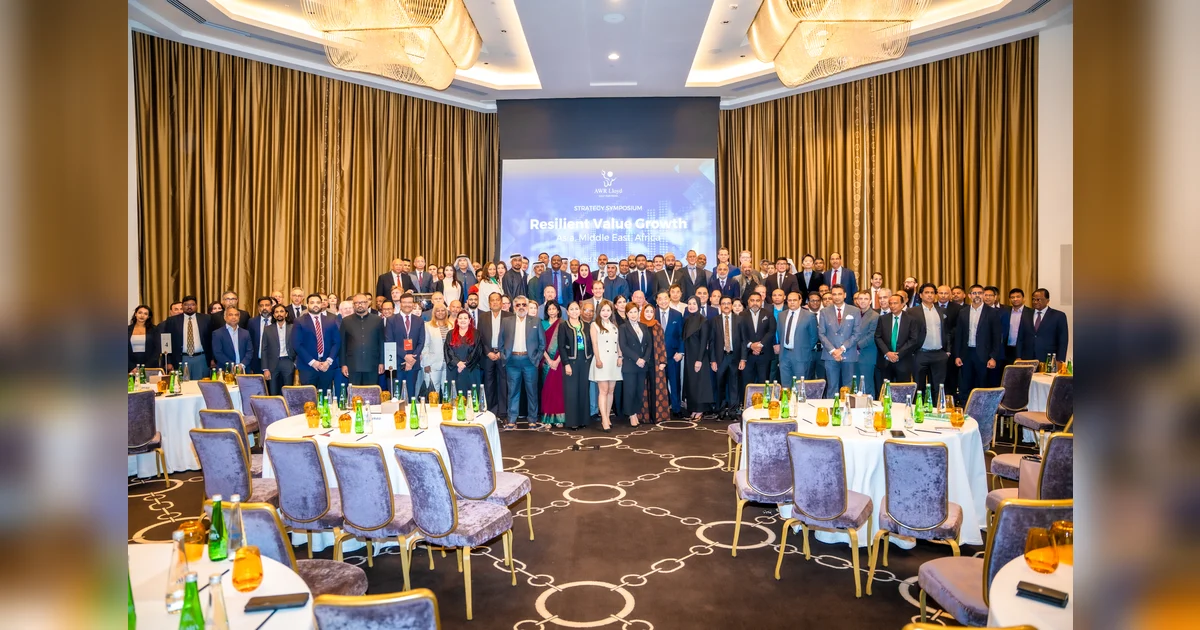
    Abu Dhabi has positioned itself at the forefront of global financial discourse with the successful conclusion of the inaugural Strategy Symposium hosted by AWR Lloyd Gulf Partners Consultancy LLC. The high-level gathering, held at the Four Seasons Hotel on January 22, brought together senior investors, corporate leaders, policymakers, and sector specialists to examine the Gulf Cooperation Council’s (GCC) accelerating transformation into a global capital nexus.

    The symposium, operating under the theme “Resilient Value Growth in Asia, the Middle East and Africa,” featured two intensive sessions that explored critical aspects of regional economic development. The opening discussion, titled “The GCC Nexus: Connecting Global Capital for Investment and M&A across Asia, the Middle East and Africa,” analyzed the region’s evolving role as a conduit for international capital flows. Distinguished panelists including Kamal Rungta, president of Globalscope Partners, and representatives from leading Gulf energy corporations and Africa-focused private equity firms examined the strategic considerations shaping cross-regional investment activities.

    The subsequent session, “Realism and Resiliency: Sustainable Value and the Energy Transition,” addressed the complex challenges of developing strategies that deliver sustainable shareholder value while navigating geopolitical volatility, economic disruptions, and rapid technological change. Esteemed participants included former CEOs of major Asia-Pacific energy conglomerates, chief analysts from London-based risk consultancies, and managing directors of clean energy technology ventures.

    Alexander Wood, Group CEO of AWR Lloyd, emphasized the GCC’s established position as “the undisputed global capital of sovereign wealth” while highlighting significant potential for expansion into family offices, private equity, hedge funds, and alternative assets. “Strong connectivity with Asia and Africa, combined with increasingly favourable regulatory frameworks, are key enablers of this shift,” Wood noted, suggesting the potential development of “a trans-regional network of exchanges for emerging and frontier markets across the Eastern Hemisphere, with the Gulf as the pivotal hub.”

    Mehdi Sethom, CEO of AWR Lloyd Gulf Partners, underscored the symposium’s value in addressing the complexities GCC entities face when pursuing investments and acquisitions across diverse markets. The presence of Siraj Holding leadership, including Chairman Ahmed Bin Khalaf Al-Otaiba and Group CEO Mohamed Rusan Fyroze, demonstrated the organization’s commitment to fostering high-level dialogue around capital formation and cross-regional investment strategies.

    The event reinforced Abu Dhabi’s growing significance as a center for strategic financial collaboration, supporting long-term value creation and sustainable growth across three continents while establishing new paradigms for global capital deployment in an era of economic uncertainty.

  • EB-5 investment pathway tightens as key U.S. immigration deadlines approach

    EB-5 investment pathway tightens as key U.S. immigration deadlines approach

    With key legislative deadlines approaching, the EB-5 Immigrant Investor Program is undergoing significant transformations that will impact investment thresholds and processing protections. The United Arab Emirates has emerged as a pivotal hub for this activity, with growing interest from GCC expatriates seeking long-term residency solutions, educational access, and eventual citizenship pathways for their families.

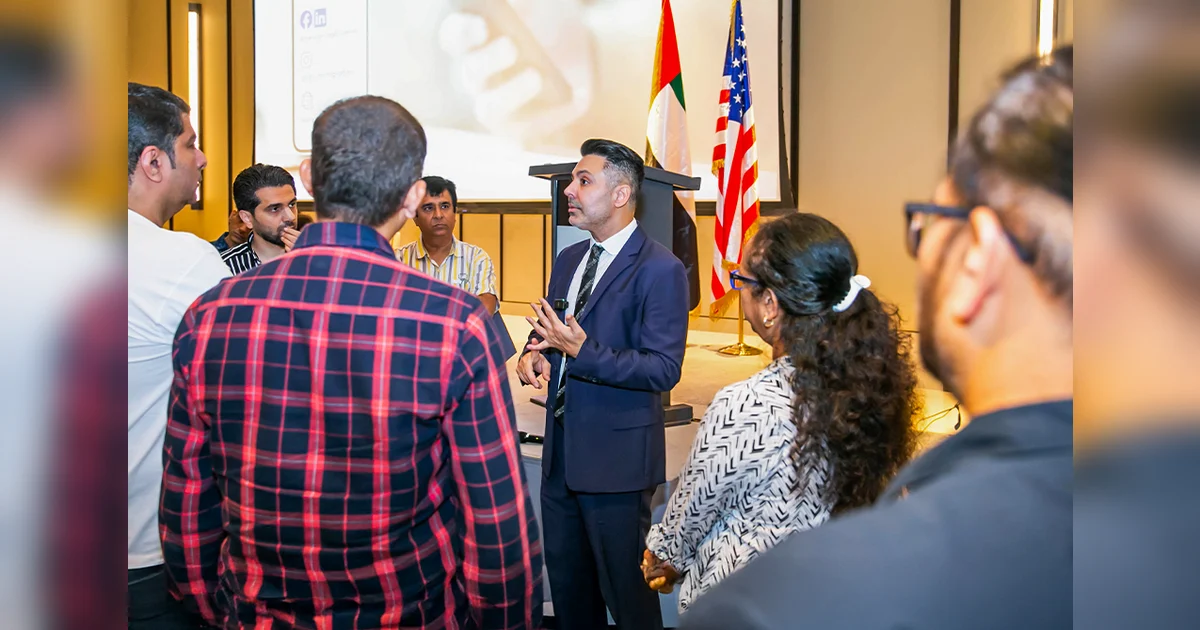
    The American Legal Center is addressing this heightened demand through an ongoing series of educational seminars across the UAE. Conducted by U.S.-licensed attorneys, these sessions provide crucial guidance on navigating the program’s increasing regulatory complexity. The initiative continues through September 2026, offering multiple engagement opportunities for prospective investors.

    An upcoming seminar scheduled for February 8, 2026, at The Westin Hotel Mina Seyahi in Dubai will specifically address tightening immigration timelines and strategic considerations surrounding critical statutory deadlines. The session will emphasize the September 30, 2026 cutoff established under the EB-5 Reform and Integrity Act, which guarantees grandfathering protections for applications submitted before this date, ensuring continued processing regardless of future legislative changes.

    Additionally, participants will receive updates on scheduled investment threshold increases. The current minimum investment of $800,000 is expected to rise effective January 1, 2027, though exact figures remain unpublished. This anticipated increase underscores the financial implications of delayed decision-making for UAE-based investors.

    Shai Zamanian of The American Legal Center emphasized the narrowing window for action: ‘Well-prepared applicants still have opportunities within the current framework, but compressed timelines make early legal assessment increasingly critical.’

    The complimentary seminars feature limited seating. UAE residents may register by contacting The American Legal Center directly at +971 52 446 6095.