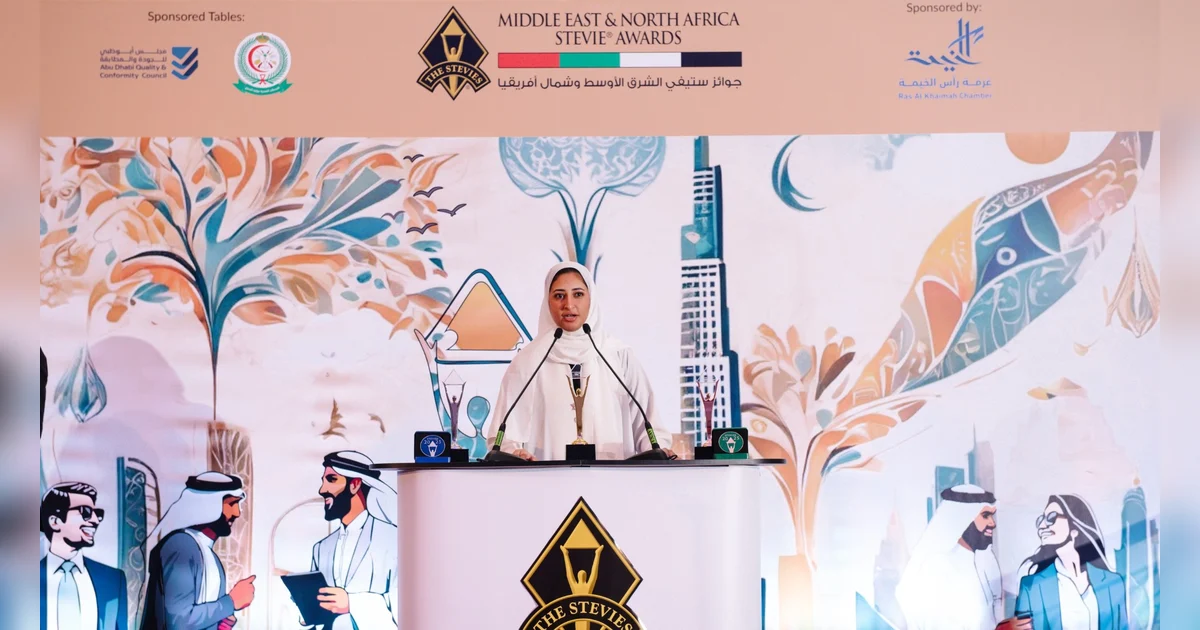
The Stevie® Awards, renowned for hosting the world’s premier business awards programs, has officially opened submissions for the 2026 Middle East & North Africa (MENA) Stevie Awards. This seventh annual edition, presented in collaboration with the RAK Chamber of Commerce & Industry, celebrates innovation in the workplace across 18 MENA nations, including Algeria, Bahrain, Egypt, Iran, Iraq, Jordan, Kuwait, Lebanon, Morocco, Oman, Palestine, Qatar, Saudi Arabia, Syria, Tunisia, Türkiye, the United Arab Emirates, and Yemen. The awards are open to all organizations—public or private, for-profit or non-profit, large or small—with no entry fees required. Winners of Gold, Silver, and Bronze awards may opt to pay a nominal fee to maintain their winner status. Nominations can be submitted online through two deadlines: December 3, 2025, for reduced winners’ fees, and January 21, 2026, as the final deadline. Winners will be announced on April 16, 2026, and honored at a gala event on May 14, 2026, at the InterContinental Hotel in Istanbul, Türkiye. The 2026 competition introduces new categories, such as AI Innovation Awards and Public Sector Innovators, reflecting the region’s rapid advancements in technology and modernization. Maggie Miller, President of the Stevie Awards, emphasized the program’s role as a leading platform for showcasing business excellence and innovation. A new website and entry system have been launched to streamline participation, offering multilingual support and seamless nomination management. The 2025 winners included prominent organizations like Abu Dhabi Customs, Deloitte & Touche, and Saudi Aramco, among others. Over 150 global professionals will judge the 2026 entries. For more details, visit: https://mena.stevieawards.com/Judges/you-be-the-judge.
分类: business
-

China’s Singles’ Day online shopping bonanza’s sales slow as shoppers opt for more affordable deals
China’s Singles’ Day, the nation’s largest online shopping festival, recorded a 17.6% increase in sales this year, reaching an estimated 1.7 trillion yuan ($238 billion). However, the growth rate slowed compared to previous years, reflecting cautious consumer spending amid economic headwinds. The prolonged property market slump, stagnant wages, and high youth unemployment have led shoppers to prioritize affordability over extravagance.
-
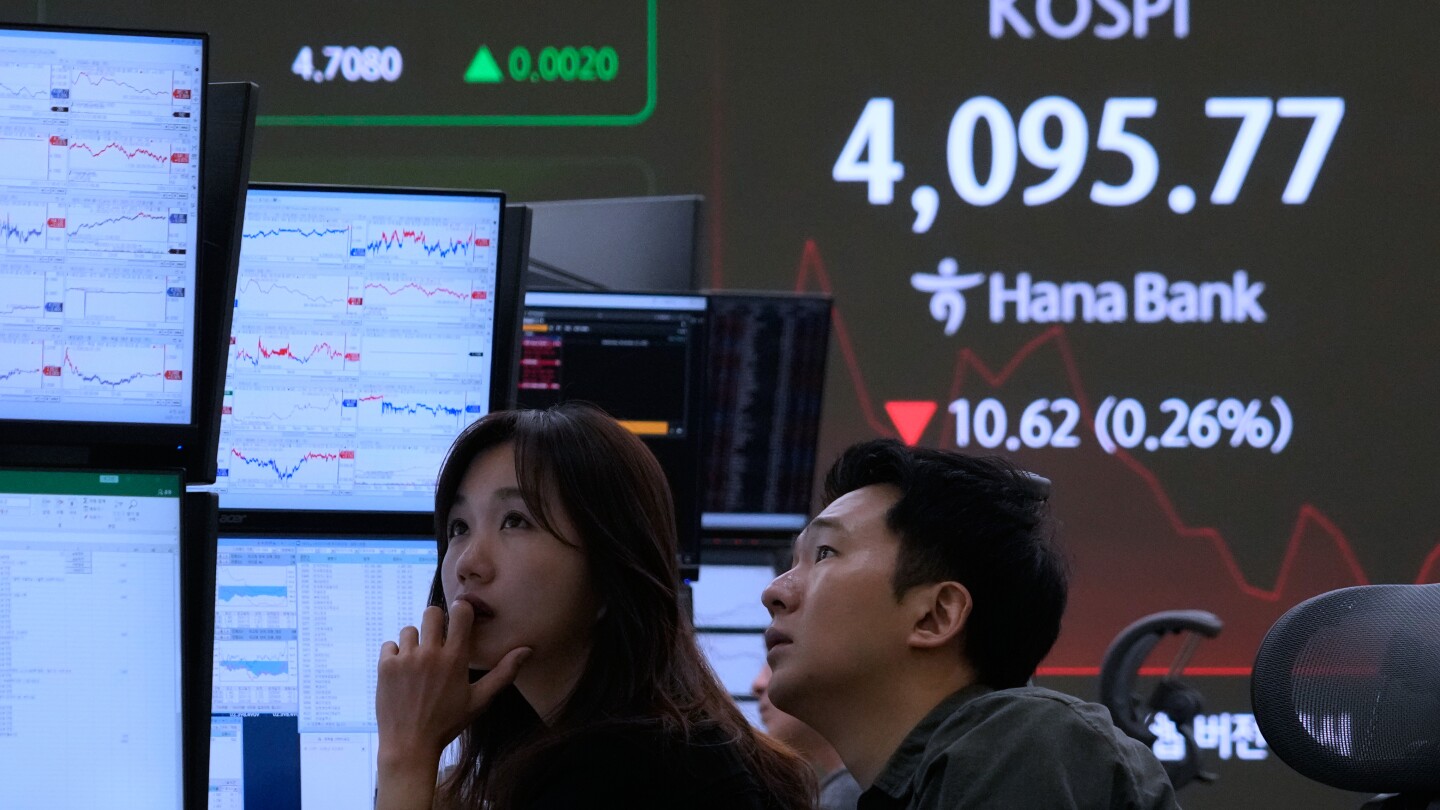
Global shares advance after the Dow hits a fresh record
Global stock markets experienced a broad-based rally on Wednesday, with European and Asian indices climbing higher following a record-breaking performance by the Dow Jones Industrial Average. The resurgence in technology stocks, particularly those tied to artificial intelligence (AI), has fueled investor optimism after last week’s volatility. In Europe, France’s CAC 40 rose 0.5% to 8,193.98, while Germany’s DAX surged nearly 1.1% to 24,357.28. The UK’s FTSE 100 edged up 0.1% to 9,906.82. Futures for the S&P 500 and Dow Jones also indicated positive momentum, gaining 0.4% and 0.2%, respectively. In Asia, Japan’s Nikkei 225 advanced 0.4% to close at 51,063.31, despite SoftBank Group’s shares dropping 3.5% after the company disclosed the sale of its entire $5.83 billion stake in Nvidia, a leading AI chipmaker. Hong Kong’s Hang Seng rose 0.9%, while the Shanghai Composite remained nearly flat. The U.S. bond market was closed for Veterans Day, and concerns persist over the Federal Reserve’s ability to navigate economic challenges amid a government shutdown that has delayed critical economic data. Meanwhile, oil prices dipped slightly, with U.S. crude falling to $60.70 a barrel and Brent crude dropping to $64.85. The U.S. dollar strengthened against the Japanese yen but weakened slightly against the euro.
-

FTSE 100 closes at record high on rate cut bets; AstraZeneca shines
The FTSE 100 index soared to a record high for the second consecutive session on Tuesday, driven by growing expectations of a Bank of England (BoE) rate cut in December and a stellar performance by pharmaceutical giant AstraZeneca. The blue-chip index closed up 1.2% at 9,899.6 points, while the mid-cap FTSE 250 also saw gains of 0.8%. AstraZeneca, Britain’s largest listed company by market value, surged 2.6%, extending its momentum from last week’s impressive quarterly results. The optimism for a rate cut was fueled by recent labor market data showing unemployment in the UK rising to 5%, the highest level in four years, alongside a continued slowdown in wage growth. Deutsche Bank’s chief economist, Sanjay Raja, noted that the cooling labor market and decelerating pay momentum should encourage the BoE’s Monetary Policy Committee to consider easing rates. In the currency market, the pound initially dipped against the dollar but later stabilized. The pharmaceutical and healthcare sectors were among the top performers, with GSK and Haleon rising 3% and 3.2%, respectively. Energy companies also saw gains, with Shell and BP climbing 2.2% and 2.6%, supported by higher oil prices due to U.S. sanctions on Russian oil. Vodafone surged 8.3% to a two-year high after raising its annual profit forecast and increasing dividends for the first time in eight years. Oxford Instruments, a scientific tools maker, experienced its largest single-day gain in nearly four years, soaring 14.9%. However, not all companies fared well; Hilton Food plummeted 22.7% to a decade-low after warning of challenging profit growth in the upcoming financial year.
-
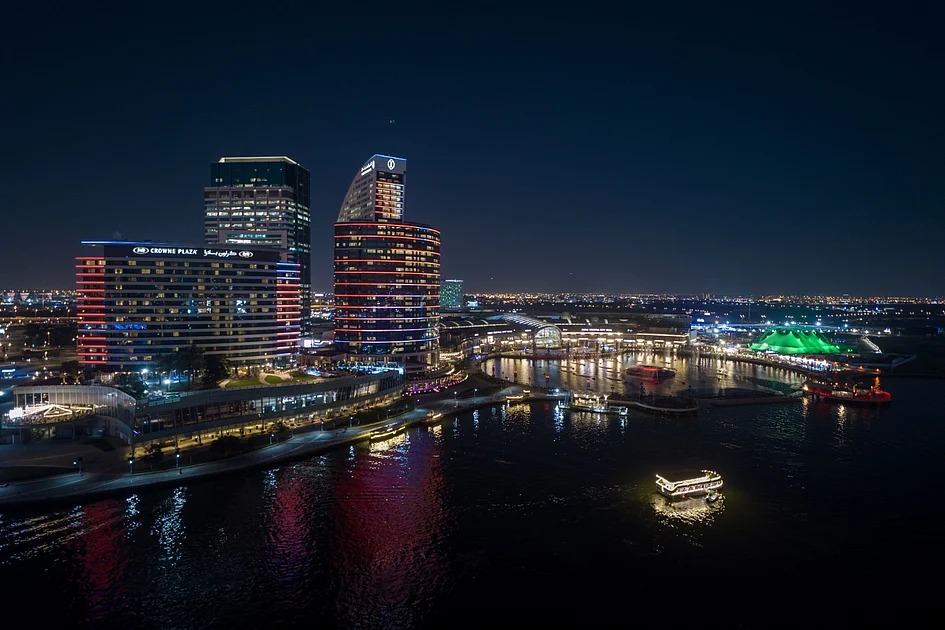
How Dubai’s luxury hotels continue to redefine hospitality
Dubai’s luxury hotels are leading a transformative wave in the hospitality industry, driven by surging travel demand and evolving guest expectations. In 2025, these establishments have not only contributed to the city’s tourism success but have become its driving force. According to recent data from Cavendish Maxwell, five-star hotels in Dubai have shown remarkable growth across all hospitality metrics. Between January and August, the city’s total room supply exceeded 152,000 across over 800 properties, with luxury hotels accounting for more than 54,000 rooms. The average occupancy rate reached 78.5%, solidifying Dubai’s position as a global leader in dynamic and resilient hospitality markets. Beyond the impressive statistics, Dubai’s luxury hotels are redefining the essence of luxury. Today’s guests seek more than opulent rooms and flawless service; they crave meaningful experiences that reflect a sense of place, identity, and purpose. At IHG Hotels in Dubai Festival City, this trend is evident as travelers prioritize authenticity, connection, and thoughtful design alongside comfort and convenience. Dubai’s unique ability to blend scale with soul has transformed its five-star hotels into curators of unforgettable experiences. Guests can seamlessly transition from attending a business conference in the morning to exploring local art in the afternoon and indulging in award-winning dining in the evening. This integration of business, culture, and leisure epitomizes modern hospitality in Dubai. The city’s events landscape has also played a pivotal role in this growth, with international conferences, concerts, and incentive programs driving demand for premium accommodations. Sustainability has emerged as a cornerstone of luxury, with guests increasingly valuing eco-conscious practices. IHG DFC, for instance, emphasizes energy efficiency, responsible sourcing, and community impact. As Dubai’s hospitality sector looks to the future, the five-star segment will remain its foundation. The city’s continued success hinges on balancing innovation with authenticity and technology with the human touch. While guests may initially be drawn to Dubai’s iconic architecture and skyline, it is the enduring sense of belonging and connection that keeps them returning. Dubai has demonstrated that luxury and meaning can coexist, and its mission is to continue crafting experiences that inspire, delight, and leave a lasting impression on every visitor.
-
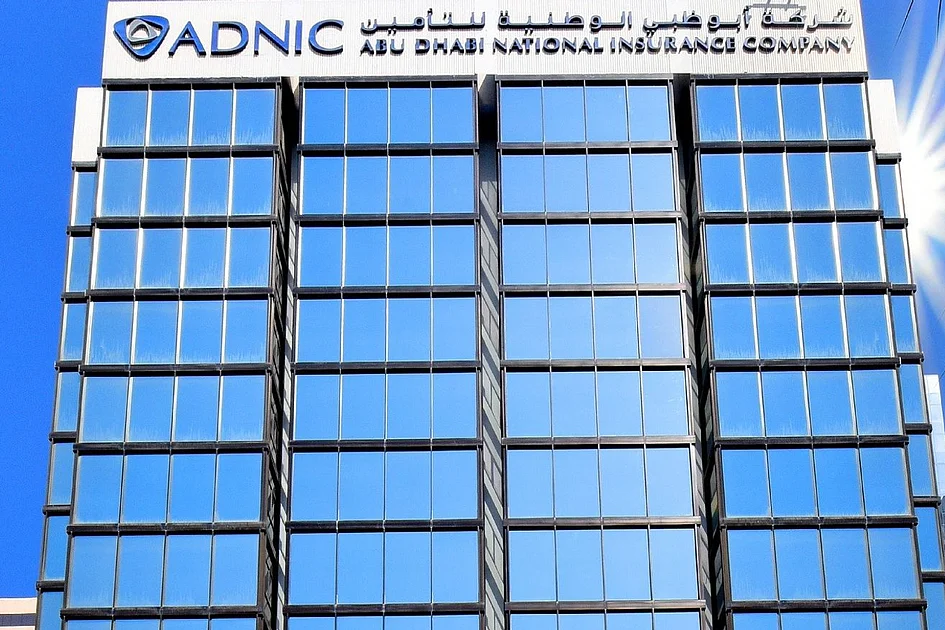
Adnic posts 15% profit surge as strategic partnerships drive growth
Abu Dhabi National Insurance Company (Adnic), a leading multi-line insurer in the UAE, has announced a robust financial performance for the first nine months of 2025, with a 15.3% surge in net profit before tax, reaching Dh395 million. This growth is attributed to the company’s strategic partnerships, operational efficiency, and sustained expansion across its core business segments. Gross written premiums also saw a significant increase of 17.4% year-on-year, totaling Dh7.21 billion, reflecting strong performance across all business lines. Adnic maintained a combined ratio of 93.2%, showcasing its disciplined underwriting practices and operational excellence. A key development during the third quarter was Adnic’s long-term collaboration with Allianz Trade in the Middle East, aimed at enhancing access to Trade Credit Insurance for UAE businesses. This partnership leverages Adnic’s local expertise and Allianz Trade’s global capabilities in credit risk management, enabling businesses to safeguard cash flows, mitigate payment default risks, and pursue growth opportunities with confidence. Aligning with the UAE’s vision for an innovation-driven economy, Adnic has invested in integrating artificial intelligence into its operations to improve efficiency, streamline processes, and elevate customer experience. Additionally, Adnic reinforced its social impact initiatives through a partnership with the Sheikh Zayed Housing Program (SZHP), offering specialized life insurance solutions to eligible UAE nationals, thereby supporting financial security and national housing priorities. Sheikh Mohamed bin Saif Al Nahyan, Chairman of Adnic, emphasized the company’s resilience and commitment to sustainable value creation, stating, ‘Adnic’s strong results reflect our prudent risk management and role as a key enabler of the UAE’s economic growth.’ Charalampos Mylonas, CEO of Adnic, highlighted the company’s focus on innovation and customer-centric growth, noting that the partnership with Allianz Trade and digital transformation efforts have significantly enhanced operational efficiency and customer satisfaction. For the first nine months of 2025, Adnic’s total insurance revenue reached Dh6.1 billion, a 16.1% increase year-on-year, while net insurance service results rose by 23.9% to Dh382.3 million. Investment income also grew by 10.4% to Dh223.3 million, and profit after tax stood at Dh354.7 million. As of 30 September 2025, Adnic’s total assets amounted to Dh10.6 billion, with shareholders’ equity at Dh3.6 billion.
-
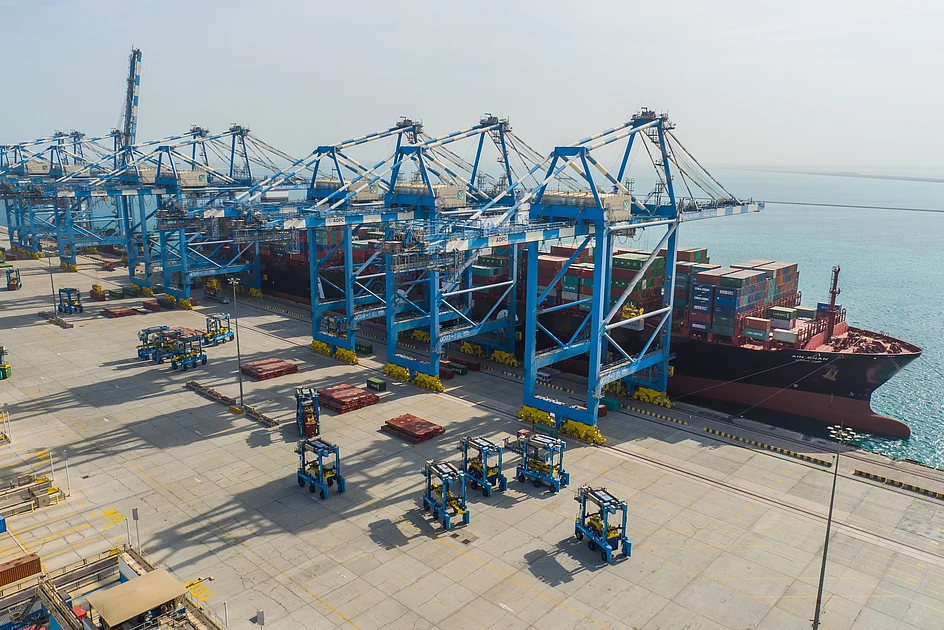
AD Ports group charts course for hybrid human-AI workforce
AD Ports Group, a global leader in trade, logistics, and industry, is spearheading a transformative approach to workforce integration by blending human expertise with artificial intelligence (AI). The company’s recently unveiled blueprint, titled ‘Building Human-AI Teams: AD Ports Group’s Blueprint for Tomorrow’s Workforce,’ outlines a visionary strategy to create a hybrid human-AI workforce. This initiative aims to enhance efficiency, resilience, and sustainable growth across its international operations. The blueprint emphasizes the integration of AI across various organizational layers, including port operations, logistics, finance, human resources, and customer experience. Central to this transformation are agentic AI systems—autonomous digital co-workers designed to handle repetitive, data-intensive, and predictive tasks, thereby freeing human employees to focus on creativity, innovation, and strategic decision-making. Mohamed Jamal-Eddine, Group Chief Information Officer at AD Ports Group, highlights that the future workforce will be defined by synergy between humans and AI, with agentic intelligence playing a pivotal role in learning, adapting, and collaborating. The company’s AI-powered systems are already delivering tangible results, such as the Vessel Speed Optimiser, which achieves 3% fuel savings and a 98% on-time arrival rate, and the Container Balancer, which boosts container utilization by up to 90%. Additionally, the Intelligent Workforce Scheduler has reduced HR processing times by over 90%. Sultan Al Ghaithi, Group Chief Human Resources Officer, underscores the importance of upskilling initiatives to develop AI literacy and digital fluency among employees. AD Ports Group’s approach is not about replacing humans with machines but amplifying human potential by automating routine tasks and enabling higher-value contributions. This forward-looking strategy positions the company at the forefront of the next industrial evolution, demonstrating how human-AI collaboration can drive productivity, innovation, and sustainability in a rapidly changing global landscape.
-
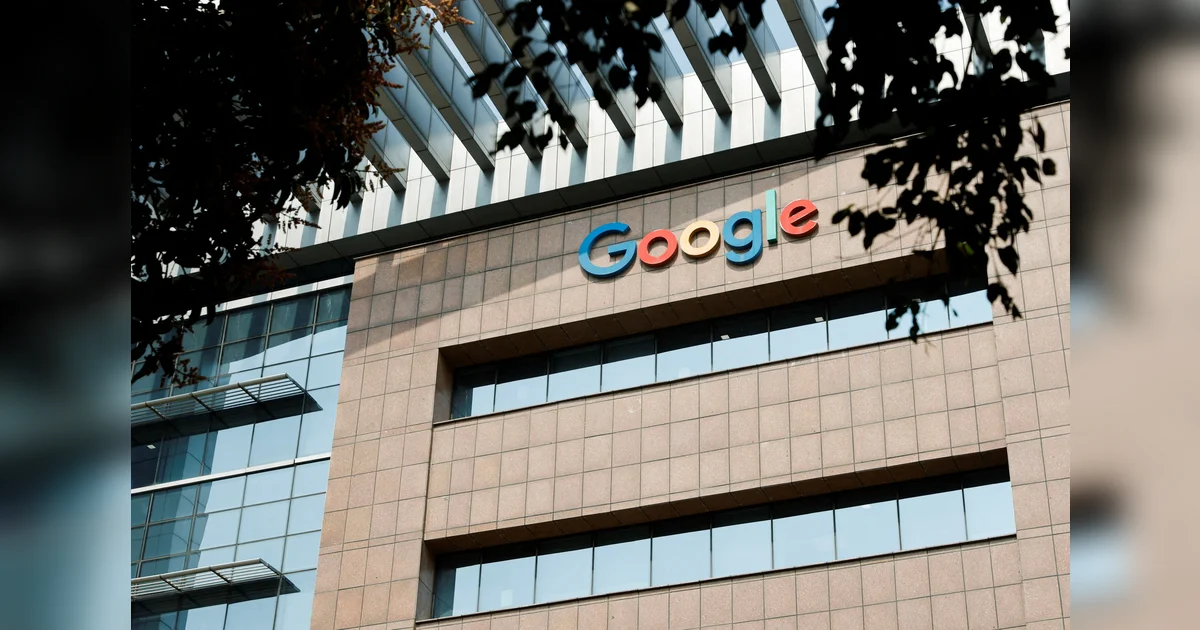
NRI Biz Matters: Google’s multifaceted investments in India to boost digital infrastructure
Google is set to make a transformative investment in India, focusing on enhancing digital infrastructure and accelerating AI-driven innovation. The tech giant’s multifaceted plan includes the development of gigawatt-scale data centers and the establishment of a new international subsea gateway in Visakhapatnam. These initiatives, supported by advanced energy infrastructure, aim to bring cutting-edge technology to enterprises, fostering AI innovation and digital growth across the country. The project is a collaboration with the Adani Group and will feature Tensor Processing Units (TPUs) and Graphics Processing Units (GPUs), significantly boosting compute capacity for deep learning, neural network training, and large-scale AI model inference. This investment is expected to create an ecosystem that accelerates AI solutions in healthcare, logistics, finance, and agriculture, among other sectors. Upon completion, the new data center campus will join Google’s global network of AI data centers spanning 12 countries. The Visakhapatnam subsea gateway will connect to Google’s extensive terrestrial and subsea cable network, positioning the city as a global AI hub. Analysts predict this initiative will generate substantial economic and societal opportunities for both India and the United States, marking a generational leap in AI capabilities. Additionally, the hub will deliver high-performance, low-latency services, enabling organizations to scale their AI-powered solutions and accelerate research and development. In parallel, India is addressing the rise in cybercrime and bank frauds through initiatives like the Indian Cyber Crime Coordination Centre and the use of MuleHunter.AI to detect and monitor mule accounts. The Reserve Bank of India is also developing a digital payments intelligence platform to strengthen risk management in the banking system.
-
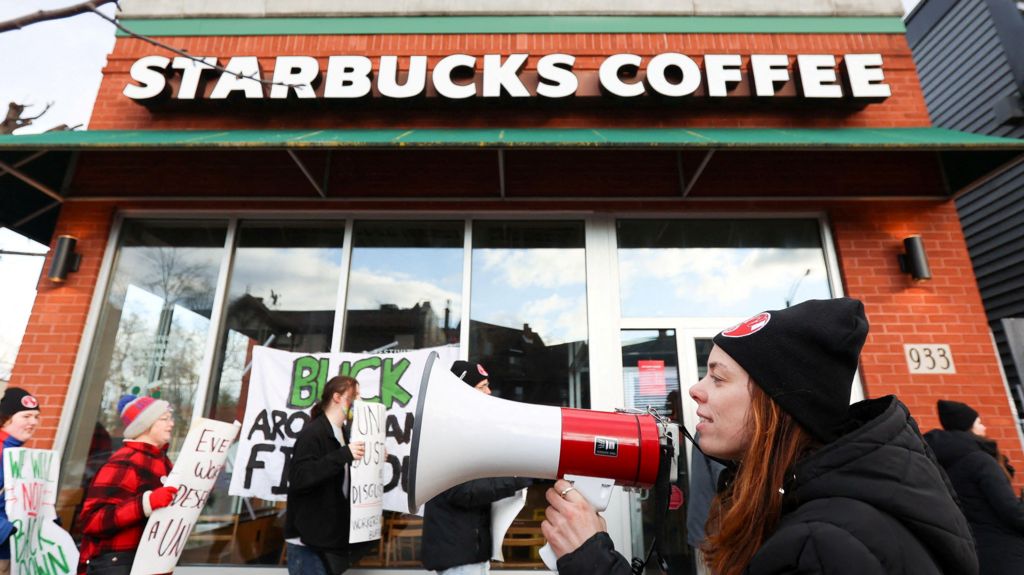
Starbucks’ baristas are striking again – will that hold back the chain’s recovery?
Starbucks, the global coffeehouse giant, is navigating a challenging period as it attempts to revive its brand while grappling with ongoing labor disputes. On November 17, 2022, unionized baristas staged a one-day strike across multiple U.S. cities, demanding better pay and increased staffing. This marked the third major strike since the formation of Starbucks Workers United four years ago. The union, representing employees at over 600 stores, claims that recent turnaround policies have exacerbated workloads, making it increasingly difficult for baristas to perform their duties. Michelle Eisen, a union spokesperson and former barista, emphasized the toll these changes have taken on workers, stating, ‘You should not be evolving to the point of running your workers to the ground.’ Despite Starbucks’ assurance that the strike would not disrupt the ‘vast majority’ of its 10,000+ company-operated stores, the timing of the protest—coinciding with the high-profile Red Cup Day—threatens to draw unwanted attention to the company. Starbucks has been striving to reconnect with its coffeehouse roots, reintroducing ceramic mugs and handwritten notes, while investing $500 million in staffing and training improvements. However, progress has been slow, with U.S. sales remaining flat despite a 1% global growth in same-store sales last quarter. The company’s labor tensions have persisted, with union leaders accusing Starbucks of stalling contract negotiations and offering inadequate pay raises. Starbucks, in turn, blames the union for the impasse, arguing that their demands would disrupt operations. Analysts warn that the ongoing standoff poses both operational and reputational risks, as Starbucks’ brand strength has already declined in recent years. The situation underscores the broader challenge of balancing customer satisfaction with employee well-being, a critical factor in the company’s long-term success.
-
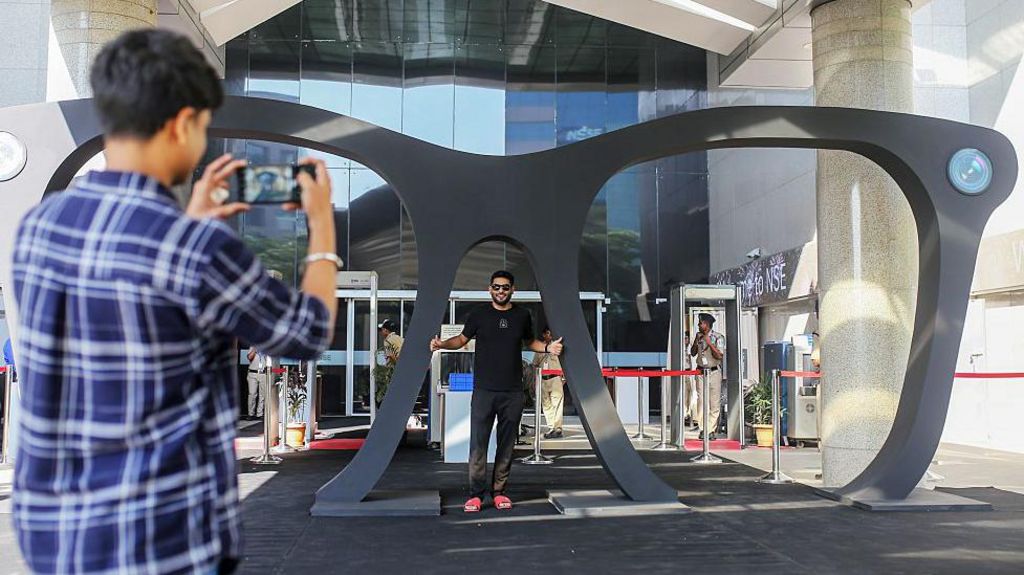
India’s start-ups fire up public markets amid valuation concerns
India’s start-up ecosystem is witnessing an unprecedented surge in initial public offerings (IPOs), marking a significant shift from rapid growth to strategic sustainability. This week, eyewear solutions firm Lenskart, valued at $821 million, saw its IPO sold out within hours, despite its shaky market debut. This follows the successful listing of Groww, the country’s largest retail brokerage backed by Microsoft CEO Satya Nadella, which garnered 17 times more demand than available shares. Fintech unicorn Pine Labs is also set to list later this week.