分类: business

  • Hong Kong’s CK Hutchison warns of legal action over Panama Canal ports

    Hong Kong’s CK Hutchison warns of legal action over Panama Canal ports

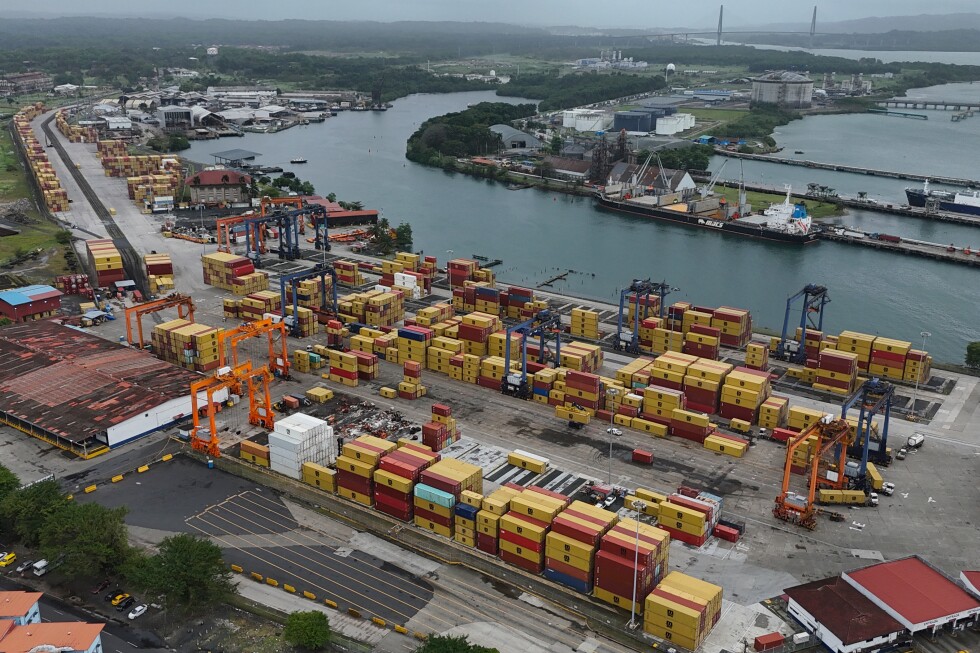
    Hong Kong-based conglomerate CK Hutchison Holdings has issued a formal legal threat against Danish logistics giant A.P. Moller-Maersk, escalating an international dispute over control of two strategic ports at the Panama Canal’s Atlantic and Pacific entrances.

    The confrontation stems from a January ruling by Panama’s Supreme Court that declared CK Hutchison’s concession to operate the ports unconstitutional. Panamanian authorities subsequently appointed Maersk’s subsidiary to manage the facilities during a transitional period until a new concession can be competitively bid.

    CK Hutchison, which has operated the ports through its subsidiary Panama Ports Co. since 1997 and secured a 25-year renewal in 2021, strongly contests the court’s decision. The company has initiated arbitration proceedings against Panama and now warns that any operational moves by Maersk without its consent will trigger immediate legal action.

    The port controversy occurs against a backdrop of intensifying Sino-American rivalry in Central America. The situation escalated when former U.S. President Donald Trump alleged Chinese influence over the Panama Canal, prompting CK Hutchison to consider selling the ports to a consortium including U.S. investment firm BlackRock. That potential transaction was reportedly stalled after intervention from Beijing.

    Despite assurances from Panamanian President José Raúl Mulino that port operations would continue uninterrupted, CK Hutchison maintains that continued operation now depends entirely on actions by Panamanian authorities beyond its control. The company has additionally notified Panama of a dispute under an investment protection treaty and is exploring all available legal avenues, including international proceedings.

    The Panama Canal, constructed by the United States in the early 20th century and transferred to Panamanian control in 1999, remains one of the world’s most critical maritime trade routes, giving strategic significance to whoever controls its terminal ports.
  • IHC, FAB, Sirius get Central Bank nod to launch dirham-backed stablecoin

    IHC, FAB, Sirius get Central Bank nod to launch dirham-backed stablecoin

    In a landmark development for the Middle Eastern financial sector, the Central Bank of the United Arab Emirates has granted formal approval for the operational launch of DDSC, a UAE dirham-backed stablecoin. The regulatory endorsement enables consortium partners International Holding Company (IHC), First Abu Dhabi Bank (FAB), and Sirius International Holding to proceed with the implementation of this pioneering digital currency initiative.

    The stablecoin will function on ADI Chain, an institutional-grade Layer-2 blockchain infrastructure developed by the Abu Dhabi-based ADI Foundation. This strategic deployment represents a significant advancement in bridging conventional institutional finance with the rapidly evolving digital asset economy, while maintaining rigorous compliance standards and operational integrity.

    Initially announced in April 2025 through a collaboration between IHC and FAB, the project now enters its live operational phase with Sirius International Holding joining to facilitate deployment, integration, and institutional adoption strategies. The stablecoin is slated to become accessible to FAB customers through multiple approved digital platforms, specifically designed to serve institutional and enterprise applications.

    DDSC’s architecture supports sophisticated financial applications within a regulated framework, including high-value payment processing, treasury operations, trade finance, supply chain flows, and programmable financial services for regulated entities. The stablecoin’s programmable capabilities are engineered to modernize payment systems, settlement mechanisms, and treasury workflows while enabling secure, automated value transfers.

    Syed Basar Shueb, CEO of IHC, emphasized the transformative potential: “With the Central Bank’s approval and our transition into live operation, we are delivering trusted, institutional-grade infrastructure that strengthens resilience, accelerates innovation, and expands what is possible in regulated digital payments.”

    Futoon Hamdan AlMazrouei, Group Head at First Abu Dhabi Bank, highlighted the integration of regulatory oversight with blockchain technology: “FAB is enabling DDSC to seamlessly combine regulatory oversight with blockchain infrastructure, providing secure, scalable solutions that support institutional and government clients across the UAE’s evolving digital economy.”

    Ajay Hans Raj Bhatia, Group CEO of Sirius International Holding, characterized this development as entering “a new phase of regulated digital finance” that would leverage ADI’s sovereign blockchain infrastructure and the UAE’s regulatory leadership to unlock real-world institutional applications.

  • UAE FMCG growth accelerates in 2025 as premiumisation and e‑commerce reshape retail

    UAE FMCG growth accelerates in 2025 as premiumisation and e‑commerce reshape retail

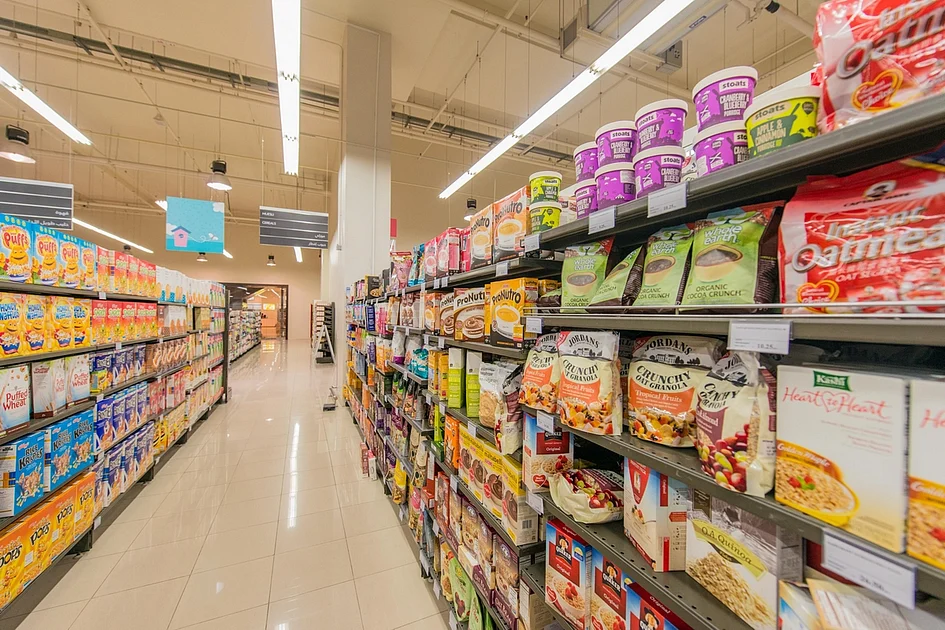
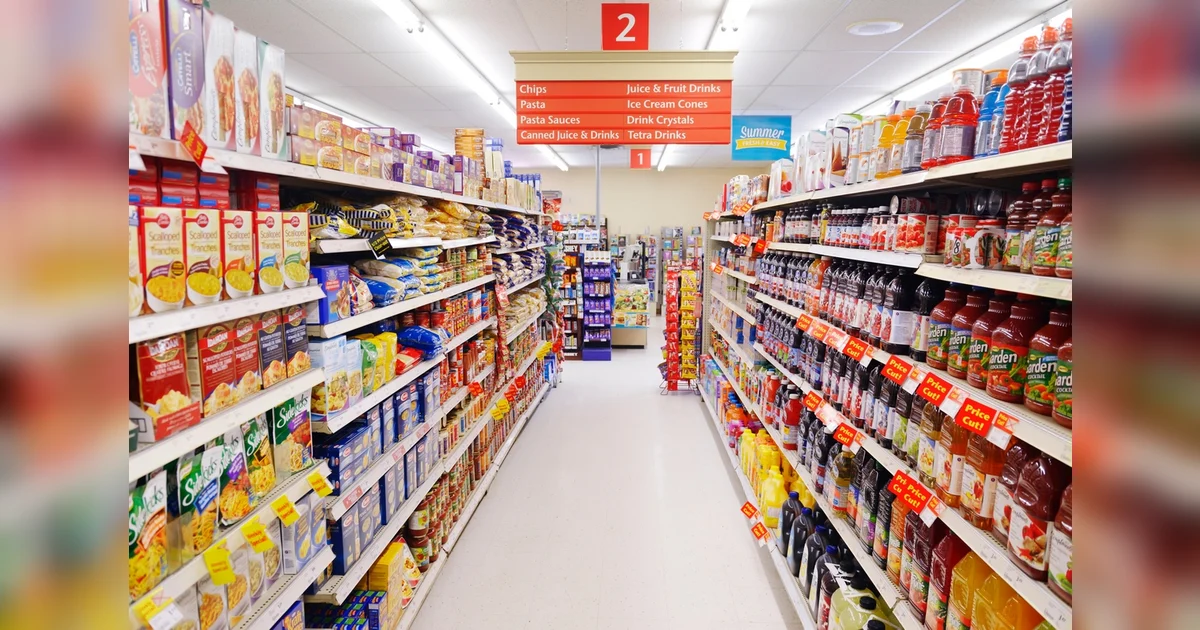
    The United Arab Emirates’ retail sector demonstrated remarkable resilience in 2025, with the Fast-Moving Consumer Goods (FMCG) market achieving 6.8% value growth according to NielsenIQ’s comprehensive State of the Nation report. This robust expansion was primarily fueled by a substantial 4.9% surge in consumption volumes, augmented by a 2% increase in unit values, signaling a strong consumer-led recovery in the post-pandemic era.

    A transformative shift characterized the Emirates’ retail landscape as consumers simultaneously pursued both affordability and premium quality products while accelerating their migration toward digital shopping channels. While Modern Trade maintained its position as the dominant retail channel, e-commerce emerged as the fastest-growing platform during the fourth quarter, capturing increasing market share as shoppers embraced online grocery services for their convenience and competitive pricing.

    Notable category performance revealed Snacking as the UAE’s fastest-growing FMCG segment, reflecting heightened demand for convenience foods and impulse purchases. Concurrently, the market exhibited pronounced premiumization trends, with premium brands outperforming both value and mid-tier competitors. This aligns with evolving consumer sentiment, where 70% of UAE consumers expressed willingness to pay premium prices for superior quality products despite ongoing inflationary pressures.

    The Tech & Durables sector surpassed FMCG performance with 6.3% value growth in 2025, driven by sustained demand for telecommunications products, large home appliances, and consumer electronics. Major shopping events including Singles Day, Cyber Monday, and seasonal discount festivals generated substantial online traffic, solidifying e-commerce as the preferred purchasing route in this category.

    Promotional activity remained stable throughout the year, primarily supported by the Dubai Shopping Festival. Temporary Price Reductions continued to dominate promotional strategies, though their overall efficiency moderated compared to previous years, indicating intensifying competitiveness across retail channels.

    Product diversification reached new heights with the FMCG market recording 134,271 active SKUs, reflecting significant expansion as brands broadened their offerings and digital-first emerging brands tapped into the increasingly sophisticated consumer base. The T&D category similarly experienced over 20% year-on-year growth in available brands, driven by affordable innovators and expanding online marketplaces.

    Regional comparisons revealed contrasting dynamics, with Saudi Arabia’s FMCG market contracting by 1% in value due to flat volumes and declining unit values. However, the Kingdom demonstrated stronger momentum in Tech & Durables, posting 13.7% value growth—more than double the UAE’s rate—driven by seasonal promotions and digital marketplace activity.

    Andrey Dvoychenkov, NielsenIQ General Manager for the Arabian Peninsula and Pakistan, noted the data reflects ‘strong resilience amid evolving consumer and pricing dynamics,’ emphasizing that ‘while Modern Trade remains dominant, it is e-commerce that is reshaping growth across FMCG and Tech & Durables.’ The report concludes that the regional retail environment is now defined by digital acceleration, value-premium polarization, and heightened promotional intensity, presenting both challenges and significant opportunities for brands and retailers capable of balancing affordability, quality, and digital execution.

  • UK economy subdued at end of 2025 as budget uncertainty weighed on businesses and consumers

    UK economy subdued at end of 2025 as budget uncertainty weighed on businesses and consumers

    LONDON — Britain’s economy experienced near-stagnation during the final quarter of 2026, according to official data released Thursday, with economic analysts attributing the slowdown to widespread uncertainty surrounding governmental budget policies that suppressed both business investment and consumer spending.

    The Office for National Statistics reported that the world’s sixth-largest economy expanded by a mere 0.1% between October and December, mirroring the sluggish growth rate recorded in the previous quarter. While the annual growth rate improved to 1.3% from 2025’s 1.1%—marking the strongest yearly performance since 2022—the quarterly figures fell substantially below expectations.

    Economic experts identified the prolonged anticipation of Chancellor Rachel Reeves’ November budget announcement as a primary factor behind the economic hesitation. Throughout most of the quarter, businesses and consumers adopted a cautious wait-and-see approach amid speculation that the Treasury would abandon key pledges regarding income tax stability. When finally revealed, the implemented tax increases proved significantly less severe than initially feared.

    Suren Thiru, Economics Director at the Institute of Chartered Accountants in England and Wales, characterized the disappointing quarter as the culmination of another frustrating economic year. “Growth diminished alarmingly rapidly following 2025’s robust beginning, with escalating taxation, intensified uncertainty, and weak productivity progressively constraining economic activity,” Thiru observed.

    Despite some recent indicators suggesting potential growth acceleration in early 2026, the Bank of England has adopted a more cautious outlook. Last week, the central bank downgraded its growth projections for both 2026 and 2027, reducing forecasts from 1.2% to 0.9% and from 1.6% to 1.5% respectively.

    The Labour government, which has witnessed declining public support since its 2024 election victory partly due to economic concerns, now pins hopes on anticipated interest rate reductions. With inflation expected to decrease significantly throughout the year, officials anticipate the Bank might implement a quarter-point cut in March, potentially lowering the main rate to 3.50% from the current 3.75%.

    Simon Pittaway, senior economist at the Resolution Foundation think tank, emphasized the government’s critical challenge: “The imperative for 2026 involves intensifying focus on growth initiatives to establish a sustained economic recovery that will ultimately translate into improved household incomes.”

  • Mideast investors woo potential partners at forum

    Mideast investors woo potential partners at forum

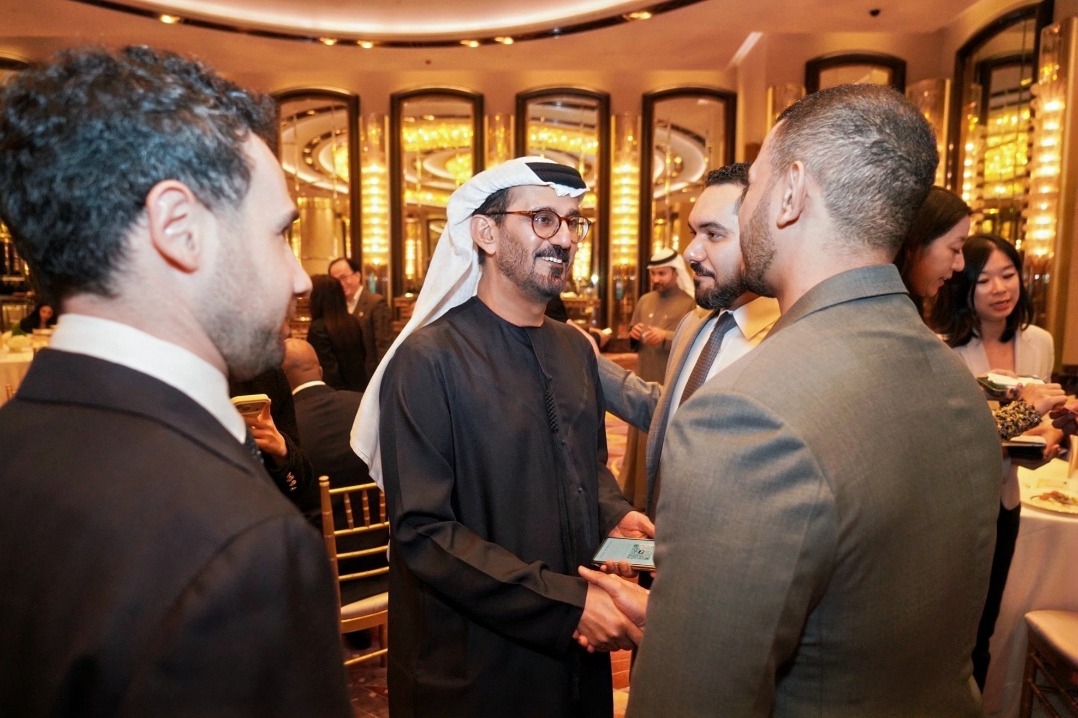
    Middle Eastern investors actively courted Chinese partners at the recent Asian Financial Forum in Hong Kong, showcasing lucrative opportunities across real estate development, renewable energy, and corporate services. Representatives from the United Arab Emirates and Oman emphasized their nations’ political stability and business-friendly environments as key advantages for international collaboration.

    Hussain bin Ibrahim Al Hammadi, UAE Ambassador to China, set the tone at the ‘Future Horizons: The UAE-Hong Kong Connect’ strategic dialogue, emphasizing his country’s commitment to “an open and predictable business environment” focused on “delivering clear outcomes.” The event, co-hosted by the UAE Consulate in Hong Kong and InvestHK, featured substantial delegations from the emirates of Ras Al Khaimah and Sharjah.

    Ras Al Khaimah’s development authorities presented ambitious projects seeking foreign investment. Abdulla Al Abdouli, CEO of government master developer Marjan, highlighted the Wynn Al Marjan Island integrated resort scheduled to open in 2027, explicitly inviting Hong Kong developers and investors to participate in the emirate’s hospitality sector expansion.

    Sameh Muhtadi, CEO of Abu Dhabi-listed RAK Properties, outlined plans to develop 50,000 units by 2030, expressing hope for strategic partnerships with Hong Kong entities. Meanwhile, Sandra Marie Louw of RAK International Corporate Centre highlighted their ecosystem serving over 40,000 corporations with cross-border operational support and tax optimization services.

    From Sharjah, investment officials promoted the emirate’s three major ports—Khalid, Khorfakkan, and Hamriyah—as multimodal logistics hubs offering diverse investment systems and spaces.

    Oman’s representatives extended invitations to the upcoming Suhar Investment Forum while detailing the nation’s renewable energy transition. Haitham Al Omairi of Sohar Port and Freezone outlined Oman’s net-zero 2050 goals, highlighting opportunities in solar energy value chains and green hydrogen production targeting 1.3 million tons by 2030 and 8 million metric tons by 2050.

  • Capturing hearts with leafy greens

    Capturing hearts with leafy greens

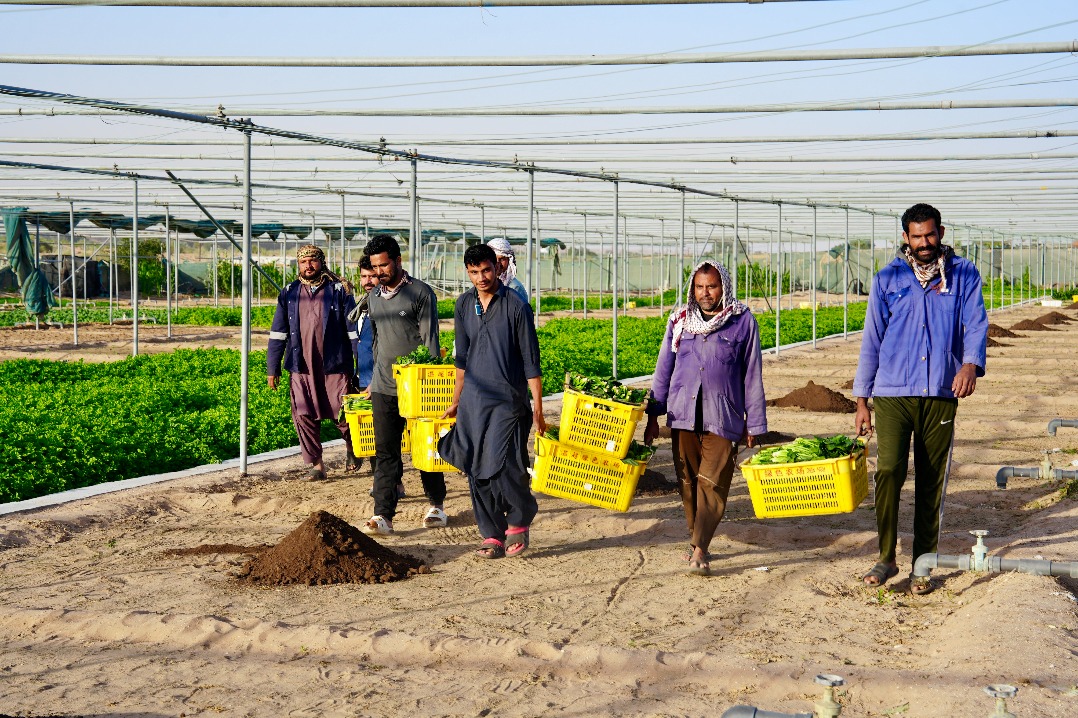
    In Dubai’s multicultural dining scene, an unexpected culinary revolution is unfolding through the unlikely marriage of Chinese agriculture and Middle Eastern desert terrain. The success story begins not in restaurant kitchens but in the arid expanses of the Nazwa Desert, where Wemart’s organic farms have transformed barren landscapes into productive agricultural hubs.

    At the heart of this transformation lies a remarkable agricultural achievement: two organic farms spanning 8.7 hectares now yield approximately 5,000 kilograms of fresh Chinese vegetables daily. This agricultural bounty includes over 30 varieties, with bok choy leading production at 600 kilograms per day alongside romaine lettuce, white radish, chives, and coriander.

    The journey to this success required overcoming extraordinary challenges. When entrepreneur Sun Jiansheng first envisioned growing Chinese vegetables in UAE’s desert conditions in 2012, temperatures regularly exceeded 40°C and could reach 60°C during summer months. The initial obstacles included infertile soil, scarce rainfall, and unpredictable sandstorms capable of destroying entire crops.

    Through innovative solutions including drilling 180-meter-deep wells for irrigation and transporting organic fertilizer from distant pastures, the farming team gradually transformed the sandy terrain into productive agricultural land. The operation now employs 45 international workers, including Pakistani national Shakeeb Khan who has worked there for 14 years alongside his brothers.

    The farms’ output supplies Wemart’s grocery stores across Dubai, Abu Dhabi, and Riyadh, where the fresh vegetables have become particularly popular at malatang stations—Chinese street food stalls where diners select ingredients to be cooked in spicy broth. These stations serve approximately 300 bowls daily, attracting diverse customers from Asian, Arab, African, and European backgrounds.

    For Dubai’s approximately 400,000 Chinese expatriates, the availability of authentic Chinese vegetables represents a taste of home. As Hunan native Xie Jingyi noted while enjoying malatang, ‘Eating authentic malatang in Dubai is such a comfort!’ The vegetables have also gained popularity among local Emiratis, with Abdulla Alaqib praising their crisp texture and fresh flavor.

    As the Lunar New Year approaches, Wenchao Group (Wemart’s parent company) is increasing production to ensure Chinese communities across the Middle East can celebrate with traditional vegetables on their holiday tables, marking another chapter in this unexpected desert-to-table success story.

  • Australian tourism leader says Chinese market vital to industry

    Australian tourism leader says Chinese market vital to industry

    SYDNEY – Australia’s tourism sector is witnessing a remarkable resurgence from Chinese travelers, with industry leadership emphasizing the market’s critical importance to the nation’s economic landscape. Robin Mack, the newly appointed Managing Director of Tourism Australia, has declared the country’s doors wide open to Chinese visitors, identifying China as an indispensable source market for inbound tourism.

    Recent statistical analysis reveals compelling evidence of this recovery. Official data covering the twelve months through November last year documented approximately 1 million Chinese tourist arrivals in Australia, representing a significant 16 percent surge compared to the previous year. This growth trajectory establishes China as Australia’s fastest-expanding tourism market currently.

    The financial impact proves even more substantial. Chinese visitors contributed AU$12.3 billion (approximately US$8.71 billion) to the Australian economy – a striking 29 percent year-over-year increase that essentially restores expenditure levels to those observed before the global pandemic. This expenditure pattern has elevated China to Australia’s second-largest inbound market by visitor volume and its premier market in terms of total tourism spending.

    Mack expressed particular optimism about future prospects, noting that with the gradual restoration of international flight capacities, enhanced tourism product diversity, and strengthened industry partnerships, the Chinese market is positioned to reclaim its pre-pandemic status as Australia’s leading source of visitors.

    The seasonal patterns of Chinese travel demonstrate distinct peaks during Australia’s summer months (December-February), coinciding with the Chinese New Year celebrations, alongside increased visitation during China’s July-August school holidays and the October National Day ‘Golden Week’ period.

    Contemporary travel trends indicate Chinese tourists are increasingly favoring smaller group arrangements and independent travel experiences, with growing demand for customized itineraries and immersive cultural engagements. Natural landscapes, wildlife encounters, and culinary experiences including local wines remain primary attractions for these visitors.

    Tourism Australia’s strategic marketing initiatives, including the global ‘Come and Say G’day’ campaign launched its second chapter in China first last August, have been instrumental in building momentum toward major travel periods like the upcoming Chinese New Year.

    Beyond economic benefits, Mack emphasized tourism’s role as a vital cultural bridge fostering people-to-people connections between the nations. The mutual exchange – with increasing numbers of Australians also traveling to China – continues to strengthen bilateral understanding and friendship. Mack, a frequent visitor to China himself, extended warm invitations for Chinese travelers to experience Australia during the forthcoming Lunar New Year celebrations.

  • Ramadan with no price hikes: UAE retailers offer up to 70% discounts

    Ramadan with no price hikes: UAE retailers offer up to 70% discounts

    In an unprecedented move to support household budgets during the holy month, UAE retailers have launched extensive discount campaigns reaching up to 70% on essential goods while freezing prices on hundreds of basic items throughout Ramadan 2026.

    The comprehensive strategy, developed through meticulous advance planning spanning up to five months, represents a coordinated effort between major retail chains and government initiatives. Union Coop has unveiled a groundbreaking campaign featuring discounts of up to 60% across more than 3,000 food and non-food products, while simultaneously freezing prices on over 160 essential items throughout the holy month.

    This retail preparation aligns with the UAE Ministry of Economy’s assurance that prices of nine fundamental food commodities would remain stable during Ramadan, creating a protective economic environment for consumers. The initiative forms part of the broader ‘Year of the Family’ national campaign, explicitly designed to alleviate living costs during this spiritually significant period.

    Retail executives emphasize that early strategic planning enables them to secure favorable supplier contracts, lock in wholesale prices, and prevent the seasonal price fluctuations that typically characterize peak demand periods. Carlos Fatas Bermudez, General Manager of Alaswaq Alwatania, stated: ‘We prepare Ramadan five months in advance. We want to avoid price increases that can happen during certain periods. We don’t increase any price during Ramadan.’

    Consumer behavior analysis reveals distinct purchasing patterns in the lead-up to Ramadan. Shoppers typically stockpile long-shelf-life products such as rice, sugar, and canned goods approximately three months before the holy month. However, in the final 72 hours before fasting commences, demand dramatically shifts toward fresh produce, dairy, and bakery items.

    Bulk purchasing has emerged as a defining characteristic of Ramadan shopping, with families strategically acquiring larger quantities to maximize savings through bundled promotions. Retailers have responded by preparing enhanced quantities with significantly higher discounts compared to regular purchasing options.

    Supply chain diversification has become a critical component of Ramadan preparedness. Retailers are actively expanding their supplier networks to avoid potential disruptions. ‘You cannot rely on only one origin or one supplier. We need to diversify,’ Bermudez emphasized, highlighting how early agreements help stabilize pricing and ensure consistent availability.

    Inventory management has been intensified, with retailers maintaining additional buffer stock for fast-moving Ramadan essentials to prevent shortages. Jithin Janardhanan, department head at Al Hoot hypermarket, explained: ‘We increase quantities, especially for key items, based on previous sales histories and the data we have.’

    The products experiencing highest demand include traditional Ramadan staples such as dates, vermicelli, custard powder, frozen samosas, and spring rolls, alongside laban, yogurt drinks, and traditional Ramadan juices. Beyond food items, household goods also experience increased turnover, while clothing sales typically surge closer to Eid celebrations.

    This sophisticated retail approach, combining data analytics, diversified supply chains, and early negotiations, ensures both price stability and product availability throughout Ramadan. Meanwhile, consumers are increasingly blending traditional generosity with strategic financial planning, making the holy month a period characterized by both spiritual reflection and economic mindfulness.

  • Hong Kong’s investment attraction scheme receives over 3,000 applications

    Hong Kong’s investment attraction scheme receives over 3,000 applications

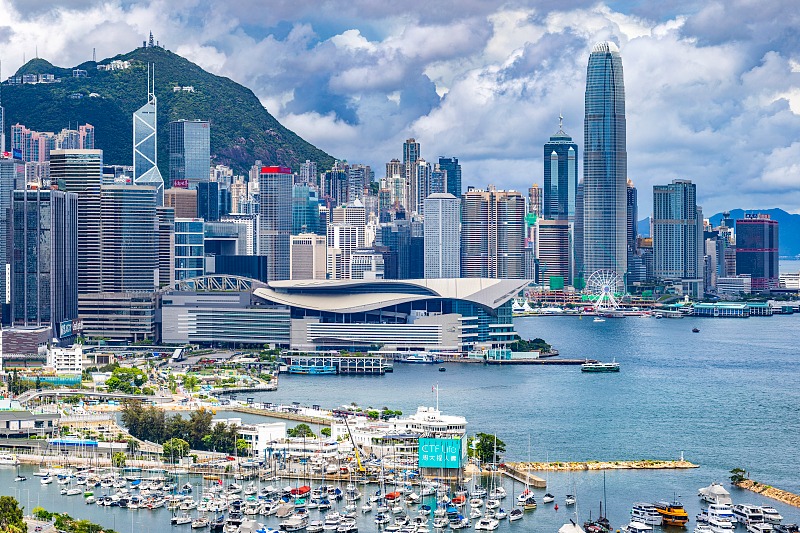
    Hong Kong’s revitalized Capital Investment Entrant Scheme has generated substantial investor interest, receiving more than 3,000 applications since its relaunch, according to official data released by the Hong Kong Special Administrative Region government.

    Financial Services and the Treasury Secretary Christopher Hui disclosed that as of January 31, the investment migration program has already granted formal approval to over 1,600 applicants. The successful candidates have channeled capital into diverse investment vehicles including equities, debt securities, certificates of deposit, qualified collective investment schemes, limited partnership funds, and specific categories of commercial real estate.

    The substantial application pipeline suggests significant capital inflows for Hong Kong’s financial markets. Hui projected that if all pending applications secure approval, the program could attract more than HK$90 billion (approximately US$11.51 billion) in new investments to the special administrative region.

    The scheme represents a strategic initiative by Hong Kong authorities to reinforce the territory’s status as a global financial hub while stimulating economic growth through targeted foreign capital injection. The diversified investment options reflect Hong Kong’s sophisticated financial infrastructure and provide investors with multiple pathways to participate in the region’s economic ecosystem.

    The robust response indicates strong international confidence in Hong Kong’s long-term economic prospects despite global macroeconomic challenges. The program’s structure allows for balanced portfolio allocation across traditional securities and alternative assets, providing both market liquidity and support for emerging investment vehicles.

  • China issues new rules to curb auto price war after January passenger car sales drop 20%

    China issues new rules to curb auto price war after January passenger car sales drop 20%

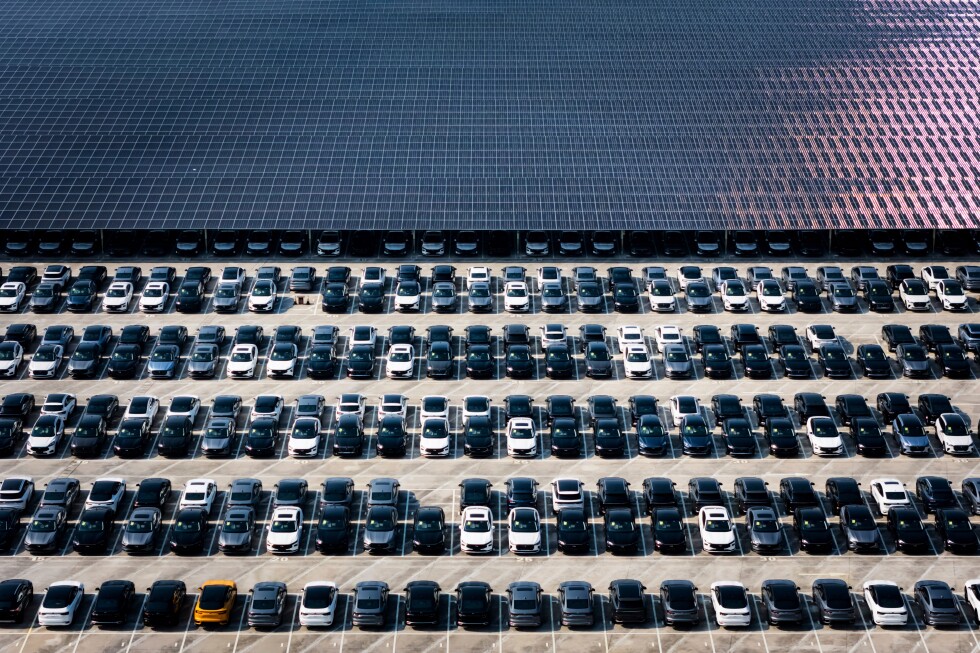
    Chinese regulators have intervened to halt the destructive price competition within the nation’s automotive sector, implementing stringent new guidelines on Thursday following a dramatic 19.5% year-on-year sales decline in January—the most severe contraction in nearly two years.

    The State Administration for Market Regulation unveiled comprehensive measures targeting manufacturers, dealerships, and component suppliers, explicitly prohibiting predatory pricing strategies designed to eliminate competition or establish market dominance. The regulations carry significant legal consequences for violators who attempt to sell vehicles below production costs.

    This regulatory intervention comes amid concerning market indicators. According to the China Association of Automobile Manufacturers, passenger vehicle sales plummeted to 1.4 million units in January, down substantially from December’s 2.2 million units. Industry analysts attribute this downturn to consumer financial constraints, reduced electric vehicle tax incentives, and uncertainty regarding regional trade-in subsidy programs.

    The price war has inflicted substantial damage, with China Automobile Dealers Association member Li Yanwei estimating approximately 471 billion yuan ($68 billion) in industry-wide losses over the past three years. S&P Global Ratings projects further challenges, forecasting up to a 3% decline in light vehicle sales for 2026.

    Despite domestic headwinds, Chinese automakers are achieving remarkable international success. January exports surged 49% year-on-year to 589,000 units, with companies like BYD—which recently surpassed Tesla as the world’s leading EV manufacturer—aggressively expanding into European and Latin American markets.

    Citi analysts project a 19% increase in China’s automotive exports this year, driven primarily by electric and plug-in hybrid vehicles. BYD has established an ambitious target of 1.3 million overseas sales by 2026, building upon last year’s 1.05 million export achievement.

    International trade dynamics are increasingly favorable for Chinese manufacturers. Canada recently agreed to reduce its 100% tariff on Chinese EV imports, while the European Union has established mechanisms for tariff exemptions, as demonstrated by Volkswagen’s successful application for its China-built CUPRA model. China’s Commerce Ministry has expressed support for these developments and anticipates further exemptions.