
Cyprus is poised to play a pivotal role in Europe’s energy security, with plans to export natural gas from its offshore reserves to European markets as early as 2027. President Nikos Christodoulides announced this ambitious timeline during an energy conference, highlighting the Cronos deposit as the first source of exportable gas. Operated by a consortium of Italian energy giant Eni and French company TotalEnergies, the Cronos project is expected to make its final investment decision in 2024. The gas will be transported to Egypt’s Damietta port for liquefaction before being shipped to Europe. Christodoulides emphasized Cyprus’s strategic importance as an alternative energy corridor in the Eastern Mediterranean, aligning its interests with powerful states to bolster regional energy security. Cypriot Energy Minister George Papanastasiou described the 2027 target as “optimistic but achievable,” citing the proximity of existing infrastructure connecting Cronos to Egypt’s Zor deposit, located just 80 kilometers away. Additionally, plans are underway to develop the Aphrodite deposit, where a floating processing plant will convert hydrocarbons into dry gas for direct consumption in Egypt or export to Europe. This project involves a partnership between Chevron, Shell, and Israel’s NewMed Energy. Christodoulides also revealed plans to visit Lebanon next week to discuss energy cooperation, as unresolved maritime border disputes have hindered exploration in adjacent waters. Meanwhile, ExxonMobil and QatarEnergy are exploring two blocks off Cyprus’s southern coast, where significant discoveries like the Glaucus and Pegasus deposits have been made, further solidifying Cyprus’s position as a key player in the global energy landscape.
分类: business
-
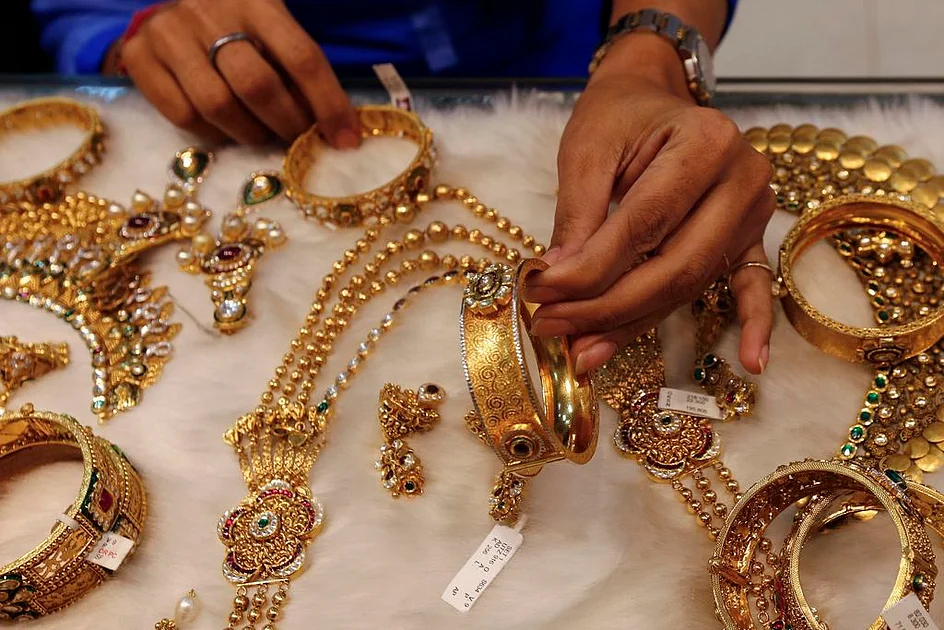
Dubai: Gold recovers some losses as 22K trades above Dh450 per gram
Gold prices in Dubai showed signs of recovery on Wednesday, with 22K gold trading above Dh450 per gram, according to the latest market data. The Dubai Jewellery Group reported that 24K gold was priced at Dh491 per gram, up from Dh489.75 the previous day. Other variants, including 21K and 18K, were also trading higher at Dh436 and Dh373.75 per gram, respectively. Globally, spot gold saw a modest increase of 0.28%, reaching $4,077.38 per ounce. Dat Tong, a senior financial markets strategist at Exness, highlighted that gold could face continued pressure due to declining expectations of a Federal Reserve rate cut in December and easing trade tensions, which have reduced safe-haven demand. Tong noted that market sentiment has shifted, with only a 43% probability of a 25-basis-point rate reduction in December, down from 62% a week earlier. Investors are now focusing on upcoming US economic data, including the delayed September non-farm payrolls report, which could influence market volatility and gold’s trajectory. On the geopolitical front, US President Donald Trump’s executive order to exclude certain food products from recent tariff hikes has temporarily eased market concerns. However, rising tensions in Eastern Europe and the Middle East continue to support demand for safe-haven assets like gold.
-
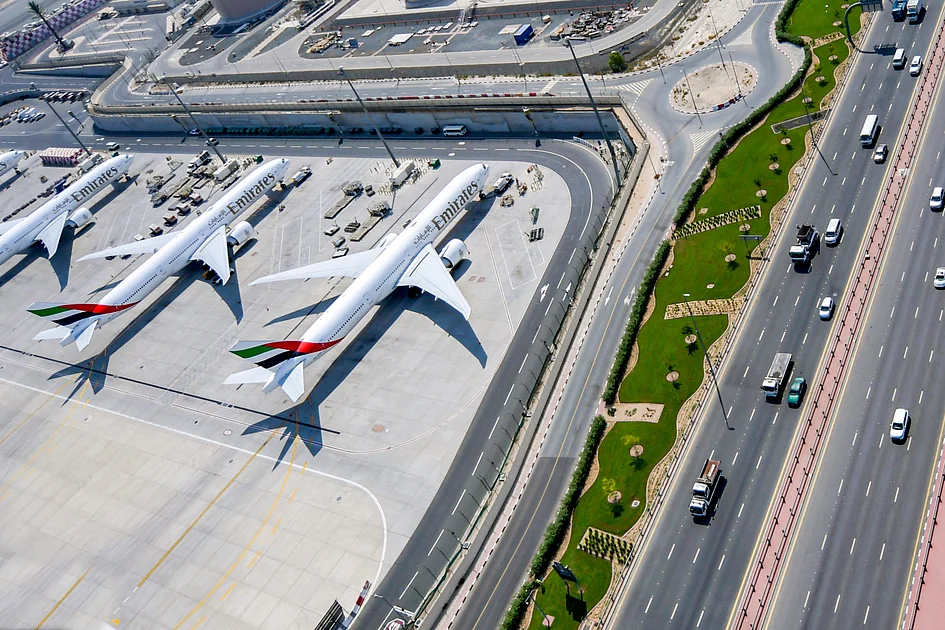
DXB traffic at 70.1 million in first 9 months; 2 mishandled bags per 1,000 guests
Dubai International Airport (DXB) has achieved unprecedented growth in 2025, handling 70.1 million passengers in the first nine months, marking a 2.1% increase compared to the same period last year. The airport also reported a record-breaking quarterly performance, welcoming 24.2 million passengers between July and September, a 1.9% year-on-year rise. This milestone solidifies DXB’s position as the world’s busiest international airport, with a twelve-month rolling traffic reaching 93.8 million passengers by the end of September. India remained the top source market, contributing 8.8 million passengers, followed by Saudi Arabia, the UK, Pakistan, and the US. London led as the most popular city destination, with 2.8 million passengers. Aircraft movements surged to 336,000 flights in the first nine months, up 2.7% year-on-year, with an average of 213 passengers per aircraft. Baggage handling efficiency also hit new heights, with 63.8 million bags processed, 90% of which were delivered within 45 minutes of arrival. Mishandled baggage rates remained impressively low at two per 1,000 guests. The airport’s operational excellence was further highlighted by swift passport control and security screening, with 99.6% of departing passengers clearing immigration in under 10 minutes and 99.7% completing security checks in less than five minutes. Paul Griffiths, CEO of Dubai Airports, emphasized the focus on intelligent growth through technology, sustainability, and superior guest experiences to redefine global travel.
-
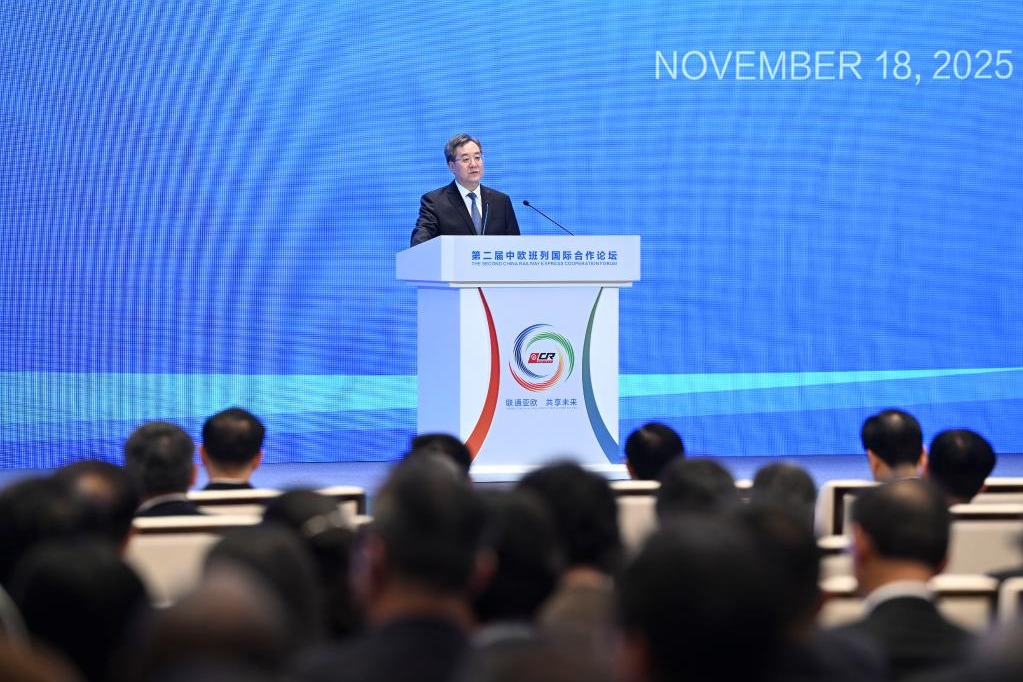
Chinese vice-premier calls for enhanced economic, trade exchanges on Eurasian continent
Chinese Vice-Premier Ding Xuexiang emphasized the importance of bolstering economic and trade exchanges across the Eurasian continent during his keynote address at the second China Railway Express Cooperation Forum in Xi’an, Shaanxi province. The event, held on November 18, 2025, brought together approximately 450 participants, including international experts, scholars, entrepreneurs, and government officials. Ding, who also serves on the Standing Committee of the Political Bureau of the Communist Party of China (CPC) Central Committee, highlighted the China Railway Express as a cornerstone of the Belt and Road Initiative, underscoring its role as a premier international logistics brand with significant influence. He outlined a four-point strategy to enhance the railway’s development, focusing on improved connectivity, technological innovation, risk management, and integrated growth to stabilize international supply chains and foster regional economic prosperity. The forum, themed ‘Connecting Asia and Europe for a Shared Future,’ also featured remarks from Tsoncho Ganev, Vice-President of the Bulgarian National Assembly, who discussed bilateral cooperation with China. This gathering underscores China’s commitment to fostering collaborative economic growth and mutual learning across Eurasia.
-

Global soybean market reshaped by trade tensions
The global soybean market has undergone significant transformation this year, driven primarily by escalating trade tensions between the United States and China. Soybeans, one of the most widely cultivated crops globally, are predominantly used as livestock feed rather than for human consumption. China, the world’s largest soybean importer, relies heavily on these high-protein crops to sustain its massive hog population. However, recent trade conflicts initiated by the US have disrupted traditional trade flows, leading to a reshuffling of the market. China has increasingly turned to Latin American suppliers, particularly Brazil and Argentina, reducing its reliance on US exports. This shift has dealt a severe blow to US soybean farmers, who are already grappling with declining export values. Argentina’s decision to temporarily eliminate export taxes on soybeans in September further exacerbated the situation, making its products more price-competitive. Despite ongoing economic and trade talks between the US and China, including a recent agreement for China to purchase US soybeans through January, the long-term outlook remains uncertain. Analysts warn that US tariffs, intended to boost domestic production, may backfire, making domestic industries less competitive and prompting retaliatory measures from other nations. The reshaping of the soybean market has also impacted global prices, with South American suppliers driving prices down. As US farmers consider adjusting their crop acreage in response to these fluctuations, the future of the global soybean trade remains in flux.
-
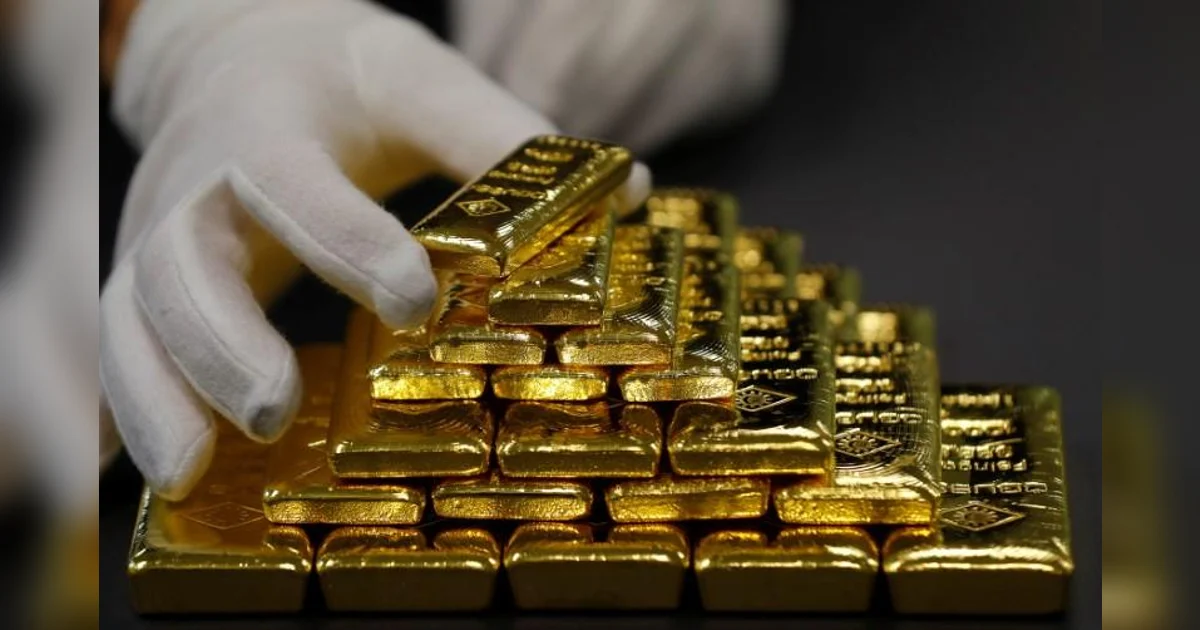
Gold gains on soft economic data; traders weigh US rate cut chances
Gold prices rebounded from a one-week low on Tuesday, buoyed by weaker-than-expected U.S. employment data, as investors speculated on the possibility of a Federal Reserve interest rate cut in December. Spot gold increased by 0.6% to $4,068.05 per ounce, recovering from its lowest point since November 10 earlier in the day. Meanwhile, U.S. gold futures for December delivery dipped slightly by 0.2% to $4,068.40 per ounce. The rise in gold prices was fueled by data showing that the number of Americans receiving unemployment benefits reached a two-month high in mid-October, with continued jobless claims climbing to 1.9 million for the week ending October 18. Market analysts interpreted this as a sign of economic softening, potentially prompting the Fed to lower interest rates. Tai Wong, an independent metals trader, noted that the data has slightly increased market optimism for a December rate cut, aiding gold and silver in breaking a three-day losing streak. According to the CME FedWatch tool, markets now perceive a 50% chance of a rate cut in December, up from 46% earlier in the day but down from 67% last week. Gold, which performs well in low-interest-rate environments, had previously declined by over 3% on Friday and 1% on Monday as investors tempered expectations for another rate cut this year. Attention now turns to the release of the Fed’s meeting minutes on Wednesday and delayed September jobs data on Thursday, both of which were postponed due to the U.S. government shutdown. Analysts at Deutsche Bank highlighted that elevated official demand for gold is likely to persist, supporting a bullish outlook and potentially driving prices above their forecasted average of $4,000 per ounce for next year. In other precious metals, spot silver rose 1% to $50.67 per ounce, platinum surged 7% to $1,544.66, and palladium fell 1.2% to $1,409.72.
-

India’s digital payments revolution is redefining global finance
India has emerged as a global leader in digital payments, transforming its financial landscape in less than a decade. At the heart of this revolution are two groundbreaking innovations: the Unified Payments Interface (UPI) and the RuPay card network. These systems have not only reshaped domestic commerce but are also challenging traditional financial powerhouses worldwide. UPI, launched in 2016, has become the world’s most successful real-time payment platform, processing over a trillion transactions annually. Its open architecture allows seamless integration with banks, fintech companies, and payment apps, enabling instant, secure, and low-cost transactions. Meanwhile, RuPay has disrupted the dominance of global credit card networks in India, capturing 60% of the domestic card market. Its affordability and sovereignty have made it a preferred choice for small businesses and consumers alike. Together, UPI and RuPay have created a unified payments ecosystem that is unparalleled in its inclusivity and efficiency. This transformation has brought over 500 million people into the formal financial system, empowering small businesses, farmers, and daily wage workers. Beyond India’s borders, UPI is gaining traction in countries like France, Singapore, and the UAE, offering a faster and cheaper alternative to traditional remittance systems. India’s digital payments revolution is not just a technological achievement; it is a strategic move toward financial sovereignty and global influence. As more nations adopt UPI and RuPay, India is laying the foundation for a new financial order that prioritizes inclusivity, affordability, and independence. The world is taking notice, and India’s leadership in digital payments is set to redefine the future of global finance.
-

How the viral Baby Shark video created a $400m business
In June 2016, Kim Min-seok, CEO of Pinkfong, approved the release of a 90-second children’s song, unaware it would become a global sensation. The song, ‘Baby Shark,’ amassed over 16 billion views on YouTube, making it the platform’s most-watched video ever. This viral hit not only captivated toddlers and irked adults worldwide but also transformed Pinkfong into a media powerhouse valued at over $400 million. On November 18, 2025, Pinkfong debuted on the South Korean stock market, with shares surging more than 9% on its first trading day. Founded in 2010 as SmartStudy, the company initially focused on digital content for children under 12. With just three employees, including Kim and CTO Dongwoo Son, the firm operated from a modest office. Over the years, Pinkfong underwent significant changes, shifting its focus to toddlers and creating simpler, educational content. The release of ‘Baby Shark’ in 2016 marked a turning point, generating half of the company’s revenue and paving the way for new content and merchandise. Despite facing a plagiarism lawsuit in 2019, Pinkfong successfully defended its position, arguing that ‘Baby Shark’ was derived from a public domain folk song. The company now employs 340 people, with offices in Tokyo, Shanghai, and Los Angeles. While ‘Baby Shark’ remains a cornerstone of Pinkfong’s success, the company is diversifying its portfolio with franchises like Bebefinn and Sealook. Kim Min-seok aims to expand Pinkfong’s offerings and establish it as a tech-driven content creator, leveraging data to shape future projects. However, the challenge lies in proving to investors that Pinkfong is more than a one-hit wonder.
-
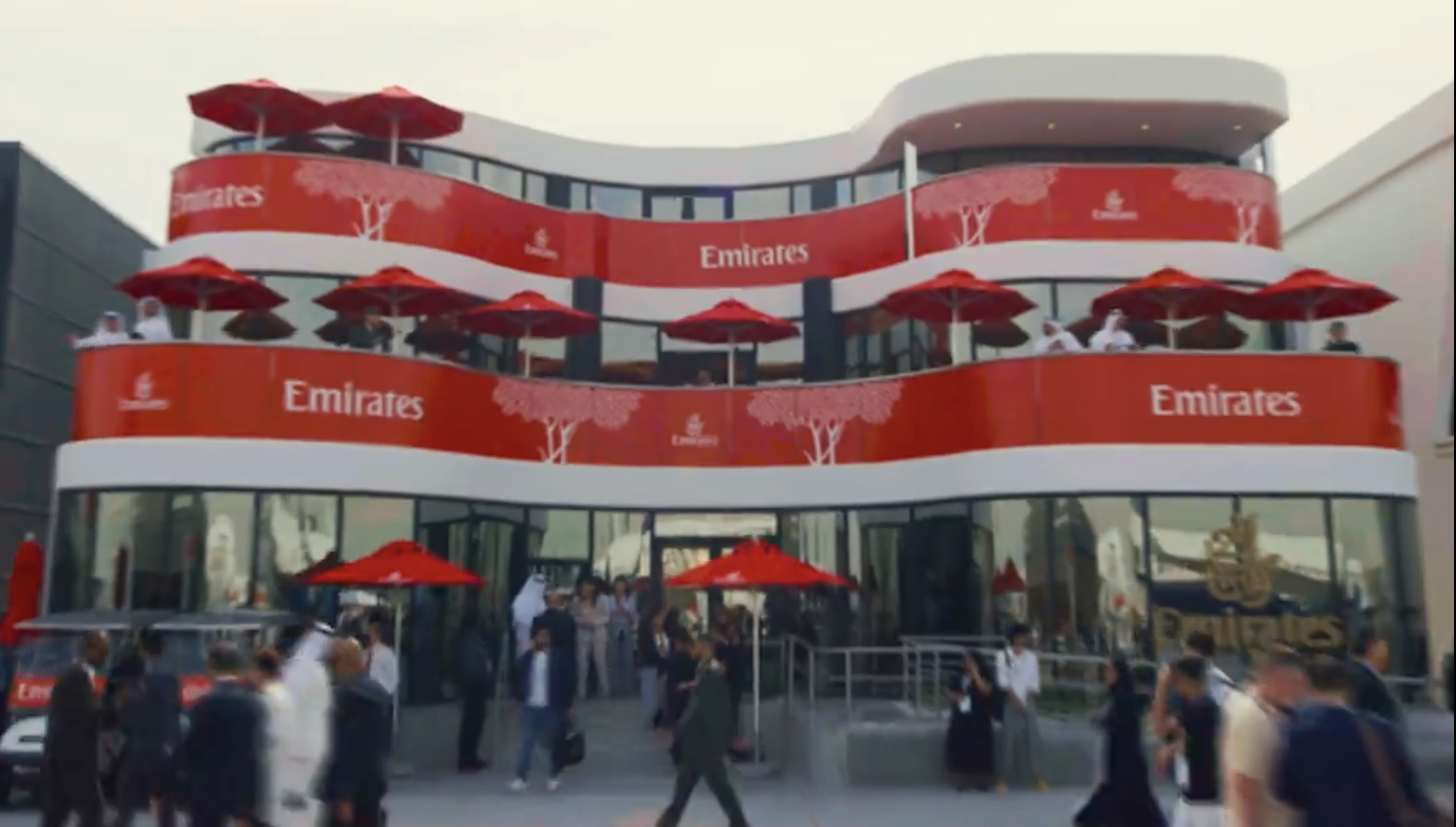
More jobs in UAE: Emirates plans to continue hiring as it adds more aircraft
Emirates Airline, the Dubai-based aviation giant, is set to continue its recruitment drive as it prepares to expand its fleet and launch new ventures. Sheikh Ahmed bin Saeed Al Maktoum, Chairman and CEO of Emirates Airline, announced the plans during the Dubai Airshow 2025, emphasizing the need for additional staff to support the growing operations. The airline has placed orders for hundreds of new aircraft, including 65 Boeing 777-9s, valued at $38 billion, as part of its ambitious expansion strategy. This brings its total orderbook with Boeing to 315 widebody aircraft and 540 GE9X engines. Emirates Group, which includes both the airline and ground handling services firm dnata, has already hired over 3,700 employees in the first half of the 2025-26 financial year, bringing its total workforce to 124,927. The group plans to recruit 17,300 people this year, equivalent to the population of a mid-sized town, across various roles such as cabin crew, pilots, engineers, and support services. Additionally, Emirates has partnered with Safran Seats to establish a manufacturing and seat assembly facility in Dubai, creating highly-skilled jobs in the region. The airline’s expansion is also supported by new ventures like Linencraft, a Dh160 million laundry arm under Emirates Flight Catering, which is expected to generate 400 direct jobs. These initiatives underscore Emirates’ commitment to innovation, operational excellence, and employee welfare as it continues to strengthen its position as a global aviation leader.
-

Inside the mind of a maker: Jigar Sagar
Jigar Sagar, a prominent investor-judge on *The Final Pitch Dubai*, has carved a unique niche in the entrepreneurial ecosystem of the Middle East. With 15 years of experience in both building companies and fostering the conditions for their growth, Sagar has become a pivotal figure in early-stage entrepreneurship. His approach is a blend of pragmatism and idealism, offering a rare combination of experience, curiosity, and empathy.