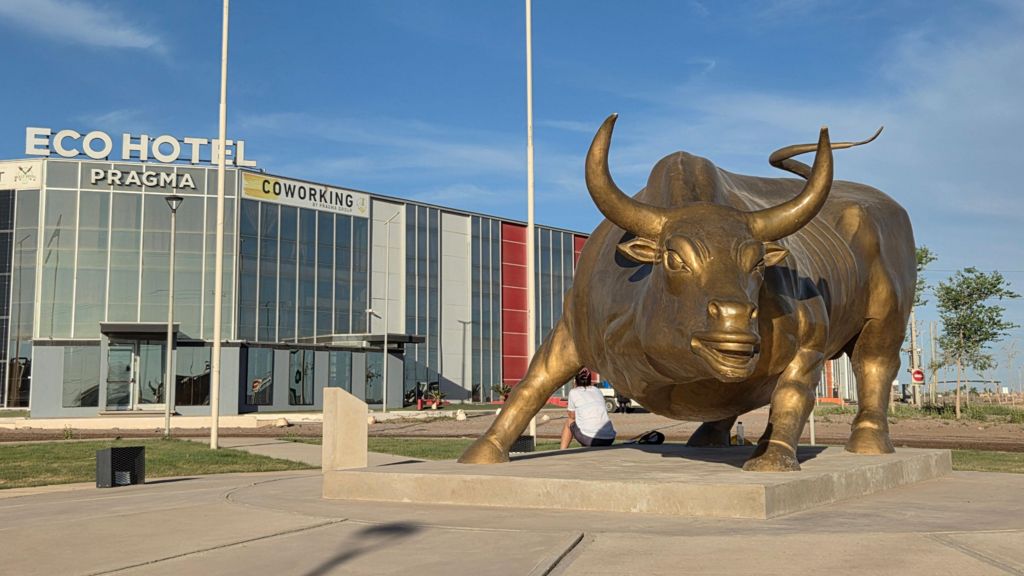
The once-sleepy town of Añelo, located 1,000 kilometers southwest of Buenos Aires, has undergone a dramatic transformation over the past decade. Once a remote settlement with no mains water, gas, or reliable electricity, Añelo has become a bustling hub of economic activity, thanks to the fracking boom in the surrounding Vaca Muerta region. This geological formation, rich in oil and gas, spans 30,000 square kilometers and has become the cornerstone of Argentina’s energy sector. Since fracking was legalized in 2014, Añelo’s population has surged by over 60%, from 10,788 in 2010 to 17,893 in 2022. The town now sees an influx of 15,000 workers daily, with roads bustling with oil tankers and commercial vehicles. Mechanic Fabio Javier Jiménez, who moved his family-owned tyre repair shop to Añelo, has witnessed this growth firsthand. From servicing two vehicles a day, his business now handles 20 daily, prompting him to open a second branch. Vaca Muerta, first discovered in 1931, has become Argentina’s largest oil and gas producer, accounting for over half of the country’s output. The region’s low extraction costs, compared to older, conventional deposits, have made it a key driver of Argentina’s energy self-sufficiency and export earnings. However, challenges remain. Critics argue that insufficient infrastructure, strict currency controls, and Argentina’s poor credit rating are hindering Vaca Muerta’s full potential. Despite these obstacles, the region enjoys broad political support, with all major parties backing its expansion. Yet, environmental concerns persist, with activists like Fernando Cabrera of Observatorio Petrolero Sur lamenting the lack of public debate on the ecological impact of fracking. While Añelo’s growth symbolizes Argentina’s energy renaissance, experts caution that Vaca Muerta alone cannot solve the country’s deep-rooted economic issues, including high inflation and public debt.
分类: business
-

UAE sets stage for fully digital accounting, audit regime
The United Arab Emirates is poised to revolutionize its accounting and auditing landscape with the imminent rollout of a comprehensive digital framework. This transformative initiative, expected to be implemented within months, will redefine financial record-keeping, auditing practices, and transparency enforcement across the nation. At the heart of this reform is the Unified Digital Audit Reporting System (Udars), a mandatory national platform that will streamline financial reporting and enhance accountability. Udars will integrate with key systems such as the Federal Tax Authority, Emirates ID, and the Corporate Tax Portal, leveraging artificial intelligence and blockchain technology to ensure real-time data validation, tamper-proof audit trails, and automated error detection. Businesses will be required to maintain digital financial records and submit audited statements exclusively through Udars, marking the end of manual or paper-based processes. The new regulations will also introduce Environment, Sustainability, and Governance (ESG) reporting guidelines, positioning the UAE as a regional leader in non-financial disclosures. Companies and audit firms will need to upgrade their systems and adopt compliant software to meet these standards, with penalties for non-compliance starting at Dh25,000. While the transition demands significant adaptation, it promises benefits such as faster regulatory approvals, clearer audit trails, and heightened investor confidence. The initiative builds on earlier reforms under Federal Decree-Law No. 41 of 2023, which mandated auditor licensing and compliance with international standards. As the UAE advances its digital transformation agenda, these regulations signal a decisive shift toward a future where financial reporting is real-time, technology-driven, and globally aligned.
-
UAE businesses that ignore sustainability ‘will not survive’, says official
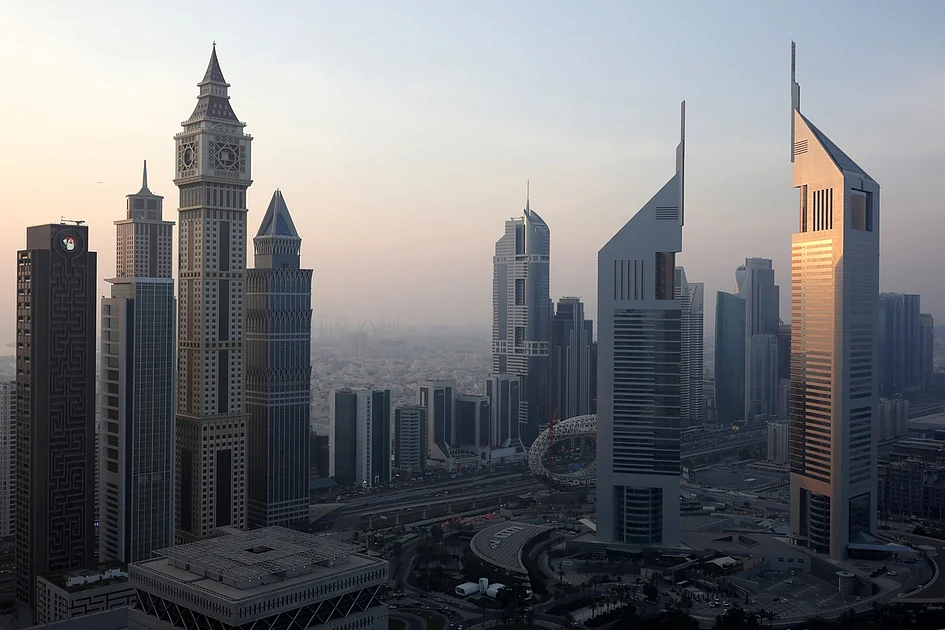
DUBAI – At the Care for Sustainability Mena forum, a senior UAE official delivered a stark warning to the private sector: companies treating environmental responsibility as a compliance exercise rather than a core business imperative will not survive in the evolving market landscape. Maher Al Kaabi, Independent Board Member and Advisor to Al Serkal Group and a member of the UAE Circular Economy Council, emphasized that sustainability has transitioned from optional to essential for business continuity.
Speaking during a fireside chat titled ‘The Digital Triad of UAE AI, Circular Economy, and the Future of Capital,’ Al Kaabi criticized superficial sustainability efforts designed merely to meet reporting requirements. “If you are not sustainable in doing business, you will not survive. You will not be able to stay relevant in the market,” he stated unequivocally. He stressed that authentic progress requires integrating sustainable practices into fundamental business models rather than implementing peripheral initiatives.
The two-day forum, hosted at Madinat Jumeirah and organized by Trescon, gathered over 1,000 delegates including government representatives, global investors, and decision-makers from more than 200 investment firms. The event serves as a major regional platform for advancing climate action and clean energy innovation across the Middle East and North Africa.
Al Kaabi outlined the UAE’s methodical approach to policy development, emphasizing collaboration with private sector partners to ensure competitive stability. “We do not want to make policies where we say that tomorrow you must do this, otherwise it will fail,” he explained, highlighting the government’s focus on awareness campaigns and incentives before regulatory measures. He cited the phased implementation of plastic bag charges as a successful example of this strategy.
The official also emphasized the foundational role of household education in driving environmental change. “Behaviors children learn at home shape how they see consumption and waste,” he noted, pointing to updated school curricula that now incorporate environmental responsibility.
Revealing the UAE’s long-standing commitment to circular economy principles, Al Kaabi noted that foundational work began as early as the 1990s, demonstrating leadership foresight in green growth long before it gained global prominence. He concluded that consumer demand, particularly from younger generations seeking sustainable options across all product categories, is creating undeniable market pressure for genuine business transformation.
-

Euro zone banks should prepare for risk of dollar squeeze, ECB says
The European Central Bank has issued a critical directive to major euro zone financial institutions, urging immediate preparation for potential U.S. dollar liquidity strains exacerbated by heightened currency volatility under the Trump administration. This warning forms the centerpiece of the ECB’s latest Financial Stability Review, which identifies unprecedented dollar squeeze scenarios as a paramount concern for European banking stability.
According to the comprehensive assessment, a select group of systemically important euro zone banks with substantial dollar-denominated operations must significantly bolster their capital reserves and liquid dollar assets. These institutions—including BNP Paribas, Deutsche Bank, Crédit Agricole, Groupe BPCE, ING, Banco Santander, and Société Générale—collectively hold approximately €681 billion in dollar securities while maintaining €712 billion in dollar-denominated lending portfolios.
The ECB’s analysis highlights several vulnerability points: stretched market valuations, escalating trade tariffs, mounting corporate debt, and the emerging risk profile of stablecoins. However, the most acute concern revolves around potential disruptions in dollar funding markets, where European banks typically secure dollar liquidity through repurchase agreements and foreign exchange swaps.
While not explicitly detailed in the official report, ECB officials have privately contemplated extreme scenarios including the Federal Reserve potentially terminating its emergency liquidity swap arrangement with the European Central Bank—a critical backstop mechanism maintained since the global financial crisis. Such an event could trigger catastrophic dollar outflows that would rapidly exhaust existing liquidity buffers.
ECB Vice President Luis de Guindos sought to downplay immediate concerns regarding swap line accessibility, emphasizing during a press conference that ‘these bilateral swap lines represent crucial mechanisms for maintaining financial stability on both sides of the Atlantic.’ His comments echoed similar reassurances recently provided by New York Fed President John Williams.
The central bank’s assessment concludes that while current dollar asset-liability mismatches remain ‘limited’ through careful maturity alignment strategies, these measures ‘do not fully eliminate liquidity risk’ during periods of severe market stress. The ECB therefore recommends that institutions maintain substantial dollar asset reserves to counterbalance potential outflows while functioning as stabilizing intermediaries in turbulent markets.
-

As AI reshapes shopping, US retailers try to change how they’re seen online
The $253 billion US holiday shopping season is undergoing a fundamental transformation as artificial intelligence reshapes consumer behavior. While traditional search engine advertising continues to dominate online sales, retailers are now aggressively adapting to the emergence of AI shopping assistants that are changing how consumers discover and purchase products.
Major corporations are implementing sophisticated strategies to capture attention within AI ecosystems. According to Brian Stempeck, CEO of generative engine optimization platform Evertune.ai, brands that previously produced three to four monthly blog posts are now generating 100-200 pieces of content specifically designed for AI discovery. His company charges approximately $3,000 monthly to help apparel and footwear clients optimize their digital presence for large language models.
The technological shift has prompted innovative approaches beyond conventional advertising. Retailers are developing specialized websites invisible to human shoppers but designed exclusively for AI scrapers—automated data extraction tools that feed product information to platforms like ChatGPT and Google’s Gemini. These AI systems then provide consumers with product comparisons, pricing analysis, and direct purchasing capabilities.
Though AI-generated traffic currently represents less than 1% of overall e-commerce activity according to Sensor Tower data, retailers recognize the emerging opportunity. Bed linen company Brooklinen has implemented a multi-faceted strategy including influencer partnerships on Facebook, YouTube, and TikTok, whose content gets scraped by AI systems. The company has also submitted products for industry awards to enhance AI visibility.
Technology giants are accelerating this transformation. Google has introduced AI shopping features that help consumers track prices and make purchases, while Amazon reports that users of its Rufus AI assistant are 60% more likely to complete purchases. Both Walmart and Target have recently announced plans for chatbot-enabled shopping applications, signaling industry-wide adoption of AI-driven commerce.
The transition presents unique challenges, particularly regarding demographic adoption. Brooklinen COO Rachel Levy notes that while Generation Z represents the most enthusiastic adopters of AI tools, their current purchasing power remains limited compared to older demographics. Nonetheless, the retail industry’s substantial investments in AI optimization indicate a fundamental belief that agentic AI will redefine consumer shopping patterns in the coming years.
-
Dubai’s 3-day super sale to extend until December 2 during UAE National Day weekend
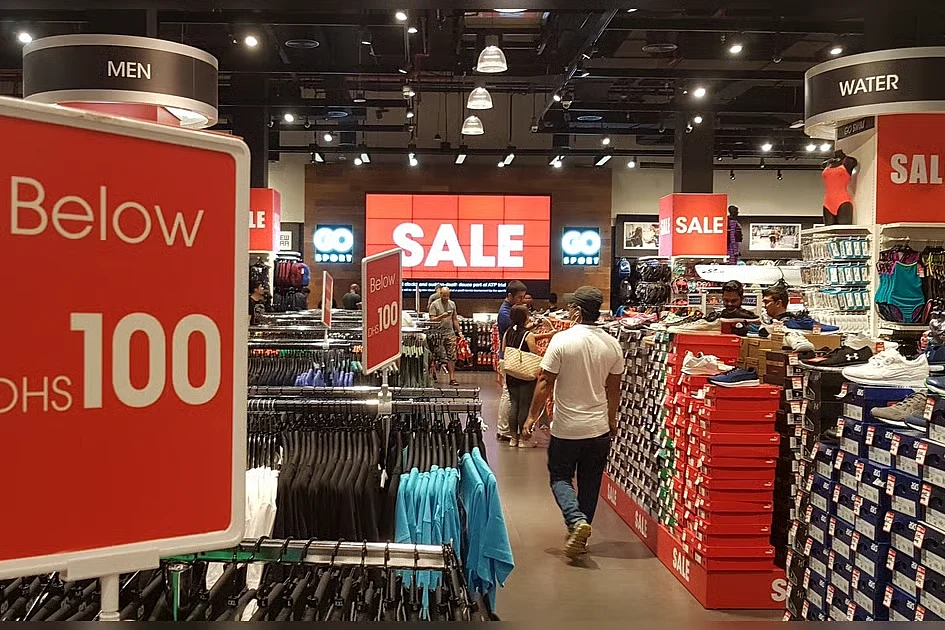
Dubai’s retail landscape is set for a spectacular transformation as the annual 3 Day Super Sale expands into a five-day shopping extravaganza from November 28 to December 2. This strategic extension coincides with the UAE’s 54th National Day celebrations, creating an unprecedented opportunity for consumers to access massive discounts across the city’s retail ecosystem.
The Dubai Festivals and Retail Establishment (DFRE) has orchestrated this citywide event featuring remarkable price reductions of up to 90% at over 2,000 retail outlets representing more than 500 brands. The extended shopping period aligns perfectly with the four-day national holiday period, providing residents and visitors ample time to explore the extensive offerings.
The commercial festivities commence with a groundbreaking 24-Hour Sale at Dubai Festival City Mall on November 28, launching at 10am with live performances, laser displays, and exclusive flash deals. The inaugural event includes special incentives for early shoppers: the first 500 attendees will receive premium Kiehl’s goodie bags, while customers spending Dh300 or more become eligible for a raffle draw to win a Toyota Urban Cruiser vehicle.
Retail participants span multiple categories including fashion, beauty, electronics, homeware, and accessories. Prominent international and local brands such as Michael Kors, Ted Baker, US Polo Association, Virgin Megastore, Pottery Barn, Sephora, and Damas Jewelry are among those offering substantial discounts throughout the extended sale period.
This retail expansion arrives during optimal conditions for consumer engagement, as UAE residents enjoy an extended break from November 29 to December 2 for National Day observances. Retail analysts anticipate record-breaking foot traffic and sales volume as shoppers capitalize on one of Dubai’s most significant discount periods of the year.
-

Top winter destinations for UAE residents: From quick getaways to extended holiday adventures
As the winter season approaches, UAE residents are actively planning their holiday travels, creating one of the busiest periods for international departures. Leading visa processing platform Atlys has identified key destinations that are capturing the interest of the Emirates’ diverse population during the December-January period.
According to Mohak Nahta, Founder and CEO of Atlys, the company’s mission aligns with the seasonal travel surge. “The UAE’s population represents one of the world’s most diverse communities, and travel aspirations are equally varied,” Nahta stated. “Winter is a meaningful season when people seek connection, exploration, and celebration. We’re honored to facilitate these moments seamlessly.”
For shorter getaways, three regional destinations dominate travel preferences. Egypt remains a perennial favorite, offering its iconic Pyramids, ancient temples in Luxor, and Red Sea resorts that provide ideal winter warmth. Georgia has established itself as a winter destination with Tbilisi’s charming old town, cozy cafés, and mountain escapes in Gudauri that deliver authentic winter ambiance without extensive travel time. Morocco completes the regional selection with its cooler climate, featuring Marrakech’s bustling souks, the majestic Atlas Mountains, and expansive desert trails.
For extended holiday adventures, European destinations lead preferences. The United Kingdom attracts travelers seeking authentic European winter experiences, from London’s illuminated streets and premium shopping to Edinburgh’s festive celebrations and the English countryside’s quintessential charm. The Schengen Zone serves as a comprehensive gateway to winter experiences across 27 countries, enabling access to Christmas markets in France and Germany, alpine slopes in Switzerland and Austria, and cultural experiences throughout Italy.
Atlys addresses the complex visa requirements facing the UAE’s predominantly expatriate population, which represents over 200 nationalities. The platform streamlines travel planning by providing a unified system for eligibility verification, document submission, and application tracking, reducing administrative barriers for travelers.
-

UAE jobs: Your salary isn’t rising? This could be the reason
A significant demographic shift in the United Arab Emirates is fundamentally altering the nation’s employment landscape, with recruitment experts identifying population growth as the primary driver behind widespread salary stagnation. According to analyses by leading firms Cooper Fitch and Genie Recruitment, the rapid expansion of the UAE’s resident base has created an employer-favorable market where supply and demand are moving toward equilibrium, particularly in non-specialized positions.
Dr. Trefor Murphy, Founder and CEO of Cooper Fitch, revealed that Dubai alone welcomed approximately 18,000 new residents last month, a pace that the job market cannot match. This influx has contributed substantially to what he describes as ‘the flattening of salaries’ across multiple sectors. Current statistics from worldometers indicate the UAE’s total population has reached 11.47 million in November 2025, marking a noticeable increase from last year’s 11.02 million. Similarly, Dubai’s population has grown from four million in April to 4.04 million this month.
The market transformation has created what experts term ‘micro oversupply pockets’ specifically affecting administrative, office support, and human resources positions. Nicki Wilson, Managing Director of Genie Recruitment, clarified that while the UAE maintains its global attractiveness, the talent pool has evolved more rapidly than job creation in certain categories. This disparity has resulted in concentrated oversupply rather than widespread market pressure.
Roles experiencing the most significant salary pressure include administrative assistants, HR executives, and office managers—positions where skill sets are easily replicated or lack specialization. Fresh graduates without niche qualifications or industry exposure face particularly intense competition. Wilson noted that employers have become increasingly selective, prioritizing cultural alignment, adaptability, and multi-functional capabilities, especially within lean organizational structures.
The recruitment specialist advised job seekers to focus on personal branding and continuous skill development to remain competitive. Meanwhile, specialized positions and roles requiring in-demand technical expertise continue to maintain stable compensation packages, indicating a bifurcated job market where specific skills command premium value while generalized roles face downward salary pressure.
-

PBC Dubai hosts successful journalist meetup to strengthen media collaboration
The Pakistan Business Council (PBC) Dubai recently hosted a highly successful Journalist Meetup, bringing together prominent members of the local media community to foster collaboration and dialogue. The event, held in Dubai, underscored the importance of open communication and robust relationships between PBC and the media sector.
Shabbir Merchant, Chairman of PBC-Dubai, opened the event with a warm welcome address, expressing gratitude for the media’s unwavering support in spotlighting the council’s initiatives and advancing the interests of the Pakistani business community in the UAE. Merchant emphasized the critical role of transparent communication in building strong partnerships.
Iftikhar Ali Tatlah, Vice-Chairman for Events and Media at PBC-Dubai, delivered an insightful presentation highlighting the council’s key achievements over the past year, upcoming projects, and strategic goals. He also discussed the significance of adhering to media regulations and the role of responsible journalism in strengthening community institutions.
Kamran Ahmed Riaz, Senior Vice-Chairman at PBC-Dubai, extended a special note of appreciation, recognizing the media’s timely coverage and dedication to promoting PBC’s endeavors across various platforms. Noor Karim Afridi, Vice-Chairman for Finance and Member Engagement, shared valuable insights on enhancing member engagement and fostering professional growth within the council.
Khurram Khawaja, General Secretary of PBC-Dubai, introduced the upcoming PBC Mobile App, designed to streamline communication, improve accessibility for members, and provide real-time updates on council activities.
The event featured an interactive open discussion where media professionals offered constructive suggestions to enhance PBC’s outreach and communication strategies. The council welcomed the feedback and assured attendees that these recommendations would be integrated into future plans.
As a token of appreciation, PBC-Dubai presented certificates of recognition to journalists for their outstanding contributions to the council and the Pakistani business community in the UAE. The evening also included a cake-cutting ceremony to mark the upcoming UAE National Day, celebrating the enduring bond between Pakistan and the UAE.
The meetup concluded with a networking dinner, providing an excellent platform for meaningful exchanges between PBC leadership and media representatives. PBC-Dubai expressed heartfelt thanks to the media community for their participation and commitment to amplifying the voice of the Pakistani business community in the UAE.
-
A Dubai Original Steps into Its Next Era: Inside BurJuman Mall’s Transformation
BurJuman Mall, one of Dubai’s pioneering retail landmarks, has unveiled the culmination of a comprehensive multi-year transformation that has fundamentally reimagined the 1991-established property. The reinvention, initiated in 2023, represents a strategic pivot from traditional retail to an experience-centric urban hub designed for contemporary consumers.
The metamorphosis extended beyond aesthetic enhancements to incorporate profound structural and operational improvements. Over 75,000 square meters of retail and public space underwent redevelopment, featuring optimized walkability, reconfigured escalators, modernized entrances, and the newly created Entrance 5 providing direct Level 1 access from Al Mankhool. These infrastructural upgrades have yielded measurable success, with double-digit growth in both foot traffic and sales performance compared to previous years.
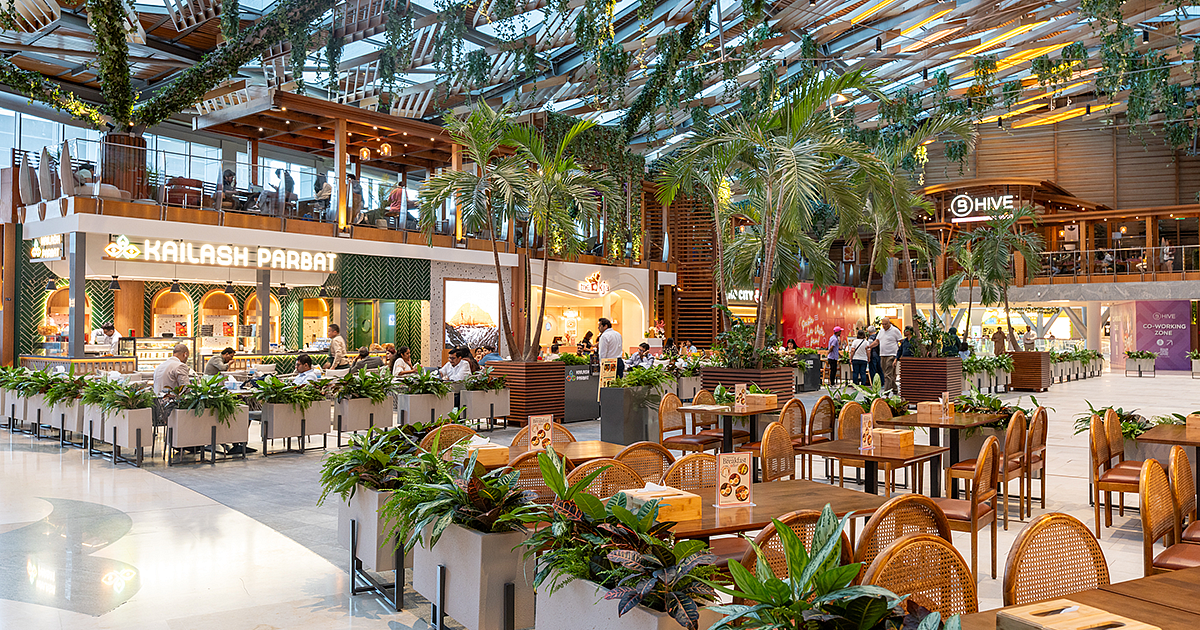
At the core of the transformation lies a meticulously curated retail mix featuring approximately 70 new additions including Centrepoint, Puma, Steve Madden, and Rivoli Group, elevating occupancy rates to approximately 90%. The dining experience has been revolutionized through the redeveloped food court and The Deck—an outdoor terrace area designed to emulate urban social spaces with natural light and greenery.
Digital innovation permeates the visitor journey through ticketless parking systems, interactive directories, and digital gift cards. The mall has further strengthened its community appeal with B Hub and B Hive—repurposed spaces attracting thousands monthly and achieving a remarkable 72% Net Promoter Score through collaborative programming and events.
CEO Ghaith Shocair characterized the transformation as “a renewed chapter” for the mall, emphasizing enhanced accessibility through a new metro entrance and forthcoming elevator at Entrance 3. The mall’s rebranding campaign, “Right in the Heart,” serves as both geographic descriptor and philosophical statement, reflecting BurJuman’s commitment to connection, discovery, and elevated everyday experiences.
With its central Bur Dubai location, direct metro connectivity, and over 24 million annual visitors, the transformed BurJuman Mall positions itself as an inclusive, innovative destination ready for Dubai’s future retail landscape.