分类: business

  • OMODA&JAECOO celebrates UAE National Day with exclusive showroom offers

    OMODA&JAECOO celebrates UAE National Day with exclusive showroom offers

    In celebration of the United Arab Emirates’ National Day, automotive brand OMODA&JAECOO has launched a special nationwide campaign offering significant benefits to customers. The promotion, available for a limited time during the National Day weekend, features financial incentives and premium ownership packages designed to enhance customer value.

    The initiative, themed ‘from OMODA&JAECOO to UAE,’ provides customers with a National Day bonus of up to AED 10,500 across all vehicle models. The comprehensive package includes complimentary insurance, service packages, and an extended warranty covering 10 years or 1 million kilometers. Additional benefits comprise seven years of roadside assistance and free window tinting services.

    Shawn Xu, CEO of OMODA&JAECOO Automobile International, emphasized the significance of the occasion: ‘The UAE National Day represents a moment of collective pride for all residents. As we celebrate our first National Day as part of this dynamic nation, we want to demonstrate our commitment through substantial customer benefits that emphasize long-term value and innovation.’

    The promotional offers are accessible through the brand’s expanding network of showrooms located in Dubai, Sharjah, Ras Al Khaimah, Fujairah, and two locations in Abu Dhabi. This strategic nationwide presence ensures convenient access for customers across all Emirates.

    The National Day campaign marks an important milestone for OMODA&JAECOO as the company continues to establish its footprint in the competitive UAE automotive market. The limited-time offers reflect the brand’s dedication to combining performance-driven vehicle technology with customer-centric ownership experiences.
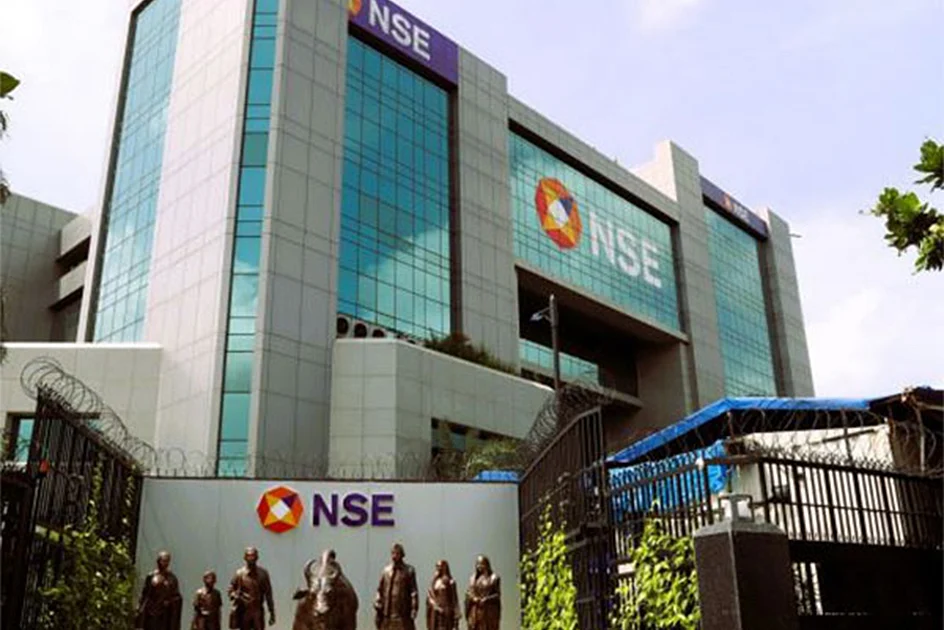

  • India’s equity markets scale new highs after 14 months on growth optimism, easing valuations

    India’s equity markets scale new highs after 14 months on growth optimism, easing valuations

    Indian stock benchmarks achieved unprecedented heights on Thursday, marking their first record peaks in over a year. The resurgence was fueled by cooling valuations, anticipations of corporate earnings recovery, and a resilient economic framework supported by favorable fiscal and monetary policies.

    The Nifty 50 index ascended 0.40% to reach 26,310.45 during trading, while the BSE Sensex advanced 0.52% to 86,055.86. Both indices surpassed their previous all-time highs established in September 2024, though they closed marginally lower due to profit-taking activities.

    This market breakthrough follows a 14-15 month consolidation phase that effectively narrowed the disparity between corporate earnings and stock valuations. Asia’s third-largest economy demonstrates remarkable vigor, with projections indicating nearly 7% growth for the July-September quarter and an anticipated 6.8% expansion for the current financial year ending March 2026.

    Financial institutions express robust optimism regarding market prospects. J.P. Morgan analysts project the Nifty could reach 30,000 by late 2026, suggesting approximately 15% upside potential. The September quarter witnessed India’s strongest corporate earnings revival in over a year, driven by consumption recovery, benign inflation, tax reductions, and reduced borrowing costs.

    Market valuations have moderated significantly from previous levels, with the Nifty currently trading at 22.7x 12-month forward price-to-earnings ratios, down from 23x-25x multiples observed 14 months prior. This valuation adjustment, combined with strengthened earnings outlook, has attracted renewed foreign investor interest while sustaining domestic participation.

    Notably, equity mutual funds have demonstrated consistent inflows since February 2021, with systematic investment plan contributions reaching record levels despite market volatility. Domestic institutions have purchased shares worth 2.92 trillion rupees ($32.94 billion) in 2025, substantially offsetting foreign outflows of $16.9 billion during the same period.

    Analysts highlight that India’s relatively limited artificial intelligence exposure provides global investors with a natural hedge against technology sector volatility. Furthermore, India’s significant underperformance compared to Asian and emerging market peers over the past year may catalyze foreign capital回流, potentially accelerated by a prospective India-U.S. trade agreement.

  • ‘Money loves me, and I love money’: UAE resident on wealth and investing

    ‘Money loves me, and I love money’: UAE resident on wealth and investing

    Abu Dhabi-based entrepreneur Muna Mustafa has developed what she describes as a “love-love” relationship with wealth, viewing money as “a powerful tool” that requires both respect and strategic management. The American-Palestinian business leader, co-founder of SupperClub Middle East, credits her unconventional perspective to early career influences that normalized open financial discussions.

    In an exclusive interview, the 44-year-old expatriate revealed her unique approach to finance developed over sixteen years in the UAE. Rather than treating money as taboo, Mustafa advocates for transparent financial conversations, a practice she learned from her first manager who encouraged celebrating financial success openly.

    Mustafa’s financial philosophy blends pragmatic investment strategies with profound personal values. While she enthusiastically embraces wealth accumulation—noting her early Bitcoin investment at $300 per coin—she maintains that “the most valuable things in life were given to us free at birth.” This balanced perspective informs her investment choices, favoring experiences over material possessions and prioritizing investment over traditional saving methods.

    The Abu Dhabi resident acknowledges that luxury living in the UAE has shaped her financial expectations, requiring conscious adjustment when traveling abroad. Her current financial strategy focuses exclusively on investment rather than savings, with particular emphasis on global real estate acquisitions, especially within Abu Dhabi’s promising property market.

    Beyond personal wealth building, Mustafa’s ultimate financial goal centers on humanitarian empowerment. She aims to achieve sufficient financial independence to support disadvantaged communities in Gaza and other regions, helping them establish sustainable businesses and financial self-reliance. This aspiration transforms her personal financial success into a potential catalyst for broader social impact, merging wealth accumulation with purposeful philanthropy.

  • London Business School publishes case study on Floward, unveiled at Riyadh launch event

    London Business School publishes case study on Floward, unveiled at Riyadh launch event

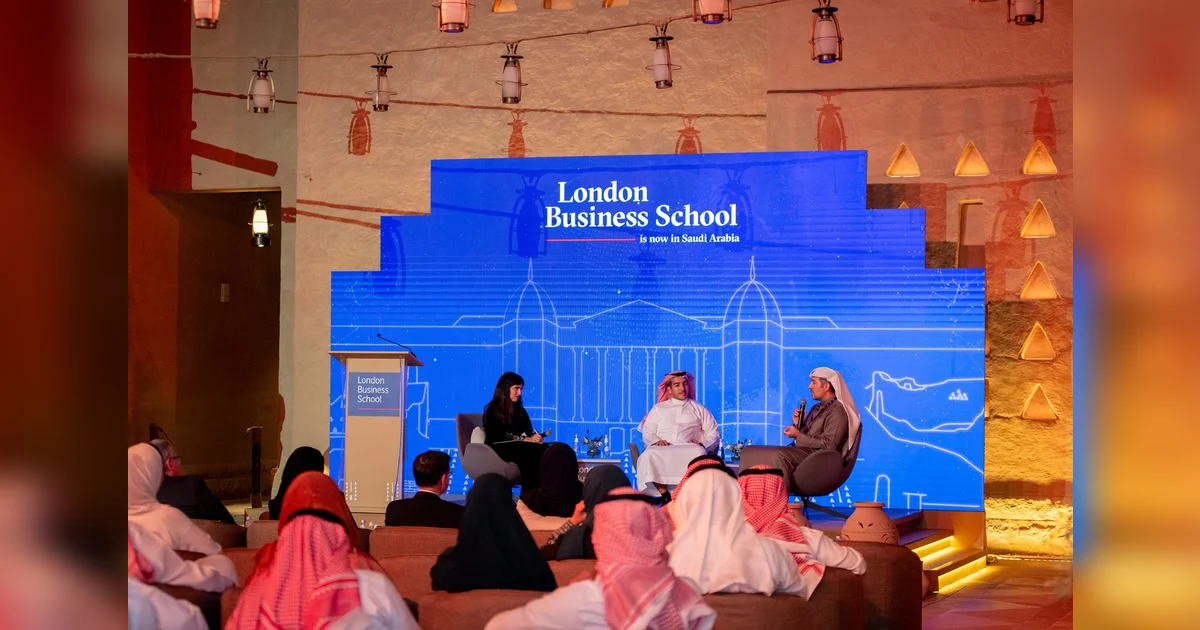
    London Business School has formally unveiled an extensive case study examining the remarkable growth trajectory of Floward, the premier online flowers and gifts delivery enterprise operating across the Middle East, North Africa, and the United Kingdom. The official presentation occurred during a prestigious launch event in Riyadh, Saudi Arabia, signaling LBS’s formal establishment within the Kingdom.

    The ceremony, held under the patronage of Dr. Majid bin Abdullah Al-Qasabi, Saudi Arabia’s Minister of Commerce, convened an audience of senior public and private sector leaders, distinguished academic faculty, and LBS alumni. This gathering not only celebrated the school’s expanded presence but also emphasized the strengthening relationship between the institution and Saudi Arabia’s dynamic business and innovation environment.

    A dedicated panel discussion featured Floward’s Chairman and CEO, Abdulaziz B. Al Loughani, and Impact46 CEO Abdulaziz Al-Omran, a key early investor. The session was expertly moderated by Professor Luisa Alemany, the author of the case study. The analysis delves into Floward’s strategic evolution from a regional startup into a rapidly expanding e-commerce leader, scrutinizing its pivotal business decisions, unique operational framework, ingrained culture of innovation, and its transformative impact on the gifting sector throughout its markets.

    In his remarks, Al Loughani, an LBS alumnus, described the recognition as a profoundly proud milestone. He expressed that having the company’s narrative integrated into an academic curriculum by an institution that was instrumental in his own professional development is a testament to Floward’s journey and its unwavering dedication to innovation and growth. He extended gratitude to Professor Alemany and the LBS community, while attributing the success to the entire Floward team.

    Abdulaziz Al-Omran of Impact46 echoed these sentiments, highlighting the critical role of sustained investor-founder collaboration in fostering regional innovation. The publication of this case study is a component of LBS’s wider initiative to bolster business leadership and facilitate knowledge exchange in Saudi Arabia, efforts that are closely aligned with the Kingdom’s ambitious national transformation agenda and its flourishing entrepreneurial ecosystem.

  • Abu Dhabi rents surge 14% as demand from expats outpaces housing supply

    Abu Dhabi rents surge 14% as demand from expats outpaces housing supply

    Abu Dhabi’s residential rental market is experiencing significant upward momentum, with apartment rents surging 14.2% year-on-year in Q3 2025 according to Cavendish Maxwell research. This substantial growth stems from a perfect storm of demographic expansion and supply limitations that continue to reshape the capital’s real estate landscape.

    The driving forces behind this rental escalation include robust population growth, particularly among expatriates and the expanding workforce, creating unprecedented demand for housing. Despite new apartment supply entering the market throughout the year, exceptionally high absorption rates have maintained critically low vacancy levels, sustaining upward pressure on rental prices across the emirate.

    Market analysis reveals a distinct performance divergence between property types. Apartments significantly outpaced villas in rental growth, recording a 12.8% annual increase compared to villa rents which grew at a more moderate 5.6% pace. According to Haider Tuaima, Managing Director and Head of Real Estate Research at ValuStrat, rental values demonstrated notable strength with the rental index advancing 2.3% quarterly and 9.3% annually.

    The supply pipeline presents a complex picture. Developers are projected to deliver approximately 8,000 new residential units by end-2025, with an additional 12,800 anticipated in 2026. However, industry experts caution that actual deliveries frequently fall short of initial projections. Andrew Laver, Associate Director at Cavendish Maxwell Abu Dhabi, notes that ‘based on recent handover trends, we could see fewer-than-planned properties being delivered in the next couple of years.’ This staggered delivery approach, historically typical for Abu Dhabi, allows gradual market absorption and prevents sudden stock increases.

    The sales market mirrored rental sector strength, with Q3 2025 recording robust transaction volumes exceeding 6,400 residential unit sales totaling Dh20.5 billion. Off-plan purchases dominated the market, accounting for Dh16.3 billion of total sales value. Market analysts anticipate both sales and rental prices will continue their upward trajectory in the near term, though growth rates will vary across locations as new supply enters specific market segments.

  • Brazilian police crack down on $4.8B tax evasion and money laundering scheme

    Brazilian police crack down on $4.8B tax evasion and money laundering scheme

    SAO PAULO — Brazilian authorities have initiated a sweeping law enforcement operation targeting a sophisticated financial crime network within the nation’s fuel industry. The operation, launched Thursday, represents one of the most significant actions against organized financial crime in recent years.

    Federal police executed 126 search and seizure warrants across five Brazilian states, targeting individuals and corporate entities allegedly involved in a massive tax evasion and money laundering scheme. According to Brazil’s Federal Revenue Service, the organization under investigation constitutes the country’s largest tax debtor, with outstanding liabilities exceeding 26 billion reais (approximately $4.8 billion).

    The criminal network employed a complex web of domestic companies, investment vehicles, and offshore entities to conceal illicit profits. While officials have not publicly identified specific targets, local media reports indicate the investigation centers around Grupo Fit, a prominent fuel refinery conglomerate. The company has not responded to media inquiries regarding the operation.

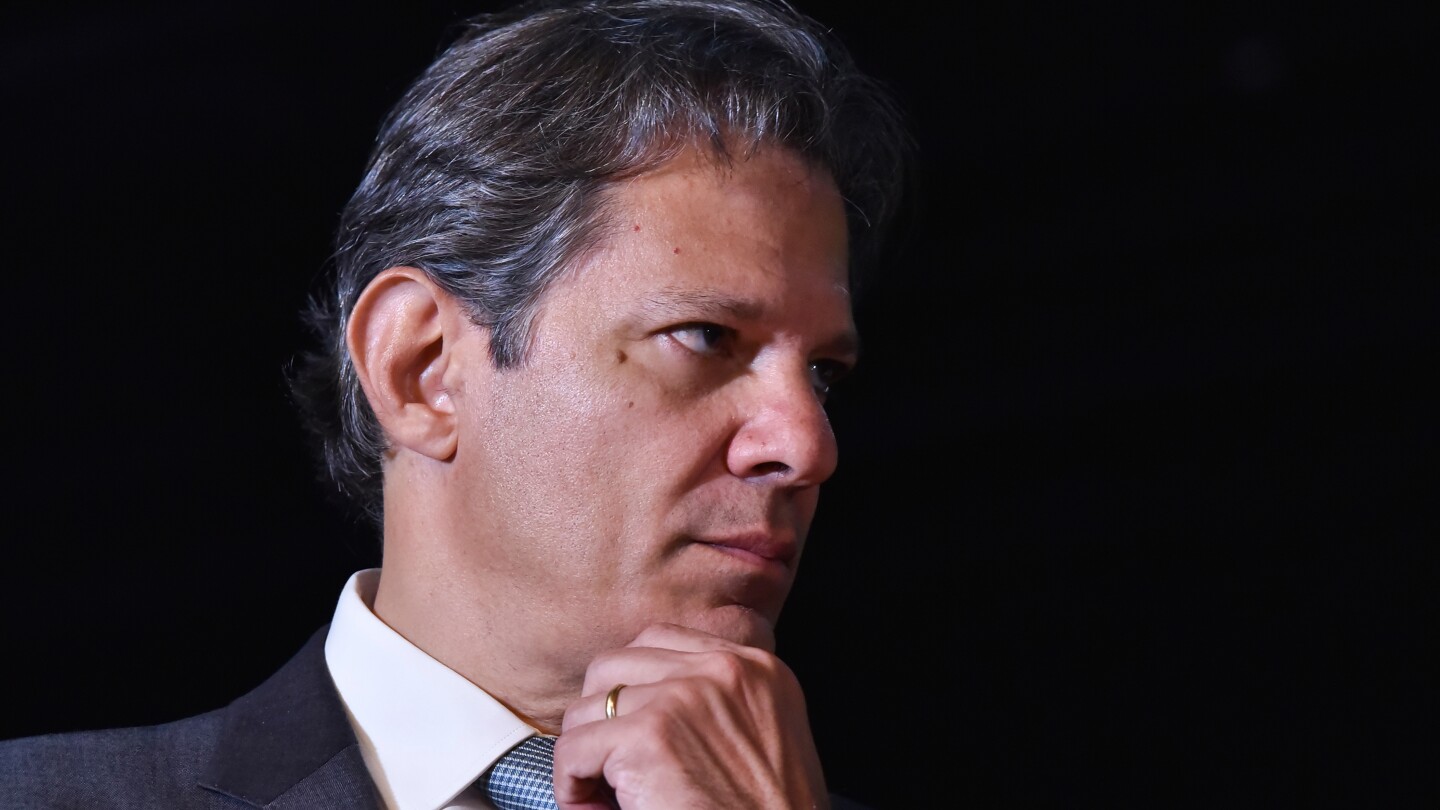
    Finance Minister Fernando Haddad characterized Thursday’s actions as a continuation of recent efforts to dismantle criminal elements within Brazil’s fuel supply chain. This latest operation follows August revelations where authorities identified 40 fuel-sector investment funds allegedly used to hide assets for members of the Primeiro Comando da Capital (PCC), Brazil’s most powerful organized crime syndicate.

    Investigators have uncovered a sophisticated capital flight pattern involving U.S.-based entities. Federal authorities identified more than 15 offshore operations in the United States that funneled approximately 1 billion reais ($186 million) back to Brazil for purchasing equity stakes and real estate assets.

    Minister Haddad specifically highlighted Delaware as a jurisdiction exploited for money-laundering operations, describing it as ‘a tax haven in the United States’ facilitating ‘a serious international triangulation scheme.’ One recent transaction involved 1.2 billion reais ($223 million) directed to funds in the American state.

    The scheme operated through loans issued to these offshore funds—suspected to be never intended for repayment—with the money subsequently returning to Brazil as ostensibly legitimate investments. Haddad emphasized that ‘the money sent abroad is not legitimate’ and represents illicit funds being laundered through the financial system.

    Amid ongoing tariff negotiations with the United States, Minister Haddad has committed to President Luiz Inácio Lula da Silva to pursue enhanced international cooperation with American authorities against organized crime and money laundering networks.

  • How wage inflation became the Fed’s regressive red line

    How wage inflation became the Fed’s regressive red line

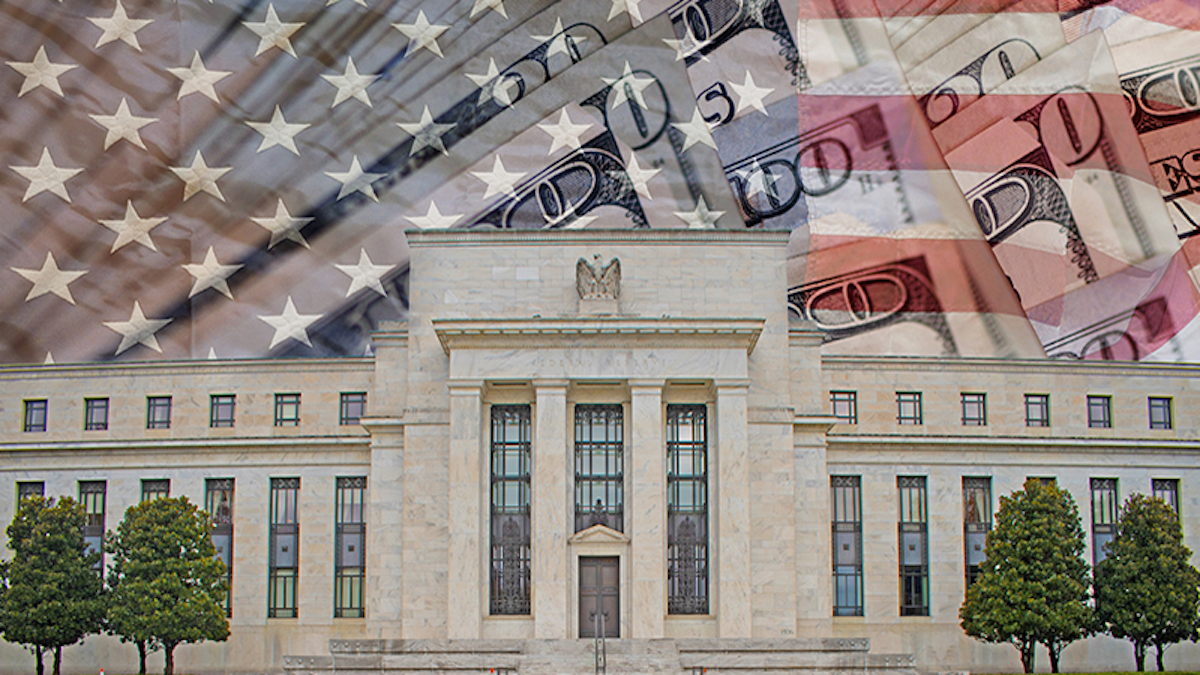
    The period from 2021 to 2023 witnessed a significant surge in inflation, affecting consumer goods, housing, and assets. While wage inflation also increased, it did not keep pace with other inflation measures. As wages began to accelerate, the Federal Reserve (Fed) initiated rate hikes to cool the economy, adhering to its long-standing belief that wage inflation could lead to spiraling inflation and needed to be controlled.

  • Henan sees big spurt in industrial manufacturing

    Henan sees big spurt in industrial manufacturing

    Henan Province, a cornerstone of China’s industrial manufacturing sector, has demonstrated remarkable growth in 2025, particularly in specialized equipment production. Vice-Governor Li Tao highlighted this progress at a conference in Zhengzhou, the provincial capital, emphasizing the sector’s significant contributions to the region’s economic expansion. From January to October 2025, the value addition of Henan’s equipment manufacturing industry surged by 33.4% year-on-year, accounting for 13.1% of the total output from major industrial enterprises and contributing 1.7 percentage points to the province’s overall industrial growth. The event also marked the official contracting of two groundbreaking machines: the world’s largest diameter double-shield Tunnel Boring Machine (TBM) and the domestically produced largest diameter shield machine. Additionally, the ultra-large diameter slurry shield machine, Zhengxianhao, was unveiled. The double-shield TBM, with a 13.01-meter excavation diameter, will be deployed in the Yuexi Tunnel project on the Jinkouhe-Xichang Expressway in Sichuan Province, a pioneering initiative in China’s expressway engineering. Meanwhile, the domestically produced shield machine, boasting a 16.68-meter excavation diameter, will be utilized in the Hefei G4001 connecting line project under the Dongpu Reservoir in Anhui Province. Zhengxianhao, designed for the Wuhan Two Lakes Tunnel project, features a 15.09-meter excavation diameter and advanced capabilities for navigating complex geological conditions. The conference, hosted by China Railway High-tech Industry Co., also introduced the ‘Pioneer Industrial Manufacturing Large Model,’ a strategic initiative aligned with China’s digital and intelligent transformation goals. This model aims to enhance AI-driven services and support the intelligent evolution of manufacturing. Furthermore, the launch of the High-End Manufacturing Innovation Consortium underscores efforts to integrate resources and tackle technological challenges across the industrial chain. The event attracted nearly 200 participants, including government officials, industry experts, and enterprise representatives, solidifying Henan’s position as a leader in industrial innovation.

  • Tesla looks to reset strategy amid sluggish India sales

    Tesla looks to reset strategy amid sluggish India sales

    Tesla has unveiled its largest sales and service hub in India, located in Gurugram, a northern city. This state-of-the-art facility integrates an experience showroom, charging infrastructure, and after-sales services under one roof. Despite this significant investment, Tesla continues to face challenges in the Indian market, with only around 100 cars sold since its high-profile debut in July this year, according to dealership data. Sources close to the company reveal that Tesla is now focusing on bolstering India’s EV ecosystem to rejuvenate its sales momentum. The company has not directly addressed inquiries regarding its underwhelming sales figures. Since its launch in July, Tesla has struggled to gain traction in India, with media reports indicating that it received bookings for just over 600 cars by mid-September. However, only a fraction of these bookings have translated into actual sales, even as competitors like BMW, BYD, and Mercedes Benz have reported robust sales, driven by festive demand and tax incentives. Tesla’s strategy to enhance its market presence includes a three-pronged approach: increasing EV adoption, expanding the charging station network, and improving customer experience. High taxes and slow adoption rates remain significant barriers to EV growth in India, with Tesla’s steep upfront prices posing an additional challenge. Speaking at the launch event, Tesla India head Sharad Agarwal highlighted the long-term cost benefits of owning a Tesla, estimating that buyers could save up to two million rupees ($22,400) over four years on fuel and maintenance costs. He also emphasized the advantages of remote software updates and the low cost of home charging. Despite the current low sales figures, industry experts like Hormazd Sorabjee, editor of Autocar India, believe that Tesla’s entry into the Indian market is strategic and holds potential for future growth. EVs currently account for less than 3% of passenger vehicle sales in India, and the country’s charging infrastructure remains underdeveloped, with only around 25,000 charging stations. Tesla is expanding its network, including superchargers that can deliver about 170 miles of range in just 15 minutes. Tesla’s struggles in India are part of a broader slowdown in demand across its major markets, including Europe, China, and the US. The company reported a 37% drop in profits for the third quarter of 2023, despite achieving record revenue of $28 billion. In India, Elon Musk has shown little interest in local manufacturing, opting instead for an import-led strategy, despite government incentives aimed at attracting global EV manufacturers.

  • UAE launches first digital platform for buying, trading trademark

    UAE launches first digital platform for buying, trading trademark

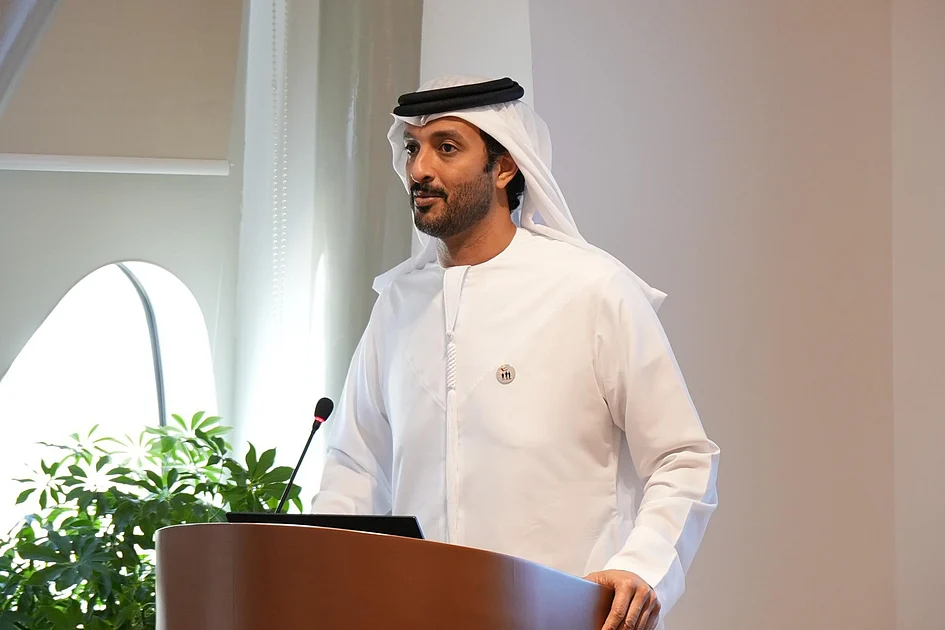
    The UAE has introduced ‘TM Market Place,’ the region’s first digital platform dedicated to buying and trading trademarks. Launched by the Ministry of Economy and Tourism in Abu Dhabi, this innovative platform aims to revolutionize the intellectual property (IP) and trademark sector, enhancing the UAE’s appeal to global businesses and brands. Developed in collaboration with the UAE Government Leaders Programme, TM Market Place provides a secure and transparent environment for trademark owners to list and trade their assets, connecting them with investors and entrepreneurs. The platform aligns with the UAE’s vision of fostering a knowledge-based economy and supporting the competitiveness of its business environment. Minister of Economy and Tourism Abdulla bin Touq Al Marri emphasized that the platform will empower intangible business assets, offering fair financial valuation and transforming trademarks into active economic assets. The platform also aims to facilitate investor access to trademarks, lower market entry barriers, and support SMEs and family businesses by converting trademark value into financial assets. Operational from its launch day, TM Market Place is expected to boost the UAE’s trademark sector by 20% in its first year, with the Ministry ensuring compliance with national and international IP laws. The platform’s secure login and digital payment systems guarantee transaction safety and user identity verification. This initiative builds on the UAE’s efforts to develop a robust IP and trademark environment, supported by legislative frameworks and international agreements like the Madrid Protocol. The UAE has seen significant growth in trademark registrations, with 34,234 trademarks registered from January to November 2025, marking a 129% increase compared to the first half of 2024.