分类: business

  • China expands state-level job services markets to boost labor allocation

    China expands state-level job services markets to boost labor allocation

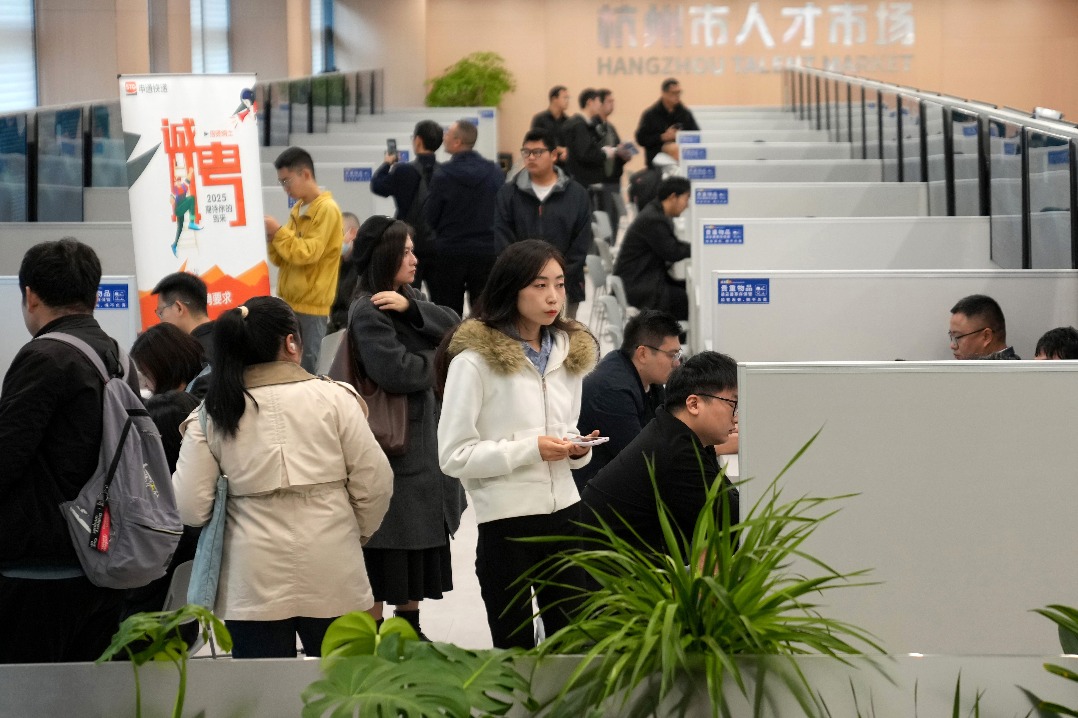
    China has strategically developed an extensive national infrastructure of talent markets and human resource service centers to enhance labor allocation across key economic sectors. Official data released Thursday reveals the establishment of 36 national talent markets alongside 29 specialized human resource industrial parks, creating a comprehensive framework aimed at addressing employment challenges and workforce distribution.

    The announcement came during a press briefing preceding the third National Human Resource Services Industry Development Conference in Wuhan, Hubei Province. This network of national facilities, complemented by regional specialized parks, constitutes an integrated service system specifically designed to optimize employment services and industrial talent allocation nationwide.

    Since the commencement of the 14th Five-Year Plan period (2021-2025), China’s employment services sector has experienced substantial growth, now providing essential services to approximately 300 million workers and over 50 million employers annually. This expansion reflects the government’s concerted effort to modernize labor market mechanisms and improve workforce mobility.

    Authorities are particularly focused on aligning human capital with critical economic drivers, including advanced manufacturing capabilities, digital economy initiatives, and modern service industries. This strategic approach aims to bridge persistent gaps between talent availability and sector-specific requirements, thereby mitigating labor shortages in vital industries.

    The upcoming Wuhan conference (November 28-29) will demonstrate these initiatives through practical application, featuring a large-scale recruitment drive offering more than 40,000 positions targeting university graduates and overseas students. Opportunities will concentrate on emerging fields such as artificial intelligence development and the burgeoning low-altitude economy sector, highlighting China’s commitment to future-oriented workforce development.

  • Chancay Port becomes new trade gateway

    Chancay Port becomes new trade gateway

    Peru’s Chancay Port has completed its inaugural year of commercial operations, establishing itself as a pivotal maritime gateway transforming Sino-Latin American trade dynamics. The facility, which marked its first anniversary on November 15, has rapidly gained significance amid growing cargo flows between China and South American nations.

    According to Carlos Aquino, Professor of International Economics at Peru’s National University of San Marcos, the port is already reshaping regional trade patterns. “The volume of cargo departing directly for China continues to increase, encompassing not only Peruvian exports but also goods from Ecuador, Chile, and Colombia,” Aquino noted. This direct routing reduces transit duration by approximately ten days, yielding an estimated 30 percent reduction in freight expenses.

    Customs data reveals substantial trade growth through the port, with Chinese imports via Chancay exceeding $759 million in value during 2025. Vehicles and machinery constitute the primary commodities, while 79 percent of customs declarations designate China as their destination, underscoring the deepening commercial relationship.

    Javier Eduardo Franco Castillo, Peru’s Customs Administration Chief, emphasized the nation’s commitment to enhancing trade security and efficiency, stating: “We continue to facilitate international logistics chains and combat smuggling to support trade with the world’s main economies, including China, our principal trading partner.”

    The port’s emergence has stimulated competitive responses within Peru’s maritime sector. The country’s largest port at Callao is undertaking infrastructure upgrades to remain competitive, now offering direct connections to Chinese and Asian ports. This heightened competition has already reduced freight costs for both Peruvian exporters and importers.

    Beyond port operations, Chancay’s influence extends to broader infrastructure development. Aquino highlighted how increased goods movement is revitalizing proposals for highway projects and the long-discussed bi-oceanic railway connecting Peru and Brazil. Additionally, two export-processing zones planned near the port could enable Peru’s transition from raw material exports to value-added manufacturing.

    The port’s improved efficiency particularly benefits perishable agricultural exports including blueberries, grapes, and avocados, while Chinese imports such as electronics, automobiles, and industrial machinery have become more affordable. Chancay has also emerged as a crucial entry point for Chinese electric vehicles expanding across South American markets.

    Aquino concluded that Peru is evolving into both the entry point for Chinese and Asian goods in South America and the exit port for South American exports to China and Asian markets, positioning Chancay to become a major logistics hub connecting China and Latin America.

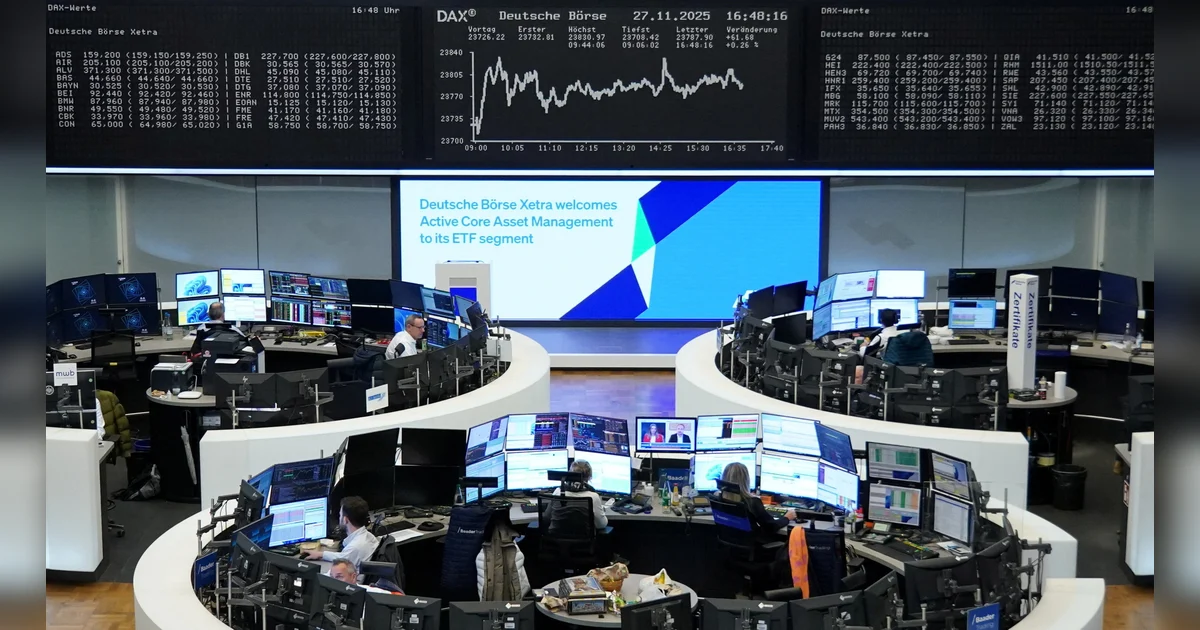
  • Asian shares are mixed in holiday-thinned trading with Wall Street closed for Thanksgiving

    Asian shares are mixed in holiday-thinned trading with Wall Street closed for Thanksgiving

    Asian equities presented a fragmented performance on Friday during subdued holiday trading, with technology shares experiencing declines as the recent rally fueled by Federal Reserve rate cut expectations began to lose momentum. While artificial intelligence developments continue influencing global market fluctuations, investor attention remains firmly fixed on U.S. monetary policy directions. Recent commentary from Federal Reserve officials has revitalized hopes for potential central bank action during its upcoming December meeting.

    Stephen Innes of SPI Asset Management captured the prevailing market sentiment, noting, ‘Market participants are unanimously converging toward the same conclusion: the Fed will deliver holiday cheer through policy adjustments.’

    Japan’s Nikkei 225 remained virtually unchanged at 50,172.60, with AI-associated stocks including Kioxia Holdings, Fujikura and Lasertec among the notable decliners. Fresh government data revealed Tokyo’s core inflation held steady at 2.8% year-on-year in November, maintaining October’s level and remaining above the Bank of Japan’s 2% target. This sustained inflationary pressure reinforces expectations for the central bank’s gradual shift toward higher interest rates, though analysts anticipate no immediate hike during December’s meeting.

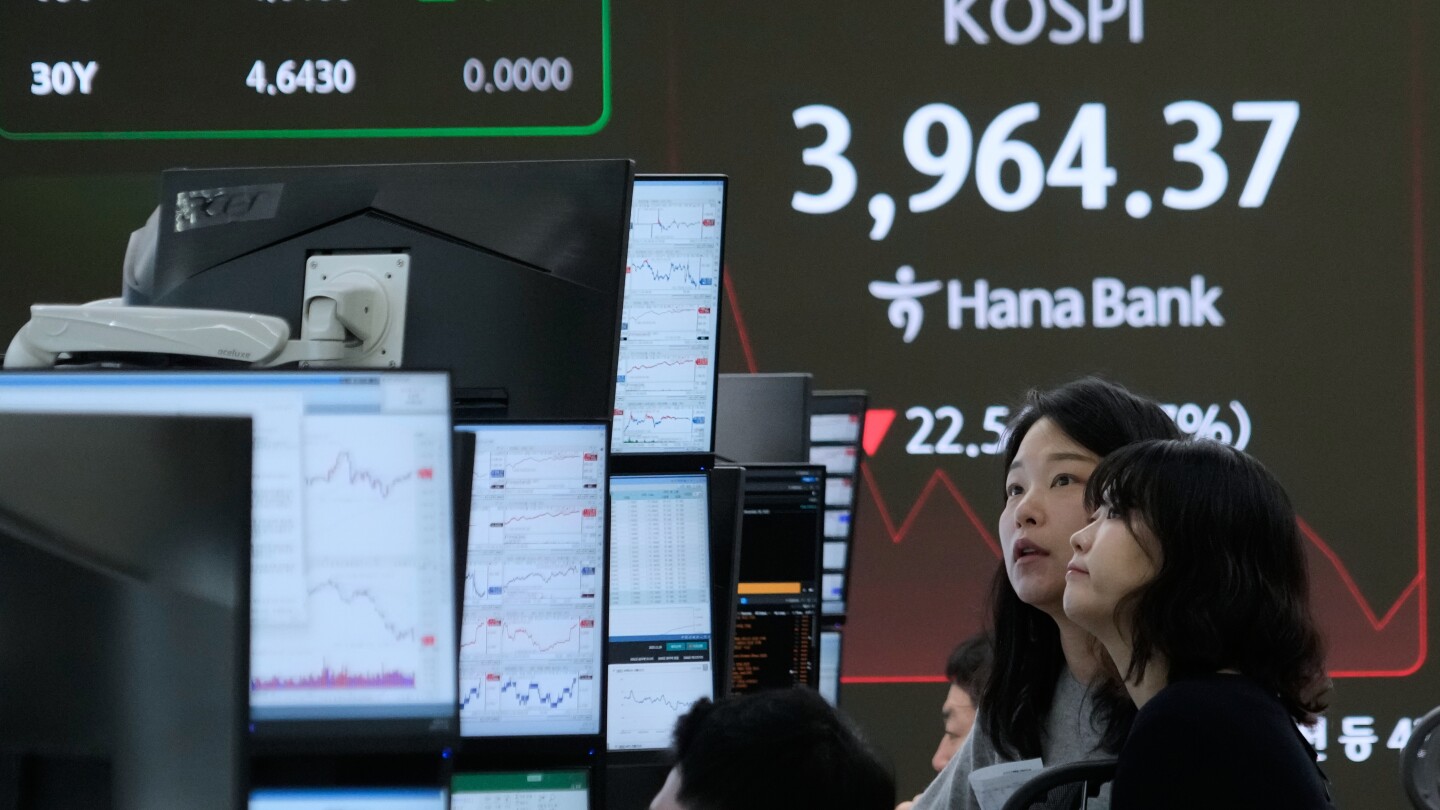
    South Korea’s Kospi experienced a significant 1.4% decline to 3,930.95 following disappointing economic indicators. Industrial production dropped 4% month-on-month in October, substantially worse than September’s 1.1% contraction. Semiconductor production plummeted 26.5% monthly, dragging down technology giants including LG Energy Solutions, SK Hynix and Samsung Electronics.

    Chinese markets showed modest movements with Hong Kong’s Hang Seng index dipping 0.2% to 25,896.33 while the Shanghai Composite index gained 0.2% to 3,883.46. Regional performances varied with Australia’s S&P/ASX 200 index declining 0.1% to 8,608.90, Taiwan’s Taiex advancing 0.9%, and India’s BSE Sensex edging up 0.1%.

    The trading session followed positive momentum in U.S. markets, where stocks closed broadly higher on Wednesday before the Thanksgiving holiday. The S&P 500 and Dow Jones both gained 0.7%, while the Nasdaq Composite added 0.8%.

    In commodity markets, U.S. benchmark crude oil increased 43 cents to $59.08 per barrel, while Brent crude, the international standard, rose 21 cents to $63.08 per barrel in early Friday trading. Currency movements saw the U.S. dollar strengthen slightly to 156.34 Japanese yen from 156.31 yen, while the euro weakened to $1.1584 from $1.1596.

  • Stocks, bitcoin edge up as investors bank on Fed rate cuts

    Stocks, bitcoin edge up as investors bank on Fed rate cuts

    Financial markets exhibited cautious optimism on Thursday as investor confidence in an impending Federal Reserve rate cut fueled upward momentum across European equities and digital assets. The STOXX 600 index advanced 0.2%, propelled by robust performances in defense and technology sectors that effectively counterbalanced declines in healthcare stocks.

    Market activity remained relatively subdued due to the U.S. Thanksgiving holiday closure, creating an atypical trading environment across major asset classes. The prevailing market sentiment continues to be dominated by expectations of monetary policy easing, with traders now pricing in an 85% probability of a December rate cut according to CME FedWatch data—a significant increase from just 30% the previous week.

    Currency markets displayed remarkable stability, with the dollar maintaining its position against a basket of major currencies. Sterling retreated from recent four-week highs following British Finance Minister Rachel Reeves’ budget announcement, which alleviated concerns about the nation’s long-term fiscal health. The euro held steady at $1.1593 while the pound remained unchanged at $1.324.

    The Japanese yen emerged as a particular focus for currency traders, strengthening to 156.375 per dollar from nearly 158 a week earlier. Market participants are closely monitoring potential intervention from Tokyo authorities after weeks of verbal warnings aimed at curbing the currency’s persistent decline. Prime Minister Sanae Takaichi explicitly dismissed comparisons to Britain’s ‘Truss moment’, asserting confidence in her administration’s spending plans.

    Cryptocurrency markets joined the positive trend, with Bitcoin gaining 0.7% to reach $90,800—positioning the digital asset to break a four-week losing streak with an approximately 3% weekly gain. Gold experienced minimal pressure, easing 0.1% to $4,159 per ounce.

    Market analysts attribute the sustained bullish sentiment to diminishing concerns about AI investment valuations and an overall positive earnings season. Chris Beauchamp, IG chief markets strategist, noted that while AI spending concerns remain the ‘market’s kryptonite’, the primary economic engines continue to perform satisfactorily, pushing valuation worries to the background for the immediate future.

  • Reform or rights rollback? India’s sweeping labour law overhaul sparks debate

    Reform or rights rollback? India’s sweeping labour law overhaul sparks debate

    India has embarked on its most significant economic overhaul in decades by implementing four consolidated labor codes, effectively replacing 29 complex federal laws that previously governed the workforce. This landmark reform dramatically reduces regulatory compliance from approximately 1,400 rules to just 350, while cutting required forms from 180 to 73, substantially easing the administrative burden on businesses nationwide.

    The legislation, which received parliamentary approval in 2020 but faced five years of political delays, represents a fundamental shift in India’s approach to labor regulation. The government maintains these changes aim to modernize outdated statutes, simplify compliance procedures, and extend legal protections to the country’s growing gig economy workforce for the first time.

    Corporate leaders and international financial institutions have welcomed the reforms as a crucial step toward enhancing India’s global competitiveness. Nomura analysts noted these changes signal the government’s commitment to accelerating economic reforms, particularly in response to shifting global trade dynamics including Trump’s tariff policies. The brokerage firm emphasized these measures should facilitate easier business operations, attract foreign direct investment, and better integrate India into global value chains.

    However, trade unions have mounted vigorous opposition, characterizing the reforms as the most aggressive dismantling of worker protections since India’s independence. Left-leaning unions unaffiliated with Prime Minister Modi’s ruling party organized protests across the country, including demonstrations in Delhi where hundreds expressed concerns about diminished worker rights.

    The reforms introduce several worker-friendly provisions including mandatory appointment letters, uniform minimum wages, free annual health check-ups for employees over 40, and gender-neutral pay requirements. Additionally, they expand social security coverage and formally recognize gig workers within the employment framework.

    Despite these protections, two contentious clauses have generated particular controversy: the increased threshold for government approval of layoffs (from 100 to 300 workers) and new requirements for 14-day strike notices. Economists like Columbia University’s Arvind Panagariya argue previous regulations were ‘draconian’ and hampered India’s competitiveness against manufacturing rivals like Bangladesh, Vietnam, and China. Conversely, critics including Professor Arun Kumar contend that inadequate demand rather than labor restrictions explains India’s manufacturing challenges, warning that reduced worker bargaining power could exacerbate existing economic inequalities.

    As India navigates this transition, businesses face implementation challenges including adjustments to wage structures, HR systems, and compliance governance. The long-term impact on manufacturing growth and investment remains uncertain, but these reforms undoubtedly represent a transformative moment in India’s economic development.

  • ‘Chasing hype, not solutions’: Why so many startups fail

    ‘Chasing hype, not solutions’: Why so many startups fail

    At the KT+150 Summit in Abu Dhabi, prominent entrepreneur and investor Jigar Sagar delivered a critical assessment of startup failure patterns, identifying “hype chasing” as a primary culprit. Speaking to an audience of emerging innovators at the Helipad by Frozen Cherry venue, Sagar emphasized that sustainable businesses must prioritize genuine problem-solving over trend-following.

    Sagar’s keynote address, titled “From Seed to Scale,” challenged conventional startup wisdom by asserting that many ventures “are built for valuation, not for value.” He cautioned founders against developing businesses that merely start trends rather than address tangible market needs, noting that without solving real problems, companies build on “shaky ground.”

    Beyond identifying problems, Sagar provided strategic guidance for scaling successful enterprises. He stressed that organizational infrastructure must evolve alongside growth, stating plainly that “you cannot scale chaos.” The transition from ten to one hundred employees requires deliberate process implementation, he advised.

    Regarding funding, Sagar urged selective investor alignment rather than pursuing capital indiscriminately. “Don’t raise money just to raise money,” he counseled. “Raise with purpose. Build with purpose. And scale with purpose.” This approach ensures mission continuity between founders and their financial partners.

    The summit, featuring the KT+150 list of promising innovators, facilitated discussions on developing the UAE’s next generation of unicorn companies—those that create substantial value through addressing genuine market needs rather than pursuing transient trends.

  • Property Data via DIFC collaboration: The real-time signals Dubai landlords and tenants act on

    Property Data via DIFC collaboration: The real-time signals Dubai landlords and tenants act on

    Dubai’s notoriously fast-paced rental market, where properties can be viewed, decided upon, and leased within a single week, has long been hampered by a significant obstacle: information fog. Critical decisions on pricing, yields, and fair market value were often based on speculation rather than concrete data. A groundbreaking data collaboration anchored through the Dubai International Financial Centre (DIFC) is now cutting through this uncertainty, delivering verified, privacy-safe rental signals in real-time to all market participants.

  • Middle East life sciences M&A set to accelerate amid Gulf innovation push

    Middle East life sciences M&A set to accelerate amid Gulf innovation push

    The Middle Eastern life sciences sector is entering a transformative period of mergers and acquisitions, driven by ambitious national strategies and substantial government investments in biotechnology infrastructure. According to a comprehensive analysis by Grand View Research, this acceleration in deal-making activity is directly tied to the Gulf region’s strategic pivot toward advanced therapies, biologics manufacturing, and supply chain localization initiatives.

    Key national visions including Saudi Arabia’s Vision 2030 and the UAE’s Life Sciences Strategy are catalyzing this movement, positioning the region for significant consolidation ahead of the World Health Expo 2026 in Dubai. The report identifies substantial market growth projections, with the Middle Eastern healthcare Contract Development & Manufacturing Organisation (CDMO) market expected to nearly double from $6.27 billion in 2024 to approximately $11.91 billion by 2033, representing a compound annual growth rate of 7.5%.

    Dubai has emerged as a central hub in this transformation, leveraging its strategic geographic position, regulatory frameworks, and investment incentives to attract cross-border partnerships. The city’s combination of free-zone advantages, logistics infrastructure, and access to global talent positions it as an ideal coordination center for regional M&A activities.

    The analysis highlights particularly explosive growth in specialized segments, with the cell therapy raw materials market projected to expand nearly fourfold from $39.2 million to $169.8 million by 2033, achieving one of the highest global growth rates at 17.8% CAGR. While small molecules currently dominate CDMO revenues at 36%, strategic priorities are shifting toward biologics, biosimilars, and cell-based therapies.

    Swayam Dash, Managing Director of Grand View Research, emphasizes that “localization is no longer just about cost – it’s about creating a viable ecosystem for advanced therapies that can serve the region and export beyond it.” This fundamental shift is creating compelling opportunities for global players seeking access to the region’s growth while supporting Gulf governments’ capability development objectives.

    The report notes potential challenges including regulatory harmonization delays and specialized talent gaps that could impact execution timelines for major cross-border transactions. Despite these considerations, the overall trajectory indicates strong momentum toward establishing the Middle East as both a consumer and producer of advanced therapies, with M&A activity serving as the primary catalyst for this transformation.

  • Dh1 million fine: Dubai issues resolution to curb illegal trade of petroleum products

    Dh1 million fine: Dubai issues resolution to curb illegal trade of petroleum products

    Dubai has enacted stringent regulatory measures targeting unauthorized petroleum trading activities through a landmark resolution issued by the Crown Prince. The comprehensive framework establishes the Dubai Supreme Council of Energy as the primary regulatory authority overseeing all petroleum-related operations within the emirate.

    The resolution introduces a tiered penalty system with fines escalating to Dh1 million for repeated violations occurring within a twelve-month period. This regulatory overhaul encompasses the entire petroleum supply chain—from importation and manufacturing to storage, transportation, and retail distribution—aligning Dubai’s practices with international standards.

    Key provisions mandate that all entities engaged in petroleum trading must obtain formal authorization through a verified licensing process. The legislation requires thorough documentation proving petroleum materials originate from Council-approved sources, with maintained records for minimum five-year periods. Retail operations must display transparent pricing while adhering to strict safety protocols for storage and transportation.

    Enforcement mechanisms grant the Supreme Council of Energy extensive authority, including permit cancellation, temporary facility closures for up to six months, commercial license revocation, and seizure of non-compliant materials and vehicles. Violators bear full financial responsibility for rectifying infractions, with administrative costs adding 25% premium for council-mediated corrections.

    The regulatory framework establishes specific validity periods for permits, guidelines for inter-emirate transportation, and standards for retail fuel station establishment. All entities—including those in special development zones and free zones—must register with the Ministry of Energy and Infrastructure’s Petroleum Trading Register, with limited exemptions for federally-approved companies.

    Existing operators have a twelve-month compliance window from the resolution’s effective date, potentially extendable for an additional year with Council Chairman approval. The legislation mandates full cooperation from all government and private entities in supporting the Council’s oversight responsibilities.

    The Supreme Council’s expanded duties now include market competition regulation, technical standard approval, fuel station location planning according to urban development strategies, and designation of petroleum-trading prohibited zones in coordination with relevant authorities.

  • Shein withdraws some clothing items after Greenpeace report on unsafe products

    Shein withdraws some clothing items after Greenpeace report on unsafe products

    Global fast-fashion retailer Shein has executed a worldwide withdrawal of select clothing items in response to alarming findings from Greenpeace Germany. The environmental organization’s November investigation revealed that 18 out of 56 tested Shein products contained hazardous chemicals exceeding European Union safety thresholds, with some items registering dramatically elevated levels.

    The concerning items include a children’s mermaid costume containing formaldehyde concentrations beyond EU REACH chemical regulation limits, alongside adult jackets with dangerously high phthalate content. These plasticizing chemicals have been scientifically linked to numerous health complications through skin contact and inhalation.

    Shein responded promptly to the allegations, stating: “We take product safety very seriously and remain committed to full transparency, strict safety standards, and protecting our customers at every step.” The company emphasized that Greenpeace had not shared test results beforehand, preventing preemptive evaluation. All questioned items have been temporarily removed from global platforms pending comprehensive investigation.

    This incident amplifies growing scrutiny of ultra-fast-fashion business models. European retailers increasingly criticize overseas platforms like Shein, AliExpress, and Temu for allegedly circumventing EU safety regulations, creating unfair market competition. The European Commission plans to address these concerns through proposed legislation next year, while EU states recently eliminated duty exemptions on low-value imports to combat substandard merchandise flooding markets.

    The controversy extends beyond chemical safety. Earlier this month, French authorities moved to suspend Shein’s online platform following outrage over inappropriate childlike dolls, highlighting persistent regulatory challenges. Saudi Arabia issued precautionary consumer guidance recommending avoidance of direct-shipment items most associated with harmful substances, despite previous laboratory testing confirming Shein product compliance.

    Greenpeace emphasized the broader environmental impact, noting that these chemicals eventually enter waterways and food chains through washing and disposal, disproportionately affecting manufacturing communities while posing consumer health risks.