分类: business

  • Cheapest gold price in UAE: Who will gain most from 14K rate in Dubai?

    Cheapest gold price in UAE: Who will gain most from 14K rate in Dubai?

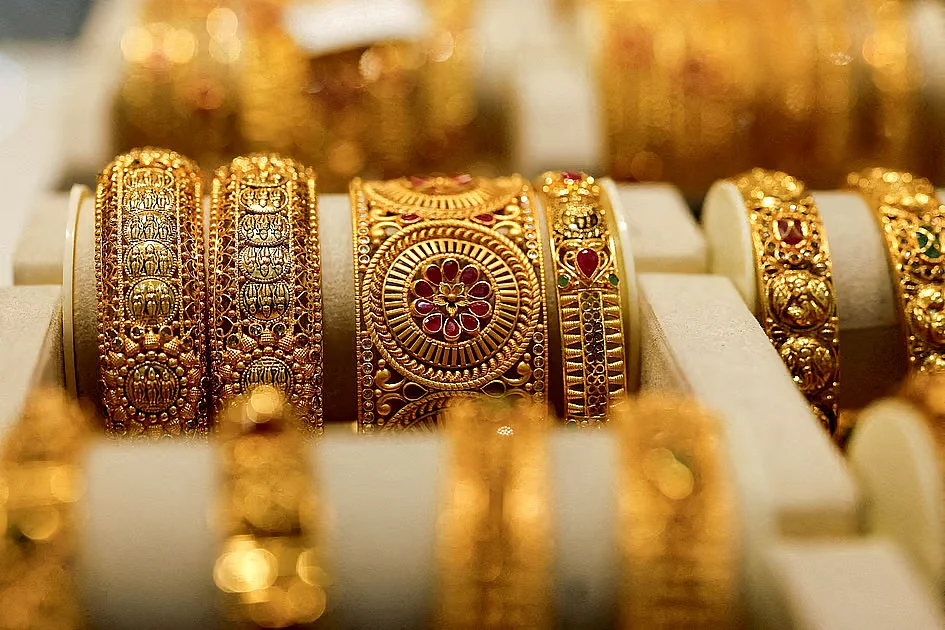
    Dubai, renowned globally as the ‘City of Gold,’ has officially introduced 14K gold pricing for the first time in its history, a strategic move aimed at revitalizing consumer interest in the jewelry market. The initiative, announced by the Dubai Jewellery Group (DJG) — the largest trade body representing approximately 600 members in the industry — comes as gold prices soared to unprecedented levels in October 2025, both in the UAE and worldwide.

    As of Thursday morning, 14K gold was trading at Dh300.25 per gram, positioning it as the most affordable variant available in the UAE. This price point is over Dh200 cheaper than 24K gold and nearly Dh85 less than 18K gold, making it an attractive option for budget-conscious consumers.

    Industry experts highlight that the introduction of 14K gold primarily targets two key segments: customers purchasing diamond-studded jewelry and those seeking more affordable, everyday ornaments. Anil Dhanak, Managing Director of Kanz Jewels, explained that 14K gold offers enhanced durability for mountings and lower entry prices without compromising aesthetic appeal, particularly for pieces where gold serves as a supporting metal rather than the core value.

    The timing of this initiative is critical. Data from the World Gold Council reveals that gold jewelry demand in the UAE plummeted to a five-year low of 6.3 tonnes in the third quarter of 2025, marking a 10% year-on-year decline and an 18% quarter-on-quarter drop. Rising prices have rendered traditional gold ornaments unaffordable for many, prompting a shift in consumer behavior.

    Chirag Vora, Managing Director of Bafleh Jewellers, noted that lower-priced options like 14K gold could attract younger buyers, first-time purchasers, and expatriates familiar with this karatage. Retailers can now offer tiered options: 22K for traditional value, 18K for luxury fashion, and 14K for accessible everyday pieces.

    Concurrently, consumer preferences are evolving. Shamlal Ahamed, Managing Director for International Operations at Malabar Gold and Diamonds, observed a growing trend toward lightweight, lifestyle jewelry driven by design sensibilities rather than mere price considerations. Millennials and Gen Z customers are leading this shift, seeking versatile, contemporary pieces that align with their daily lives.

    The introduction of 14K gold is poised to stimulate unit sales, support retailers and manufacturers, and cater to a broader demographic, ensuring Dubai’s continued prominence in the global gold market.
  • IndiGo cancels 175 flights on Day 3; here’s what triggered pilot shortage crisis

    IndiGo cancels 175 flights on Day 3; here’s what triggered pilot shortage crisis

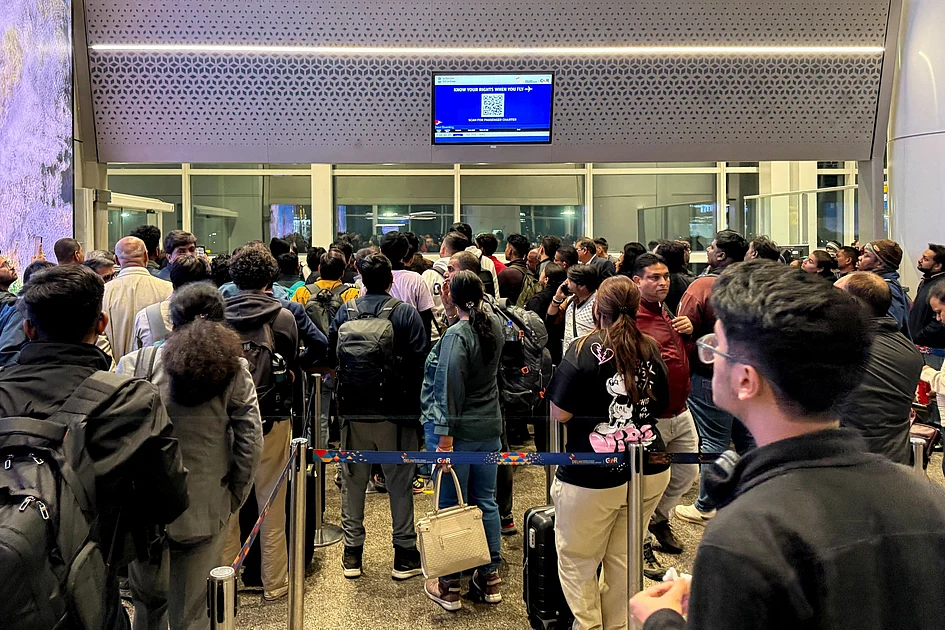
    India’s aviation sector faces mounting turbulence as IndiGo, the nation’s dominant carrier with over 60% market share, canceled 175 flights on Thursday—marking the third consecutive day of severe operational disruptions. The crisis has stranded thousands of passengers across major hubs, with Mumbai recording 85 cancellations, Delhi approximately 95, Bengaluru 73, and Hyderabad 68, according to airport authorities and ANI reports.

    The root cause traces back to stringent Flight Duty Time Limitations (FDTL) implemented by India’s Directorate General of Civil Aviation (DGCA) in January 2024. These revamped regulations mandate 48-hour weekly rest periods for pilots, reduce permitted night landings from six to two, and require airlines to submit quarterly fatigue reports. While designed to combat pilot fatigue, the rules have exposed critical staffing deficiencies at IndiGo.

    Data reveals the scale of the challenge: of IndiGo’s 1,232 canceled flights in November, 755 were attributed to crew and FDTL constraints. Additional cancellations stemmed from Air Traffic Control failures (92), airport/airspace restrictions (258), and other factors (127).

    The Federation of Indian Pilots contends IndiGo failed to adjust rosters adequately ahead of the November 1 implementation deadline. Meanwhile, the Airline Pilots’ Association of India (ALPA) has questioned whether the cancellations represent “a failure in planning or a calculated strategy,” suggesting airlines might be pressuring regulators to dilute safety norms for commercial gain.

    This operational meltdown strikes at the core of IndiGo’s brand identity, built on punctuality and its famed “IndiGo Standard Time” reputation. The airline acknowledged making “calibrated adjustments” to schedules over the coming days while the DGCA investigates the situation and collaborates on solutions.

  • Faraday Future hosts FX Super One Delivery Ceremony for soccer legend Andrés Iniesta in Dubai

    Faraday Future hosts FX Super One Delivery Ceremony for soccer legend Andrés Iniesta in Dubai

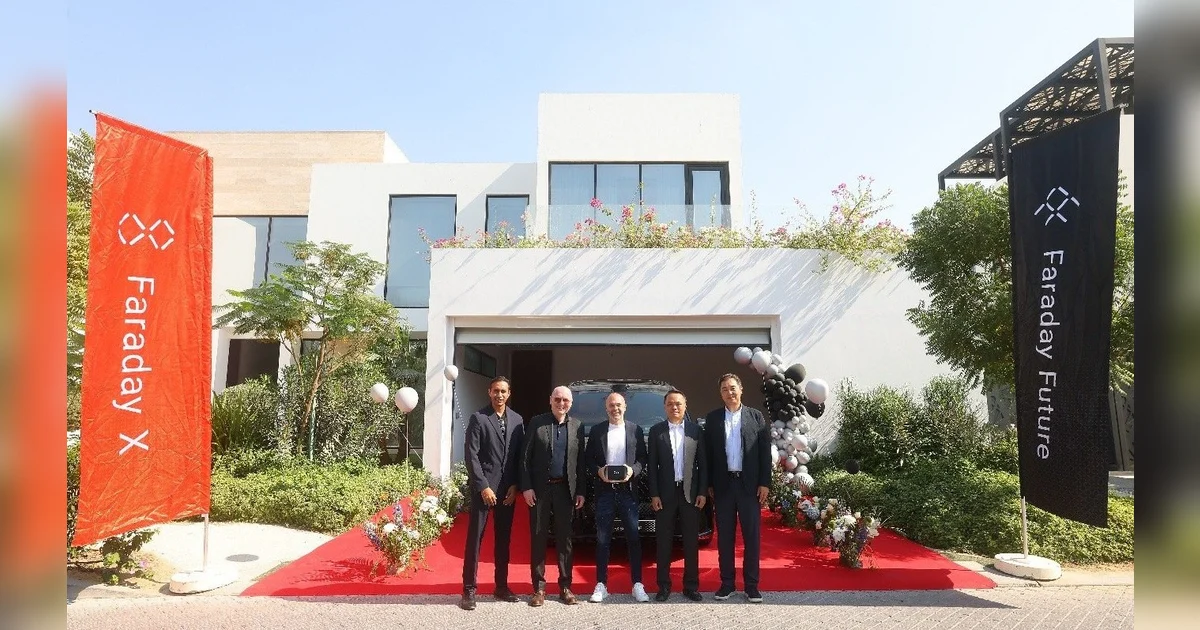
    DUBAI, UAE – Faraday Future Intelligent Electric Inc. (NASDAQ: FFAI) has achieved a significant milestone in its global expansion strategy with the ceremonial delivery of its inaugural FX Super One vehicle to international football icon Andrés Iniesta. The event, held in Dubai, represents the concrete implementation of the company’s Global Automotive Bridge Strategy throughout the Middle Eastern region.

    The delivery ceremony featured prominent executives including FF Global co-CEO Matthias Aydt, Middle East regional head Tin Mok, and government affairs lead Morris Gao. Iniesta, who assumes the dual role of first global owner and developer co-creation officer for the FX Super One, expressed his enthusiasm for joining the electric vehicle revolution.

    “This honor extends beyond acquiring a premium EAI-MPV,” Iniesta remarked. “It represents an early entry into the transformative era of AI-powered mobility. I anticipate the FX Super One establishing new benchmarks in the Middle East’s multi-purpose vehicle segment while advancing eco-friendly transportation solutions.”

    Company executives emphasized the strategic importance of this delivery event. Tin Mok noted that the occasion “signifies the commencement of FX Super One distributions within the UAE market and establishes critical groundwork for forthcoming sales initiatives.” Simultaneously, Faraday Future continues preparatory work for its first US pre-production vehicle scheduled for completion before year-end.

    The FX Super One, officially unveiled in Dubai on October 28th, offers two distinct powertrain configurations: the initial AIHER (Artificial Intelligence Hydrogen Energy Response) model followed by a battery-electric AIEV variant. Each configuration provides four trim levels—GOAT, Max, Pro, and Standard—catering to diverse consumer preferences. The Middle East’s introductory model, the FX Super One AIHER Max, carries an price point of AED 309,000 (approximately $84,000). Market response has been notably positive, with three non-binding preorders covering over 200 units received within 48 hours of the product launch.

    Matthias Aydt, FF Global co-CEO, characterized the Middle East delivery milestone as “pivotal within FF and FX’s worldwide strategic framework.” He elaborated that this achievement “denotes our formal transition in the UAE from operational development to revenue generation, demonstrates initial synchronization with our Global Automotive Bridge Strategy, and inaugurates a new chapter in our Middle East Three-Pole approach.”

    Established in 2014, Faraday Future has pursued a mission to revolutionize automotive conventions through user-focused, technology-driven intelligent mobility solutions. While the company’s flagship FF91 model exemplifies premium innovation and performance, the FX strategy focuses on delivering mass-production vehicles equipped with advanced luxury technology at accessible price points for broader market penetration.

  • Dubai gold prices drop ahead of Fed’s rate cut decision

    Dubai gold prices drop ahead of Fed’s rate cut decision

    Gold markets in Dubai opened with notable declines on Thursday morning as investor caution intensified ahead of the US Federal Reserve’s critical policy meeting. According to the Dubai Jewellery Group’s market data, 24-karat gold dropped by Dh1.25 per gram to reach Dh505.75. Corresponding decreases affected other variants: 22K fell to Dh468.25, 21K to Dh449.0, 18K to Dh384.75, and 14K to Dh300.25 per gram. The international spot gold market mirrored this trend, trading at $4,193.1 per ounce with a 0.2 percent decline.

    Market analysts attribute this cautious trading pattern to heightened anticipation surrounding the Federal Reserve’s impending interest rate decision. Linh Tran, market analyst at xs.com, emphasized that the US interest rate cycle remains the dominant factor influencing gold’s medium-term trajectory. ‘Recent indicators showing cooling US growth and consumption patterns have strengthened market expectations that the Federal Reserve will initiate rate reductions in the foreseeable future,’ Tran noted.

    The analyst further explained that declining bond yields, which retreated to approximately 4.02 percent in late November before modestly recovering to 4.088 percent, have created favorable conditions for gold appreciation. This dynamic reduces the opportunity cost associated with holding non-yielding assets like gold. Historical patterns suggest that periods of declining real interest rates typically generate supportive environments for precious metals, with current market conditions following this established pattern.

    Looking toward 2026, Tran projected significant upside potential for gold if the Fed enters a sustained rate-cutting cycle. ‘Gold maintains substantial room to establish new record highs, potentially reaching $4,500 per ounce within a monetary easing environment that appears increasingly probable for the coming year,’ Tran added.

    Alex Kuptsikevich, Chief Market Analyst at FxPro, highlighted growing market focus on global monetary policy divergence. While the Federal Reserve is expected to reduce rates to three percent throughout 2026, the Bank of Japan simultaneously forecasts rate increases to 1.25 percent. This policy contrast creates complex dynamics for currency markets and precious metal valuations.

    Kuptsikevich referenced additional uncertainty stemming from political developments, noting that President Donald Trump’s announcement regarding the new Fed chair appointment timeline—now expected in early 2026 rather than by Christmas—has introduced further dollar volatility. Market expectations surrounding Kevin Hassett’s potential leadership appointment at the Federal Reserve have amplified concerns about expanded monetary easing measures, creating additional downward pressure on the US dollar that could ultimately benefit gold prices.

  • UAE residents send up to 3 times money to India as rupee plunges

    UAE residents send up to 3 times money to India as rupee plunges

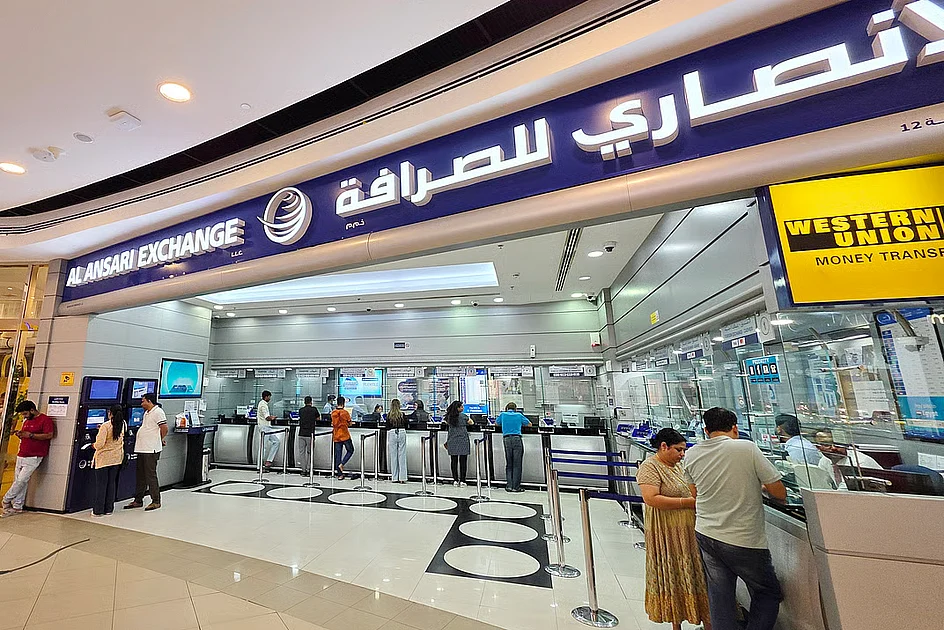
    Indian expatriates across the United Arab Emirates are strategically amplifying their financial remittances amidst the Indian rupee’s historic decline against the UAE dirham. With exchange rates reaching unprecedented levels of approximately ₹24.5 per Dh1, residents are seizing the opportunity to transfer up to three times their usual amounts to families in India.

    The currency depreciation has created an advantageous window for expats to address critical financial obligations back home. Exchange houses throughout the UAE report substantial increases in transaction volumes as workers leverage the favorable rates to cover educational expenses, household bills, and outstanding payments.

    Sharjah resident Arif Khan, typically sending Dh1,200-1,500 monthly, dispatched Dh4,500 in a single transaction. “The additional rupees effectively cover three months of household expenses,” Khan noted. “My wife described it as an unexpected financial blessing.”

    Dubai marketing executive Anthony Varghese characterized the rate shift as an “early Christmas gift,” explaining how his Dh3,000 transfer yielded an extra ₹8,000 compared to previous months—sufficient to cover his daughter’s educational costs.

    For mechanic Farooq Ahmed, the strengthened remittance power provided immediate utility relief. “The ₹4,500 surplus paid our electricity bill and gas cylinder costs,” Ahmed stated. “This represents significant support for middle-class families.”

    Despite these temporary advantages, expatriates acknowledge India’s persistent inflation challenges. Many recipients quickly absorb the increased funds due to rising living costs, indicating that the currency benefits provide temporary relief rather than lasting financial transformation.

    The phenomenon demonstrates how global currency fluctuations directly impact migrant workers’ financial strategies and cross-border economic relationships between major labor destinations and home countries.

  • China hopes AI can fix its consumer demand problem

    China hopes AI can fix its consumer demand problem

    China has launched an ambitious technological strategy to revitalize domestic consumption, positioning artificial intelligence as the cornerstone of its economic revitalization plan. The comprehensive action plan, unveiled recently by Beijing, aims to generate multitrillion-yuan consumption growth within three years across targeted sectors including elderly care products, smart vehicles, and consumer electronics.

    The initiative represents a supply-side approach to stimulating demand, with AI serving both as practical tool and symbolic centerpiece. The blueprint promotes smart appliances that automate shopping decisions and AI wearables that guide daily activities, presenting technological sophistication as the primary catalyst for consumption revival.

    However, this technologically-driven strategy exposes a fundamental tension in China’s economic planning: the assumption that supply can effectively generate demand. Current economic fragility underscores the challenge—retail sales have shown volatility throughout 2024-2025, youth unemployment remains elevated despite statistical adjustments, and household savings rates persist at historically high levels.

    The critical obstacle lies not in product inadequacy but in consumer psychology. Chinese households have restrained spending due to weakened income visibility and persistent economic anxiety rather than technological deficiencies in available products. While China leads globally in smart home adoption, EV penetration, and digital payment usage, these advancements struggle to overcome fundamental financial concerns.

    The elderly care sector exemplifies this dichotomy. With over 300 million citizens aged 60+, AI-enabled monitoring and assistive devices offer transformative potential. Yet adoption will be determined more by affordability through pension strength and healthcare support than by technological sophistication.

    Implementation challenges further complicate matters. Local governments face execution burdens amid existing debt pressures, while private enterprises confront margin compression and cautious lending. Tech roadmaps appear more developed than financial mechanisms to support the ambitious transformation.

    Ultimately, sustainable consumption revival may require addressing foundational elements: robust job creation, wage growth, and strengthened social safety nets. Until policy moves beyond supply-side engineering to strengthen household financial security, innovation may flourish while broad-based consumption recovery remains elusive.

  • Linyi sets sail for Africa to forge strong ties

    Linyi sets sail for Africa to forge strong ties

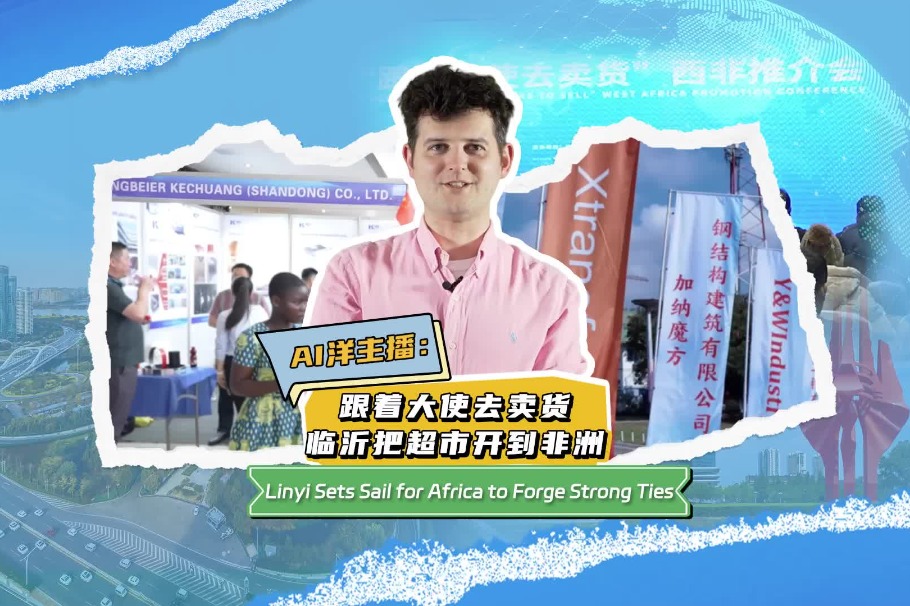
    The Chinese city of Linyi in Shandong province is dramatically strengthening its economic ties with African nations through concrete commercial initiatives. This burgeoning partnership has recently yielded significant achievements, including major contracts finalized at a trade exposition in Ghana and the establishment of new retail outlets in Angola.

    The collaborative efforts represent a mutually beneficial relationship that extends beyond symbolic diplomacy to deliver measurable economic outcomes. Both Chinese and African stakeholders are actively engaged in transforming these commercial bridges into sustainable growth channels.

    The development comes as part of China’s broader international trade strategy, with regional hubs like Linyi playing increasingly important roles in implementing global economic partnerships. The city’s international communication apparatus has been documenting these cross-continental business developments, highlighting the practical results emerging from this transcontinental economic cooperation.

    This Africa-focused trade initiative demonstrates how secondary Chinese cities are increasingly participating in international commerce, creating new economic geography that extends beyond traditional megacity trade hubs. The partnerships reflect evolving patterns of South-South cooperation that emphasize shared development and tangible commercial outcomes.

  • Dubai real estate sees boom of new small developers, but not all will survive

    Dubai real estate sees boom of new small developers, but not all will survive

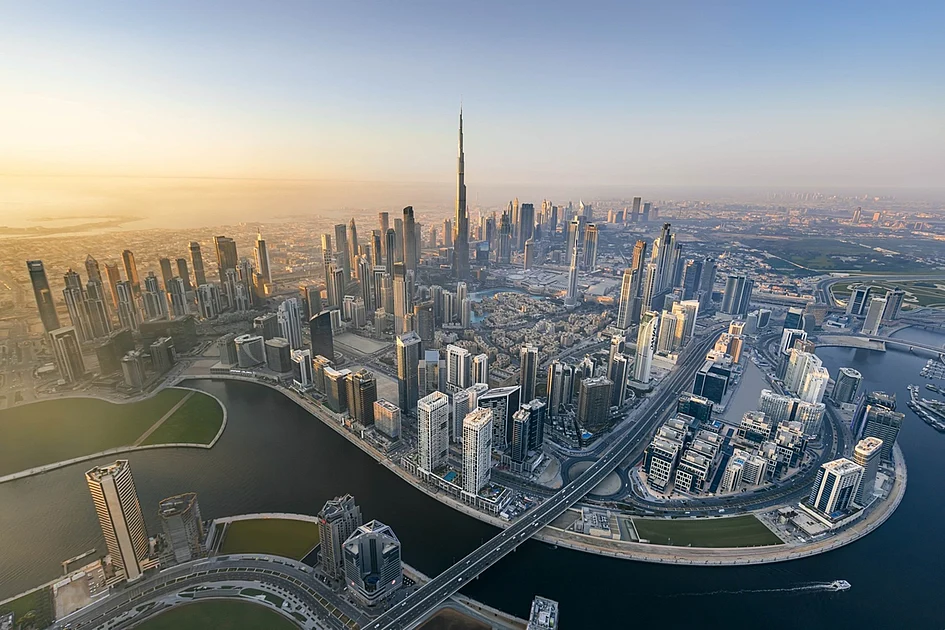
    Dubai’s real estate sector is experiencing an unprecedented surge of small-scale developers entering the market, though industry experts caution that not all newcomers will withstand the intensifying competition. The market expansion, driven by massive influxes of expatriates, investors, and millionaires over the past five years, has created fertile ground for emerging developers from Asia, Middle Eastern nations, and Europe.

    According to Cavendish Maxwell data, the first half of 2025 witnessed approximately 325 new projects introducing over 87,900 residential units to the market—averaging nearly 490 units launched daily. This remarkable growth trajectory has positioned Dubai as what industry leaders call “the most wanted brand” in global real estate.

    Imran Farooq, CEO of Samana Developers, expressed concerns about the sustainability of many new entrants’ business models. “The mainstream developers are thriving because they can sell whatever they produce,” Farooq noted. “The challenge lies with the mushrooming small developers who may lack the necessary resources and global promotion strategies that define successful operations in this market.”

    The competition is intensifying as market performance continues to break records. By October 2025, apartment sales had already exceeded the previous year’s totals with 99,758 units sold compared to 94,459 during the same period in 2024. Projections indicate 2025 could see approximately 120,000 apartment sales, representing a 27% growth in off-plan apartment transactions.

    Wissam Breidy, CEO of HRE Development, emphasized that reputation building remains crucial in this free market environment. “Reputation surpasses monetary value in importance,” Breidy stated. “Once you establish credibility as a developer, trust follows naturally. Our focus remains on client relationships and data-driven decisions rather than obsessing over competitors’ movements.”

    Industry analysts attribute Dubai’s sustained growth to strategic government initiatives, including the Golden Visa program introduced during the COVID-19 pandemic. This long-term residency option has transformed the demographic of property seekers, with more families seeking permanent homes rather than temporary accommodations. The UAE’s effective pandemic management and forward-thinking policies have bolstered investor confidence, creating what developers describe as “an era of strategic growth” for the emirate’s property market.

  • Sino-Canadian trade ties hailed at Toronto forum

    Sino-Canadian trade ties hailed at Toronto forum

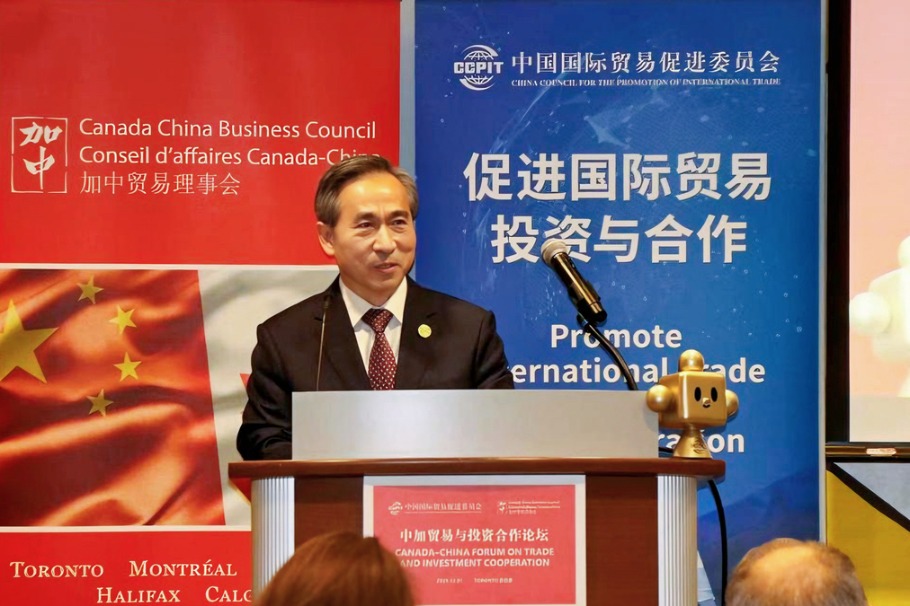
    The Canada-China Forum on Trade and Investment Cooperation convened in Toronto this week, marking a significant step in revitalizing economic ties between the two nations. The event featured Ren Hongbin, chairman of the China Council for the Promotion of International Trade, leading a high-level delegation of Chinese businesses across multiple sectors including finance, engineering, logistics, and medical technology.

    This gathering represents the most substantial commercial engagement since both countries’ leaders met at recent APEC meetings in South Korea. Ren emphasized that the summit produced “important consensus” and “strategic guidance” for enhancing bilateral relations, coinciding with the 55th anniversary of diplomatic relations and the 20th anniversary of their strategic partnership.

    Economic fundamentals demonstrate robust trade activity, with China maintaining its position as Canada’s second-largest trading partner for 22 consecutive years. Bilateral trade reached $93 billion in the previous year, with Canada’s exports to China growing by 6.1% to $46.6 billion—representing Canada’s first trade surplus with China in many years.

    Ren outlined opportunities for expanded cooperation in emerging sectors including clean energy, climate initiatives, and technological innovation. He highlighted the “highly complementary resource endowments and economic structures” between the two nations, particularly regarding supply-chain collaboration. The Chinese official extended an invitation for Canadian businesses to participate in the upcoming China International Supply Chain Expo, described as “a globally recognized economic and trade event.”

    Bijan Ahmadi, executive director of the Canada China Business Council, noted the changing dynamics in bilateral relations, stating: “We are at a turning point in the bilateral relationship between Canada and China. There are, of course, still challenges and outstanding issues between the two countries that they’re discussing and negotiating. But there are great opportunities, and we’re glad to see these dialogues happening.”

    The Chinese business delegation—the first of its kind in seven years—signals improving economic relations. Ahmadi emphasized the complementary nature of both economies: “There are many things that we produce that China wants to buy, and there are things from China that are very beneficial for the Canadian economy.”

    Ren expressed confidence in China’s economic trajectory, noting that the country “has consistently contributed around 30 percent to global economic growth” and reported 5.2% GDP growth in the first three quarters of the year. He reaffirmed China’s commitment to high-quality development and continued opening of its markets through recent policy directives.

  • Homegrown durian tantalizes taste buds

    Homegrown durian tantalizes taste buds

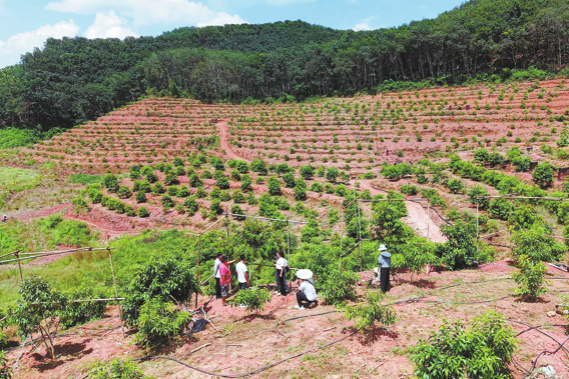
    In a remarkable agricultural development, China’s Yunnan province has successfully cultivated domestic durian, potentially disrupting the nation’s complete reliance on imported varieties of the tropical fruit. The breakthrough comes after years of experimental planting in the tropical microclimates of Xishuangbanna Dai Autonomous Prefecture, where farmers and agricultural companies have overcome significant climatic challenges typically restricting durian cultivation to Southeast Asia.

    The journey began unexpectedly in 2010 when farmer Jia Guohua planted a discarded durian seed in Mengla county. This year, his persistence yielded 16 mature fruits—a symbolic representation of Yunnan’s broader agricultural ambitions. The province’s southern regions, particularly Xishuangbanna, share ecological similarities with northern Thailand and Vietnam, creating ideal conditions for durian cultivation with consistently warm and humid tropical environments.

    Commercial enterprises have joined the effort, with Xishuangbanna Zhuo’an Agricultural Technology Development Company establishing two hectares of durian plantations in Jinghong. According to General Manager Guo Jian, the strategic decision to cultivate durian was driven by its extended growth cycle, which creates higher economic returns and addresses massive market demand. Innovative intercropping techniques have been implemented, with 27-30 jackfruit trees planted between every 11-12 durian trees per mu to maximize land efficiency.

    Official reports indicate significant expansion, with Mengla county introducing premium varieties including Monthong, Black Thorn, and Musang King across 66.7 hectares. Incomplete statistics reveal over 466.67 hectares under durian cultivation throughout Yunnan, spanning multiple counties including Jinghong, Mengla, Gengma, Yingjiang, and Jinping.

    Professor Ao Pingxing, director of the Durian Industry Research Center at Yunnan Agricultural University, emphasizes that this initiative aims to achieve ‘durian freedom’ for Chinese consumers—reducing price volatility and supply uncertainties while enhancing national food security. The cultivation project represents a strategic move toward high-value, technology-driven agricultural transformation, positioning Yunnan within the global premium tropical agriculture value chain.

    Despite promising progress, challenges remain regarding germplasm resource scarcity, optimal planting area identification, variety selection, and cultivation management techniques. The industry currently stands at the critical juncture between experimental trials and commercial exploration, marking a significant milestone in China’s agricultural innovation.