分类: business

  • Global commerce trends drive VTEX’s strategic expansion into Dubai

    Global commerce trends drive VTEX’s strategic expansion into Dubai

    The digital commerce sector is experiencing radical evolution, characterized by the integration of unified platforms, omnichannel approaches, and artificial intelligence-driven automation. Modern enterprise solutions now extend beyond simple online storefronts to encompass entire ecosystems that merge marketplaces, logistics, and financial operations.

    VTEX, a Nasdaq-listed software-as-a-service provider at the forefront of this transformation, supports 2,400 global brands and 3,400 digital storefronts across 43 nations. The company has received consecutive Gartner Customers’ Choice accolades and was recently positioned as a Challenger in the 2025 Magic Quadrant for Digital Commerce.

    The Middle East and North Africa region demonstrates particularly vigorous growth in adopting sophisticated commerce technologies. Success stories include Motorola, which achieved 300% regional growth following VTEX implementation, and Etihad Arena, which utilizes the platform for real-time mobile ordering during major events. These cases underscore the critical importance of localization features—including Arabic language interfaces, regional currency compatibility, and built-in tax compliance—for market success.

    A significant technological advancement comes through agentic AI integration within VTEX’s operations. The company’s AI agents autonomously resolve 92% of customer service inquiries, facilitate real-time storefront modifications through natural language commands or Figma files, and deliver immediate actionable insights without conventional dashboard interfaces.

    Santiago Naranjo, VTEX’s President for EMEA, articulated the vision: “Agentic commerce envisions an autonomous engine that contextually comprehends data and acts on the client’s behalf. Realizing this would represent an industry breakthrough.”

    In response to regional demand, VTEX has inaugurated a new operational center in Dubai Commerce City, marking a strategic expansion milestone. This development aligns with the UAE’s Digital Economy Strategy, which targets doubling the sector’s GDP contribution by 2030. Naranjo commended the UAE’s policy consistency, noting: “This planning caliber is unmatched elsewhere. The nation’s unified vision provides the confidence to intensify our investments. We aspire to participate in this transformation both commercially and personally.”

    Prakash Gurumoorthy, VTEX’s General Manager for EMEA, outlined the structured market approach: “Our framework progresses through discovery, validation, acceleration, and scaling phases. We’re currently validating with operational clients like Etihad Arena, which justifies establishing Dubai as our regional hub.”

    The new facility will host specialized teams for customer support, solution engineering, marketing, partnerships, and sales, serving both regional clients and European brands expanding into Gulf Cooperation Council markets. Gurumoorthy projected continued growth: “2025 delivered strong Middle Eastern performance with numerous new clients. We anticipate even greater 2026 outcomes as we expand operations and reinforce regional commitment.”
  • Indigo flight cancellations: Minimal impact on UAE travellers, experts say

    Indigo flight cancellations: Minimal impact on UAE travellers, experts say

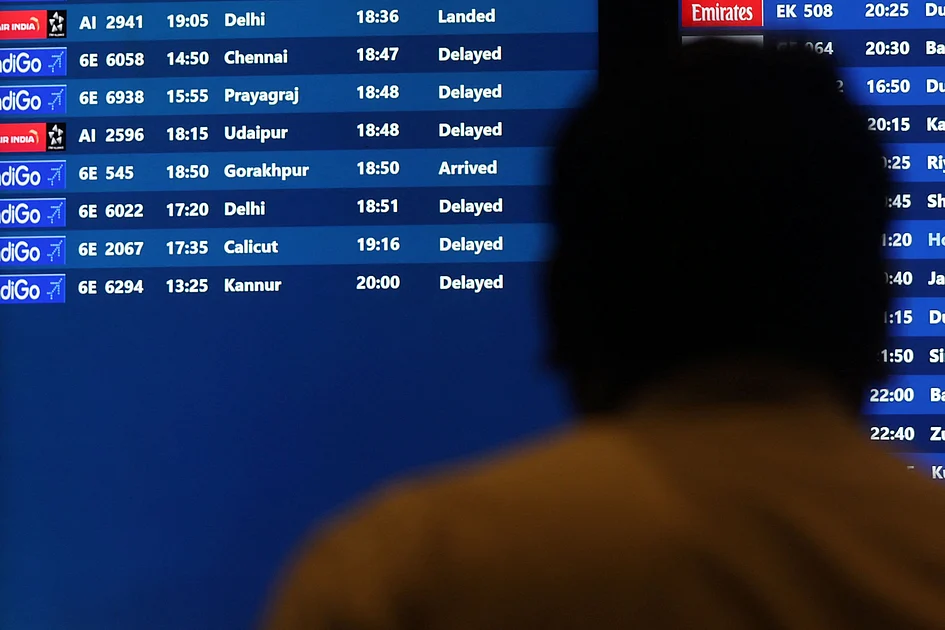
    Aviation experts confirm that UAE-based travelers are experiencing minimal disruption despite IndiGo’s massive domestic flight cancellations across India. The budget carrier’s international operations from the Emirates remain unaffected, providing stability for passengers traveling between the UAE and Indian destinations.

    Travel industry leaders have received direct assurances from IndiGo management regarding international route continuity. Mohammed Safeer, General Manager of Smart Travels, reported: ‘Our morning consultation with IndiGo confirmed all international flights will operate as scheduled. No UAE-originating routes have been impacted thus far.’

    Raheesh Babu, COO of Musafir.com, corroborated this assessment, noting: ‘Our passenger tracking shows international flights maintaining punctuality, with only one exception—a Dubai-Calicut delay caused by pilot illness on Wednesday.’

    The cancellations primarily stem from India’s aviation regulatory changes implemented by the Directorate General of Civil Aviation. New Flight Duty Time Limitations now mandate 48-hour weekly rest periods for pilots and restrict night landings to two per week, down from six previously. These measures address growing pilot fatigue concerns within the industry.

    IndiGo attributed the operational challenges to a combination of factors including technological issues, adverse weather conditions, and increased air traffic congestion. The airline has committed to schedule recalibration within 48 hours to stabilize operations.

    While international travelers remain secure, the domestic situation has prompted strategic reconsideration among some UAE passengers. Annu Joseph, planning a multi-city wedding trip to Kerala, stated: ‘With limited time off, I’m evaluating direct flights versus train connections from Bangalore. The uncertainty demands contingency planning.’

    Travel agencies are advising clients to opt for direct international routes rather than risk domestic connections during the stabilization period. Despite current challenges, industry confidence remains high regarding IndiGo’s crisis management capabilities. Praveen Chowdhury of Saffron Travels and Tourism noted: ‘Their handling demonstrates superior operational responsiveness compared to peers. We anticipate resolution before week’s end.’

    The airline’s historical effectiveness during previous operational challenges, including pilot migration events, suggests this disruption will be temporary despite its unfortunate timing during peak travel season.

  • UAE billionaires richest in Mena, make Dh110 billion more in 2025

    UAE billionaires richest in Mena, make Dh110 billion more in 2025

    The United Arab Emirates has solidified its position as the Middle East’s premier wealth hub, with its billionaire class experiencing a remarkable 21.6% wealth expansion in 2025. According to the comprehensive Billionaire Ambitions Report published by Swiss banking giant UBS, the collective fortune of UAE billionaires surged by $30 billion (Dh110 billion), elevating their total wealth to $168.7 billion (Dh619 billion) from $138.7 billion the previous year.

    This substantial growth has been fueled by robust macroeconomic performance and strategic policy initiatives that continue to attract global capital. The UAE now hosts 19 billionaires, having gained two new members while witnessing one departure during the reporting period. This places the Emirates significantly ahead of regional competitors, with Israel’s billionaire wealth standing at $108.1 billion and Saudi Arabia’s at $81 billion.

    The nation’s appeal to ultra-high-net-worth individuals received further validation through the 2025 Private Wealth Migration Report by Henley & Partners, which projects approximately 9,800 millionaires will relocate to the UAE alongside an estimated $63 billion in associated capital this year. This migration trend has been exemplified by high-profile moves such as British steel magnate Lakshmi Mittal’s relocation to the Emirates, citing favorable tax environments and business-friendly policies.

    Concurrently, the region is preparing for an unprecedented intergenerational wealth transfer. UBS analysis indicates that across the Middle East and Africa, heirs are positioned to inherit at least $152.7 billion (Dh560.4 billion) over the coming 15 years. The UAE is expected to witness the second-largest transfer in the region at $31.9 billion (Dh117 billion), trailing only Israel’s projected $48.4 billion transfer.

    Niels Zilkens, Head of Wealth Management Middle East at UBS GWM, emphasized that the substantial wealth accumulation reflects both dynamic entrepreneurship and the accelerating transfer of assets to subsequent generations. Benjamin Cavalli, Head of Strategic Clients and Global Connectivity at UBS Global Wealth Management, noted that as families become increasingly international, the focus is shifting from wealth preservation to empowering heirs to succeed independently while maintaining responsible stewardship of family legacies.

  • Russia, India to push towards $100 billion trade turnover by 2030: Russian Finance Minister

    Russia, India to push towards $100 billion trade turnover by 2030: Russian Finance Minister

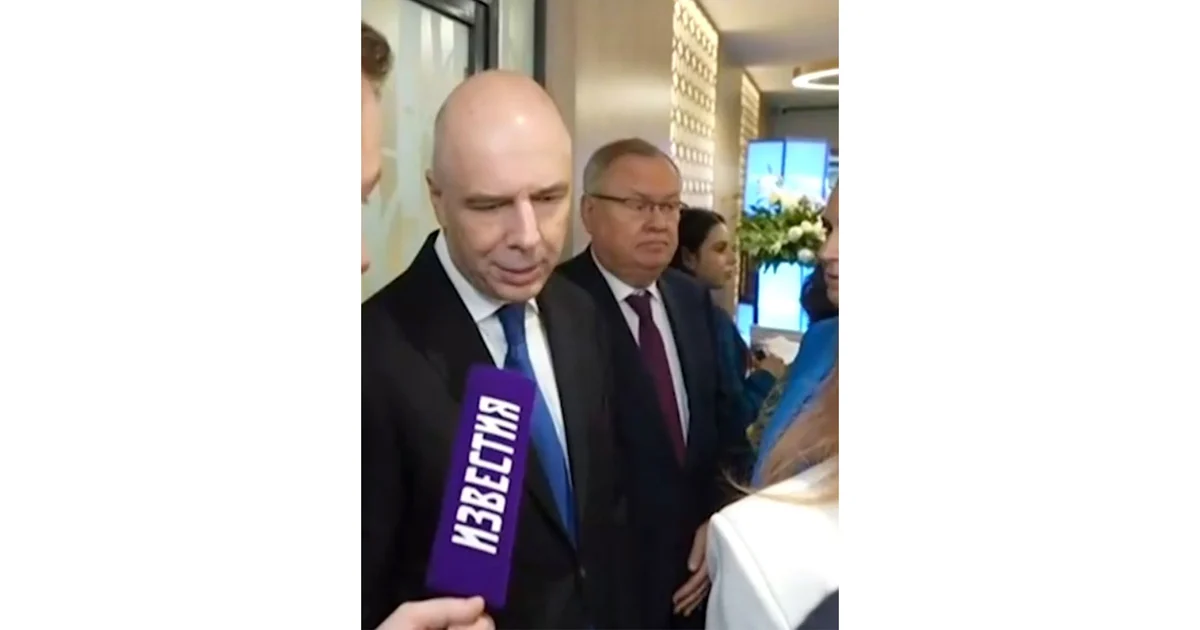
    Russian Finance Minister Anton Siluanov has articulated a robust vision for economic collaboration between Russia and India, expressing strong confidence in achieving the bilateral trade target of $100 billion by 2030. This ambitious goal comes amid rapidly expanding economic ties that have already surpassed previous expectations, with current trade volumes reaching $68 billion—more than double the $30 billion target set by President Vladimir Putin in 2018.

    In an exclusive interview with Russian media outlet Izvestia, Minister Siluanov highlighted the strategic importance of enhanced financial infrastructure in facilitating this growth. The recent inauguration of VTB Bank’s flagship office in India represents a concrete step toward streamlining financial settlements between the two nations. “The more opportunities there are for settlements, the simpler trade and economic relations will be carried out,” Siluanov emphasized, noting that such developments are crucial for achieving the 2030 target.

    The minister detailed the multifaceted nature of the growing economic partnership, which now extends across multiple sectors including energy resources, military-technical cooperation, equipment and machinery trade, investment relations, and tourism. Siluanov specifically mentioned Russia’s ongoing efforts to increase imports from India, implementing directives from President Putin to strengthen economic bonds.

    This economic diplomacy unfolds against the backdrop of President Putin’s scheduled state visit to New Delhi for the 23rd India-Russia Annual Summit. The high-level meetings are expected to further solidify the strategic partnership between the two nations, building upon the remarkable progress already achieved in their economic relations.

  • Boosted by Dubai chocolate craze, Argentina bets on pistachios

    Boosted by Dubai chocolate craze, Argentina bets on pistachios

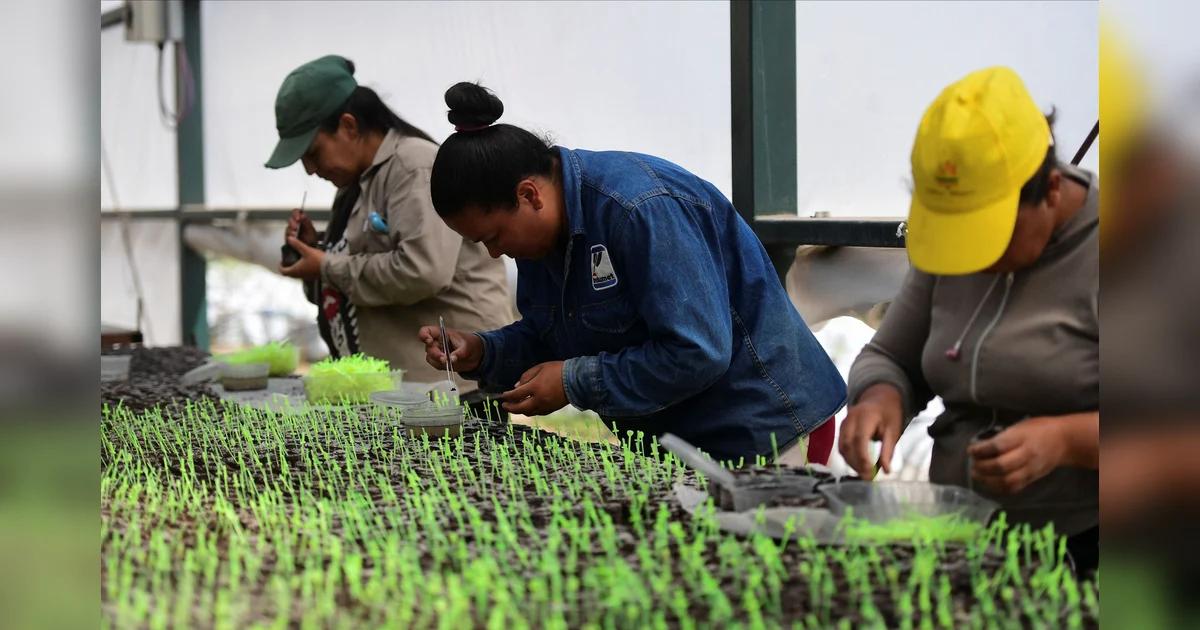
    Argentina’s agricultural landscape is undergoing a remarkable transformation as pistachio cultivation experiences unprecedented growth, fueled by global demand sparked by Dubai’s viral pistachio chocolate phenomenon. The country’s pistachio acreage has expanded fivefold within just five years, reaching approximately 25,000 acres according to the National Network to Study Pistachio Trees in Argentina.

    San Juan province, nestled against the Andes mountain range, has emerged as the epicenter of this agricultural revolution. Scientists have identified an astonishing 65,000 square kilometers across multiple provinces with ideal climatic conditions for pistachio production—requiring arid, hot summers and chilly winters with a seven-year maturation period.

    While the United States, Iran, and Turkey remain dominant global producers, Argentina has positioned itself as South America’s sole significant grower with substantial export potential. Alberto Aguilera of SolFrut, managing nearly 3,000 acres in San Juan, emphasizes Argentina’s competitive advantages: “You have land, water, and the climate conditions.”

    The Dubai chocolate trend, which went viral on TikTok in 2023, has created ripple effects throughout Argentina’s food industry. Companies now produce pistachio dulce de leche, pastries, and even the national oil company YPF markets pistachio alfajores. This domestic demand surge complements export opportunities, with current shipments primarily reaching Italy, Russia, Australia, and Latin American nations.

    Pioneers like Iranian immigrant Marcelo Ighani, who faced skepticism when planting Argentina’s first pistachio crop in the 1980s, now see unprecedented demand. His company Pisté has more than doubled annual rootstock production to 400,000 plants by 2025, yet still cannot meet market requirements.

    The economic implications are substantial. In San Juan province, pistachio trees represent the third-largest agricultural product by acreage after vineyards and olive groves. Miguel Moreno, the province’s agriculture secretary, predicts “a very strong impact on the economy of San Juan,” noting that sustained demand has surprised everyone and incentivized long-term investments.

    However, producers remain cautiously optimistic. José Chediack of Grupo Phronesis, while acknowledging pistachio’s “very good moment,” emphasizes the need for improved macroeconomic conditions under President Javier Milei to ensure sustained growth through lower interest rates and extended loan terms.

    The pistachio boom represents a strategic shift in Argentine agriculture, with many wine producers converting vineyards to nuts in response to declining global wine consumption and increasing consumer preference for healthier options—a trend that third-generation wine producer Ramiro Martins describes as moving “toward more healthy trends.”

  • Dubai’s ultra-luxury property deals surge tenfold in five years

    Dubai’s ultra-luxury property deals surge tenfold in five years

    Dubai’s premium residential sector has undergone a remarkable metamorphosis, with property transactions exceeding Dh10 million experiencing a tenfold explosion over the past five years. Current market analytics reveal an extraordinary jump from a modest 469 deals in 2020 to approximately 6,000 transactions by mid-November 2025, representing a substantial 24.4 percent annual growth with several weeks remaining in the fiscal calendar.

    This unprecedented growth trajectory positions Dubai as the world’s premier destination for high-net-worth individuals (HNWIs), according to Savills’ inaugural Wealth Trends Report. The emirate achieved perfect scores across critical parameters including business environment, wealth clustering capabilities, family infrastructure, lifestyle offerings, and security protocols, solidifying its status as the global benchmark for luxury living.

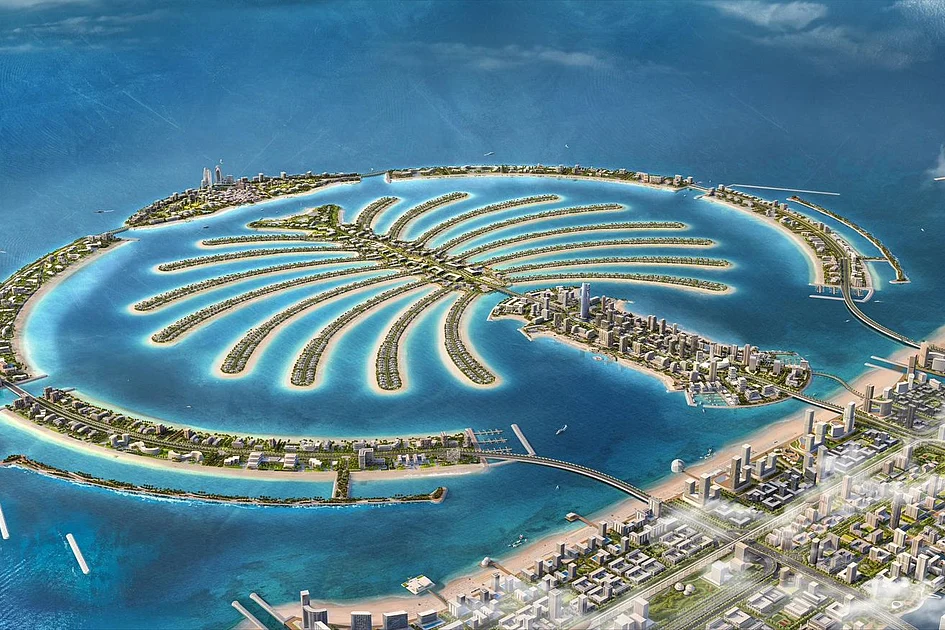
    Off-plan developments have emerged as the fundamental driver of this luxury market expansion, constituting 73 percent of all transactions above Dh10 million in 2025. Prestigious projects including The Oasis, Palm Jebel Ali, Eden Hills, and Jumeirah Golf Estates Phase 2 have significantly contributed to this activity, demonstrating robust investor confidence in Dubai’s long-term economic prospects.

    The villa segment has particularly dominated the luxury landscape, with off-plan villas now representing 51 percent of all prime transactions—an astonishing 915 percent volume increase since 2021. Affluent buyers increasingly prefer expansive layouts exceeding 4,000 square feet, with such properties accounting for 81 percent of deals in the premium segment over the past five years, reflecting growing demand for privacy, outdoor spaces, and wellness-oriented features.

    While transactions in the Dh10-20 million range dominate at 64 percent market share, the super-prime category (properties above Dh20 million) has maintained parallel growth momentum, with both segments recording identical 24 percent year-on-year increases.

    Geographic distribution analysis reveals The Oasis leads villa transactions with 1,024 deals above Dh10 million, followed by Palm Jebel Ali (567 transactions) and District One (169 transactions). For luxury apartments, Dubai Harbour tops the list with 250 transactions, while Palm Jumeirah and Downtown Dubai continue their dominance as established luxury residential corridors.

    European investors constitute the majority of premium property acquisitions at 58 percent, with Asian buyers following at 23 percent market share. Remarkably, buyers from 33 distinct nationalities have participated in Dubai’s luxury market, underscoring its truly global investment appeal.

    Market specialists attribute this sustained growth to Dubai’s political stability, tax-efficient environment, world-class infrastructure, and strategic positioning as a safe haven for global capital. The emirate has simultaneously emerged as the world’s most active market for branded residences, featuring 64 completed projects and 87 additional developments in various planning stages, with luxury brands including Missoni and Mercedes-Benz entering the residential real estate sector.

    Industry projections indicate continued momentum driven by wealth migration patterns, population growth, and evolving consumer preferences for exclusive, branded living experiences. Villas are expected to maintain their dominance in the ultra-luxury segment, while new off-plan developments will continue to cater to sophisticated buyer demands for space, privacy, and exclusivity.

  • ruya bank’s digital-first Islamic model aims to redefine finance with ethics and inclusion

    ruya bank’s digital-first Islamic model aims to redefine finance with ethics and inclusion

    UAE-based ruya Bank is spearheading a transformative approach to Islamic finance through its fully digital operating model that combines technological innovation with strict ethical compliance. As global Islamic financial assets surge beyond $4.5 trillion with projections indicating growth to $6.7 trillion by 2027, the institution represents a new generation of financial entities leveraging automation while maintaining core religious principles.

    Chief Executive Christoph Koster emphasizes that technology serves as an enhancement rather than replacement for traditional Shariah governance. “Automation and AI are tools, not substitutes for Shariah compliance,” Koster states. “Our model integrates digital efficiency with human oversight, ensuring transparency and purpose remain fundamental to our operations.”

    The bank’s technological infrastructure enables account opening in under five minutes through UAE Pass verification, yet maintains rigorous oversight through a traditional Shariah Supervisory Board that reviews every product, contract, and disclosure. This dual approach combines digital agility with ethical accountability, creating what Koster describes as “auditable algorithmic decisions” that maintain human interpretation.

    ruya’s Retail Islamic Wealth platform provides accessible entry to Shariah-compliant investment portfolios including stocks, ETFs, gold, sukuk, and digital assets. Simultaneously, the institution addresses the financing needs of small entrepreneurs through a fully digital SME platform, targeting a segment historically underserved by conventional lenders.

    Koster highlights that financial inclusion extends beyond basic access, noting that while only 3% of UAE adults remain unbanked, approximately 31% are under-banked using just one financial product. “Our mission transcends account opening to deliver meaningful access to wealth creation and growth opportunities,” he explains.

    The bank’s Banking-as-a-Service (BaaS) infrastructure extends its ethical financial approach to fintech partners, embedding Islamic-compliant solutions into digital ecosystems targeting youth, women, and micro-enterprises. Koster advocates for collaborative ecosystem development, asserting that “to unlock inclusion at scale, Islamic banks must partner with the ecosystem rather than compete against it.”

    Beyond financial services, ruya’s Nature Protect initiative demonstrates the institution’s commitment to broader social responsibility, conserving one square foot of primary forest for every Dh1,000 maintained in customer accounts for a decade. This initiative reinforces Koster’s conviction that faith-based finance must serve higher purposes, asserting that “profit and purpose represent two sides of the same Shariah coin.”

  • Etihad Rail launch: High-speed UAE passenger network to begin operations in 2026

    Etihad Rail launch: High-speed UAE passenger network to begin operations in 2026

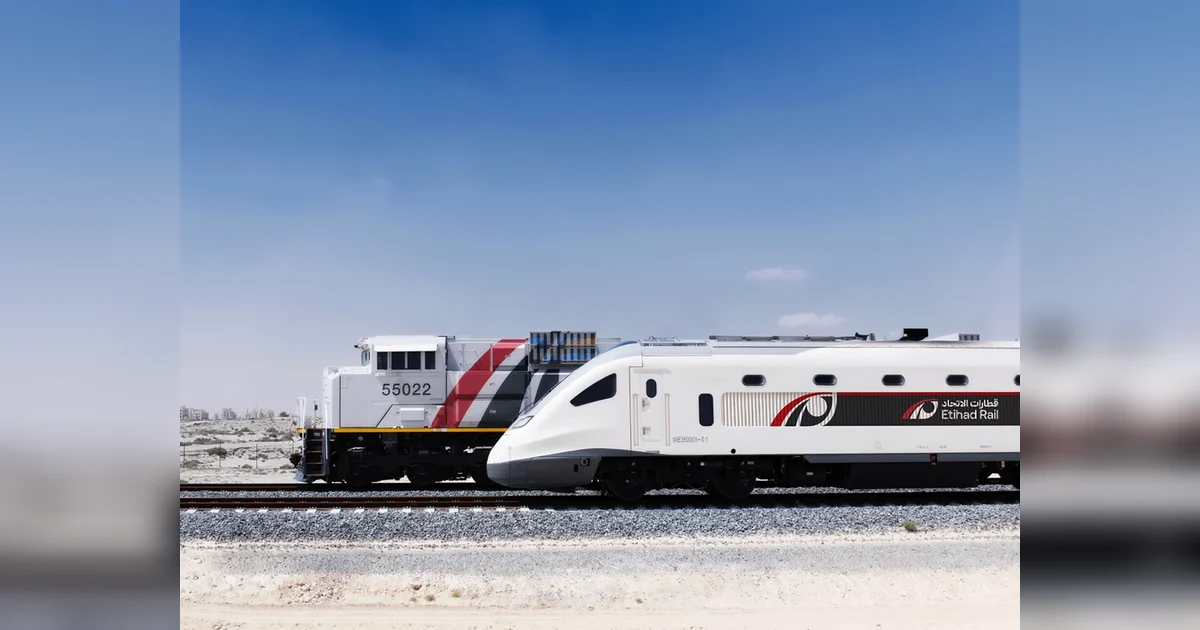
    The United Arab Emirates is poised to revolutionize its transportation infrastructure with the scheduled 2026 launch of the Etihad Rail passenger network. This ambitious high-speed rail system will seamlessly connect 11 key urban centers and regions across the emirates, fundamentally reshaping domestic travel patterns and economic connectivity.

    Spanning 900 kilometers from Ghuweifat in Abu Dhabi to Fujairah on the eastern coast, the network promises to dramatically reduce inter-emirate travel times. Projections indicate a mere 57-minute journey between Abu Dhabi and Dubai, while the Abu Dhabi-Fujairah route will take approximately 100 minutes—less than half the current road travel duration. The Ruwais-Abu Dhabi connection will be completed in just 70 minutes.

    Beyond transportation benefits, Etihad Rail represents a strategic national investment expected to serve as the country’s economic backbone. Urban planning experts anticipate the network will stimulate suburban development as residents gain convenient access to urban centers via rail. The project aligns strongly with the UAE’s sustainability objectives and Net Zero 2050 initiative by potentially removing hundreds of cars from roadways daily.

    International partnerships have been established to ensure operational excellence. Etihad Rail recently formed a joint venture with global transport leader Keolis, creating Etihad Rail Mobility. This entity will oversee comprehensive operations including train services, multimodal connections (buses, taxis, parking), and staff training programs.

    Station infrastructure will feature three distinct categories: operational maintenance depots, freight terminals, and passenger stations. Key locations already announced include Sakamkam in Fujairah and University City in Sharjah, with potential connectivity to Al Maktoum International Airport at Dubai World Central.

    The rail service will utilize modern trains capable of reaching speeds up to 200 km/h, each accommodating 400 passengers across economy, family, and business class configurations. Stations will incorporate automated barrier systems similar to Dubai Metro, along with advanced ticketing machines for seamless journey planning.

    With an anticipated capacity of 36 million annual passengers by 2030, Etihad Rail represents one of the most significant infrastructure developments in recent UAE history, promising to enhance economic integration, reduce environmental impact, and transform how residents navigate the federation.

  • UAE aviation growth: Dubai Airshow spurs record passenger milestones and airport investments

    UAE aviation growth: Dubai Airshow spurs record passenger milestones and airport investments

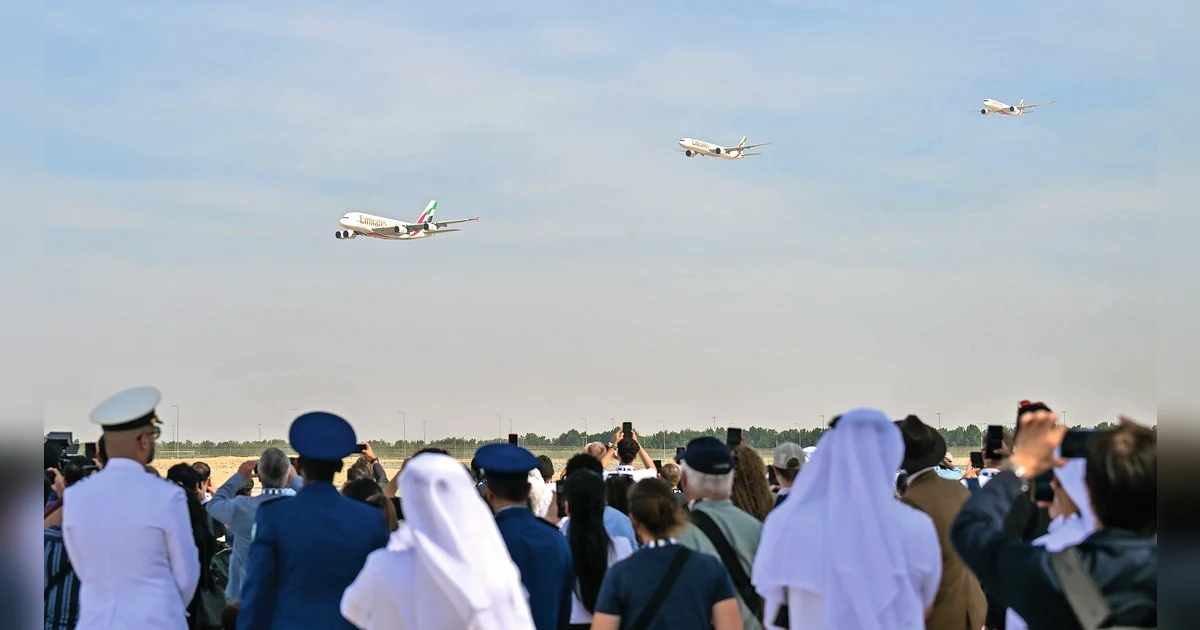
    The recently concluded 19th Dubai Airshow has positioned the United Arab Emirates for unprecedented aviation growth, with record-breaking aircraft orders and massive infrastructure investments setting the stage for global industry leadership. Aviation experts confirm the event has established new benchmarks for the industry, with implications stretching far beyond the November 2027 edition.

    Dubai International Airport (DXB) is poised to achieve a historic milestone in 2026 by becoming only the second airport globally, after Atlanta International, to handle 100 million passengers. This achievement contributes to projected UAE-wide passenger traffic of approximately 160 million next year. Current statistics reveal robust growth, with UAE airports collectively handling 147.8 million travelers in 2024, representing a 10.7% year-on-year increase from the previous year.

    The aviation expansion is underpinned by massive fleet investments unveiled at the Airshow. Emirates’ landmark $40 billion Boeing 777X order and flydubai’s acquisition of over 300 Airbus A321neo and Boeing 737 MAX aircraft demonstrate the region’s aggressive growth strategy. These developments are complemented by multi-billion dollar airport expansion projects designed to ultimately handle more than 300 million passengers annually.

    Critical to this growth is the development of Dubai World Central (DWC), which will eventually provide capacity for up to 260 million passengers with five runways. Industry expert John Strickland of JLS Consulting emphasized Dubai’s strategic geographic advantage, noting its ability to service global traffic flows while maintaining a strong point-to-point market that reduces reliance on transfer traffic compared to competitors.

    Aviation analysts highlight several factors driving UAE aviation’s resilience and competitive edge. Saj Ahmad, Chief Analyst at StrategicAero Research, identified Emirates’ hub connectivity capabilities, superior product offerings across UAE carriers, and streamlined airport operations free from excessive bureaucracy as key differentiators from US and European competitors.

    The UAE’s aviation success story extends beyond infrastructure and equipment. Andrew Charlton of Aviation Advocacy cited location advantages, progressive competition attitudes, and embrace of future technologies as fundamental to market resilience. The upcoming Dubai World Airport project represents a blank canvas for reimagining the entire passenger experience from start to finish.

    As the UAE aims to host 40 million visitors by 2031, the aviation sector’s growth appears inextricably linked to broader economic development. The country’s remarkable post-pandemic recovery across real estate, financial markets, employment, and transport sectors creates a virtuous cycle that continues to attract global travelers and businesses alike.

    The Dubai Airshow’s emergence as the premier venue for aviation deals signals a broader shift in industry dynamics, with manufacturers and airlines increasingly choosing Dubai over traditional European venues for major announcements. This transition reflects the region’s growing influence in shaping the future of global aviation.

  • Luxury fashion firms asked for documents as part of Italian labor abuse probe

    Luxury fashion firms asked for documents as part of Italian labor abuse probe

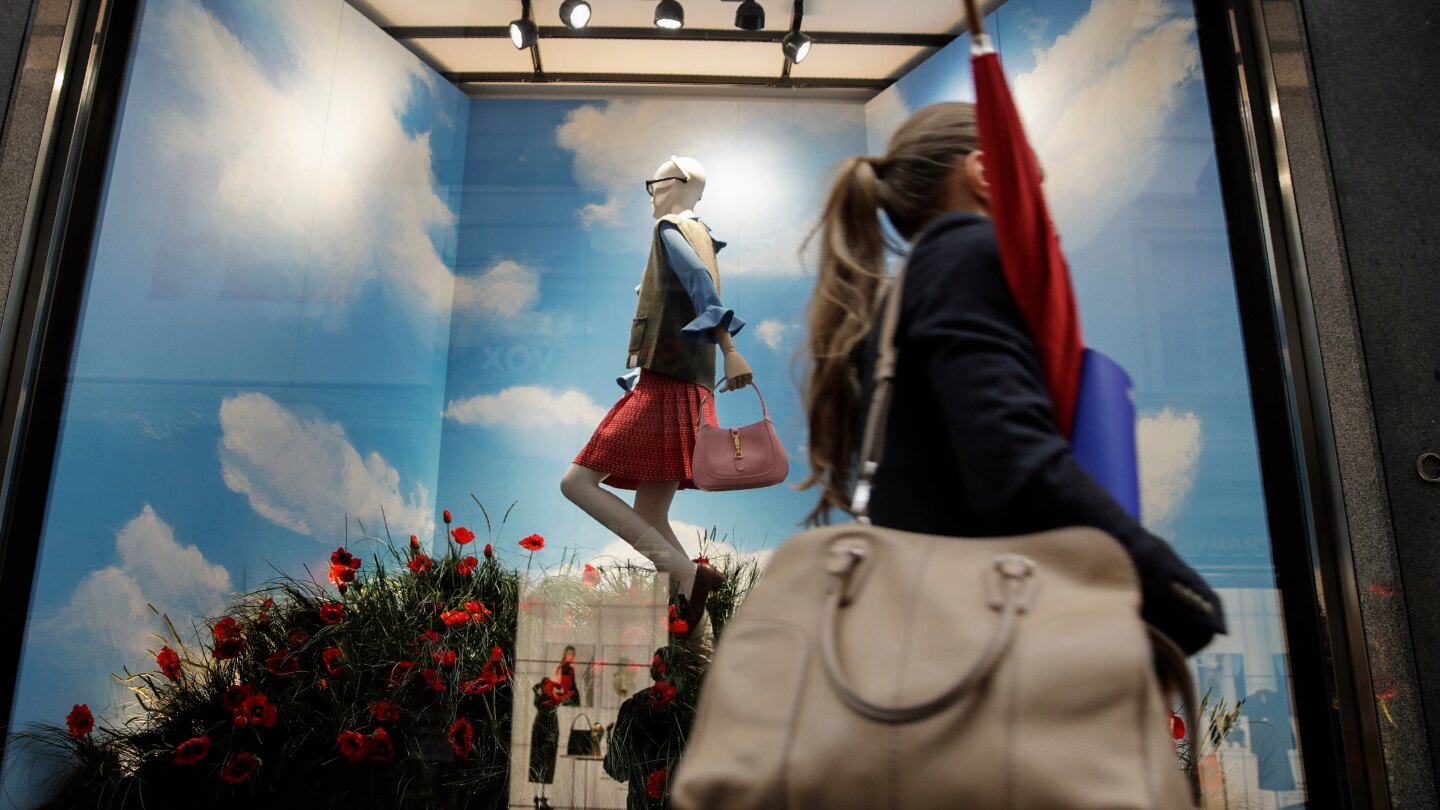
    Italian judicial authorities have launched a significant investigation into labor practices within the luxury fashion sector, with Milan prosecutors formally requesting comprehensive documentation from 13 prestigious fashion houses. The probe centers on allegations of severe worker exploitation at Chinese-operated subcontractor workshops that manufacture products for these luxury brands.

    According to judicial documents obtained by The Associated Press, prosecutors are examining instances of what they describe as “heavy exploitations” of Chinese workers within the supply chain. The investigation seeks to determine the extent of the brands’ awareness and involvement in these alleged labor violations through detailed analysis of corporate governance structures, internal control mechanisms, and audit procedures.

    The prominent fashion companies under scrutiny include Dolce & Gabbana, Versace, Prada, Adidas Italy, Missoni, Ferragamo, Givenchy Italia, Alexander McQueen Italia, Gucci, Yves Saint Laurent Manifatture, Pinko, Coccinelle, and Off-White Operating. None of these firms have issued immediate public statements regarding the prosecutors’ requests or the underlying allegations.

    This investigation represents the latest development in an ongoing series of law enforcement actions targeting labor abuses within Italy’s high-end fashion manufacturing sector. The Milan prosecutor’s office will utilize the collected documentation to assess corporate accountability and determine appropriate legal measures regarding the alleged worker exploitation.

    The fashion industry probe follows similar recent actions, including last month’s investigation into luxury group Tod’s and three executives for suspected labor violations, which prompted prosecutors to request a six-month advertising ban. Additionally, April revelations showed Chinese workers at an unauthorized subcontractor producing accessories for Giorgio Armani, further highlighting systemic supply chain concerns within the industry.