分类: business

  • US economy unexpectedly sheds 92,000 jobs in February

    US economy unexpectedly sheds 92,000 jobs in February

    The U.S. labor market delivered an unexpected setback last month as payrolls contracted by 92,000 positions, marking the most significant monthly decline since October’s government shutdown. According to the Labor Department’s latest figures, the national unemployment rate edged upward to 4.4%, contradicting analyst projections that had anticipated stable hiring conditions.

    This concerning development emerged against a backdrop of escalating geopolitical tensions, particularly the U.S.-Israel conflict in Iran, which has triggered a surge in oil prices that economists fear could undermine economic growth. The employment contraction proved remarkably widespread, affecting nearly every sector including typically resilient healthcare—which faced substantial strike activity—and federal government agencies, which shed 10,000 positions. Federal employment has now declined by 330,000 jobs (11%) since its October 2024 peak.

    The report contained additional sobering revisions, indicating that previously reported job gains for December and January were less robust than initially estimated. Samuel Tombs, Chief U.S. Economist at Pantheon Macroeconomics, noted these figures dashed hopes for labor market stabilization following 2025’s pandemic-era worst performance. ‘What stabilization?’ Tombs questioned in an analytical note. ‘The idea the labor market has turned a corner implodes with this report.’

    The immediate financial market reaction saw Wall Street shares retreat as investors processed the implications. Politically, the numbers intensified pressure on President Donald Trump, who had built his campaign around economic improvement promises. Democratic lawmakers, including Senator Elizabeth Warren, quickly characterized the report as evidence the administration was ‘tanking the job market,’ while White House officials downplayed its significance.

    Kevin Hassett, Director of the National Economic Council, maintained an optimistic outlook in a CNBC interview, predicting strong growth would fuel job creation in coming months: ‘There will be so much activity that everybody is going to be able to find a job that wants one.’

    The mixed economic signals present a complex challenge for Federal Reserve policymakers, who typically respond to labor market softening with interest rate cuts. However, analysts note that rising oil prices creating inflationary pressures may complicate this calculus. Ellen Zentner, Chief Economic Strategist for Morgan Stanley Wealth Management, observed: ‘Today’s numbers may have put the Fed between a rock and a hard place.’

  • Equipment makers eye US data centers

    Equipment makers eye US data centers

    LAS VEGAS – The explosive growth in US data center construction is generating substantial opportunities for China’s premier heavy machinery manufacturers, who showcased their specialized capabilities at North America’s largest construction equipment exhibition this week.

    At CONEXPO-CON/AGG, the premier industry trade show running through March 7 in Las Vegas, companies including SANY America and XCMG Group demonstrated how their expanding equipment portfolios align with the unprecedented demand driven by artificial intelligence infrastructure development.

    David Nicoll, CEO of SANY America, revealed that the company recently supplied multiple SY500H excavators – among their largest models – to a major data center project. “We see data center demand as exceptionally strong in the US,” Nicoll stated. “These are substantial capital projects requiring larger equipment, and SANY offers a comprehensive range from compact machinery to 330-ton cranes.”

    The market expansion is supported by significant industry projections. According to construction consultancy MOCA Systems, the US data center construction sector is anticipated to reach $86 billion in 2026, representing an eightfold increase from 2022 levels. A separate Fortune Business Insights report identified data center construction as a primary catalyst for broader construction equipment demand, fueled by accelerated digitalization and AI adoption.

    Nicoll explained that data center projects typically involve multiple contractors and diverse machinery requirements, creating opportunities across SANY’s product lines including large excavators, wheel loaders, motor graders, and cranes. The temporary nature of these projects – typically spanning six to twelve months – also generates robust rental sector demand as contractors often prefer leasing equipment rather than making capital purchases.

    Meanwhile, XCMG Group unveiled its new PRO series at the exhibition – premium construction machines featuring advanced human-machine interaction capabilities including fault self-diagnosis and intelligent control systems. Feng Ruoyu, XCMG’s senior brand manager, reported immediate market interest with several major North American dealers submitting preliminary orders.

    “The rapid expansion of AI in the United States has created substantial infrastructure demand,” Feng noted. “Whether constructing large server centers or expanding power capacity, both require significant construction machinery. While domestic brands currently dominate this market, we identify considerable opportunities.”

    The exhibition coincides with SANY’s 20th anniversary in the North American market, during which the company has established a 230-acre manufacturing and distribution campus in Georgia and expanded its dealer network to 72 dealers operating across 191 locations. Industry outlook for 2026 remains constructive according to Nicoll, who cited ongoing infrastructure, data center, and renewable energy projects as sustaining historically high equipment demand.

  • German media group Axel Springer will buy the publisher of UK’s Daily Telegraph for $766 million

    German media group Axel Springer will buy the publisher of UK’s Daily Telegraph for $766 million

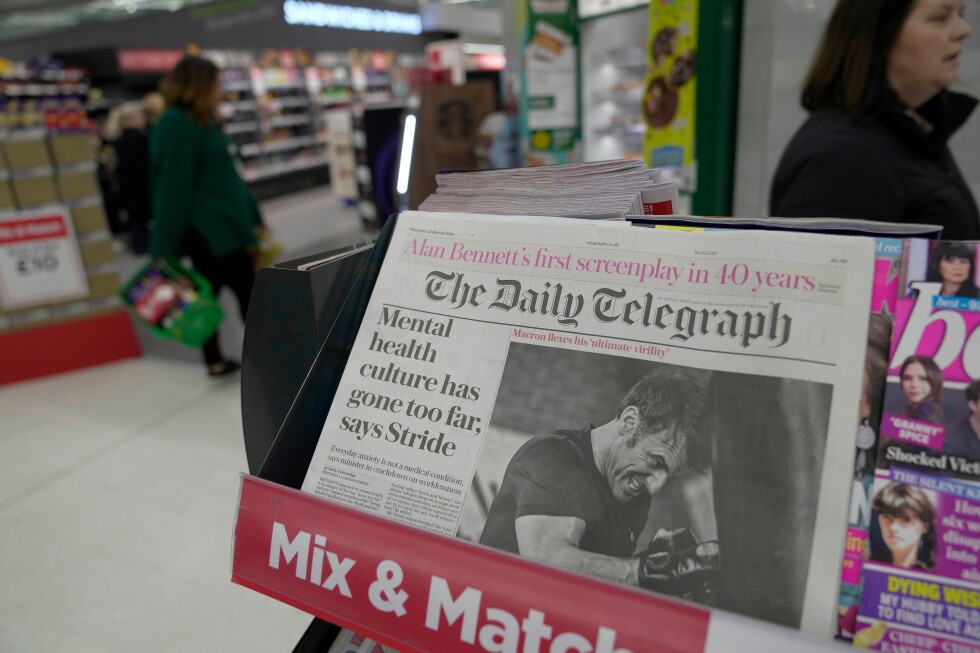
    In a transformative development for the international media landscape, German publishing conglomerate Axel Springer has finalized a £575 million (approximately $766 million) acquisition of Telegraph Media Group. The landmark agreement, announced jointly on Friday, concludes extensive negotiations surrounding the ownership of Britain’s prestigious conservative-leaning publications.

    This strategic acquisition represents Axel Springer’s triumphant reentry into British media after two decades of pursuit. Chief Executive Mathias Döpfner characterized the deal as the realization of a long-held ambition, noting the company’s unsuccessful attempt to acquire The Telegraph over twenty years prior.

    The transaction effectively terminates competing bids, including a £500 million offer from Daily Mail’s parent company and a previous proposal from RedBird IMI consortium. The latter, backed by Abu Dhabi royal family member Sheikh Mansour bin Zayed Al Nahyan, faced substantial opposition from UK authorities concerned about foreign state influence on British media.

    Axel Springer, which maintains an extensive portfolio including Bild, Welt, and Politico, has articulated ambitious plans for the historic publication. The German media giant intends to significantly invest in expanding The Telegraph’s digital footprint and conservative editorial voice across English-speaking markets, with particular emphasis on accelerating penetration into the United States media landscape.

    The ownership transition follows financial difficulties within the Barclay family, previous proprietors who placed the media group on the market in 2023 to address outstanding debts. In a related development, right-leaning publication The Spectator, formerly part of the Telegraph group, underwent separate acquisition by British hedge fund investor Paul Marshall in 2024.

  • Court orders refund as govt weighs new tariffs

    Court orders refund as govt weighs new tariffs

    In a significant legal development with substantial financial implications, the New York-based Court of International Trade has issued a directive requiring U.S. Customs and Border Protection to provide refunds for tariffs previously levied under the International Emergency Economic Powers Act (IEEPA). This Wednesday ruling brings clarity to the reimbursement process and is expected to accelerate financial returns for thousands of enterprises that paid IEEPA tariffs throughout the past year.

    The judicial decision arrives amid a complex landscape of trade policy adjustments. According to media reports, this order will facilitate the resolution of over 2,000 pending lawsuits currently before the court. In a related development, the federal government confirmed through separate court documentation that it will pay interest on these refunds. Financial projections from the Penn Wharton Budget Model indicate that the government collected more than $130 billion in tariffs through mid-December, with potential refunds possibly reaching $175 billion.

    This legal action follows the Supreme Court’s decisive 6-3 ruling on February 20, which determined that IEEPA did not confer presidential authority to implement tariffs. In response to this judicial limitation, the administration has strategically shifted to alternative trade mechanisms.

    Concurrently, Treasury Secretary Scott Bessent announced the administration’s plan to increase newly implemented global tariffs from 10% to 15% under Section 122 of the Trade Act of 1974. Bessent indicated to CNBC that this enhancement would likely be implemented within the week.

    The administration operates within a constrained temporal framework, as Section 122 provisions only permit tariffs lasting 150 days without congressional extension. During this five-month window, officials plan to complete investigations addressing national security concerns and unfair trade practices. Bessent referenced forthcoming studies from the United States Trade Representative on Section 301 and Commerce Department analyses regarding Section 232—tariff authorities that have previously endured legal challenges.

    These investigations potentially pave the way for subsequent tariff implementations. Bessent expressed confidence that tariff rates would revert to pre-Supreme Court decision levels within the five-month period, noting that these alternative legal frameworks have successfully withstood more than 4,000 legal challenges, describing them as ‘more robust’ despite being ‘more slow moving.’

  • China’s economic growth plans seen as beneficial to entire region

    China’s economic growth plans seen as beneficial to entire region

    China’s recently announced economic roadmap for 2026 is generating optimistic forecasts across the Asia-Pacific region, with analysts highlighting significant opportunities for neighboring economies amid global uncertainties. The comprehensive growth strategy, unveiled during the annual sessions of China’s top legislative and advisory bodies, outlines a targeted GDP expansion of 4.5-5% while emphasizing quality development through technological advancement and domestic market stimulation.

    Premier Li Qiang’s government work report, presented to the National People’s Congress, establishes this growth target as strategically aligned with China’s long-term objectives through 2035. The policy direction demonstrates continuity while adapting to what the report describes as an “increasingly complex external environment” characterized by geopolitical tensions and Middle East conflicts affecting global economic prospects.

    The economic blueprint includes substantial measures to boost household consumption through comprehensive income growth plans for both urban and rural residents. These initiatives specifically target low-income groups with practical measures to enhance earnings, increase property incomes, and improve social security systems. This domestic focus, according to regional experts, will create substantial spillover effects across Asian economies.

    Dr. Li Wei, Senior Lecturer in International Business at the University of Sydney Business School, notes that China’s policy approach signals “strong continuity” while demonstrating adaptability to global uncertainties. “Policies aimed at stimulating domestic demand and diversifying export markets suggest a broader effort to rebalance growth drivers,” Li observed.

    The regional implications are particularly significant for ASEAN nations, with China serving as the trading bloc’s largest partner and primary export market. Peter T.C. Chang, former deputy director of the University of Malaya’s Institute of China Studies, emphasizes that China’s domestic market expansion “will have enormous global ramifications” and is “set to become a major driver of global demand.”

    Lucio Blanco Pitlo III, President of the Philippine Association for Chinese Studies, confirms that ASEAN exporters will welcome greater market access to China. Additionally, the region stands to benefit from continued Chinese investment in infrastructure, renewable energy, electric vehicles, mineral processing, and industrial upgrading—areas specifically highlighted in the government’s development agenda.

    The technological dimension of China’s growth strategy also presents collaborative opportunities. The work report emphasizes driving high-quality development in key manufacturing chains through industrial foundation reengineering and advanced technology research. Pipit Aneaknithi, Chairman of Global Sustainability at Kasikornbank, notes China’s demonstrated leadership in technological innovation and sees significant potential for cooperation, particularly with Thailand’s ambition to become a regional hub for AI, logistics, and digital technology.

    This comprehensive economic approach, balancing domestic stimulation with technological advancement, positions China as a stabilizing force in regional economic development while creating multiple pathways for cooperative growth across Asia-Pacific economies.

  • Anhui continues to achieve development milestones

    Anhui continues to achieve development milestones

    Anhui Province has emerged as a formidable economic force in China’s development landscape, achieving remarkable growth through strategic opening-up policies and international trade expansion. According to Liang Yanshun, Secretary of the Communist Party of China Anhui Provincial Committee, the inland region has consistently innovated its approach to global engagement, enhancing both platform development and capacity building for international commerce.

    Statistical indicators reveal Anhui’s extraordinary economic transformation: with a GDP of 5.3 trillion yuan ($769.1 billion) in 2025, representing 5.5% year-on-year growth, the province now surpasses Argentina’s entire economy in scale. This development milestone underscores the effectiveness of President Xi Jinping’s guidance during his three inspection tours to Anhui since 2016, which provided strategic direction for high-level opening-up initiatives.

    International trade performance has been particularly impressive, with goods trade growing at an average annual rate of 13.2% over the past five years, exceeding 1 trillion yuan in 2025. The province demonstrated strengthened trade relationships with ASEAN (38.3% increase) and the European Union (21.6% increase), while importing over 330 billion yuan worth of high-quality consumer goods, advanced technology, and energy resources from more than 160 countries.

    Anhui’s manufacturing prowess has gained global recognition, with vehicle exports reaching 1 million complete units by end-2025—the highest among all Chinese provincial-level regions—while industrial robot exports ranked second nationwide. The province’s infrastructure development, particularly the fully navigable Yangtze-Huaihe Grand Canal operational since September 2023, has supported its position as China’s leader in waterway freight volume for consecutive years.

    Foreign investment metrics further illustrate Anhui’s attractiveness, with actual utilized foreign direct investment reaching 15.33 billion yuan in 2025, marking a 23.9% year-on-year increase—the nation’s fastest growth rate. Simultaneously, outbound investment reached $3.05 billion (17.5% increase), with 268 Anhui-based entities expanding operations across 48 countries and regions, including first-time investments in Antigua and Barbuda.

    The province’s business environment received top-three national rankings in market, innovation, rule of law, and government services according to the All-China Federation of Industry and Commerce evaluation. This ecosystem has attracted major international projects, including Volkswagen Group’s first R&D center outside Germany, established in Hefei with full vehicle platform development capabilities that reduce development cycles by approximately 30%.

    Anhui enterprises have increasingly participated in global infrastructure projects, contributing to initiatives such as Indonesia’s Jakarta-Bandung High-Speed Railway and Algeria’s Constantine Housing Project. As the province enters the 15th Five-Year Plan period (2026-30), leadership emphasizes that opening-up remains fundamental to writing the Anhui chapter of Chinese modernization, injecting sustained momentum into regional development.

  • Dow drops 800 after the US job market weakens and oil prices jump to the highest since 2024

    Dow drops 800 after the US job market weakens and oil prices jump to the highest since 2024

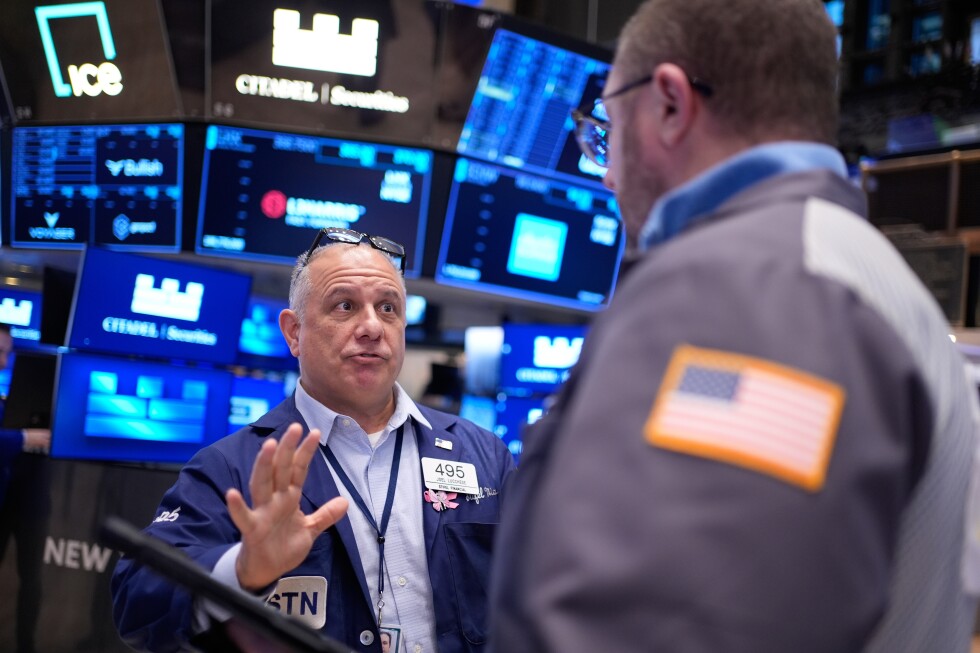
    Financial markets on Wall Street experienced a severe downturn Friday as investors confronted a toxic economic combination: rising inflation pressures alongside clear signals of economic weakening. The catalyst was a dual blow from economic reports showing an unexpected contraction in U.S. employment alongside surging oil prices reaching multi-year highs.

    The S&P 500 index plummeted 1.6% while the Dow Jones Industrial Average witnessed a dramatic drop of 823 points (1.7%) during morning trading. The Nasdaq composite followed suit with a 1.4% decline. This market reaction reflects growing anxiety that the economy may be entering a period of stagflation – the economic phenomenon where stagnation coincides with persistent inflation.

    Brian Jacobsen, Chief Economic Strategist at Annex Wealth Management, noted the concerning nature of the data: “You can’t sugarcoat this report. A negative payrolls number combined with a big jump in oil prices will have traders worrying about stagflation risks.”

    The employment report revealed a surprising loss of 92,000 jobs last month, pushing the unemployment rate to 4.4%. Compounding these concerns, retail sales figures underperformed expectations, suggesting American consumers – the primary engine of economic growth – may be reaching their spending limits.

    Energy markets exacerbated the situation as Brent crude, the international benchmark, surged 6.9% to $91.35 per barrel – its highest level since April 2024. U.S. crude benchmark prices jumped even more dramatically, climbing 9.2% to $88.45. This price spike is directly linked to Middle East tensions affecting critical energy transportation routes, particularly the Strait of Hormuz which handles approximately one-fifth of global oil shipments.

    The convergence of these factors creates a policy dilemma for the Federal Reserve, which typically responds to economic weakness with interest rate cuts. However, with inflation pressures mounting due to energy price increases, the central bank’s flexibility appears constrained. Market expectations have consequently shifted, with traders now anticipating potentially just one rate cut this year instead of multiple reductions.

    Market volatility has become increasingly frenetic, with dramatic intraday swings occurring hour-by-hour. The Russell 2000 index of small-cap companies fell a market-leading 2.2%, reflecting particular vulnerability among firms dependent on borrowing and domestic economic strength. Transportation and travel sectors suffered most acutely, with Old Dominion Freight Line sinking 7%, Norwegian Cruise Line Holdings falling 6.1%, and Southwest Airlines losing 5.7%.

    International markets showed mixed reactions, with European indices declining while Asian markets posted gains, highlighting the uneven global impact of these economic developments.

  • Australian sharemarket hammered as Middle East conflict sparks global stagflation fears

    Australian sharemarket hammered as Middle East conflict sparks global stagflation fears

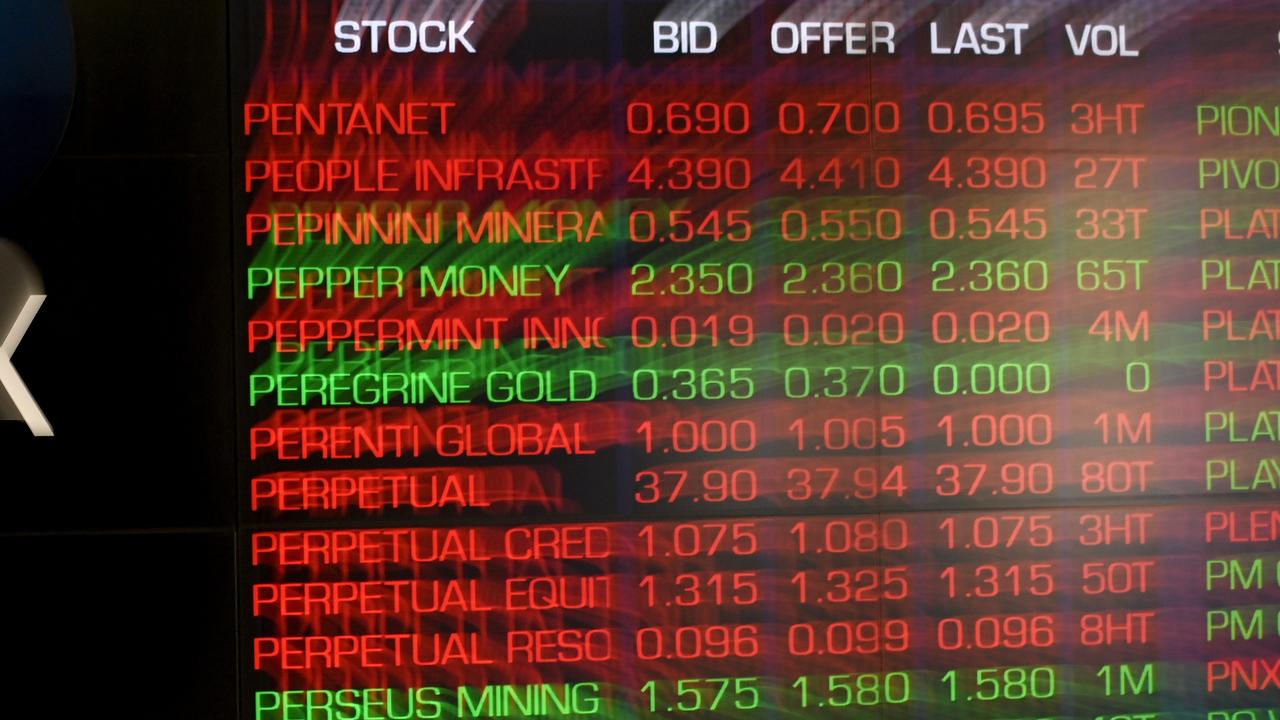
    Australia’s financial markets experienced a severe downturn, shedding over $100 billion in value during the past week as escalating Middle East tensions sparked fears of global economic stagnation. The benchmark ASX 200 index closed Friday’s session down 1.0 percent, equivalent to 89.30 points, while the broader All Ordinaries index declined 0.87 percent to 9,085.10 points.

    The market weakness reversed February’s robust 3.7 percent rally, dragging quarterly performance into negative territory with a 4.1 percent decline. The sell-off was predominantly driven by concerns that prolonged conflict in the Middle East could trigger stagflation—a dangerous combination of stagnant economic growth and rising inflation.

    Commodity markets witnessed dramatic movements, with Brent crude oil recording its most significant weekly surge since 2022, climbing 16 percent to approximately $120 AUD per barrel. This surge followed supply disruptions stemming from Middle Eastern hostilities, though prices moderated slightly after statements from U.S. officials regarding potential supply stabilization measures.

    Sector performance revealed stark contrasts: technology stocks emerged as the sole bright spot, rallying 4.57 percent overall. Wisetech Global led the surge with a remarkable 10.83 percent gain, while Xero and Technology One advanced 4.46 percent and 3.92 percent respectively. Conversely, materials and mining sectors faced substantial pressure as BHP declined 4.24 percent, Rio Tinto fell 3.59 percent, and Fortescue dropped 0.72 percent amid weakening commodity prices.

    Financial institutions mirrored the bearish sentiment, with all four major banks closing lower. The Commonwealth Bank dipped 0.11 percent, NAB declined 1.08 percent, Westpac dropped 0.89 percent, and ANZ decreased 0.34 percent.

    AMP economist My Bui highlighted the dual threat posed by elevated oil prices: “Higher commodity prices raise household energy costs and manufacturing input costs while reducing discretionary consumption. Simultaneously, increased geopolitical uncertainty causes households and businesses to delay major purchases and investment plans.”

    Despite the volatility, Morningstar market strategist Lochlan Halloway characterized market reactions as “rational” given the unprecedented nature of the geopolitical situation, noting that “markets are pricing a broad spectrum of risk, ranging from a brief disruption to, in the extreme case, an oil shock with no modern precedent.”

    Individual company movements included Magellan Financial’s 9.27 percent surge following news of billionaire Frank Lowy’s family acquiring a 5.1 percent stake, while Deep Yellow plummeted 11.79 percent due to significant half-year losses. Defence contractor DroneShield gained 10 percent amid heightened demand for counter-drone technology in conflict zones.

  • EU to ban plant-based ‘bacon’ but veggie ‘burgers’ survive chop

    EU to ban plant-based ‘bacon’ but veggie ‘burgers’ survive chop

    The European Union has finalized landmark legislation prohibiting the use of traditional meat nomenclature for plant-based alternatives, though several popular terms have been exempted from the sweeping ban. Following extensive negotiations between EU member states and parliamentary representatives, the new regulations will forbid product labels containing terms like “steak,” “bacon,” and “escalope” for vegetarian and vegan food items.

    The decision represents a significant victory for Europe’s livestock agricultural sector, which has consistently argued that plant-based products mimicking meat terminology create consumer confusion and constitute unfair market competition. French cereal farmer and conservative parliamentarian Celine Imart, who championed the legislation, celebrated the outcome as an “undeniable success” that recognizes the value of livestock farming traditions.

    Notably, the legislation carves out exceptions for some of the most established plant-based products in the European market. Terms including “burger,” “sausage,” and “escalope” will remain permissible for meat-free alternatives, reflecting their entrenched position in consumer vocabulary.

    The comprehensive list of prohibited terminology extends beyond specific meat types to include anatomical references traditionally associated with animal products. Banned descriptors encompass “veal,” “pork,” “poultry,” “chicken,” along with cut-specific terms such as “tenderloin,” “sirloin,” “ribs,” “shoulder,” “chop,” “wing,” and “T-bone.”

    The regulatory framework also extends to laboratory-cultivated cellular agriculture products, representing one of the world’s first comprehensive legislative approaches to emerging food technologies.

    Consumer advocacy organizations have strongly criticized the decision, with BEUC Director General Agustin Reyna dismissing the confusion argument as “nonsense” and predicting the new rules will actually increase consumer uncertainty. Environmental groups and German retailers—operating in Europe’s largest plant-based market—had similarly opposed the measures.

    Despite opposition, Cyprus Agriculture Minister Maria Panayiotou, representing the EU presidency, characterized the agreement as “a meaningful step towards fairer and more resilient agricultural markets.”

    The legislation arrives amid unprecedented growth in plant-based food consumption within the EU, which has expanded fivefold since 2011, driven by environmental sustainability concerns, animal welfare considerations, and health-conscious consumer behavior.

  • Premier Li reaffirms commitment to Hainan Free Trade Port development

    Premier Li reaffirms commitment to Hainan Free Trade Port development

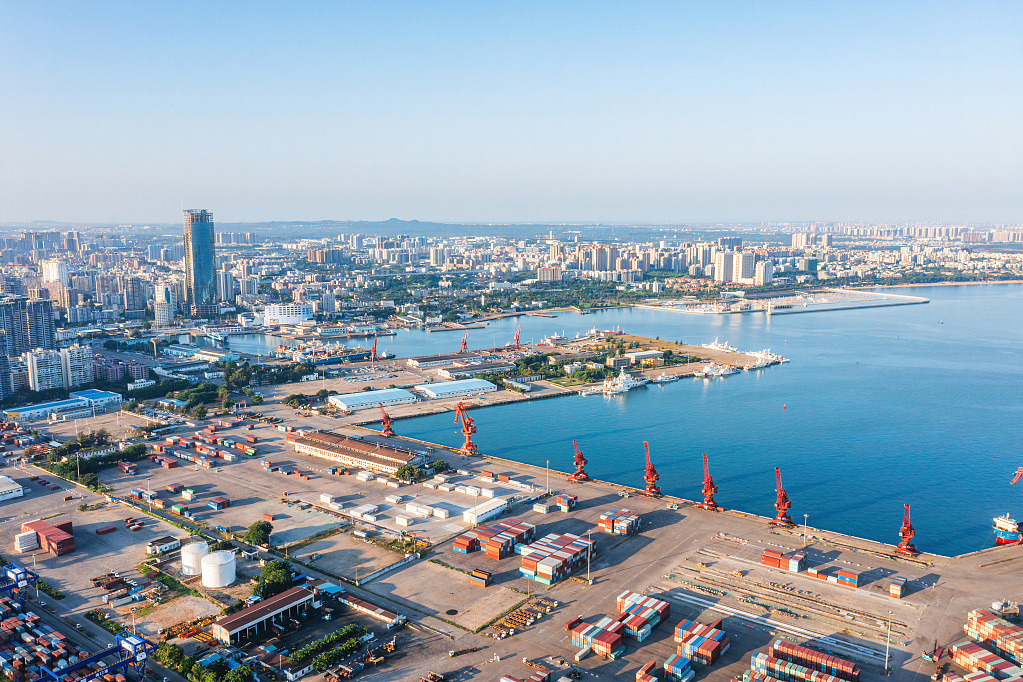
    In a significant policy address at the fourth session of the 14th National People’s Congress, Premier Li Qiang reaffirmed China’s commitment to advancing the Hainan Free Trade Port as a cornerstone of the nation’s economic reform and high-standard opening-up strategy. This marks the eighth consecutive year the ambitious project has been highlighted in the government’s annual work report, signaling its enduring strategic importance.

    The development initiative has already yielded substantial results since the December 18 implementation of island-wide special customs operations, a landmark achievement in Hainan’s economic transformation. Within just two months of the policy launch, foreign investment in the region surged dramatically, with new foreign-funded enterprises increasing by 45.6 percent. The tariff liberalization framework expanded significantly, raising the proportion of imported goods eligible for zero tariffs from 21 percent to 74 percent.

    Customs data reveals impressive trade growth exceeding 9 percent during this period, demonstrating the immediate impact of the policy changes. The special economic zone offers unique advantages, including provisions that allow imported products undergoing at least 30 percent value-added processing in Hainan to enter mainland China tariff-free. Additionally, certain goods restricted or banned elsewhere in China enjoy liberalized policies within the free trade port.

    The economic benefits became particularly evident during the recent Spring Festival holiday, where zero-tariff goods imports reached approximately 48.6 million yuan ($7.04 million), resulting in tariff exemptions of about 9.4 million yuan. Premier Li emphasized that China will continue to enhance the layout and scale of pilot free trade zones to strengthen their innovation-driven development capacity, positioning Hainan as a model for China’s future economic openness.