分类: business

  • China reminds Trump it holds the note on dollar debt

    China reminds Trump it holds the note on dollar debt

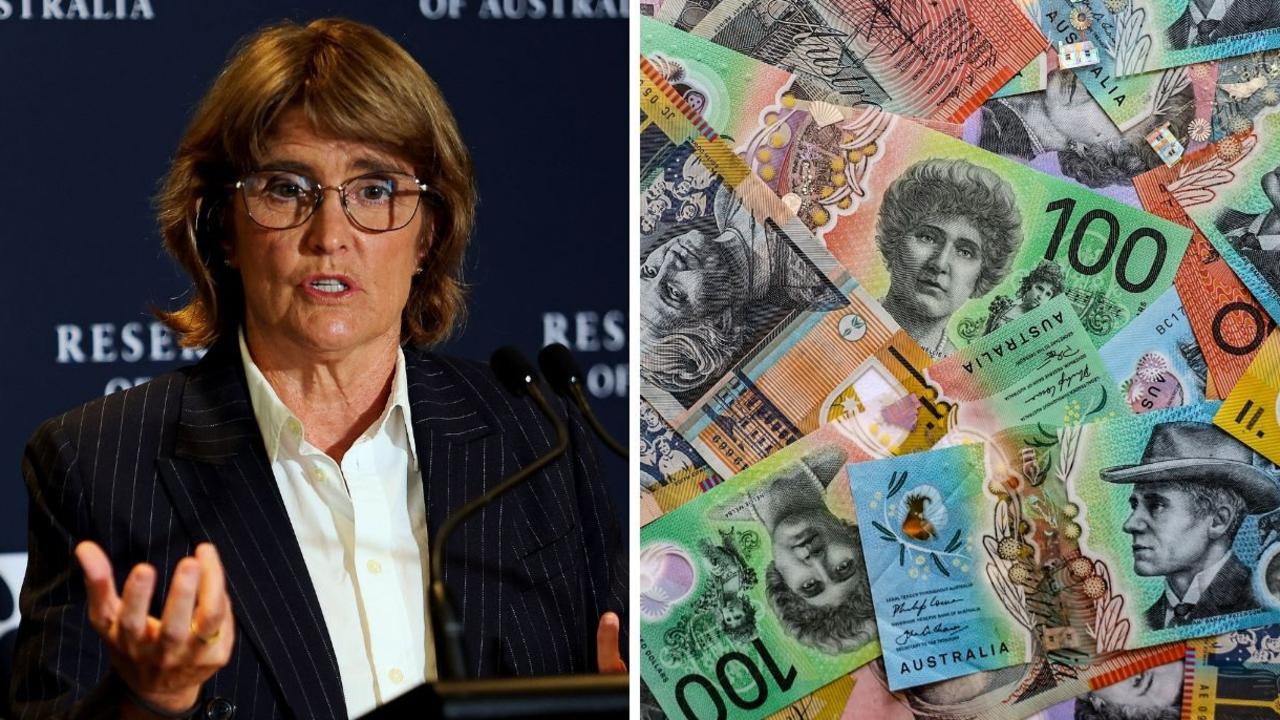
    Financial markets are closely monitoring Beijing’s potential strategic shift away from US Treasury securities, a move that could fundamentally reshape global economic dynamics. Reports indicate that China, America’s second-largest financier in Asia, is advising financial institutions to decrease exposure to US government debt amid growing concerns about fiscal sustainability.

    This development occurs against the backdrop of unprecedented US debt accumulation, which has surpassed $39 trillion under the Trump administration’s policies. Market analysts note that while China appears unlikely to initiate large-scale immediate selling, even gradual reductions could signal diminishing confidence in dollar-denominated assets.

    Historical context reveals this isn’t entirely unprecedented. Former Premier Wen Jiabao expressed similar concerns in 2009 regarding China’s substantial loans to the United States, emphasizing the need for Washington to maintain its creditworthiness. These worries materialized when S&P Global downgraded the US credit rating from AAA to AA+ in 2011.

    The current administration’s approach has exacerbated these concerns through multiple channels: significant tax cuts, expansive pandemic-related spending, and the weaponization of dollar-based financial systems for geopolitical purposes. Economist Eswar Prasad of the Brookings Institution observes that ‘the institutions that have underpinned the dollar’s dominance are being shredded before our eyes.’

    Market professionals offer contrasting perspectives. Kathleen Brooks of XTB suggests any Chinese selling would likely be ‘slow and gradual,’ while UBS economist Paul Donovan notes markets are attentive to reduced future appetite for US debt among international investors. Meanwhile, Oxford Economics CEO Innes McFee contends that ‘there’s no real evidence of capital outflows out of US assets,’ emphasizing continued global exposure to American markets.

    The potential implications are profound. Any substantial reduction in Chinese Treasury holdings could increase US borrowing costs, potentially triggering global financial instability. However, most analysts consider abrupt large-scale selling unlikely given the mutually destructive consequences such action would entail for both economies.

    This situation represents the culmination of long-standing tensions regarding dollar dependency and reflects broader geopolitical realignments as nations reconsider traditional financial safe havens in an increasingly fragmented global economic landscape.

  • Dutch court orders investigation into chipmaker Nexperia and upholds Chinese CEO’s suspension

    Dutch court orders investigation into chipmaker Nexperia and upholds Chinese CEO’s suspension

    In a landmark ruling with global economic implications, the Enterprise Chamber of the Amsterdam Court of Appeal has mandated a formal investigation into semiconductor manufacturer Nexperia while extending the suspension of its Chinese CEO Zhang Xuezheng. The decision underscores deepening concerns about corporate governance practices at the Dutch-based chipmaker under its Chinese ownership structure.

    The judicial body identified multiple areas requiring scrutiny, including alleged mishandling of conflict of interest situations, strategic shifts implemented without internal consultation, violations of agreements with the Dutch Ministry of Economic Affairs, and restrictions placed on European managers’ authority. The court expressed particular concern about indications that company leadership may have prioritized external interests over Nexperia’s operational stability.

    This legal development represents the latest chapter in an ongoing corporate saga that previously saw the Dutch government temporarily assume control of the company in 2022. The intervention was motivated by national security apprehensions regarding the potential erosion of critical technological capabilities essential to Dutch and European economic interests.

    The governance turmoil has produced severe ripple effects across global supply chains, particularly affecting automotive manufacturers dependent on Nexperia’s specialized chips. Major carmakers including Honda and Mercedes-Benz experienced production disruptions and scrambled to secure alternative components for essential vehicle systems ranging from airbag mechanisms to anti-lock braking systems.

    The geopolitical dimensions of the case have drawn international attention, with the dispute highlighting Europe’s challenging position amid escalating Sino-American technological competition. Court documents revealed that American officials had previously advised the Dutch government to replace CEO Zhang to avoid potential trade restrictions.

    Nexperia has issued a statement expressing respect for the judicial process and commitment to full cooperation with the investigation. Meanwhile, parent company Wingtech expressed confidence that a thorough inquiry would validate their governance approach, though they lamented the prolonged uncertainty created by the continued leadership suspension.

    The court acknowledged the investigation may extend beyond six months, with findings ultimately determining whether definitive corrective measures will be required to address alleged mismanagement within the semiconductor firm.

  • ‘Home of Gold’: What you need to know about Dubai’s new Gold District

    ‘Home of Gold’: What you need to know about Dubai’s new Gold District

    Dubai has solidified its status as a global luxury hub with the official launch of the Dubai Gold District, a groundbreaking development being hailed as the definitive ‘Home of Gold’. This purpose-built ecosystem consolidates the entire spectrum of the gold and jewellery industry—encompassing bullion trading, wholesale, retail, bespoke craftsmanship, and investment services—into a single, integrated destination.

    Strategically designed as a comprehensive hub, the district brings together international traders, investors, global brands, and consumers. Beyond its core function, it expands into a multifaceted lifestyle experience. The retail offering extends far beyond gold to include prestigious watch collections, diamonds and gemstones, fashion outlets, and perfume and cosmetics. The development is further enhanced by a diverse culinary scene, ranging from casual cafes to fine dining establishments, and supported by substantial hospitality infrastructure featuring over 1,000 guest rooms across six dedicated hotels.

    The project’s most audacious and headline-grabbing feature is the planned construction of the world’s first ‘Gold Street’—an actual street surface integrated with gold, poised to become a major global tourist attraction and a permanent visual landmark. With over 1,000 retailers already confirmed, including industry giants like Jawhara Jewellery, Malabar Gold and Diamonds, Al Romaizan, Tanishq, and a massive 24,000-square-foot flagship from Joyalukkas, the district establishes an unparalleled concentration of market leaders.

    Operating from 10 AM to 10 PM daily, the Dubai Gold District is strategically positioned to cater to both international trade partners and luxury shoppers, reinforcing Dubai’s pivotal role in the global precious metals and gems market.

  • Middle East CEOs feel the heat as boards demand faster results and deeper transformation

    Middle East CEOs feel the heat as boards demand faster results and deeper transformation

    Corporate leadership across the Middle East is experiencing unprecedented pressure as boardrooms worldwide compress executive timelines and demand faster, more demonstrable results. According to Russell Reynolds Associates’ Global CEO Turnover Index Annual Report 2025, CEO departures reached 234 globally last year—marking a 16% year-on-year increase and standing 21% above the eight-year average.

    The data reveals a significant contraction in executive tenure, with the average term of departing CEOs declining to 7.1 years in 2025 from 8.3 years in 2021. This trend reflects a fundamental recalibration of performance expectations, with directors becoming “far more explicit about what results must be delivered—and when.” The report emphasizes that the CEO role has become “materially more complex and harder than it has ever been.”

    Middle Eastern companies, particularly those navigating rapid economic diversification, digital transformation, and evolving regulatory landscapes, find themselves directly impacted by these global currents. Boards are making definitive decisions earlier in leadership lifecycles, with departures within 30-36 months surging 79% year-over-year. This shift reflects the inheritance challenges facing new CEOs, who often take helm of underperforming organizations or those facing activist investor pressure.

    Nicolas Manset, Head of the Middle East at Russell Reynolds Associates, notes: “Middle East CEOs are operating under the same global forces driving record CEO turnover worldwide, from geopolitical shocks and investor scrutiny to accelerated transformation. The Gulf continues to strengthen its position as a globally competitive business hub, attracting international capital, multinational headquarters and world-class executive talent.”

    The report identifies intensified investor scrutiny as a key pressure point. Rusty O’Kelley, who co-leads RRA’s Board & CEO Advisory Partners in the Americas, warns that “the margin for error has narrowed significantly” for today’s corporate leaders. Activist campaigns have directly contributed to accelerated CEO exits, with Barclays data showing a record 32 CEOs resigning within a year of activist involvement in 2025.

    Succession patterns reveal that first-time CEOs accounted for 86% of global appointments in 2025—a consistent trend since 2018. This pattern, reflected in Middle Eastern companies’ investment in homegrown leadership, presents both opportunity and risk. Laura Sanderson, RRA’s UK leader, observes: “Historically, the first couple of years of a CEO’s tenure were about clarifying the mandate… That grace period has been severely compressed. Today, CEOs are expected to demonstrate momentum almost immediately.”

    The technology sector provides a notable case study: after record churn in 2024, tech CEO exits halved in 2025 as boards paused leadership changes amid intense operational demands. This suggests that stability can be strategic, though boards continue to expect cost discipline and near-term validation.

    Persistent diversity challenges remain, with women comprising just 9% of incoming CEOs globally in 2025—down from 11% in 2024. The report highlights insufficient female representation in key feeder roles such as CFO, COO, and divisional P&L leadership positions.

    For Gulf corporations, the leadership playbook is evolving from episodic transitions to continuous succession planning. Boards must now define 24-36-month outcomes with precision and treat CEO development as an ongoing governance responsibility. As the report concludes, in a market that prizes rapid transformation, adequate support structures can determine the difference between sustained momentum and costly missteps.

  • Argentina’s monthly inflation ticks up as Milei faces backlash over an outdated index

    Argentina’s monthly inflation ticks up as Milei faces backlash over an outdated index

    Argentina’s statistical agency INDEC reported an unexpected acceleration of inflation for the fifth consecutive month in January, recording a 2.9% monthly increase primarily driven by rising food costs, restaurant prices, hotel rates, and utility bills. The announcement comes amid intense scrutiny of the agency’s outdated measurement methodology, which continues to utilize consumption patterns from 2004—a formula that includes obsolete items like DVDs, newspapers, and landline phones while excluding modern essentials such as streaming services and smartphones.

    The controversy deepened when President Javier Milei’s administration abruptly reversed plans to implement an updated inflation index, prompting the resignation of Argentina’s national statistics chief and triggering significant market reactions. The decision revived painful memories of previous governments’ manipulation of economic data, particularly during the Cristina Fernández de Kirchner administration when INDEC was accused of systematically underreporting inflation figures.

    Economists argue the current methodology substantially underestimines actual price increases, especially regarding public services that have seen dramatic cost surges following Milei’s austerity measures and subsidy reductions. The political fallout has rattled investor confidence and sparked widespread public debate in a nation particularly sensitive to inflation reporting due to its history of economic instability.

    Despite the statistical controversy, Milei’s government has achieved notable progress in reducing annual inflation from over 211% in late 2023 to 31% last year through aggressive spending cuts, increased Chinese imports, and controversial exchange rate policies. However, recent months have shown inflation trending upward again from its low of 1.5%, raising questions about the sustainability of these gains amid stagnant wages and ongoing economic challenges.

    Paradoxically, the higher-than-expected January inflation figure provided some reassurance that the current administration isn’t manipulating data, as the 2.9% rate exceeded most private sector estimates and demonstrated statistical transparency despite methodological shortcomings.

  • US stocks flirt with a record after the unemployment rate unexpectedly improves

    US stocks flirt with a record after the unemployment rate unexpectedly improves

    Wall Street witnessed a significant rally on Wednesday as major indices climbed toward record territory, propelled by unexpectedly robust employment figures that alleviated concerns about economic momentum. The S&P 500 advanced 0.5%, hovering near its all-time peak established late last month, while the Dow Jones Industrial Average gained 222 points (0.4%) and the Nasdaq composite rose 0.5% during morning trading.

    The market upswing followed a Labor Department report revealing U.S. employers added 130,000 positions in the previous month—substantially exceeding economists’ projections of 75,000 jobs. This development helped counterbalance prior anxieties triggered by disappointing consumer spending data that had suggested potential economic stagnation.

    However, the economic landscape revealed complexities upon deeper examination. The report contained significant downward revisions indicating employers created merely 181,000 jobs throughout the entire previous year, dramatically lower than the initially reported 584,000. This represents the weakest annual job growth since 2020, when COVID-19 pandemic restrictions paralyzed economic activity.

    Sector performance reflected economic sensitivities, with energy and industrial stocks leading gains. Caterpillar surged 3.9% and Exxon Mobil climbed 2.4%, both companies whose profitability correlates closely with economic health.

    The session witnessed several notable decliners. Moderna plummeted 10.5% after the FDA declined to review its application for a novel mRNA-based flu vaccine. Robinhood Markets dropped 11% despite exceeding profit expectations, as revenue shortfalls and concerns about sustained cryptocurrency trading declines weighed on investor sentiment. Kraft Heinz fell 4.1% as CEO Steve Cahillane announced a pause in planned business separation plans alongside a $600 million strategic investment.

    Bond markets responded to the strengthened employment picture, with the 10-year Treasury yield rising to 4.17% and the more Fed-sensitive 2-year yield jumping to 3.51%. The data prompted traders to scale back expectations for Federal Reserve interest rate cuts this year, though markets still anticipate at least two reductions according to CME Group data.

    Internationally, stock indexes demonstrated broad strength across Asian and European markets, with South Korea’s Kospi gaining 1% and the UK’s FTSE 100 advancing 0.9%.

  • Empower posts record Dh1 billion profit as capacity, customer base surge in 2025

    Empower posts record Dh1 billion profit as capacity, customer base surge in 2025

    Emirates Central Cooling Systems Corporation (Empower) has announced unprecedented financial achievements for the fiscal year 2025, cementing its position as the global leader in district cooling services. The Dubai-based powerhouse reported a remarkable 10.5% surge in net profit, reaching Dh1.004 billion, while revenue grew by 4.9% to Dh3.419 billion, establishing new benchmarks in the industry.

    The company’s exceptional performance was fueled by strategic network expansion and substantial customer growth, with operational metrics reaching historic highs. Connected capacity soared to 1.7 million refrigeration tonnes, while contracted capacity approached the 2 million RT milestone through 186 new contracts secured during the year. Empower’s portfolio now encompasses 1,747 buildings across Dubai, with its distribution network extending beyond 430 kilometers of infrastructure.

    Financial indicators demonstrated robust health across all parameters. EBITDA climbed 6.2% to Dh1.649 billion, while pre-tax profit mirrored the net profit growth at 10.5%, reaching Dh1.103 billion. The company distributed Dh875 million in dividends to shareholders through equal payments in April and October.

    CEO Ahmad Bin Shafar attributed this success to the company’s resilient business model and strategic long-term vision. ‘Our record-breaking performance underscores the scalability of our operations and the effectiveness of our disciplined expansion approach,’ he stated. ‘We’ve simultaneously advanced our digital transformation initiatives while supporting Dubai’s sustainability objectives.’

    Customer engagement reached new heights with 156,000 accounts, representing a 26% increase in new registrations. Digital transformation efforts yielded significant results, with 979,051 online bill-payment transactions processed—a 10% increase from 2024—and 46,876 No Objection Certificate applications approved through digital channels.

    The company’s expansion included major project wins such as The Island development with Wasl (23,853 RT), Uptown Dubai’s next phase with DMCC (24,675 RT), Palm Gateway (9,470 RT), and Al Habtoor Tower’s first phase (7,200 RT). Operational milestones included the commissioning of the Deira Waterfront plant (39,000 RT) and progress on facilities in Al Sufouh 2, Jumeirah Village, and Dubai Science Park.

    Recognition came through multiple international awards at IDEA 2025, LEED Gold certification for the DLRC plant, and ESG accolades from Dubai Chamber and MAJRA, reinforcing Empower’s commitment to environmental stewardship and sustainable development practices.

  • LuLu expands UAE retail footprint with Adnoc tie-up, plans five new stores

    LuLu expands UAE retail footprint with Adnoc tie-up, plans five new stores

    In a strategic move reshaping the UAE’s retail landscape, LuLu Group International has entered a transformative partnership with ADNOC Distribution to launch five new convenience stores across next-generation roadside destinations. The collaboration commenced with the inauguration of the inaugural LuLu Daily outlet at The Hub by ADNOC on Saadiyat Island, marking a significant evolution in integrated retail experiences.

    The newly opened 16,566 square foot facility represents a paradigm shift in convenience retail, strategically positioned within ADNOC’s innovative Hub concept that merges traditional fuel services with comprehensive lifestyle amenities. This next-generation retail environment combines dining options, shopping facilities, co-working spaces, fitness areas, and family recreation zones, effectively transforming conventional service stations into vibrant community hubs.

    Senior executives from both corporations formalized the long-term alliance through the signing of strategic memoranda of understanding, committing to establish four additional LuLu Daily stores at various Hub locations nationwide by mid-2027. The partnership aligns with both organizations’ objectives to capitalize on evolving consumer behavior patterns and mobility trends across the Emirates.

    Yusuffali M.A., Chairman of LuLu Group International, emphasized the partnership’s core focus on elevating customer convenience while delivering premium retail and culinary experiences along major transportation corridors. He expressed conviction that this collaboration would effectively address the UAE’s dynamic lifestyle requirements while establishing foundations for sustained bilateral cooperation.

    Eng. Bader Saeed Al Lamki, CEO of ADNOC Distribution, characterized the Saadiyat Island launch as a pivotal milestone in the company’s strategy to expand customized roadside retail offerings. He highlighted the Hub model’s inherent flexibility in adapting to specific community needs, enabling delivery of tailored retail and mobility solutions across diverse demographic segments.

    The new LuLu Daily outlet features an extensive product assortment including fresh produce, grocery essentials, meat and dairy products, bakery items, beauty products, toys, and household necessities. Designed with convenience as a paramount consideration, the store incorporates self-checkout systems and optimized parking access, reflecting both companies’ customer-centric operational philosophy.

    This retail integration initiative positions quality grocery and fresh food offerings within immediate proximity of residential communities and high-traffic mobility routes, further consolidating the UAE’s status as the region’s most innovative and dynamic retail market.

  • Why are most of Dubai’s off-plan property owners holding onto their assets?

    Why are most of Dubai’s off-plan property owners holding onto their assets?

    Dubai’s real estate market is experiencing a significant behavioral shift as the majority of off-plan property investors are choosing to retain their assets rather than pursue immediate resale opportunities. This trend emerges despite the market showing signs of normalization following five years of unprecedented growth.

    According to Cavendish Maxwell’s comprehensive 2025 Dubai Residential Market Performance Report, the emirate’s property sector achieved historic milestones with over 200,000 transactions totaling Dh541.5 billion. Sales volume increased by 19% compared to 2024, while transaction values surged by 27%. The off-plan segment continued to dominate, accounting for 73% of all sales activity and generating Dh395.7 billion in value—a 32% year-on-year increase.

    Market experts identify multiple factors influencing investor behavior. Zacky Sajjad, Director and Head of Business Development at Cavendish Maxwell, notes that only 10-20% of off-plan unit owners are currently pursuing resales. This retention strategy appears driven by investors awaiting optimal returns that continue to outperform many global markets, despite recent modest price adjustments.

    The market’s underlying fundamentals remain robust. Geopolitical stability continues to attract international buyers, while record tourism numbers and population growth sustain demand. The Property Monitor Index, tracking 41 freehold communities, indicates three consecutive months of marginal decline, suggesting a controlled cooling period rather than a sharp correction.

    Supply dynamics also play a crucial role. While 110,500 new units are forecast for delivery in 2026, historical completion rates suggest actual deliveries may range between 33,000-50,000 units—a significant reduction from initial projections that could support property values.

    Ronan Arthur, Head of Residential Valuation at Cavendish Maxwell, characterizes the current phase as a transition toward market normalization. ‘After another record-breaking year, rising supply and slowing price growth indicate more balanced conditions emerging in 2026,’ Arthur observed. ‘Future performance will increasingly depend on absorption rates, buyer sentiment, and the market’s ability to digest upcoming completions.’

    This holding pattern among investors reflects a maturation of Dubai’s property market, with participants demonstrating increased sophistication and long-term perspective compared to previous market cycles.

  • JIFU expands physical presence in the UAE amid rising regional wellness demand

    JIFU expands physical presence in the UAE amid rising regional wellness demand

    In a strategic response to growing regional demand for wellness products, international direct-selling enterprise JIFU has officially launched physical operations within the United Arab Emirates. This expansion establishes a critical regional headquarters that will serve the entire Gulf Cooperation Council (GCC) region, signaling a shift from remote operational models to localized infrastructure development.

    The newly established UAE facility will function as a comprehensive support center, providing logistical coordination, regulatory compliance oversight, and field support for independent distributors operating throughout Gulf markets. Company executives emphasized that this physical presence reflects a deliberate strategy to align with specific regulatory requirements governing direct-selling businesses in the region while enhancing operational accountability.

    Market analysts observe that JIFU’s expansion coincides with accelerating growth in the Middle East wellness sector, driven by increasing consumer health consciousness and receptiveness to alternative retail distribution methods. Industry observers note that successful market penetration in the GCC increasingly demands tangible physical presence, transparent supply chains, and rigorous regulatory compliance to build long-term market credibility.

    The UAE was specifically selected for its advanced logistics infrastructure, business-friendly regulatory environment, and established role as a regional commercial gateway. According to company statements, physical operations enable deeper engagement with local stakeholders and more responsive market support systems.

    In an official statement, JIFU’s Chief Executive Officer outlined the strategic rationale: ‘Establishing physical operations in the UAE enables us to operate within a clear regulatory framework while providing structured support to our independent business owners. Our focus remains on sustainable development and responsible market expansion rather than pursuing rapid but potentially unstable market entry.’

    The UAE headquarters will additionally serve as a training center and compliance hub, ensuring distributor activities align with local business standards and regulatory expectations. While the company has not revealed specific timelines for further GCC expansion, it confirmed that the UAE operation constitutes the foundational element of its comprehensive regional strategy.

    JIFU, which markets wellness and lifestyle products through direct-selling channels across multiple international markets, exemplifies a broader trend of global consumer brands strengthening local operational presence in the Gulf region to address specific regulatory, logistical, and market dynamics.