
Canada’s lumber sector is grappling with significant challenges following the imposition of new tariffs by the United States on timber and furniture imports. On October 14, Washington introduced a 10% tariff on imported timber and lumber, alongside a 25% duty on kitchen cabinets, in addition to the existing 35% levy on Canadian lumber. Experts warn that these measures could exacerbate price disparities and strain the already fragile trade relationship between the two nations. Harry Nelson, an associate professor of forestry at the University of British Columbia, described the combined 45% tariff on Canadian softwood as ‘unprecedented,’ predicting it could persist for at least six months. The tariffs are expected to widen the gap between domestic and export prices, with Canadian lumber prices likely to fall relative to the US market. Beyond the immediate impact on lumber, the broader North American economy could also suffer, with potential declines in housing starts and increased economic uncertainty. Industry groups, including the British Columbia Lumber Trade Council (BCLTC), have expressed deep disappointment, arguing that the tariffs will drive up costs, threaten jobs, and exacerbate the US housing supply crisis. The Canadian government has pledged C$1.2 billion in aid to softwood producers, but experts warn this may be insufficient to address the widespread effects across the interconnected sector. With the US threatening to raise tariffs further in January, pressure is mounting on Canada to negotiate a resolution. Canadian Prime Minister Mark Carney hinted at the possibility of a trade deal ahead of the upcoming APEC Economic Leaders’ Meeting, but uncertainties remain.
分类: business
-

Trade cooperation continues to anchor Sino-Japanese ties
Despite the global rise in protectionism, supply chain realignments, and Japan’s political shift to the right, economic collaboration between China and Japan continues to be a cornerstone of their bilateral relationship. This was highlighted during the Beijing launch of the 2025 Blue Book of Japanese Economy, a report co-authored by the Institute of Japanese Studies at the Chinese Academy of Social Sciences and the Chinese Association for Japanese Economic Studies. The report emphasizes the enduring significance of the Chinese market for Japanese businesses, even as Japan’s foreign direct investment in China has seen a decline due to global supply chain shifts, the yen’s depreciation, and rising labor costs. According to Japan’s Finance Ministry, China ranked ninth among destinations for Japanese investment last year, with direct investment totaling 493.1 billion yen ($3.23 billion). Yang Bojiang, director of the Institute of Japanese Studies, noted that Japan’s net investment in China last year was nearly 60 percent below its 2017 peak, largely due to the relocation of manufacturing lines for U.S.-bound exports out of China to avoid tariff barriers and geopolitical risks. However, experts caution against interpreting this decline as the full picture. A survey by the Japanese Chamber of Commerce and Industry in China revealed that 56 percent of respondent companies plan to ‘increase or maintain’ investment in China this year, with 54 percent considering the Chinese market as ‘the most important’ or ‘one of the top three important markets.’ Chang Sichun, an associate researcher at the Institute of Japanese Studies, pointed out that China remains Japan’s fourth-largest destination for direct investment, following the U.S., the U.K., and the Netherlands. Japanese companies in China have consistently maintained high returns on investment, particularly in the services sector, where recent performance has been strong. The Japanese Chamber of Commerce and Industry in China reported that the return on direct investment for Japanese companies in China rose from 12.1 percent in 2015 to 18.4 percent in 2022, outperforming returns in the U.S. (8.8 percent) and the U.K. (14.7 percent). This strong performance has led to a rebound, with China’s Commerce Ministry reporting a 58.9 percent year-on-year increase in actual investment from Japan in the first eight months of this year. Yang also highlighted China’s modernization achievements as a key attraction for Japanese businesses, noting growing appreciation in Japan for China’s path to modernization, particularly in areas like poverty reduction and the digital economy. However, experts warned of potential uncertainties arising from Japan’s increasingly rightward political shift, which could suppress Japanese investment in China, particularly in high-tech sectors. Despite these challenges, the significant presence of Japanese companies in China and their substantial accumulated investment form an important channel for stabilizing bilateral relations. Strengthening bilateral exchanges and ensuring the healthy development of China-Japan relations not only serves the fundamental interests of both countries but also contributes to regional prosperity and global economic recovery.
-
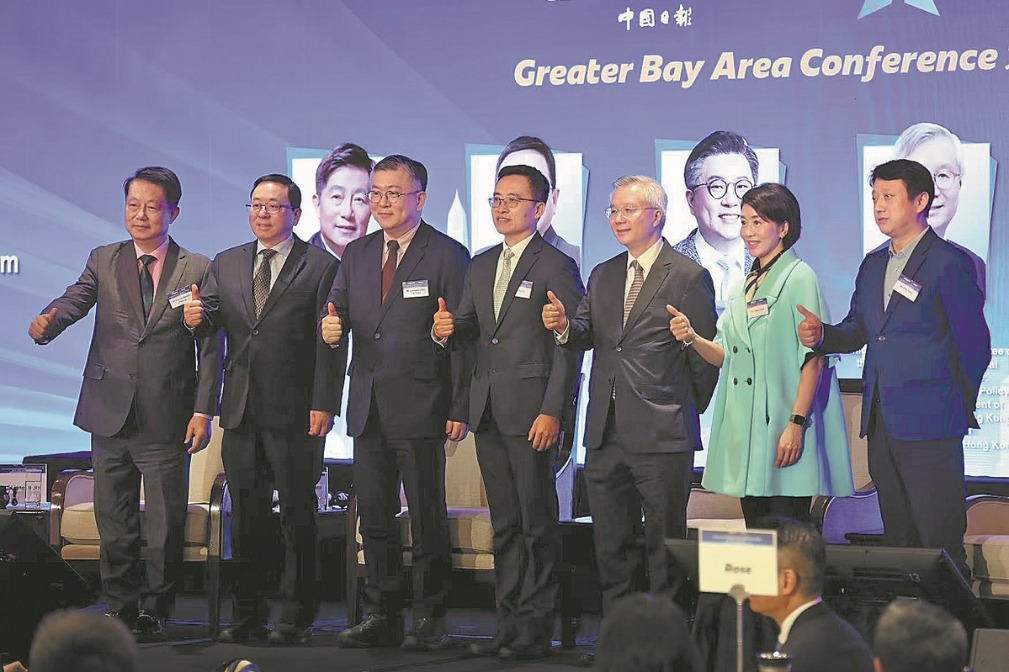
HK to spur growth of Greater Bay Area
Hong Kong is set to play a pivotal role in accelerating the integrated development of the Guangdong-Hong Kong-Macao Greater Bay Area, leveraging its unique position as a ‘super-connector’ to foster the flow of goods, capital, and talent. This was the central theme of the Greater Bay Area Conference 2025, co-organized by China Daily and the Hong Kong Coalition, which brought together over 300 industry leaders, policymakers, and experts to discuss the region’s future.
-
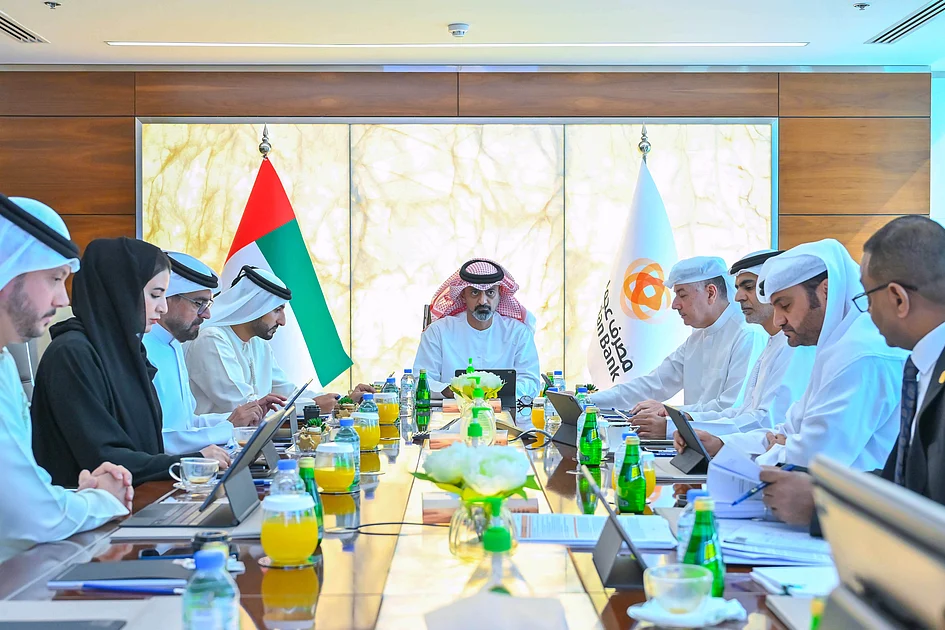
Ajman Bank posts 32% surge in profit before tax for first nine months of 2025
Ajman Bank has announced a remarkable financial performance for the first nine months of 2025, with profit before tax soaring by 32% year-on-year to Dh414 million. This impressive growth underscores the bank’s operational strength and strategic focus on sustainable development. The results were reviewed during a Board of Directors meeting led by Sheikh Ammar bin Humaid Al Nuaimi, Crown Prince of Ajman and Chairman of Ajman Bank. Profit after tax also saw a substantial increase, rising 31% to Dh380 million. Total operating income reached Dh1.2 billion, while net operating income stood at Dh660 million, reflecting robust performance across the bank’s core business segments. Ajman Bank’s total assets grew by 23% since the end of 2024, reaching Dh28.0 billion, driven by a 20% increase in total financing to Dh18.5 billion. Customer deposits rose 14% to Dh20.6 billion, and shareholders’ equity increased 8% to Dh3.4 billion, highlighting the bank’s stable funding base and balance sheet expansion. Key financial metrics also improved, with Return on Equity (ROE) rising to 15.6% and Return on Assets (ROA) improving to 2.0%. The bank’s asset quality strengthened significantly, with the Non-Performing Loans (NPL) Ratio dropping to 7.7% and the Real Estate Ratio declining to 31.9%. Mustafa Al Khalfawi, CEO of Ajman Bank, emphasized the bank’s commitment to enhancing efficiency, optimizing its balance sheet, and expanding its digital ecosystem to drive sustainable growth. The bank also reaffirmed its dedication to Ajman Vision 2030 and the UAE’s broader economic transformation goals, including its Dh4 billion Sustainable Finance pledge by 2030 and Net Zero Emission target by 2050.
-
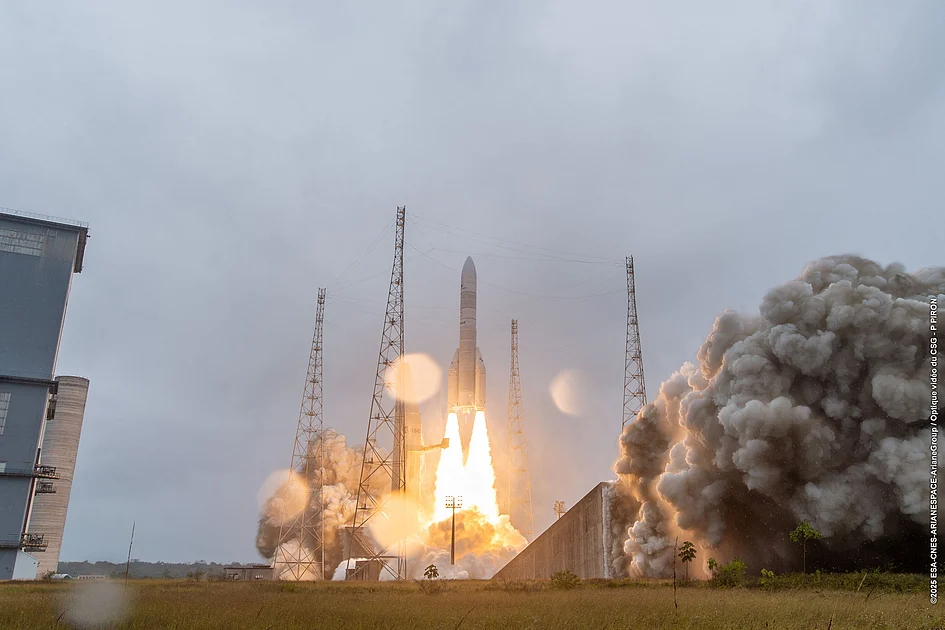
Europe aerospace firms team up in space to counter Musk
In a landmark move to counter the growing influence of Elon Musk’s Starlink, Europe’s leading aerospace companies—Airbus, Thales, and Leonardo—have announced a preliminary agreement to merge their satellite manufacturing and services operations. The new France-based venture, set to launch in 2027, marks the most significant consolidation of European aerospace assets since the formation of MBDA, the missile manufacturer, in 2001. The collaboration, codenamed ‘Project Bromo,’ aims to create a formidable competitor in the global space industry. The combined entity is projected to employ 25,000 people and generate €6.5 billion ($7.58 billion) in revenue, based on 2024 figures. The venture is expected to yield ‘mid-triple digit’ millions of euros in synergies within five years, though specific strategies remain undisclosed. French Finance Minister Roland Lescure emphasized that the deal would ‘strengthen European sovereignty in a context of intense global competition.’ The agreement comes after months of negotiations, overcoming hurdles related to governance and valuation. Airbus will hold a 35% stake, with Thales and Leonardo each retaining 32.5%, ensuring a balanced governance structure. The merger will integrate Thales Alenia Space, Telespazio, and various Airbus space and digital businesses, alongside remaining space activities of Leonardo and Thales SESO. While the companies have already reduced 3,000 jobs in their space divisions, executives have shifted focus to potential growth opportunities. The deal faces up to two years of discussions with governments, unions, and the European Commission, with implications for operations in Britain, Germany, Italy, and France. Thales CFO Pascal Bouchiat acknowledged the challenges ahead, particularly in the telecoms sector, despite securing an initial contract for the new European satellite network, IRIS². The announcement follows Reuters’ earlier report of a framework agreement, which was salvaged after overcoming governance disputes. Executives have pledged to avoid rotating leadership or nationality-based appointments, which have historically caused friction in the European aerospace industry.
-

Gulf Cement Company joins Buzzi, marking a new era of industrial excellence in the UAE
In a landmark development for the UAE’s industrial sector, Gulf Cement Company (GCC), a pivotal player in the region’s infrastructure for nearly 50 years, has officially become part of Buzzi, the Italian global leader in cement and heavy construction materials. This strategic integration was commemorated with a ribbon-cutting ceremony at The Waldorf Astoria Ras Al Khaimah, attended by top executives from both organizations, including Pietro Buzzi, CEO of Buzzi SpA, and José B. Sena, CEO and Managing Director of GCC, alongside regional stakeholders and dignitaries. The event symbolizes a transformative phase for GCC, emphasizing its dedication to innovation, sustainability, and global competitiveness. Established in 1977, GCC has been instrumental in the UAE’s infrastructure growth, producing premium cement products and spearheading environmental initiatives like waste heat recovery systems and carbon emission reduction programs. By joining forces with Buzzi, GCC aims to harness global expertise, advanced technologies, and strategic insights to enhance operational efficiency and expand its reach in international markets. Pietro Buzzi remarked, ‘This integration transcends a mere business deal; it reflects a shared vision of innovation and long-term growth.’ José B. Sena added, ‘This partnership marks a pivotal moment for GCC, blending international expertise with regional strength to drive industrial excellence.’ The move also highlights Buzzi’s commitment to bolstering its presence in the Middle East, a rapidly growing hub for construction and infrastructure development.
-
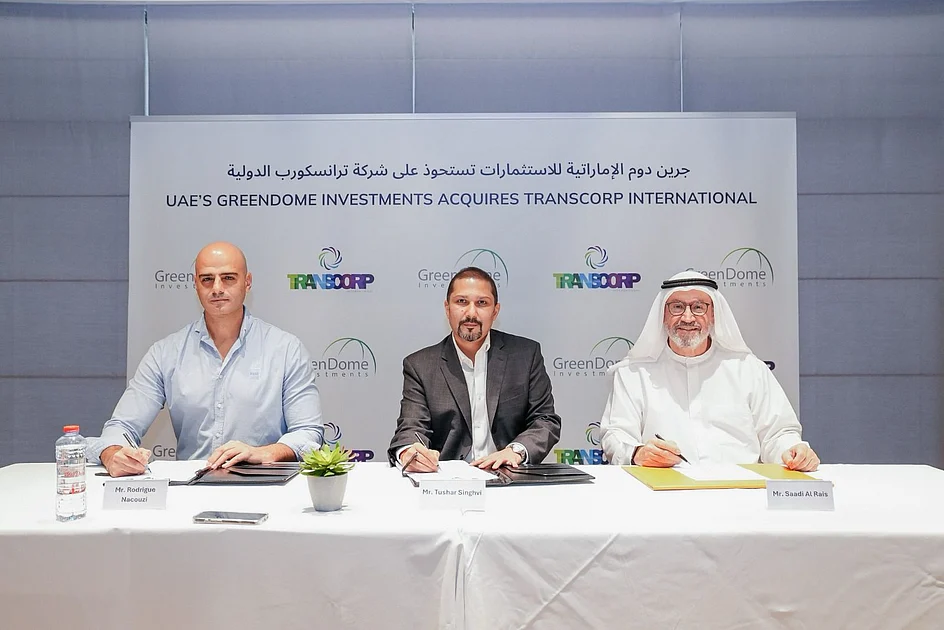
CE-Ventures announces strategic exit from Transcorp
CE-Ventures, the corporate venture capital arm of Crescent Enterprises, has announced the successful divestment of its equity stake in Transcorp, a UAE-based logistics and fulfilment company. The strategic sale to Elite Co, a leading regional operator supported by Green Dome Investments, has yielded a remarkable 7.6x multiple on invested capital (MOIC), marking one of the most lucrative exits in the region across all sectors. CE-Ventures initially invested in Transcorp in 2018, playing a pivotal role in transforming the company into a dominant player in cold-chain fulfilment, last-mile delivery, and B2B distribution. Over the years, CE-Ventures collaborated closely with Transcorp’s leadership to institutionalise governance, enhance internal systems, and unlock strategic growth opportunities. Tushar Singhvi, Deputy CEO & Head of Investments at Crescent Enterprises, expressed pride in supporting Transcorp’s evolution into a scalable, institutional-grade logistics company. Rodrigue Nacouzi, CEO and founder of Transcorp, praised CE-Ventures as a strategic partner that contributed significantly to the company’s growth. Sudarshan Pareek, Senior Vice President at CE-Ventures, highlighted the firm’s philosophy of backing mission-driven founders in sectors where operational excellence is key. Hisham Albahar, CEO of Elite Co, emphasised Transcorp’s market-leading position in cold-chain logistics and its strategic importance in Elite Co’s regional expansion. This transaction underscores Crescent Enterprises’ strategy of fostering resilient, high-impact businesses while driving sector consolidation. It also aligns with Elite Co’s broader expansion plans under Green Dome Investments, which aims to consolidate logistics and supply chain assets across the GCC.
-

Dubai Golden Visa attracts new wave of property buyers
Dubai’s Golden Visa policy, which offers a 10-year renewable residency to property investors committing at least Dh2 million, has significantly reshaped the emirate’s real estate landscape. The streamlined eligibility criteria, which eliminated the previous Dh1 million or 50% down payment requirement, have positioned Dubai as a dual hub for investment and lifestyle. According to Rebiha Helimi, CEO and Founder of RH Luxury Properties, this policy has become a pivotal factor in attracting global wealth and reshaping investor behavior in 2025. Data from the Dubai Land Department reveals a 36% increase in real estate transaction volume and a 20% rise in value in 2024, totaling Dh761 billion. In the first half of 2025 alone, transactions surged by 26%, with off-plan projects accounting for nearly 70% of deals. Premium residential prices have also climbed, with villas averaging Dh2,088 per square meter. Helimi highlights that many clients now view visa processing and property acquisition as integral components of a strategic plan to leverage Dubai’s offerings. The policy has not only boosted liquidity in the luxury segment but also attracted long-term investors seeking profitability in a politically neutral jurisdiction. Analysts predict that around 9,800 millionaires will relocate to the UAE in 2025, bringing an estimated USD 63 billion in investable wealth. This migration is fueling Dubai’s high-end housing market, reinforcing its global appeal as a hub for asset diversification amid global economic uncertainties.
-
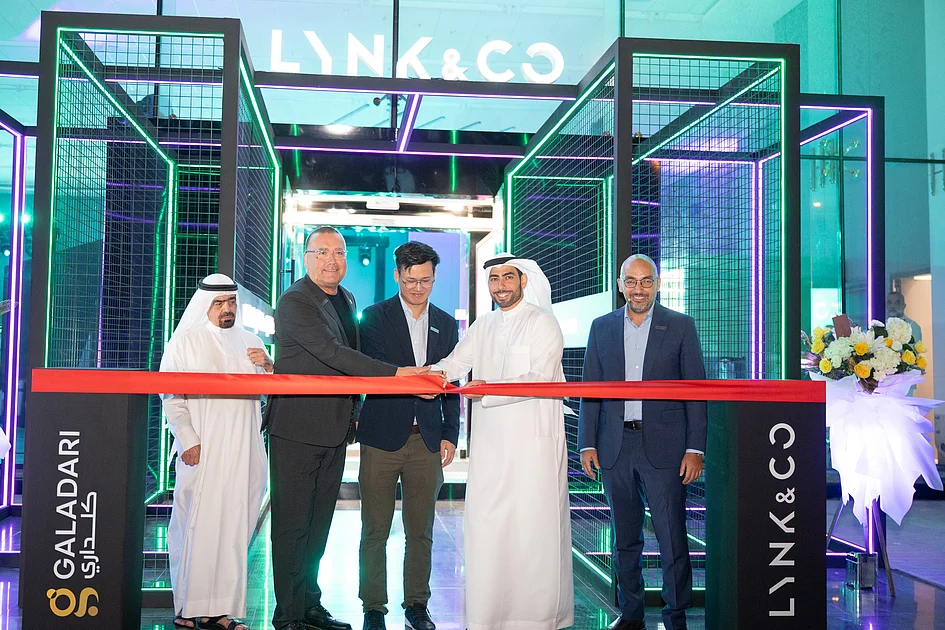
Where cars meet couture: Lynk & Co redefines showroom experience with debut in Sharjah
Lynk & Co, the European premium mobility brand, has redefined the traditional car showroom experience with its debut in Sharjah, UAE. In collaboration with Galadari Brothers, the brand unveiled its first UAE showroom on October 12, 2025, marking a significant milestone in the future of mobility, lifestyle, and community. The event was more than a launch; it was a bold statement about the evolution of automotive retail.
The Sharjah showroom is a fusion of Scandinavian minimalism, urban culture, and cutting-edge technology, creating an atmosphere akin to a social club rather than a conventional car dealership. The opening ceremony, led by Ibrahim Abdullatif Ibrahim Galadari, Group Chief Investment Officer and Director at Galadari Brothers, alongside Lynk & Co leadership, attracted a diverse crowd of media, industry insiders, and guests. The evening featured live DJ performances, signature mocktails, and an immersive exploration of the showroom’s sleek interiors, digital gaming zones, and curated lifestyle corners.
Lynk & Co’s models, including the flagship 09 SUV, were showcased in a boutique lounge setting, emphasizing the brand’s commitment to blending mobility with culture. Rooted in Scandinavian design, safety, and innovation, Lynk & Co combines Volvo-engineered powertrains, advanced driving technologies, and precision craftsmanship, setting a new benchmark in the UAE automotive market.
Since its inception in 2016 under Geely Holding Group, Lynk & Co has aimed to redefine mobility for a new generation of connected, urban drivers. Its vision, ‘Changing Mobility Forever,’ focuses on open, connected mobility, integrating technology, design, and community. All models are designed and engineered in Sweden, with safety at their core, powered by Volvo’s acclaimed Drive-E engines.
The Sharjah showroom reflects Lynk & Co’s disruptive approach to automotive retail, emphasizing exploration and engagement over traditional sales tactics. The brand plans to expand its presence with a flagship club showroom on Sheikh Zayed Road in Dubai, further reinforcing its commitment to fostering open, connected communities.
Ibrahim Abdullatif Ibrahim Galadari remarked, ‘Lynk & Co is more than a car brand; it’s a lifestyle. The Sharjah opening represents the start of a cultural shift, where technology, design, and experience come together to define the future of mobility in the UAE.’
The launch signifies Lynk & Co’s entry into the UAE market and introduces a global collective of drivers, dreamers, and disruptors who envision mobility in a new light. In a world that doesn’t need just another car brand, Lynk & Co offers a fresh perspective on how we move.
-
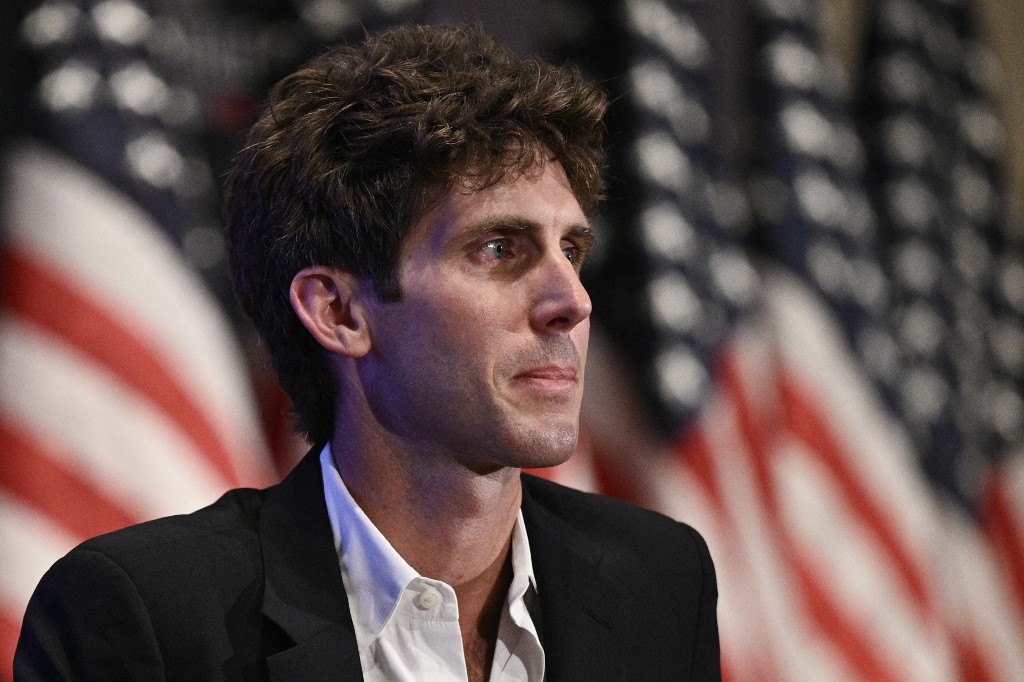
Sequoia COO resigns amid row over partner’s ‘Islamist liar’ attack on Mamdani
Sumaiya Balbale, the Chief Operating Officer at Sequoia Capital, stepped down from her position in August following a controversy involving Islamophobic remarks made by partner Shaun Maguire. According to the Financial Times, Maguire, a venture capitalist with close ties to Elon Musk, posted comments in July targeting New York City mayoral candidate Zohran Mamdani, which Balbale reportedly found offensive and discriminatory. Maguire’s post accused Mamdani’s culture of promoting deceit to advance an Islamist agenda, a statement that sparked widespread backlash. Balbale raised her concerns with Sequoia’s senior leadership, but the firm defended Maguire’s right to free speech, prompting her resignation. Her departure has been widely praised on social media, with many applauding her courage and integrity. The controversy also led over a thousand tech professionals to sign an open letter demanding disciplinary action against Maguire and condemning Sequoia’s inaction. The letter highlighted Maguire’s alleged history of anti-Muslim rhetoric and its impact on the global tech community. Additionally, the incident has strained Sequoia’s relationships with Middle Eastern investors, with some financiers expressing reluctance to collaborate with the firm. Balbale, a practicing Muslim and board member of Shake Shack, has previously spoken about how her identity has shaped her career. Sequoia Capital, Balbale, and Maguire have yet to publicly comment on the matter.