分类: business

  • Asian shares are mixed and oil prices jump as Trump orders a blockade of oil tankers to Venezuela

    Asian shares are mixed and oil prices jump as Trump orders a blockade of oil tankers to Venezuela

    Financial markets across Asia exhibited divergent trends on Wednesday as geopolitical tensions and economic uncertainties created a complex trading environment. The region’s performance was shaped by two primary factors: a significant oil price surge following new U.S. sanctions against Venezuela and cautious trading ahead of key central bank decisions.

    President Donald Trump’s executive order implementing a comprehensive blockade against ‘sanctioned oil tankers’ entering Venezuela prompted an immediate 1% spike in crude prices. This aggressive move represents an escalation of pressure on Nicolás Maduro’s administration, coming just days after U.S. forces conducted the unusual seizure of an oil tanker off Venezuela’s coast amid increased military presence in the region.

    Japan’s Nikkei 225 declined 0.3% to 49,237.58 as investors awaited the Bank of Japan’s impending interest rate decision. The cautious sentiment was reinforced by government data showing machinery orders plummeted 6.8% in October, indicating continued weakness in manufacturing activity.

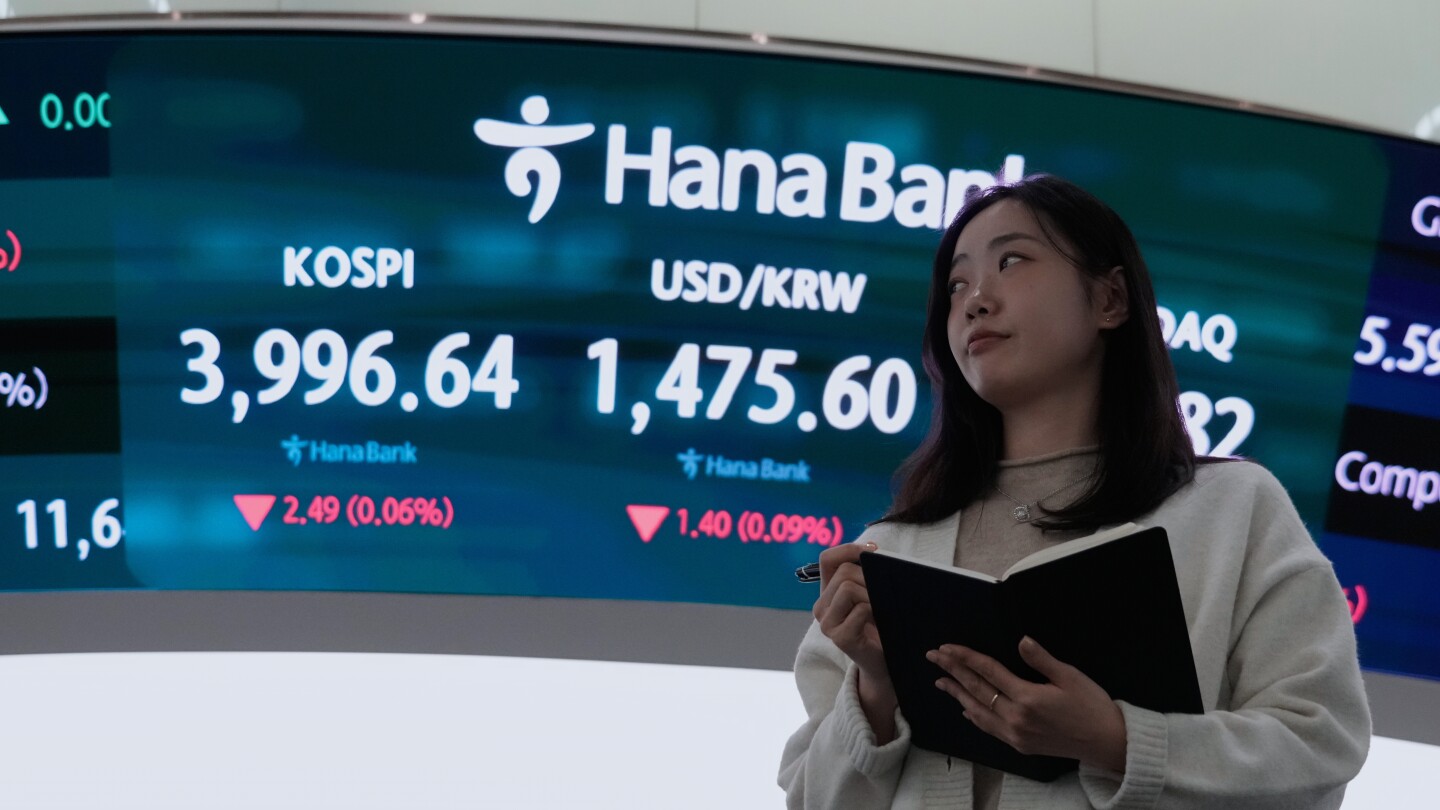
    Meanwhile, technology shares demonstrated resilience with South Korea’s Kospi advancing 0.7% to 4,028.93. Semiconductor giants SK Hynix and Samsung Electronics posted gains of 2.8% and 3.6% respectively, providing substantial support to the benchmark. Chinese markets showed modest positivity with Hong Kong’s Hang Seng rising 0.2% to 25,291.44 and the Shanghai Composite increasing nearly 0.2% to 3,831.43.

    The mixed Asian session followed uncertain trading on Wall Street where conflicting economic data created ambiguity about future interest rate trajectories. While November’s unemployment rate reached its highest level since 2021, employers simultaneously added more jobs than economists anticipated. Retail revenue indicators also surpassed expectations, adding to the complex economic picture.

    Oil sector companies suffered significant losses as crude prices continued their descent to multi-year lows amid oversupply concerns. APA Corporation plummeted 5.2%, Marathon Petroleum declined 4.7%, and Halliburton dropped 4.3%. Artificial intelligence stocks presented a mixed performance with Oracle gaining 2% and Broadcom adding 0.4%, while AI infrastructure provider CoreWeave fell 3.9% amid ongoing questions about the profitability of massive AI investments.

    Currency markets saw the U.S. dollar strengthen to 155.12 Japanese yen while the euro weakened to $1.1732, reflecting the broader financial market uncertainty.
  • Warner Bros to reject $108bn Paramount bid, reports say

    Warner Bros to reject $108bn Paramount bid, reports say

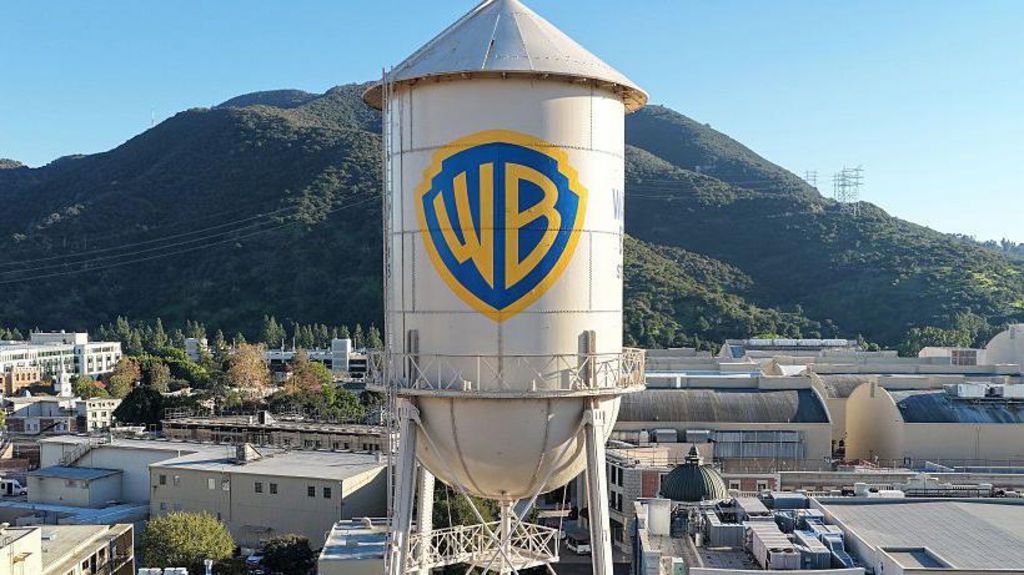
    Warner Bros Discovery is preparing to formally recommend that its shareholders reject a monumental $108.4 billion acquisition proposal from Paramount Skydance, with an official announcement anticipated as early as Wednesday. This development follows Paramount’s assertion that its bid is financially superior to a separate $72 billion agreement Warner Bros recently finalized with Netflix for its film and streaming divisions.

    The acquisition landscape has grown increasingly complex with the reported withdrawal of a key financial supporter, Affinity Partners, from the Paramount-led bid. Founded by prominent US businessman Jared Kushner, son-in-law of former President Donald Trump, Affinity cited the emergence of ‘two strong competitors’ as the reason for its exit, though specifics were not disclosed.

    According to insights from the Financial Times, Warner Bros’ opposition to the Paramount offer is multifaceted, centering primarily on concerns regarding the feasibility and structure of the proposed financing. This corporate maneuvering began in October when Warner Bros Discovery initiated a formal sale process after attracting numerous expressions of interest from potential acquirers.

    The current situation presents a tale of two competing transactions. On December 5th, Warner Bros Discovery announced its agreement to transfer film and streaming assets to Netflix. Shortly thereafter, Paramount Skydance—backed by the billionaire Ellison family, which maintains close presidential connections—countered with a comprehensive bid for the entire company, including valuable television networks.

    Should any acquisition proceed, regulatory hurdles await. Both U.S. and European competition authorities are expected to subject a Warner Bros takeover to intense scrutiny. The successful acquirer would obtain a commanding position in the streaming marketplace, gaining control over an extensive content library featuring iconic franchises including Harry Potter, Friends, and the HBO Max streaming platform.

    The potential consolidation has drawn criticism from industry representatives. The Writers Guild of America East and West branches have jointly called for regulators to block the merger, warning that such market concentration would inevitably lead to reduced wages, significant job cuts, and diminished content variety for viewers.

    All involved parties—Warner Bros Discovery, Paramount Skydance, and Affinity Partners—have declined to comment publicly on these recent developments when contacted by news organizations.

  • US job growth rebounds in November; unemployment rate distorted by shutdown

    US job growth rebounds in November; unemployment rate distorted by shutdown

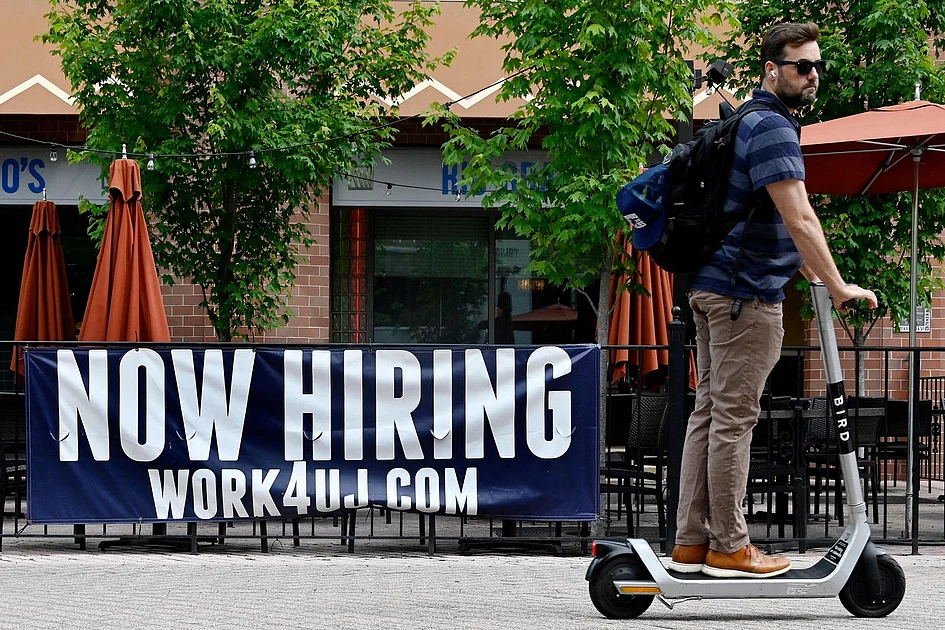
    The U.S. labor market demonstrated unexpected resilience in November with nonfarm payrolls expanding by 64,000 positions, significantly outperforming economic forecasts. This rebound follows October’s substantial decline of 105,000 jobs, primarily attributed to federal workforce reductions through deferred buyout programs. The statistical landscape remains complicated by methodological adjustments necessitated by the recent 43-day government shutdown, which prevented normal data collection procedures.

    The unemployment rate reached 4.6% in November, representing a four-year peak, though Bureau of Labor Statistics officials caution that this figure requires careful interpretation due to statistical distortions. The shutdown compelled the BLS to implement unconventional methodological changes, including shifting previously-collected data forward one month and adjusting composite weighting formulas. Consequently, the standard errors exceeded typical thresholds, with the November unemployment rate requiring a 0.26 percentage point change to achieve statistical significance compared to September’s 0.21 percentage point benchmark.

    Private sector hiring patterns remained relatively stable since April, though economists note increasing caution among employers regarding President Trump’s aggressive trade policies and tariff implementations. The healthcare sector emerged as the strongest performer, adding 46,000 positions across various sub-sectors, while construction employment grew by 28,000 jobs. Conversely, transportation and warehousing sectors contracted by 18,000 positions, and federal government employment continued its downward trajectory with 6,000 additional job losses.

    Wage growth moderated to 3.5% year-over-year in November, down from October’s 3.7% increase, suggesting that slowing job expansion is beginning to temper compensation increases. This development presents both advantages for inflation control and potential challenges for consumer spending momentum.

    The Federal Reserve’s recent 25-basis-point rate cut brought the benchmark interest rate to 3.50%-3.75%, with officials indicating a likely pause in further reductions pending clearer labor market and inflation signals. Chairman Jerome Powell highlighted significant downside risks in labor market conditions, referencing preliminary benchmark revisions suggesting substantially lower job creation figures than previously reported.

    Consumer spending patterns reveal growing economic stratification, with higher-income households maintaining discretionary spending while lower- and middle-income families demonstrate increased selectivity in purchases. Retail sales remained stagnant in October, reflecting the broader impact of rising living costs on consumption patterns.

  • UAE boards align with Vision 2050 but struggle to look ahead, new index finds

    UAE boards align with Vision 2050 but struggle to look ahead, new index finds

    A groundbreaking study reveals that corporate boards across the Middle East demonstrate remarkable alignment with national development agendas while simultaneously struggling to shift from retrospective review to forward-looking strategic planning. The inaugural Middle East Board Value Index, conducted by Board Intelligence, surveyed 100 board directors throughout the GCC region, uncovering significant insights about corporate governance trends.

    The research indicates that an overwhelming 97% of regional boards maintain substantial alignment with transformational national frameworks including UAE Vision 2050 and Saudi Vision 2030, with 60% characterizing this alignment as ‘extremely effective’ and 37% as ‘moderately aligned.’ This represents a strong commitment to incorporating national priorities into corporate strategic frameworks.

    However, the study exposes a critical strategic gap in temporal orientation among boardrooms. Merely 38% of boards prioritize future-focused discussions, while 41% acknowledge spending more time reviewing past performance than planning ahead. A mere 21% achieve equilibrium between retrospective analysis and prospective planning, potentially limiting their ability to anticipate market disruptions and generate long-term value.

    Despite these temporal challenges, board confidence remains notably high. Nearly half (48%) of directors perceive their boards as essential to performance and value creation, while 94% report efficient operational processes. The primary obstacles identified include suboptimal information quality (41%) and inflexible decision-making frameworks (38%), both of which constrain organizational agility in rapidly evolving market conditions.

    The research further highlights boards’ strategic positioning within regional transformation initiatives. While 98% describe themselves as aligned with integration and diversification agendas, only 48% claim active leadership in these efforts. Sovereign engagement emerges as a particular strength, with 61% of directors expressing high confidence in managing regulatory relationships and state stakeholder dynamics.

    Risk management capabilities present a varied picture: 60% of boards feel very confident addressing cybersecurity threats, and 58% believe they can anticipate geopolitical shifts. Nevertheless, the prevailing reactive rather than anticipatory posture suggests room for improvement in foresight capabilities and information quality enhancement.

    Pippa Begg, CEO of Board Intelligence, commented: ‘Middle Eastern boards are entering a new era of strategic confidence. The contemporary challenge involves leveraging this confidence through enhanced future orientation. In an environment characterized by rapid transformation, the most valuable boards will be those capable of converting insight into foresight and governance into sustainable growth.’

    As the region accelerates its economic diversification and digital transformation initiatives, these findings present a clear imperative for corporate governance evolution—from alignment with national visions to anticipation of future challenges and opportunities.

  • Object 1 expands into UAE Capital; launches flagship sales gallery in Abu Dhabi

    Object 1 expands into UAE Capital; launches flagship sales gallery in Abu Dhabi

    Award-winning real estate developer Object 1 has marked a strategic expansion into Abu Dhabi with the inauguration of its premier sales gallery in the UAE capital. The milestone event signals the company’s ambitious plan to strengthen its footprint across the Emirates.

    To commemorate this significant launch, Object 1 hosted an exclusive networking gathering titled ‘Meet & Greet: Exploring Abu Dhabi’s Real Estate Market’ at the illustrious Emirates Palace Mandarin Oriental. The high-profile event attracted over 1,000 distinguished guests, including senior government representatives, VIP personalities, prominent agency leaders, and top-tier brokerage professionals. Celebrated media host Kris Fade facilitated the evening’s proceedings, creating an engaging and dynamic atmosphere for participants.

    CEO Tatiana Tonu emphasized the strategic importance of this expansion, stating: ‘Abu Dhabi’s real estate landscape is undergoing rapid transformation, presenting exceptional opportunities for lifestyle-oriented developments. Our new Sales Gallery establishment and this networking initiative demonstrate our dedication to fostering stronger connections with local partners and clients. This platform enables industry professionals to exchange market insights, identify collaborative ventures, and interact directly with potential investors.’

    The company has identified Abu Dhabi as a priority market for future growth, with several upcoming projects already in development on Reem Island. A specialized team will oversee these design-focused, high-quality developments specifically tailored to meet Abu Dhabi’s evolving market requirements.

    This expansion builds upon Object 1’s remarkable success in Dubai, where the developer has achieved top-fifteen status within just three years of operation. The first half of 2025 witnessed substantial growth in both sales value and transaction volume compared to the same period last year. Since inception, the company has sold more than 2,680 units and manages an extensive development portfolio exceeding 4.5 million square feet across premium communities including JVC, JVT, Al Furjan, Sports City, Jumeirah Garden City, and Dubai Land Residence Complex. Their current portfolio comprises 17 active projects emphasizing wellness, sustainability, and community-centric living concepts.

    Abu Dhabi’s robust market fundamentals, characterized by growing buyer demand and increased interest from high-net-worth individuals and international investors across Europe, the Middle East, and Asia, provide an ideal environment for Object 1’s expansion. The emirate’s economic diversification strategy and attractive investment returns position it as a prime market for sustainable long-term growth. Object 1’s entry into Abu Dhabi represents a new chapter in its expansion strategy, leveraging its proven success record and design-led methodology to meet the sophisticated expectations of the capital’s real estate market.

  • DP World launches 36-hour Dubai-Iraq sea link, cutting costs and transit times

    DP World launches 36-hour Dubai-Iraq sea link, cutting costs and transit times

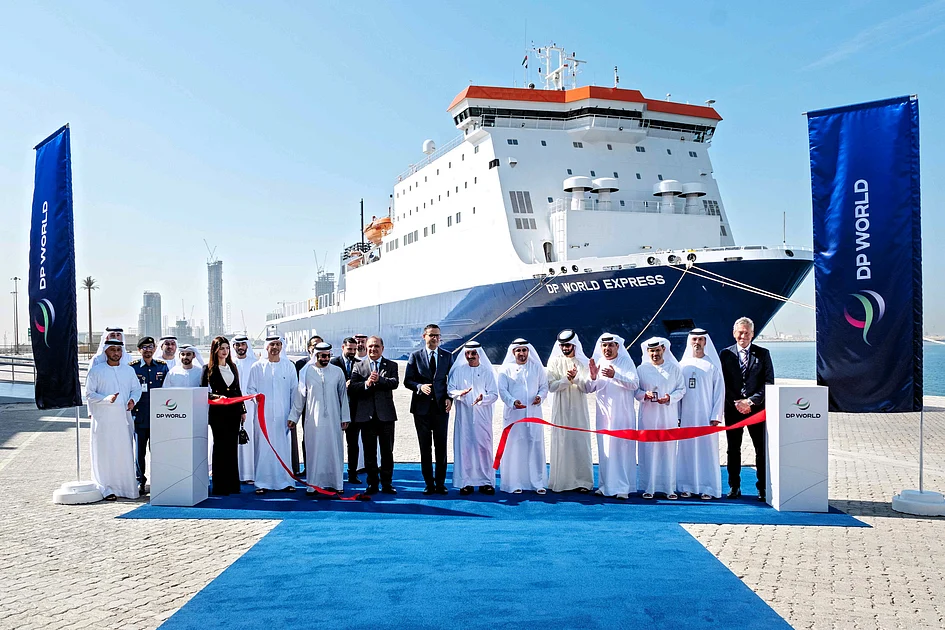
    In a strategic move to transform regional trade logistics, DP World has officially inaugurated a groundbreaking 36-hour maritime connection linking Dubai’s Mina Rashid with Iraq’s Umm Qasr Port. The new service, operated by the recently upgraded ‘DP World Express’ RoRo vessel, promises to revolutionize cargo transportation between the Gulf nations.

    The newly enhanced vessel, which recently completed upgrades at Drydocks World, boasts capacity for 145 accompanied trailers per sailing. This innovative approach allows drivers to travel aboard with their non-containerized trailer units, creating a secure door-to-door transportation solution that significantly outperforms traditional overland trucking routes.

    The inauguration ceremony witnessed the convergence of high-ranking officials from both nations, including Dr. Muzaffar Mustafa Al-Jubouri, Iraqi Ambassador to the UAE, and Sultan Ahmed bin Sulayem, Group Chairman & CEO of DP World, signaling the diplomatic importance of this infrastructure development.

    Sultan Ahmed bin Sulayem emphasized the strategic significance: “This new maritime bridge establishes a faster, more efficient trade corridor between Iraq and the UAE that will facilitate commerce throughout the Middle East. By providing a predictable route that reduces time, cost, and complexity, we’re creating long-term economic opportunities for both nations.”

    The service addresses growing market demand for accelerated, controlled trailer movements with reduced handling requirements. Beyond connecting main commercial centers in Iraq, the corridor enhances regional connectivity to Jordan and Syria through established inland routes. The return journey will carry Iraqi export cargo back to the UAE, creating a balanced two-way trade flow that optimizes regional supply chain efficiency.

    Abdulla Bin Damithan, CEO & Managing Director of DP World GCC, highlighted the customer-driven nature of the initiative: “The transition to accompanied trailers responds directly to market needs for more reliable cross-border movement. Our direct maritime solution from Mina Rashid enables businesses to plan with greater confidence, respond agilely to market demands, and streamline regional goods movement.”

  • Citi Developers unveils AMRA, the world’s first integrative wellness resort

    Citi Developers unveils AMRA, the world’s first integrative wellness resort

    UMM AL QUWAIN – Citi Developers has unveiled AMRA, a groundbreaking integrative wellness resort project positioned as the world’s first of its kind. Located within a rare Blue Carbon lagoon environment in Umm Al Quwain, this development represents a significant pivot for the developer from premium residential projects to holistic wellness hospitality.

    The resort spans three towers featuring 820 fully serviced residences specifically designed to promote mindful living and longevity. Unlike temporary wellness retreats, AMRA is conceived as a permanent lifestyle destination where every architectural and operational element intentionally incorporates wellness principles. The design leverages the neuroscience-backed ‘Blue Mind’ concept, utilizing uninterrupted sea views, water-centric architecture, and biophilic elements to foster mental clarity and human connection.

    CEO Zoraiz Malik announced the project marks the company’s strategic expansion into the resorts sector, stating: “AMRA represents our evolution from building homes to building holistic lifestyles. This project will serve as the foundation for AMRA Resorts as a standalone global brand.”

    The development partners include internationally recognized design firms 1508 London and Trush Design, alongside hospitality operators Valor Hospitality, Blue Coral Concept, and Eden Art Gallery. Amenities will encompass cryotherapy chambers, hydrotherapy pools, meditation decks, multiple wellness pavilions, and nutrient-focused dining concepts emphasizing organic, sustainably sourced cuisine.

    Adding celebrity endorsement, actor couple Ed Westwick and Amy Jackson have both invested in the project and front its global campaign. Jackson described the resort as “incredibly grounding,” while Westwick emphasized its “intentionality behind every detail.”

    From an investment perspective, AMRA offers a 70/30 payment plan with three years post-handover flexibility. The project is scheduled for completion in Q4 2028, with the development positioned as both a lifestyle destination and long-term financial opportunity.

  • Wall Street banks prepare for round-the-clock stock trading, reluctantly

    Wall Street banks prepare for round-the-clock stock trading, reluctantly

    A seismic shift toward continuous stock trading is transforming US financial markets, yet major Wall Street institutions are approaching this revolution with significant reservations. The impending reality of near-24-hour weekday trading, accelerated by regulatory changes and exchange initiatives, faces substantial resistance from banking giants concerned about operational risks and questionable returns.

    Nasdaq’s recent regulatory filing to enable 23-hour daily trading sessions represents the most concrete step toward nonstop markets, following NYSE Arca’s approved proposal for 22-hour trading. This structural transformation, targeted for full implementation by late 2026, responds to growing global investor demand for extended access to US markets but introduces complex challenges for market intermediaries.

    Senior executives from JPMorgan, Bank of America, and Morgan Stanley express deep concerns regarding the multibillion-dollar infrastructure investments required. The necessity for enhanced risk management systems, overnight staffing, and technological upgrades presents substantial financial commitments without clear revenue projections. As one analyst noted, institutions perceive this primarily as an operational burden rather than a profit opportunity.

    Critical risk factors include potentially inadequate overnight liquidity, which could exacerbate volatility and widen bid-ask spreads during extended sessions. Bank of America’s Sonali Theisen emphasized the imperative for robust investor protections before market-wide implementation, highlighting concerns about managing market-moving events outside traditional hours.

    Proponents argue that extended hours will benefit international investors and improve market accessibility. Retail brokerage Robinhood anticipates full market participation within years, while Citadel Securities committed to meeting investor demand regardless of timing. However, skeptics question the immediate viability, with Citigroup’s Michael Masone projecting meaningful adoption might not materialize until 2027-2028.

    The Depository Trust & Clearing Corporation’s parallel development of continuous clearing capabilities, combined with necessary updates to securities information processors, creates the technical foundation for this transformation. Industry projections suggest 1-10% of total equity volume could eventually migrate to extended sessions, potentially creating a multibillion-dollar segment—though not without overcoming substantial operational hurdles first.

  • Melodica Music & Dance Academy launches UAE’s first physical gift cards for music, dance and instruments

    Melodica Music & Dance Academy launches UAE’s first physical gift cards for music, dance and instruments

    In an innovative move reshaping festive gifting traditions, Melodica Music & Dance Academy has unveiled the UAE’s inaugural physical premium gift cards exclusively dedicated to creative arts education. Launching during the peak holiday season, these stored-value cards present a sophisticated alternative to conventional presents by enabling recipients to access music lessons, dance programs, or purchase musical instruments across all academy branches nationwide.

    The premium gift cards, available in denominations ranging from AED 500 to AED 5,000, represent a strategic expansion into mainstream retail markets. Beyond Melodica’s own facilities, the physical cards will be distributed through major hypermarkets and shopping malls, significantly enhancing accessibility for consumers seeking meaningful, experience-based gifts.

    CEO Afshin articulated the vision behind the initiative: ‘This transcends traditional gifting concepts—it’s an invitation to pursue artistic dreams. Whether for a child discovering musicality, a teenager exploring dance, or an adult reigniting a dormant passion, these cards ignite creative potential with lifelong impact.’

    Industry analysis confirms that while digital gift options exist in the regional creative sector, physical gift cards specifically targeting music and dance education remain notably absent from UAE retail landscapes. Melodica’s pioneering approach addresses this gap while supporting the development of the local arts ecosystem.

    The academy’s initiative has been recognized by market observers as a regionally unprecedented concept—a tangible gifting solution that prioritizes personal growth and cultural enrichment over material value. This strategic launch reinforces Melodica’s commitment to fostering a vibrant artistic community while encouraging cross-generational participation in performing arts.

    Prospective customers can obtain detailed information about the gift cards and Melodica’s comprehensive programs through the academy’s official communication channels and website.

  • EU to yield on combustion engines ban after automaker pressure

    EU to yield on combustion engines ban after automaker pressure

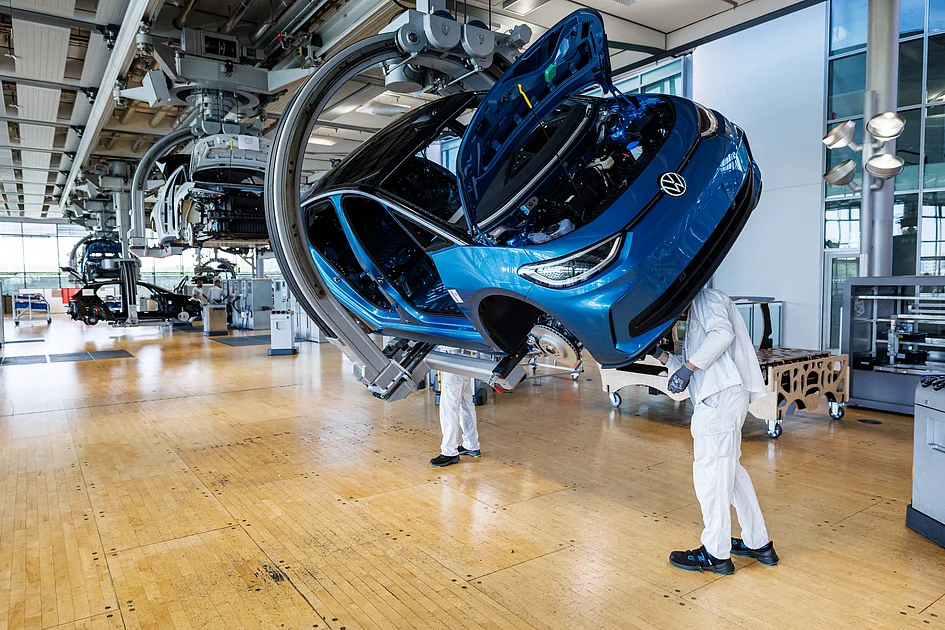
    In a major policy reversal, the European Commission has proposed scaling back its ambitious 2035 ban on combustion engine vehicles following intense lobbying from Germany, Italy, and European automakers. Instead of requiring 100% zero-emission vehicles as originally planned, the new proposal would mandate a 90% reduction in CO2 emissions from 2021 levels by 2035.

    The policy shift, which requires approval from EU governments and the European Parliament, represents the bloc’s most significant retreat from its green agenda in five years. The compromise would allow continued sales of plug-in hybrids and range extenders that utilize CO2-neutral biofuels or synthetic fuels, providing relief to European manufacturers struggling to compete with Tesla and Chinese electric vehicle makers.

    This development coincides with Ford Motor’s announcement of a $19.5 billion writedown and cancellation of several electric models, citing the Trump administration’s policies and weakening EV demand. European automotive giants including Volkswagen and Stellantis have similarly pointed to sluggish EV adoption and advocated for reduced targets and penalties.

    The auto industry lobby ACEA characterized the situation as ‘high noon’ for the sector, urging the Commission to also relax intermediate 2030 targets. German manufacturers face particular pressure as they lose market share in China to domestic producers while confronting competition from sophisticated Chinese EVs in their home markets.

    However, EV industry leaders warn that backtracking on emissions targets could undermine investment and widen Europe’s competitive gap with China. Polestar CEO Michael Lohscheller cautioned that ‘if we backtrack now, we won’t just hurt the climate. We’ll hurt Europe’s ability to compete.’

    Concurrently, the Commission is developing complementary measures to accelerate EV adoption, including incentives for corporate fleets (which represent approximately 60% of new car sales in Europe), potential new regulatory categories for small EVs with tax benefits, and sustainability credits for vehicles manufactured with low-carbon materials.