分类: business

  • Bijouterie Pala: Madagascar’s timeless ambassador of gemstone excellence

    Bijouterie Pala: Madagascar’s timeless ambassador of gemstone excellence

    Established in 1922, Bijouterie Pala has solidified its position as Madagascar’s premier jewelry maison, representing four generations of unparalleled artisanal excellence in gemstone craftsmanship. This century-old house has masterfully preserved its unique heritage while embracing innovation, positioning Madagascar as an emerging force in the global luxury jewelry market.

    The company’s distinguished reputation stems from its meticulous approach to every creation phase, from ethical gemstone selection to bespoke design implementation. Maintaining exclusive partnerships with trusted mining partners, Pala conducts rigorous on-site verification of mining conditions to ensure complete transparency and ethical compliance throughout its supply chain.

    Bijouterie Pala’s exquisite creations have garnered international acclaim, adorning royalty, heads of state, and global fashion influencers. Each piece reflects a sophisticated fusion of authentic Malagasy cultural identity with contemporary luxury aesthetics, creating a distinctive style that resonates across international markets.

    The brand has recently undertaken significant modernization initiatives, incorporating cutting-edge technology within its workshops while completely renovating its flagship showroom to enhance client experiences. These strategic investments demonstrate Pala’s commitment to maintaining traditional craftsmanship standards while meeting evolving luxury market expectations.

    “Our fundamental mission involves establishing Madagascar as a global benchmark for precious stones and luxury jewelry creation,” company representatives stated, emphasizing their dual role as cultural ambassadors and industry innovators.

    Through its balanced integration of heritage techniques, technological advancement, and ethically responsible sourcing practices, Bijouterie Pala continues to elevate Madagascar’s prominence within the competitive international luxury landscape, ensuring the nation’s gemological excellence receives worldwide recognition.

  • Driving growth through innovation, partnerships, and sustainable development

    Driving growth through innovation, partnerships, and sustainable development

    For more than three decades, Luceo Group has successfully merged Madagascar’s extraordinary natural resources with global business expertise, establishing itself as a multifaceted conglomerate driving economic growth while prioritizing community empowerment. Operating across four distinct sectors—Home & Lifestyle Retail, Distribution & Large Retail, Hospitality & Hotel Management, and Health, Pharmaceuticals, Cosmetics, and Aromatherapy—the organization employs over 1,000 people while maintaining core values of leadership, unity, commitment, and openness.

    The group’s retail division has revolutionized Madagascar’s home improvement market through flagship brands ABC by Bricorama and BUT, providing comprehensive solutions ranging from construction materials to premium furniture. These establishments have fundamentally changed how Malagasy families approach home building and furnishing, making quality products accessible across the nation.

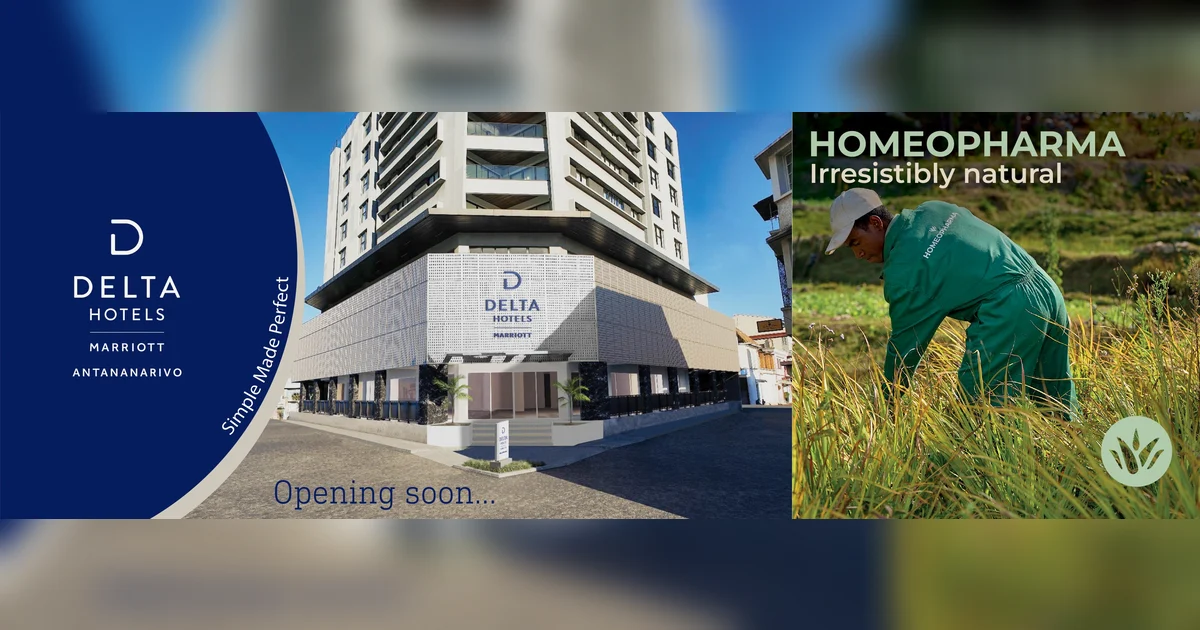
    In a strategic move within the hospitality sector, Luceo Group has partnered with Marriott International to introduce world-class service standards to Madagascar. The forthcoming Delta Hotels by Marriott Antananarivo represents a significant elevation of the country’s hospitality offerings while maintaining respect for local cultural and environmental considerations.

    The health and wellness division, operating under Homeopharma, leverages Madagascar’s remarkable biodiversity to develop high-value natural products. By collaborating directly with local farmers, the group ensures fair income distribution, proper agricultural training, and sustainable sourcing practices. This model effectively combines industrial excellence with environmental stewardship, generating lasting community benefits while delivering premium natural health solutions to the market.

    Throughout its diverse operations, Luceo Group maintains a consistent commitment to balancing modernity with tradition, progress with responsibility, and international standards with local engagement. The organization’s long-term vision remains firmly rooted in sustainability principles, social impact initiatives, and quality experiences across all business verticals, positioning itself as both an economic force and a catalyst for positive change in Madagascar.

  • Dubai: Gold prices inch slightly higher as markets open

    Dubai: Gold prices inch slightly higher as markets open

    Dubai’s gold market opened with modest gains on Wednesday as the precious metal continued its upward trajectory following a weekend of significant price increases. The benchmark 24K gold variety climbed to Dh521.75 per gram, marking a noticeable increase from Tuesday’s closing price of Dh516.75. Other variants including 22K, 21K, 18K, and 14K followed suit, trading at Dh483, Dh463.25, Dh397, and Dh309.75 respectively.

    International spot gold prices demonstrated even stronger momentum, reaching $4,337.96 per ounce by 10 AM local time with a 0.84% gain. Silver similarly outperformed with a substantial 4.46% surge to $66.28 per ounce.

    Market analyst Walid Koudmani of Naga highlighted that gold remains well-positioned for continued support as expectations for additional Federal Reserve rate cuts maintain their strength. “This week’s upcoming economic data could play a pivotal role in shaping future monetary policy expectations,” Koudmani noted. “A combination of stable inflation and weakening labor conditions could raise expectations of lower rates, further bolstering bullion.”

    The analysis comes just days after the US Federal Reserve implemented a 25 basis point rate reduction, bringing the target range to 3.5-3.75%. The central bank’s unexpectedly dovish stance under Chair Jerome Powell has subsequently weakened the US dollar, creating favorable conditions for gold pricing.

    Beyond monetary policy, Koudmani identified multiple factors driving gold’s appeal. Persistent geopolitical tensions spanning Eastern Europe, the Middle East, and emerging frictions in Asia continue to fuel risk aversion and safe-haven demand. Additionally, concerns regarding the Fed’s leadership transition and consistent central bank diversification away from the dollar provide structural support.

    The analyst projected a constructive medium-term outlook for gold, emphasizing that while the path might not be linear, macroeconomic conditions suggest meaningful upward price potential. Consistent ETF inflows and sustained central bank purchasing activity further reinforce the metal’s positive trajectory amid expectations of a lower interest-rate environment and global growth slowdown.

  • SMMC: Guaranteeing Madagascar’s supply chain resilience and international compliance

    SMMC: Guaranteeing Madagascar’s supply chain resilience and international compliance

    Under the strategic leadership of Director General Niriko Tsirenge, Madagascar’s Société de Manutention des Marchandises Conventionnelles (SMMC) has undergone a transformative restructuring since 2018 to strengthen national supply chain security. Operating from Toamasina, the nation’s primary maritime gateway, SMMC manages all non-containerized cargo including essential commodities such as cement, rice, industrial supplies, and vehicles.

    The company achieved a significant throughput of approximately 1.12 million tonnes in 2024, reflecting its critical role in maintaining national food security and supporting industrial development. This operational success stems from strengthened partnerships with key national stakeholders and an enhanced reputation for reliability.

    SMMC has embarked on an ambitious governance modernization program, currently in the final stages of ISO 9001 certification. This initiative represents a comprehensive overhaul of operational processes aimed at ensuring quality assurance and full traceability. Digital transformation of workflow systems further enhances operational transparency, creating more secure and predictable port operations.

    Environmental sustainability constitutes a cornerstone of SMMC’s development strategy. The company is engineering an ecological bulk hopper system to minimize dust pollution and reduce material losses, while simultaneously planning solar power installations to decrease its carbon footprint. As an active participant in the Resilience4Ports (R4P) initiative, SMMC aligns its operations with international climate objectives, demonstrating practical commitment to green port development.

    Human capital development receives equal priority, with continuous training programs in international standards including the International Ship and Port Facility Security (ISPS) Code. This investment in workforce excellence ensures safety, quality, and operational flexibility. At the Vohémar facility, where SMMC has assumed port authority responsibilities, these standards are being implemented through infrastructure rehabilitation and security upgrades to achieve full international compliance.

    The company functions as a strategic convener of port ecosystem stakeholders, regularly coordinating with customs authorities, municipal leadership, and commercial users to optimize trade facilitation. This collaborative approach enhances Madagascar’s position as a reliable node within regional supply chains.

    Through technical partnerships with globally recognized port complexes including Morocco’s Tanger Med, SMMC benchmarks international best practices for implementation in Madagascar. The organization remains focused on its fundamental mission: ensuring safe and transparent trade flows while securing the nation’s supply of strategic commodities and building modern, resilient port infrastructure for long-term development.

  • Inviso Group: Powering Madagascar’s industrial and agricultural transformation

    Inviso Group: Powering Madagascar’s industrial and agricultural transformation

    ANTANANARIVO, MADAGASCAR – Emerging from humble beginnings as an automotive parts distributor three decades ago, Inviso Group has transformed into Madagascar’s premier industrial conglomerate, driving sustainable development across multiple sectors while maintaining deep local roots. Under the strategic guidance of Co-CEO Yanish Ismael, the company has evolved into a diversified powerhouse spanning plastics manufacturing, agriculture, real estate, construction, energy, automotive distribution, digitalization, and food production.

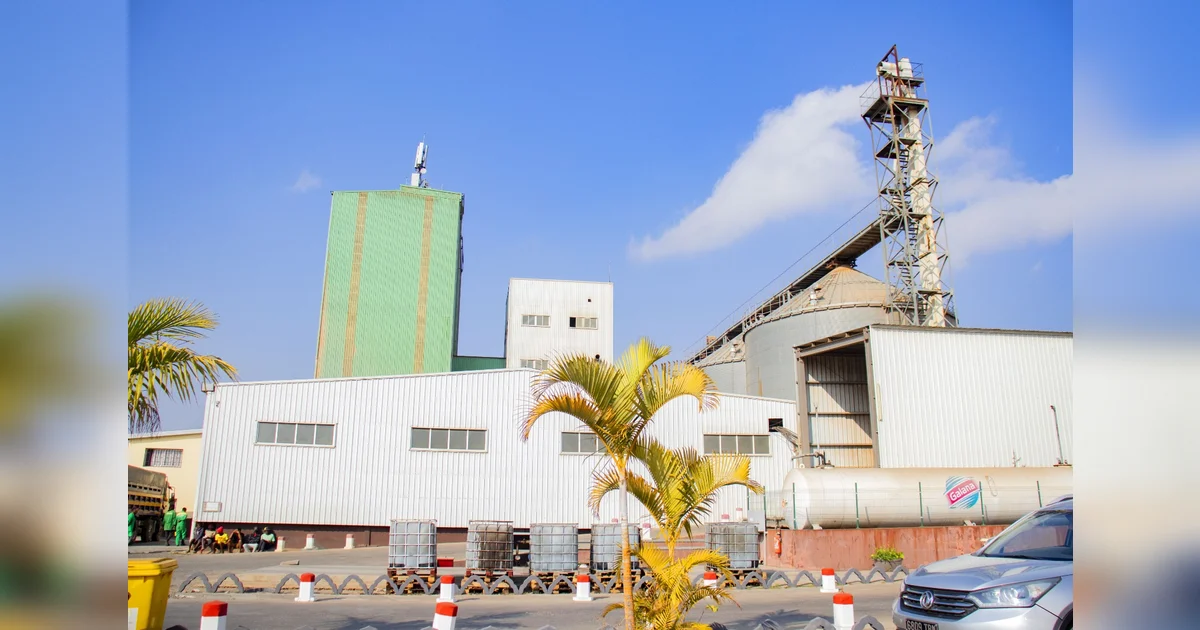
    The group’s foundational venture, Société Malgache de Transformation des Plastiques (SMTP), played a pivotal role in developing the nation’s water infrastructure through advanced PVC and pipe manufacturing. This initial success created a springboard for diversified expansion, all built within a fully localized ecosystem that now directly employs 3,000 Malagasy workers and indirectly supports approximately 20,000 livelihoods.

    “Our operational philosophy centers on local sourcing with global thinking,” Ismael states. “We maintain an unwavering belief that everything is achievable here in Madagascar.” This conviction manifests in the group’s ambitious new meat export initiative and comprehensive modernization of agricultural value chains through cutting-edge automation and digital technologies.

    Unlike conventional profit-driven enterprises, Inviso prioritizes long-term sustainable value creation over quick returns. The company maintains rigorous equipment upgrades to meet global technological standards while investing substantially in workforce training and skills transfer programs. Quality assurance forms another critical pillar, with all products undergoing stringent in-house testing and compliance with HACCP, Halal, and ISO certifications.

    Sustainability principles permeate Inviso’s operations, evidenced by ongoing solarization projects to reduce environmental impact. The company views certification not merely as regulatory compliance but as a strategic tool for long-term resilience. “True sustainability extends beyond environmental concerns to encompass creating enduring enterprises,” Ismael explains.

    Future ambitions include strengthened partnerships with the UAE and GCC nations, particularly in agri-food exports and industrial collaboration. With an ambitious decade-long growth strategy, Inviso plans to double its workforce while expanding its footprint across the African continent. “Madagascar represents a land of immense opportunity,” Ismael concludes. “Through visionary leadership and strategic partnerships, we can transform these opportunities into lasting prosperity.”

  • Innovation sustains Beijing’s winter crayfish palate

    Innovation sustains Beijing’s winter crayfish palate

    A revolutionary advancement in aquaculture technology has transformed Beijing’s winter dining scene, enabling year-round availability of fresh crayfish—a delicacy previously confined to summer months. The culinary breakthrough originates from Qianjiang, Hubei province, where agricultural innovators have successfully overcome longstanding technical barriers in winter rice paddy co-cultivation systems.

    Despite recent snowfall blanketing Beijing’s streets, restaurants in popular dining districts like Sanlitun and Guijie Street now emanate the distinctive aroma of chili-oil and garlic-infused crayfish throughout the winter season. This unprecedented supply chain achievement marks a significant departure from traditional seasonal limitations that once restricted fresh crayfish availability during colder months.

    Agricultural authorities in Hubei province, responsible for nearly 40% of China’s total crayfish output, have implemented technological innovations that transitioned the industry from seasonal harvesting to continuous year-round production. The breakthrough specifically addresses winter farming challenges in integrated rice-crayfish agricultural systems, where low temperatures previously hindered large-scale production.

    According to Zhang Yun, director of the Qianjiang Crayfish Industry Promotion Center, the city’s winter output is projected to exceed 26,000 tons this year—representing a 30% year-on-year increase. Since November, Beijing has received a consistent daily supply of 11 tons of fresh winter crayfish, ensuring stable market availability.

    The economic implications extend beyond consumer benefits. Local farmers report substantial income improvements, with the new winter model generating approximately 30,000 yuan ($4,896) in additional net profit per hectare compared to traditional seasonal farming practices.

    Industry leaders including Wang Zhongwei, culinary research director at COFCO Group, celebrate this development as achieving ‘crayfish freedom’ for consumers. Restaurant associations note that the reliable supply of quality ingredients during winter months injects new vitality into Beijing’s culinary landscape, offering chefs and establishments previously unavailable menu options during the coldest season.

  • Golden Visa boom: How long-term residency is changing UAE homes

    Golden Visa boom: How long-term residency is changing UAE homes

    The United Arab Emirates is experiencing a fundamental transformation in its residential real estate sector, driven primarily by the exponential growth of its Golden Visa program. This shift marks a dramatic departure from the historically transient rental market toward creating permanent, multi-generational communities designed for long-term living.

    Property developers are fundamentally rethinking their approach to design and community planning in response to this demographic revolution. Where previously compact, yield-focused units dominated the market, developers now prioritize human-centric designs featuring larger layouts, practical circulation patterns, and flexible spaces that adapt to evolving family needs. The concept of multi-generational living has become a central consideration, with developers incorporating dedicated nanny spaces, en-suite bedrooms, and additional bathrooms even in smaller units.

    Statistical evidence underscores this structural shift. Golden Visa issuances skyrocketed from 47,000 in 2021 to approximately 158,000 in 2023, coinciding with Dubai’s population surpassing 4 million residents. This permanence is reflected in purchasing behavior, with resales within the first year dropping to just 4%—a remarkably low figure for a market once characterized by short-term trading.

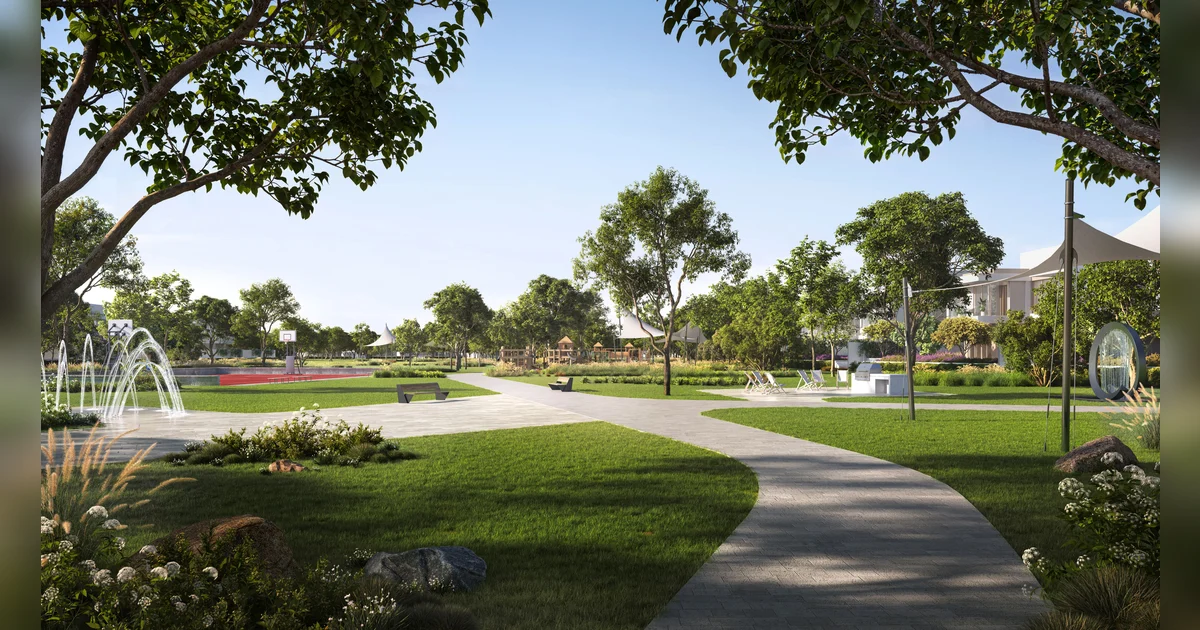
    The evolution extends beyond individual homes to encompass entire community ecosystems. Master plans now prioritize walkable neighborhoods with integrated schools, healthcare facilities, parks, and retail establishments within a 15-minute radius. This community-first approach represents a radical departure from the previous ‘sell and exit’ development model.

    Hybrid work arrangements have further accelerated these changes, with buyers now prioritizing home offices, acoustic separation, and natural lighting over tenant-friendly features. Contemporary designs increasingly include dedicated studies, flexible work nooks, and generous family rooms that can transition between functions as needs evolve.

    Industry leaders from ORA Developers and Mira Developments confirm this represents a permanent market maturation rather than a temporary trend. The emerging paradigm balances luxury with functionality, offering personalized spaces that maintain adaptability for long-term residents who view the UAE as their permanent home. This new reality has effectively launched the era of the ‘forever home’ in the Emirates, fundamentally reshaping the region’s residential landscape.

  • China creates over 12 million new urban jobs in the first 11 months

    China creates over 12 million new urban jobs in the first 11 months

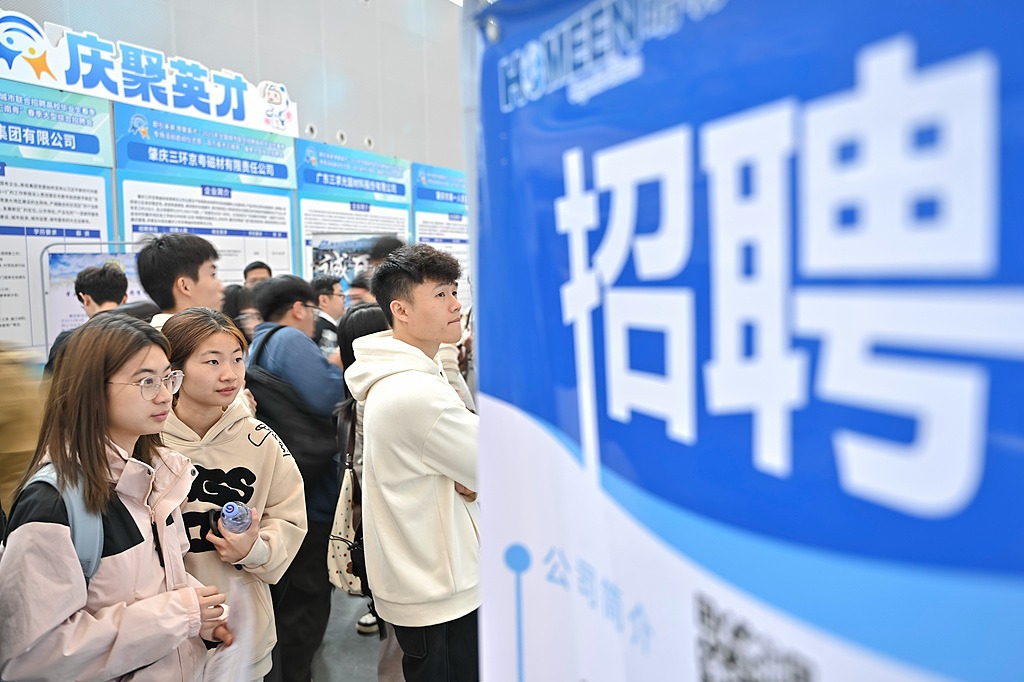
    China’s labor market has demonstrated remarkable stability throughout the first eleven months of 2025, with official statistics revealing the creation of 12.1 million new urban positions. The Ministry of Human Resources and Social Security released these figures on Tuesday, December 17, 2025, indicating a sustained positive trend in employment generation.

    The data further indicates that the average urban unemployment rate remained at 5.2 percent during this eleven-month period, reflecting the effectiveness of comprehensive employment stabilization policies implemented throughout the year. Chinese authorities have consistently prioritized job security as fundamental to maintaining broader economic stability, particularly within the four critical domains of employment, enterprise operations, market functions, and economic expectations.

    According to a representative from the ministry’s employment promotion department, future strategies will concentrate on dual objectives of maintaining existing employment levels while simultaneously expanding new opportunities. These efforts will include implementing targeted support measures for key demographic groups, enhancing vocational training programs to improve workforce adaptability, optimizing public employment services for more efficient job matching, and strengthening entrepreneurial support mechanisms to generate multiplicative employment effects throughout the economy.

    The sustained job creation performance aligns with China’s broader economic stabilization initiatives that have emphasized employment quality and quantity as central components of socioeconomic development policy. These measures have proven particularly effective in navigating global economic uncertainties while maintaining domestic employment fundamentals.

  • No more OTPs for UAE banking: Step-by-step guide to new 2026 payment system

    No more OTPs for UAE banking: Step-by-step guide to new 2026 payment system

    The United Arab Emirates banking sector is undergoing a transformative security shift as financial institutions progressively abandon traditional one-time passwords (OTPs) delivered via SMS or email. This strategic move responds to escalating cybersecurity threats including phishing attacks, SIM-swap fraud, and OTP interception that have compromised conventional verification methods.

    Leading financial institutions including Emirates NBD have pioneered the transition to an advanced app-based authentication framework. Under this new system, customers authorize card payments directly within their banking applications through secure push notifications coupled with biometric verification or smart pass PINs. This approach creates a protected, bank-controlled environment that significantly reduces vulnerability compared to external messaging channels.

    The practical implementation involves a streamlined four-step process: First, customers receive an authorization prompt during online payments directing them to their banking app instead of the traditional OTP pop-up. Simultaneously, an SMS alert notifies users to access their banking application. Second, upon login, users encounter a pending payment notification within the Activities section. Third, a dedicated review window displays comprehensive transaction details including merchant information and amount, accompanied by a two-minute countdown timer for decision-making. Finally, approval requires smart pass PIN verification, completing the transaction instantly without OTP involvement.

    This security enhancement is being implemented through a carefully structured phased rollout. Initial measures commenced on July 25, 2025, with UAE banks beginning the elimination of SMS and email OTPs for specific digital and card-based transactions. During this transitional phase, customers may encounter varying authentication methods depending on their financial institution, transaction type, and channel utilized. The complete discontinuation of traditional OTP systems is scheduled for March 2026, aligning with regulatory directives aimed at fortifying digital banking security infrastructure across the Emirates.

  • Nation steps up measures to stimulate consumption

    Nation steps up measures to stimulate consumption

    China is implementing a dual-pronged approach to stimulate consumer spending, combining immediate financial measures with long-term structural reforms as the nation shifts toward a domestic demand-driven economic model. This strategic pivot comes as November retail sales growth slowed to 1.3% year-on-year, down 1.6 percentage points from October’s figures.

    The recently concluded Central Economic Work Conference positioned “boosting domestic demand” as the foremost priority for China’s 2026 economic agenda. President Xi Jinping emphasized in a Qiushi Journal article that expanding domestic demand constitutes both an economic stability mechanism and a national security imperative, characterizing it as a strategic rather than temporary measure.

    In concrete action, China’s Ministry of Commerce, People’s Bank of China, and National Financial Regulatory Administration jointly issued policy directives strengthening financial support for consumer spending. The measures encourage refined financial services for big-ticket purchases and innovative products targeting service sectors including elderly care, catering, tourism, and education.

    Financial analysts view this timing as strategically significant. “Front-loading such support weeks before the new year is designed to secure early economic momentum,” noted Dong Ximiao, Chief Researcher at Merchants Union Consumer Finance Co., adding that positioning ahead of February’s Spring Festival shopping season leverages peak consumption periods.

    The approach combines targeted financial support with extended trade-in programs that have already generated substantial impact. Ministry of Commerce data reveals that from January to November 2025, trade-in initiatives drove sales exceeding 2.5 trillion yuan ($355 billion), benefiting over 360 million citizens. Analysts project expansion of these programs in 2026 to include AI-enhanced products, with proposed funding increases from 300 billion to 500 billion yuan.

    Beyond immediate stimuli, economists stress that sustained consumption growth requires deeper structural reforms. These include boosting household incomes, strengthening social safety nets, and improving livelihoods. The policy focus is evolving from simple stimulus to enhancing both capacity and willingness to spend, potentially through adjusted income tax thresholds, maintained social welfare spending, and high-quality employment policies.

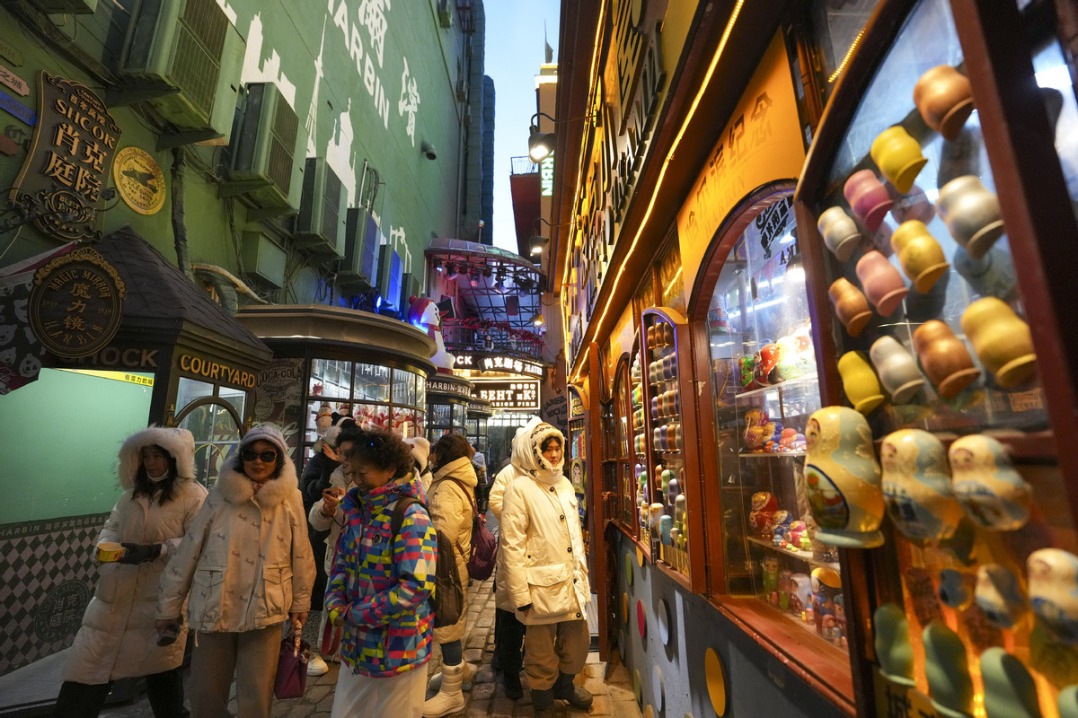
    Concurrently, China is promoting inbound consumption through its “Shopping in China” campaign, facilitated by visa-free policies and instant tax refunds for eligible international travelers. Former WTO Chief Economist Robert Koopman observed that China’s evolution into a major demand center will represent a significant transformation in its global economic role over the next decade.