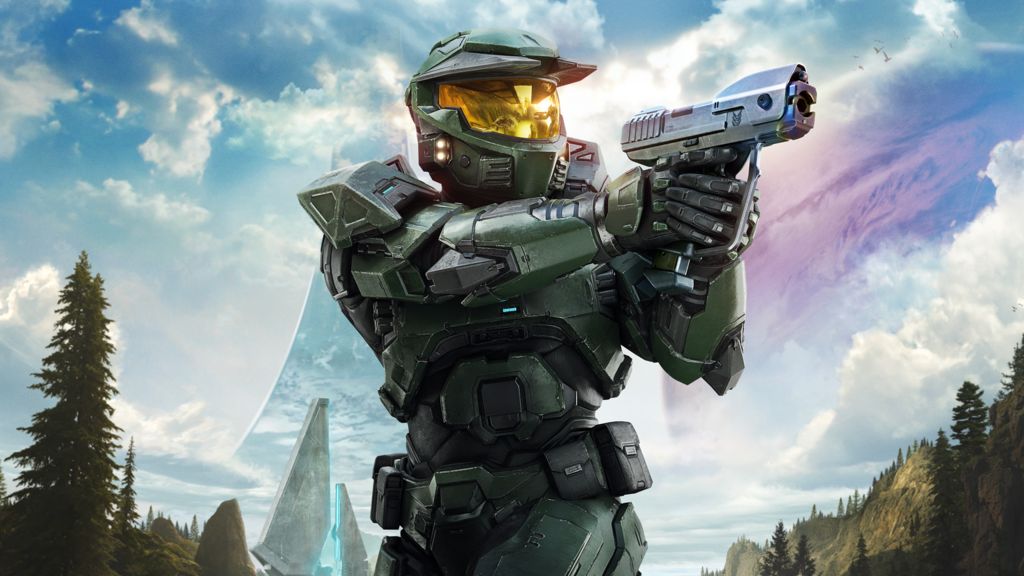
Microsoft’s Xbox division is pressing forward with its sweeping company-wide “reset,” announcing another round of 268 layoffs and a transformative shakeup to the future of its iconic Halo franchise, one of the most influential intellectual properties in modern gaming.
The latest workforce cuts will primarily impact staff at Halo Studios, the in-house team that has overseen the flagship series in recent years. Moving forward, all new Halo game development will be transferred to Activision, the prominent publisher behind the blockbuster Call of Duty franchise that Microsoft acquired in 2023. Halo Studios will shift its mandate exclusively to supporting existing Halo titles and maintaining ongoing community engagement, following the July 2026 release of *Halo: Campaign Evolved*.
Halo has been a cornerstone of the Xbox brand since 2001, when it launched alongside Microsoft’s first home console and cemented the company’s position as a major competitor in the global gaming industry. Long considered Xbox’s signature offering, industry analysts note the franchise has struggled to live up to its legendary status for more than a decade. Jez Corden of Windows Central described the development handoff as a “dramatic move,” adding that “Halo was once to Xbox what Mario is to Nintendo, but years of mismanagement have eroded that” legacy.
Christopher Dring, editor-in-chief of *The Game Business*, noted that the shift raises key questions about whether Activision can revive the once-unmatched franchise, though he added the move makes strategic sense. “Bringing Halo under Activision’s leadership makes sense, though the company will be mindful not to lose what makes Halo unique,” Dring explained.
Rob Kostich, president of Activision, laid out the publisher’s vision for the franchise in a statement, saying: “For Halo, our goal is clear: make the greatest Halo game ever, worthy of its universe and legacy, while staying true to what made players love it in the first place. We have already begun assembling a purpose-built team, unique in capability and talent, ready and excited to deliver this next chapter with the community.”
Beyond Halo, the restructuring will bring other major Xbox studios under Activision’s oversight, including World’s Edge, the team behind the beloved Age of Empires strategy franchise, and Rare, the UK-based developer behind the popular open-world adventure Sea of Thieves. Additional studio consolidations are also underway: Bethesda Game Studios, the team behind The Elder Scrolls and Fallout, will expand its scope to absorb Obsidian Entertainment, the studio behind the critically acclaimed *Fallout: New Vegas*. The development teams behind the Forza Horizon racing series and the upcoming Fable reboot will also merge into a single studio group.
The restructuring has also cast uncertainty over the future of Ninja Theory, the BAFTA-winning UK studio behind the celebrated Hellblade series. Back in July, Xbox CEO Asha Sharma announced Ninja Theory would be spun off for sale as part of the company’s downsizing, alongside four other smaller studios. But on Tuesday, Xbox chief content officer Matt Booty revealed in a blog post that two separate deals to sell the studio have already fallen through.
Booty confirmed that Ninja Theory has now entered into employee consultations regarding a potential full closure, though informal talks about alternative buyout offers remain ongoing. Of the four other studios marked for spin-off, Booty added that three have been returned to internal Xbox management, while consultations for the fourth studio, Arcane, remain ongoing.
Tuesday’s 268 job cuts are the latest phase of what Sharma called in July “the most significant restructure in Xbox history.” The initial phase of the plan cut 1,600 roles immediately, as part of a total planned reduction of 3,600 positions company-wide. Xbox confirmed this week that it is now three-quarters of the way through completing the planned restructuring.
Sharma has publicly framed the restructuring as a necessary correction for the division, admitting in July that Microsoft’s gaming arm had not been operating at a healthy level. While the company’s popular Game Pass subscription service has “created meaningful value” for players and the business, Sharma said growth has not kept pace with internal targets. In an August 2026 interview with the BBC, she also cited the ongoing “crisis” of rising computing and hardware manufacturing costs as a key external pressure driving the need for deep cuts and operational changes.