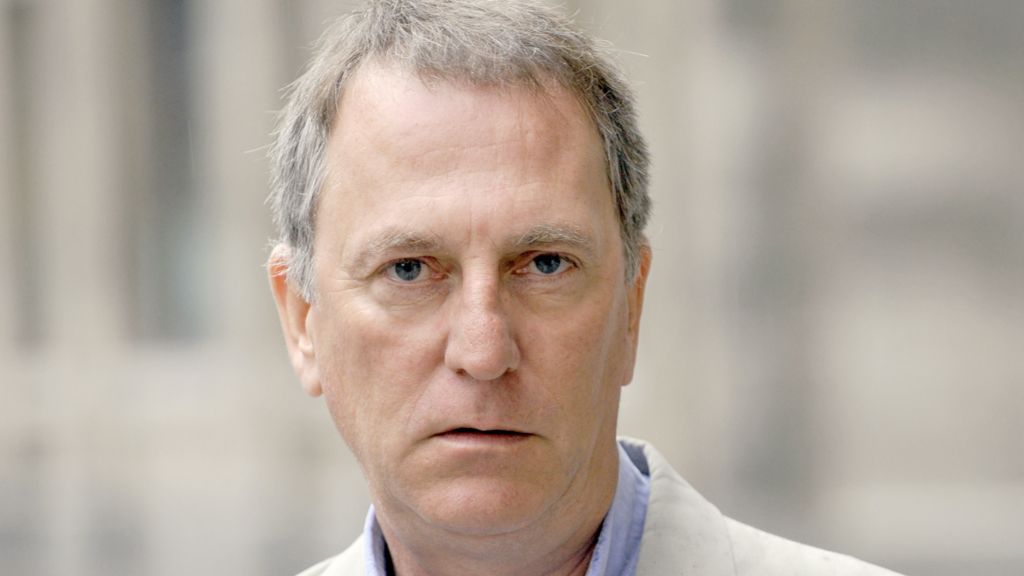
Mark Doyle, the pioneering British journalist whose groundbreaking on-the-ground reporting of African conflicts through the 1990s and 2000s cemented his reputation as one of the most respected foreign correspondents of his generation, has passed away following a brief illness.
Doyle’s journalistic career was deeply rooted in the African continent, where he lived for years before officially joining the BBC’s global news team in 1986. Just seven years later, he was appointed the broadcaster’s East Africa correspondent, and it was his courageous coverage of the 1994 Rwandan genocide that first catapulted him to industry-wide acclaim, setting a new standard for frontline war reporting.
In 1997, Doyle shifted his base to become West Africa correspondent, a post he held through 2002. During this tenure, he documented the extreme violence of Sierra Leone’s civil war and the chaotic aftermath of armed conflict in Liberia, bringing unseen human suffering and political upheaval to global audiences.
In the wake of Doyle’s death, BBC Foreign Editor Paul Danahar paid tribute to the reporter, describing him as a “legendary figure” who stood out as a “brilliant, brave, empathetic reporter” whose work left an indelible mark on the organization and the broader industry.
Years before his passing, colleagues already celebrated Doyle’s legacy ahead of his retirement from the public broadcaster in 2015, when a tribute article featured reflections from those who had worked alongside him. Fellow veteran BBC Africa correspondent Fergal Keane recalled their shared time covering the Rwandan genocide in 1994, noting that Doyle remained in the crisis zone longer than any other international reporter. “Those who were in that awful place at that awful time will know what Mark Doyle gave for the cause of truth and for the BBC,” Keane said.
The same tribute also included praise from Sir David Richards, who led British military intervention efforts to end Sierra Leone’s civil war in 2000. Richards emphasized that Doyle’s unflinching on-the-ground reporting was critical to persuading the UK government that a forceful intervention was necessary. “Hence the saving of thousands of Sierra Leonean lives that would otherwise have been at huge risk,” he explained.
Doyle’s work earned widespread recognition beyond the BBC, including a first-place win at the 2004 UN Correspondents Association/UN Foundation Awards for his incisive coverage of post-conflict Liberia. After decades of frontline reporting, he rose to the role of BBC World Affairs correspondent before retiring from the broadcaster in 2015.