After years of relentless advocacy from survivors and anti-exploitation organizations, California has become the 18th U.S. state to enact a full ban on child marriage, after Governor Gavin Newsom signed the historic legislation into law in a public ceremony joined by campaigners who have lived experience of the harmful practice.
Set to take effect on January 1, 2027, the new law establishes a firm minimum marriage age of 18 across California, eliminating a decades-old legal loophole that allowed minors of any age to wed so long as they received parental approval and a judge’s signature. Prior to this reform, there was no enforceable minimum age for marriage in the state, leaving thousands of young people trapped in coercive relationships with no legal path to divorce. Governor Newsom described the long-awaited policy change as a critical step to safeguard vulnerable young Californians, calling it “long overdue” in public remarks after signing the bill.
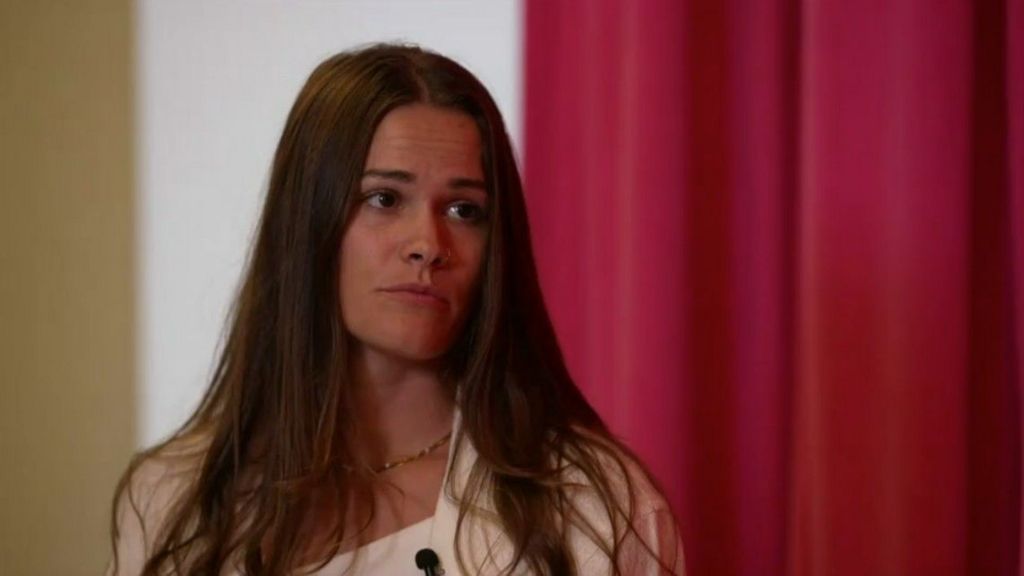
Among the guests on hand for the signing was Courtney Stodden, a prominent child marriage survivor who married 50-year-old Hollywood actor Doug Hutchison — known for his roles in *The Green Mile* and *A Time to Kill* — when she was just 16. The 2011 union sparked global public outcry and launched Stodden into public life, where she has become a leading voice for ending the practice nationwide. Stodden called the new law a “victory” for survivors, who have long carried the unrecognized trauma of child marriage. “Survivors of child marriage should never have been expected to carry this burden,” she said, adding that she will continue organizing until child marriage is formally banned in all 50 U.S. states.
Stodden’s call for nationwide reform was echoed by other survivors who have worked for years to advance the legislation. Brittany Bee, who was married at 17 to escape an abusive household, only to face continued abuse at the hands of her adult husband, told reporters that California’s new ban sends a message of hope to young people across the country. “A message of hope for all children that they may be free from systemic violence. That they may choose their own path,” Bee said. Reflecting on her own experience, she added, “I was just going from one prison to another. People have the audacity to tell me that I made a choice — kids, they can’t consent.”
Another survivor, Sara Tasneen, who was forced into an arranged marriage at 15 to a man nearly twice her age, described the bill’s passage as surreal after a decade of lobbying. Tasneen met her husband for the first time on the morning of her wedding, gave birth to her first child at 16, and was forced to drop out of high school, permanently altering the trajectory of her life. “To have seen the arc of this bill come to fruition has been a marathon,” she said. “I’m just grateful that kids cannot get married after January 1, 2027 in California.”
According to Unchained At Last, a national advocacy group dedicated to ending child marriage across the U.S., roughly 9,000 minors were married annually in California before the ban, and nearly all of these unions paired underage girls with adult men. Survivors and advocates note that the lack of a legal divorce process for minors left thousands trapped in abusive, predatory relationships with no way out. A widespread lack of public awareness has also slowed reform: many Americans do not realize that child marriage remains legal in 32 U.S. states, or that the practice is consistently linked to severe abuse, poverty, and disrupted education.
The shift toward nationwide reform began roughly a decade ago, when child marriage was still permitted in every U.S. state. Since 2018, 17 other states have followed California’s lead in enacting full bans, as growing survivor testimonies and public pressure have pushed lawmakers to close legal loopholes that have allowed the exploitative practice to persist.