Nearly seven years after the United Kingdom completed its full exit from the European Union, post-Brexit trade barriers continue to squeeze British food exporters doing business with the continent, prompting top industry voices to share their mounting frustrations as UK officials weigh policy changes to cut bureaucratic red tape.
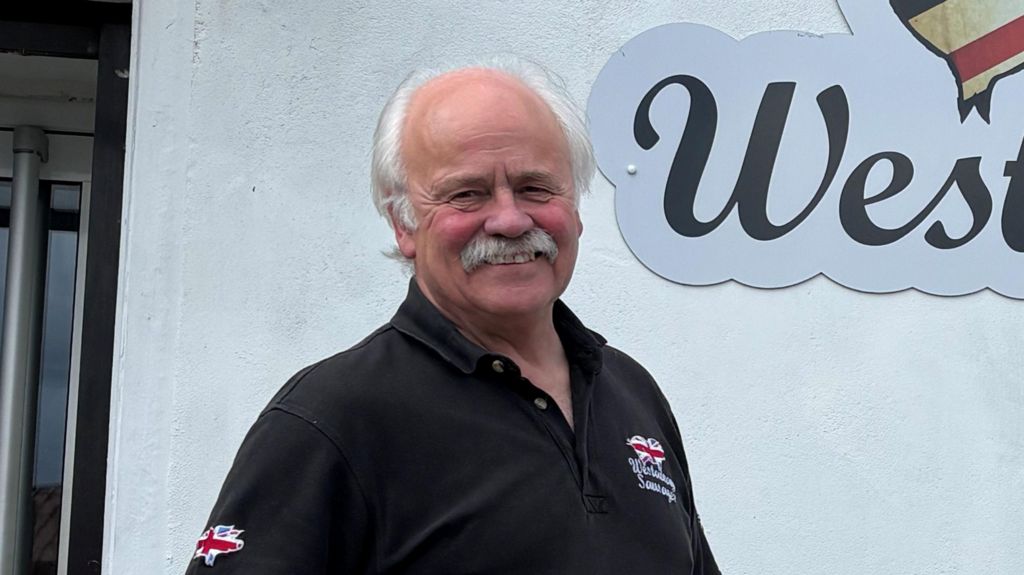
Two key sectors in the South West of England — Devon’s sausage manufacturing and Brixham’s fishing trade — have been hit particularly hard by the additional administrative checks, costly paperwork and persistent border delays that came into force after Brexit. For Charles Baughan, managing director of family-owned Westaway Sausages based in Newton Abbot, these extra trade burdens have already accumulated into a quarter of a million pounds in losses for his business.
Baughan detailed the steep administrative and financial toll of the current rules, explaining that every shipment of sausages bound for the EU requires a 14-page health certificate signed 46 separate times, which must be validated and stamped by an official veterinarian before departure. Beyond the £600 in direct costs per shipment for this process, he warned that even a minor error on the paperwork can lead to an entire consignment being seized and destroyed by French customs at the Port of Calais, creating constant, costly uncertainty for his firm.
The pain is shared across the region’s fishing trade, according to Ian Perkes, a fish merchant based in the Brixham fishing port. Perkes noted that time-consuming paperwork bogs down operations on both sides of the English Channel, creating avoidable delays at the UK departure point and the Channel Tunnel entry point that throw off tight market timelines. Exporters even face financial penalties from UK health authorities if they fail to finalize and print all required health certification by the 1pm daily deadline, adding another unnecessary cost to already thin profit margins.
To address these long-running frictions, UK government ministers are currently evaluating a proposal for closer alignment with EU food safety and trade regulations, a policy shift that could significantly cut bureaucratic barriers for exporters. The plan under discussion calls for “dynamic alignment”, a framework that would see the UK automatically adopt updated EU food rules into domestic law as they are introduced. If approved, a formal agreement on the new alignment framework could be finalized within the next two to three years.
Jayne Kirkham, Labour Member of Parliament for Truro and Falmouth and a sitting member of the House of Commons Environment, Food and Rural Affairs Committee, confirmed that incremental progress is being made on advancing the alignment proposal. She emphasized that the current post-Brexit trade barriers have caused measurable damage to the UK’s national economy and to agricultural and fishing producers across the country, and that unimpeded cross-border trade is a non-negotiable necessity for these sectors. Kirkham added that negotiations on the framework could move at a surprisingly fast pace, with a finalized deal possible as early as 2027.